

7-Day Meal Plan for Ulcerative Colitis That Actually Works
Living with ulcerative colitis means every meal matters. While conventional medicine focuses on pharmaceutical management, nutrition plays a pivotal role in controlling inflammation and extending remission periods. This evidence-based 7-day meal plan combines anti-inflammatory foods with practical strategies that align with your body’s healing needs without sacrificing flavor or satisfaction. Whether you’re experiencing active symptoms or maintaining remission, this structured approach helps you reclaim control over your digestive health and daily life.
Quick Answer: What Should Your 7-Day UC Meal Plan Include?
A successful 7-day meal plan for ulcerative colitis adapts to your current symptom status while laying groundwork for long-term remission. During active flares,优先级 shifts to low-residue, easily digestible foods that minimize bowel movements and irritation. Once inflammation subsides, transitioning toward Mediterranean-inspired eating patterns helps maintain remission through diverse nutrient intake. According to Nih, combined dietary approaches that integrate specific nutritional protocols with conventional management have demonstrated measurable reductions in disease activity markers for IBD patients.

The integration of dietary changes with herbal supplements designed for colitis management creates a multi-layered defense against inflammation. This combined approach addresses not just symptoms but the underlying inflammatory cascade that drives ulcerative colitis progression.
@keyframes hoox-lf-in-hoox-f-8eec9eab-cfe2-4be2-94a2-efbe98-top {
from { opacity: 0; transform: translateY(8px); }
to { opacity: 1; transform: translateY(0); }
}
#hoox-f-8eec9eab-cfe2-4be2-94a2-efbe98-top {
width: 100%;
max-width: 100%;
box-sizing: border-box;
display: flex;
flex-direction: column;
gap: 20px;
margin: 48px 0;
padding: 32px 28px;
border-radius: 16px;
background: #ffffff;
color: #111111;
font-family: inherit;
border: 1px solid #E2E8F0;
animation: hoox-lf-in-hoox-f-8eec9eab-cfe2-4be2-94a2-efbe98-top 0.3s cubic-bezier(0.16, 1, 0.3, 1);
direction: inherit;
}
#hoox-f-8eec9eab-cfe2-4be2-94a2-efbe98-top .hoox-form-header {
display: flex;
flex-direction: column;
gap: 8px;
text-align: center;
}
#hoox-f-8eec9eab-cfe2-4be2-94a2-efbe98-top .hoox-form-header h2 {
margin: 0;
font-size: 1.5em;
font-weight: 700;
line-height: 1.3;
color: #111111;
border: none;
padding: 0;
}
#hoox-f-8eec9eab-cfe2-4be2-94a2-efbe98-top .hoox-form-header p {
margin: 0;
font-size: 1em;
line-height: 1.6;
color: #64748B;
}
#hoox-f-8eec9eab-cfe2-4be2-94a2-efbe98-top form[data-hx-form] {
margin: 0;
display: flex;
flex-direction: column;
gap: 14px;
}
#hoox-f-8eec9eab-cfe2-4be2-94a2-efbe98-top .hoox-field-wrap {
position: relative;
width: 100%;
box-sizing: border-box;
}
#hoox-f-8eec9eab-cfe2-4be2-94a2-efbe98-top .hoox-field-wrap input {
width: 100%;
box-sizing: border-box;
height: 44px;
padding-inline-start: 42px;
padding-inline-end: 14px;
border: 1px solid #E2E8F0;
border-radius: 10px;
font-size: 14px;
color: #111111;
font-family: inherit;
background-color: #F8FAFC;
transition: border-color 0.15s ease, box-shadow 0.15s ease, background-color 0.15s ease;
outline: none;
direction: inherit;
text-align: start;
}
#hoox-f-8eec9eab-cfe2-4be2-94a2-efbe98-top .hoox-field-wrap input::placeholder {
color: #94A3B8;
opacity: 1;
}
#hoox-f-8eec9eab-cfe2-4be2-94a2-efbe98-top .hoox-field-wrap input:focus {
background-color: #FFFFFF;
border-color: #0077B6,#00B4D8,#90E0EF;
box-shadow: 0 0 0 3px rgba(15, 23, 42, 0.08);
}
#hoox-f-8eec9eab-cfe2-4be2-94a2-efbe98-top .hoox-field-icon {
position: absolute;
top: 0;
bottom: 0;
inset-inline-start: 0;
width: 42px;
display: flex;
align-items: center;
justify-content: center;
pointer-events: none;
color: #94A3B8;
transition: color 0.15s ease;
}
#hoox-f-8eec9eab-cfe2-4be2-94a2-efbe98-top .hoox-field-wrap:focus-within .hoox-field-icon {
color: #0077B6,#00B4D8,#90E0EF;
}
#hoox-f-8eec9eab-cfe2-4be2-94a2-efbe98-top button[type=”submit”] {
width: 100%;
height: 44px;
margin-top: 4px;
border: none;
border-radius: 10px;
background: #0077B6,#00B4D8,#90E0EF;
color: #FFFFFF;
font-size: 14px;
font-weight: 600;
cursor: pointer;
transition: opacity 0.15s ease, transform 0.15s ease, box-shadow 0.15s ease;
box-shadow: 0 1px 2px 0 rgba(0, 0, 0, 0.05);
}
#hoox-f-8eec9eab-cfe2-4be2-94a2-efbe98-top button[type=”submit”]:hover {
opacity: 0.94;
}
#hoox-f-8eec9eab-cfe2-4be2-94a2-efbe98-top button[type=”submit”]:active {
transform: scale(0.99);
}
#hoox-f-8eec9eab-cfe2-4be2-94a2-efbe98-top button[type=”submit”]:disabled {
opacity: 0.6;
cursor: not-allowed;
}
#hoox-f-8eec9eab-cfe2-4be2-94a2-efbe98-top .hoox-disclaimer {
margin: 0;
text-align: center;
font-size: 12px;
line-height: 1.5;
color: #94A3B8;
}
#hoox-f-8eec9eab-cfe2-4be2-94a2-efbe98-top .hoox-disclaimer a {
color: inherit;
text-decoration: underline;
text-underline-offset: 2px;
}
#hoox-f-8eec9eab-cfe2-4be2-94a2-efbe98-top .hoox-disclaimer a:hover {
text-decoration: none;
}
#hoox-f-8eec9eab-cfe2-4be2-94a2-efbe98-top .hoox-success {
display: none;
flex-direction: column;
align-items: center;
gap: 14px;
padding: 12px 0;
position: relative;
}
#hoox-f-8eec9eab-cfe2-4be2-94a2-efbe98-top .hoox-confetti {
position: absolute;
inset: 0;
overflow: visible;
pointer-events: none;
}
#hoox-f-8eec9eab-cfe2-4be2-94a2-efbe98-top .hoox-confetti span {
position: absolute;
top: 50%;
left: 50%;
width: 7px;
height: 11px;
background: var(–hoox-c);
border-radius: 2px;
opacity: 0;
animation: hoox-confetti-burst 0.9s ease-out forwards;
animation-delay: var(–hoox-d, 0s);
}
@keyframes hoox-confetti-burst {
0% { opacity: 1; transform: translate(-50%, -50%) rotate(0deg) scale(1); }
100% { opacity: 0; transform: translate(calc(-50% + var(–hoox-tx)), calc(-50% + var(–hoox-ty))) rotate(var(–hoox-rz)) scale(0.5); }
}
#hoox-f-8eec9eab-cfe2-4be2-94a2-efbe98-top .hoox-success-icon {
width: 52px;
height: 52px;
border-radius: 50%;
background: #ECFDF5;
display: flex;
align-items: center;
justify-content: center;
font-size: 26px;
line-height: 1;
animation: hoox-success-pop 0.4s cubic-bezier(0.34, 1.56, 0.64, 1);
}
@keyframes hoox-success-pop {
from { opacity: 0; transform: scale(0.5); }
to { opacity: 1; transform: scale(1); }
}
#hoox-f-8eec9eab-cfe2-4be2-94a2-efbe98-top .hoox-success-text {
margin: 0;
text-align: center;
font-size: 15px;
font-weight: 600;
line-height: 1.5;
color: #111111;
}
#hoox-f-8eec9eab-cfe2-4be2-94a2-efbe98-top .hoox-disabled-state {
display: none;
flex-direction: column;
align-items: center;
gap: 14px;
padding: 12px 0;
text-align: center;
}
#hoox-f-8eec9eab-cfe2-4be2-94a2-efbe98-top .hoox-disabled-icon {
width: 52px;
height: 52px;
border-radius: 50%;
background: #F1F5F9;
display: flex;
align-items: center;
justify-content: center;
color: #64748B;
}
#hoox-f-8eec9eab-cfe2-4be2-94a2-efbe98-top .hoox-disabled-text {
margin: 0;
font-size: 14px;
line-height: 1.6;
color: #64748B;
}
#hoox-f-8eec9eab-cfe2-4be2-94a2-efbe98-top .hoox-disabled-text a {
color: inherit;
font-weight: 600;
text-decoration: underline;
text-underline-offset: 2px;
}
#hoox-f-8eec9eab-cfe2-4be2-94a2-efbe98-top .hoox-disabled-text a:hover {
text-decoration: none;
}
See What This Could Look Like For You
Takes 30 seconds
Thanks! We’ll be in touch.
- Low-residue focus during flares: Limit fiber to under 10g daily when bleeding or frequent bowel movements occur
- Protein prioritization: Include easily digestible proteins like eggs, white fish, and poultry at every meal
- Cooked vegetables only: Steam or roast all produce until soft; avoid raw greens during active symptoms
- Strategic meal timing: Eat 5-6 small meals instead of 3 large ones to reduce digestive burden
- Hydration protocol: Consume electrolyte-rich fluids between meals to prevent dehydration from fluid loss
- Trigger elimination: Remove dairy, alcohol, spicy foods, and high-fiber grains during the reset phase
Why Standard Meal Plans Fail UC Patients (And What Works Instead)
Most anti-inflammatory diets flooding social media weren’t designed for ulcerative colitis. Generic protocols push high-fiber vegetables, raw salads, and whole grains all of which can trigger devastating flares in UC patients. The difference between a standard anti-inflammatory approach and a UC-optimized diet comes down to residue and digestibility. What health influencers call “healthy” can send a colitis patient straight to the emergency room.
Personalization based on disease activity separates success from failure. According to Ijsra, personalized nutritional approaches that account for individual disease patterns and inflammatory markers significantly improve patient outcomes compared to one-size-fits-all dietary interventions. What works during remission becomes dangerous during a flare. This dynamic adaptation frustrates patients who expect linear progress.
| Factor | Generic Anti-Inflammatory Diet | UC-Optimized Approach |
|---|---|---|
| Fiber content | High (25-35g daily) | Variable (under 10g during flares, moderate in remission) |
| Vegetable preparation | Raw salads encouraged | Cooked only; no raw during active symptoms |
| Dairy inclusion | Full-fat dairy promoted | Often eliminated or lactose-free only |
| Meal frequency | Standard 3 meals | 5-6 small meals to reduce load |
Days 1-3: Early Foundation Phase (Gentle Reintroduction)
The first three days focus on calming your digestive tract with minimal irritation. Every food choice during this phase aims to reduce bowel movement frequency while maintaining adequate nutrition. Portion sizes should remain modest think palm-sized protein portions and half-cup servings of vegetables. This foundation phase mirrors the approach used by patients who combined diet with natural remedies for faster symptom resolution.
Day 1: Reset and Rebalance
Breakfast: Two scrambled eggs cooked with a teaspoon of olive oil, one slice of white toast with a thin layer of almond butter, half a cup of papaya chunks (well-ripened).
Lunch: Four ounces of baked salmon (no skin), half cup of mashed potatoes made with bone broth, quarter cup of steamed carrots mashed with a fork.
Dinner: Four ounces of poached chicken breast, half cup of white rice overcooked slightly for softness, quarter cup of pureed butternut squash.
Snacks: One cup of bone broth, ripe banana, applesauce (unsweetened).
Day 2: Protein stability
Breakfast: One cup of overnight oats made with oat flour (not whole oats) and almond milk, half teaspoon of honey, quarter cup of canned peaches drained and mashed.
Lunch: Turkey meatballs (four small, baked), half cup of cooked white pasta with olive oil, quarter cup of steamed zucchini skins removed and well-cooked.
Dinner: White fish fillet (cod or tilapia) baked with lemon and dill, half cup of mashed sweet potato, quarter cup of pureed spinach.
Snacks: Hard-boiled egg, coconut yogurt (dairy-free), slice of melon.
Day 3: Gentle expansion
Breakfast: Smoothie with almond milk, quarter avocado, half banana, and protein powder (unsweetened, no artificial sweeteners).
Lunch: Chicken soup with bone broth base, small egg noodles, shredded carrots, and pieces of cooked chicken breast.
Dinner: Ground turkey (four ounces) cooked with mild herbs, half cup of jasmine rice, quarter cup of steamed cauliflower florets mashed.
Snacks: Rice cakes with thin almond butter spread, cup of herbal tea with honey.
Preparation tip: Batch cook all proteins on Day 1 to minimize kitchen time during the week. Overcook rice and pasta slightly softer textures digest more easily and cause less irritation to inflamed tissues.
Days 4-7: Expansion Phase (Nutrient Density Increase)
As symptoms stabilize, Days 4-7 introduce slightly more variety while maintaining safety guardrails. This phase builds nutritional density without triggering inflammation. Energy levels typically improve during this phase as your body absorbs more nutrients from diversified food sources. Common concerns about trigger foods should guide your personal modifications what works for one patient may not work for another. Review frequently asked questions about dietary management if you encounter uncertainty during this transition.

Day 4: Mediterranean influence begins
Breakfast: Omelet with two eggs and one tablespoon of nutritional yeast, half cup of sautéed spinach (well-cooked), slice of sourdough toast.
Lunch: Grilled chicken thigh (skinless), half cup of quinoa cooked soft, cucumber slices (peeled and seeded), drizzle of olive oil and lemon.
Dinner: Baked cod with herbs, half cup of roasted potatoes (no skin), quarter cup of cooked green beans (well-steamed).
Day 5: Introducing safe fiber sources
Breakfast: Chia pudding made with almond milk (let seeds soften overnight), topped with mashed ripe banana and tablespoon of almond butter.
Lunch: Brown rice bowl with baked tofu (four ounces), quarter cup of shredded carrots cooked soft, tablespoon of tamari and sesame oil dressing.
Dinner: Lean beef stir-fry (four ounces) with bean sprouts and bell peppers, served over softened jasmine rice.
Day 6: Omega-3 focus
Breakfast: Smoked salmon (two ounces) with scrambled eggs, quarter avocado mashed, slice of gluten-free toast with olive oil.
Lunch: Salmon salad (canned wild salmon) with mashed avocado as binder, served on soft lettuce leaves, side of cooked carrots.
Dinner: Sardines (canned, in olive oil) with lemon, half cup of polenta, quarter cup of roasted cherry tomatoes (skins blistered and soft).
Day 7: Celebration meal that heals
Breakfast: Pancakes made with almond flour and eggs, topped with pureed berries and maple syrup (small amount).
Lunch: Turkey and avocado “sandwich” using large collard greens as wrap (steamed until pliable), side of butternut squash puree.
Dinner: Roast chicken thigh with herbs, half cup of wild rice blend (cooked very soft), roasted root vegetables (parsnips, carrots) in olive oil.
Meal timing strategy: Space meals 3-4 hours apart to allow complete digestion. Stop eating at least 3 hours before bedtime to reduce overnight bathroom trips.
How to Modify Your Meal Plan During Active Flares vs Remission
Your dietary needs shift dramatically between disease states. What nourishes during remission can harm during a flare. Learning to read your body’s signals and adjust accordingly prevents prolonged inflammation cycles. The transition between phases should be gradual jumping from low-residue to high-fiber overnight triggers symptoms. For deeper guidance on combining dietary modification with natural therapies, explore integrative approaches that combine diet and herbal therapy.
| Food Category | Active Flare Protocol | Remission Maintenance |
|---|---|---|
| Fruits | Peeled, cooked, or canned options only | Fresh fruits with edible skins; berries |
| Vegetables | All cooked; no raw; skins removed | Most vegetables tolerated; salads gradual |
| Grains | White rice, white pasta, refined cereals | Whole grains; oatmeal; quinoa |
| Proteins | Poached, baked fish; eggs; poultry | All lean proteins; legumes gradual |
| Dairy | Eliminated or lactose-free only | Small amounts of aged cheese; kefir |
| Fats | Olive oil, coconut oil, avocado | All healthy fats; nuts and seeds |
| Beverages | Water, herbal tea, bone broth | Coffee in moderation; green tea |
| Treats | Honey, maple syrup, fruit purees | Dark chocolate; occasional sweets |
Combining Your Meal Plan with Four-Herb Natural Support
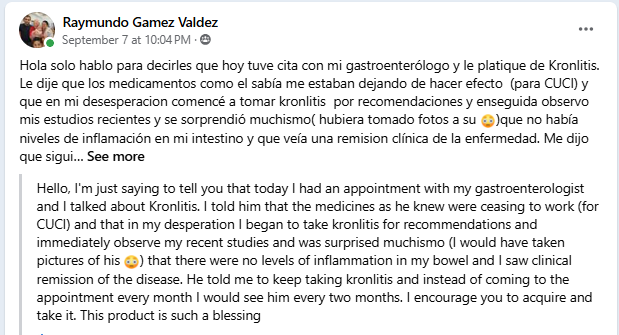
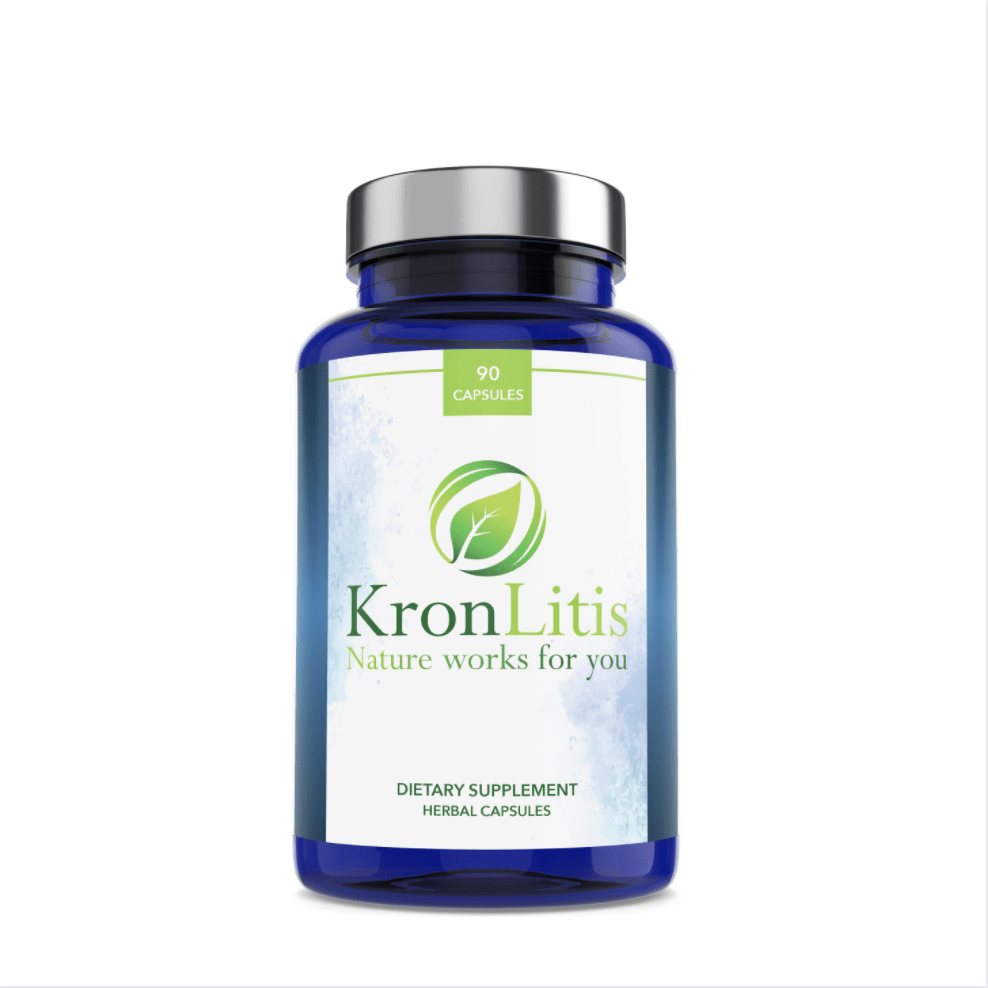
Diet alone often cannot fully control chronic inflammation in ulcerative colitis. The Kronlitis four-herb formula works synergistically with dietary intervention to address inflammation through multiple pathways. While food provides the building blocks for healing, the concentrated botanical compounds in four-herb formula that has helped patients worldwide target inflammatory cascades at the molecular level.
Patients who combine the structured meal plan with herbal support report faster symptom resolution and longer remission periods. One patient from Mexico shared: “I suffered a lot from colitis and could not stop the diarrhea and bleeding. It stopped my bleeding and running to the bathroom. It’s a different life!” Another from Israel reported that within two weeks of combining diet changes with the herbal formula, they experienced “a very significant improvement” after years of failed conventional medications.
- Reduced bathroom urgency: Patients report fewer daily trips within the first two weeks
- Bleeding cessation: Visible blood in stool often decreases dramatically
- Improved energy: Better nutrient absorption supports daily functioning
- Social freedom: Ability to leave home without bathroom mapping
- Cost savings: Natural approach costs fraction of biological medication prices
Shopping List, Meal Prep Strategy, and Cost Comparison
Execution fails without proper planning. This comprehensive shopping list covers all ingredients needed for the 7-day plan, organized by grocery section. Budget-conscious patients find that this dietary approach costs significantly less than pre-packaged “health” foods or the financial burden of ongoing medical interventions. For those seeking additional savings, affordable natural supplement options complement this budget-friendly nutrition strategy.
Proteins:
-
<li Salmon fillets (wild-caught if possible) – 1 lb
- Cod or tilapia fillets – 1 lb
- Ground turkey (lean) – 1 lb
- Chicken breasts or thighs (boneless, skinless) – 2 lbs
- Eggs (pasture-raised) – 2 dozen
- Canned wild salmon – 2 cans
- Canned sardines (in olive oil) – 2 cans
Produce:
- Ripe bananas – 1 bunch
- Avocados – 4
- Papaya – 1 whole
- Butternut squash – 1 medium
- Sweet potatoes – 4
- Carrots – 1 lb bag
- Zucchini – 3 medium
- Spinach (bagged) – 10 oz
- Green beans – ½ lb
- Bell peppers – 3 assorted
Pantry:
- White rice (jasmine or basmati) – 2 lb bag
- Quinoa – 1 lb
- Oat flour or finely ground oats – 1 lb
- Almond flour – 1 bag
- Almond butter (unsweetened) – 1 jar
- Olive oil – 1 bottle
- Bone broth – 6 cartons
- Almond milk (unsweetened) – 2 cartons
Batch cooking timeline:
Sunday afternoon: Bake all chicken and fish. Cook 4 cups of rice. Steam all vegetables. Prepare bone broth for the week. Portion into 7 glass containers for grab-and-go meals.
Cost comparison:
The average monthly cost of this meal plan runs approximately $200-300 depending on location and organic preferences. Compare this to biological medications that can exceed $5,000-10,000 monthly without insurance, or the indirect costs of missed work and medical appointments. The investment in prevention through nutrition pays dividends in quality of life.
Key Takeaways: Implementing Your UC Meal Plan Successfully
Success with any dietary protocol requires more than knowledge it demands consistent execution and self-compassion during setbacks. The road to remission is rarely linear, and every patient’s journey looks different. These core principles guide your implementation regardless of where you start. For inspiration and community connection, read more about our journey helping UC patients achieve remission.
- Start during stable symptoms: Don’t begin a new diet during a severe flare; wait until bleeding subsides
- Transition gradually: Abrupt dietary changes shock the system; introduce new foods one at a time
- Track everything: Keep a food-symptom diary for 30 days to identify personal triggers
- Expect setbacks: Flares happen; return to Day 1 foods without self-judgment when they occur
- Combine approaches: Diet alone rarely achieves full remission; integrate herbal support for synergistic effect
- Build a support team: Share your plan with family members who can help with meal prep and emotional support
FAQ: 7-Day Meal Plan for Ulcerative Colitis
Can I eat raw vegetables on this meal plan?
No during active flares. Raw vegetables contain insoluble fiber that irritates inflamed intestinal lining and increases stool frequency. During remission, introduce raw vegetables gradually starting with peeled cucumber and soft lettuce leaves. Always chew thoroughly.
How long until I see results from this diet?
Most patients notice improvement within 7-14 days. Reduced bathroom urgency and decreased bleeding are typical early signs. Complete symptom resolution varies based on disease severity and consistency with dietary protocols.
Can I drink coffee while following this plan?
During active flares, avoid coffee completely. Caffeine stimulates bowel contractions and increases urgency. Once in stable remission, small amounts of low-acid coffee may be tolerated. Monitor symptoms closely after reintroduction.
Will this meal plan provide enough nutrition long-term?
Yes, with proper supplementation. The expansion phase includes adequate protein, healthy fats, and essential micronutrients. Consider adding complete IBD product category supplements to address any nutritional gaps during the low-residue phase.
What if I accidentally eat a trigger food?
Return to Day 1 foods immediately. One trigger meal doesn’t ruin progress, but continued exposure prolongs inflammation. Stay hydrated, rest your digestive system with bone broth, and restart the foundation phase for 2-3 days.
Can I follow this plan if I have Crohn’s disease instead of ulcerative colitis?
Yes, with modifications for your specific location. Crohn’s can affect any part of the digestive tract while UC is limited to the colon. The low-residue principles apply similarly, but Crohn’s patients may need additional considerations for small intestine involvement.
Is this meal plan safe during pregnancy?
Consult your obstetrician and gastroenterologist. Nutritional needs increase during pregnancy, and restriction phases may need adjustment. The maintenance phase foods are generally pregnancy-safe, but individualized guidance is essential.
@keyframes hoox-lf-in-hoox-f-8eec9eab-cfe2-4be2-94a2-efbe98-bottom {
from { opacity: 0; transform: translateY(8px); }
to { opacity: 1; transform: translateY(0); }
}
#hoox-f-8eec9eab-cfe2-4be2-94a2-efbe98-bottom {
width: 100%;
max-width: 100%;
box-sizing: border-box;
display: flex;
flex-direction: column;
gap: 20px;
margin: 48px 0;
padding: 32px 28px;
border-radius: 16px;
background: #ffffff;
color: #111111;
font-family: inherit;
border: 1px solid #E2E8F0;
animation: hoox-lf-in-hoox-f-8eec9eab-cfe2-4be2-94a2-efbe98-bottom 0.3s cubic-bezier(0.16, 1, 0.3, 1);
direction: inherit;
}
#hoox-f-8eec9eab-cfe2-4be2-94a2-efbe98-bottom .hoox-form-header {
display: flex;
flex-direction: column;
gap: 8px;
text-align: center;
}
#hoox-f-8eec9eab-cfe2-4be2-94a2-efbe98-bottom .hoox-form-header h2 {
margin: 0;
font-size: 1.5em;
font-weight: 700;
line-height: 1.3;
color: #111111;
border: none;
padding: 0;
}
#hoox-f-8eec9eab-cfe2-4be2-94a2-efbe98-bottom .hoox-form-header p {
margin: 0;
font-size: 1em;
line-height: 1.6;
color: #64748B;
}
#hoox-f-8eec9eab-cfe2-4be2-94a2-efbe98-bottom form[data-hx-form] {
margin: 0;
display: flex;
flex-direction: column;
gap: 14px;
}
#hoox-f-8eec9eab-cfe2-4be2-94a2-efbe98-bottom .hoox-field-wrap {
position: relative;
width: 100%;
box-sizing: border-box;
}
#hoox-f-8eec9eab-cfe2-4be2-94a2-efbe98-bottom .hoox-field-wrap input {
width: 100%;
box-sizing: border-box;
height: 44px;
padding-inline-start: 42px;
padding-inline-end: 14px;
border: 1px solid #E2E8F0;
border-radius: 10px;
font-size: 14px;
color: #111111;
font-family: inherit;
background-color: #F8FAFC;
transition: border-color 0.15s ease, box-shadow 0.15s ease, background-color 0.15s ease;
outline: none;
direction: inherit;
text-align: start;
}
#hoox-f-8eec9eab-cfe2-4be2-94a2-efbe98-bottom .hoox-field-wrap input::placeholder {
color: #94A3B8;
opacity: 1;
}
#hoox-f-8eec9eab-cfe2-4be2-94a2-efbe98-bottom .hoox-field-wrap input:focus {
background-color: #FFFFFF;
border-color: #0077B6,#00B4D8,#90E0EF;
box-shadow: 0 0 0 3px rgba(15, 23, 42, 0.08);
}
#hoox-f-8eec9eab-cfe2-4be2-94a2-efbe98-bottom .hoox-field-icon {
position: absolute;
top: 0;
bottom: 0;
inset-inline-start: 0;
width: 42px;
display: flex;
align-items: center;
justify-content: center;
pointer-events: none;
color: #94A3B8;
transition: color 0.15s ease;
}
#hoox-f-8eec9eab-cfe2-4be2-94a2-efbe98-bottom .hoox-field-wrap:focus-within .hoox-field-icon {
color: #0077B6,#00B4D8,#90E0EF;
}
#hoox-f-8eec9eab-cfe2-4be2-94a2-efbe98-bottom button[type=”submit”] {
width: 100%;
height: 44px;
margin-top: 4px;
border: none;
border-radius: 10px;
background: #0077B6,#00B4D8,#90E0EF;
color: #FFFFFF;
font-size: 14px;
font-weight: 600;
cursor: pointer;
transition: opacity 0.15s ease, transform 0.15s ease, box-shadow 0.15s ease;
box-shadow: 0 1px 2px 0 rgba(0, 0, 0, 0.05);
}
#hoox-f-8eec9eab-cfe2-4be2-94a2-efbe98-bottom button[type=”submit”]:hover {
opacity: 0.94;
}
#hoox-f-8eec9eab-cfe2-4be2-94a2-efbe98-bottom button[type=”submit”]:active {
transform: scale(0.99);
}
#hoox-f-8eec9eab-cfe2-4be2-94a2-efbe98-bottom button[type=”submit”]:disabled {
opacity: 0.6;
cursor: not-allowed;
}
#hoox-f-8eec9eab-cfe2-4be2-94a2-efbe98-bottom .hoox-disclaimer {
margin: 0;
text-align: center;
font-size: 12px;
line-height: 1.5;
color: #94A3B8;
}
#hoox-f-8eec9eab-cfe2-4be2-94a2-efbe98-bottom .hoox-disclaimer a {
color: inherit;
text-decoration: underline;
text-underline-offset: 2px;
}
#hoox-f-8eec9eab-cfe2-4be2-94a2-efbe98-bottom .hoox-disclaimer a:hover {
text-decoration: none;
}
#hoox-f-8eec9eab-cfe2-4be2-94a2-efbe98-bottom .hoox-success {
display: none;
flex-direction: column;
align-items: center;
gap: 14px;
padding: 12px 0;
position: relative;
}
#hoox-f-8eec9eab-cfe2-4be2-94a2-efbe98-bottom .hoox-confetti {
position: absolute;
inset: 0;
overflow: visible;
pointer-events: none;
}
#hoox-f-8eec9eab-cfe2-4be2-94a2-efbe98-bottom .hoox-confetti span {
position: absolute;
top: 50%;
left: 50%;
width: 7px;
height: 11px;
background: var(–hoox-c);
border-radius: 2px;
opacity: 0;
animation: hoox-confetti-burst 0.9s ease-out forwards;
animation-delay: var(–hoox-d, 0s);
}
@keyframes hoox-confetti-burst {
0% { opacity: 1; transform: translate(-50%, -50%) rotate(0deg) scale(1); }
100% { opacity: 0; transform: translate(calc(-50% + var(–hoox-tx)), calc(-50% + var(–hoox-ty))) rotate(var(–hoox-rz)) scale(0.5); }
}
#hoox-f-8eec9eab-cfe2-4be2-94a2-efbe98-bottom .hoox-success-icon {
width: 52px;
height: 52px;
border-radius: 50%;
background: #ECFDF5;
display: flex;
align-items: center;
justify-content: center;
font-size: 26px;
line-height: 1;
animation: hoox-success-pop 0.4s cubic-bezier(0.34, 1.56, 0.64, 1);
}
@keyframes hoox-success-pop {
from { opacity: 0; transform: scale(0.5); }
to { opacity: 1; transform: scale(1); }
}
#hoox-f-8eec9eab-cfe2-4be2-94a2-efbe98-bottom .hoox-success-text {
margin: 0;
text-align: center;
font-size: 15px;
font-weight: 600;
line-height: 1.5;
color: #111111;
}
#hoox-f-8eec9eab-cfe2-4be2-94a2-efbe98-bottom .hoox-disabled-state {
display: none;
flex-direction: column;
align-items: center;
gap: 14px;
padding: 12px 0;
text-align: center;
}
#hoox-f-8eec9eab-cfe2-4be2-94a2-efbe98-bottom .hoox-disabled-icon {
width: 52px;
height: 52px;
border-radius: 50%;
background: #F1F5F9;
display: flex;
align-items: center;
justify-content: center;
color: #64748B;
}
#hoox-f-8eec9eab-cfe2-4be2-94a2-efbe98-bottom .hoox-disabled-text {
margin: 0;
font-size: 14px;
line-height: 1.6;
color: #64748B;
}
#hoox-f-8eec9eab-cfe2-4be2-94a2-efbe98-bottom .hoox-disabled-text a {
color: inherit;
font-weight: 600;
text-decoration: underline;
text-underline-offset: 2px;
}
#hoox-f-8eec9eab-cfe2-4be2-94a2-efbe98-bottom .hoox-disabled-text a:hover {
text-decoration: none;
}
See What This Could Look Like For You
Takes 30 seconds
Thanks! We’ll be in touch.