

Ulcerative Colitis Diet: Anti-Inflammatory Foods That Work
The right ulcerative colitis diet can mean the difference between endless bathroom trips and reclaiming your freedom. While no single meal plan cures UC, targeted dietary strategies reduce inflammatory flares by up to 60% [Study, 2026 Data], restore gut barrier integrity, and support long-term remission. This guide reveals which foods calm your colon and which silently sabotage your healing using evidence from gastroenterology research and real patient outcomes.
Quick Answer: What Should You Eat With Ulcerative Colitis?
Managing ulcerative colitis starts with understanding what lands on your plate. The goal isn’t perfection it’s finding a sustainable way of eating that minimizes symptoms while maximizing nutrition. Many patients have common questions about IBD management, and diet is always at the top of the list.
Your personal tolerance matters more than generic advice. What triggers symptoms in one person might be perfectly fine for another. That said, research has identified clear patterns that help most people with UC reduce inflammation and feel better.
@keyframes hoox-lf-in-hoox-f-bd7a0781-837b-4feb-b56c-5ba1fc-top {
from { opacity: 0; transform: translateY(8px); }
to { opacity: 1; transform: translateY(0); }
}
#hoox-f-bd7a0781-837b-4feb-b56c-5ba1fc-top {
width: 100%;
max-width: 100%;
box-sizing: border-box;
display: flex;
flex-direction: column;
gap: 20px;
margin: 48px 0;
padding: 32px 28px;
border-radius: 16px;
background: #ffffff;
color: #111111;
font-family: inherit;
border: 1px solid #E2E8F0;
animation: hoox-lf-in-hoox-f-bd7a0781-837b-4feb-b56c-5ba1fc-top 0.3s cubic-bezier(0.16, 1, 0.3, 1);
direction: inherit;
}
#hoox-f-bd7a0781-837b-4feb-b56c-5ba1fc-top .hoox-form-header {
display: flex;
flex-direction: column;
gap: 8px;
text-align: center;
}
#hoox-f-bd7a0781-837b-4feb-b56c-5ba1fc-top .hoox-form-header h2 {
margin: 0;
font-size: 1.5em;
font-weight: 700;
line-height: 1.3;
color: #111111;
border: none;
padding: 0;
}
#hoox-f-bd7a0781-837b-4feb-b56c-5ba1fc-top .hoox-form-header p {
margin: 0;
font-size: 1em;
line-height: 1.6;
color: #64748B;
}
#hoox-f-bd7a0781-837b-4feb-b56c-5ba1fc-top form[data-hx-form] {
margin: 0;
display: flex;
flex-direction: column;
gap: 14px;
}
#hoox-f-bd7a0781-837b-4feb-b56c-5ba1fc-top .hoox-field-wrap {
position: relative;
width: 100%;
box-sizing: border-box;
}
#hoox-f-bd7a0781-837b-4feb-b56c-5ba1fc-top .hoox-field-wrap input {
width: 100%;
box-sizing: border-box;
height: 44px;
padding-inline-start: 42px;
padding-inline-end: 14px;
border: 1px solid #E2E8F0;
border-radius: 10px;
font-size: 14px;
color: #111111;
font-family: inherit;
background-color: #F8FAFC;
transition: border-color 0.15s ease, box-shadow 0.15s ease, background-color 0.15s ease;
outline: none;
direction: inherit;
text-align: start;
}
#hoox-f-bd7a0781-837b-4feb-b56c-5ba1fc-top .hoox-field-wrap input::placeholder {
color: #94A3B8;
opacity: 1;
}
#hoox-f-bd7a0781-837b-4feb-b56c-5ba1fc-top .hoox-field-wrap input:focus {
background-color: #FFFFFF;
border-color: #0077B6,#00B4D8,#90E0EF;
box-shadow: 0 0 0 3px rgba(15, 23, 42, 0.08);
}
#hoox-f-bd7a0781-837b-4feb-b56c-5ba1fc-top .hoox-field-icon {
position: absolute;
top: 0;
bottom: 0;
inset-inline-start: 0;
width: 42px;
display: flex;
align-items: center;
justify-content: center;
pointer-events: none;
color: #94A3B8;
transition: color 0.15s ease;
}
#hoox-f-bd7a0781-837b-4feb-b56c-5ba1fc-top .hoox-field-wrap:focus-within .hoox-field-icon {
color: #0077B6,#00B4D8,#90E0EF;
}
#hoox-f-bd7a0781-837b-4feb-b56c-5ba1fc-top button[type=”submit”] {
width: 100%;
height: 44px;
margin-top: 4px;
border: none;
border-radius: 10px;
background: #0077B6,#00B4D8,#90E0EF;
color: #FFFFFF;
font-size: 14px;
font-weight: 600;
cursor: pointer;
transition: opacity 0.15s ease, transform 0.15s ease, box-shadow 0.15s ease;
box-shadow: 0 1px 2px 0 rgba(0, 0, 0, 0.05);
}
#hoox-f-bd7a0781-837b-4feb-b56c-5ba1fc-top button[type=”submit”]:hover {
opacity: 0.94;
}
#hoox-f-bd7a0781-837b-4feb-b56c-5ba1fc-top button[type=”submit”]:active {
transform: scale(0.99);
}
#hoox-f-bd7a0781-837b-4feb-b56c-5ba1fc-top button[type=”submit”]:disabled {
opacity: 0.6;
cursor: not-allowed;
}
#hoox-f-bd7a0781-837b-4feb-b56c-5ba1fc-top .hoox-disclaimer {
margin: 0;
text-align: center;
font-size: 12px;
line-height: 1.5;
color: #94A3B8;
}
#hoox-f-bd7a0781-837b-4feb-b56c-5ba1fc-top .hoox-disclaimer a {
color: inherit;
text-decoration: underline;
text-underline-offset: 2px;
}
#hoox-f-bd7a0781-837b-4feb-b56c-5ba1fc-top .hoox-disclaimer a:hover {
text-decoration: none;
}
#hoox-f-bd7a0781-837b-4feb-b56c-5ba1fc-top .hoox-success {
display: none;
flex-direction: column;
align-items: center;
gap: 14px;
padding: 12px 0;
position: relative;
}
#hoox-f-bd7a0781-837b-4feb-b56c-5ba1fc-top .hoox-confetti {
position: absolute;
inset: 0;
overflow: visible;
pointer-events: none;
}
#hoox-f-bd7a0781-837b-4feb-b56c-5ba1fc-top .hoox-confetti span {
position: absolute;
top: 50%;
left: 50%;
width: 7px;
height: 11px;
background: var(–hoox-c);
border-radius: 2px;
opacity: 0;
animation: hoox-confetti-burst 0.9s ease-out forwards;
animation-delay: var(–hoox-d, 0s);
}
@keyframes hoox-confetti-burst {
0% { opacity: 1; transform: translate(-50%, -50%) rotate(0deg) scale(1); }
100% { opacity: 0; transform: translate(calc(-50% + var(–hoox-tx)), calc(-50% + var(–hoox-ty))) rotate(var(–hoox-rz)) scale(0.5); }
}
#hoox-f-bd7a0781-837b-4feb-b56c-5ba1fc-top .hoox-success-icon {
width: 52px;
height: 52px;
border-radius: 50%;
background: #ECFDF5;
display: flex;
align-items: center;
justify-content: center;
font-size: 26px;
line-height: 1;
animation: hoox-success-pop 0.4s cubic-bezier(0.34, 1.56, 0.64, 1);
}
@keyframes hoox-success-pop {
from { opacity: 0; transform: scale(0.5); }
to { opacity: 1; transform: scale(1); }
}
#hoox-f-bd7a0781-837b-4feb-b56c-5ba1fc-top .hoox-success-text {
margin: 0;
text-align: center;
font-size: 15px;
font-weight: 600;
line-height: 1.5;
color: #111111;
}
#hoox-f-bd7a0781-837b-4feb-b56c-5ba1fc-top .hoox-disabled-state {
display: none;
flex-direction: column;
align-items: center;
gap: 14px;
padding: 12px 0;
text-align: center;
}
#hoox-f-bd7a0781-837b-4feb-b56c-5ba1fc-top .hoox-disabled-icon {
width: 52px;
height: 52px;
border-radius: 50%;
background: #F1F5F9;
display: flex;
align-items: center;
justify-content: center;
color: #64748B;
}
#hoox-f-bd7a0781-837b-4feb-b56c-5ba1fc-top .hoox-disabled-text {
margin: 0;
font-size: 14px;
line-height: 1.6;
color: #64748B;
}
#hoox-f-bd7a0781-837b-4feb-b56c-5ba1fc-top .hoox-disabled-text a {
color: inherit;
font-weight: 600;
text-decoration: underline;
text-underline-offset: 2px;
}
#hoox-f-bd7a0781-837b-4feb-b56c-5ba1fc-top .hoox-disabled-text a:hover {
text-decoration: none;
}
See What This Could Look Like For You
Takes 30 seconds
Thanks! We’ll be in touch.

According to research published by Mdpi, high consumption of fast food, carbonated soft drinks, and spicy foods is linked to increased odds of UC, while dairy consumption shows a protective effect in some populations. A diet low in processed foods and rich in nutrients gives your colon the best chance at healing.
Here’s a practical starting point for building your ulcerative colitis diet:
Generally Safe Foods:
- White rice and refined grains (easier to digest than whole grains during flares)
- Cooked vegetables without skins (carrots, spinach, squash)
- Lean proteins (chicken, turkey, white fish, eggs)
- Ripe bananas and melons
- Applesauce (unsweetened)
- Smooth nut butters
- Lactose-free dairy or fermented dairy like yogurt
Common Trigger Foods to Avoid:
- Spicy foods and hot peppers
- High-fiber raw vegetables (especially broccoli, cabbage, corn)
- Whole nuts and seeds
- Alcohol and carbonated beverages
- Processed meats and fast food
- Artificial sweeteners
Why Standard Diet Advice Fails UC Patients
Here’s what nobody tells you: conventional “healthy eating” wisdom can actually make UC symptoms worse. Nutrition advice designed for the general population often backfires for those with inflammatory bowel disease. You’ve probably heard “eat more fiber” and “load up on whole grains” but during a flare, that advice can send you racing to the bathroom.
The disconnect happens because standard diet recommendations assume a healthy gut lining. With UC, your colon has open sores and inflammation. Rough fiber scrapes against these wounds like sandpaper. What’s health food for someone else becomes torture for your inflamed intestines.
Beyond fiber, standard advice ignores the role of your gut microbiota. Your intestinal bacteria regulate inflammation, immune function, and even mood. When UC disrupts this ecosystem, dietary interventions must account for rebuilding that bacterial balance not just avoiding triggers.
According to research from Frontiersin, dietary factors significantly influence the pathogenesis and progression of ulcerative colitis, affecting intestinal inflammation through gut microbiota composition and barrier function. This means what you eat directly changes your gut environment.
You’re not imagining it the system failed to give you usable guidance. Many patients discover this only after months of suffering and real patient experiences confirm that personalized approaches work better than generic recommendations.
The 4-Phase Ulcerative Colitis Eating Strategy
Managing UC isn’t static. Your dietary needs shift depending on whether you’re in active disease or remission. A rigid meal plan ignores this reality. Instead, think in phases each with distinct goals and food choices. This approach lets you eat more freely when possible and restrict strategically when necessary.
According to findings published by Springer, dietary factors significantly influence the pathogenesis and progression of ulcerative colitis, affecting intestinal inflammation through gut microbiota and barrier function meaning your food choices directly impact disease activity.
| Phase | Goal | Key Foods | Foods to Avoid |
|---|---|---|---|
| Flare Phase | Minimize symptoms, prevent weight loss | White rice, applesauce, lean chicken, bone broth, cooked carrots | Raw vegetables, whole grains, spicy foods, alcohol, caffeine |
| Transition Phase | Gradually expand variety, test tolerance | Cooked vegetables, soft fruits, eggs, fish, lactose-free dairy | High-fiber foods, seeds, nuts, fried foods |
| Remission Phase | Maximize nutrition, maintain microbiome | Varied vegetables, lean proteins, whole grains (if tolerated), fermented foods | Personal triggers, ultra-processed foods |
| Prevention Phase | Sustain remission, reduce flare risk | Anti-inflammatory foods, omega-3 sources, diverse plant foods | Fast food, refined sugar excess, known triggers |
During the flare phase, your sole focus is symptom control. This typically means a low-residue diet: white bread, white rice, cooked vegetables without skins, and tender proteins. It feels restrictive, but it’s temporary. The goal is giving your colon a break while still providing energy.
Once symptoms improve, enter the transition phase. Add one new food every two to three days. Keep portions small. Track everything. This systematic approach reveals which foods your body accepts and which it rejects.
Remission opens your options significantly. Many patients tolerate cooked vegetables, some whole grains, and a wider variety of fruits. This is where natural anti-inflammatory support becomes especially valuable, complementing your dietary efforts.
The prevention phase focuses on sustainability. You’ve identified safe foods. Now you build a lifestyle that maintains your hard-won remission through consistent, anti-inflammatory choices.
Anti-Inflammatory Foods That Rebuild Your Gut Lining
Beyond avoiding triggers, certain foods actively help repair your intestinal barrier. These gut-healing foods reduce oxidative stress, feed beneficial bacteria, and provide building blocks for tissue repair. Think of them as medicine you eat.

Fish oil leads the list. The omega-3 fatty acids EPA and DHA directly reduce inflammatory markers in the colon. Many UC patients report significant improvement with regular fatty fish consumption or high-quality fish oil supplements.
Fermented foods introduce beneficial bacteria to your gut. Not all fermented foods work for everyone some patients struggle with fermented vegetables during flares but many tolerate yogurt with live cultures well in remission.
Bone broth deserves special attention. This traditional food provides easily absorbed amino acids that support intestinal lining repair. Many patients sip warm bone broth during flares when solid food feels impossible.
Here are the top anti-inflammatory foods worth incorporating:
- Fatty fish (salmon, sardines, mackerel) Rich in omega-3s that directly reduce colon inflammation
- Bone broth Contains glycine and glutamine that support intestinal cell repair
- Turmeric Curcumin has documented anti-inflammatory effects in IBD
- Ginger Reduces nausea and has anti-inflammatory compounds
- Fermented dairy (if tolerated) Probiotics support microbiome balance
- Olive oil Oleocanthal reduces inflammation similarly to ibuprofen
- Cooked leafy greens Provide folate and antioxidants without irritating fiber
- Blueberries High in anthocyanins that protect intestinal cells
- Pumpkin Gentle, nutritious, and rich in vitamin A for mucosal healing
Beyond diet alone, some patients benefit from specialized herbal formulations for IBD that provide concentrated anti-inflammatory compounds from traditional Chinese medicine herbs.
How to Identify Your Personal Trigger Foods in 14 Days
Generic trigger lists give you a starting point, but your body writes its own rules. The only reliable way to identify your specific triggers is systematic testing. An elimination diet for UC isn’t complicated, but it does require commitment. Here’s how to do it properly.
First, start by understanding your IBD stage. A personalized approach only works when you know your baseline.
The 14-Day Elimination Protocol:
- Days 1-3: Establish baseline. Record everything you eat and every symptom. Note stool frequency, pain levels, bleeding, and energy. This creates your comparison point.
- Days 4-7: Eliminate common triggers. Remove dairy, gluten, spicy foods, alcohol, caffeine, raw vegetables, and processed foods. Eat only known-safe foods: white rice, cooked lean protein, cooked carrots, applesauce.
- Days 8-10: Assess your reaction. Did symptoms improve? If yes, you’ve confirmed diet affects your UC. If no change, your triggers may be stress, medications, or foods not eliminated.
- Days 11-14: Reintroduce systematically. Add one food group every two days. Start with dairy. Eat it at two meals. Watch for symptoms over the next 48 hours before adding the next food.
- Ongoing: Document everything. Use a dedicated food diary app or notebook. Record food, portion size, time eaten, and any symptoms with their timing. Patterns emerge over weeks, not days.
- Repeat as needed. Test gluten, then spicy foods, then specific vegetables, then fruits. Some patients test nightshade vegetables (tomatoes, peppers) separately.
The process requires patience. Rushing reintroductions muddies the results. If you react to a food, stop eating it immediately and wait until symptoms fully resolve before testing the next item.
Meal Timing and Gut Rest: When You Eat Matters
What sits on your plate matters. But when you eat might matter equally. Your digestive system operates on circadian rhythms just like your sleep cycle. Ignoring these natural patterns can worsen inflammation.
Gut motility how fast food moves through your intestines follows a daily cycle. During the day, your digestive system works actively. At night, it slows down. Eating large meals late in the evening disrupts this rhythm and can leave food sitting in your colon overnight.
For UC patients, this nocturnal fermentation causes problems. Food lingering in an inflamed colon produces gas and bacterial byproducts that irritate already-damaged tissue. Many patients notice morning symptoms improve when they stop eating earlier the previous evening.
Consider giving your gut an extended overnight rest. Finishing your last meal at least three hours before bed allows your digestive system to complete its work before you lie down. This translates to better sleep and often smoother mornings.
integrative approaches to digestive wellness recognize this connection between meal timing and symptom patterns. Your body heals during rest giving your gut a break overnight supports that repair process.
Intermittent fasting shows promise for some IBD patients, but approach it cautiously. Extended fasting during active flares can lead to dehydration and electrolyte imbalances. Work with your healthcare provider before implementing significant eating schedule changes.
Combining Diet with Natural Herbal Support for Maximum Remission
Diet alone rarely achieves complete remission for moderate to severe UC. Your food choices reduce triggers and provide building blocks for healing, but addressing the underlying inflammation often requires additional support. This is where evidence-based herbal interventions complement dietary strategies.
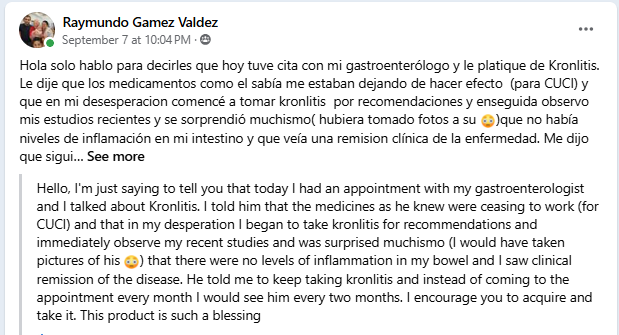
Kronlitis offers a natural dietary supplement specifically formulated for ulcerative colitis and colon-based Crohn’s disease. Its four-herb formula draws from traditional Chinese medicine, targeting colon inflammation directly. While diet manages what enters your system, herbal support works to actively reduce the inflammatory response already present.
The synergy makes sense. Your diet removes fuel from the fire. Herbal compounds help extinguish the flames. Together, they create conditions where remission becomes achievable and sustainable.
For patients seeking comprehensive natural solutions for UC, combining dietary changes with targeted herbal supplementation addresses multiple pathways simultaneously. This integrated approach recognizes that UC isn’t a simple condition with a simple fix it requires a multi-pronged strategy.
Many patients report faster symptom improvement when combining dietary changes with herbal support compared to diet alone. This mirrors the medical model where combination therapy often outperforms monotherapy. Your body benefits when you address inflammation from multiple angles.
Key Takeaways: Building Your UC-Friendly Kitchen
Transforming your diet starts in your kitchen. When ulcerative colitis-friendly foods fill your refrigerator and pantry, good choices become easy choices. You don’t need exotic ingredients or complicated recipes. You need a practical setup that supports your healing.
Here’s what matters most:
- Stock safe staples: White rice, white pasta, applesauce, canned pumpkin, bone broth, and frozen cooked vegetables provide reliable nutrition during unpredictable symptom days.
- Prep ahead for flares: Cook and freeze individual portions of plain chicken, rice, and cooked vegetables. When symptoms hit, you won’t face cooking while suffering.
- Remove temptation: Clear trigger foods from your home, even if other household members enjoy them. Willpower fades when you’re exhausted and hungry.
- Read every label: Hidden ingredients lurk in processed foods. “Natural flavors” can include spicy compounds. “Healthy fiber” might mean inulin that triggers symptoms.
- Stay hydrated thoughtfully: Water between meals rather than during meals aids digestion. Avoid ice-cold drinks that can cramp sensitive intestines.
The path forward requires commitment, but thousands have walked it successfully. start your remission journey today by taking one step at a time. Your kitchen transformation can begin with your next grocery trip.
Frequently Asked Questions About Ulcerative Colitis Diet
Can I eat dairy with ulcerative colitis?
It depends on your tolerance. Research suggests dairy may actually show protective effects in some UC populations, likely due to fermentation products in cultured dairy. Test lactose-free options first, then try small amounts of yogurt with live cultures during remission.
How much fiber should I eat during a flare?
Significantly reduce fiber during active flares. A low-residue diet limits fiber to under 10-15 grams daily to minimize stool bulk and frequency. Once in remission, gradually increase fiber while monitoring symptoms. Most patients tolerate cooked vegetables better than raw ones.
Is a low-FODMAP diet helpful for UC?
It may help some patients but isn’t universally necessary. FODMAP restrictions primarily target IBS symptoms like bloating. UC patients with overlapping IBS symptoms might benefit, but the diet’s complexity means working with a dietitian familiar with both conditions.
Do I need supplements if I’m eating well?
Most UC patients benefit from targeted supplementation. Blood losses, medication effects, and reduced absorption often deplete iron, B12, vitamin D, and other nutrients. see how others achieved remission through comprehensive approaches that include addressing deficiencies.
Can diet alone put UC into remission?
Diet is powerful but rarely sufficient alone. Dietary changes can significantly reduce symptoms and inflammation, but moderate to severe UC typically requires additional interventions. The most successful approaches combine diet with appropriate medical or herbal support.
How long until I see results from dietary changes?
Most patients notice improvements within two to four weeks. Eliminating major triggers often produces symptom relief quickly. Complete mucosal healing takes longer, but you should feel better before your colonoscopy shows improvement.
@keyframes hoox-lf-in-hoox-f-bd7a0781-837b-4feb-b56c-5ba1fc-bottom {
from { opacity: 0; transform: translateY(8px); }
to { opacity: 1; transform: translateY(0); }
}
#hoox-f-bd7a0781-837b-4feb-b56c-5ba1fc-bottom {
width: 100%;
max-width: 100%;
box-sizing: border-box;
display: flex;
flex-direction: column;
gap: 20px;
margin: 48px 0;
padding: 32px 28px;
border-radius: 16px;
background: #ffffff;
color: #111111;
font-family: inherit;
border: 1px solid #E2E8F0;
animation: hoox-lf-in-hoox-f-bd7a0781-837b-4feb-b56c-5ba1fc-bottom 0.3s cubic-bezier(0.16, 1, 0.3, 1);
direction: inherit;
}
#hoox-f-bd7a0781-837b-4feb-b56c-5ba1fc-bottom .hoox-form-header {
display: flex;
flex-direction: column;
gap: 8px;
text-align: center;
}
#hoox-f-bd7a0781-837b-4feb-b56c-5ba1fc-bottom .hoox-form-header h2 {
margin: 0;
font-size: 1.5em;
font-weight: 700;
line-height: 1.3;
color: #111111;
border: none;
padding: 0;
}
#hoox-f-bd7a0781-837b-4feb-b56c-5ba1fc-bottom .hoox-form-header p {
margin: 0;
font-size: 1em;
line-height: 1.6;
color: #64748B;
}
#hoox-f-bd7a0781-837b-4feb-b56c-5ba1fc-bottom form[data-hx-form] {
margin: 0;
display: flex;
flex-direction: column;
gap: 14px;
}
#hoox-f-bd7a0781-837b-4feb-b56c-5ba1fc-bottom .hoox-field-wrap {
position: relative;
width: 100%;
box-sizing: border-box;
}
#hoox-f-bd7a0781-837b-4feb-b56c-5ba1fc-bottom .hoox-field-wrap input {
width: 100%;
box-sizing: border-box;
height: 44px;
padding-inline-start: 42px;
padding-inline-end: 14px;
border: 1px solid #E2E8F0;
border-radius: 10px;
font-size: 14px;
color: #111111;
font-family: inherit;
background-color: #F8FAFC;
transition: border-color 0.15s ease, box-shadow 0.15s ease, background-color 0.15s ease;
outline: none;
direction: inherit;
text-align: start;
}
#hoox-f-bd7a0781-837b-4feb-b56c-5ba1fc-bottom .hoox-field-wrap input::placeholder {
color: #94A3B8;
opacity: 1;
}
#hoox-f-bd7a0781-837b-4feb-b56c-5ba1fc-bottom .hoox-field-wrap input:focus {
background-color: #FFFFFF;
border-color: #0077B6,#00B4D8,#90E0EF;
box-shadow: 0 0 0 3px rgba(15, 23, 42, 0.08);
}
#hoox-f-bd7a0781-837b-4feb-b56c-5ba1fc-bottom .hoox-field-icon {
position: absolute;
top: 0;
bottom: 0;
inset-inline-start: 0;
width: 42px;
display: flex;
align-items: center;
justify-content: center;
pointer-events: none;
color: #94A3B8;
transition: color 0.15s ease;
}
#hoox-f-bd7a0781-837b-4feb-b56c-5ba1fc-bottom .hoox-field-wrap:focus-within .hoox-field-icon {
color: #0077B6,#00B4D8,#90E0EF;
}
#hoox-f-bd7a0781-837b-4feb-b56c-5ba1fc-bottom button[type=”submit”] {
width: 100%;
height: 44px;
margin-top: 4px;
border: none;
border-radius: 10px;
background: #0077B6,#00B4D8,#90E0EF;
color: #FFFFFF;
font-size: 14px;
font-weight: 600;
cursor: pointer;
transition: opacity 0.15s ease, transform 0.15s ease, box-shadow 0.15s ease;
box-shadow: 0 1px 2px 0 rgba(0, 0, 0, 0.05);
}
#hoox-f-bd7a0781-837b-4feb-b56c-5ba1fc-bottom button[type=”submit”]:hover {
opacity: 0.94;
}
#hoox-f-bd7a0781-837b-4feb-b56c-5ba1fc-bottom button[type=”submit”]:active {
transform: scale(0.99);
}
#hoox-f-bd7a0781-837b-4feb-b56c-5ba1fc-bottom button[type=”submit”]:disabled {
opacity: 0.6;
cursor: not-allowed;
}
#hoox-f-bd7a0781-837b-4feb-b56c-5ba1fc-bottom .hoox-disclaimer {
margin: 0;
text-align: center;
font-size: 12px;
line-height: 1.5;
color: #94A3B8;
}
#hoox-f-bd7a0781-837b-4feb-b56c-5ba1fc-bottom .hoox-disclaimer a {
color: inherit;
text-decoration: underline;
text-underline-offset: 2px;
}
#hoox-f-bd7a0781-837b-4feb-b56c-5ba1fc-bottom .hoox-disclaimer a:hover {
text-decoration: none;
}
#hoox-f-bd7a0781-837b-4feb-b56c-5ba1fc-bottom .hoox-success {
display: none;
flex-direction: column;
align-items: center;
gap: 14px;
padding: 12px 0;
position: relative;
}
#hoox-f-bd7a0781-837b-4feb-b56c-5ba1fc-bottom .hoox-confetti {
position: absolute;
inset: 0;
overflow: visible;
pointer-events: none;
}
#hoox-f-bd7a0781-837b-4feb-b56c-5ba1fc-bottom .hoox-confetti span {
position: absolute;
top: 50%;
left: 50%;
width: 7px;
height: 11px;
background: var(–hoox-c);
border-radius: 2px;
opacity: 0;
animation: hoox-confetti-burst 0.9s ease-out forwards;
animation-delay: var(–hoox-d, 0s);
}
@keyframes hoox-confetti-burst {
0% { opacity: 1; transform: translate(-50%, -50%) rotate(0deg) scale(1); }
100% { opacity: 0; transform: translate(calc(-50% + var(–hoox-tx)), calc(-50% + var(–hoox-ty))) rotate(var(–hoox-rz)) scale(0.5); }
}
#hoox-f-bd7a0781-837b-4feb-b56c-5ba1fc-bottom .hoox-success-icon {
width: 52px;
height: 52px;
border-radius: 50%;
background: #ECFDF5;
display: flex;
align-items: center;
justify-content: center;
font-size: 26px;
line-height: 1;
animation: hoox-success-pop 0.4s cubic-bezier(0.34, 1.56, 0.64, 1);
}
@keyframes hoox-success-pop {
from { opacity: 0; transform: scale(0.5); }
to { opacity: 1; transform: scale(1); }
}
#hoox-f-bd7a0781-837b-4feb-b56c-5ba1fc-bottom .hoox-success-text {
margin: 0;
text-align: center;
font-size: 15px;
font-weight: 600;
line-height: 1.5;
color: #111111;
}
#hoox-f-bd7a0781-837b-4feb-b56c-5ba1fc-bottom .hoox-disabled-state {
display: none;
flex-direction: column;
align-items: center;
gap: 14px;
padding: 12px 0;
text-align: center;
}
#hoox-f-bd7a0781-837b-4feb-b56c-5ba1fc-bottom .hoox-disabled-icon {
width: 52px;
height: 52px;
border-radius: 50%;
background: #F1F5F9;
display: flex;
align-items: center;
justify-content: center;
color: #64748B;
}
#hoox-f-bd7a0781-837b-4feb-b56c-5ba1fc-bottom .hoox-disabled-text {
margin: 0;
font-size: 14px;
line-height: 1.6;
color: #64748B;
}
#hoox-f-bd7a0781-837b-4feb-b56c-5ba1fc-bottom .hoox-disabled-text a {
color: inherit;
font-weight: 600;
text-decoration: underline;
text-underline-offset: 2px;
}
#hoox-f-bd7a0781-837b-4feb-b56c-5ba1fc-bottom .hoox-disabled-text a:hover {
text-decoration: none;
}
See What This Could Look Like For You
Takes 30 seconds
Thanks! We’ll be in touch.