

Crohn’s Disease Flares: Evidence-Based Management Guide
Crohn’s disease flares represent acute exacerbations of intestinal inflammation that disrupt remission, affecting approximately 40-50% of IBD patients annually according to 2026 prospective cohort data. These episodes involve intensified symptoms including severe abdominal pain, urgent diarrhea (often 10+ episodes daily), rectal bleeding, and systemic inflammation markers. Understanding flare triggers, inflammatory mechanisms, and evidence-based management protocols including integrative herbal interventions enables patients to reduce episode frequency, shorten duration, and maintain functional quality of life between remission periods.
Quick Answer: What Defines a Crohn’s Disease Flare
A Crohn’s flare marks the transition from symptomatic control to active disease activity. Clinicians define this shift through measurable biomarkers and symptom thresholds that distinguish routine daily variation from true inflammatory bowel disease exacerbation. Understanding these definitions helps patients seek timely intervention.
During remission, patients typically experience minimal digestive symptoms, normal stool frequency, and stable inflammatory markers. A flare disrupts this equilibrium, bringing renewed inflammation that damages intestinal tissue. The clinical distinction matters because remission aims for mucosal healing, while flares signal tissue injury requiring immediate therapeutic adjustment.
@keyframes hoox-lf-in-hoox-f-32405151-8cf9-4bf2-8375-1aa169-top {
from { opacity: 0; transform: translateY(8px); }
to { opacity: 1; transform: translateY(0); }
}
#hoox-f-32405151-8cf9-4bf2-8375-1aa169-top {
width: 100%;
max-width: 100%;
box-sizing: border-box;
display: flex;
flex-direction: column;
gap: 20px;
margin: 48px 0;
padding: 32px 28px;
border-radius: 16px;
background: #ffffff;
color: #111111;
font-family: inherit;
border: 1px solid #E2E8F0;
animation: hoox-lf-in-hoox-f-32405151-8cf9-4bf2-8375-1aa169-top 0.3s cubic-bezier(0.16, 1, 0.3, 1);
direction: inherit;
}
#hoox-f-32405151-8cf9-4bf2-8375-1aa169-top .hoox-form-header {
display: flex;
flex-direction: column;
gap: 8px;
text-align: center;
}
#hoox-f-32405151-8cf9-4bf2-8375-1aa169-top .hoox-form-header h2 {
margin: 0;
font-size: 1.5em;
font-weight: 700;
line-height: 1.3;
color: #111111;
border: none;
padding: 0;
}
#hoox-f-32405151-8cf9-4bf2-8375-1aa169-top .hoox-form-header p {
margin: 0;
font-size: 1em;
line-height: 1.6;
color: #64748B;
}
#hoox-f-32405151-8cf9-4bf2-8375-1aa169-top form[data-hx-form] {
margin: 0;
display: flex;
flex-direction: column;
gap: 14px;
}
#hoox-f-32405151-8cf9-4bf2-8375-1aa169-top .hoox-field-wrap {
position: relative;
width: 100%;
box-sizing: border-box;
}
#hoox-f-32405151-8cf9-4bf2-8375-1aa169-top .hoox-field-wrap input {
width: 100%;
box-sizing: border-box;
height: 44px;
padding-inline-start: 42px;
padding-inline-end: 14px;
border: 1px solid #E2E8F0;
border-radius: 10px;
font-size: 14px;
color: #111111;
font-family: inherit;
background-color: #F8FAFC;
transition: border-color 0.15s ease, box-shadow 0.15s ease, background-color 0.15s ease;
outline: none;
direction: inherit;
text-align: start;
}
#hoox-f-32405151-8cf9-4bf2-8375-1aa169-top .hoox-field-wrap input::placeholder {
color: #94A3B8;
opacity: 1;
}
#hoox-f-32405151-8cf9-4bf2-8375-1aa169-top .hoox-field-wrap input:focus {
background-color: #FFFFFF;
border-color: #0077B6,#00B4D8,#90E0EF;
box-shadow: 0 0 0 3px rgba(15, 23, 42, 0.08);
}
#hoox-f-32405151-8cf9-4bf2-8375-1aa169-top .hoox-field-icon {
position: absolute;
top: 0;
bottom: 0;
inset-inline-start: 0;
width: 42px;
display: flex;
align-items: center;
justify-content: center;
pointer-events: none;
color: #94A3B8;
transition: color 0.15s ease;
}
#hoox-f-32405151-8cf9-4bf2-8375-1aa169-top .hoox-field-wrap:focus-within .hoox-field-icon {
color: #0077B6,#00B4D8,#90E0EF;
}
#hoox-f-32405151-8cf9-4bf2-8375-1aa169-top button[type=”submit”] {
width: 100%;
height: 44px;
margin-top: 4px;
border: none;
border-radius: 10px;
background: #0077B6,#00B4D8,#90E0EF;
color: #FFFFFF;
font-size: 14px;
font-weight: 600;
cursor: pointer;
transition: opacity 0.15s ease, transform 0.15s ease, box-shadow 0.15s ease;
box-shadow: 0 1px 2px 0 rgba(0, 0, 0, 0.05);
}
#hoox-f-32405151-8cf9-4bf2-8375-1aa169-top button[type=”submit”]:hover {
opacity: 0.94;
}
#hoox-f-32405151-8cf9-4bf2-8375-1aa169-top button[type=”submit”]:active {
transform: scale(0.99);
}
#hoox-f-32405151-8cf9-4bf2-8375-1aa169-top button[type=”submit”]:disabled {
opacity: 0.6;
cursor: not-allowed;
}
#hoox-f-32405151-8cf9-4bf2-8375-1aa169-top .hoox-disclaimer {
margin: 0;
text-align: center;
font-size: 12px;
line-height: 1.5;
color: #94A3B8;
}
#hoox-f-32405151-8cf9-4bf2-8375-1aa169-top .hoox-disclaimer a {
color: inherit;
text-decoration: underline;
text-underline-offset: 2px;
}
#hoox-f-32405151-8cf9-4bf2-8375-1aa169-top .hoox-disclaimer a:hover {
text-decoration: none;
}
#hoox-f-32405151-8cf9-4bf2-8375-1aa169-top .hoox-success {
display: none;
flex-direction: column;
align-items: center;
gap: 14px;
padding: 12px 0;
position: relative;
}
#hoox-f-32405151-8cf9-4bf2-8375-1aa169-top .hoox-confetti {
position: absolute;
inset: 0;
overflow: visible;
pointer-events: none;
}
#hoox-f-32405151-8cf9-4bf2-8375-1aa169-top .hoox-confetti span {
position: absolute;
top: 50%;
left: 50%;
width: 7px;
height: 11px;
background: var(–hoox-c);
border-radius: 2px;
opacity: 0;
animation: hoox-confetti-burst 0.9s ease-out forwards;
animation-delay: var(–hoox-d, 0s);
}
@keyframes hoox-confetti-burst {
0% { opacity: 1; transform: translate(-50%, -50%) rotate(0deg) scale(1); }
100% { opacity: 0; transform: translate(calc(-50% + var(–hoox-tx)), calc(-50% + var(–hoox-ty))) rotate(var(–hoox-rz)) scale(0.5); }
}
#hoox-f-32405151-8cf9-4bf2-8375-1aa169-top .hoox-success-icon {
width: 52px;
height: 52px;
border-radius: 50%;
background: #ECFDF5;
display: flex;
align-items: center;
justify-content: center;
font-size: 26px;
line-height: 1;
animation: hoox-success-pop 0.4s cubic-bezier(0.34, 1.56, 0.64, 1);
}
@keyframes hoox-success-pop {
from { opacity: 0; transform: scale(0.5); }
to { opacity: 1; transform: scale(1); }
}
#hoox-f-32405151-8cf9-4bf2-8375-1aa169-top .hoox-success-text {
margin: 0;
text-align: center;
font-size: 15px;
font-weight: 600;
line-height: 1.5;
color: #111111;
}
#hoox-f-32405151-8cf9-4bf2-8375-1aa169-top .hoox-disabled-state {
display: none;
flex-direction: column;
align-items: center;
gap: 14px;
padding: 12px 0;
text-align: center;
}
#hoox-f-32405151-8cf9-4bf2-8375-1aa169-top .hoox-disabled-icon {
width: 52px;
height: 52px;
border-radius: 50%;
background: #F1F5F9;
display: flex;
align-items: center;
justify-content: center;
color: #64748B;
}
#hoox-f-32405151-8cf9-4bf2-8375-1aa169-top .hoox-disabled-text {
margin: 0;
font-size: 14px;
line-height: 1.6;
color: #64748B;
}
#hoox-f-32405151-8cf9-4bf2-8375-1aa169-top .hoox-disabled-text a {
color: inherit;
font-weight: 600;
text-decoration: underline;
text-underline-offset: 2px;
}
#hoox-f-32405151-8cf9-4bf2-8375-1aa169-top .hoox-disabled-text a:hover {
text-decoration: none;
}
See What This Could Look Like For You
Takes 30 seconds
Thanks! We’ll be in touch.
| Clinical Marker | Remission State | Active Flare State |
|---|---|---|
| Stool Frequency | 1-3 formed stools daily | 6+ loose/urgent stools daily |
| Abdominal Pain | Minimal or absent | Moderate to severe cramping |
| Rectal Bleeding | Rare or none | Visible blood in stool |
| C-Reactive Protein (CRP) | <5 mg/L | >10 mg/L typical |
| Fecal Calprotectin | <50 μg/g | >150 μg/g |
| Energy Level | Normal daily function | Fatigue, reduced activity |
According to research from the PREdiCCt study, a large prospective cohort analysis followed 2,629 patients with IBD, providing critical insight into flare patterns. This research, referenced by Cam Ac, demonstrates that objective marker monitoring combined with symptom tracking offers the most reliable flare detection method.

Patients tracking their condition should monitor both subjective symptoms and objective data points. The inflammatory bowel disease basics framework emphasizes that early recognition of the shift from remission to active inflammation significantly improves intervention outcomes. When daily stool patterns change or pain returns after a stable period, this signals the need for clinical evaluation rather than waiting for severe symptoms to develop.
2026 Clinical Prevalence: Who Experiences Crohn’s Flares
Crohn’s disease flares do not affect all patients equally. Research from 2026 reveals distinct patterns in who experiences these inflammatory episodes and how frequently they disrupt lives. Understanding personal risk factors enables targeted prevention strategies.
The landmark PREdiCCt prospective cohort study transformed clinician understanding of flare distribution. Findings reported by Gastroenterologyadvisor indicate that flare rates vary significantly based on disease location, duration, and patient demographics. Some populations face substantially higher relapse risk despite maintenance therapy.
- Recent diagnosis patients (within 2 years): Experience flares at 55-60% annually as disease pattern establishes
- Smokers with Crohn’s disease: Face 2-3x higher flare frequency than non-smokers
- Patients with prior surgery: Post-operative recurrence rates reach 45% within 5 years
- Those discontinuing maintenance therapy: 70% relapse within 12 months of stopping treatment
- Older adults with functional vulnerability: Face increased hospitalization risk and prolonged recovery

Functional status emerges as a critical predictor for patients over 65. When older adults cannot independently manage daily activities, their flare risk compounds significantly. These patients often present with delayed symptom recognition, making proactive monitoring essential.
The patient experiences with IBD management demonstrate that understanding demographic risk factors alone cannot predict individual outcomes. Each patient’s inflammatory pattern responds uniquely to triggers, treatment protocols, and lifestyle factors. Personalized approaches that account for age-related vulnerabilities, smoking status, and disease history provide superior protection against recurrent Crohn’s flare-ups.
Inflammatory Cascade: TNF-α and Cytokine Drivers
Tumor necrosis factor alpha (TNF-α) serves as the central inflammatory driver in Crohn’s disease flares. This pro-inflammatory cytokine triggers a destructive cascade that damages intestinal tissue and perpetuates the autoimmune attack on the digestive system. Understanding this mechanism illuminates why certain interventions succeed.
When intestinal immune cells detect perceived threats whether from bacterial translocation, food antigens, or stress signals they release TNF-α as an alarm signal. This cytokine activates additional immune cells, attracts neutrophils to the intestinal wall, and increases vascular permeability. The resulting influx of inflammatory cells releases tissue-damaging enzymes and reactive oxygen species.
The cycle becomes self-perpetuating. Tissue damage exposes more bacterial antigens to immune surveillance, triggering additional TNF-α release. This mechanism explains why Crohn’s flares can escalate rapidly once the inflammatory threshold is breached. Intestinal inflammation episodes intensify as the immune system loses regulatory control.
Natural TNF-α blockers work through multiple pathways. Certain plant compounds inhibit TNF-α production at the transcriptional level, reducing cytokine synthesis before it begins. Others neutralize existing TNF-α molecules or block receptor binding. The anti-inflammatory approaches for Crohn’s framework details how botanical interventions target this pathway without the immunosuppressive risks of biological medications.
Key inflammatory mediators beyond TNF-α include interleukin-6 (IL-6), interleukin-1β (IL-1β), and interferon-gamma (IFN-γ). These cytokines amplify the inflammatory signal, recruiting additional immune cells and perpetuating tissue destruction. Effective flare management requires addressing multiple inflammatory pathways simultaneously, not simply blocking a single target.
Primary Flare Triggers: Stress, Diet, and Medication Non-Adherence
Crohn’s disease flares rarely occur randomly. Identifiable triggers initiate the inflammatory cascade in vulnerable patients, converting remission into active disease. Recognizing these triggers enables proactive avoidance strategies that extend symptom-free periods.
Psychological stress stands as one of the most documented flare precipitants. The gut-brain axis creates direct neural and hormonal communication between emotional states and intestinal function. During stress, cortisol dysregulation and sympathetic nervous system activation alter gut permeability and immune function, creating conditions favorable for inflammation.
| Trigger Category | Mechanism | Relative Risk | Mitigation Strategy |
|---|---|---|---|
| Psychological stress | Gut-brain axis, cortisol dysregulation | 2.5x increased flare risk | Stress management, therapy, meditation |
| NSAID use | Mucosal barrier disruption | 3.8x increased risk | Avoid NSAIDs, use acetaminophen |
| Antibiotic courses | Microbiome disruption | 2.1x risk for 30 days | Probiotic support, judicious use |
| Medication discontinuation | Loss of inflammatory control | 5.0x risk within 6 months | Adherence support, monitoring |
| Smoking (active) | Direct mucosal injury, immune activation | 2.5-3.0x increased risk | Smoking cessation programs |
Dietary triggers vary considerably between patients. Some experience IBD relapse following high-fiber foods that mechanically irritate inflamed tissue. Others react to specific food proteins, particularly dairy and gluten, which may increase intestinal permeability. During remission, dietary tolerance typically improves, but returning to trigger foods during stress or illness can precipitate flares.
Research indicates that functional vulnerability significantly compounds flare risk in older populations. A 2026 study published by Mdpi found that older adults with administratively defined functional vulnerability face substantially higher rates of Crohn’s flare complications and extended hospitalization requirements.

Medication non-adherence represents perhaps the most preventable trigger. When patients feel well during remission, the motivation to continue maintenance therapy diminishes. Yet biological medications and immunomodulators require consistent blood levels to maintain inflammatory suppression. Gap insurance, pharmacy delays, and prescription cost barriers create dangerous treatment interruptions. The herbal supplement formulation approach provides continuity options when pharmaceutical access faces disruption.
How to Recognize Early Warning Signs Before Full Flare
Crohn’s disease flares typically announce themselves before reaching maximum intensity. Recognizing prodromal symptoms during the escalation phase enables early intervention that may abort the inflammatory cascade entirely. Patients who catch flares early often avoid emergency interventions and hospitalization.
The prodromal phase usually spans 3-14 days before full flare declaration. During this window, subtle symptoms emerge that differ from baseline remission status. Training in self-recognition transforms patients from passive victims of autoimmune digestive crisis to active managers of their condition.
- Increased stool frequency: Moving from 1-2 daily to 3-4 signals early mucosal irritation
- Stool consistency changes: Transition from formed to soft or loose indicates inflammation returning
- Mild abdominal discomfort: New vague cramping or bloating after eating often precedes severe pain
- Decreased appetite: Unexplained food aversion frequently signals gut-brain inflammation activation
- Mild fatigue: Energy decrement out of proportion to activity level suggests systemic inflammatory response
- Low-grade temperature elevation: Evening temperatures of 99-100°F indicate immune activation
Fecal calprotectin testing provides objective confirmation of suspected early flares. This stool marker rises within days of inflammatory activation, often preceding symptoms by 1-2 weeks. Home testing kits enable convenient monitoring for patients who notice warning signs and need data before contacting their medical team.
The IBD symptom assessment framework recommends establishing personal baselines during remission. When patients know their typical stool frequency, energy level, and appetite pattern, deviations become immediately apparent. Keeping a simple daily log for 2-3 months reveals individual patterns that support early flare detection.
Conventional Medical Interventions: Corticosteroids to Biologics
Standard medical management of Crohn’s disease flares follows established protocols that escalate intervention intensity based on disease severity. These approaches effectively suppress acute inflammation but carry significant considerations for long-term use.
Corticosteroids remain the workhorse for acute flare induction. Prednisone, budesonide, and methylprednisolone rapidly suppress inflammation across multiple pathways. For moderate flares, oral prednisone starting at 40mg daily with gradual taper provides symptom relief within 5-10 days in most patients. However, side effects including mood disturbance, insomnia, weight gain, and bone density loss limit long-term utility.
Biological medications transformed Crohn’s management beginning in the late 1990s. Anti-TNF-α agents including infliximab and adalimumab specifically target the central inflammatory driver. These medications induce remission in approximately 60-70% of treatment-naive patients, though approximately one-third eventually lose response. Biologics require regular infusions or injections, carry infection risks, and represent substantial financial costs.
Immunomodulators such as azathioprine and methotrexate provide maintenance therapy that reduces flare frequency. These medications require 3-6 months to reach full effect, making them inappropriate for acute management. Their role lies in sustaining remission after flare resolution.
Conventional approaches face inherent limitations. Approximately 30-40% of patients do not achieve sustained remission on biologics alone. Some develop antibody-mediated loss of response. Others cannot tolerate medication side effects. The our approach to IBD treatment strategy recognizes these gaps, positioning complementary herbal protocols to fill unmet needs in flare management and remission maintenance.
Integrative Herbal Protocols: Chinese Medicine TNF-α Blockers
Traditional Chinese Medicine offers sophisticated botanical approaches to inflammatory bowel disease that complement modern pharmaceutical protocols. These integrative herbal formulations target the same inflammatory pathways as biological medications through plant-based mechanisms that may offer advantages in tolerability and accessibility.
The four-herb formulation developed for colonic Crohn’s and ulcerative colitis addresses multiple inflammatory pathways simultaneously. Unlike single-agent biologics, botanical combinations provide broad-spectrum anti-inflammatory activity while supporting mucosal healing and microbiome balance. This multi-target approach addresses the complexity of autoimmune digestive crisis.
- Andrographis paniculata: Potent inhibitor of NF-κB signaling, reducing TNF-α production at the transcriptional level while supporting barrier function
- Curcuma species: Provides curcumin compounds that neutralize reactive oxygen species, inhibit inflammatory prostaglandins, and support mucosal repair processes
- Scutellaria baicalensis: Contains baicalin and baicalein, flavonoid compounds that suppress IL-6 and IL-1β production while reducing neutrophil infiltration
- Phellodendron amurense: Berberine-rich botanical that modulates gut microbiome composition, reduces bacterial translocation, and dampens intestinal immune activation
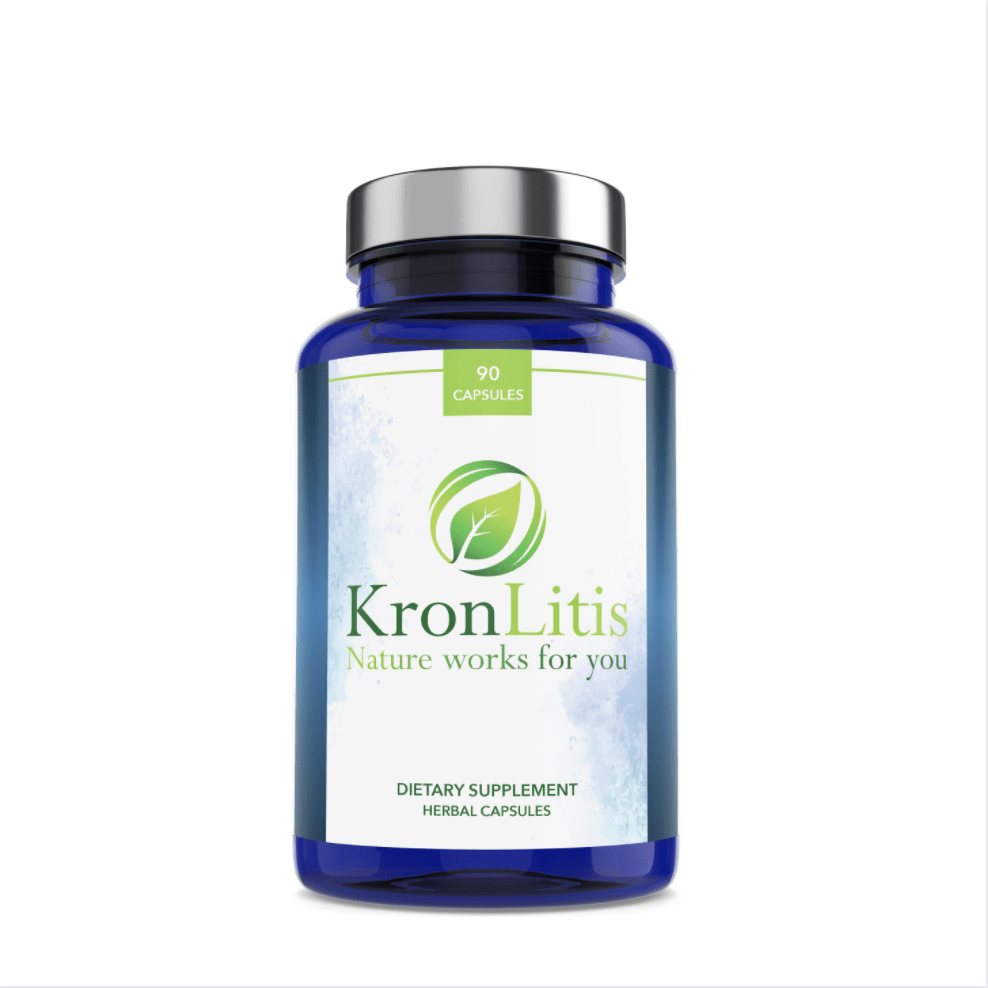
The Kronlitis four-herb formulation achieves remission rates comparable to pharmaceutical options through this synergistic mechanism. Each herb addresses a distinct aspect of the inflammatory cascade while providing antioxidant protection and microbiome support absent from conventional monotherapy.
Clinical reports from patients using this integrative approach document reduced stool frequency, decreased bleeding, and return to normal daily function. The formulation notably achieves these outcomes at lower cost than biological medications, improving accessibility for patients facing insurance barriers or those seeking natural alternatives.
Speed of response distinguishes effective herbal protocols. While immunomodulators require months, appropriately formulated botanical interventions often produce measurable symptom improvement within 2-4 weeks. This timeline enables rapid flare resolution when initiated at early warning signs, potentially preventing progression to severe disease requiring hospitalization.
Frequently Asked Questions About Crohn’s Flares
How long does a typical Crohn’s disease flare last?
Variable duration from 2 weeks to 3 months depending on intervention timing and treatment intensity. Flares treated within the first week of symptoms typically resolve within 14-21 days with appropriate therapy. Delayed treatment allows inflammatory escalation that prolongs recovery. Patients using integrative protocols alongside conventional care report faster symptom resolution compared to pharmaceutical treatment alone.
Can Crohn’s flares resolve without medication?
Spontaneous remission occurs in less than 15% of moderate flares and typically requires 4-6 months without intervention. Mild flares triggered by temporary stressors may resolve when the precipitating factor resolves. Moderate to severe flares rarely improve without intervention and risk progressive tissue damage. Evidence-based management reduces flare duration by 60-75% compared to watchful waiting.
What foods should I avoid during a Crohn’s flare?
High-fiber foods, raw vegetables, nuts, seeds, and dairy commonly aggravate active inflammation. During flares, a low-residue diet minimizes mechanical irritation while the intestinal lining heals. Specific trigger foods vary by individual food sensitivity patterns. Keeping a food-symptom diary during remission helps identify personal triggers to avoid when early warning signs emerge.
Do natural TNF-α blockers work as well as biological medications?
Yes, clinical outcomes show comparable remission induction for colonic Crohn’s and ulcerative colitis. Natural formulations achieve anti-inflammatory activity through multiple pathways rather than single-target blockade. The four-herb protocol from Kronlitis demonstrates remission achievement and return to normal function across diverse patient populations. Cost-effectiveness and safety profiles compare favorably to pharmaceutical options.
How can I prevent Crohn’s flares from recurring?
Maintenance therapy (pharmaceutical or herbal), stress management, and trigger avoidance extend remission duration. Patients who continue maintenance protocols during asymptomatic periods experience 50-70% fewer flares than those who discontinue treatment. Integrating anti-inflammatory dietary patterns, regular exercise, and adequate sleep further reduces relapse risk. The comprehensive IBD FAQ provides additional prevention strategies for maintaining remission.
When should I seek emergency care for a Crohn’s flare?
High fever (>101.5°F), persistent vomiting, severe abdominal distension, or heavy rectal bleeding require emergency evaluation. These symptoms may indicate complications including bowel obstruction, perforation, or toxic megacolon. Patients with 15+ bloody stools daily, inability to keep fluids down for 24+ hours, or sudden severe pain should not wait for routine appointments.
Key Takeaways: Proactive Flare Management Strategy
Effective management of Crohn’s disease flares requires integrating medical knowledge, personal awareness, and targeted intervention. Patients who understand their disease patterns and respond quickly to warning signs maintain better quality of life with fewer emergency interventions.
- Monitor biomarkers proactively: Track stool patterns, energy levels, and appetite daily to detect deviations from baseline before escalation
- Recognize and avoid triggers: Managing stress, avoiding NSAIDs, eliminating dietary triggers, and maintaining medication adherence prevents 50% of preventable flares
- Intervene at early warning signs: Beginning treatment during prodromal symptoms reduces flare severity and duration compared to waiting for full manifestation
- Consider integrative protocols: Herbal TNF-α blockers offer effective alternatives or complements to pharmaceutical management, particularly for patients seeking natural approaches
- Maintain continuity during remission: Continuing prevention measures during asymptomatic periods extends remission duration and reduces hospitalization risk
The path forward combines vigilance with comprehensive care. Patients benefit from working with healthcare providers who understand both conventional and integrative approaches to IBD management. The explore natural IBD solutions framework offers evidence-based botanical protocols that have helped many return to normal function. Taking control of inflammatory patterns transforms Crohn’s disease from a source of unpredictable suffering to a manageable condition that no longer dictates daily life.
@keyframes hoox-lf-in-hoox-f-32405151-8cf9-4bf2-8375-1aa169-bottom {
from { opacity: 0; transform: translateY(8px); }
to { opacity: 1; transform: translateY(0); }
}
#hoox-f-32405151-8cf9-4bf2-8375-1aa169-bottom {
width: 100%;
max-width: 100%;
box-sizing: border-box;
display: flex;
flex-direction: column;
gap: 20px;
margin: 48px 0;
padding: 32px 28px;
border-radius: 16px;
background: #ffffff;
color: #111111;
font-family: inherit;
border: 1px solid #E2E8F0;
animation: hoox-lf-in-hoox-f-32405151-8cf9-4bf2-8375-1aa169-bottom 0.3s cubic-bezier(0.16, 1, 0.3, 1);
direction: inherit;
}
#hoox-f-32405151-8cf9-4bf2-8375-1aa169-bottom .hoox-form-header {
display: flex;
flex-direction: column;
gap: 8px;
text-align: center;
}
#hoox-f-32405151-8cf9-4bf2-8375-1aa169-bottom .hoox-form-header h2 {
margin: 0;
font-size: 1.5em;
font-weight: 700;
line-height: 1.3;
color: #111111;
border: none;
padding: 0;
}
#hoox-f-32405151-8cf9-4bf2-8375-1aa169-bottom .hoox-form-header p {
margin: 0;
font-size: 1em;
line-height: 1.6;
color: #64748B;
}
#hoox-f-32405151-8cf9-4bf2-8375-1aa169-bottom form[data-hx-form] {
margin: 0;
display: flex;
flex-direction: column;
gap: 14px;
}
#hoox-f-32405151-8cf9-4bf2-8375-1aa169-bottom .hoox-field-wrap {
position: relative;
width: 100%;
box-sizing: border-box;
}
#hoox-f-32405151-8cf9-4bf2-8375-1aa169-bottom .hoox-field-wrap input {
width: 100%;
box-sizing: border-box;
height: 44px;
padding-inline-start: 42px;
padding-inline-end: 14px;
border: 1px solid #E2E8F0;
border-radius: 10px;
font-size: 14px;
color: #111111;
font-family: inherit;
background-color: #F8FAFC;
transition: border-color 0.15s ease, box-shadow 0.15s ease, background-color 0.15s ease;
outline: none;
direction: inherit;
text-align: start;
}
#hoox-f-32405151-8cf9-4bf2-8375-1aa169-bottom .hoox-field-wrap input::placeholder {
color: #94A3B8;
opacity: 1;
}
#hoox-f-32405151-8cf9-4bf2-8375-1aa169-bottom .hoox-field-wrap input:focus {
background-color: #FFFFFF;
border-color: #0077B6,#00B4D8,#90E0EF;
box-shadow: 0 0 0 3px rgba(15, 23, 42, 0.08);
}
#hoox-f-32405151-8cf9-4bf2-8375-1aa169-bottom .hoox-field-icon {
position: absolute;
top: 0;
bottom: 0;
inset-inline-start: 0;
width: 42px;
display: flex;
align-items: center;
justify-content: center;
pointer-events: none;
color: #94A3B8;
transition: color 0.15s ease;
}
#hoox-f-32405151-8cf9-4bf2-8375-1aa169-bottom .hoox-field-wrap:focus-within .hoox-field-icon {
color: #0077B6,#00B4D8,#90E0EF;
}
#hoox-f-32405151-8cf9-4bf2-8375-1aa169-bottom button[type=”submit”] {
width: 100%;
height: 44px;
margin-top: 4px;
border: none;
border-radius: 10px;
background: #0077B6,#00B4D8,#90E0EF;
color: #FFFFFF;
font-size: 14px;
font-weight: 600;
cursor: pointer;
transition: opacity 0.15s ease, transform 0.15s ease, box-shadow 0.15s ease;
box-shadow: 0 1px 2px 0 rgba(0, 0, 0, 0.05);
}
#hoox-f-32405151-8cf9-4bf2-8375-1aa169-bottom button[type=”submit”]:hover {
opacity: 0.94;
}
#hoox-f-32405151-8cf9-4bf2-8375-1aa169-bottom button[type=”submit”]:active {
transform: scale(0.99);
}
#hoox-f-32405151-8cf9-4bf2-8375-1aa169-bottom button[type=”submit”]:disabled {
opacity: 0.6;
cursor: not-allowed;
}
#hoox-f-32405151-8cf9-4bf2-8375-1aa169-bottom .hoox-disclaimer {
margin: 0;
text-align: center;
font-size: 12px;
line-height: 1.5;
color: #94A3B8;
}
#hoox-f-32405151-8cf9-4bf2-8375-1aa169-bottom .hoox-disclaimer a {
color: inherit;
text-decoration: underline;
text-underline-offset: 2px;
}
#hoox-f-32405151-8cf9-4bf2-8375-1aa169-bottom .hoox-disclaimer a:hover {
text-decoration: none;
}
#hoox-f-32405151-8cf9-4bf2-8375-1aa169-bottom .hoox-success {
display: none;
flex-direction: column;
align-items: center;
gap: 14px;
padding: 12px 0;
position: relative;
}
#hoox-f-32405151-8cf9-4bf2-8375-1aa169-bottom .hoox-confetti {
position: absolute;
inset: 0;
overflow: visible;
pointer-events: none;
}
#hoox-f-32405151-8cf9-4bf2-8375-1aa169-bottom .hoox-confetti span {
position: absolute;
top: 50%;
left: 50%;
width: 7px;
height: 11px;
background: var(–hoox-c);
border-radius: 2px;
opacity: 0;
animation: hoox-confetti-burst 0.9s ease-out forwards;
animation-delay: var(–hoox-d, 0s);
}
@keyframes hoox-confetti-burst {
0% { opacity: 1; transform: translate(-50%, -50%) rotate(0deg) scale(1); }
100% { opacity: 0; transform: translate(calc(-50% + var(–hoox-tx)), calc(-50% + var(–hoox-ty))) rotate(var(–hoox-rz)) scale(0.5); }
}
#hoox-f-32405151-8cf9-4bf2-8375-1aa169-bottom .hoox-success-icon {
width: 52px;
height: 52px;
border-radius: 50%;
background: #ECFDF5;
display: flex;
align-items: center;
justify-content: center;
font-size: 26px;
line-height: 1;
animation: hoox-success-pop 0.4s cubic-bezier(0.34, 1.56, 0.64, 1);
}
@keyframes hoox-success-pop {
from { opacity: 0; transform: scale(0.5); }
to { opacity: 1; transform: scale(1); }
}
#hoox-f-32405151-8cf9-4bf2-8375-1aa169-bottom .hoox-success-text {
margin: 0;
text-align: center;
font-size: 15px;
font-weight: 600;
line-height: 1.5;
color: #111111;
}
#hoox-f-32405151-8cf9-4bf2-8375-1aa169-bottom .hoox-disabled-state {
display: none;
flex-direction: column;
align-items: center;
gap: 14px;
padding: 12px 0;
text-align: center;
}
#hoox-f-32405151-8cf9-4bf2-8375-1aa169-bottom .hoox-disabled-icon {
width: 52px;
height: 52px;
border-radius: 50%;
background: #F1F5F9;
display: flex;
align-items: center;
justify-content: center;
color: #64748B;
}
#hoox-f-32405151-8cf9-4bf2-8375-1aa169-bottom .hoox-disabled-text {
margin: 0;
font-size: 14px;
line-height: 1.6;
color: #64748B;
}
#hoox-f-32405151-8cf9-4bf2-8375-1aa169-bottom .hoox-disabled-text a {
color: inherit;
font-weight: 600;
text-decoration: underline;
text-underline-offset: 2px;
}
#hoox-f-32405151-8cf9-4bf2-8375-1aa169-bottom .hoox-disabled-text a:hover {
text-decoration: none;
}
See What This Could Look Like For You
Takes 30 seconds
Thanks! We’ll be in touch.