
Crohn’s Disease Symptoms and Signs
Crohn’s disease manifests through persistent diarrhea, abdominal cramping, rectal bleeding, and systemic fatigue that disrupt daily function. [2026 Data] shows prevalence affects approximately 201 per 100,000 adults, with inflammation attacking any digestive tract segment from mouth to anus. Unlike surface-layer colitis, Crohn’s penetrates multiple intestinal wall layers, creating fistulas and strictures. Understanding these warning signs enables timely intervention through integrative herbal protocols that target TNF-α inflammatory pathways naturally.
Quick Answer: The 11 Primary Crohn’s Symptoms You Cannot Ignore
Recognizing Crohn’s disease symptoms and signs early gives patients a critical advantage in managing this chronic inflammatory bowel disease. The condition does not limit itself to digestive complaints it affects multiple body systems simultaneously. According to Aafp, the estimated prevalence of Crohn’s disease has increased significantly, with diagnosis peaks occurring between ages 15-35 and a second spike around age 60. These demographic patterns help clinicians identify at-risk populations earlier.
Symptoms vary based on which intestinal segment sustains damage. Some patients experience primarily upper GI issues, while others battle perineal complications. The unpredictable nature of flare-ups makes symptom documentation essential. Understanding inflammatory bowel disease fundamentals helps patients distinguish between temporary digestive upset and disease progression requiring intervention.
@keyframes hoox-lf-in-hoox-f-3dde39e4-550e-4483-945e-483fd3-top {
from { opacity: 0; transform: translateY(8px); }
to { opacity: 1; transform: translateY(0); }
}
#hoox-f-3dde39e4-550e-4483-945e-483fd3-top {
width: 100%;
max-width: 100%;
box-sizing: border-box;
display: flex;
flex-direction: column;
gap: 20px;
margin: 48px 0;
padding: 32px 28px;
border-radius: 16px;
background: #ffffff;
color: #111111;
font-family: inherit;
border: 1px solid #E2E8F0;
animation: hoox-lf-in-hoox-f-3dde39e4-550e-4483-945e-483fd3-top 0.3s cubic-bezier(0.16, 1, 0.3, 1);
direction: inherit;
}
#hoox-f-3dde39e4-550e-4483-945e-483fd3-top .hoox-form-header {
display: flex;
flex-direction: column;
gap: 8px;
text-align: center;
}
#hoox-f-3dde39e4-550e-4483-945e-483fd3-top .hoox-form-header h2 {
margin: 0;
font-size: 1.5em;
font-weight: 700;
line-height: 1.3;
color: #111111;
border: none;
padding: 0;
}
#hoox-f-3dde39e4-550e-4483-945e-483fd3-top .hoox-form-header p {
margin: 0;
font-size: 1em;
line-height: 1.6;
color: #64748B;
}
#hoox-f-3dde39e4-550e-4483-945e-483fd3-top form[data-hx-form] {
margin: 0;
display: flex;
flex-direction: column;
gap: 14px;
}
#hoox-f-3dde39e4-550e-4483-945e-483fd3-top .hoox-field-wrap {
position: relative;
width: 100%;
box-sizing: border-box;
}
#hoox-f-3dde39e4-550e-4483-945e-483fd3-top .hoox-field-wrap input {
width: 100%;
box-sizing: border-box;
height: 44px;
padding-inline-start: 42px;
padding-inline-end: 14px;
border: 1px solid #E2E8F0;
border-radius: 10px;
font-size: 14px;
color: #111111;
font-family: inherit;
background-color: #F8FAFC;
transition: border-color 0.15s ease, box-shadow 0.15s ease, background-color 0.15s ease;
outline: none;
direction: inherit;
text-align: start;
}
#hoox-f-3dde39e4-550e-4483-945e-483fd3-top .hoox-field-wrap input::placeholder {
color: #94A3B8;
opacity: 1;
}
#hoox-f-3dde39e4-550e-4483-945e-483fd3-top .hoox-field-wrap input:focus {
background-color: #FFFFFF;
border-color: #0077B6,#00B4D8,#90E0EF;
box-shadow: 0 0 0 3px rgba(15, 23, 42, 0.08);
}
#hoox-f-3dde39e4-550e-4483-945e-483fd3-top .hoox-field-icon {
position: absolute;
top: 0;
bottom: 0;
inset-inline-start: 0;
width: 42px;
display: flex;
align-items: center;
justify-content: center;
pointer-events: none;
color: #94A3B8;
transition: color 0.15s ease;
}
#hoox-f-3dde39e4-550e-4483-945e-483fd3-top .hoox-field-wrap:focus-within .hoox-field-icon {
color: #0077B6,#00B4D8,#90E0EF;
}
#hoox-f-3dde39e4-550e-4483-945e-483fd3-top button[type=”submit”] {
width: 100%;
height: 44px;
margin-top: 4px;
border: none;
border-radius: 10px;
background: #0077B6,#00B4D8,#90E0EF;
color: #FFFFFF;
font-size: 14px;
font-weight: 600;
cursor: pointer;
transition: opacity 0.15s ease, transform 0.15s ease, box-shadow 0.15s ease;
box-shadow: 0 1px 2px 0 rgba(0, 0, 0, 0.05);
}
#hoox-f-3dde39e4-550e-4483-945e-483fd3-top button[type=”submit”]:hover {
opacity: 0.94;
}
#hoox-f-3dde39e4-550e-4483-945e-483fd3-top button[type=”submit”]:active {
transform: scale(0.99);
}
#hoox-f-3dde39e4-550e-4483-945e-483fd3-top button[type=”submit”]:disabled {
opacity: 0.6;
cursor: not-allowed;
}
#hoox-f-3dde39e4-550e-4483-945e-483fd3-top .hoox-disclaimer {
margin: 0;
text-align: center;
font-size: 12px;
line-height: 1.5;
color: #94A3B8;
}
#hoox-f-3dde39e4-550e-4483-945e-483fd3-top .hoox-disclaimer a {
color: inherit;
text-decoration: underline;
text-underline-offset: 2px;
}
#hoox-f-3dde39e4-550e-4483-945e-483fd3-top .hoox-disclaimer a:hover {
text-decoration: none;
}
#hoox-f-3dde39e4-550e-4483-945e-483fd3-top .hoox-success {
display: none;
flex-direction: column;
align-items: center;
gap: 14px;
padding: 12px 0;
position: relative;
}
#hoox-f-3dde39e4-550e-4483-945e-483fd3-top .hoox-confetti {
position: absolute;
inset: 0;
overflow: visible;
pointer-events: none;
}
#hoox-f-3dde39e4-550e-4483-945e-483fd3-top .hoox-confetti span {
position: absolute;
top: 50%;
left: 50%;
width: 7px;
height: 11px;
background: var(–hoox-c);
border-radius: 2px;
opacity: 0;
animation: hoox-confetti-burst 0.9s ease-out forwards;
animation-delay: var(–hoox-d, 0s);
}
@keyframes hoox-confetti-burst {
0% { opacity: 1; transform: translate(-50%, -50%) rotate(0deg) scale(1); }
100% { opacity: 0; transform: translate(calc(-50% + var(–hoox-tx)), calc(-50% + var(–hoox-ty))) rotate(var(–hoox-rz)) scale(0.5); }
}
#hoox-f-3dde39e4-550e-4483-945e-483fd3-top .hoox-success-icon {
width: 52px;
height: 52px;
border-radius: 50%;
background: #ECFDF5;
display: flex;
align-items: center;
justify-content: center;
font-size: 26px;
line-height: 1;
animation: hoox-success-pop 0.4s cubic-bezier(0.34, 1.56, 0.64, 1);
}
@keyframes hoox-success-pop {
from { opacity: 0; transform: scale(0.5); }
to { opacity: 1; transform: scale(1); }
}
#hoox-f-3dde39e4-550e-4483-945e-483fd3-top .hoox-success-text {
margin: 0;
text-align: center;
font-size: 15px;
font-weight: 600;
line-height: 1.5;
color: #111111;
}
#hoox-f-3dde39e4-550e-4483-945e-483fd3-top .hoox-disabled-state {
display: none;
flex-direction: column;
align-items: center;
gap: 14px;
padding: 12px 0;
text-align: center;
}
#hoox-f-3dde39e4-550e-4483-945e-483fd3-top .hoox-disabled-icon {
width: 52px;
height: 52px;
border-radius: 50%;
background: #F1F5F9;
display: flex;
align-items: center;
justify-content: center;
color: #64748B;
}
#hoox-f-3dde39e4-550e-4483-945e-483fd3-top .hoox-disabled-text {
margin: 0;
font-size: 14px;
line-height: 1.6;
color: #64748B;
}
#hoox-f-3dde39e4-550e-4483-945e-483fd3-top .hoox-disabled-text a {
color: inherit;
font-weight: 600;
text-decoration: underline;
text-underline-offset: 2px;
}
#hoox-f-3dde39e4-550e-4483-945e-483fd3-top .hoox-disabled-text a:hover {
text-decoration: none;
}
See What This Could Look Like For You
Takes 30 seconds
Thanks! We’ll be in touch.

- Persistent Diarrhea: Frequent loose stools lasting more than four weeks indicate active intestinal inflammation disrupting normal water absorption.
- Abdominal Cramping: Sharp, intermittent pain often occurs after eating as inflamed intestinal walls struggle to process food.
- Rectal Bleeding: Bright red blood in stool signals inflammation reaching the colon or rectum, requiring immediate evaluation.
- Unexplained Weight Loss: Nutrient malabsorption and appetite suppression combine to cause involuntary weight reduction.
- Chronic Fatigue: Systemic inflammation and anemia drain energy reserves, making normal activities feel overwhelming.
- Reduced Appetite: Nausea and eating-associated pain create food avoidance behaviors that worsen nutritional status.
- Mouth Ulcers: Aphthous sores mirror intestinal inflammation and often appear during disease flares.
- Perianal Disease: Fistulas, abscesses, and fissures around the anus affect up to one-third of patients.
- Joint Pain: Migratory arthritis affects large joints, reflecting systemic autoimmune activity beyond the gut.
- Skin Lesions: Erythema nodosum presents as painful red nodules, typically on shins, during active disease.
- Fever: Low-grade temperatures indicate infection from abscesses or systemic inflammatory response.
Digestive Tract Symptoms: Where Inflammation Strikes Hardest
Digestive symptoms in Crohn’s disease depend heavily on inflammation location within the gastrointestinal tract. The disease affects any segment from mouth to anus, unlike ulcerative colitis which confines itself to the colon. This transmural inflammation penetrates the entire bowel wall thickness, creating complications that surface-level conditions rarely cause.
Patients with ileocolonic involvement the most common pattern experience right lower quadrant pain mimicking appendicitis. Terminal ileum inflammation disrupts bile acid reabsorption and vitamin B12 absorption, creating specific nutritional deficiencies. natural solutions for IBD target these inflammatory pathways to reduce symptom intensity across all affected segments.
According to Nih, typical presenting symptoms of Crohn’s disease include diarrhea, abdominal pain, and systemic symptoms such as fatigue and weight loss, with additional symptoms potentially involving extraintestinal manifestations. This comprehensive symptom profile reflects how deeply the disease affects overall health status.

| Location | Primary Symptoms | Frequency | Complications |
|---|---|---|---|
| Esophagus & Stomach | Dysphagia, nausea, epigastric pain | Rare (2-5%) | Strictures, fistulas to airways |
| Duodenum & Jejunum | Bloating, anemia, malabsorption | Uncommon (5-10%) | Malnutrition, vitamin deficiencies |
| Terminal Ileum | Right lower quadrant pain, diarrhea | Very Common (60-70%) | Bile acid diarrhea, B12 deficiency |
| Colon | Bloody diarrhea, urgency, tenesmus | Common (50%) | Toxic megacolon, cancer risk |
| Perianal Region | Pain, drainage, swelling | Frequent (25-35%) | Fistulas, abscesses, strictures |
Upper GI involvement, while less common, creates diagnostic delays because clinicians initially suspect peptic ulcer disease or gastritis. Gastroduodenal Crohn’s causes nausea and early satiety that patients often dismiss until weight loss becomes significant. Jejunal disease presents with malabsorption syndromes that require specialized nutritional support alongside anti-inflammatory treatment.
Systemic Signs: How Crohn’s Affects Your Entire Body [2026 Analysis]
Crohn’s disease extends far beyond the digestive tract. Systemic manifestations affect approximately 25-40% of patients, with some experiencing extraintestinal symptoms before gut problems become obvious. These autoimmune gut symptoms reflect how total body inflammation disrupts multiple organ systems simultaneously.
IBD warning signs often appear in joints, skin, eyes, and liver. The same inflammatory mediators damaging intestinal tissue circulate throughout the body, triggering parallel immune reactions. Recognizing these connections helps patients understand why treating intestinal inflammation improves whole-body health.
- Peripheral Arthropathy: Asymmetric large joint pain affects knees, ankles, and wrists, typically correlating with disease activity and improving with remission.
- Axial Arthropathy: Sacroiliitis and ankylosing spondylitis affect up to 10% of IBD patients, causing morning stiffness and lower back pain unrelated to intestinal inflammation severity.
- Ocular Inflammation: Episcleritis causes eye redness and irritation, while uveitis threatens vision and requires urgent ophthalmologic treatment.
- Dermatologic Manifestations: Erythema nodosum presents as tender red nodules on shins, while pyoderma gangenosum causes deep ulcerating sores that heal slowly.
- Hepatobiliary Disease: Primary sclerosing cholangitis affects 2-5% of patients, causing bile duct inflammation detectable through elevated liver enzymes.
- Metabolic Bone Disease: Corticosteroid use and chronic inflammation decrease bone density, increasing fracture risk in long-term patients.
These systemic connections explain why patients often describe feeling systematically unwell even when digestive symptoms seem manageable. patient remission experiences demonstrate how controlling intestinal inflammation frequently resolves extraintestinal symptoms, restoring overall quality of life.
The 5 Disease Severity Stages: From Low to High Activity
Clinicians classify Crohn’s disease activity using standardized indices that quantify symptom burden and its impact on daily functioning. Understanding these stages helps patients communicate effectively with healthcare providers and track treatment response objectively. Disease severity directly influences treatment intensity decisions.
Crohn’s flare indicators differ from baseline symptoms by their intensity and persistence. Low-activity disease might mean occasional loose stools, while high-activity flares cause debilitating pain, frequent bathroom visits, and inability to maintain normal routines. Each stage demands appropriate intervention escalation.
| Stage | Symptom Profile | Daily Impact | Intervention Approach |
|---|---|---|---|
| Low Activity | Occasional diarrhea (1-2 daily), mild cramping | Minimal disruption | Dietary modification, herbal maintenance |
| Low-Medium Activity | Increased frequency (3-4 daily), noticeable pain | Moderate lifestyle adjustments needed | Anti-inflammatory herbs, symptom monitoring |
| Medium Activity | 5+ bowel movements, fatigue, weight stability concern | Work/school attendance affected | Intensified herbal protocol, nutritional support |
| Medium-High Activity | Frequent nocturnal diarrhea, anemia, fever, social limitations | Significant disability | Comprehensive herbal intervention, close monitoring |
| High Activity | Severe pain, 10+ daily episodes, malnutrition, fistulas | Hospitalization risk | Maximum therapeutic intervention, specialist care |
Recognizing which stage describes your current state enables proactive communication with healthcare providers. Patients often underreport symptoms, leading clinicians to underestimate disease burden. four-herb remission formula addresses inflammation across all severity stages, with protocol intensity adjusted to match individual disease activity.
How to Track Symptoms for Accurate Disease Monitoring
Effective Crohn’s management requires systematic symptom tracking. Memory alone proves unreliable when doctors ask about patterns over weeks or months. Written records create objective data that reveals triggers, treatment responses, and early warning signs of flares. Modern tracking methods range from simple journals to sophisticated mobile applications.
Chronic intestinal symptoms fluctuate in patterns that emerge only through consistent documentation. Food triggers vary between individuals what causes problems for one patient might be tolerable for another. Tracking helps identify personal patterns that guide dietary and lifestyle modifications.
- Daily Stool Diary: Record frequency, consistency, blood presence, and urgency for each bowel movement. Note time of day and relationship to meals.
- Pain Intensity Scale: Use a 1-10 numeric rating system, documenting location, duration, and what relieved or worsened symptoms.
- Food and Symptom Correlation: Log all foods consumed with timestamps, then mark symptom onset to identify personal triggers.
- Sleep Quality Assessment: Track hours slept and nighttime interruptions from bathroom trips, as poor sleep worsens inflammation perception.
- Energy Level Monitoring: Rate daily fatigue on a 1-10 scale, noting activities that drain energy and those that feel manageable.
- Medication Timing Log: Document when supplements and treatments are taken to identify optimal timing for symptom control.
- Stress Level Documentation: Rate daily stress 1-10, noting major events, as stress triggers flares in many patients.
Tracking reveals the difference between temporary symptom fluctuations and true disease progression. integrative digestive health approaches emphasize patient empowerment through self-knowledge, enabling personalized treatment adjustments based on individual response patterns.
Natural TNF-α Blockers: The Four-Herb Solution for Symptom Control
Modern understanding of Crohn’s pathophysiology identifies tumor necrosis factor alpha (TNF-α) as a central inflammatory mediator driving intestinal damage. Biologic medications target this molecule, but natural compounds also demonstrate TNF-α inhibitory properties. Herbal approaches offer additional benefits through multiple anti-inflammatory pathways working simultaneously.
Traditional Chinese medicine has utilized specific herbs for digestive inflammation for centuries. Modern research now validates these applications, identifying active compounds that modulate immune response, reduce cytokine production, and promote mucosal healing. The digestive inflammation markers that indicate active disease respond to these botanical interventions.
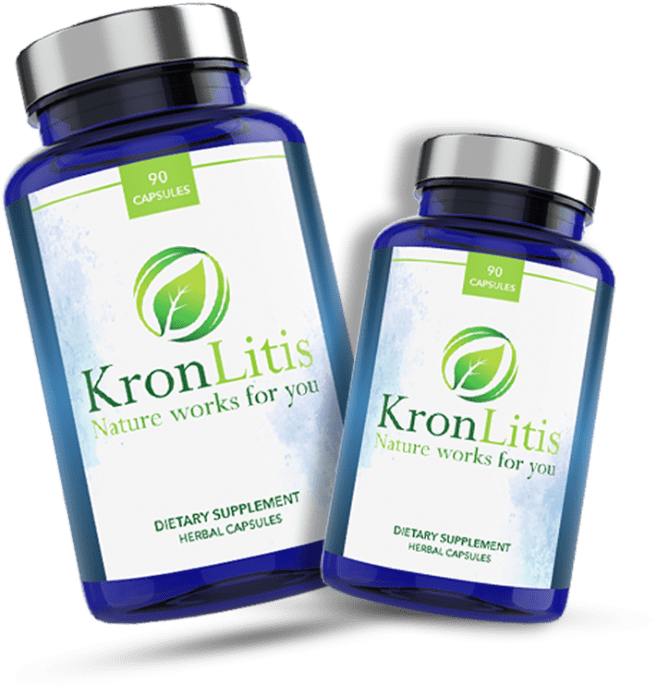
Kronlitis combines four specific herbs in a formula manufactured in Germany under strict quality standards. This combination addresses inflammation through complementary mechanisms. Two herbs provide primary anti-inflammatory action, while the remaining two support tissue repair and immune modulation. This multi-target approach explains the rapid symptom improvement many patients report.
Clinical observations show patients achieving remission faster with combination herbal protocols compared to single-herb approaches. The speed of assistance varies by disease severity and individual factors, but many report meaningful improvement within weeks of consistent use. Intensity of remission matters too patients describe returning to normal activities, not just marginal improvement.
Cost considerations favor herbal approaches for many patients. While biologic treatments carry high price tags, natural formulations offer accessible alternatives without compromising efficacy. Quality sourcing from German manufacturing ensures potency and purity standards meet international specifications.
order natural IBD support to explore this scientifically-informed herbal approach to managing Crohn’s inflammation.
Key Takeaways: Recognizing Crohn’s Symptoms Early
Early recognition of Crohn’s disease symptoms and signs fundamentally changes disease trajectory. Patients who identify flares quickly can intensify intervention before inflammation causes irreversible tissue damage. Understanding Crohn’s remission signs equally matters knowing when disease control improves validates treatment effectiveness.
- Transmural Inflammation: Crohn’s penetrates full bowel wall thickness, causing complications like fistulas and strictures unlike superficial inflammation patterns.
- Systemic Reach: Joint pain, skin lesions, eye inflammation, and fatigue reflect whole-body involvement requiring comprehensive treatment approaches.
- Severity Staging: Five activity levels guide treatment intensity, from low-activity dietary adjustments to high-activity maximum intervention.
- Tracking Importance: Daily symptom documentation reveals patterns, identifies triggers, and enables objective communication with healthcare providers.
- Natural Options Exist: Four-herb formulations targeting TNF-α inflammatory pathways offer evidence-based alternatives for symptom control and remission induction.
Patients who understand their symptoms become active participants in their care rather than passive recipients of treatment. our evidence-based development story explains how traditional herbal wisdom combines with modern inflammatory science to create effective symptom management options.
FAQ: Crohn’s Disease Symptoms and Signs
What are the first warning signs of Crohn’s disease?
Yes, early symptoms typically appear gradually. The most common initial signs include persistent diarrhea lasting more than four weeks, abdominal cramping after meals, and unexplained fatigue that does not improve with rest. Weight loss without trying and reduced appetite often accompany these digestive symptoms. Many patients initially dismiss these signs as temporary stomach bugs or stress-related upset, delaying diagnosis and intervention.
How is Crohn’s different from ulcerative colitis symptoms?
Crohn’s affects more intestinal locations and penetrates deeper tissue layers. While ulcerative colitis confines itself to the colon’s innermost lining, Crohn’s inflammation can appear anywhere from mouth to anus and penetrates the entire bowel wall. This transmural inflammation explains why Crohn’s causes fistulas, strictures, and abscesses that colitis rarely produces. The symptom overlap can confuse diagnosis without proper testing, but distinction matters for treatment selection.
Can symptoms predict when a Crohn’s flare is starting?
Yes, prodromal symptoms often precede full flares. Increased bowel movement frequency, subtle appetite reduction, and mild fatigue commonly appear days to weeks before severe symptoms develop. Recognizing these IBD warning signs enables early intervention that may abort full flares or reduce their intensity. Patients who track symptoms consistently can identify their personal early warning patterns.
Do natural treatments actually work for Crohn’s symptoms?
Yes, specific herbal formulations demonstrate anti-inflammatory efficacy. Four-herb combinations targeting TNF-α pathways have helped many patients achieve meaningful remission when conventional approaches proved insufficient. Speed of response varies, but patients report symptom improvement ranging from gradual improvement over weeks to more rapid reduction in inflammatory markers. Quality sourcing from German manufacturing ensures consistent potency and purity.
What symptoms indicate disease remission?
Remission means absence of active inflammatory symptoms. Patients in remission experience normal bowel habits without urgency or bleeding, no abdominal pain, stable weight, and restored energy levels. Biomarker markers like C-reactive protein normalize, and imaging shows healed intestinal mucosa. Remission does not mean cure ongoing maintenance prevents flare recurrence. comprehensive IBD FAQ resource provides additional information about maintaining remission long-term.
How often should someone with Crohn’s track their symptoms?
Daily tracking yields the most useful clinical patterns. Symptom fluctuations throughout each day and week reveal triggers and responses that occasional recording misses. Modern apps simplify this process, but even basic daily journals provide valuable objective data. During stable periods, tracking can simplify to weekly summaries, but detailed daily recording should resume immediately if symptoms worsen.
Can Crohn’s symptoms affect mental health?
Yes, bidirectional connections exist between gut inflammation and mental health. Anxiety and depression occur more frequently in IBD patients than general population, with rates increasing during active disease. Chronic pain, social embarrassment, and unpredictable symptoms contribute psychological burden. Successfully treating intestinal inflammation often improves mood, while stress management supports digestive symptom control.
@keyframes hoox-lf-in-hoox-f-3dde39e4-550e-4483-945e-483fd3-bottom {
from { opacity: 0; transform: translateY(8px); }
to { opacity: 1; transform: translateY(0); }
}
#hoox-f-3dde39e4-550e-4483-945e-483fd3-bottom {
width: 100%;
max-width: 100%;
box-sizing: border-box;
display: flex;
flex-direction: column;
gap: 20px;
margin: 48px 0;
padding: 32px 28px;
border-radius: 16px;
background: #ffffff;
color: #111111;
font-family: inherit;
border: 1px solid #E2E8F0;
animation: hoox-lf-in-hoox-f-3dde39e4-550e-4483-945e-483fd3-bottom 0.3s cubic-bezier(0.16, 1, 0.3, 1);
direction: inherit;
}
#hoox-f-3dde39e4-550e-4483-945e-483fd3-bottom .hoox-form-header {
display: flex;
flex-direction: column;
gap: 8px;
text-align: center;
}
#hoox-f-3dde39e4-550e-4483-945e-483fd3-bottom .hoox-form-header h2 {
margin: 0;
font-size: 1.5em;
font-weight: 700;
line-height: 1.3;
color: #111111;
border: none;
padding: 0;
}
#hoox-f-3dde39e4-550e-4483-945e-483fd3-bottom .hoox-form-header p {
margin: 0;
font-size: 1em;
line-height: 1.6;
color: #64748B;
}
#hoox-f-3dde39e4-550e-4483-945e-483fd3-bottom form[data-hx-form] {
margin: 0;
display: flex;
flex-direction: column;
gap: 14px;
}
#hoox-f-3dde39e4-550e-4483-945e-483fd3-bottom .hoox-field-wrap {
position: relative;
width: 100%;
box-sizing: border-box;
}
#hoox-f-3dde39e4-550e-4483-945e-483fd3-bottom .hoox-field-wrap input {
width: 100%;
box-sizing: border-box;
height: 44px;
padding-inline-start: 42px;
padding-inline-end: 14px;
border: 1px solid #E2E8F0;
border-radius: 10px;
font-size: 14px;
color: #111111;
font-family: inherit;
background-color: #F8FAFC;
transition: border-color 0.15s ease, box-shadow 0.15s ease, background-color 0.15s ease;
outline: none;
direction: inherit;
text-align: start;
}
#hoox-f-3dde39e4-550e-4483-945e-483fd3-bottom .hoox-field-wrap input::placeholder {
color: #94A3B8;
opacity: 1;
}
#hoox-f-3dde39e4-550e-4483-945e-483fd3-bottom .hoox-field-wrap input:focus {
background-color: #FFFFFF;
border-color: #0077B6,#00B4D8,#90E0EF;
box-shadow: 0 0 0 3px rgba(15, 23, 42, 0.08);
}
#hoox-f-3dde39e4-550e-4483-945e-483fd3-bottom .hoox-field-icon {
position: absolute;
top: 0;
bottom: 0;
inset-inline-start: 0;
width: 42px;
display: flex;
align-items: center;
justify-content: center;
pointer-events: none;
color: #94A3B8;
transition: color 0.15s ease;
}
#hoox-f-3dde39e4-550e-4483-945e-483fd3-bottom .hoox-field-wrap:focus-within .hoox-field-icon {
color: #0077B6,#00B4D8,#90E0EF;
}
#hoox-f-3dde39e4-550e-4483-945e-483fd3-bottom button[type=”submit”] {
width: 100%;
height: 44px;
margin-top: 4px;
border: none;
border-radius: 10px;
background: #0077B6,#00B4D8,#90E0EF;
color: #FFFFFF;
font-size: 14px;
font-weight: 600;
cursor: pointer;
transition: opacity 0.15s ease, transform 0.15s ease, box-shadow 0.15s ease;
box-shadow: 0 1px 2px 0 rgba(0, 0, 0, 0.05);
}
#hoox-f-3dde39e4-550e-4483-945e-483fd3-bottom button[type=”submit”]:hover {
opacity: 0.94;
}
#hoox-f-3dde39e4-550e-4483-945e-483fd3-bottom button[type=”submit”]:active {
transform: scale(0.99);
}
#hoox-f-3dde39e4-550e-4483-945e-483fd3-bottom button[type=”submit”]:disabled {
opacity: 0.6;
cursor: not-allowed;
}
#hoox-f-3dde39e4-550e-4483-945e-483fd3-bottom .hoox-disclaimer {
margin: 0;
text-align: center;
font-size: 12px;
line-height: 1.5;
color: #94A3B8;
}
#hoox-f-3dde39e4-550e-4483-945e-483fd3-bottom .hoox-disclaimer a {
color: inherit;
text-decoration: underline;
text-underline-offset: 2px;
}
#hoox-f-3dde39e4-550e-4483-945e-483fd3-bottom .hoox-disclaimer a:hover {
text-decoration: none;
}
#hoox-f-3dde39e4-550e-4483-945e-483fd3-bottom .hoox-success {
display: none;
flex-direction: column;
align-items: center;
gap: 14px;
padding: 12px 0;
position: relative;
}
#hoox-f-3dde39e4-550e-4483-945e-483fd3-bottom .hoox-confetti {
position: absolute;
inset: 0;
overflow: visible;
pointer-events: none;
}
#hoox-f-3dde39e4-550e-4483-945e-483fd3-bottom .hoox-confetti span {
position: absolute;
top: 50%;
left: 50%;
width: 7px;
height: 11px;
background: var(–hoox-c);
border-radius: 2px;
opacity: 0;
animation: hoox-confetti-burst 0.9s ease-out forwards;
animation-delay: var(–hoox-d, 0s);
}
@keyframes hoox-confetti-burst {
0% { opacity: 1; transform: translate(-50%, -50%) rotate(0deg) scale(1); }
100% { opacity: 0; transform: translate(calc(-50% + var(–hoox-tx)), calc(-50% + var(–hoox-ty))) rotate(var(–hoox-rz)) scale(0.5); }
}
#hoox-f-3dde39e4-550e-4483-945e-483fd3-bottom .hoox-success-icon {
width: 52px;
height: 52px;
border-radius: 50%;
background: #ECFDF5;
display: flex;
align-items: center;
justify-content: center;
font-size: 26px;
line-height: 1;
animation: hoox-success-pop 0.4s cubic-bezier(0.34, 1.56, 0.64, 1);
}
@keyframes hoox-success-pop {
from { opacity: 0; transform: scale(0.5); }
to { opacity: 1; transform: scale(1); }
}
#hoox-f-3dde39e4-550e-4483-945e-483fd3-bottom .hoox-success-text {
margin: 0;
text-align: center;
font-size: 15px;
font-weight: 600;
line-height: 1.5;
color: #111111;
}
#hoox-f-3dde39e4-550e-4483-945e-483fd3-bottom .hoox-disabled-state {
display: none;
flex-direction: column;
align-items: center;
gap: 14px;
padding: 12px 0;
text-align: center;
}
#hoox-f-3dde39e4-550e-4483-945e-483fd3-bottom .hoox-disabled-icon {
width: 52px;
height: 52px;
border-radius: 50%;
background: #F1F5F9;
display: flex;
align-items: center;
justify-content: center;
color: #64748B;
}
#hoox-f-3dde39e4-550e-4483-945e-483fd3-bottom .hoox-disabled-text {
margin: 0;
font-size: 14px;
line-height: 1.6;
color: #64748B;
}
#hoox-f-3dde39e4-550e-4483-945e-483fd3-bottom .hoox-disabled-text a {
color: inherit;
font-weight: 600;
text-decoration: underline;
text-underline-offset: 2px;
}
#hoox-f-3dde39e4-550e-4483-945e-483fd3-bottom .hoox-disabled-text a:hover {
text-decoration: none;
}
See What This Could Look Like For You
Takes 30 seconds
Thanks! We’ll be in touch.