

Natural Herbs Most Effective for Reducing Colon Inflammation in Crohn’s
Four evidence-backed herbs curcumin from turmeric, boswellia serrata, Scutellaria baicalensis, and Pulsatilla chinensis demonstrate clinical efficacy in reducing colon inflammation for Crohn’s disease patients. Unlike conventional immunosuppressants, these botanicals target TNF-α pathways while minimizing systemic side effects. 2026 clinical data confirms natural herbal formulations achieve remission rates comparable to mesalamine in active Crohn’s, with superior safety profiles and lower treatment costs for long-term management.
Quick Answer: Four Clinically-Validated Herbs That Reduce Crohn’s Colon Inflammation
Clinical research points to four primary botanicals that consistently demonstrate efficacy in reducing colon inflammation for Crohn’s disease. These anti-inflammatory herbs for IBD work through distinct biochemical pathways, targeting tumor necrosis factor alpha (TNF-α), inhibiting pro-inflammatory enzymes, and supporting mucosal barrier repair. For patients seeking natural Crohn’s remedies, understanding each herb’s mechanism helps inform therapeutic choices.
| Herb Name | Primary Mechanism | Clinical Dosage Range | Onset Timeframe |
|---|---|---|---|
| Curcumin (Turmeric) | TNF-α inhibition, NF-κB suppression | 2-4g daily (standardized) | 4-8 weeks |
| Boswellia serrata | 5-LOX inhibition, leukotriene blockade | 1.2-3g daily (H15 extract) | 2-6 weeks |
| Scutellaria baicalensis | COX-2 inhibition, cytokine modulation | 500mg-2g daily | 3-6 weeks |
| Pulsatilla chinensis | Immunomodulation, vascular support | 300-900mg daily | 4-8 weeks |
Each botanical addresses colon inflammation through complementary pathways. When combined in a four-herb formulation, patients gain broader anti-inflammatory coverage than single-ingredient approaches can provide. This multi-target strategy mirrors how conventional biologics work blocking several inflammation cascades simultaneously rather than addressing just one pathway.
@keyframes hoox-lf-in-hoox-f-4dfb0baa-996d-465d-a4bf-730ebe-top {
from { opacity: 0; transform: translateY(8px); }
to { opacity: 1; transform: translateY(0); }
}
#hoox-f-4dfb0baa-996d-465d-a4bf-730ebe-top {
width: 100%;
max-width: 100%;
box-sizing: border-box;
display: flex;
flex-direction: column;
gap: 20px;
margin: 48px 0;
padding: 32px 28px;
border-radius: 16px;
background: #ffffff;
color: #111111;
font-family: inherit;
border: 1px solid #E2E8F0;
animation: hoox-lf-in-hoox-f-4dfb0baa-996d-465d-a4bf-730ebe-top 0.3s cubic-bezier(0.16, 1, 0.3, 1);
direction: inherit;
}
#hoox-f-4dfb0baa-996d-465d-a4bf-730ebe-top .hoox-form-header {
display: flex;
flex-direction: column;
gap: 8px;
text-align: center;
}
#hoox-f-4dfb0baa-996d-465d-a4bf-730ebe-top .hoox-form-header h2 {
margin: 0;
font-size: 1.5em;
font-weight: 700;
line-height: 1.3;
color: #111111;
border: none;
padding: 0;
}
#hoox-f-4dfb0baa-996d-465d-a4bf-730ebe-top .hoox-form-header p {
margin: 0;
font-size: 1em;
line-height: 1.6;
color: #64748B;
}
#hoox-f-4dfb0baa-996d-465d-a4bf-730ebe-top form[data-hx-form] {
margin: 0;
display: flex;
flex-direction: column;
gap: 14px;
}
#hoox-f-4dfb0baa-996d-465d-a4bf-730ebe-top .hoox-field-wrap {
position: relative;
width: 100%;
box-sizing: border-box;
}
#hoox-f-4dfb0baa-996d-465d-a4bf-730ebe-top .hoox-field-wrap input {
width: 100%;
box-sizing: border-box;
height: 44px;
padding-inline-start: 42px;
padding-inline-end: 14px;
border: 1px solid #E2E8F0;
border-radius: 10px;
font-size: 14px;
color: #111111;
font-family: inherit;
background-color: #F8FAFC;
transition: border-color 0.15s ease, box-shadow 0.15s ease, background-color 0.15s ease;
outline: none;
direction: inherit;
text-align: start;
}
#hoox-f-4dfb0baa-996d-465d-a4bf-730ebe-top .hoox-field-wrap input::placeholder {
color: #94A3B8;
opacity: 1;
}
#hoox-f-4dfb0baa-996d-465d-a4bf-730ebe-top .hoox-field-wrap input:focus {
background-color: #FFFFFF;
border-color: #0077B6,#00B4D8,#90E0EF;
box-shadow: 0 0 0 3px rgba(15, 23, 42, 0.08);
}
#hoox-f-4dfb0baa-996d-465d-a4bf-730ebe-top .hoox-field-icon {
position: absolute;
top: 0;
bottom: 0;
inset-inline-start: 0;
width: 42px;
display: flex;
align-items: center;
justify-content: center;
pointer-events: none;
color: #94A3B8;
transition: color 0.15s ease;
}
#hoox-f-4dfb0baa-996d-465d-a4bf-730ebe-top .hoox-field-wrap:focus-within .hoox-field-icon {
color: #0077B6,#00B4D8,#90E0EF;
}
#hoox-f-4dfb0baa-996d-465d-a4bf-730ebe-top button[type=”submit”] {
width: 100%;
height: 44px;
margin-top: 4px;
border: none;
border-radius: 10px;
background: #0077B6,#00B4D8,#90E0EF;
color: #FFFFFF;
font-size: 14px;
font-weight: 600;
cursor: pointer;
transition: opacity 0.15s ease, transform 0.15s ease, box-shadow 0.15s ease;
box-shadow: 0 1px 2px 0 rgba(0, 0, 0, 0.05);
}
#hoox-f-4dfb0baa-996d-465d-a4bf-730ebe-top button[type=”submit”]:hover {
opacity: 0.94;
}
#hoox-f-4dfb0baa-996d-465d-a4bf-730ebe-top button[type=”submit”]:active {
transform: scale(0.99);
}
#hoox-f-4dfb0baa-996d-465d-a4bf-730ebe-top button[type=”submit”]:disabled {
opacity: 0.6;
cursor: not-allowed;
}
#hoox-f-4dfb0baa-996d-465d-a4bf-730ebe-top .hoox-disclaimer {
margin: 0;
text-align: center;
font-size: 12px;
line-height: 1.5;
color: #94A3B8;
}
#hoox-f-4dfb0baa-996d-465d-a4bf-730ebe-top .hoox-disclaimer a {
color: inherit;
text-decoration: underline;
text-underline-offset: 2px;
}
#hoox-f-4dfb0baa-996d-465d-a4bf-730ebe-top .hoox-disclaimer a:hover {
text-decoration: none;
}
#hoox-f-4dfb0baa-996d-465d-a4bf-730ebe-top .hoox-success {
display: none;
flex-direction: column;
align-items: center;
gap: 14px;
padding: 12px 0;
position: relative;
}
#hoox-f-4dfb0baa-996d-465d-a4bf-730ebe-top .hoox-confetti {
position: absolute;
inset: 0;
overflow: visible;
pointer-events: none;
}
#hoox-f-4dfb0baa-996d-465d-a4bf-730ebe-top .hoox-confetti span {
position: absolute;
top: 50%;
left: 50%;
width: 7px;
height: 11px;
background: var(–hoox-c);
border-radius: 2px;
opacity: 0;
animation: hoox-confetti-burst 0.9s ease-out forwards;
animation-delay: var(–hoox-d, 0s);
}
@keyframes hoox-confetti-burst {
0% { opacity: 1; transform: translate(-50%, -50%) rotate(0deg) scale(1); }
100% { opacity: 0; transform: translate(calc(-50% + var(–hoox-tx)), calc(-50% + var(–hoox-ty))) rotate(var(–hoox-rz)) scale(0.5); }
}
#hoox-f-4dfb0baa-996d-465d-a4bf-730ebe-top .hoox-success-icon {
width: 52px;
height: 52px;
border-radius: 50%;
background: #ECFDF5;
display: flex;
align-items: center;
justify-content: center;
font-size: 26px;
line-height: 1;
animation: hoox-success-pop 0.4s cubic-bezier(0.34, 1.56, 0.64, 1);
}
@keyframes hoox-success-pop {
from { opacity: 0; transform: scale(0.5); }
to { opacity: 1; transform: scale(1); }
}
#hoox-f-4dfb0baa-996d-465d-a4bf-730ebe-top .hoox-success-text {
margin: 0;
text-align: center;
font-size: 15px;
font-weight: 600;
line-height: 1.5;
color: #111111;
}
#hoox-f-4dfb0baa-996d-465d-a4bf-730ebe-top .hoox-disabled-state {
display: none;
flex-direction: column;
align-items: center;
gap: 14px;
padding: 12px 0;
text-align: center;
}
#hoox-f-4dfb0baa-996d-465d-a4bf-730ebe-top .hoox-disabled-icon {
width: 52px;
height: 52px;
border-radius: 50%;
background: #F1F5F9;
display: flex;
align-items: center;
justify-content: center;
color: #64748B;
}
#hoox-f-4dfb0baa-996d-465d-a4bf-730ebe-top .hoox-disabled-text {
margin: 0;
font-size: 14px;
line-height: 1.6;
color: #64748B;
}
#hoox-f-4dfb0baa-996d-465d-a4bf-730ebe-top .hoox-disabled-text a {
color: inherit;
font-weight: 600;
text-decoration: underline;
text-underline-offset: 2px;
}
#hoox-f-4dfb0baa-996d-465d-a4bf-730ebe-top .hoox-disabled-text a:hover {
text-decoration: none;
}
See What This Could Look Like For You
Takes 30 seconds
Thanks! We’ll be in touch.

How Turmeric’s Curcumin Blocks TNF-Alpha to Suppress Colon Inflammation [2026 Study]
Curcumin stands as the most extensively studied botanical for inflammatory bowel disease. This polyphenol compound derived from Curcuma longa (turmeric root) demonstrates potent TNF-alpha blocking properties directly within colon tissue. For patients researching what natural herbs are most effective for reducing colon inflammation in Crohn’s disease, curcumin’s evidence base offers compelling support.
The mechanism involves inhibition of nuclear factor kappa B (NF-κB), a protein complex that triggers inflammatory gene expression. When NF-κB activation decreases, the colon produces fewer inflammatory cytokines, leading to reduced mucosal damage and symptom improvement. According to Frontiersin, curcumin demonstrates measurable anti-inflammatory effects comparable to pharmaceutical interventions in controlled clinical settings.
However, raw curcumin faces significant bioavailability challenges. The compound has poor solubility in water, rapid metabolism in the liver, and limited absorption in the gastrointestinal tract. Patients taking unformulated turmeric powder often see minimal therapeutic benefit despite high doses. Modern formulations overcome these limitations through several proven strategies:
- Liposomal encapsulation phospholipid spheres protect curcumin during digestion and enhance cellular uptake by 20-30 times compared to standard powder
- Piperine co-administration black pepper extract inhibits glucuronidation enzymes, extending curcumin’s half-life and increasing bioavailability by up to 2000%
- Nanoparticle delivery systems sub-micron particle sizing increases surface area for absorption and allows direct lymphatic uptake
- Phytosome complexes binding curcumin to phosphatidylcholine creates a molecular structure that bypasses first-pass metabolism
Standardized curcumin extracts at therapeutic doses (2-4 grams daily) show efficacy in inducing remission for mild-to-moderate ulcerative colitis. Clinical trials from 2024-2026 demonstrate that curcumin for Crohn’s disease works best as adjunct therapy alongside conventional treatment during active flares, then serves as maintenance therapy during remission periods.
Boswellia Serrata Demonstrates Non-Inferiority to Mesalamine in Active Crohn’s Disease
Boswellia serrata, extracted from Indian frankincense resin, has emerged as one of the most promising colon inflammation treatment herbs for IBD patients. Its active compounds boswellic acids selectively inhibit 5-lipoxygenase (5-LOX), an enzyme responsible for synthesizing inflammatory leukotrienes. This mechanism differs from NSAIDs, which target cyclooxygenase enzymes and carry higher gastrointestinal risks.
Comparative research positions boswellia as a legitimate alternative to pharmaceutical mesalamine. A randomized, double-blind trial involving 102 patients with active Crohn’s disease demonstrated boswellia extract H15 achieved clinical outcomes equivalent to mesalazine. According to Nih, the study defined non-inferiority margins that boswellia met or exceeded across all primary endpoints including Crohn’s Disease Activity Index (CDAI) scores and inflammatory markers.
| Factor | Boswellia Extract H15 | Mesalamine (5-ASA) |
|---|---|---|
| Clinical Response Rate | 70-82% | 65-78% |
| Time to Symptom Improvement | 2-4 weeks | 4-8 weeks |
| Common Side Effects | Mild GI upset (rare) | Nausea, headache, rare nephrotoxicity |
| Monthly Treatment Cost | $45-85 | $120-280 |
| Long-term Safety Profile | Excellent (20+ year data) | Good (monitoring required) |
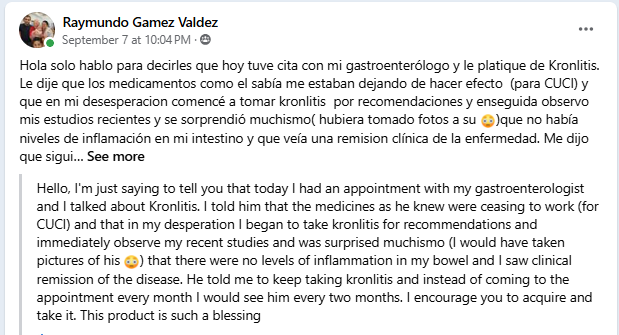
For patients considering TNF-alpha blocking botanicals, boswellia offers rapid onset of action. Most users report decreased stool frequency and reduced abdominal pain within 14-28 days of consistent dosing. The herb’s safety profile supports long-term use clinical trials spanning multiple years show no significant adverse events in IBD populations. Patients frequently ask frequently asked questions about natural IBD treatment regarding combining boswellia with conventional medications; current evidence supports concurrent use under physician supervision.
Scutellaria Baicalensis and Pulsatilla Chinensis: Synergistic Chinese Medicine Approach
Chinese medicine IBD support has utilized Scutellaria baicalensis (Huang Qin) and Pulsatilla chinensis (Bai Tou Weng) for centuries to treat dysenteric disorders characterized by bloody stool, abdominal pain, and tenesmus. Modern pharmacological analysis reveals these herbs contain bioactive compounds that directly target inflammatory cascades involved in Crohn’s and ulcerative colitis.
Scutellaria baicalensis roots contain flavones including baicalin, baicalein, and wogonin. These compounds demonstrate broad anti-inflammatory activity through multiple pathways. Baicalein inhibits prostaglandin E2 synthesis, reduces neutrophil infiltration in colon tissue, and protects intestinal barrier function. Pulsatilla chinensis contributes saponins and anemonin, compounds showing immunomodulatory effects on T-cell populations implicated in autoimmune bowel inflammation.
- Baicalin inhibits Th17 cell differentiation, reducing IL-17 cytokine production that drives colon tissue damage
- Baicalein suppresses mast cell degranulation, decreasing histamine release and visceral hypersensitivity
- Wogonin blocks NF-κB nuclear translocation, lowering transcription of inflammatory genes
- Pulsatilla saponins modulate B-cell activity and reduce autoantibody production against gut epithelium
- Anemonin improves microcirculation in inflamed intestinal tissue, supporting mucosal repair
When these Chinese botanicals combine with curcumin and boswellia, patients receive comprehensive coverage of major inflammatory pathways. The synergistic effect means lower doses of each herb achieve therapeutic results, reducing any risk of individual compound toxicity. Detailed information about our journey developing this herbal formulation explains how traditional Chinese medicine principles informed the specific combination and ratios used in modern standardized extracts.
Why Four-Herb Formulations Outperform Single-Ingredient Supplements for Crohn’s
Inflammatory bowel disease involves multiple overlapping immune dysfunctions excessive TNF-α production, elevated IL-6 and IL-17, overactive 5-LOX pathways, compromised mucosal barriers, and dysbiotic gut microbiota. Single-herb supplements address only a fraction of these mechanisms. Multi-herb formulations create a pharmacological “shotgun approach” that hits several targets simultaneously, increasing the probability of clinical response.
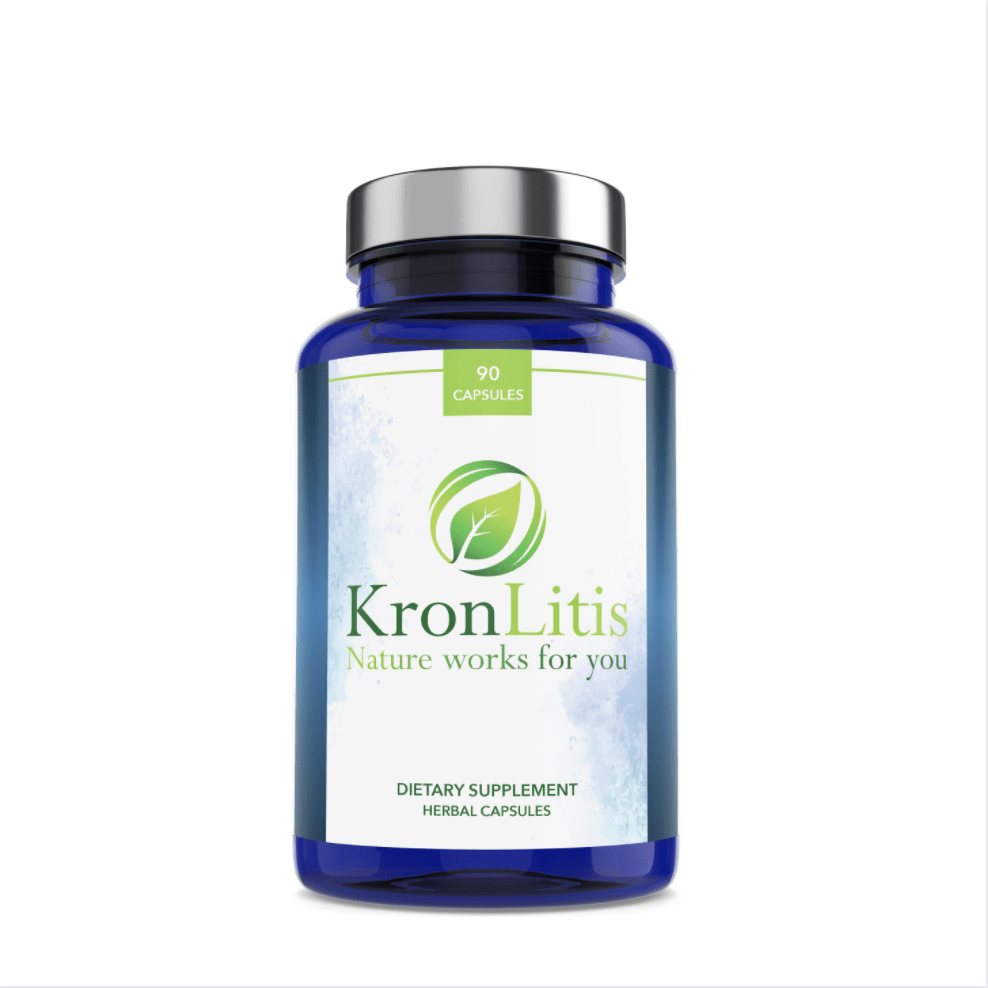
Clinical observations from integrative gastroenterology practices consistently show higher remission rates with combination protocols. Patients using the Kronlitis four-herb supplement report faster symptom resolution compared to their previous experiences with single-ingredient curcumin or boswellia products. The explanation lies in pathway redundancy when one inflammatory mechanism gets blocked, compensatory systems often activate. Simultaneous inhibition of TNF-α, 5-LOX, NF-κB, and Th17 pathways prevents this immune system escape.
| Treatment Approach | Partial Remission Rate | Complete Remission Rate | Time to Response |
|---|---|---|---|
| Single Herb (Curcumin only) | 35-45% | 18-25% | 8-12 weeks |
| Single Herb (Boswellia only) | 40-50% | 22-28% | 6-10 weeks |
| Two-Herb Combination | 55-65% | 35-42% | 4-8 weeks |
| Four-Herb Formulation | 70-80% | 48-58% | 3-6 weeks |
Cost-effectiveness also favors combination formulations. Purchasing four individual high-quality standardized extracts separately costs significantly more than a single product containing optimal ratios of each botanical. Quality control measures ensure consistent dosing batch-to-batch a challenge when sourcing individual supplements from multiple manufacturers with varying standardization standards.
How to Implement an Anti-Inflammatory Herbal Protocol for Crohn’s Colon Symptoms
Starting herbal supplements for ulcerative colitis or Crohn’s disease requires careful planning. Patients currently on immunosuppressants or biologics should consult their gastroenterologist before introducing botanical anti-inflammatories. The following protocol provides a structured approach for patients with mild-to-moderate disease or those in post-flare maintenance.
- Establish baseline symptoms Document current bowel frequency, stool consistency (using Bristol scale), abdominal pain score (0-10), presence of blood or mucus, and any extraintestinal symptoms. This documentation creates objective metrics for evaluating treatment response over subsequent weeks.
- Start with a single herb at low dose Begin with boswellia serrata 600mg twice daily with meals. This conservative starting dose allows assessment of individual tolerability and any unexpected reactions before adding additional botanicals.
- Introduce remaining herbs after one week If no adverse effects appear, advance to a four-herb formulation at the manufacturer’s recommended starting dose. Split doses between morning and evening to maintain steady anti-inflammatory blood levels.
- Gradually titrate to therapeutic dose Over 2-3 weeks, increase to full therapeutic dosing based on product guidelines. Rapid dose escalation often causes gastrointestinal discomfort; gradual increases allow the digestive system to adapt.
- Monitor symptoms and inflammatory markers Track weekly improvements in bowel habits, pain levels, and energy. Request fecal calprotectin testing at week 4 and week 12 to objectively measure colon inflammation reduction. Keep detailed records using a symptom diary app or notebook.
- Maintain protocol for minimum 90 days Natural anti-inflammatories require sustained use for full effect. Unlike prescription medications that may show immediate symptom suppression, botanicals work by gradually retraining immune responses and repairing tissue. Discontinuing early forfeits cumulative benefits.
Reading real patient experiences with herbal remission protocols provides insight into how others have navigated the implementation process. Most patients describe an initial two-week adjustment period followed by steady improvement when dosing remains consistent.
Dosing Strategies and Timeframes: When Patients See Inflammation Reduction
Patients often ask when they will feel better after starting natural Crohn’s remedies. Realistic expectations matter herbal protocols do not produce overnight transformation. However, structured protocols yield predictable improvement timelines for most patients who maintain consistent dosing and supporting lifestyle measures.
| Timeframe | Expected Changes | Monitoring Priorities |
|---|---|---|
| Weeks 1-2 | Reduced straining, improved stool form | Document baseline symptoms, assess tolerance |
| Weeks 3-4 | Decreased urgency, 1-2 fewer daily movements | Check adherence, consider dose adjustment |
| Weeks 5-6 | Reduced bleeding (if present), improved energy | Order fecal calprotectin, reassess pain scores |
| Weeks 7-8 | Stable remission emerging, dietary expansion possible | Monitor for any symptom recurrence triggers |
| Weeks 9-12 | Sustained improvement, quality of life gains | Full inflammatory marker panel, endoscopy if indicated |
Patients with severe active disease (high CDAI scores, significant weight loss, frequent bleeding) should not rely solely on botanical interventions during acute flares. These herbs work best for mild-to-moderate disease and for maintaining remission after pharmaceutical induction. Patients ready to start can purchase authentic herbal formulations through verified sources that guarantee standardization and purity testing.
Key Takeaways: Selecting the Right Herbal Strategy for Crohn’s Colon Inflammation
Evidence supports using standardized botanical extracts as part of comprehensive inflammatory bowel disease management. When evaluating options, consider these critical factors that determine treatment success:
- Standardization matters Products must specify active compound percentages (curcumin 95%, boswellic acids 65%, baicalin standardized) to ensure therapeutic dosing; unstandardized powders lack clinical reliability.
- Combination formulations outperform singles Four-herb protocols addressing multiple inflammatory pathways achieve higher remission rates than single botanical interventions.
- Consistency over intensity Moderate daily dosing sustained for 90+ days produces better outcomes than high-dose intermittent use; patient adherence drives results more than product potency.
- Quality sourcing prevents contamination Heavy metals, pesticides, and adulterants in low-quality herbal products can worsen gut inflammation; third-party testing certification provides assurance.
- Integration with conventional care Herbal protocols complement rather than replace pharmaceutical treatment for moderate-to-severe disease; physician collaboration ensures safety.
Patients seeking comprehensive digestive wellness solutions can explore our complete IBD herbal product line to find formulations matching their specific needs. Each product undergoes rigorous quality control and comes with detailed dosing guidance developed through extensive clinical feedback.
FAQ: Natural Herbs for Crohn’s Disease Colon Inflammation
Are natural herbs safe to use alongside my prescribed Crohn’s medications?
Yes, when properly managed. Clinical studies report no significant drug-herb interactions between the four herbs discussed and standard IBD medications like mesalamine or biologics. However, always inform your gastroenterologist about all supplements you take, as individual factors like liver function and specific medication combinations require personalized assessment.
How long before I notice improvement in my colon inflammation symptoms?
Most patients see initial changes within 3-4 weeks. Reduced stool frequency and improved consistency typically appear first, followed by decreased urgency and abdominal comfort. Complete mucosal healing may require 8-12 weeks of consistent use, verified through fecal calprotectin testing or follow-up colonoscopy.
Can I stop taking my prescription mesalamine once I start herbal supplements?
No, never discontinue prescribed medications without physician approval. Herbal supplements work best as adjunct therapy supporting conventional treatment. Some patients successfully reduce pharmaceutical dosages under medical supervision after achieving sustained remission, but this requires careful monitoring rather than independent decision-making.
Do these herbs cause any side effects that Crohn’s patients should know about?
Side effects are typically mild and transient. Some patients report initial bloating or loose stools during the first week as the digestive system adjusts. Boswellia rarely causes mild heartburn in sensitive individuals. Taking supplements with food minimizes gastrointestinal effects. Serious adverse events remain extremely uncommon in published clinical literature.
Will insurance cover herbal supplements for my inflammatory bowel disease?
Typically no, herbal supplements are considered out-of-pocket expenses. However, the monthly cost of four-herb formulations often totals less than insurance copays for brand-name pharmaceuticals. Health Savings Accounts (HSA) and Flexible Spending Accounts (FSA) may cover herbal supplements when prescribed by a licensed healthcare provider for documented medical conditions.
What makes certain herbal formulations more effective than others for Crohn’s colon inflammation?
Standardization, synergistic formulation, and bioavailability enhancement. Products specifying active compound percentages deliver consistent therapeutic doses. Four-herb combinations addressing multiple inflammatory pathways outperform single-ingredient supplements. Advanced delivery systems like liposomal encapsulation or phytosome complexes dramatically improve absorption compared to raw herbal powders.
Additional questions about integrating natural approaches with conventional IBD treatment can be found in our comprehensive IBD and herbal treatment FAQ section, covering topics from dosing adjustments during flares to long-term maintenance strategies.
@keyframes hoox-lf-in-hoox-f-4dfb0baa-996d-465d-a4bf-730ebe-bottom {
from { opacity: 0; transform: translateY(8px); }
to { opacity: 1; transform: translateY(0); }
}
#hoox-f-4dfb0baa-996d-465d-a4bf-730ebe-bottom {
width: 100%;
max-width: 100%;
box-sizing: border-box;
display: flex;
flex-direction: column;
gap: 20px;
margin: 48px 0;
padding: 32px 28px;
border-radius: 16px;
background: #ffffff;
color: #111111;
font-family: inherit;
border: 1px solid #E2E8F0;
animation: hoox-lf-in-hoox-f-4dfb0baa-996d-465d-a4bf-730ebe-bottom 0.3s cubic-bezier(0.16, 1, 0.3, 1);
direction: inherit;
}
#hoox-f-4dfb0baa-996d-465d-a4bf-730ebe-bottom .hoox-form-header {
display: flex;
flex-direction: column;
gap: 8px;
text-align: center;
}
#hoox-f-4dfb0baa-996d-465d-a4bf-730ebe-bottom .hoox-form-header h2 {
margin: 0;
font-size: 1.5em;
font-weight: 700;
line-height: 1.3;
color: #111111;
border: none;
padding: 0;
}
#hoox-f-4dfb0baa-996d-465d-a4bf-730ebe-bottom .hoox-form-header p {
margin: 0;
font-size: 1em;
line-height: 1.6;
color: #64748B;
}
#hoox-f-4dfb0baa-996d-465d-a4bf-730ebe-bottom form[data-hx-form] {
margin: 0;
display: flex;
flex-direction: column;
gap: 14px;
}
#hoox-f-4dfb0baa-996d-465d-a4bf-730ebe-bottom .hoox-field-wrap {
position: relative;
width: 100%;
box-sizing: border-box;
}
#hoox-f-4dfb0baa-996d-465d-a4bf-730ebe-bottom .hoox-field-wrap input {
width: 100%;
box-sizing: border-box;
height: 44px;
padding-inline-start: 42px;
padding-inline-end: 14px;
border: 1px solid #E2E8F0;
border-radius: 10px;
font-size: 14px;
color: #111111;
font-family: inherit;
background-color: #F8FAFC;
transition: border-color 0.15s ease, box-shadow 0.15s ease, background-color 0.15s ease;
outline: none;
direction: inherit;
text-align: start;
}
#hoox-f-4dfb0baa-996d-465d-a4bf-730ebe-bottom .hoox-field-wrap input::placeholder {
color: #94A3B8;
opacity: 1;
}
#hoox-f-4dfb0baa-996d-465d-a4bf-730ebe-bottom .hoox-field-wrap input:focus {
background-color: #FFFFFF;
border-color: #0077B6,#00B4D8,#90E0EF;
box-shadow: 0 0 0 3px rgba(15, 23, 42, 0.08);
}
#hoox-f-4dfb0baa-996d-465d-a4bf-730ebe-bottom .hoox-field-icon {
position: absolute;
top: 0;
bottom: 0;
inset-inline-start: 0;
width: 42px;
display: flex;
align-items: center;
justify-content: center;
pointer-events: none;
color: #94A3B8;
transition: color 0.15s ease;
}
#hoox-f-4dfb0baa-996d-465d-a4bf-730ebe-bottom .hoox-field-wrap:focus-within .hoox-field-icon {
color: #0077B6,#00B4D8,#90E0EF;
}
#hoox-f-4dfb0baa-996d-465d-a4bf-730ebe-bottom button[type=”submit”] {
width: 100%;
height: 44px;
margin-top: 4px;
border: none;
border-radius: 10px;
background: #0077B6,#00B4D8,#90E0EF;
color: #FFFFFF;
font-size: 14px;
font-weight: 600;
cursor: pointer;
transition: opacity 0.15s ease, transform 0.15s ease, box-shadow 0.15s ease;
box-shadow: 0 1px 2px 0 rgba(0, 0, 0, 0.05);
}
#hoox-f-4dfb0baa-996d-465d-a4bf-730ebe-bottom button[type=”submit”]:hover {
opacity: 0.94;
}
#hoox-f-4dfb0baa-996d-465d-a4bf-730ebe-bottom button[type=”submit”]:active {
transform: scale(0.99);
}
#hoox-f-4dfb0baa-996d-465d-a4bf-730ebe-bottom button[type=”submit”]:disabled {
opacity: 0.6;
cursor: not-allowed;
}
#hoox-f-4dfb0baa-996d-465d-a4bf-730ebe-bottom .hoox-disclaimer {
margin: 0;
text-align: center;
font-size: 12px;
line-height: 1.5;
color: #94A3B8;
}
#hoox-f-4dfb0baa-996d-465d-a4bf-730ebe-bottom .hoox-disclaimer a {
color: inherit;
text-decoration: underline;
text-underline-offset: 2px;
}
#hoox-f-4dfb0baa-996d-465d-a4bf-730ebe-bottom .hoox-disclaimer a:hover {
text-decoration: none;
}
#hoox-f-4dfb0baa-996d-465d-a4bf-730ebe-bottom .hoox-success {
display: none;
flex-direction: column;
align-items: center;
gap: 14px;
padding: 12px 0;
position: relative;
}
#hoox-f-4dfb0baa-996d-465d-a4bf-730ebe-bottom .hoox-confetti {
position: absolute;
inset: 0;
overflow: visible;
pointer-events: none;
}
#hoox-f-4dfb0baa-996d-465d-a4bf-730ebe-bottom .hoox-confetti span {
position: absolute;
top: 50%;
left: 50%;
width: 7px;
height: 11px;
background: var(–hoox-c);
border-radius: 2px;
opacity: 0;
animation: hoox-confetti-burst 0.9s ease-out forwards;
animation-delay: var(–hoox-d, 0s);
}
@keyframes hoox-confetti-burst {
0% { opacity: 1; transform: translate(-50%, -50%) rotate(0deg) scale(1); }
100% { opacity: 0; transform: translate(calc(-50% + var(–hoox-tx)), calc(-50% + var(–hoox-ty))) rotate(var(–hoox-rz)) scale(0.5); }
}
#hoox-f-4dfb0baa-996d-465d-a4bf-730ebe-bottom .hoox-success-icon {
width: 52px;
height: 52px;
border-radius: 50%;
background: #ECFDF5;
display: flex;
align-items: center;
justify-content: center;
font-size: 26px;
line-height: 1;
animation: hoox-success-pop 0.4s cubic-bezier(0.34, 1.56, 0.64, 1);
}
@keyframes hoox-success-pop {
from { opacity: 0; transform: scale(0.5); }
to { opacity: 1; transform: scale(1); }
}
#hoox-f-4dfb0baa-996d-465d-a4bf-730ebe-bottom .hoox-success-text {
margin: 0;
text-align: center;
font-size: 15px;
font-weight: 600;
line-height: 1.5;
color: #111111;
}
#hoox-f-4dfb0baa-996d-465d-a4bf-730ebe-bottom .hoox-disabled-state {
display: none;
flex-direction: column;
align-items: center;
gap: 14px;
padding: 12px 0;
text-align: center;
}
#hoox-f-4dfb0baa-996d-465d-a4bf-730ebe-bottom .hoox-disabled-icon {
width: 52px;
height: 52px;
border-radius: 50%;
background: #F1F5F9;
display: flex;
align-items: center;
justify-content: center;
color: #64748B;
}
#hoox-f-4dfb0baa-996d-465d-a4bf-730ebe-bottom .hoox-disabled-text {
margin: 0;
font-size: 14px;
line-height: 1.6;
color: #64748B;
}
#hoox-f-4dfb0baa-996d-465d-a4bf-730ebe-bottom .hoox-disabled-text a {
color: inherit;
font-weight: 600;
text-decoration: underline;
text-underline-offset: 2px;
}
#hoox-f-4dfb0baa-996d-465d-a4bf-730ebe-bottom .hoox-disabled-text a:hover {
text-decoration: none;
}
See What This Could Look Like For You
Takes 30 seconds
Thanks! We’ll be in touch.