
Mild Crohn’s Disease: Early Intervention and Natural Management
Mild Crohn’s disease represents the earliest stage of intestinal inflammation where symptoms remain manageable yet carry a 46% risk of progression to moderate-severe disease without proper intervention. Recognizing these early signs intermittent abdominal discomfort, subtle bowel pattern changes, low-grade fatigue creates a critical window for natural therapeutic approaches that can modify disease trajectory, preserve gut integrity, and prevent the escalation that conventional treatments often struggle to reverse once advanced.
Quick Answer: What Defines Mild Crohn’s Disease in 2026
Clinicians define mild Crohn’s disease by specific thresholds: patients can eat normally, show no signs of dehydration or malnutrition, and experience abdominal pain that doesn’t severely impact daily function. In this stage, inflammation is present but hasn’t yet caused deep ulceration, strictures, or fistulas. The Crohn’s Disease Activity Index (CDAI) typically falls between 100 and 220, reflecting manageable symptom burden.
This classification matters more than most patients realize. Mild disease isn’t “minor” disease it’s an active inflammatory process that requires intervention. The difference is that the intestinal wall hasn’t suffered extensive damage yet, creating a genuine opportunity for therapeutic approaches that redirect the immune response before scarring occurs. For answers to common IBD questions, understanding these distinctions helps frame realistic treatment expectations.
@keyframes hoox-lf-in-hoox-f-79ea15b9-759a-46bd-8598-71fcec-top {
from { opacity: 0; transform: translateY(8px); }
to { opacity: 1; transform: translateY(0); }
}
#hoox-f-79ea15b9-759a-46bd-8598-71fcec-top {
width: 100%;
max-width: 100%;
box-sizing: border-box;
display: flex;
flex-direction: column;
gap: 20px;
margin: 48px 0;
padding: 32px 28px;
border-radius: 16px;
background: #ffffff;
color: #111111;
font-family: inherit;
border: 1px solid #E2E8F0;
animation: hoox-lf-in-hoox-f-79ea15b9-759a-46bd-8598-71fcec-top 0.3s cubic-bezier(0.16, 1, 0.3, 1);
direction: inherit;
}
#hoox-f-79ea15b9-759a-46bd-8598-71fcec-top .hoox-form-header {
display: flex;
flex-direction: column;
gap: 8px;
text-align: center;
}
#hoox-f-79ea15b9-759a-46bd-8598-71fcec-top .hoox-form-header h2 {
margin: 0;
font-size: 1.5em;
font-weight: 700;
line-height: 1.3;
color: #111111;
border: none;
padding: 0;
}
#hoox-f-79ea15b9-759a-46bd-8598-71fcec-top .hoox-form-header p {
margin: 0;
font-size: 1em;
line-height: 1.6;
color: #64748B;
}
#hoox-f-79ea15b9-759a-46bd-8598-71fcec-top form[data-hx-form] {
margin: 0;
display: flex;
flex-direction: column;
gap: 14px;
}
#hoox-f-79ea15b9-759a-46bd-8598-71fcec-top .hoox-field-wrap {
position: relative;
width: 100%;
box-sizing: border-box;
}
#hoox-f-79ea15b9-759a-46bd-8598-71fcec-top .hoox-field-wrap input {
width: 100%;
box-sizing: border-box;
height: 44px;
padding-inline-start: 42px;
padding-inline-end: 14px;
border: 1px solid #E2E8F0;
border-radius: 10px;
font-size: 14px;
color: #111111;
font-family: inherit;
background-color: #F8FAFC;
transition: border-color 0.15s ease, box-shadow 0.15s ease, background-color 0.15s ease;
outline: none;
direction: inherit;
text-align: start;
}
#hoox-f-79ea15b9-759a-46bd-8598-71fcec-top .hoox-field-wrap input::placeholder {
color: #94A3B8;
opacity: 1;
}
#hoox-f-79ea15b9-759a-46bd-8598-71fcec-top .hoox-field-wrap input:focus {
background-color: #FFFFFF;
border-color: #0077B6,#00B4D8,#90E0EF;
box-shadow: 0 0 0 3px rgba(15, 23, 42, 0.08);
}
#hoox-f-79ea15b9-759a-46bd-8598-71fcec-top .hoox-field-icon {
position: absolute;
top: 0;
bottom: 0;
inset-inline-start: 0;
width: 42px;
display: flex;
align-items: center;
justify-content: center;
pointer-events: none;
color: #94A3B8;
transition: color 0.15s ease;
}
#hoox-f-79ea15b9-759a-46bd-8598-71fcec-top .hoox-field-wrap:focus-within .hoox-field-icon {
color: #0077B6,#00B4D8,#90E0EF;
}
#hoox-f-79ea15b9-759a-46bd-8598-71fcec-top button[type=”submit”] {
width: 100%;
height: 44px;
margin-top: 4px;
border: none;
border-radius: 10px;
background: #0077B6,#00B4D8,#90E0EF;
color: #FFFFFF;
font-size: 14px;
font-weight: 600;
cursor: pointer;
transition: opacity 0.15s ease, transform 0.15s ease, box-shadow 0.15s ease;
box-shadow: 0 1px 2px 0 rgba(0, 0, 0, 0.05);
}
#hoox-f-79ea15b9-759a-46bd-8598-71fcec-top button[type=”submit”]:hover {
opacity: 0.94;
}
#hoox-f-79ea15b9-759a-46bd-8598-71fcec-top button[type=”submit”]:active {
transform: scale(0.99);
}
#hoox-f-79ea15b9-759a-46bd-8598-71fcec-top button[type=”submit”]:disabled {
opacity: 0.6;
cursor: not-allowed;
}
#hoox-f-79ea15b9-759a-46bd-8598-71fcec-top .hoox-disclaimer {
margin: 0;
text-align: center;
font-size: 12px;
line-height: 1.5;
color: #94A3B8;
}
#hoox-f-79ea15b9-759a-46bd-8598-71fcec-top .hoox-disclaimer a {
color: inherit;
text-decoration: underline;
text-underline-offset: 2px;
}
#hoox-f-79ea15b9-759a-46bd-8598-71fcec-top .hoox-disclaimer a:hover {
text-decoration: none;
}
#hoox-f-79ea15b9-759a-46bd-8598-71fcec-top .hoox-success {
display: none;
flex-direction: column;
align-items: center;
gap: 14px;
padding: 12px 0;
position: relative;
}
#hoox-f-79ea15b9-759a-46bd-8598-71fcec-top .hoox-confetti {
position: absolute;
inset: 0;
overflow: visible;
pointer-events: none;
}
#hoox-f-79ea15b9-759a-46bd-8598-71fcec-top .hoox-confetti span {
position: absolute;
top: 50%;
left: 50%;
width: 7px;
height: 11px;
background: var(–hoox-c);
border-radius: 2px;
opacity: 0;
animation: hoox-confetti-burst 0.9s ease-out forwards;
animation-delay: var(–hoox-d, 0s);
}
@keyframes hoox-confetti-burst {
0% { opacity: 1; transform: translate(-50%, -50%) rotate(0deg) scale(1); }
100% { opacity: 0; transform: translate(calc(-50% + var(–hoox-tx)), calc(-50% + var(–hoox-ty))) rotate(var(–hoox-rz)) scale(0.5); }
}
#hoox-f-79ea15b9-759a-46bd-8598-71fcec-top .hoox-success-icon {
width: 52px;
height: 52px;
border-radius: 50%;
background: #ECFDF5;
display: flex;
align-items: center;
justify-content: center;
font-size: 26px;
line-height: 1;
animation: hoox-success-pop 0.4s cubic-bezier(0.34, 1.56, 0.64, 1);
}
@keyframes hoox-success-pop {
from { opacity: 0; transform: scale(0.5); }
to { opacity: 1; transform: scale(1); }
}
#hoox-f-79ea15b9-759a-46bd-8598-71fcec-top .hoox-success-text {
margin: 0;
text-align: center;
font-size: 15px;
font-weight: 600;
line-height: 1.5;
color: #111111;
}
#hoox-f-79ea15b9-759a-46bd-8598-71fcec-top .hoox-disabled-state {
display: none;
flex-direction: column;
align-items: center;
gap: 14px;
padding: 12px 0;
text-align: center;
}
#hoox-f-79ea15b9-759a-46bd-8598-71fcec-top .hoox-disabled-icon {
width: 52px;
height: 52px;
border-radius: 50%;
background: #F1F5F9;
display: flex;
align-items: center;
justify-content: center;
color: #64748B;
}
#hoox-f-79ea15b9-759a-46bd-8598-71fcec-top .hoox-disabled-text {
margin: 0;
font-size: 14px;
line-height: 1.6;
color: #64748B;
}
#hoox-f-79ea15b9-759a-46bd-8598-71fcec-top .hoox-disabled-text a {
color: inherit;
font-weight: 600;
text-decoration: underline;
text-underline-offset: 2px;
}
#hoox-f-79ea15b9-759a-46bd-8598-71fcec-top .hoox-disabled-text a:hover {
text-decoration: none;
}
See What This Could Look Like For You
Takes 30 seconds
Thanks! We’ll be in touch.
According to Nih, approximately 0.5% of adults in the United States have been diagnosed with inflammatory bowel disease, with a significant portion presenting initially in mild form. This population faces a critical decision point: accept symptom management alone, or pursue interventions that address the underlying inflammatory cascade.
| Clinical Marker | Mild Crohn’s | Moderate Crohn’s | Severe Crohn’s |
|---|---|---|---|
| Daily Stool Frequency | 1-2 loose stools | 3-5 loose stools | 6+ with nocturnal episodes |
| Abdominal Pain | Intermittent, mild | Bothersome, affects activity | Severe, constant |
| Eating Capacity | Normal intake maintained | Reduced appetite | Severe restriction, weight loss |
| Systemic Signs | No fever, normal energy | Low-grade fatigue | Fever, significant fatigue |
| Inflammation Markers | Mildly elevated CRP | Moderately elevated CRP/ESR | Significantly elevated inflammatory markers |
| Intestinal Damage | Superficial inflammation | Deep ulceration possible | Structures, fistulas, abscesses |
The Hidden Progression Risk: Why 46% of Mild Cases Escalate
Here’s the reality that often goes unspoken in early diagnosis conversations: mild Crohn’s disease doesn’t stay mild for most patients. The inflammatory process, once established, tends to intensify without strategic intervention. This isn’t about causing alarm it’s about understanding the biological stakes so you can act while action still matters.
According to Cghjournal, approximately 46% of individuals diagnosed with mild inflammatory bowel disease progress to moderate-severe disease over time. That number should change how you think about “mild.” Nearly half of patients will see their condition worsen significantly. The progression happens because intestinal inflammation creates a self-reinforcing cycle damaged tissue becomes more permeable, bacterial translocation increases, immune activation intensifies, and inflammation deepens.
Early-stage Crohn’s presents a paradoxical challenge. Patients feel “okay enough” to defer aggressive treatment, yet their immune system is actively priming for escalation. Conventional approaches often wait for symptoms to worsen before intensifying therapy. This reactive model misses the biological window when inflammation is most responsive to modulation.
The mechanisms driving progression involve multiple inflammatory pathways. TNF-alpha, interleukin-6, and other cytokines establish a chronic inflammatory milieu. Without interrupting these signals, the immune system continues perceiving the intestinal wall as a threat. Low-grade intestinal inflammation persists between symptom flares, silently damaging tissue even when patients feel relatively normal.
Recognizing Early-Stage Symptoms Before Colon Damage Advances
Mild IBD symptoms often masquerade as stress, dietary intolerance, or irritable bowel syndrome. Learning to read these signals accurately can shorten diagnostic delays and enable earlier intervention. The challenge lies in distinguishing between functional digestive complaints and inflammatory disease processes.
Early Crohn’s symptoms differ from IBS in their persistence and pattern. While IBS symptoms typically fluctuate with stress or specific foods, inflammatory symptoms may persist regardless of context. Morning urgency, low-grade fatigue that doesn’t resolve with rest, and stool consistency changes that don’t correlate with dietary triggers warrant deeper investigation. For real patient experiences, many describe realizing in hindsight that symptoms they dismissed as “normal” were actually early disease signals.
- Intermittent lower right abdominal discomfort Often mistaken for gas or muscle strain, this sensation reflects inflammation at the terminal ileum, the most common Crohn’s site.
- Morning urgency without diarrhea The urge to defecate upon waking, even without loose stools, indicates heightened rectal sensitivity from inflammation.
- Persistent low-grade fatigue Unlike tiredness from poor sleep, inflammatory fatigue feels systemic and doesn’t improve with rest.
- Subtle appetite shifts Unconsciously avoiding certain foods or feeling “done” with meals earlier than usual often precedes more obvious weight loss.
- Stool consistency fluctuations Alternating between formed and soft stools without clear dietary cause suggests intestinal dysregulation.
- Minor joint aches Inflammatory Crohn’s can manifest extras-intestinally; unexplained joint stiffness may parallel gut inflammation.
- Low-grade fevers or night sweats Temperature dysregulation signals systemic immune activation even when GI symptoms seem minimal.
TNF-Alpha Blockers: How Natural Herbs Target Inflammation Pathways
Tumor necrosis factor-alpha (TNF-α) drives much of the inflammatory damage in Crohn’s disease. This cytokine triggers immune cells to attack intestinal tissue, perpetuating the inflammatory cycle that defines IBD. Pharmaceutical TNF-blockers transformed Crohn’s treatment, but natural compounds have demonstrated similar inhibitory effects against this inflammatory pathway for centuries.
Chinese medicinal herbs contain bioactive compounds that modulate TNF-α production and downstream inflammation. Unlike single-molecule drugs that target one receptor, herbal formulations contain dozens of active compounds that address inflammation through multiple mechanisms simultaneously. This multi-pathway approach may explain why some IBD patients respond to herbal interventions when conventional medications fall short.
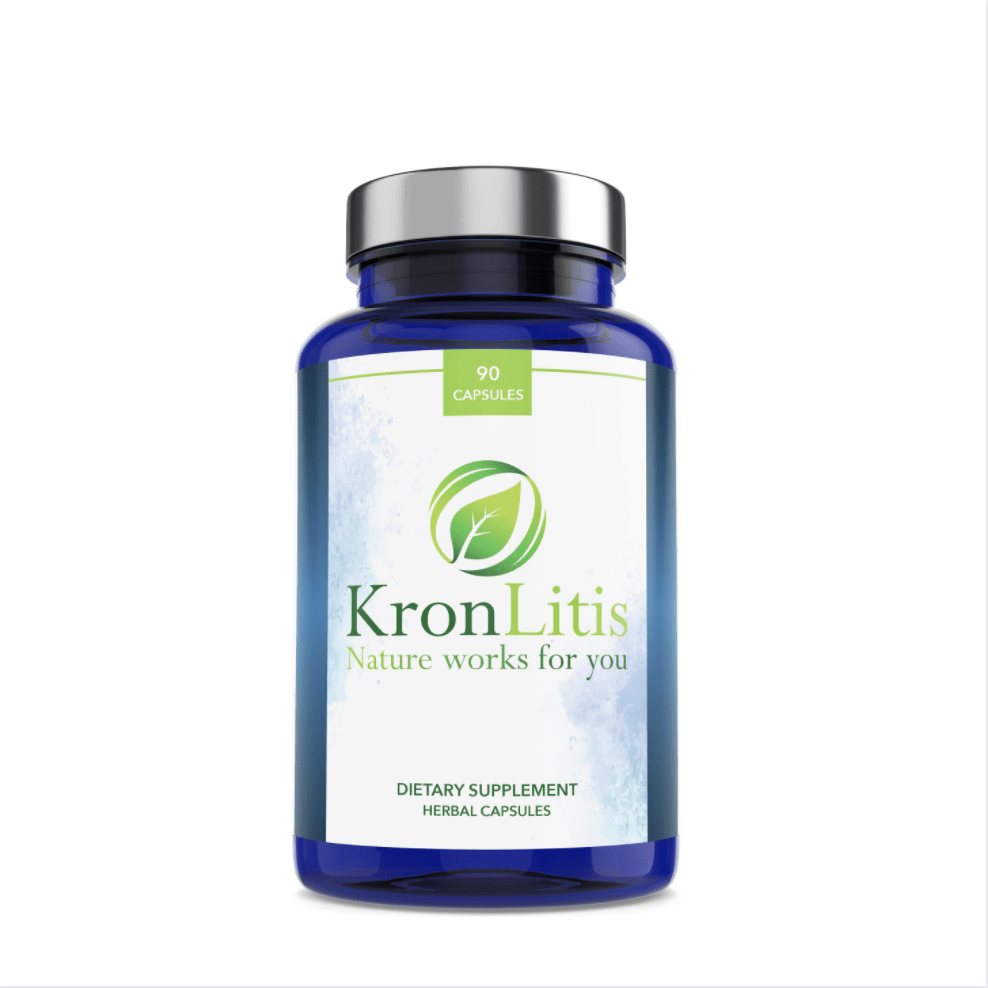
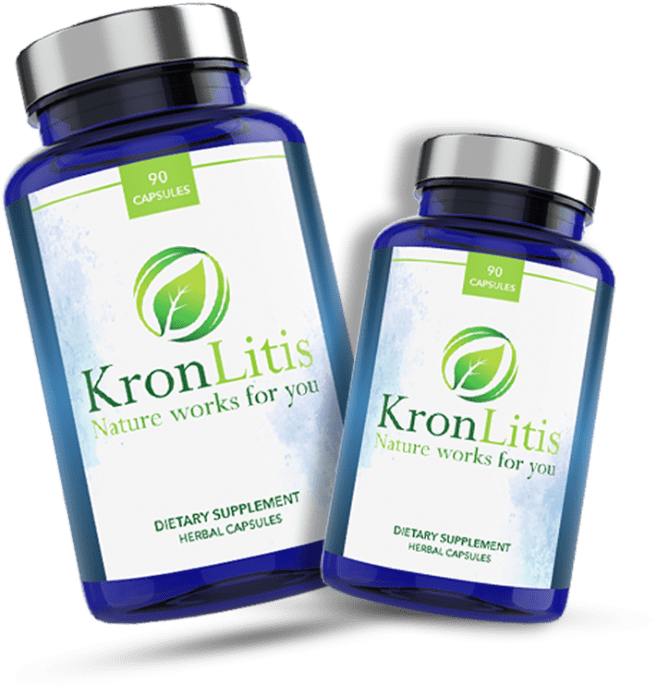
The Kronlitis four-herb formula exemplifies this multi-target strategy. Each herb contributes distinct anti-inflammatory compounds that work synergistically. Some compounds directly inhibit TNF-α production. Others modulate related cytokines like interleukin-6 or support intestinal barrier repair. This comprehensive approach addresses not just the inflammatory signal, but the tissue susceptibility that allows inflammation to persist.
How to Implement Natural Anti-Inflammatory Protocols Early
Addressing mild Crohn’s disease requires a structured approach that combines targeted supplementation with supportive lifestyle modifications. Success depends on consistency and proper timing the goal is establishing anti-inflammatory momentum before the disease establishes stronger inflammatory patterns.
Natural anti-inflammatory herbs work best when introduced before extensive tissue damage occurs. In mild disease, the intestinal lining retains more capacity for repair, and inflammation pathways haven’t become entrenched. This creates optimal conditions for therapeutic response.
- Begin daily herbal supplementation with morning dosing Taking anti-inflammatory herbs in the morning aligns with natural cortisol rhythms, which already provide some anti-inflammatory function. Consistent daily timing maintains steady therapeutic blood levels.
- Eliminate dietary triggers for 30 days Common inflammatory triggers include processed foods, refined sugars, alcohol, and individual sensitivities. A temporary elimination period lowers the inflammatory baseline while herbs establish effect.
- Introduce gut-supportive foods gradually Bone broth, fermented vegetables, and easily digestible proteins provide building blocks for tissue repair without overstressing the inflamed intestine.
- Monitor symptoms daily using a simple tracking system Record stool frequency, abdominal comfort, energy level, and appetite. Improvements in subtle symptoms often precede obvious clinical changes.
- Reassess inflammatory markers after 60-90 days Blood tests showing reduced CRP or fecal calprotectin provide objective evidence the protocol is working. Subjective improvement alone may miss persistent inflammation.
For those exploring natural IBD solutions, this systematic approach maximizes therapeutic potential while providing clear metrics for evaluating effectiveness. The goal isn’t replacing medical care but augmenting it with interventions that address root inflammatory drivers.
Why Four-Herb Formulations Outperform Single-Ingredient Approaches
Single-herb supplements have limitations. Each plant contains a specific profile of anti-inflammatory compounds, addressing certain inflammation pathways while leaving others unaddressed. Multi-herb formulations create therapeutic coverage across multiple targets, improving both the speed and depth of anti-inflammatory response.
Synergy matters in herbal medicine. Compounds from one herb can enhance the absorption or activity of compounds from another. This interplay explains why traditional Chinese formulations combine specific herbs in precise ratios the combined effect exceeds what any single ingredient achieves alone.
| Metric | Single-Herb Approach | Four-Herb Formulation |
|---|---|---|
| Inflammation Pathways Targeted | 1-2 primary pathways | 4-6 inflammatory mechanisms |
| Time to Symptom Improvement | 4-8 weeks typically | 2-4 weeks reported |
| Remission Depth | Partial symptom relief | More complete remission possible |
| Cost Per Month | $40-80 for quality singles | $60-90 for comprehensive formula |
| Convenience | Multiple bottles required | Single formulation |
The economics favor multi-herb approaches when comparing total inflammatory coverage. Purchasing four quality single-herb supplements separately costs more than a combined formulation while missing the synergistic interactions. For patients ready to purchase natural IBD supplements, this efficiency translates to both better outcomes and lower total investment.
Preventing Mild Crohn’s From Becoming a Life-Limiting Condition
Crohn’s remission strategies focus on two goals: achieving remission and maintaining it. The first requires sufficient anti-inflammatory intervention to quiet active inflammation. The second demands ongoing vigilance to prevent flares. Long-term success depends on recognizing that remission isn’t cure it’s a state requiring sustained support.
Patients who achieve remission through natural approaches must continue supportive protocols, even when feeling well. The inflammatory propensity remains; only active inflammation has been suppressed. Maintaining remission typically requires continued herbal supplementation, dietary awareness, stress management, and regular monitoring.
Lifestyle integration matters deeply for sustained wellness. Sleep quality, stress levels, physical activity, and emotional health all influence intestinal inflammation. Patients who address only the physical dimension often see incomplete results. The gut-brain connection in IBD is substantial psychological stress directly impacts intestinal inflammation through neural and hormonal pathways.
Understanding our development story illuminates why comprehensive approaches work. The connections between sleep, stress, diet, and intestinal inflammation aren’t abstract they’re physiological. Cortisol dysregulation from poor sleep amplifies inflammation. Chronic stress increases intestinal permeability. These factors compound, making lifestyle support essential alongside supplementation.
Key Takeaways: Managing Mild Crohn’s Naturally
Early intervention in mild Crohn’s disease represents the best opportunity to alter disease trajectory. The inflammatory landscape hasn’t yet become entrenched, and intestinal tissue retains significant healing capacity. Acting during this window with appropriate natural anti-inflammatory tools can prevent the progression that affects nearly half of mild cases.
- Mild disease is still active disease Inflammation persists even with manageable symptoms, creating ongoing tissue damage that accumulates over time.
- 46% progression risk demands action Nearly half of mild cases worsen; early intervention addresses inflammation before escalation occurs.
- Multi-herb formulations target multiple pathways Four-herb approaches provide broader anti-inflammatory coverage than single ingredients.
- Consistent daily protocols produce results Natural remedies require sustained use; sporadic dosing prevents therapeutic momentum.
- Lifestyle factors significantly influence outcomes Diet, sleep, and stress management determine whether herbal interventions maximize effectiveness.
Kronlitis integrative digestive health approaches offer structured pathways for Kronlitis integrative digestive health support during this critical intervention window, combining traditional herbal wisdom with modern understanding of inflammatory pathways.
FAQ: Mild Crohn’s Disease and Natural Treatment
Can mild Crohn’s disease be managed without conventional medication?
Possibly, depending on individual circumstances. Natural approaches succeed most often in genuinely mild cases without complications. Approximately 30-40% of mild IBD patients maintain remission through integrative approaches alone. However, this requires careful monitoring and willingness to escalate treatment if inflammation progresses.
How quickly do natural herbs reduce Crohn’s inflammation?
Initial improvements typically appear within 2-4 weeks. Marked symptom reduction usually requires 6-12 weeks of consistent use. Objective marker improvements (CRP, calprotectin) may lag behind subjective improvement by several weeks. Multi-herb formulations generally produce faster responses than single-ingredient supplements.
Is mild Crohn’s disease considered serious?
Yes, though less immediately dangerous than severe disease. Mild Crohn’s carries real risks including progression to moderate-severe disease in 46% of cases. Long-term inflammation increases colorectal cancer risk and can cause complications like strictures even without severe symptoms. Early intervention prevents these outcomes.
Can natural treatments work alongside conventional Crohn’s medication?
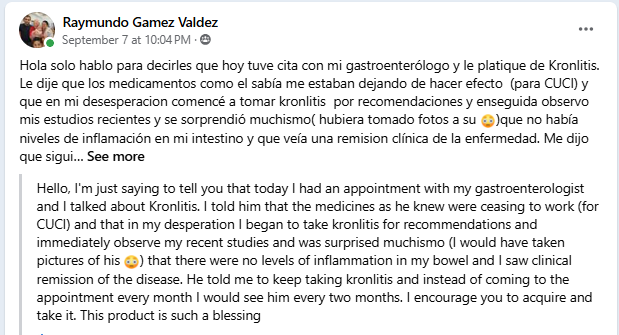
Yes, integrative approaches often provide the best outcomes. Natural anti-inflammatory herbs can complement conventional therapy, potentially allowing lower medication doses. This approach requires coordination with your gastroenterologist to monitor for interactions and ensure adequate treatment intensity.
What makes Kronlitis different from other natural IBD supplements?
The four-herb formulation targets multiple inflammatory pathways simultaneously. Unlike single-herb products, Kronlitis addresses TNF-α, interleukins, and intestinal barrier function through synergistic compound interactions. This multi-target approach produces faster, more complete remission in many patients compared to single-ingredient alternatives.
Should I stop my current medication to try natural approaches?
No, never discontinue prescribed medication without medical guidance. Sudden medication cessation can trigger severe flares. Natural approaches are best introduced while maintaining current therapy, with medication adjustments made gradually under physician supervision as inflammation improves.
For comprehensive FAQ coverage addressing additional questions about mild Crohn’s and natural management approaches, patients can access detailed resources walking through specific concerns.
@keyframes hoox-lf-in-hoox-f-79ea15b9-759a-46bd-8598-71fcec-bottom {
from { opacity: 0; transform: translateY(8px); }
to { opacity: 1; transform: translateY(0); }
}
#hoox-f-79ea15b9-759a-46bd-8598-71fcec-bottom {
width: 100%;
max-width: 100%;
box-sizing: border-box;
display: flex;
flex-direction: column;
gap: 20px;
margin: 48px 0;
padding: 32px 28px;
border-radius: 16px;
background: #ffffff;
color: #111111;
font-family: inherit;
border: 1px solid #E2E8F0;
animation: hoox-lf-in-hoox-f-79ea15b9-759a-46bd-8598-71fcec-bottom 0.3s cubic-bezier(0.16, 1, 0.3, 1);
direction: inherit;
}
#hoox-f-79ea15b9-759a-46bd-8598-71fcec-bottom .hoox-form-header {
display: flex;
flex-direction: column;
gap: 8px;
text-align: center;
}
#hoox-f-79ea15b9-759a-46bd-8598-71fcec-bottom .hoox-form-header h2 {
margin: 0;
font-size: 1.5em;
font-weight: 700;
line-height: 1.3;
color: #111111;
border: none;
padding: 0;
}
#hoox-f-79ea15b9-759a-46bd-8598-71fcec-bottom .hoox-form-header p {
margin: 0;
font-size: 1em;
line-height: 1.6;
color: #64748B;
}
#hoox-f-79ea15b9-759a-46bd-8598-71fcec-bottom form[data-hx-form] {
margin: 0;
display: flex;
flex-direction: column;
gap: 14px;
}
#hoox-f-79ea15b9-759a-46bd-8598-71fcec-bottom .hoox-field-wrap {
position: relative;
width: 100%;
box-sizing: border-box;
}
#hoox-f-79ea15b9-759a-46bd-8598-71fcec-bottom .hoox-field-wrap input {
width: 100%;
box-sizing: border-box;
height: 44px;
padding-inline-start: 42px;
padding-inline-end: 14px;
border: 1px solid #E2E8F0;
border-radius: 10px;
font-size: 14px;
color: #111111;
font-family: inherit;
background-color: #F8FAFC;
transition: border-color 0.15s ease, box-shadow 0.15s ease, background-color 0.15s ease;
outline: none;
direction: inherit;
text-align: start;
}
#hoox-f-79ea15b9-759a-46bd-8598-71fcec-bottom .hoox-field-wrap input::placeholder {
color: #94A3B8;
opacity: 1;
}
#hoox-f-79ea15b9-759a-46bd-8598-71fcec-bottom .hoox-field-wrap input:focus {
background-color: #FFFFFF;
border-color: #0077B6,#00B4D8,#90E0EF;
box-shadow: 0 0 0 3px rgba(15, 23, 42, 0.08);
}
#hoox-f-79ea15b9-759a-46bd-8598-71fcec-bottom .hoox-field-icon {
position: absolute;
top: 0;
bottom: 0;
inset-inline-start: 0;
width: 42px;
display: flex;
align-items: center;
justify-content: center;
pointer-events: none;
color: #94A3B8;
transition: color 0.15s ease;
}
#hoox-f-79ea15b9-759a-46bd-8598-71fcec-bottom .hoox-field-wrap:focus-within .hoox-field-icon {
color: #0077B6,#00B4D8,#90E0EF;
}
#hoox-f-79ea15b9-759a-46bd-8598-71fcec-bottom button[type=”submit”] {
width: 100%;
height: 44px;
margin-top: 4px;
border: none;
border-radius: 10px;
background: #0077B6,#00B4D8,#90E0EF;
color: #FFFFFF;
font-size: 14px;
font-weight: 600;
cursor: pointer;
transition: opacity 0.15s ease, transform 0.15s ease, box-shadow 0.15s ease;
box-shadow: 0 1px 2px 0 rgba(0, 0, 0, 0.05);
}
#hoox-f-79ea15b9-759a-46bd-8598-71fcec-bottom button[type=”submit”]:hover {
opacity: 0.94;
}
#hoox-f-79ea15b9-759a-46bd-8598-71fcec-bottom button[type=”submit”]:active {
transform: scale(0.99);
}
#hoox-f-79ea15b9-759a-46bd-8598-71fcec-bottom button[type=”submit”]:disabled {
opacity: 0.6;
cursor: not-allowed;
}
#hoox-f-79ea15b9-759a-46bd-8598-71fcec-bottom .hoox-disclaimer {
margin: 0;
text-align: center;
font-size: 12px;
line-height: 1.5;
color: #94A3B8;
}
#hoox-f-79ea15b9-759a-46bd-8598-71fcec-bottom .hoox-disclaimer a {
color: inherit;
text-decoration: underline;
text-underline-offset: 2px;
}
#hoox-f-79ea15b9-759a-46bd-8598-71fcec-bottom .hoox-disclaimer a:hover {
text-decoration: none;
}
#hoox-f-79ea15b9-759a-46bd-8598-71fcec-bottom .hoox-success {
display: none;
flex-direction: column;
align-items: center;
gap: 14px;
padding: 12px 0;
position: relative;
}
#hoox-f-79ea15b9-759a-46bd-8598-71fcec-bottom .hoox-confetti {
position: absolute;
inset: 0;
overflow: visible;
pointer-events: none;
}
#hoox-f-79ea15b9-759a-46bd-8598-71fcec-bottom .hoox-confetti span {
position: absolute;
top: 50%;
left: 50%;
width: 7px;
height: 11px;
background: var(–hoox-c);
border-radius: 2px;
opacity: 0;
animation: hoox-confetti-burst 0.9s ease-out forwards;
animation-delay: var(–hoox-d, 0s);
}
@keyframes hoox-confetti-burst {
0% { opacity: 1; transform: translate(-50%, -50%) rotate(0deg) scale(1); }
100% { opacity: 0; transform: translate(calc(-50% + var(–hoox-tx)), calc(-50% + var(–hoox-ty))) rotate(var(–hoox-rz)) scale(0.5); }
}
#hoox-f-79ea15b9-759a-46bd-8598-71fcec-bottom .hoox-success-icon {
width: 52px;
height: 52px;
border-radius: 50%;
background: #ECFDF5;
display: flex;
align-items: center;
justify-content: center;
font-size: 26px;
line-height: 1;
animation: hoox-success-pop 0.4s cubic-bezier(0.34, 1.56, 0.64, 1);
}
@keyframes hoox-success-pop {
from { opacity: 0; transform: scale(0.5); }
to { opacity: 1; transform: scale(1); }
}
#hoox-f-79ea15b9-759a-46bd-8598-71fcec-bottom .hoox-success-text {
margin: 0;
text-align: center;
font-size: 15px;
font-weight: 600;
line-height: 1.5;
color: #111111;
}
#hoox-f-79ea15b9-759a-46bd-8598-71fcec-bottom .hoox-disabled-state {
display: none;
flex-direction: column;
align-items: center;
gap: 14px;
padding: 12px 0;
text-align: center;
}
#hoox-f-79ea15b9-759a-46bd-8598-71fcec-bottom .hoox-disabled-icon {
width: 52px;
height: 52px;
border-radius: 50%;
background: #F1F5F9;
display: flex;
align-items: center;
justify-content: center;
color: #64748B;
}
#hoox-f-79ea15b9-759a-46bd-8598-71fcec-bottom .hoox-disabled-text {
margin: 0;
font-size: 14px;
line-height: 1.6;
color: #64748B;
}
#hoox-f-79ea15b9-759a-46bd-8598-71fcec-bottom .hoox-disabled-text a {
color: inherit;
font-weight: 600;
text-decoration: underline;
text-underline-offset: 2px;
}
#hoox-f-79ea15b9-759a-46bd-8598-71fcec-bottom .hoox-disabled-text a:hover {
text-decoration: none;
}
See What This Could Look Like For You
Takes 30 seconds
Thanks! We’ll be in touch.