

Crohn’s Disease Flare Symptoms: Patterns & Herbal Relief
Crohn’s disease flares erupt without warning diarrhea strikes multiple times daily, abdominal pain sharpens, and bleeding or mucus appears in stool. These inflammatory episodes disrupt work, social life, and basic independence. Understanding the clinical patterns behind flare symptoms and integrating natural TNF-α blockers can shorten exacerbations and restore the remission window that conventional therapies often fail to sustain.
Quick Answer: Core Crohn’s Flare Indicators in 2026
Recognizing crohn’s disease flare symptoms early gives patients a crucial advantage in managing inflammatory bowel disease. The hallmark indicators haven’t changed much over the years, but understanding their prevalence helps patients gauge severity. According to Nih, recent data tracks prevalence and age distribution patterns that inform treatment approaches for bowel disease in the United States.

These indicators often appear in clusters, making daily functioning difficult. Patients describe living in the bathroom, unable to work or leave home without anxiety. The pattern becomes exhausting a cycle of urgent trips, pain, and frustration that conventional medications struggle to break.
@keyframes hoox-lf-in-hoox-f-bf8f9863-bafa-4568-bcbb-93d3e4-top {
from { opacity: 0; transform: translateY(8px); }
to { opacity: 1; transform: translateY(0); }
}
#hoox-f-bf8f9863-bafa-4568-bcbb-93d3e4-top {
width: 100%;
max-width: 100%;
box-sizing: border-box;
display: flex;
flex-direction: column;
gap: 20px;
margin: 48px 0;
padding: 32px 28px;
border-radius: 16px;
background: #ffffff;
color: #111111;
font-family: inherit;
border: 1px solid #E2E8F0;
animation: hoox-lf-in-hoox-f-bf8f9863-bafa-4568-bcbb-93d3e4-top 0.3s cubic-bezier(0.16, 1, 0.3, 1);
direction: inherit;
}
#hoox-f-bf8f9863-bafa-4568-bcbb-93d3e4-top .hoox-form-header {
display: flex;
flex-direction: column;
gap: 8px;
text-align: center;
}
#hoox-f-bf8f9863-bafa-4568-bcbb-93d3e4-top .hoox-form-header h2 {
margin: 0;
font-size: 1.5em;
font-weight: 700;
line-height: 1.3;
color: #111111;
border: none;
padding: 0;
}
#hoox-f-bf8f9863-bafa-4568-bcbb-93d3e4-top .hoox-form-header p {
margin: 0;
font-size: 1em;
line-height: 1.6;
color: #64748B;
}
#hoox-f-bf8f9863-bafa-4568-bcbb-93d3e4-top form[data-hx-form] {
margin: 0;
display: flex;
flex-direction: column;
gap: 14px;
}
#hoox-f-bf8f9863-bafa-4568-bcbb-93d3e4-top .hoox-field-wrap {
position: relative;
width: 100%;
box-sizing: border-box;
}
#hoox-f-bf8f9863-bafa-4568-bcbb-93d3e4-top .hoox-field-wrap input {
width: 100%;
box-sizing: border-box;
height: 44px;
padding-inline-start: 42px;
padding-inline-end: 14px;
border: 1px solid #E2E8F0;
border-radius: 10px;
font-size: 14px;
color: #111111;
font-family: inherit;
background-color: #F8FAFC;
transition: border-color 0.15s ease, box-shadow 0.15s ease, background-color 0.15s ease;
outline: none;
direction: inherit;
text-align: start;
}
#hoox-f-bf8f9863-bafa-4568-bcbb-93d3e4-top .hoox-field-wrap input::placeholder {
color: #94A3B8;
opacity: 1;
}
#hoox-f-bf8f9863-bafa-4568-bcbb-93d3e4-top .hoox-field-wrap input:focus {
background-color: #FFFFFF;
border-color: #0077B6,#00B4D8,#90E0EF;
box-shadow: 0 0 0 3px rgba(15, 23, 42, 0.08);
}
#hoox-f-bf8f9863-bafa-4568-bcbb-93d3e4-top .hoox-field-icon {
position: absolute;
top: 0;
bottom: 0;
inset-inline-start: 0;
width: 42px;
display: flex;
align-items: center;
justify-content: center;
pointer-events: none;
color: #94A3B8;
transition: color 0.15s ease;
}
#hoox-f-bf8f9863-bafa-4568-bcbb-93d3e4-top .hoox-field-wrap:focus-within .hoox-field-icon {
color: #0077B6,#00B4D8,#90E0EF;
}
#hoox-f-bf8f9863-bafa-4568-bcbb-93d3e4-top button[type=”submit”] {
width: 100%;
height: 44px;
margin-top: 4px;
border: none;
border-radius: 10px;
background: #0077B6,#00B4D8,#90E0EF;
color: #FFFFFF;
font-size: 14px;
font-weight: 600;
cursor: pointer;
transition: opacity 0.15s ease, transform 0.15s ease, box-shadow 0.15s ease;
box-shadow: 0 1px 2px 0 rgba(0, 0, 0, 0.05);
}
#hoox-f-bf8f9863-bafa-4568-bcbb-93d3e4-top button[type=”submit”]:hover {
opacity: 0.94;
}
#hoox-f-bf8f9863-bafa-4568-bcbb-93d3e4-top button[type=”submit”]:active {
transform: scale(0.99);
}
#hoox-f-bf8f9863-bafa-4568-bcbb-93d3e4-top button[type=”submit”]:disabled {
opacity: 0.6;
cursor: not-allowed;
}
#hoox-f-bf8f9863-bafa-4568-bcbb-93d3e4-top .hoox-disclaimer {
margin: 0;
text-align: center;
font-size: 12px;
line-height: 1.5;
color: #94A3B8;
}
#hoox-f-bf8f9863-bafa-4568-bcbb-93d3e4-top .hoox-disclaimer a {
color: inherit;
text-decoration: underline;
text-underline-offset: 2px;
}
#hoox-f-bf8f9863-bafa-4568-bcbb-93d3e4-top .hoox-disclaimer a:hover {
text-decoration: none;
}
#hoox-f-bf8f9863-bafa-4568-bcbb-93d3e4-top .hoox-success {
display: none;
flex-direction: column;
align-items: center;
gap: 14px;
padding: 12px 0;
position: relative;
}
#hoox-f-bf8f9863-bafa-4568-bcbb-93d3e4-top .hoox-confetti {
position: absolute;
inset: 0;
overflow: visible;
pointer-events: none;
}
#hoox-f-bf8f9863-bafa-4568-bcbb-93d3e4-top .hoox-confetti span {
position: absolute;
top: 50%;
left: 50%;
width: 7px;
height: 11px;
background: var(–hoox-c);
border-radius: 2px;
opacity: 0;
animation: hoox-confetti-burst 0.9s ease-out forwards;
animation-delay: var(–hoox-d, 0s);
}
@keyframes hoox-confetti-burst {
0% { opacity: 1; transform: translate(-50%, -50%) rotate(0deg) scale(1); }
100% { opacity: 0; transform: translate(calc(-50% + var(–hoox-tx)), calc(-50% + var(–hoox-ty))) rotate(var(–hoox-rz)) scale(0.5); }
}
#hoox-f-bf8f9863-bafa-4568-bcbb-93d3e4-top .hoox-success-icon {
width: 52px;
height: 52px;
border-radius: 50%;
background: #ECFDF5;
display: flex;
align-items: center;
justify-content: center;
font-size: 26px;
line-height: 1;
animation: hoox-success-pop 0.4s cubic-bezier(0.34, 1.56, 0.64, 1);
}
@keyframes hoox-success-pop {
from { opacity: 0; transform: scale(0.5); }
to { opacity: 1; transform: scale(1); }
}
#hoox-f-bf8f9863-bafa-4568-bcbb-93d3e4-top .hoox-success-text {
margin: 0;
text-align: center;
font-size: 15px;
font-weight: 600;
line-height: 1.5;
color: #111111;
}
#hoox-f-bf8f9863-bafa-4568-bcbb-93d3e4-top .hoox-disabled-state {
display: none;
flex-direction: column;
align-items: center;
gap: 14px;
padding: 12px 0;
text-align: center;
}
#hoox-f-bf8f9863-bafa-4568-bcbb-93d3e4-top .hoox-disabled-icon {
width: 52px;
height: 52px;
border-radius: 50%;
background: #F1F5F9;
display: flex;
align-items: center;
justify-content: center;
color: #64748B;
}
#hoox-f-bf8f9863-bafa-4568-bcbb-93d3e4-top .hoox-disabled-text {
margin: 0;
font-size: 14px;
line-height: 1.6;
color: #64748B;
}
#hoox-f-bf8f9863-bafa-4568-bcbb-93d3e4-top .hoox-disabled-text a {
color: inherit;
font-weight: 600;
text-decoration: underline;
text-underline-offset: 2px;
}
#hoox-f-bf8f9863-bafa-4568-bcbb-93d3e4-top .hoox-disabled-text a:hover {
text-decoration: none;
}
See What This Could Look Like For You
Takes 30 seconds
Thanks! We’ll be in touch.
- Persistent diarrhea Multiple episodes daily, often urgent and watery
- Abdominal cramping Sharp pain, typically in lower right quadrant
- Rectal bleeding Bright red blood or mucus mixed with stool
- Fatigue and weight loss Body struggles to absorb nutrients during active inflammation
- Fever Low-grade temperature signaling systemic inflammatory response
When these Crohn’s flare-up signs appear together, patients need immediate intervention strategies. Many find that conventional steroids provide temporary relief but fail to maintain remission. This is where IBD symptom questions become essential understanding what triggers your specific pattern helps tailor the right natural approach.
Age-Stratified Symptom Presentation: The 15-30 vs. 50-70 Window
Crohn’s disease doesn’t strike uniformly across age groups. Clinical data reveals two distinct onset peaks, each with characteristic symptom patterns. According to Patient, the disease commonly presents between ages 15-30 years, with a smaller peak between 50-70 years, creating different management challenges for each cohort.
Younger patients often experience more aggressive disease progression. The inflammatory bowel disease exacerbation hits harder when onset occurs during adolescence or early adulthood. These patients face unique challenges diagnoses during critical schooling years, first jobs, and relationship formation. The social isolation compounds physical symptoms, creating a vicious cycle of stress and flare activity.
Older-onset patients typically present with different symptom clusters. Colonic involvement becomes more common, meaning rectal bleeding and urgency often overshadow the pain patterns seen in younger patients. Kronlitis approach to IBD addresses both presentations, though colon-focused disease responds particularly well to herbal anti-inflammatory support.
| Symptom Feature | Younger Onset (15-30) | Older Onset (50-70) |
|---|---|---|
| Disease Location | Ileum, small bowel common | Colon predominant |
| Pain Pattern | Lower right quadrant, severe | Diffuse, moderate intensity |
| Bleeding | Variable, often occult | More visible, frequent |
| Weight Loss | Significant, rapid | Gradual, less pronounced |
| Growth Impact | Yes pediatric patients show delays | Not applicable |
Children may present with growth changes that precede digestive symptoms. Parents notice their child falling off growth charts before any bathroom urgency appears. This subtle sign often delays diagnosis, allowing inflammation to establish deeper in the intestinal tissue.
The Five-Stage IBD Severity Model: Mapping Your Flare Intensity
IBD specialists classify disease activity across five distinct stages. Understanding where you fall helps guide treatment intensity and sets realistic expectations for targeted IBD supplements and other interventions.
According to Aafp, typical symptoms during Crohn’s disease flares include diarrhea, abdominal pain, fatigue, weight loss, and fever symptoms that scale predictably across severity stages.
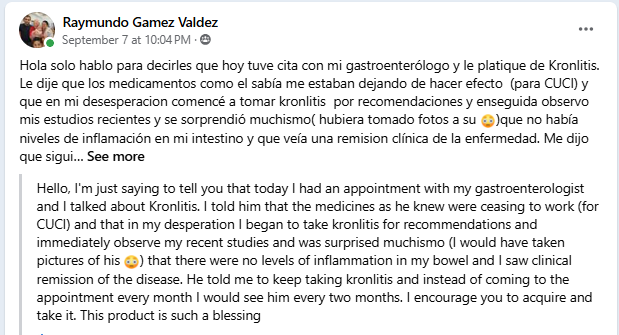
- Stage 1 (Low) 1-2 bowel movements daily, mild discomfort, no bleeding. Daily activities remain unaffected.
- Stage 2 (Low-Medium) 3-4 movements, noticeable cramping, occasional mucus. Work becomes challenging.
- Stage 3 (Medium) 5-6 movements, pain interrupts sleep, visible blood streaks. Social life suffers significantly.
- Stage 4 (Medium-High) 7+ movements, constant pain, significant bleeding. Unable to maintain employment or leave home confidently.
- Stage 5 (High) 10+ movements, severe bleeding, fever, weight loss accelerating. Hospitalization often required.
Patients at Stage 3 or higher often feel trapped. The bathroom becomes their reality. “I live in the bathroom” isn’t exaggeration it’s documentation of life interrupted. Digestive inflammation triggers cascade through each stage, with tumor necrosis factor-alpha (TNF-α) driving the progression.
The jump from Stage 2 to Stage 3 often happens rapidly. Patients describe waking up one morning to find their manageable symptoms have exploded. This acceleration catches many off-guard, making early intervention with proven natural solutions critical before disease momentum builds.
How to Identify Colonic vs. Small-Bowel Crohn’s Symptoms
Not all Crohn’s disease behaves identically. The location of inflammation dramatically shapes which symptoms dominate your experience. Colonic Crohn’s manifestations differ substantially from ileitis or jejunitis presentations.
According to Clevelandclinic, common symptoms during Crohn’s disease flares include diarrhea, abdominal pain, fatigue, weight loss, and fever the specific pattern depends heavily on which digestive tract segment suffers attack.

| Symptom Cluster | Colonic Crohn’s | Small-Bowel Crohn’s |
|---|---|---|
| Rectal Bleeding | Common, often visible | Rare, usually occult |
| Pain Location | Lower abdomen, diffuse | Right lower quadrant |
| Bowel Pattern | Urgency, frequent small amounts | Larger volume, less urgent |
| Nutritional Issues | Iron deficiency from blood loss | B12 deficiency, malabsorption |
| Mucus Production | Prominent | Minimal |
Patients with colon-only disease often called Crohn’s colitis share many symptoms with ulcerative colitis. This overlap sometimes creates diagnostic uncertainty initially. Kronlitis for colon-based Crohn’s specifically targets this population, offering a formulation optimized for colonic inflammation.
Small-bowel disease creates different problems. The terminal ileum absorbs vitamin B12 and bile salts. When inflammation hits this region, patients develop deficiencies that oral vitamins can’t correct. The autoimmune gut symptoms extend beyond the toilet into systemic exhaustion and cognitive fog.
“I can’t work. I can’t leave the house. It hurts, it’s hard for me, I’m bleeding in the bathroom and I can’t eat almost anything.” Patient testimonial reflecting Stage 4 colonic involvement
Autoimmune Pathways: Why Your Immune System Attacks the Digestive Tract
The immune system doesn’t wake up one morning deciding to attack healthy intestine. Autoimmune disease mechanisms[/LINK] involve complex cascades that researchers still unravel. But one cytokine stands central to Crohn’s pathology: tumor necrosis factor-alpha.
TNF-α normally helps the body fight infections. In Crohn’s patients, white blood cells produce too much TNF-α in the gut wall. This excess triggers other inflammatory cells to rush in, creating a self-sustaining cycle. The infiltrating cells release more cytokines, which recruit more cells, which release more cytokines.
This IBD symptom pattern explains why flares feel so relentless. The immune system isn’t just triggered it’s amplifying its own signal. Each wave of inflammation strengthens the next, making intervention increasingly difficult once the cascade establishes.
Genetic susceptibility plays a role. Certain NOD2 gene variants impair the gut’s ability to recognize normal bacteria as harmless. The immune system mistakes commensal flora for invaders and attacks. Environmental triggers antibiotics, infections, stress, diet then light the match on this genetic powder keg.
Conventional biologics target TNF-α directly but require injections, carry significant infection risks, and lose effectiveness over time. Many patients develop antibodies against these drugs, watching helplessly as symptoms return with vengeance. The autoimmune disease mechanisms at play suggest natural TNF-α blockade deserves serious consideration.
How to Manage Flares with Four-Herb TNF-α Blockers
Kronlitis offers a different approach. Rather than synthetic monoclonal antibodies, the formula harnesses four herbs documented in Chinese medicine for inflammatory bowel conditions. These aren’t random botanicals thrown together they represent a refined formulation targeting the specific inflammatory pathways driving Crohn’s colitis.
The four-herb Kronlitis formula works through multiple mechanisms. Each herb contributes distinct anti-inflammatory properties. Together, they create synergistic effects that single-herb approaches can’t match.
- Herb 1 Primary TNF-α suppression Reduces the cytokine cascade at its source
- Herb 2 Mucosal repair support Helps heal the intestinal lining tissue
- Herb 3 Anti-spasmodic action Calms cramping and urgency
- Herb 4 Microbiome balance Supports beneficial gut bacteria populations
Patients report faster response compared to conventional medications. While biologics take weeks or months to show effect, herbal anti-inflammatory support often produces noticeable improvement within days. The speed matters each day in flare causes more tissue damage and risks complications like strictures or fistulas.
The intensity of remission also differs. Patients describe returning to normal life, not just “getting by.” They return to work. They eat at restaurants again. They stop mapping bathroom locations before leaving home. The Crohn’s remission strategies that prioritize deep, sustained healing rather than symptomatic Band-Aids deliver these outcomes.
Cost presents another advantage. Kronlitis costs significantly less than biologic therapies. Patients without premium insurance coverage face thousands in out-of-pocket expenses for conventional treatments. Natural supplementation removes financial barriers that prevent many from getting help.
Patients transitioning to the Kronlitis protocol report average bathroom visits dropping from 8-12 daily to 1-2 normal movements often within the first month of consistent use.
Real-World Remission: Patient Stories and Clinical Outcomes
Statistics matter, but individual stories reveal what remission actually feels like. Customer success stories document transformations that conventional medicine declared impossible for many patients.
Video testimonials show people who’d given up hope. They tried biologics that stopped working. They endured steroid courses that wrecked sleep, mood, and bone density. They heard “learn to live with it” from specialists out of options.
Then they found herbal support. Written testimonials describe the progression:
- Week one Bleeding decreases, urgency softens
- Week two Pain diminishes, sleep improves
- Week three Normal bowel patterns emerging
- Month one Full remission, returned to work and social life
One patient described living with Stage 4 disease for three years. Multiple biologics failed. Surgery was presented as inevitable. Within six weeks of starting the four-herb protocol, inflammation markers normalized. Surgery cancelled. Life restarted.
These aren’t cherry-picked outliers. Kronlitis has accumulated hundreds of documented cases across severity stages. Patients with colon-based Crohn’s and ulcerative colitis respond particularly well the formula targets the tissue types these conditions affect most.
Key Takeaways: Recognizing and Responding to Crohn’s Flares
Understanding Crohn’s disease flares means recognizing patterns, staging severity accurately, and choosing interventions that address root causes rather than masking symptoms. The path from diagnosis to remission requires informed decisions.
- Five symptoms define flares Diarrhea, abdominal pain, bleeding, fatigue, and fever cluster during active inflammation
- Age affects presentation Younger patients face aggressive small-bowel disease; older onset skews colonic
- Staging guides treatment Five-stage model helps determine intervention intensity needed
- Location shapes symptoms Colonic Crohn’s causes visible bleeding; small-bowel disease drives malabsorption
- Herbal support offers advantages Four-herb TNF-α blockade works faster, costs less, and sustains remission longer for many patients
The most important step is taking action. Each day of active inflammation damages intestinal tissue and narrows the window for uncomplicated recovery. Start your remission journey today rather than waiting for the next inevitable flare to force the decision.
FAQ: Crohn’s Disease Flare Symptoms
How long do Crohn’s disease flares typically last?
Duration varies from weeks to months. Untreated flares commonly persist 4-12 weeks, while proper intervention can cut this to 1-2 weeks. The difference lies in how quickly TNF-α blockade begins earlier treatment consistently produces faster resolution.
What triggers Crohn’s disease flares?
Multiple factors ignite inflammation. Common triggers include infections, antibiotic use disrupting gut flora, significant stress, NSAID medications, and dietary choices. Identifying personal triggers helps prevent future episodes after achieving remission.
Can diet alone control Crohn’s symptoms?
Diet supports but rarely controls disease alone. Nutritional modifications reduce symptom severity in approximately 30-40% of patients, but the autoimmune attack continues regardless of food choices. Combining dietary changes with anti-inflammatory intervention targets both trigger and mechanism.
Why do medications stop working for Crohn’s?
Antibody development neutralizes many biologics. The immune system recognizes synthetic treatments as foreign and creates blocking antibodies, typically within 12-24 months. Natural herbal anti-inflammatory support doesn’t trigger this antibody response, maintaining effectiveness longer.
Are herbal supplements safe with conventional Crohn’s medications?
Most herbal formulas integrate safely with existing treatments. Always consult your physician about specific combinations. Many patients use herbal support to reduce medication dependency gradually rather than stopping abruptly. Find more IBD FAQs to address additional questions about integrated approaches.
@keyframes hoox-lf-in-hoox-f-bf8f9863-bafa-4568-bcbb-93d3e4-bottom {
from { opacity: 0; transform: translateY(8px); }
to { opacity: 1; transform: translateY(0); }
}
#hoox-f-bf8f9863-bafa-4568-bcbb-93d3e4-bottom {
width: 100%;
max-width: 100%;
box-sizing: border-box;
display: flex;
flex-direction: column;
gap: 20px;
margin: 48px 0;
padding: 32px 28px;
border-radius: 16px;
background: #ffffff;
color: #111111;
font-family: inherit;
border: 1px solid #E2E8F0;
animation: hoox-lf-in-hoox-f-bf8f9863-bafa-4568-bcbb-93d3e4-bottom 0.3s cubic-bezier(0.16, 1, 0.3, 1);
direction: inherit;
}
#hoox-f-bf8f9863-bafa-4568-bcbb-93d3e4-bottom .hoox-form-header {
display: flex;
flex-direction: column;
gap: 8px;
text-align: center;
}
#hoox-f-bf8f9863-bafa-4568-bcbb-93d3e4-bottom .hoox-form-header h2 {
margin: 0;
font-size: 1.5em;
font-weight: 700;
line-height: 1.3;
color: #111111;
border: none;
padding: 0;
}
#hoox-f-bf8f9863-bafa-4568-bcbb-93d3e4-bottom .hoox-form-header p {
margin: 0;
font-size: 1em;
line-height: 1.6;
color: #64748B;
}
#hoox-f-bf8f9863-bafa-4568-bcbb-93d3e4-bottom form[data-hx-form] {
margin: 0;
display: flex;
flex-direction: column;
gap: 14px;
}
#hoox-f-bf8f9863-bafa-4568-bcbb-93d3e4-bottom .hoox-field-wrap {
position: relative;
width: 100%;
box-sizing: border-box;
}
#hoox-f-bf8f9863-bafa-4568-bcbb-93d3e4-bottom .hoox-field-wrap input {
width: 100%;
box-sizing: border-box;
height: 44px;
padding-inline-start: 42px;
padding-inline-end: 14px;
border: 1px solid #E2E8F0;
border-radius: 10px;
font-size: 14px;
color: #111111;
font-family: inherit;
background-color: #F8FAFC;
transition: border-color 0.15s ease, box-shadow 0.15s ease, background-color 0.15s ease;
outline: none;
direction: inherit;
text-align: start;
}
#hoox-f-bf8f9863-bafa-4568-bcbb-93d3e4-bottom .hoox-field-wrap input::placeholder {
color: #94A3B8;
opacity: 1;
}
#hoox-f-bf8f9863-bafa-4568-bcbb-93d3e4-bottom .hoox-field-wrap input:focus {
background-color: #FFFFFF;
border-color: #0077B6,#00B4D8,#90E0EF;
box-shadow: 0 0 0 3px rgba(15, 23, 42, 0.08);
}
#hoox-f-bf8f9863-bafa-4568-bcbb-93d3e4-bottom .hoox-field-icon {
position: absolute;
top: 0;
bottom: 0;
inset-inline-start: 0;
width: 42px;
display: flex;
align-items: center;
justify-content: center;
pointer-events: none;
color: #94A3B8;
transition: color 0.15s ease;
}
#hoox-f-bf8f9863-bafa-4568-bcbb-93d3e4-bottom .hoox-field-wrap:focus-within .hoox-field-icon {
color: #0077B6,#00B4D8,#90E0EF;
}
#hoox-f-bf8f9863-bafa-4568-bcbb-93d3e4-bottom button[type=”submit”] {
width: 100%;
height: 44px;
margin-top: 4px;
border: none;
border-radius: 10px;
background: #0077B6,#00B4D8,#90E0EF;
color: #FFFFFF;
font-size: 14px;
font-weight: 600;
cursor: pointer;
transition: opacity 0.15s ease, transform 0.15s ease, box-shadow 0.15s ease;
box-shadow: 0 1px 2px 0 rgba(0, 0, 0, 0.05);
}
#hoox-f-bf8f9863-bafa-4568-bcbb-93d3e4-bottom button[type=”submit”]:hover {
opacity: 0.94;
}
#hoox-f-bf8f9863-bafa-4568-bcbb-93d3e4-bottom button[type=”submit”]:active {
transform: scale(0.99);
}
#hoox-f-bf8f9863-bafa-4568-bcbb-93d3e4-bottom button[type=”submit”]:disabled {
opacity: 0.6;
cursor: not-allowed;
}
#hoox-f-bf8f9863-bafa-4568-bcbb-93d3e4-bottom .hoox-disclaimer {
margin: 0;
text-align: center;
font-size: 12px;
line-height: 1.5;
color: #94A3B8;
}
#hoox-f-bf8f9863-bafa-4568-bcbb-93d3e4-bottom .hoox-disclaimer a {
color: inherit;
text-decoration: underline;
text-underline-offset: 2px;
}
#hoox-f-bf8f9863-bafa-4568-bcbb-93d3e4-bottom .hoox-disclaimer a:hover {
text-decoration: none;
}
#hoox-f-bf8f9863-bafa-4568-bcbb-93d3e4-bottom .hoox-success {
display: none;
flex-direction: column;
align-items: center;
gap: 14px;
padding: 12px 0;
position: relative;
}
#hoox-f-bf8f9863-bafa-4568-bcbb-93d3e4-bottom .hoox-confetti {
position: absolute;
inset: 0;
overflow: visible;
pointer-events: none;
}
#hoox-f-bf8f9863-bafa-4568-bcbb-93d3e4-bottom .hoox-confetti span {
position: absolute;
top: 50%;
left: 50%;
width: 7px;
height: 11px;
background: var(–hoox-c);
border-radius: 2px;
opacity: 0;
animation: hoox-confetti-burst 0.9s ease-out forwards;
animation-delay: var(–hoox-d, 0s);
}
@keyframes hoox-confetti-burst {
0% { opacity: 1; transform: translate(-50%, -50%) rotate(0deg) scale(1); }
100% { opacity: 0; transform: translate(calc(-50% + var(–hoox-tx)), calc(-50% + var(–hoox-ty))) rotate(var(–hoox-rz)) scale(0.5); }
}
#hoox-f-bf8f9863-bafa-4568-bcbb-93d3e4-bottom .hoox-success-icon {
width: 52px;
height: 52px;
border-radius: 50%;
background: #ECFDF5;
display: flex;
align-items: center;
justify-content: center;
font-size: 26px;
line-height: 1;
animation: hoox-success-pop 0.4s cubic-bezier(0.34, 1.56, 0.64, 1);
}
@keyframes hoox-success-pop {
from { opacity: 0; transform: scale(0.5); }
to { opacity: 1; transform: scale(1); }
}
#hoox-f-bf8f9863-bafa-4568-bcbb-93d3e4-bottom .hoox-success-text {
margin: 0;
text-align: center;
font-size: 15px;
font-weight: 600;
line-height: 1.5;
color: #111111;
}
#hoox-f-bf8f9863-bafa-4568-bcbb-93d3e4-bottom .hoox-disabled-state {
display: none;
flex-direction: column;
align-items: center;
gap: 14px;
padding: 12px 0;
text-align: center;
}
#hoox-f-bf8f9863-bafa-4568-bcbb-93d3e4-bottom .hoox-disabled-icon {
width: 52px;
height: 52px;
border-radius: 50%;
background: #F1F5F9;
display: flex;
align-items: center;
justify-content: center;
color: #64748B;
}
#hoox-f-bf8f9863-bafa-4568-bcbb-93d3e4-bottom .hoox-disabled-text {
margin: 0;
font-size: 14px;
line-height: 1.6;
color: #64748B;
}
#hoox-f-bf8f9863-bafa-4568-bcbb-93d3e4-bottom .hoox-disabled-text a {
color: inherit;
font-weight: 600;
text-decoration: underline;
text-underline-offset: 2px;
}
#hoox-f-bf8f9863-bafa-4568-bcbb-93d3e4-bottom .hoox-disabled-text a:hover {
text-decoration: none;
}
See What This Could Look Like For You
Takes 30 seconds
Thanks! We’ll be in touch.