
Signs of Crohn’s Disease: What Your Body is Telling You
Crohn’s disease announces itself through persistent digestive distress that refuses to resolve with typical remedies. The hallmark signs include chronic diarrhea lasting beyond three weeks, abdominal cramping that disrupts daily activities, rectal bleeding, unexplained weight loss, and debilitating fatigue. These symptoms emerge when your immune system mistakenly attacks the digestive tract lining, creating inflammation anywhere from mouth to anus. Understanding these warning signals empowers you to seek timely intervention and explore integrative approaches that address root inflammation rather than merely masking symptoms.
Quick Answer: The 7 Primary Signs of Crohn’s Disease
Recognizing the signs of Crohn’s disease early allows for faster intervention and better long-term outcomes. These seven primary indicators often appear together, creating a pattern that distinguishes Crohn’s from temporary digestive upset.
- Persistent diarrhea lasting more than three weeks despite dietary changes
- Abdominal cramping that intensifies after eating and disrupts sleep
- Rectal bleeding ranging from bright red to dark, tarry consistency
- Unexplained weight loss without intentional diet modification
- Chronic fatigue that rest does not resolve
- Reduced appetite accompanied by nausea or early satiety
- Fistulas or anal fissures causing pain and drainage near the anus
According to the Nih, Crohn’s disease affects millions of adults in the United States, with prevalence continuing to rise across all demographic groups. These symptoms often develop gradually, making them easy to dismiss initially until their cumulative impact becomes impossible to ignore.
@keyframes hoox-lf-in-hoox-f-ab3ffe95-3d9b-4b9b-9885-00aa20-top {
from { opacity: 0; transform: translateY(8px); }
to { opacity: 1; transform: translateY(0); }
}
#hoox-f-ab3ffe95-3d9b-4b9b-9885-00aa20-top {
width: 100%;
max-width: 100%;
box-sizing: border-box;
display: flex;
flex-direction: column;
gap: 20px;
margin: 48px 0;
padding: 32px 28px;
border-radius: 16px;
background: #ffffff;
color: #111111;
font-family: inherit;
border: 1px solid #E2E8F0;
animation: hoox-lf-in-hoox-f-ab3ffe95-3d9b-4b9b-9885-00aa20-top 0.3s cubic-bezier(0.16, 1, 0.3, 1);
direction: inherit;
}
#hoox-f-ab3ffe95-3d9b-4b9b-9885-00aa20-top .hoox-form-header {
display: flex;
flex-direction: column;
gap: 8px;
text-align: center;
}
#hoox-f-ab3ffe95-3d9b-4b9b-9885-00aa20-top .hoox-form-header h2 {
margin: 0;
font-size: 1.5em;
font-weight: 700;
line-height: 1.3;
color: #111111;
border: none;
padding: 0;
}
#hoox-f-ab3ffe95-3d9b-4b9b-9885-00aa20-top .hoox-form-header p {
margin: 0;
font-size: 1em;
line-height: 1.6;
color: #64748B;
}
#hoox-f-ab3ffe95-3d9b-4b9b-9885-00aa20-top form[data-hx-form] {
margin: 0;
display: flex;
flex-direction: column;
gap: 14px;
}
#hoox-f-ab3ffe95-3d9b-4b9b-9885-00aa20-top .hoox-field-wrap {
position: relative;
width: 100%;
box-sizing: border-box;
}
#hoox-f-ab3ffe95-3d9b-4b9b-9885-00aa20-top .hoox-field-wrap input {
width: 100%;
box-sizing: border-box;
height: 44px;
padding-inline-start: 42px;
padding-inline-end: 14px;
border: 1px solid #E2E8F0;
border-radius: 10px;
font-size: 14px;
color: #111111;
font-family: inherit;
background-color: #F8FAFC;
transition: border-color 0.15s ease, box-shadow 0.15s ease, background-color 0.15s ease;
outline: none;
direction: inherit;
text-align: start;
}
#hoox-f-ab3ffe95-3d9b-4b9b-9885-00aa20-top .hoox-field-wrap input::placeholder {
color: #94A3B8;
opacity: 1;
}
#hoox-f-ab3ffe95-3d9b-4b9b-9885-00aa20-top .hoox-field-wrap input:focus {
background-color: #FFFFFF;
border-color: #0077B6,#00B4D8,#90E0EF;
box-shadow: 0 0 0 3px rgba(15, 23, 42, 0.08);
}
#hoox-f-ab3ffe95-3d9b-4b9b-9885-00aa20-top .hoox-field-icon {
position: absolute;
top: 0;
bottom: 0;
inset-inline-start: 0;
width: 42px;
display: flex;
align-items: center;
justify-content: center;
pointer-events: none;
color: #94A3B8;
transition: color 0.15s ease;
}
#hoox-f-ab3ffe95-3d9b-4b9b-9885-00aa20-top .hoox-field-wrap:focus-within .hoox-field-icon {
color: #0077B6,#00B4D8,#90E0EF;
}
#hoox-f-ab3ffe95-3d9b-4b9b-9885-00aa20-top button[type=”submit”] {
width: 100%;
height: 44px;
margin-top: 4px;
border: none;
border-radius: 10px;
background: #0077B6,#00B4D8,#90E0EF;
color: #FFFFFF;
font-size: 14px;
font-weight: 600;
cursor: pointer;
transition: opacity 0.15s ease, transform 0.15s ease, box-shadow 0.15s ease;
box-shadow: 0 1px 2px 0 rgba(0, 0, 0, 0.05);
}
#hoox-f-ab3ffe95-3d9b-4b9b-9885-00aa20-top button[type=”submit”]:hover {
opacity: 0.94;
}
#hoox-f-ab3ffe95-3d9b-4b9b-9885-00aa20-top button[type=”submit”]:active {
transform: scale(0.99);
}
#hoox-f-ab3ffe95-3d9b-4b9b-9885-00aa20-top button[type=”submit”]:disabled {
opacity: 0.6;
cursor: not-allowed;
}
#hoox-f-ab3ffe95-3d9b-4b9b-9885-00aa20-top .hoox-disclaimer {
margin: 0;
text-align: center;
font-size: 12px;
line-height: 1.5;
color: #94A3B8;
}
#hoox-f-ab3ffe95-3d9b-4b9b-9885-00aa20-top .hoox-disclaimer a {
color: inherit;
text-decoration: underline;
text-underline-offset: 2px;
}
#hoox-f-ab3ffe95-3d9b-4b9b-9885-00aa20-top .hoox-disclaimer a:hover {
text-decoration: none;
}
#hoox-f-ab3ffe95-3d9b-4b9b-9885-00aa20-top .hoox-success {
display: none;
flex-direction: column;
align-items: center;
gap: 14px;
padding: 12px 0;
position: relative;
}
#hoox-f-ab3ffe95-3d9b-4b9b-9885-00aa20-top .hoox-confetti {
position: absolute;
inset: 0;
overflow: visible;
pointer-events: none;
}
#hoox-f-ab3ffe95-3d9b-4b9b-9885-00aa20-top .hoox-confetti span {
position: absolute;
top: 50%;
left: 50%;
width: 7px;
height: 11px;
background: var(–hoox-c);
border-radius: 2px;
opacity: 0;
animation: hoox-confetti-burst 0.9s ease-out forwards;
animation-delay: var(–hoox-d, 0s);
}
@keyframes hoox-confetti-burst {
0% { opacity: 1; transform: translate(-50%, -50%) rotate(0deg) scale(1); }
100% { opacity: 0; transform: translate(calc(-50% + var(–hoox-tx)), calc(-50% + var(–hoox-ty))) rotate(var(–hoox-rz)) scale(0.5); }
}
#hoox-f-ab3ffe95-3d9b-4b9b-9885-00aa20-top .hoox-success-icon {
width: 52px;
height: 52px;
border-radius: 50%;
background: #ECFDF5;
display: flex;
align-items: center;
justify-content: center;
font-size: 26px;
line-height: 1;
animation: hoox-success-pop 0.4s cubic-bezier(0.34, 1.56, 0.64, 1);
}
@keyframes hoox-success-pop {
from { opacity: 0; transform: scale(0.5); }
to { opacity: 1; transform: scale(1); }
}
#hoox-f-ab3ffe95-3d9b-4b9b-9885-00aa20-top .hoox-success-text {
margin: 0;
text-align: center;
font-size: 15px;
font-weight: 600;
line-height: 1.5;
color: #111111;
}
#hoox-f-ab3ffe95-3d9b-4b9b-9885-00aa20-top .hoox-disabled-state {
display: none;
flex-direction: column;
align-items: center;
gap: 14px;
padding: 12px 0;
text-align: center;
}
#hoox-f-ab3ffe95-3d9b-4b9b-9885-00aa20-top .hoox-disabled-icon {
width: 52px;
height: 52px;
border-radius: 50%;
background: #F1F5F9;
display: flex;
align-items: center;
justify-content: center;
color: #64748B;
}
#hoox-f-ab3ffe95-3d9b-4b9b-9885-00aa20-top .hoox-disabled-text {
margin: 0;
font-size: 14px;
line-height: 1.6;
color: #64748B;
}
#hoox-f-ab3ffe95-3d9b-4b9b-9885-00aa20-top .hoox-disabled-text a {
color: inherit;
font-weight: 600;
text-decoration: underline;
text-underline-offset: 2px;
}
#hoox-f-ab3ffe95-3d9b-4b9b-9885-00aa20-top .hoox-disabled-text a:hover {
text-decoration: none;
}
See What This Could Look Like For You
Takes 30 seconds
Thanks! We’ll be in touch.

Why Persistent Bathroom Urgency Signals More Than Digestive Upset
Everyone experiences occasional digestive upset from questionable food or temporary stress. But when you find yourself planning your entire day around bathroom access, something deeper is happening. Chronic diarrhea in inflammatory bowel disease indicators follows different patterns than the stomach flu or food sensitivity reactions.
Temporary digestive upset typically resolves within days. Your body flushes the offending substance, and normal function returns. Crohn’s-related diarrhea persists for weeks or months, often accompanied by urgency that strikes without warning. You might experience six, eight, or even twelve bowel movements daily, each oneurgent and exhausting.
The inflammatory bowel disease fundamentals reveal that this frequency stems from your immune system attacking healthy intestinal tissue. The resulting chronic intestinal inflammation prevents normal water and nutrient absorption, forcing contents through your system faster than healthy digestion allows.
According to the Cdc, inflammatory bowel diseases including Crohn’s disease significantly impact quality of life, with many patients reporting substantial limitations in daily activities due to unpredictable bowel movements and urgent bathroom needs.

Abdominal Pain Patterns That Distinguish Crohn’s From Other Conditions
Pain tells a story. Where it hurts, when it intensifies, and what relieves it provides crucial diagnostic information. Crohn’s disease symptoms create distinctive pain patterns that differ markedly from irritable bowel syndrome or food poisoning.
Crohn’s pain typically localizes in the lower right abdomen, though it can occur anywhere along the digestive tract. The cramping often intensifies after eating as your digestive system attempts to process food through inflamed tissue. Many patients describe a “squeezing” sensation that builds gradually before releasing, only to begin again hours later.
Nighttime pain presents another distinguishing factor. While IBS rarely disrupts sleep, Crohn’s inflammation creates discomfort that wakes patients from deep sleep. This pattern signals true organic disease rather than functional disorders.
| Condition | Pain Location | Eating Relationship | Night Symptoms | Duration |
|---|---|---|---|---|
| Crohn’s Disease | Lower right abdomen (variable) | Worsens 1-2 hours after eating | Common, disrupts sleep | Weeks to months |
| IBS | Lower left abdomen | May improve after bowel movement | Rare | Intermittent, chronic |
| Food Poisoning | Diffuse abdominal | Worsens with any intake | Possible during acute phase | Days to one week |
Understanding your pain patterns helps you communicate effectively with healthcare providers about what you experience daily.
Exploring natural anti-inflammatory support can complement medical treatments by addressing the underlying inflammatory processes driving this discomfort.
Blood in Stool: Understanding Rectal Bleeding in Crohn’s Disease
Seeing blood in the toilet bowl creates immediate alarm. While hemorrhoids cause minor bleeding, IBD warning signs include more substantial blood loss that requires medical evaluation. The appearance of the blood offers clues about bleeding source and severity.
Bright red blood indicates active bleeding near the rectum, while darker blood suggests bleeding higher in the digestive tract. Some patients notice blood mixed throughout the stool rather than simply coating the surface. This distinction matters because Crohn’s inflammation can occur anywhere from mouth to anus.
The psychological impact of rectal bleeding extends beyond the physical symptom itself. Many patients describe embarrassment that prevents them from discussing symptoms with loved ones or even physicians. This silence delays diagnosis and allows inflammation to progress unchecked.
Bleeding accompanied by fever, severe pain, or dizziness requires immediate evaluation. These combinations suggest complications that may need urgent intervention.
herbal solutions for digestive inflammation offer options that work alongside conventional treatments to help calm inflamed tissues and reduce bleeding episodes over time.
The Hidden Signs: Fatigue, Weight Loss, and Nutritional Deficiencies
Beyond the bathroom, bowel disease manifestations affect your entire body. Fatigue in Crohn’s disease differs from simple tiredness. You might sleep eight hours and still wake exhausted, unable to concentrate or complete normal activities. This bone-deep weariness results from chronic inflammation, anemia, and nutrient malabsorption.
Weight loss happens gradually at first. You skip meals because eating triggers pain. Your body struggles to extract nutrients from food passing through inflamed intestines. Over months, this combination creates significant depletion that friends and family notice before you do.
According to Amboss, Crohn’s disease symptoms are often subtle and nonspecific, which can delay diagnosis as patients and providers initially attribute symptoms to other causes.
Common nutritional deficiencies in Crohn’s disease include:
- Vitamin B12 deficiency causing nerve tingling and cognitive fog
- Iron deficiency anemia leading to shortness of breath and weakness
- Vitamin D deficiency affecting bone health and immune function
- Protein depletion causing muscle wasting and delayed healing
- Folate deficiency impacting red blood cell production
These deficiencies compound each other, creating cycles of worsening symptoms that reinforce ongoing inflammation and malnutrition.
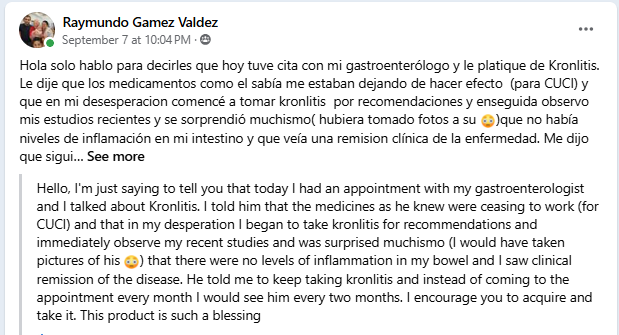
Reading patient experiences with symptom management helps many individuals realize they aren’t alone in navigating these complex, interconnected symptoms.
How to Track Your Symptoms: A Practical Monitoring System
Doctors rely on your descriptions to understand your condition. Without systematic tracking, important patterns get lost in the blur of daily symptoms. A simple monitoring system helps you identify triggers, recognize improvements, and provide detailed information during medical appointments.
Record timing, severity, and circumstances surrounding symptoms. Note what you ate, stress levels, sleep quality, and any medications taken. Over weeks, patterns emerge that might otherwise remain invisible.
| Time | Symptom | Severity (1-10) | Food/Trigger | Notes |
|---|---|---|---|---|
| 7:00 AM | Urgent diarrhea | 8 | Coffee | Woke me from sleep |
| 12:30 PM | Abdominal cramping | 6 | Lunch (salad) | Cramping started 1 hr after eating |
| 4:00 PM | Fatigue | 7 | Needed to lie down | |
| 9:00 PM | Blood in stool | 5 | Dinner (chicken, rice) | Dark blood mixed in stool |
This tracking approach helps identify whether specific foods consistently trigger symptoms or whether stress correlates with flare intensity. Many patients discover patterns they never suspected once they commit information to writing.
For those seeking integrative approach to digestive health, systematic tracking provides the foundation for personalized treatment modifications.
When Signs Point to Flare-Up: Distinguishing Active Disease From Remission
Crohn’s disease follows an unpredictable course. Periods of relative calm, called remission, alternate with flare-ups where Crohn’s flare-up signals intensify dramatically. Understanding where you fall on this spectrum helps you respond appropriately.
Remission doesn’t mean complete absence of symptoms. Rather, symptoms become manageable and don’t interfere significantly with daily life. You might have two or three formed bowel movements daily, mild occasional discomfort, and energy that allows normal activities.
Flare-ups announce themselves through worsening patterns. Frequency increases. Pain intensifies. Bleeding returns. Fatigue becomes overwhelming. These changes often develop gradually over days or weeks, though some patients experience sudden onset.
Common flare triggers include infections, certain medications, smoking, significant stress, and nonsteroidal anti-inflammatory drug use. Identifying your personal triggers helps you minimize future episodes.
Early recognition of flare symptoms allows quicker intervention, potentially shortening episode duration and severity. Exploring natural remission support options provides additional tools for managing these challenging periods.
Key Takeaways: Acting on Crohn’s Disease Warning Signs
Recognition without action changes nothing. Understanding the autoimmune digestive symptoms of Crohn’s disease empowers you to seek appropriate care and explore comprehensive treatment approaches.
- Document symptoms systematically using daily tracking methods
- Seek medical evaluation for symptoms persisting beyond three weeks
- Investigate both conventional treatments and integrative support options
- Address nutritional deficiencies through targeted supplementation
- Connect with patient communities for practical coping strategies
Living with Crohn’s requires adaptability and persistence. The same condition affects each person differently, making personalized treatment essential. What works for one patient might not help another, highlighting the importance of working with healthcare providers who understand digestive inflammation symptoms and their variable presentations.
For those ready to explore comprehensive options, comprehensive digestive wellness solutions offer approaches that address inflammation at its source rather than simply masking symptoms temporarily.
Frequently Asked Questions About Crohn’s Disease Signs
Can Crohn’s disease develop suddenly in adults?
Yes, adult-onset Crohn’s disease is common and often catches patients completely off guard. According to epidemiological research, while diagnosis peaks between ages 20-30, a second peak occurs between ages 50-60. This bimodal distribution means many adults receive their first diagnosis well into middle age, highlighting the importance of recognizing symptoms regardless of age.
How do I know if my symptoms are Crohn’s or just IBS?
The key differences involve nighttime symptoms, blood presence, and weight loss. IBS rarely causes symptoms that wake you from sleep, never causes rectal bleeding, and doesn’t lead to unintended weight loss. If you experience any of these three warning signs, evaluation for inflammatory bowel disease becomes essential rather than optional.
Are there mild cases of Crohn’s disease?
Yes, disease severity exists on a spectrum from mild to severe. Some patients experience relatively mild symptoms for years with appropriate management, while others face aggressive disease requiring intensive treatment. Early diagnosis and consistent treatment typically improve long-term outcomes regardless of initial severity.
Can diet alone control Crohn’s disease symptoms?
Diet plays a supportive role but cannot address underlying autoimmune inflammation independently. While eliminating trigger foods reduces symptom burden and dietary modifications improve quality of life, the immune system dysfunction driving Crohn’s requires targeted treatment. Think of diet as one important tool in a comprehensive approach rather than a standalone solution.
How quickly do Crohn’s symptoms worsen without treatment?
Progression varies considerably between individuals, making predictions difficult. Some patients experience gradual symptom worsening over months or years, while others develop complications relatively quickly. Untreated inflammation tends to cause cumulative damage to intestinal tissue, making early intervention preferable to watching and waiting.
Do Crohn’s disease symptoms ever go away permanently?
Remission is achievable for many patients, meaning extended periods with minimal or no active symptoms. However, Crohn’s disease remains a chronic condition requiring ongoing management. Deep remission, where both symptoms and inflammation resolve completely, represents the treatment goal. Some patients maintain remission for years with appropriate approaches addressing underlying inflammatory processes.
@keyframes hoox-lf-in-hoox-f-ab3ffe95-3d9b-4b9b-9885-00aa20-bottom {
from { opacity: 0; transform: translateY(8px); }
to { opacity: 1; transform: translateY(0); }
}
#hoox-f-ab3ffe95-3d9b-4b9b-9885-00aa20-bottom {
width: 100%;
max-width: 100%;
box-sizing: border-box;
display: flex;
flex-direction: column;
gap: 20px;
margin: 48px 0;
padding: 32px 28px;
border-radius: 16px;
background: #ffffff;
color: #111111;
font-family: inherit;
border: 1px solid #E2E8F0;
animation: hoox-lf-in-hoox-f-ab3ffe95-3d9b-4b9b-9885-00aa20-bottom 0.3s cubic-bezier(0.16, 1, 0.3, 1);
direction: inherit;
}
#hoox-f-ab3ffe95-3d9b-4b9b-9885-00aa20-bottom .hoox-form-header {
display: flex;
flex-direction: column;
gap: 8px;
text-align: center;
}
#hoox-f-ab3ffe95-3d9b-4b9b-9885-00aa20-bottom .hoox-form-header h2 {
margin: 0;
font-size: 1.5em;
font-weight: 700;
line-height: 1.3;
color: #111111;
border: none;
padding: 0;
}
#hoox-f-ab3ffe95-3d9b-4b9b-9885-00aa20-bottom .hoox-form-header p {
margin: 0;
font-size: 1em;
line-height: 1.6;
color: #64748B;
}
#hoox-f-ab3ffe95-3d9b-4b9b-9885-00aa20-bottom form[data-hx-form] {
margin: 0;
display: flex;
flex-direction: column;
gap: 14px;
}
#hoox-f-ab3ffe95-3d9b-4b9b-9885-00aa20-bottom .hoox-field-wrap {
position: relative;
width: 100%;
box-sizing: border-box;
}
#hoox-f-ab3ffe95-3d9b-4b9b-9885-00aa20-bottom .hoox-field-wrap input {
width: 100%;
box-sizing: border-box;
height: 44px;
padding-inline-start: 42px;
padding-inline-end: 14px;
border: 1px solid #E2E8F0;
border-radius: 10px;
font-size: 14px;
color: #111111;
font-family: inherit;
background-color: #F8FAFC;
transition: border-color 0.15s ease, box-shadow 0.15s ease, background-color 0.15s ease;
outline: none;
direction: inherit;
text-align: start;
}
#hoox-f-ab3ffe95-3d9b-4b9b-9885-00aa20-bottom .hoox-field-wrap input::placeholder {
color: #94A3B8;
opacity: 1;
}
#hoox-f-ab3ffe95-3d9b-4b9b-9885-00aa20-bottom .hoox-field-wrap input:focus {
background-color: #FFFFFF;
border-color: #0077B6,#00B4D8,#90E0EF;
box-shadow: 0 0 0 3px rgba(15, 23, 42, 0.08);
}
#hoox-f-ab3ffe95-3d9b-4b9b-9885-00aa20-bottom .hoox-field-icon {
position: absolute;
top: 0;
bottom: 0;
inset-inline-start: 0;
width: 42px;
display: flex;
align-items: center;
justify-content: center;
pointer-events: none;
color: #94A3B8;
transition: color 0.15s ease;
}
#hoox-f-ab3ffe95-3d9b-4b9b-9885-00aa20-bottom .hoox-field-wrap:focus-within .hoox-field-icon {
color: #0077B6,#00B4D8,#90E0EF;
}
#hoox-f-ab3ffe95-3d9b-4b9b-9885-00aa20-bottom button[type=”submit”] {
width: 100%;
height: 44px;
margin-top: 4px;
border: none;
border-radius: 10px;
background: #0077B6,#00B4D8,#90E0EF;
color: #FFFFFF;
font-size: 14px;
font-weight: 600;
cursor: pointer;
transition: opacity 0.15s ease, transform 0.15s ease, box-shadow 0.15s ease;
box-shadow: 0 1px 2px 0 rgba(0, 0, 0, 0.05);
}
#hoox-f-ab3ffe95-3d9b-4b9b-9885-00aa20-bottom button[type=”submit”]:hover {
opacity: 0.94;
}
#hoox-f-ab3ffe95-3d9b-4b9b-9885-00aa20-bottom button[type=”submit”]:active {
transform: scale(0.99);
}
#hoox-f-ab3ffe95-3d9b-4b9b-9885-00aa20-bottom button[type=”submit”]:disabled {
opacity: 0.6;
cursor: not-allowed;
}
#hoox-f-ab3ffe95-3d9b-4b9b-9885-00aa20-bottom .hoox-disclaimer {
margin: 0;
text-align: center;
font-size: 12px;
line-height: 1.5;
color: #94A3B8;
}
#hoox-f-ab3ffe95-3d9b-4b9b-9885-00aa20-bottom .hoox-disclaimer a {
color: inherit;
text-decoration: underline;
text-underline-offset: 2px;
}
#hoox-f-ab3ffe95-3d9b-4b9b-9885-00aa20-bottom .hoox-disclaimer a:hover {
text-decoration: none;
}
#hoox-f-ab3ffe95-3d9b-4b9b-9885-00aa20-bottom .hoox-success {
display: none;
flex-direction: column;
align-items: center;
gap: 14px;
padding: 12px 0;
position: relative;
}
#hoox-f-ab3ffe95-3d9b-4b9b-9885-00aa20-bottom .hoox-confetti {
position: absolute;
inset: 0;
overflow: visible;
pointer-events: none;
}
#hoox-f-ab3ffe95-3d9b-4b9b-9885-00aa20-bottom .hoox-confetti span {
position: absolute;
top: 50%;
left: 50%;
width: 7px;
height: 11px;
background: var(–hoox-c);
border-radius: 2px;
opacity: 0;
animation: hoox-confetti-burst 0.9s ease-out forwards;
animation-delay: var(–hoox-d, 0s);
}
@keyframes hoox-confetti-burst {
0% { opacity: 1; transform: translate(-50%, -50%) rotate(0deg) scale(1); }
100% { opacity: 0; transform: translate(calc(-50% + var(–hoox-tx)), calc(-50% + var(–hoox-ty))) rotate(var(–hoox-rz)) scale(0.5); }
}
#hoox-f-ab3ffe95-3d9b-4b9b-9885-00aa20-bottom .hoox-success-icon {
width: 52px;
height: 52px;
border-radius: 50%;
background: #ECFDF5;
display: flex;
align-items: center;
justify-content: center;
font-size: 26px;
line-height: 1;
animation: hoox-success-pop 0.4s cubic-bezier(0.34, 1.56, 0.64, 1);
}
@keyframes hoox-success-pop {
from { opacity: 0; transform: scale(0.5); }
to { opacity: 1; transform: scale(1); }
}
#hoox-f-ab3ffe95-3d9b-4b9b-9885-00aa20-bottom .hoox-success-text {
margin: 0;
text-align: center;
font-size: 15px;
font-weight: 600;
line-height: 1.5;
color: #111111;
}
#hoox-f-ab3ffe95-3d9b-4b9b-9885-00aa20-bottom .hoox-disabled-state {
display: none;
flex-direction: column;
align-items: center;
gap: 14px;
padding: 12px 0;
text-align: center;
}
#hoox-f-ab3ffe95-3d9b-4b9b-9885-00aa20-bottom .hoox-disabled-icon {
width: 52px;
height: 52px;
border-radius: 50%;
background: #F1F5F9;
display: flex;
align-items: center;
justify-content: center;
color: #64748B;
}
#hoox-f-ab3ffe95-3d9b-4b9b-9885-00aa20-bottom .hoox-disabled-text {
margin: 0;
font-size: 14px;
line-height: 1.6;
color: #64748B;
}
#hoox-f-ab3ffe95-3d9b-4b9b-9885-00aa20-bottom .hoox-disabled-text a {
color: inherit;
font-weight: 600;
text-decoration: underline;
text-underline-offset: 2px;
}
#hoox-f-ab3ffe95-3d9b-4b9b-9885-00aa20-bottom .hoox-disabled-text a:hover {
text-decoration: none;
}
See What This Could Look Like For You
Takes 30 seconds
Thanks! We’ll be in touch.