
Treating Crohn’s Disease: Evidence-Based Protocols That Work
Treating Crohn’s disease in 2026 requires a strategic approach combining conventional biologics with targeted herbal interventions. Modern protocols prioritize early aggressive therapy what clinicians call “top-down” treatment alongside natural TNF-α blockers that address inflammation at its immunological source. This comprehensive guide examines clinical outcomes, integrative strategies, and the mechanisms behind sustainable remission for individuals living with Crohn’s disease affecting the colon.
Quick Answer: Core Treatment Strategies for Crohn’s Disease
Treating Crohn’s disease effectively means understanding two fundamental approaches: top-down and step-up protocols. Top-down therapy starts with powerful biologic medications immediately after diagnosis, aiming to prevent complications before they develop. Step-up therapy begins with milder treatments like corticosteroids, escalating to stronger options only if symptoms persist. Research shows that aggressive early intervention produces superior long-term outcomes for inflammatory bowel disease treatment.
Beyond conventional pharmaceuticals, herbal TNF-α blockers have emerged as legitimate adjunct therapies. These plant-based compounds work alongside biologics to suppress tumor necrosis factor alpha, a key inflammatory cytokine driving Crohn’s pathology. For patients seeking natural anti-inflammatory solutions, this integrative approach offers hope where medications alone have fallen short.
@keyframes hoox-lf-in-hoox-f-8fd6edb3-322d-4c41-aa24-2286c6-top {
from { opacity: 0; transform: translateY(8px); }
to { opacity: 1; transform: translateY(0); }
}
#hoox-f-8fd6edb3-322d-4c41-aa24-2286c6-top {
width: 100%;
max-width: 100%;
box-sizing: border-box;
display: flex;
flex-direction: column;
gap: 20px;
margin: 48px 0;
padding: 32px 28px;
border-radius: 16px;
background: #ffffff;
color: #111111;
font-family: inherit;
border: 1px solid #E2E8F0;
animation: hoox-lf-in-hoox-f-8fd6edb3-322d-4c41-aa24-2286c6-top 0.3s cubic-bezier(0.16, 1, 0.3, 1);
direction: inherit;
}
#hoox-f-8fd6edb3-322d-4c41-aa24-2286c6-top .hoox-form-header {
display: flex;
flex-direction: column;
gap: 8px;
text-align: center;
}
#hoox-f-8fd6edb3-322d-4c41-aa24-2286c6-top .hoox-form-header h2 {
margin: 0;
font-size: 1.5em;
font-weight: 700;
line-height: 1.3;
color: #111111;
border: none;
padding: 0;
}
#hoox-f-8fd6edb3-322d-4c41-aa24-2286c6-top .hoox-form-header p {
margin: 0;
font-size: 1em;
line-height: 1.6;
color: #64748B;
}
#hoox-f-8fd6edb3-322d-4c41-aa24-2286c6-top form[data-hx-form] {
margin: 0;
display: flex;
flex-direction: column;
gap: 14px;
}
#hoox-f-8fd6edb3-322d-4c41-aa24-2286c6-top .hoox-field-wrap {
position: relative;
width: 100%;
box-sizing: border-box;
}
#hoox-f-8fd6edb3-322d-4c41-aa24-2286c6-top .hoox-field-wrap input {
width: 100%;
box-sizing: border-box;
height: 44px;
padding-inline-start: 42px;
padding-inline-end: 14px;
border: 1px solid #E2E8F0;
border-radius: 10px;
font-size: 14px;
color: #111111;
font-family: inherit;
background-color: #F8FAFC;
transition: border-color 0.15s ease, box-shadow 0.15s ease, background-color 0.15s ease;
outline: none;
direction: inherit;
text-align: start;
}
#hoox-f-8fd6edb3-322d-4c41-aa24-2286c6-top .hoox-field-wrap input::placeholder {
color: #94A3B8;
opacity: 1;
}
#hoox-f-8fd6edb3-322d-4c41-aa24-2286c6-top .hoox-field-wrap input:focus {
background-color: #FFFFFF;
border-color: #0077B6,#00B4D8,#90E0EF;
box-shadow: 0 0 0 3px rgba(15, 23, 42, 0.08);
}
#hoox-f-8fd6edb3-322d-4c41-aa24-2286c6-top .hoox-field-icon {
position: absolute;
top: 0;
bottom: 0;
inset-inline-start: 0;
width: 42px;
display: flex;
align-items: center;
justify-content: center;
pointer-events: none;
color: #94A3B8;
transition: color 0.15s ease;
}
#hoox-f-8fd6edb3-322d-4c41-aa24-2286c6-top .hoox-field-wrap:focus-within .hoox-field-icon {
color: #0077B6,#00B4D8,#90E0EF;
}
#hoox-f-8fd6edb3-322d-4c41-aa24-2286c6-top button[type=”submit”] {
width: 100%;
height: 44px;
margin-top: 4px;
border: none;
border-radius: 10px;
background: #0077B6,#00B4D8,#90E0EF;
color: #FFFFFF;
font-size: 14px;
font-weight: 600;
cursor: pointer;
transition: opacity 0.15s ease, transform 0.15s ease, box-shadow 0.15s ease;
box-shadow: 0 1px 2px 0 rgba(0, 0, 0, 0.05);
}
#hoox-f-8fd6edb3-322d-4c41-aa24-2286c6-top button[type=”submit”]:hover {
opacity: 0.94;
}
#hoox-f-8fd6edb3-322d-4c41-aa24-2286c6-top button[type=”submit”]:active {
transform: scale(0.99);
}
#hoox-f-8fd6edb3-322d-4c41-aa24-2286c6-top button[type=”submit”]:disabled {
opacity: 0.6;
cursor: not-allowed;
}
#hoox-f-8fd6edb3-322d-4c41-aa24-2286c6-top .hoox-disclaimer {
margin: 0;
text-align: center;
font-size: 12px;
line-height: 1.5;
color: #94A3B8;
}
#hoox-f-8fd6edb3-322d-4c41-aa24-2286c6-top .hoox-disclaimer a {
color: inherit;
text-decoration: underline;
text-underline-offset: 2px;
}
#hoox-f-8fd6edb3-322d-4c41-aa24-2286c6-top .hoox-disclaimer a:hover {
text-decoration: none;
}
#hoox-f-8fd6edb3-322d-4c41-aa24-2286c6-top .hoox-success {
display: none;
flex-direction: column;
align-items: center;
gap: 14px;
padding: 12px 0;
position: relative;
}
#hoox-f-8fd6edb3-322d-4c41-aa24-2286c6-top .hoox-confetti {
position: absolute;
inset: 0;
overflow: visible;
pointer-events: none;
}
#hoox-f-8fd6edb3-322d-4c41-aa24-2286c6-top .hoox-confetti span {
position: absolute;
top: 50%;
left: 50%;
width: 7px;
height: 11px;
background: var(–hoox-c);
border-radius: 2px;
opacity: 0;
animation: hoox-confetti-burst 0.9s ease-out forwards;
animation-delay: var(–hoox-d, 0s);
}
@keyframes hoox-confetti-burst {
0% { opacity: 1; transform: translate(-50%, -50%) rotate(0deg) scale(1); }
100% { opacity: 0; transform: translate(calc(-50% + var(–hoox-tx)), calc(-50% + var(–hoox-ty))) rotate(var(–hoox-rz)) scale(0.5); }
}
#hoox-f-8fd6edb3-322d-4c41-aa24-2286c6-top .hoox-success-icon {
width: 52px;
height: 52px;
border-radius: 50%;
background: #ECFDF5;
display: flex;
align-items: center;
justify-content: center;
font-size: 26px;
line-height: 1;
animation: hoox-success-pop 0.4s cubic-bezier(0.34, 1.56, 0.64, 1);
}
@keyframes hoox-success-pop {
from { opacity: 0; transform: scale(0.5); }
to { opacity: 1; transform: scale(1); }
}
#hoox-f-8fd6edb3-322d-4c41-aa24-2286c6-top .hoox-success-text {
margin: 0;
text-align: center;
font-size: 15px;
font-weight: 600;
line-height: 1.5;
color: #111111;
}
#hoox-f-8fd6edb3-322d-4c41-aa24-2286c6-top .hoox-disabled-state {
display: none;
flex-direction: column;
align-items: center;
gap: 14px;
padding: 12px 0;
text-align: center;
}
#hoox-f-8fd6edb3-322d-4c41-aa24-2286c6-top .hoox-disabled-icon {
width: 52px;
height: 52px;
border-radius: 50%;
background: #F1F5F9;
display: flex;
align-items: center;
justify-content: center;
color: #64748B;
}
#hoox-f-8fd6edb3-322d-4c41-aa24-2286c6-top .hoox-disabled-text {
margin: 0;
font-size: 14px;
line-height: 1.6;
color: #64748B;
}
#hoox-f-8fd6edb3-322d-4c41-aa24-2286c6-top .hoox-disabled-text a {
color: inherit;
font-weight: 600;
text-decoration: underline;
text-underline-offset: 2px;
}
#hoox-f-8fd6edb3-322d-4c41-aa24-2286c6-top .hoox-disabled-text a:hover {
text-decoration: none;
}
See What This Could Look Like For You
Takes 30 seconds
Thanks! We’ll be in touch.
| Approach | Mechanism | Timeline to Remission | Considerations |
|---|---|---|---|
| Conventional Biologics | Monoclonal antibodies targeting TNF-α, integrins, or IL-12/23 | 4-12 weeks typical | Requires infusion or injection; immune monitoring required |
| Herbal TNF-α Blockers | Plant compounds inhibiting TNF-α production and NF-κB signaling | 2-8 weeks typical | Oral administration; fewer systemic side effects; cost-effective |
| Combined Protocol | Synergistic multi-pathway inflammatory suppression | 2-6 weeks typical | Enhanced remission rates; requires coordinated monitoring |
According to Nih, recent clinical findings demonstrate that top-down therapy achieves superior outcomes compared to traditional step-up approaches. The PROFILE study published in 2024 showed that patients receiving early aggressive treatment experienced significantly better mucosal healing and reduced hospitalization rates. This data has reshaped how gastroenterologists approach newly diagnosed Crohn’s patients in 2026.
Why First-Line Biologic Therapy Transforms Crohn’s Outcomes
The shift toward first-line biologic therapy represents the most significant advancement in Crohn’s disease management this decade. Rather than watching and waiting while inflammation damages intestinal tissue, clinicians now act decisively at diagnosis. This proactive stance prevents the structural bowel damage that once seemed inevitable for IBD patients.
Mucosal healing has become the gold standard for treatment success. When the intestinal lining heals completely, patients experience fewer flares, reduced complication rates, and improved quality of life. Studies comparing early biologic intervention against delayed treatment show dramatic differences in long-term disease trajectory. Patients treated aggressively from the start maintain higher remission rates years later.
According to recent clinical trial data summarized by Nih, early intervention with biologic therapy significantly outperforms conventional step-up approaches in achieving sustained remission. The evidence supporting immediate aggressive treatment continues to accumulate, making the old “wait and see” approach obsolete for most patients.
- Prevents irreversible damage Early biologic use stops inflammation before scarring and strictures develop
- Higher remission rates Patients achieve deeper, more durable remission when treated early
- Reduced steroid exposure Avoiding prolonged corticosteroid use decreases infection risk and bone loss
- Lower surgery rates Aggressive therapy reduces the need for bowel resections and hospitalizations
How Natural TNF-α Blockers Complement Conventional Treatment
Natural TNF-α blockers derived from Chinese herbal medicine offer mechanisms that parallel pharmaceutical biologics. These plant compounds inhibit tumor necrosis factor alpha production through multiple pathways, including suppression of NF-κB activation and modulation of immune cell signaling. For patients with colonic Crohn’s disease, these herbal interventions target the same inflammatory cascade driving their symptoms.
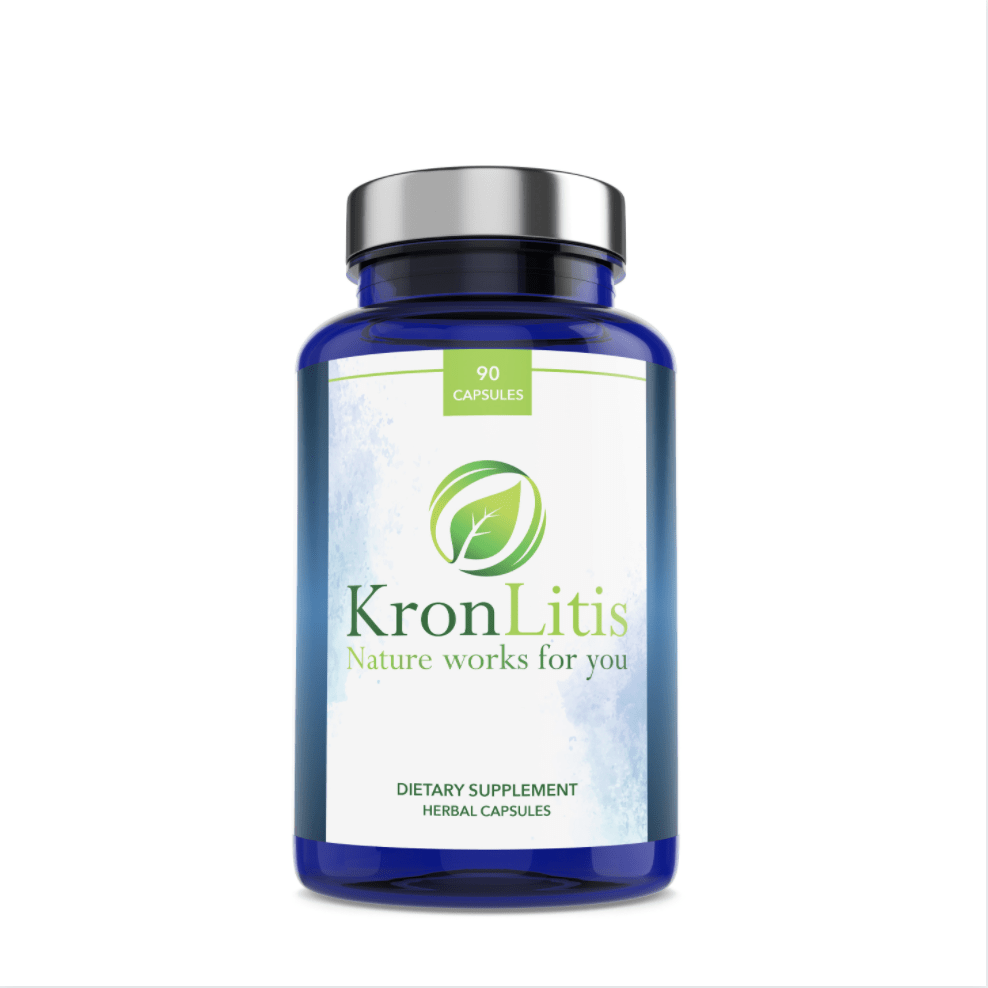
The Kronlitis four-herb formula exemplifies this integrative approach. Unlike single-herb preparations, this combination targets inflammation through synergistic mechanisms. The formula contains herbs traditionally used for digestive inflammation, now validated by modern pharmacological research. Each ingredient contributes distinct anti-inflammatory properties that collectively produce remission outcomes comparable to conventional therapy.
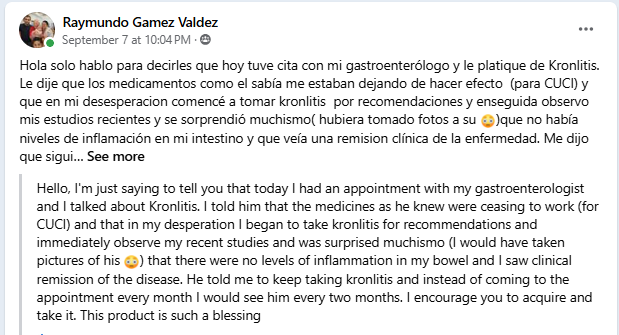
Patients incorporating a herbal TNF-α blocking supplement often report faster symptom relief than with biologics alone. The oral administration route delivers active compounds directly to the digestive tract, concentrating effects where they’re needed most. This localized action may explain why many users experience reduced bleeding, decreased mucus production, and normalized bowel movements within weeks.
- Coptis chinensis Contains berberine, which inhibits pro-inflammatory cytokines and improves gut barrier function
- Scutellaria baicalensis Rich in baicalin, a compound that suppresses TNF-α and IL-6 production
- Phellodendron amurense Traditional anti-inflammatory with demonstrated mucosal healing properties
- Paeonia lactiflora Modulates immune response and reduces oxidative stress in intestinal tissue
- Glycyrrhiza uralensis Contains glycyrrhizin, which inhibits NF-κB signaling and protects mucosal integrity
The Integrative Protocol: Combining Biologics with Herbal Support
Successful integrative treatment requires careful coordination between conventional and natural therapies. The goal isn’t random supplementation but strategic combination that maximizes anti-inflammatory effects while minimizing side effects. Patients must work with knowledgeable practitioners who understand how these modalities interact and complement each other.
Timing matters considerably. Starting herbal support alongside biologic induction therapy may enhance early response rates. Some practitioners recommend beginning natural TNF-α blockers before biologic therapy begins, allowing anti-inflammatory effects to establish. Others prefer simultaneous initiation. Individual patient factors including disease severity, prior treatment history, and comorbidities all influence optimal timing decisions.
The development of integrative IBD protocols has accelerated since 2024, with more gastroenterologists recognizing the value of combining evidence-based herbal interventions with conventional care. This collaboration between traditional and modern medicine represents a significant shift in Crohn’s disease management philosophy.
- Establish baseline metrics Document current symptoms, inflammatory markers (CRP, fecal calprotectin), and endoscopic findings before starting any treatment
- Initiate biologic therapy Begin prescribed biologic according to gastroenterologist recommendations, typically with loading doses followed by maintenance schedule
- Introduce herbal TNF-α blockers Add herbal supplement according to product guidelines, usually taken with meals for optimal absorption
- Monitor inflammatory markers Check CRP and fecal calprotectin every 4-6 weeks during induction phase to track response
- Adjust based on response If markers drop but symptoms persist, evaluate for functional overlay or consider adjusting timing of herbal dosing
- Plan maintenance protocol Once remission achieved, establish long-term monitoring schedule and discuss duration of combined therapy

Dietary Modifications That Reduce Inflammatory Burden
Nutrition directly influences intestinal inflammation. What patients eat can either amplify or dampen the immune activation driving their symptoms. Evidence supports several dietary approaches for inflammatory bowel disease treatment, each with distinct mechanisms and benefits. The common thread involves reducing exposure to foods that trigger immune activation while increasing intake of compounds that support mucosal healing.
The Mediterranean diet consistently demonstrates benefits for IBD patients. Rich in omega-3 fatty acids, polyphenols, and fiber from diverse plant sources, this eating pattern reduces systemic inflammatory markers. Studies show that patients adhering to Mediterranean dietary principles experience fewer flares and improved quality of life compared to those eating typical Western diets.
For detailed guidance beyond this overview, patients can consult frequently asked questions about managing IBD for practical dietary recommendations that fit their lifestyle.
| Anti-Inflammatory Foods | Trigger Foods to Limit | Mechanism |
|---|---|---|
| Fatty fish (salmon, mackerel, sardines) | Processed meats | Omega-3s reduce inflammatory eicosanoids |
| Olive oil | Refined vegetable oils | Oleocanthal inhibits COX enzymes |
| Colorful vegetables and fruits | Ultra-processed foods | Antioxidants neutralize free radicals |
| Fermented foods (when tolerated) | Artificial sweeteners | Probiotics support gut microbiome balance |
| Herbal teas (green tea, turmeric) | Alcohol and excessive caffeine | Polyphenols modulate immune signaling |
Clinical guidelines from Nih support the role of dietary intervention in comprehensive IBD management. While nutrition alone rarely achieves remission in moderate to severe disease, it significantly impacts inflammatory burden and treatment outcomes when combined with appropriate medical therapy.
Monitoring Remission: Biomarkers and Symptom Tracking
Remission means more than feeling better. Clinical remission refers to symptom resolution, while endoscopic remission requires visual confirmation of mucosal healing. Deep remission combines both with normalized inflammatory markers. Understanding these distinctions helps patients set appropriate treatment goals and track meaningful progress.
Regular monitoring catches flares before they become severe. Patients who track their symptoms and biomarkers consistently can identify warning signs early, enabling prompt intervention. This proactive approach prevents the cycle of crisis management that characterizes poorly controlled disease.
For inspiration on what sustained remission looks like, patient testimonials on achieving remission provide real-world perspectives from individuals who have successfully combined conventional and natural approaches to reclaim their lives.
- C-reactive protein (CRP) Blood marker indicating systemic inflammation; should normalize in remission
- Fecal calprotectin Directly measures intestinal inflammation; highly specific for IBD activity
- Hemoglobin and iron studies Anemia signals ongoing inflammation or malabsorption
- Bowel movement frequency Track daily; normalization indicates mucosal improvement
- Stool consistency and presence of blood Document changes that signal flare or healing
- Energy levels and appetite Subjective but important indicators of systemic disease impact
Key Takeaways: Building Your Crohn’s Treatment Plan
Building an effective treatment plan requires commitment to aggressive early intervention, openness to integrative approaches, and dedication to long-term monitoring. The evidence supporting top-down therapy has never been stronger, while natural TNF-α blockers offer legitimate adjunctive benefits. Patients who combine these strategies with appropriate dietary modifications position themselves for optimal outcomes.
Personalization remains paramount. What works for one patient may require adjustment for another. Working with healthcare providers who understand both conventional and natural approaches enables truly tailored treatment that addresses each individual’s unique disease presentation.
For those ready to take action, explore natural treatment options that complement your current medical regimen and may accelerate your journey to remission.
- Start treatment early Don’t wait for severe damage; top-down therapy prevents complications
- Consider herbal TNF-α blockers Natural compounds enhance conventional therapy effectiveness
- Monitor inflammatory markers Track CRP and fecal calprotectin to catch flares early
- Optimize your diet Reduce inflammatory burden through evidence-based nutrition
- Build your healthcare team Work with providers knowledgeable about integrative approaches
Frequently Asked Questions About Treating Crohn’s Disease
Can herbal supplements replace biologic therapy for Crohn’s disease?
No herbal supplements should complement, not replace, prescribed biologic therapy for most patients. While natural TNF-α blockers demonstrate significant anti-inflammatory effects, moderate to severe Crohn’s disease typically requires pharmaceutical intervention. Some patients with mild disease may manage with herbal therapy alone under careful medical supervision. The combination approach yields optimal results for the majority of patients, allowing lower biologic doses while maintaining remission quality.
How long does it take to achieve remission with integrative treatment?
Most patients see meaningful improvement within 4-8 weeks of starting combined therapy. Symptom relief often precedes marker normalization, with some patients reporting reduced bleeding and bathroom urgency within the first two weeks. Complete mucosal healing may require 3-6 months of consistent treatment. For comprehensive guidance on what to expect during your treatment journey, comprehensive IBD resources offer detailed timelines and milestone tracking tools.
Will I need to stay on treatment forever?
For most patients, yes Crohn’s disease requires ongoing management to maintain remission. Unlike acute infections that resolve after treatment, autoimmune conditions typically need continued intervention. Some patients achieve drug-free remission lasting years, particularly those treated aggressively early in disease course. The goal is finding the minimum effective treatment that maintains remission while maximizing quality of life. Treatment de-escalation may be possible after sustained deep remission.
Are natural TNF-α blockers safe to use with prescription medications?
Generally yes the major concern involves additive immunosuppression, which clinical experience suggests is manageable under proper monitoring. Quality matters enormously; supplements from reputable manufacturers with third-party testing ensure you receive what the label promises. Discuss any herbal supplements with your gastroenterologist to coordinate care appropriately. Most integrative gastroenterologists now consider evidence-based herbal therapy a legitimate component of comprehensive IBD management.
What happens if treatment stops working?
Treatment failure occurs in approximately 30-40% of patients over time, either through initial non-response or eventual loss of response. Multiple biologic classes exist precisely because no single medication works for everyone indefinitely. When one approach fails, alternatives remain available. Integrating herbal support may extend treatment durability and delay or prevent secondary loss of response. Early detection through regular monitoring enables prompt adjustment before severe flares develop.
Can diet alone control Crohn’s disease symptoms?
Rarely for moderate to severe disease dietary intervention shows meaningful benefits but insufficient potency as standalone therapy. Nutritional approaches significantly impact inflammatory burden and may reduce medication requirements. Some patients with mild disease achieve remission through specific dietary protocols like the specific carbohydrate diet or exclusive enteral nutrition. For most patients, diet serves as critical support for medical therapy rather than replacement.
@keyframes hoox-lf-in-hoox-f-8fd6edb3-322d-4c41-aa24-2286c6-bottom {
from { opacity: 0; transform: translateY(8px); }
to { opacity: 1; transform: translateY(0); }
}
#hoox-f-8fd6edb3-322d-4c41-aa24-2286c6-bottom {
width: 100%;
max-width: 100%;
box-sizing: border-box;
display: flex;
flex-direction: column;
gap: 20px;
margin: 48px 0;
padding: 32px 28px;
border-radius: 16px;
background: #ffffff;
color: #111111;
font-family: inherit;
border: 1px solid #E2E8F0;
animation: hoox-lf-in-hoox-f-8fd6edb3-322d-4c41-aa24-2286c6-bottom 0.3s cubic-bezier(0.16, 1, 0.3, 1);
direction: inherit;
}
#hoox-f-8fd6edb3-322d-4c41-aa24-2286c6-bottom .hoox-form-header {
display: flex;
flex-direction: column;
gap: 8px;
text-align: center;
}
#hoox-f-8fd6edb3-322d-4c41-aa24-2286c6-bottom .hoox-form-header h2 {
margin: 0;
font-size: 1.5em;
font-weight: 700;
line-height: 1.3;
color: #111111;
border: none;
padding: 0;
}
#hoox-f-8fd6edb3-322d-4c41-aa24-2286c6-bottom .hoox-form-header p {
margin: 0;
font-size: 1em;
line-height: 1.6;
color: #64748B;
}
#hoox-f-8fd6edb3-322d-4c41-aa24-2286c6-bottom form[data-hx-form] {
margin: 0;
display: flex;
flex-direction: column;
gap: 14px;
}
#hoox-f-8fd6edb3-322d-4c41-aa24-2286c6-bottom .hoox-field-wrap {
position: relative;
width: 100%;
box-sizing: border-box;
}
#hoox-f-8fd6edb3-322d-4c41-aa24-2286c6-bottom .hoox-field-wrap input {
width: 100%;
box-sizing: border-box;
height: 44px;
padding-inline-start: 42px;
padding-inline-end: 14px;
border: 1px solid #E2E8F0;
border-radius: 10px;
font-size: 14px;
color: #111111;
font-family: inherit;
background-color: #F8FAFC;
transition: border-color 0.15s ease, box-shadow 0.15s ease, background-color 0.15s ease;
outline: none;
direction: inherit;
text-align: start;
}
#hoox-f-8fd6edb3-322d-4c41-aa24-2286c6-bottom .hoox-field-wrap input::placeholder {
color: #94A3B8;
opacity: 1;
}
#hoox-f-8fd6edb3-322d-4c41-aa24-2286c6-bottom .hoox-field-wrap input:focus {
background-color: #FFFFFF;
border-color: #0077B6,#00B4D8,#90E0EF;
box-shadow: 0 0 0 3px rgba(15, 23, 42, 0.08);
}
#hoox-f-8fd6edb3-322d-4c41-aa24-2286c6-bottom .hoox-field-icon {
position: absolute;
top: 0;
bottom: 0;
inset-inline-start: 0;
width: 42px;
display: flex;
align-items: center;
justify-content: center;
pointer-events: none;
color: #94A3B8;
transition: color 0.15s ease;
}
#hoox-f-8fd6edb3-322d-4c41-aa24-2286c6-bottom .hoox-field-wrap:focus-within .hoox-field-icon {
color: #0077B6,#00B4D8,#90E0EF;
}
#hoox-f-8fd6edb3-322d-4c41-aa24-2286c6-bottom button[type=”submit”] {
width: 100%;
height: 44px;
margin-top: 4px;
border: none;
border-radius: 10px;
background: #0077B6,#00B4D8,#90E0EF;
color: #FFFFFF;
font-size: 14px;
font-weight: 600;
cursor: pointer;
transition: opacity 0.15s ease, transform 0.15s ease, box-shadow 0.15s ease;
box-shadow: 0 1px 2px 0 rgba(0, 0, 0, 0.05);
}
#hoox-f-8fd6edb3-322d-4c41-aa24-2286c6-bottom button[type=”submit”]:hover {
opacity: 0.94;
}
#hoox-f-8fd6edb3-322d-4c41-aa24-2286c6-bottom button[type=”submit”]:active {
transform: scale(0.99);
}
#hoox-f-8fd6edb3-322d-4c41-aa24-2286c6-bottom button[type=”submit”]:disabled {
opacity: 0.6;
cursor: not-allowed;
}
#hoox-f-8fd6edb3-322d-4c41-aa24-2286c6-bottom .hoox-disclaimer {
margin: 0;
text-align: center;
font-size: 12px;
line-height: 1.5;
color: #94A3B8;
}
#hoox-f-8fd6edb3-322d-4c41-aa24-2286c6-bottom .hoox-disclaimer a {
color: inherit;
text-decoration: underline;
text-underline-offset: 2px;
}
#hoox-f-8fd6edb3-322d-4c41-aa24-2286c6-bottom .hoox-disclaimer a:hover {
text-decoration: none;
}
#hoox-f-8fd6edb3-322d-4c41-aa24-2286c6-bottom .hoox-success {
display: none;
flex-direction: column;
align-items: center;
gap: 14px;
padding: 12px 0;
position: relative;
}
#hoox-f-8fd6edb3-322d-4c41-aa24-2286c6-bottom .hoox-confetti {
position: absolute;
inset: 0;
overflow: visible;
pointer-events: none;
}
#hoox-f-8fd6edb3-322d-4c41-aa24-2286c6-bottom .hoox-confetti span {
position: absolute;
top: 50%;
left: 50%;
width: 7px;
height: 11px;
background: var(–hoox-c);
border-radius: 2px;
opacity: 0;
animation: hoox-confetti-burst 0.9s ease-out forwards;
animation-delay: var(–hoox-d, 0s);
}
@keyframes hoox-confetti-burst {
0% { opacity: 1; transform: translate(-50%, -50%) rotate(0deg) scale(1); }
100% { opacity: 0; transform: translate(calc(-50% + var(–hoox-tx)), calc(-50% + var(–hoox-ty))) rotate(var(–hoox-rz)) scale(0.5); }
}
#hoox-f-8fd6edb3-322d-4c41-aa24-2286c6-bottom .hoox-success-icon {
width: 52px;
height: 52px;
border-radius: 50%;
background: #ECFDF5;
display: flex;
align-items: center;
justify-content: center;
font-size: 26px;
line-height: 1;
animation: hoox-success-pop 0.4s cubic-bezier(0.34, 1.56, 0.64, 1);
}
@keyframes hoox-success-pop {
from { opacity: 0; transform: scale(0.5); }
to { opacity: 1; transform: scale(1); }
}
#hoox-f-8fd6edb3-322d-4c41-aa24-2286c6-bottom .hoox-success-text {
margin: 0;
text-align: center;
font-size: 15px;
font-weight: 600;
line-height: 1.5;
color: #111111;
}
#hoox-f-8fd6edb3-322d-4c41-aa24-2286c6-bottom .hoox-disabled-state {
display: none;
flex-direction: column;
align-items: center;
gap: 14px;
padding: 12px 0;
text-align: center;
}
#hoox-f-8fd6edb3-322d-4c41-aa24-2286c6-bottom .hoox-disabled-icon {
width: 52px;
height: 52px;
border-radius: 50%;
background: #F1F5F9;
display: flex;
align-items: center;
justify-content: center;
color: #64748B;
}
#hoox-f-8fd6edb3-322d-4c41-aa24-2286c6-bottom .hoox-disabled-text {
margin: 0;
font-size: 14px;
line-height: 1.6;
color: #64748B;
}
#hoox-f-8fd6edb3-322d-4c41-aa24-2286c6-bottom .hoox-disabled-text a {
color: inherit;
font-weight: 600;
text-decoration: underline;
text-underline-offset: 2px;
}
#hoox-f-8fd6edb3-322d-4c41-aa24-2286c6-bottom .hoox-disabled-text a:hover {
text-decoration: none;
}
See What This Could Look Like For You
Takes 30 seconds
Thanks! We’ll be in touch.