

Crohn’s Disease Causes: Genetic, Environmental & Immune Triggers
Crohn’s disease develops when genetic predisposition meets environmental triggers, causing your immune system to mistakenly attack digestive tissues. Over 200 genetic variants, combined with factors like smoking, diet, gut bacteria imbalance, and stress, create the perfect storm for chronic intestinal inflammation. Understanding these interconnected causes empowers you to address root factors rather than just managing symptoms a principle that guides integrative approaches to digestive wellness.
Quick Answer: The Three-Factor Model of Crohn’s Disease
Crohn’s disease doesn’t have a single cause. Instead, it emerges from a complex interaction between your genetic makeup, your immune system’s behavior, and environmental exposures. Think of it as a three-legged stool if one leg weakens, the whole structure becomes unstable.
Your genes set the stage, creating susceptibility. Your immune system, designed to protect you, mistakenly identifies harmless gut bacteria or food particles as threats. Environmental factors then ignite this smoldering potential into active disease. According to Nih, recent insights into the causes of Crohn’s disease emphasize this complex interplay of genetic, environmental, and immunological factors.
@keyframes hoox-lf-in-hoox-f-806ff427-df05-4e37-afc7-ef3180-top {
from { opacity: 0; transform: translateY(8px); }
to { opacity: 1; transform: translateY(0); }
}
#hoox-f-806ff427-df05-4e37-afc7-ef3180-top {
width: 100%;
max-width: 100%;
box-sizing: border-box;
display: flex;
flex-direction: column;
gap: 20px;
margin: 48px 0;
padding: 32px 28px;
border-radius: 16px;
background: #ffffff;
color: #111111;
font-family: inherit;
border: 1px solid #E2E8F0;
animation: hoox-lf-in-hoox-f-806ff427-df05-4e37-afc7-ef3180-top 0.3s cubic-bezier(0.16, 1, 0.3, 1);
direction: inherit;
}
#hoox-f-806ff427-df05-4e37-afc7-ef3180-top .hoox-form-header {
display: flex;
flex-direction: column;
gap: 8px;
text-align: center;
}
#hoox-f-806ff427-df05-4e37-afc7-ef3180-top .hoox-form-header h2 {
margin: 0;
font-size: 1.5em;
font-weight: 700;
line-height: 1.3;
color: #111111;
border: none;
padding: 0;
}
#hoox-f-806ff427-df05-4e37-afc7-ef3180-top .hoox-form-header p {
margin: 0;
font-size: 1em;
line-height: 1.6;
color: #64748B;
}
#hoox-f-806ff427-df05-4e37-afc7-ef3180-top form[data-hx-form] {
margin: 0;
display: flex;
flex-direction: column;
gap: 14px;
}
#hoox-f-806ff427-df05-4e37-afc7-ef3180-top .hoox-field-wrap {
position: relative;
width: 100%;
box-sizing: border-box;
}
#hoox-f-806ff427-df05-4e37-afc7-ef3180-top .hoox-field-wrap input {
width: 100%;
box-sizing: border-box;
height: 44px;
padding-inline-start: 42px;
padding-inline-end: 14px;
border: 1px solid #E2E8F0;
border-radius: 10px;
font-size: 14px;
color: #111111;
font-family: inherit;
background-color: #F8FAFC;
transition: border-color 0.15s ease, box-shadow 0.15s ease, background-color 0.15s ease;
outline: none;
direction: inherit;
text-align: start;
}
#hoox-f-806ff427-df05-4e37-afc7-ef3180-top .hoox-field-wrap input::placeholder {
color: #94A3B8;
opacity: 1;
}
#hoox-f-806ff427-df05-4e37-afc7-ef3180-top .hoox-field-wrap input:focus {
background-color: #FFFFFF;
border-color: #0077B6,#00B4D8,#90E0EF;
box-shadow: 0 0 0 3px rgba(15, 23, 42, 0.08);
}
#hoox-f-806ff427-df05-4e37-afc7-ef3180-top .hoox-field-icon {
position: absolute;
top: 0;
bottom: 0;
inset-inline-start: 0;
width: 42px;
display: flex;
align-items: center;
justify-content: center;
pointer-events: none;
color: #94A3B8;
transition: color 0.15s ease;
}
#hoox-f-806ff427-df05-4e37-afc7-ef3180-top .hoox-field-wrap:focus-within .hoox-field-icon {
color: #0077B6,#00B4D8,#90E0EF;
}
#hoox-f-806ff427-df05-4e37-afc7-ef3180-top button[type=”submit”] {
width: 100%;
height: 44px;
margin-top: 4px;
border: none;
border-radius: 10px;
background: #0077B6,#00B4D8,#90E0EF;
color: #FFFFFF;
font-size: 14px;
font-weight: 600;
cursor: pointer;
transition: opacity 0.15s ease, transform 0.15s ease, box-shadow 0.15s ease;
box-shadow: 0 1px 2px 0 rgba(0, 0, 0, 0.05);
}
#hoox-f-806ff427-df05-4e37-afc7-ef3180-top button[type=”submit”]:hover {
opacity: 0.94;
}
#hoox-f-806ff427-df05-4e37-afc7-ef3180-top button[type=”submit”]:active {
transform: scale(0.99);
}
#hoox-f-806ff427-df05-4e37-afc7-ef3180-top button[type=”submit”]:disabled {
opacity: 0.6;
cursor: not-allowed;
}
#hoox-f-806ff427-df05-4e37-afc7-ef3180-top .hoox-disclaimer {
margin: 0;
text-align: center;
font-size: 12px;
line-height: 1.5;
color: #94A3B8;
}
#hoox-f-806ff427-df05-4e37-afc7-ef3180-top .hoox-disclaimer a {
color: inherit;
text-decoration: underline;
text-underline-offset: 2px;
}
#hoox-f-806ff427-df05-4e37-afc7-ef3180-top .hoox-disclaimer a:hover {
text-decoration: none;
}
#hoox-f-806ff427-df05-4e37-afc7-ef3180-top .hoox-success {
display: none;
flex-direction: column;
align-items: center;
gap: 14px;
padding: 12px 0;
position: relative;
}
#hoox-f-806ff427-df05-4e37-afc7-ef3180-top .hoox-confetti {
position: absolute;
inset: 0;
overflow: visible;
pointer-events: none;
}
#hoox-f-806ff427-df05-4e37-afc7-ef3180-top .hoox-confetti span {
position: absolute;
top: 50%;
left: 50%;
width: 7px;
height: 11px;
background: var(–hoox-c);
border-radius: 2px;
opacity: 0;
animation: hoox-confetti-burst 0.9s ease-out forwards;
animation-delay: var(–hoox-d, 0s);
}
@keyframes hoox-confetti-burst {
0% { opacity: 1; transform: translate(-50%, -50%) rotate(0deg) scale(1); }
100% { opacity: 0; transform: translate(calc(-50% + var(–hoox-tx)), calc(-50% + var(–hoox-ty))) rotate(var(–hoox-rz)) scale(0.5); }
}
#hoox-f-806ff427-df05-4e37-afc7-ef3180-top .hoox-success-icon {
width: 52px;
height: 52px;
border-radius: 50%;
background: #ECFDF5;
display: flex;
align-items: center;
justify-content: center;
font-size: 26px;
line-height: 1;
animation: hoox-success-pop 0.4s cubic-bezier(0.34, 1.56, 0.64, 1);
}
@keyframes hoox-success-pop {
from { opacity: 0; transform: scale(0.5); }
to { opacity: 1; transform: scale(1); }
}
#hoox-f-806ff427-df05-4e37-afc7-ef3180-top .hoox-success-text {
margin: 0;
text-align: center;
font-size: 15px;
font-weight: 600;
line-height: 1.5;
color: #111111;
}
#hoox-f-806ff427-df05-4e37-afc7-ef3180-top .hoox-disabled-state {
display: none;
flex-direction: column;
align-items: center;
gap: 14px;
padding: 12px 0;
text-align: center;
}
#hoox-f-806ff427-df05-4e37-afc7-ef3180-top .hoox-disabled-icon {
width: 52px;
height: 52px;
border-radius: 50%;
background: #F1F5F9;
display: flex;
align-items: center;
justify-content: center;
color: #64748B;
}
#hoox-f-806ff427-df05-4e37-afc7-ef3180-top .hoox-disabled-text {
margin: 0;
font-size: 14px;
line-height: 1.6;
color: #64748B;
}
#hoox-f-806ff427-df05-4e37-afc7-ef3180-top .hoox-disabled-text a {
color: inherit;
font-weight: 600;
text-decoration: underline;
text-underline-offset: 2px;
}
#hoox-f-806ff427-df05-4e37-afc7-ef3180-top .hoox-disabled-text a:hover {
text-decoration: none;
}
See What This Could Look Like For You
Takes 30 seconds
Thanks! We’ll be in touch.
This model explains why two people with identical genetic risks might have vastly different outcomes. One might never develop symptoms, while another struggles with chronic inflammation. The difference lies in environmental triggers and immune system regulation.
| Genetic Factors | Immune Response | Environmental Triggers |
|---|---|---|
| NOD2/CARD15 mutations | TNF-α overproduction | Cigarette smoking |
| ATG16L1 variants | Cytokine imbalance | Western diet pattern |
| IRGM gene changes | Loss of tolerance to gut bacteria | Antibiotic exposure |
| IL23R variations | Chronic inflammatory cascade | NSAID use |

Understanding this triad matters because it reveals intervention points. You cannot change your genes, but you can modify environmental exposures and support healthier immune function. This is where understanding IBD fundamentals becomes practical you gain the knowledge to influence factors within your control.
Genetic Predisposition: Why Crohn’s Runs in Families
When Crohn’s disease appears in families, people often assume it’s purely hereditary. The reality is more nuanced. Having a first-degree relative with Crohn’s increases your risk, but it doesn’t guarantee you’ll develop the condition.
Research has identified specific gene mutations that compromise your intestinal defense system. The NOD2/CARD15 gene, for instance, normally helps your body recognize and respond to gut bacteria. When this gene mutates, your immune system struggles to distinguish between harmful pathogens and beneficial bacteria. According to Nih, research has identified over 200 genetic variants associated with inflammatory bowel disease susceptibility.
The ATG16L1 gene plays a different but equally important role. It controls autophagy your cells’ waste disposal and recycling system. Mutations here impair your intestine’s ability to clear out damaged cellular components and manage bacterial populations.
About 15-20% of people with Crohn’s have an affected family member. This familial clustering points to genetic factors but also reflects shared environmental exposures within families. The old saying holds true: genes load the gun, but environment pulls the trigger.
- NOD2/CARD15: Detects bacterial components; mutations reduce ability to recognize friendly gut bacteria
- ATG16L1: Regulates cellular cleanup; variants impair removal of damaged cells and bacteria
- IRGM: Manages intracellular bacteria; mutations allow bacteria to persist in gut cells
- IL23R: Controls inflammatory signaling; certain variants increase inflammatory responses
- PTGER4: Influences gut barrier function; mutations compromise intestinal wall integrity

These genetic markers explain why some people develop Crohn’s at younger ages or experience more severe disease courses. However, many people with these genetic variants never develop symptoms proof that environmental factors determine whether genetic susceptibility becomes clinical disease.
Environmental Triggers That Activate Crohn’s Disease
Environmental factors transform genetic susceptibility into active disease. Some you can control; others you cannot. Knowing which factors matter most helps you make informed decisions about lifestyle modifications.
Smoking stands out as the most significant modifiable risk factor. It damages the gut’s protective mucus layer and alters blood flow to intestinal tissues. According to Harvard, smoking is a well-established environmental risk factor that can double the risk of developing Crohn’s and worsen disease activity. The effect is so pronounced that smokers with Crohn’s often experience more severe symptoms and require more aggressive treatment.
Diet plays a complex role. Western eating patterns high in processed foods, refined sugars, and unhealthy fats while low in fiber correlate with increased Crohn’s incidence. These dietary choices alter gut bacteria composition and compromise the intestinal barrier. Emerging research also points to food additives like emulsifiers and artificial sweeteners as potential triggers.
Antibiotic use, especially in childhood, may disrupt the developing gut microbiome. While antibiotics treat infections, they also indiscriminately kill beneficial bacteria. This disruption can have lasting effects on immune system development and gut barrier function. Similarly, frequent NSAID use damages the gut lining and increases intestinal permeability.
| Risk Factor | Modifiable? | Impact Level |
|---|---|---|
| Cigarette smoking | Yes | High |
| Western diet pattern | Yes | Moderate-High |
| Antibiotic exposure | Partially | Moderate |
| NSAID use | Yes | Moderate |
| Urban living environment | Partially | Moderate |
| Childhood infections | No | Low-Moderate |
| Appendicitis history | No | Low |
Understanding these triggers opens pathways for intervention. While you cannot change your genetic code, addressing modifiable factors like smoking, diet, and medication use can significantly impact disease expression. Many patients find success combining environmental modifications with natural approaches to IBD management for comprehensive care.
Immune System Dysfunction: When Your Body Attacks Itself
Your immune system exists to protect you from pathogens. In Crohn’s disease, this protective mechanism goes awry. Instead of attacking harmful invaders, your immune cells target your own digestive tissues, causing inflammation, ulceration, and tissue damage.
Tumor necrosis factor-alpha (TNF-α) sits at the center of this dysfunctional response. This inflammatory cytokine normally helps fight infections by triggering inflammation. In Crohn’s disease, TNF-α production runs unchecked, creating chronic intestinal inflammation that damages tissue over time.
The problem extends beyond overproduction of inflammatory molecules. Your immune system loses tolerance to normal gut bacteria. Your digestive tract houses trillions of bacteria most beneficial, some neutral. In healthy individuals, the immune system coexists peacefully with this microbiome. In Crohn’s, that peaceful coexistence breaks down.
Regulatory T cells, which normally keep immune responses in check, fail to function properly. Without adequate regulation, effector T cells attack gut bacteria and intestinal tissue alike. This autoimmune cascade creates a self-perpetuating cycle of inflammation and damage.
The loss of immune tolerance to gut bacteria represents a fundamental breakdown in the relationship between host and microbiome. Rather than viewing gut bacteria as partners in digestion, the immune system treats them as foreign invaders requiring elimination.
Understanding this immune dysfunction helps explain why certain treatments work. Biologic medications that block TNF-α can reduce inflammation significantly. However, addressing the underlying immune dysregulation not just its symptoms offers a more complete approach. Many patients explore natural TNF-α blockers as part of a comprehensive strategy to restore immune balance.
Gut Microbiome Disruption: The Bacteria Connection
Your gut contains approximately 100 trillion bacteria representing thousands of species. This complex ecosystem your microbiome influences everything from digestion to immune function to mental health. In Crohn’s disease, this ecosystem becomes disrupted, a state researchers call dysbiosis.
People with Crohn’s consistently show reduced bacterial diversity compared to healthy individuals. Certain beneficial bacterial populations decrease while potentially harmful species increase. This imbalance isn’t just a consequence of the disease it may contribute to its development.
Your microbiome and immune system engage in constant communication. Beneficial bacteria produce short-chain fatty acids that nourish gut lining cells and regulate immune responses. They compete with pathogens for resources and produce compounds that inhibit harmful bacteria growth. When these protective populations decline, your gut becomes vulnerable to inflammation.
Modern lifestyle factors contribute significantly to microbiome disruption. Processed foods, excessive antibiotic use, chronic stress, and reduced exposure to natural environments all impact bacterial diversity. Even Cesarean section delivery and formula feeding (versus breastfeeding) may influence early microbiome development in ways that affect later disease risk.
- Firmicutes species: Produce butyrate for gut lining nourishment; reduced in active Crohn’s
- Bacteroidetes: Aid carbohydrate breakdown; imbalance correlates with inflammation
- Bifidobacterium: Support immune tolerance; populations often diminished
- Lactobacillus: Produce antimicrobial compounds; frequently reduced
- Faecalibacterium prausnitzii: Major butyrate producer; consistently low in Crohn’s patients
- Akkermansia muciniphila: Maintains gut barrier; decreased in inflammatory conditions
Restoring microbiome balance requires a multi-pronged approach. Dietary changes, stress management, and targeted supplementation can help rebuild beneficial bacterial populations. Many patients benefit from digestive health restoration strategies that address microbiome imbalances alongside other disease factors.
How to Identify Your Personal Crohn’s Triggers
Not everyone with Crohn’s reacts to the same triggers. Your personal trigger profile the specific combination of factors that provoke your symptoms is unique. Identifying these triggers empowers you to make targeted lifestyle adjustments.
The most effective approach involves systematic observation and documentation. A symptom diary reveals patterns that might otherwise go unnoticed. Record what you eat, your stress levels, sleep quality, physical activity, and any symptoms. After several weeks, patterns emerge.
Self-tracking transforms vague associations into concrete data. Patients who maintain detailed symptom journals often discover surprising connections like symptoms flaring after certain foods, during stressful work periods, or following poor sleep nights.
Elimination diets help identify food sensitivities. This doesn’t mean eliminating entire food groups permanently. Instead, you temporarily remove suspected trigger foods, then systematically reintroduce them while monitoring symptoms. Common culprits include dairy, gluten, high-fiber foods during flares, spicy foods, and alcohol.
- Start a detailed symptom journal: Record food intake, stress levels, sleep, activity, and symptoms daily
- Track bowel movements: Note frequency, consistency, blood presence, and urgency
- Monitor stress patterns: Use a 1-10 scale to rate daily stress levels
- Document sleep quality: Track hours slept and sleep interruption frequency
- Implement elimination protocol: Remove one suspected trigger food for 2-4 weeks, note changes
- Reintroduce systematically: Add back one food at a time, monitoring for symptom return
- Review medication timing: Note any relationship between medications and symptom changes
Technology can assist this process. Several smartphone apps designed for IBD tracking simplify data collection and help identify patterns. However, the most sophisticated app cannot replace careful self-observation and honest documentation.
Reading about real patient experiences with trigger identification provides inspiration and practical insights. Others have walked this path and discovered patterns that transformed their management approach.
Addressing Root Causes With Integrative Approaches
Conventional medical treatments for Crohn’s disease anti-inflammatory medications, immunosuppressants, biologics primarily manage symptoms and reduce acute inflammation. While valuable, these approaches may not address underlying factors driving disease activity.
Integrative approaches aim to support the body’s natural healing mechanisms while reducing factors that perpetuate inflammation. This isn’t about rejecting conventional medicine. It’s about adding complementary strategies that address root causes alongside standard care.
Certain herbal formulations have demonstrated anti-inflammatory properties relevant to Crohn’s management. Chinese medicine traditions, with thousands of years of clinical experience, offer specific herbal combinations targeting digestive inflammation. Modern research has begun validating some traditional applications, showing effects on inflammatory markers and gut barrier function.
Traditional Chinese Medicine formulations for digestive disorders often combine multiple herbs working synergistically. This multi-target approach differs from single-compound pharmaceuticals, potentially offering broader effects on inflammatory pathways.
Four-herb formulations particularly show promise for IBD. These combinations typically include herbs with anti-inflammatory, gut-soothing, and microbiome-supporting properties. The goal isn’t symptom suppression alone but supporting the body’s return to balanced function.
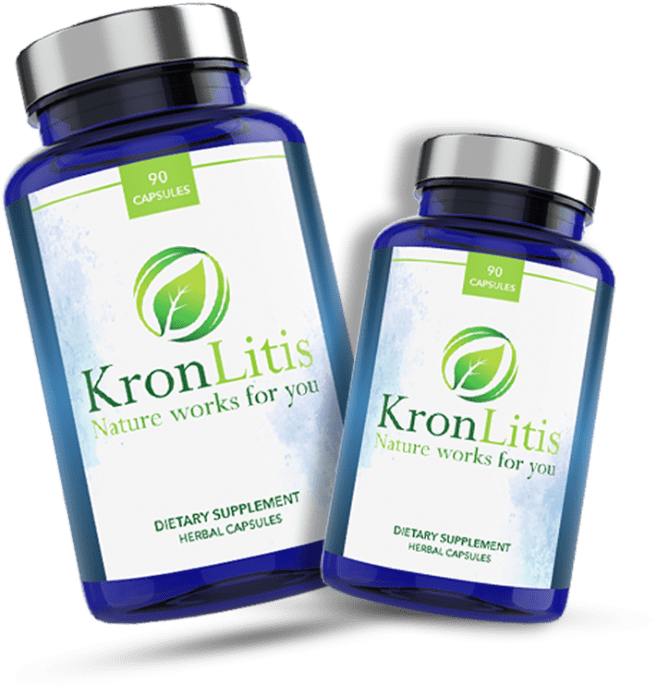
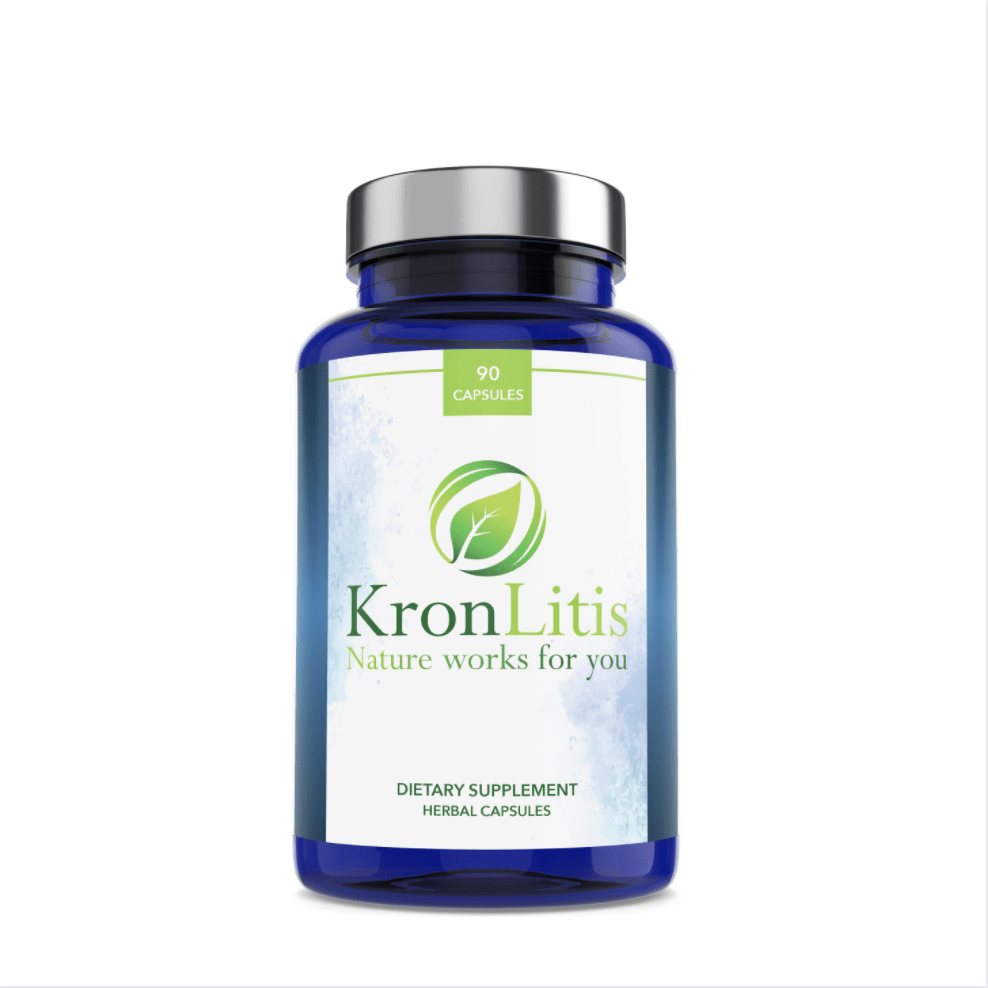
Kronlitis exemplifies this integrative philosophy, combining four herbs from Chinese medicine traditions specifically selected for their effects on colon inflammation. This formulation has helped many individuals with colitis and Crohn’s affecting the colon achieve remission and reclaim normal life. Understanding our integrative philosophy helps patients make informed decisions about combining conventional and complementary approaches.
Results vary between individuals. What works for one person may not work for another. This variability reflects the complex, multifactorial nature of Crohn’s disease itself. Patience and systematic evaluation of any approach conventional or complementary remains essential.
Key Takeaways: Understanding Crohn’s Disease Origins
Crohn’s disease emerges from the interaction of multiple factors. No single cause explains every case. Understanding this complexity empowers you to focus on factors within your control while accepting those you cannot change.
The genetic contribution is significant but not deterministic. Having risk genes doesn’t guarantee disease development. Environmental factors often determine whether genetic susceptibility transforms into clinical illness. This distinction matters because it places substantial power in your hands.
- Three-factor model: Crohn’s results from genetic, immune, and environmental factor interactions
- Genes load the gun: Over 200 genetic variants increase susceptibility but don’t guarantee disease
- Environment pulls the trigger: Smoking, diet, antibiotics, and other factors activate genetic risk
- Immune dysfunction: Loss of tolerance to gut bacteria drives chronic inflammation
- Microbiome matters: Reduced bacterial diversity contributes to disease development
- Root-cause focus: Addressing underlying factors may offer advantages beyond symptom management
The inflammatory cascade underlying Crohn’s disease involves multiple interconnected pathways. Rather than targeting single pathways, comprehensive approaches address various contributing factors simultaneously. This philosophy guides explore natural supplement options alongside lifestyle modifications for digestive wellness.
Research continues uncovering new aspects of Crohn’s disease causation. Current understanding, while incomplete, provides enough knowledge to take meaningful action. You need not wait for perfect understanding to begin addressing modifiable risk factors.
Frequently Asked Questions About Crohn’s Disease Causes
Can stress cause Crohn’s disease?
No, stress alone cannot cause Crohn’s disease. However, stress significantly impacts disease activity and can trigger flares in people already diagnosed. Studies show that stressful life events correlate with increased symptom severity and higher relapse rates. Stress management remains an important component of comprehensive Crohn’s care.
Is Crohn’s disease hereditary?
Partially genetics contribute but don’t determine outcomes. Having a first-degree relative with Crohn’s increases your risk approximately 2-5 times compared to the general population. However, most people with Crohn’s have no family history, and most people with affected relatives never develop the disease themselves. Environmental factors significantly influence whether genetic predisposition manifests.
Can diet prevent Crohn’s disease?
No diet can guarantee prevention of Crohn’s disease. However, dietary patterns influence risk. Western diets high in processed foods correlate with higher incidence, while Mediterranean-style eating patterns associate with lower risk. For those already diagnosed, identifying personal food triggers can reduce symptom flares and improve quality of life.
Do antibiotics cause Crohn’s disease?
No direct causal link exists, but associations are observed. Antibiotic use, particularly repeated courses in childhood, correlates with increased Crohn’s risk. Antibiotics disrupt gut microbiome composition, potentially creating conditions that favor disease development in susceptible individuals. However, antibiotics remain medically necessary in many situations.
Can smoking trigger Crohn’s disease?
Yes, smoking is the strongest modifiable risk factor identified. Smokers have approximately double the risk of developing Crohn’s compared to non-smokers. Smoking also worsens disease severity, increases relapse rates, and reduces treatment effectiveness. Quitting smoking remains one of the most impactful actions for reducing risk and improving outcomes.
Is Crohn’s disease an autoimmune condition?
Yes, it involves autoimmune mechanisms. Crohn’s is classified as immune-mediated inflammatory disease. The immune system mistakenly attacks digestive tissues, causing chronic inflammation. However, it differs from classic autoimmune diseases where the body produces antibodies against specific self-antigens. The immune dysfunction in Crohn’s primarily involves loss of tolerance to gut bacteria.
Understanding Crohn’s disease causes and contributing factors provides a foundation for informed decision-making. For more comprehensive information, visit our complete IBD FAQ resource.
@keyframes hoox-lf-in-hoox-f-806ff427-df05-4e37-afc7-ef3180-bottom {
from { opacity: 0; transform: translateY(8px); }
to { opacity: 1; transform: translateY(0); }
}
#hoox-f-806ff427-df05-4e37-afc7-ef3180-bottom {
width: 100%;
max-width: 100%;
box-sizing: border-box;
display: flex;
flex-direction: column;
gap: 20px;
margin: 48px 0;
padding: 32px 28px;
border-radius: 16px;
background: #ffffff;
color: #111111;
font-family: inherit;
border: 1px solid #E2E8F0;
animation: hoox-lf-in-hoox-f-806ff427-df05-4e37-afc7-ef3180-bottom 0.3s cubic-bezier(0.16, 1, 0.3, 1);
direction: inherit;
}
#hoox-f-806ff427-df05-4e37-afc7-ef3180-bottom .hoox-form-header {
display: flex;
flex-direction: column;
gap: 8px;
text-align: center;
}
#hoox-f-806ff427-df05-4e37-afc7-ef3180-bottom .hoox-form-header h2 {
margin: 0;
font-size: 1.5em;
font-weight: 700;
line-height: 1.3;
color: #111111;
border: none;
padding: 0;
}
#hoox-f-806ff427-df05-4e37-afc7-ef3180-bottom .hoox-form-header p {
margin: 0;
font-size: 1em;
line-height: 1.6;
color: #64748B;
}
#hoox-f-806ff427-df05-4e37-afc7-ef3180-bottom form[data-hx-form] {
margin: 0;
display: flex;
flex-direction: column;
gap: 14px;
}
#hoox-f-806ff427-df05-4e37-afc7-ef3180-bottom .hoox-field-wrap {
position: relative;
width: 100%;
box-sizing: border-box;
}
#hoox-f-806ff427-df05-4e37-afc7-ef3180-bottom .hoox-field-wrap input {
width: 100%;
box-sizing: border-box;
height: 44px;
padding-inline-start: 42px;
padding-inline-end: 14px;
border: 1px solid #E2E8F0;
border-radius: 10px;
font-size: 14px;
color: #111111;
font-family: inherit;
background-color: #F8FAFC;
transition: border-color 0.15s ease, box-shadow 0.15s ease, background-color 0.15s ease;
outline: none;
direction: inherit;
text-align: start;
}
#hoox-f-806ff427-df05-4e37-afc7-ef3180-bottom .hoox-field-wrap input::placeholder {
color: #94A3B8;
opacity: 1;
}
#hoox-f-806ff427-df05-4e37-afc7-ef3180-bottom .hoox-field-wrap input:focus {
background-color: #FFFFFF;
border-color: #0077B6,#00B4D8,#90E0EF;
box-shadow: 0 0 0 3px rgba(15, 23, 42, 0.08);
}
#hoox-f-806ff427-df05-4e37-afc7-ef3180-bottom .hoox-field-icon {
position: absolute;
top: 0;
bottom: 0;
inset-inline-start: 0;
width: 42px;
display: flex;
align-items: center;
justify-content: center;
pointer-events: none;
color: #94A3B8;
transition: color 0.15s ease;
}
#hoox-f-806ff427-df05-4e37-afc7-ef3180-bottom .hoox-field-wrap:focus-within .hoox-field-icon {
color: #0077B6,#00B4D8,#90E0EF;
}
#hoox-f-806ff427-df05-4e37-afc7-ef3180-bottom button[type=”submit”] {
width: 100%;
height: 44px;
margin-top: 4px;
border: none;
border-radius: 10px;
background: #0077B6,#00B4D8,#90E0EF;
color: #FFFFFF;
font-size: 14px;
font-weight: 600;
cursor: pointer;
transition: opacity 0.15s ease, transform 0.15s ease, box-shadow 0.15s ease;
box-shadow: 0 1px 2px 0 rgba(0, 0, 0, 0.05);
}
#hoox-f-806ff427-df05-4e37-afc7-ef3180-bottom button[type=”submit”]:hover {
opacity: 0.94;
}
#hoox-f-806ff427-df05-4e37-afc7-ef3180-bottom button[type=”submit”]:active {
transform: scale(0.99);
}
#hoox-f-806ff427-df05-4e37-afc7-ef3180-bottom button[type=”submit”]:disabled {
opacity: 0.6;
cursor: not-allowed;
}
#hoox-f-806ff427-df05-4e37-afc7-ef3180-bottom .hoox-disclaimer {
margin: 0;
text-align: center;
font-size: 12px;
line-height: 1.5;
color: #94A3B8;
}
#hoox-f-806ff427-df05-4e37-afc7-ef3180-bottom .hoox-disclaimer a {
color: inherit;
text-decoration: underline;
text-underline-offset: 2px;
}
#hoox-f-806ff427-df05-4e37-afc7-ef3180-bottom .hoox-disclaimer a:hover {
text-decoration: none;
}
#hoox-f-806ff427-df05-4e37-afc7-ef3180-bottom .hoox-success {
display: none;
flex-direction: column;
align-items: center;
gap: 14px;
padding: 12px 0;
position: relative;
}
#hoox-f-806ff427-df05-4e37-afc7-ef3180-bottom .hoox-confetti {
position: absolute;
inset: 0;
overflow: visible;
pointer-events: none;
}
#hoox-f-806ff427-df05-4e37-afc7-ef3180-bottom .hoox-confetti span {
position: absolute;
top: 50%;
left: 50%;
width: 7px;
height: 11px;
background: var(–hoox-c);
border-radius: 2px;
opacity: 0;
animation: hoox-confetti-burst 0.9s ease-out forwards;
animation-delay: var(–hoox-d, 0s);
}
@keyframes hoox-confetti-burst {
0% { opacity: 1; transform: translate(-50%, -50%) rotate(0deg) scale(1); }
100% { opacity: 0; transform: translate(calc(-50% + var(–hoox-tx)), calc(-50% + var(–hoox-ty))) rotate(var(–hoox-rz)) scale(0.5); }
}
#hoox-f-806ff427-df05-4e37-afc7-ef3180-bottom .hoox-success-icon {
width: 52px;
height: 52px;
border-radius: 50%;
background: #ECFDF5;
display: flex;
align-items: center;
justify-content: center;
font-size: 26px;
line-height: 1;
animation: hoox-success-pop 0.4s cubic-bezier(0.34, 1.56, 0.64, 1);
}
@keyframes hoox-success-pop {
from { opacity: 0; transform: scale(0.5); }
to { opacity: 1; transform: scale(1); }
}
#hoox-f-806ff427-df05-4e37-afc7-ef3180-bottom .hoox-success-text {
margin: 0;
text-align: center;
font-size: 15px;
font-weight: 600;
line-height: 1.5;
color: #111111;
}
#hoox-f-806ff427-df05-4e37-afc7-ef3180-bottom .hoox-disabled-state {
display: none;
flex-direction: column;
align-items: center;
gap: 14px;
padding: 12px 0;
text-align: center;
}
#hoox-f-806ff427-df05-4e37-afc7-ef3180-bottom .hoox-disabled-icon {
width: 52px;
height: 52px;
border-radius: 50%;
background: #F1F5F9;
display: flex;
align-items: center;
justify-content: center;
color: #64748B;
}
#hoox-f-806ff427-df05-4e37-afc7-ef3180-bottom .hoox-disabled-text {
margin: 0;
font-size: 14px;
line-height: 1.6;
color: #64748B;
}
#hoox-f-806ff427-df05-4e37-afc7-ef3180-bottom .hoox-disabled-text a {
color: inherit;
font-weight: 600;
text-decoration: underline;
text-underline-offset: 2px;
}
#hoox-f-806ff427-df05-4e37-afc7-ef3180-bottom .hoox-disabled-text a:hover {
text-decoration: none;
}
See What This Could Look Like For You
Takes 30 seconds
Thanks! We’ll be in touch.