
Crohn’s Disease Surgery: Timing, Outcomes & Natural Alternatives
Approximately 70-80% of Crohn’s disease patients will require surgery within their lifetime, yet recent 2026 data shows surgical rates declining as integrative approaches gain traction. Understanding when surgery becomes truly necessary versus when natural anti-inflammatory interventions can preserve bowel tissue empowers patients to make informed decisions. This guide examines the surgical landscape through both conventional and evidence-based natural lenses, offering a roadmap for those facing this critical crossroads in their IBD journey.
Quick Answer: When Crohn’s Disease Requires Surgical Intervention
Crohn’s disease surgery becomes unavoidable in specific scenarios where the disease process threatens life or causes irreversible damage. Absolute surgical indications include complete bowel obstruction that fails to resolve with medical management, intestinal perforation, and abscesses that cannot be adequately drained percutaneously. These situations demand immediate intervention regardless of disease duration or patient preferences.
The distinction between elective and emergency procedures significantly impacts outcomes. Elective surgeries allow for nutritional optimization, smoking cessation, and careful surgical planning. Emergency procedures, often performed in suboptimal conditions, carry higher complication rates and longer hospital stays. For patients reviewing common questions about IBD management, understanding this distinction helps frame conversations with gastroenterologists about optimal timing.
@keyframes hoox-lf-in-hoox-f-856fbf48-7ca9-4f0e-a3ac-99b9b5-top {
from { opacity: 0; transform: translateY(8px); }
to { opacity: 1; transform: translateY(0); }
}
#hoox-f-856fbf48-7ca9-4f0e-a3ac-99b9b5-top {
width: 100%;
max-width: 100%;
box-sizing: border-box;
display: flex;
flex-direction: column;
gap: 20px;
margin: 48px 0;
padding: 32px 28px;
border-radius: 16px;
background: #ffffff;
color: #111111;
font-family: inherit;
border: 1px solid #E2E8F0;
animation: hoox-lf-in-hoox-f-856fbf48-7ca9-4f0e-a3ac-99b9b5-top 0.3s cubic-bezier(0.16, 1, 0.3, 1);
direction: inherit;
}
#hoox-f-856fbf48-7ca9-4f0e-a3ac-99b9b5-top .hoox-form-header {
display: flex;
flex-direction: column;
gap: 8px;
text-align: center;
}
#hoox-f-856fbf48-7ca9-4f0e-a3ac-99b9b5-top .hoox-form-header h2 {
margin: 0;
font-size: 1.5em;
font-weight: 700;
line-height: 1.3;
color: #111111;
border: none;
padding: 0;
}
#hoox-f-856fbf48-7ca9-4f0e-a3ac-99b9b5-top .hoox-form-header p {
margin: 0;
font-size: 1em;
line-height: 1.6;
color: #64748B;
}
#hoox-f-856fbf48-7ca9-4f0e-a3ac-99b9b5-top form[data-hx-form] {
margin: 0;
display: flex;
flex-direction: column;
gap: 14px;
}
#hoox-f-856fbf48-7ca9-4f0e-a3ac-99b9b5-top .hoox-field-wrap {
position: relative;
width: 100%;
box-sizing: border-box;
}
#hoox-f-856fbf48-7ca9-4f0e-a3ac-99b9b5-top .hoox-field-wrap input {
width: 100%;
box-sizing: border-box;
height: 44px;
padding-inline-start: 42px;
padding-inline-end: 14px;
border: 1px solid #E2E8F0;
border-radius: 10px;
font-size: 14px;
color: #111111;
font-family: inherit;
background-color: #F8FAFC;
transition: border-color 0.15s ease, box-shadow 0.15s ease, background-color 0.15s ease;
outline: none;
direction: inherit;
text-align: start;
}
#hoox-f-856fbf48-7ca9-4f0e-a3ac-99b9b5-top .hoox-field-wrap input::placeholder {
color: #94A3B8;
opacity: 1;
}
#hoox-f-856fbf48-7ca9-4f0e-a3ac-99b9b5-top .hoox-field-wrap input:focus {
background-color: #FFFFFF;
border-color: #0077B6,#00B4D8,#90E0EF;
box-shadow: 0 0 0 3px rgba(15, 23, 42, 0.08);
}
#hoox-f-856fbf48-7ca9-4f0e-a3ac-99b9b5-top .hoox-field-icon {
position: absolute;
top: 0;
bottom: 0;
inset-inline-start: 0;
width: 42px;
display: flex;
align-items: center;
justify-content: center;
pointer-events: none;
color: #94A3B8;
transition: color 0.15s ease;
}
#hoox-f-856fbf48-7ca9-4f0e-a3ac-99b9b5-top .hoox-field-wrap:focus-within .hoox-field-icon {
color: #0077B6,#00B4D8,#90E0EF;
}
#hoox-f-856fbf48-7ca9-4f0e-a3ac-99b9b5-top button[type=”submit”] {
width: 100%;
height: 44px;
margin-top: 4px;
border: none;
border-radius: 10px;
background: #0077B6,#00B4D8,#90E0EF;
color: #FFFFFF;
font-size: 14px;
font-weight: 600;
cursor: pointer;
transition: opacity 0.15s ease, transform 0.15s ease, box-shadow 0.15s ease;
box-shadow: 0 1px 2px 0 rgba(0, 0, 0, 0.05);
}
#hoox-f-856fbf48-7ca9-4f0e-a3ac-99b9b5-top button[type=”submit”]:hover {
opacity: 0.94;
}
#hoox-f-856fbf48-7ca9-4f0e-a3ac-99b9b5-top button[type=”submit”]:active {
transform: scale(0.99);
}
#hoox-f-856fbf48-7ca9-4f0e-a3ac-99b9b5-top button[type=”submit”]:disabled {
opacity: 0.6;
cursor: not-allowed;
}
#hoox-f-856fbf48-7ca9-4f0e-a3ac-99b9b5-top .hoox-disclaimer {
margin: 0;
text-align: center;
font-size: 12px;
line-height: 1.5;
color: #94A3B8;
}
#hoox-f-856fbf48-7ca9-4f0e-a3ac-99b9b5-top .hoox-disclaimer a {
color: inherit;
text-decoration: underline;
text-underline-offset: 2px;
}
#hoox-f-856fbf48-7ca9-4f0e-a3ac-99b9b5-top .hoox-disclaimer a:hover {
text-decoration: none;
}
#hoox-f-856fbf48-7ca9-4f0e-a3ac-99b9b5-top .hoox-success {
display: none;
flex-direction: column;
align-items: center;
gap: 14px;
padding: 12px 0;
position: relative;
}
#hoox-f-856fbf48-7ca9-4f0e-a3ac-99b9b5-top .hoox-confetti {
position: absolute;
inset: 0;
overflow: visible;
pointer-events: none;
}
#hoox-f-856fbf48-7ca9-4f0e-a3ac-99b9b5-top .hoox-confetti span {
position: absolute;
top: 50%;
left: 50%;
width: 7px;
height: 11px;
background: var(–hoox-c);
border-radius: 2px;
opacity: 0;
animation: hoox-confetti-burst 0.9s ease-out forwards;
animation-delay: var(–hoox-d, 0s);
}
@keyframes hoox-confetti-burst {
0% { opacity: 1; transform: translate(-50%, -50%) rotate(0deg) scale(1); }
100% { opacity: 0; transform: translate(calc(-50% + var(–hoox-tx)), calc(-50% + var(–hoox-ty))) rotate(var(–hoox-rz)) scale(0.5); }
}
#hoox-f-856fbf48-7ca9-4f0e-a3ac-99b9b5-top .hoox-success-icon {
width: 52px;
height: 52px;
border-radius: 50%;
background: #ECFDF5;
display: flex;
align-items: center;
justify-content: center;
font-size: 26px;
line-height: 1;
animation: hoox-success-pop 0.4s cubic-bezier(0.34, 1.56, 0.64, 1);
}
@keyframes hoox-success-pop {
from { opacity: 0; transform: scale(0.5); }
to { opacity: 1; transform: scale(1); }
}
#hoox-f-856fbf48-7ca9-4f0e-a3ac-99b9b5-top .hoox-success-text {
margin: 0;
text-align: center;
font-size: 15px;
font-weight: 600;
line-height: 1.5;
color: #111111;
}
#hoox-f-856fbf48-7ca9-4f0e-a3ac-99b9b5-top .hoox-disabled-state {
display: none;
flex-direction: column;
align-items: center;
gap: 14px;
padding: 12px 0;
text-align: center;
}
#hoox-f-856fbf48-7ca9-4f0e-a3ac-99b9b5-top .hoox-disabled-icon {
width: 52px;
height: 52px;
border-radius: 50%;
background: #F1F5F9;
display: flex;
align-items: center;
justify-content: center;
color: #64748B;
}
#hoox-f-856fbf48-7ca9-4f0e-a3ac-99b9b5-top .hoox-disabled-text {
margin: 0;
font-size: 14px;
line-height: 1.6;
color: #64748B;
}
#hoox-f-856fbf48-7ca9-4f0e-a3ac-99b9b5-top .hoox-disabled-text a {
color: inherit;
font-weight: 600;
text-decoration: underline;
text-underline-offset: 2px;
}
#hoox-f-856fbf48-7ca9-4f0e-a3ac-99b9b5-top .hoox-disabled-text a:hover {
text-decoration: none;
}
See What This Could Look Like For You
Takes 30 seconds
Thanks! We’ll be in touch.
According to Nih, the risk of major abdominal surgery significantly decreased between earlier and more recent patient cohorts, suggesting that improved medical therapies and earlier intervention strategies are preserving bowel integrity for longer periods. This represents a meaningful shift in the treatment landscape for inflammatory bowel disease.
Patients should understand that surgery for Crohn’s disease is rarely curative. The disease frequently recurs, often at the surgical anastomosis site. Approximately 40% of patients require repeat surgery within 10 years of their first procedure, making post-operative management as critical as the surgery itself.
| Criteria | Emergency Surgery | Elective Surgery |
|---|---|---|
| Timing | Within 24-48 hours | Scheduled weeks in advance |
| Indications | Perforation, toxic megacolon, uncontrolled hemorrhage | Stricture, fistula, medication-refractory disease |
| Bowel Preparation | Often not possible | Full prep protocol |
| Nutritional Status | May be compromised | Optimized pre-operatively |
| Complication Rate | Higher (15-25%) | Lower (5-15%) |
| Recovery Time | Extended (6-12 weeks) | Shorter (4-8 weeks) |
The Four Primary Surgical Procedures for Crohn’s Disease [2026 Standards]
Surgical intervention for Crohn’s disease has evolved significantly over the past two decades. Modern approaches prioritize bowel conservation, minimizing the amount of intestine removed while addressing the specific complication. The four primary procedures each address distinct disease manifestations, and understanding these options helps patients engage meaningfully in surgical consultations.
Bowel resection remains the most common surgical intervention for Crohn’s disease, involving removal of the diseased segment and reconnection of healthy tissue. The ileocecal resection removal of the terminal ileum and cecum is performed most frequently given the predilection of Crohn’s disease for this anatomical region. Surgical technique has shifted toward laparoscopic approaches whenever feasible, reducing recovery time and post-operative adhesions.
- Bowel Resection: 4-6 weeks recovery (laparoscopic), 6-8 weeks (open procedure). Most common surgery for Crohn’s complications.
- Strictureplasty: 3-5 weeks recovery. Preserves bowel length by widening narrowed segments without resection.
- Abscess Drainage: 1-3 weeks recovery. Often performed percutaneously; surgical drainage reserved for complex cases.
- Fistula Repair: 4-8 weeks recovery depending on complexity. May involve seton placement, advancement flap, or resection.
Strictureplasty represents a bowel-sparing technique particularly valuable for patients with extensive small bowel involvement or those at risk for short bowel syndrome. By creating a longitudinal incision and closing it transversely, surgeons can widen strictured areas without removing functional intestine. This approach has transformed surgical philosophy, emphasizing preservation over resection whenever anatomically possible.
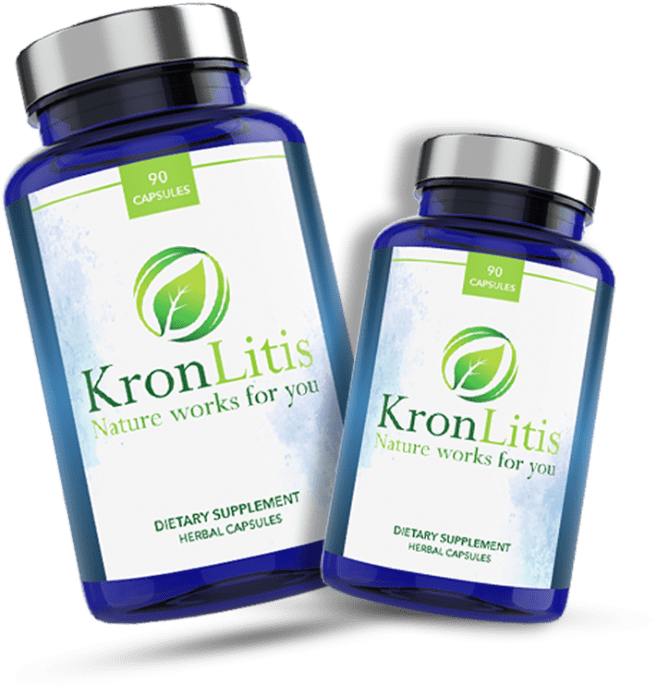
Patients exploring natural IBD treatment options often wish to understand how these surgical approaches interact with integrative care strategies. The reality is that surgical intervention and natural anti-inflammatory protocols can work synergistically surgery addresses acute mechanical problems while ongoing natural support helps maintain remission and reduce recurrence risk.
Early Surgery vs Conservative Management: The LIR!C Trial Findings
The traditional approach to Crohn’s disease management escalating through medications before considering surgery has faced increasing scrutiny. The LIR!C trial (Laparoscopic Ileocecal Resection versus Infliximab) fundamentally challenged this paradigm by comparing early surgical intervention directly with biologic therapy for limited ileocecal Crohn’s disease.
Results demonstrated that early laparoscopic ileocecal resection provided comparable quality of life outcomes to anti-TNF therapy, with lower overall treatment costs and fewer ongoing medication requirements. Patients in the surgical arm achieved durable remission without the immunosuppressive burden of long-term biologic therapy. According to Mdpi, early surgery can provide durable remission rates comparable to medical therapy, suggesting that surgical intervention should be considered earlier in the treatment algorithm rather than reserved as a last resort.
This represents a philosophical shift in how both patients and physicians conceptualize surgical intervention. Surgery isn’t failure it’s strategic timing. For patients with limited, localized disease affecting the terminal ileum, early resection may actually represent the most conservative approach when measured against decades of immunosuppressive medication.

The implications for patient decision-making are substantial. Those reviewing patient experiences with treatment outcomes often report that earlier surgical consultation rather than waiting until medication options were exhausted led to better outcomes and faster return to normal life. The psychological reframing of surgery from “last resort” to “strategic option” empowers patients to make choices aligned with their values and life circumstances.
Post-Surgical Recurrence: Why 60% See Endoscopic Inflammation Within One Year
The sobering reality of Crohn’s disease surgery is that the disease process continues even after diseased bowel is removed. Endoscopic recurrence visible inflammation at the surgical anastomosis develops in approximately 60% of patients within the first year post-operatively. Clinical recurrence, meaning symptoms return, follows in approximately 30% of patients by year one, rising significantly over subsequent years.
Distinguishing between endoscopic and clinical recurrence proves essential for post-operative management. Endoscopic recurrence precedes clinical symptoms, offering a window for intervention before patients experience symptomatic relapse. This is why post-operative colonoscopy at 6-12 months has become standard of care it allows early detection and treatment adjustment.
| Time Post-Surgery | Endoscopic Recurrence Rate | Clinical Recurrence Rate | Re-operation Rate |
|---|---|---|---|
| 1 Year | 60-70% | 20-30% | 2-5% |
| 5 Years | 75-85% | 40-50% | 15-25% |
| 10 Years | 85-95% | 55-65% | 30-40% |
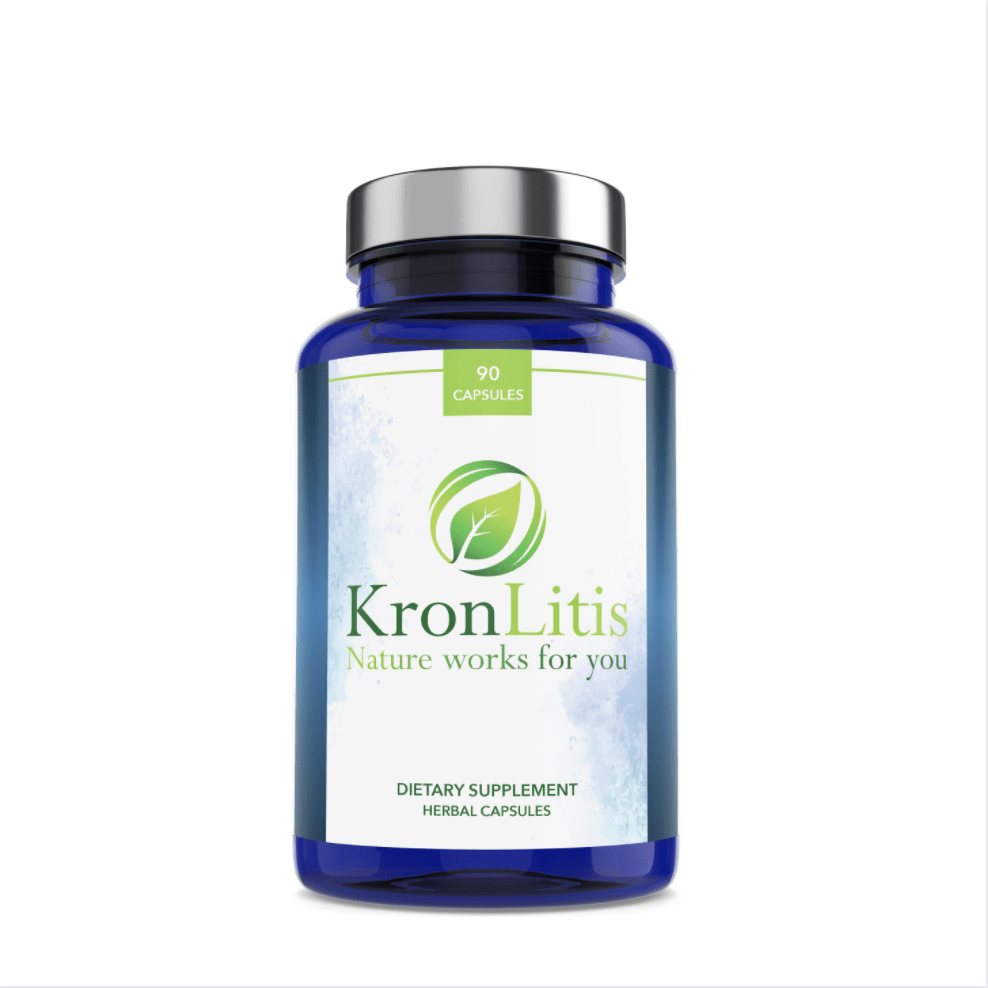
Preventive maintenance strategies have emerged as critical for post-surgical success. These include immediate post-operative medication (often biologics or immunomodulators), smoking cessation which dramatically increases recurrence risk and emerging evidence supporting natural anti-inflammatory protocols. Our research into long-term IBD management suggests that addressing inflammation through multiple pathways, both pharmaceutical and natural, offers the best protection against recurrence.
How Natural Anti-Inflammatory Protocols Reduce Surgical Risk
The question many patients ask is whether natural interventions can actually reduce the likelihood of requiring surgery. While no natural protocol can guarantee surgical avoidance, evidence suggests that targeted natural anti-inflammatory approaches may help extend periods of remission and potentially reduce disease progression.
Certain herbal compounds demonstrate TNF-alpha blocking mechanisms similar to pharmaceutical biologics, though typically with gentler effect profiles. These natural compounds work by modulating inflammatory cascades central to Crohn’s disease pathophysiology. For patients with colonic Crohn’s disease specifically, our four-herb formulation for colonic Crohn’s targets the inflammatory processes most relevant to this disease location.
The advantage of natural anti-inflammatory protocols lies in their safety profile and compatibility with conventional treatments. Unlike immunosuppressive medications that carry risks of serious infection and require regular monitoring, natural anti-inflammatory herbs generally offer favorable safety profiles while still addressing the underlying inflammatory drivers of disease.
Patients with ulcerative colitis and colon-based Crohn’s disease may find particular benefit from these approaches, as the herbs formulate specifically for the colonic environment where inflammation concentrates. When used alongside medical oversight, natural protocols can serve as complementary tools for maintaining remission and potentially extending time between disease flares periods when surgical risk increases most significantly.
Pre-Surgical Optimization: Preparing Your Body When Surgery Is Unavoidable
When surgery becomes necessary, pre-surgical optimization significantly impacts outcomes. Patients who enter surgery malnourished, anemic, or on high-dose steroids face higher complication rates, longer hospital stays, and slower recovery. Strategic preparation in the weeks before scheduled procedures can meaningfully improve surgical outcomes.
Nutritional status represents perhaps the most modifiable risk factor. Crohn’s disease patients frequently present with protein-calorie malnutrition, vitamin deficiencies, and anemia all of which impair wound healing and immune function. Nutritional optimization through liquid supplements, vitamin repletion, and sometimes pre-operative enteral nutrition can dramatically improve surgical readiness.
- Complete nutritional assessment: Evaluate albumin, prealbumin, and vitamin levels (especially D, B12, iron) 4-6 weeks pre-operatively.
- Address anemia proactively: Iron infusions or transfusions may be necessary before surgery to optimize oxygen-carrying capacity.
- Immunosuppressant timing: Work with gastroenterologist to adjust biologic timing around surgery; stopping too early risks flare, continuing may impair wound healing.
- Smoking cessation: Absolutely essential smoking doubles post-operative complication risk and dramatically increases recurrence.
- Mental health preparation: Anxiety and depression impair recovery; consider counseling or support resources before and after surgery.
- Bowel preparation: Follow surgeon instructions carefully; adequate prep reduces anastomotic complications.
The weeks before surgery also present an opportunity to explore natural support options that may support post-operative healing. Certain herbs and nutrients can assist with tissue repair and inflammation modulation during recovery, though timing and compatibility with medications require careful consideration.
Key Takeaways: Making Surgical Decisions With Confidence
Navigating surgical decisions for Crohn’s disease requires balancing multiple factors: current disease severity, quality of life impact, medication history, and personal values around risk tolerance. The decision should never feel rushed or made in crisis mode when elective planning is possible.
- Surgery is common but not universal: 70-80% lifetime surgical rate means many patients avoid surgery entirely with effective disease management.
- Early surgical consultation empowers choice: Understanding surgical options before emergency strikes allows strategic rather than reactive decisions.
- Bowel preservation is modern standard: Strictureplasty and limited resection prioritize conserving functional intestine.
- Post-surgical recurrence is likely: Plan for maintenance strategies immediately after surgery, not only when symptoms return.
- Natural protocols offer complementary support: Anti-inflammatory herbs may help extend remission and reduce inflammation burden alongside conventional care.
- Optimization improves outcomes: Nutritional status, smoking cessation, and mental preparation significantly impact surgical success.
The most important principle is personalized decision-making. What works for one patient may not suit another. comprehensive digestive health resources can provide additional context, but the final decision should reflect individual circumstances, disease characteristics, and life priorities. Surgery need not be feared when appropriately timed and properly prepared for, it can restore quality of life that chronic disease has stolen.
Frequently Asked Questions About Crohn’s Disease Surgery
How long does recovery take after Crohn’s disease surgery?
Recovery typically takes 4-8 weeks for uncomplicated procedures. Laparoscopic approaches generally allow faster return to normal activities, with many patients resuming work within 3-4 weeks. Open procedures or emergency surgeries require 6-12 weeks for full recovery. Full intestinal adaptation, especially after extensive resection, may continue for 6-12 months as the digestive system adjusts.
Will I have dietary restrictions after bowel resection?
Yes, temporary dietary modifications are standard post-operatively. Most surgeons recommend a low-residue diet for 2-6 weeks after surgery to protect the healing anastomosis. Patients with significant small bowel resection may require ongoing adjustments, vitamin B12 supplementation, and monitoring for nutritional deficiencies. Long-term, most patients return to a reasonably normal diet with individualized modifications.
Can natural remedies prevent the need for surgery?
Natural remedies may help extend remission but cannot guarantee surgical avoidance. Anti-inflammatory herbal protocols can support gut health and potentially reduce inflammation, which may delay disease progression in some patients. However, once structural damage occurs strictures, fistulas, perforation no natural intervention can reverse these mechanical problems. Natural approaches work best as part of comprehensive disease management.
What is the success rate for Crohn’s disease surgery?
Surgery successfully addresses the acute problem in over 90% of cases. Symptom relief is typically immediate and significant. However, success must be measured differently than cure surgery manages complications but does not eliminate disease. The goal is restoring quality of life and preserving bowel function while planning for long-term recurrence prevention.
Is laparoscopic surgery better than open surgery for Crohn’s disease?
Laparoscopic surgery offers advantages when technically feasible. Benefits include smaller incisions, reduced post-operative pain, shorter hospital stays, and decreased adhesion formation. However, complex disease, previous surgeries, or emergency presentations may necessitate open approaches. Surgeon expertise with Crohn’s disease specifically matters more than the technique itself.
Does insurance cover Crohn’s disease surgery?
Yes, medically necessary Crohn’s surgery is covered by insurance. Both Medicare and private insurance cover bowel resection and related procedures for documented Crohn’s disease complications. Coverage specifics vary by plan, and pre-authorization may be required for elective procedures. Patients should verify network status of all involved surgeons and facilities before scheduled procedures to minimize unexpected costs.
For additional IBD questions answered, patients can explore more detailed resources addressing specific concerns about treatment pathways, natural interventions, and surgical decision-making frameworks.
@keyframes hoox-lf-in-hoox-f-856fbf48-7ca9-4f0e-a3ac-99b9b5-bottom {
from { opacity: 0; transform: translateY(8px); }
to { opacity: 1; transform: translateY(0); }
}
#hoox-f-856fbf48-7ca9-4f0e-a3ac-99b9b5-bottom {
width: 100%;
max-width: 100%;
box-sizing: border-box;
display: flex;
flex-direction: column;
gap: 20px;
margin: 48px 0;
padding: 32px 28px;
border-radius: 16px;
background: #ffffff;
color: #111111;
font-family: inherit;
border: 1px solid #E2E8F0;
animation: hoox-lf-in-hoox-f-856fbf48-7ca9-4f0e-a3ac-99b9b5-bottom 0.3s cubic-bezier(0.16, 1, 0.3, 1);
direction: inherit;
}
#hoox-f-856fbf48-7ca9-4f0e-a3ac-99b9b5-bottom .hoox-form-header {
display: flex;
flex-direction: column;
gap: 8px;
text-align: center;
}
#hoox-f-856fbf48-7ca9-4f0e-a3ac-99b9b5-bottom .hoox-form-header h2 {
margin: 0;
font-size: 1.5em;
font-weight: 700;
line-height: 1.3;
color: #111111;
border: none;
padding: 0;
}
#hoox-f-856fbf48-7ca9-4f0e-a3ac-99b9b5-bottom .hoox-form-header p {
margin: 0;
font-size: 1em;
line-height: 1.6;
color: #64748B;
}
#hoox-f-856fbf48-7ca9-4f0e-a3ac-99b9b5-bottom form[data-hx-form] {
margin: 0;
display: flex;
flex-direction: column;
gap: 14px;
}
#hoox-f-856fbf48-7ca9-4f0e-a3ac-99b9b5-bottom .hoox-field-wrap {
position: relative;
width: 100%;
box-sizing: border-box;
}
#hoox-f-856fbf48-7ca9-4f0e-a3ac-99b9b5-bottom .hoox-field-wrap input {
width: 100%;
box-sizing: border-box;
height: 44px;
padding-inline-start: 42px;
padding-inline-end: 14px;
border: 1px solid #E2E8F0;
border-radius: 10px;
font-size: 14px;
color: #111111;
font-family: inherit;
background-color: #F8FAFC;
transition: border-color 0.15s ease, box-shadow 0.15s ease, background-color 0.15s ease;
outline: none;
direction: inherit;
text-align: start;
}
#hoox-f-856fbf48-7ca9-4f0e-a3ac-99b9b5-bottom .hoox-field-wrap input::placeholder {
color: #94A3B8;
opacity: 1;
}
#hoox-f-856fbf48-7ca9-4f0e-a3ac-99b9b5-bottom .hoox-field-wrap input:focus {
background-color: #FFFFFF;
border-color: #0077B6,#00B4D8,#90E0EF;
box-shadow: 0 0 0 3px rgba(15, 23, 42, 0.08);
}
#hoox-f-856fbf48-7ca9-4f0e-a3ac-99b9b5-bottom .hoox-field-icon {
position: absolute;
top: 0;
bottom: 0;
inset-inline-start: 0;
width: 42px;
display: flex;
align-items: center;
justify-content: center;
pointer-events: none;
color: #94A3B8;
transition: color 0.15s ease;
}
#hoox-f-856fbf48-7ca9-4f0e-a3ac-99b9b5-bottom .hoox-field-wrap:focus-within .hoox-field-icon {
color: #0077B6,#00B4D8,#90E0EF;
}
#hoox-f-856fbf48-7ca9-4f0e-a3ac-99b9b5-bottom button[type=”submit”] {
width: 100%;
height: 44px;
margin-top: 4px;
border: none;
border-radius: 10px;
background: #0077B6,#00B4D8,#90E0EF;
color: #FFFFFF;
font-size: 14px;
font-weight: 600;
cursor: pointer;
transition: opacity 0.15s ease, transform 0.15s ease, box-shadow 0.15s ease;
box-shadow: 0 1px 2px 0 rgba(0, 0, 0, 0.05);
}
#hoox-f-856fbf48-7ca9-4f0e-a3ac-99b9b5-bottom button[type=”submit”]:hover {
opacity: 0.94;
}
#hoox-f-856fbf48-7ca9-4f0e-a3ac-99b9b5-bottom button[type=”submit”]:active {
transform: scale(0.99);
}
#hoox-f-856fbf48-7ca9-4f0e-a3ac-99b9b5-bottom button[type=”submit”]:disabled {
opacity: 0.6;
cursor: not-allowed;
}
#hoox-f-856fbf48-7ca9-4f0e-a3ac-99b9b5-bottom .hoox-disclaimer {
margin: 0;
text-align: center;
font-size: 12px;
line-height: 1.5;
color: #94A3B8;
}
#hoox-f-856fbf48-7ca9-4f0e-a3ac-99b9b5-bottom .hoox-disclaimer a {
color: inherit;
text-decoration: underline;
text-underline-offset: 2px;
}
#hoox-f-856fbf48-7ca9-4f0e-a3ac-99b9b5-bottom .hoox-disclaimer a:hover {
text-decoration: none;
}
#hoox-f-856fbf48-7ca9-4f0e-a3ac-99b9b5-bottom .hoox-success {
display: none;
flex-direction: column;
align-items: center;
gap: 14px;
padding: 12px 0;
position: relative;
}
#hoox-f-856fbf48-7ca9-4f0e-a3ac-99b9b5-bottom .hoox-confetti {
position: absolute;
inset: 0;
overflow: visible;
pointer-events: none;
}
#hoox-f-856fbf48-7ca9-4f0e-a3ac-99b9b5-bottom .hoox-confetti span {
position: absolute;
top: 50%;
left: 50%;
width: 7px;
height: 11px;
background: var(–hoox-c);
border-radius: 2px;
opacity: 0;
animation: hoox-confetti-burst 0.9s ease-out forwards;
animation-delay: var(–hoox-d, 0s);
}
@keyframes hoox-confetti-burst {
0% { opacity: 1; transform: translate(-50%, -50%) rotate(0deg) scale(1); }
100% { opacity: 0; transform: translate(calc(-50% + var(–hoox-tx)), calc(-50% + var(–hoox-ty))) rotate(var(–hoox-rz)) scale(0.5); }
}
#hoox-f-856fbf48-7ca9-4f0e-a3ac-99b9b5-bottom .hoox-success-icon {
width: 52px;
height: 52px;
border-radius: 50%;
background: #ECFDF5;
display: flex;
align-items: center;
justify-content: center;
font-size: 26px;
line-height: 1;
animation: hoox-success-pop 0.4s cubic-bezier(0.34, 1.56, 0.64, 1);
}
@keyframes hoox-success-pop {
from { opacity: 0; transform: scale(0.5); }
to { opacity: 1; transform: scale(1); }
}
#hoox-f-856fbf48-7ca9-4f0e-a3ac-99b9b5-bottom .hoox-success-text {
margin: 0;
text-align: center;
font-size: 15px;
font-weight: 600;
line-height: 1.5;
color: #111111;
}
#hoox-f-856fbf48-7ca9-4f0e-a3ac-99b9b5-bottom .hoox-disabled-state {
display: none;
flex-direction: column;
align-items: center;
gap: 14px;
padding: 12px 0;
text-align: center;
}
#hoox-f-856fbf48-7ca9-4f0e-a3ac-99b9b5-bottom .hoox-disabled-icon {
width: 52px;
height: 52px;
border-radius: 50%;
background: #F1F5F9;
display: flex;
align-items: center;
justify-content: center;
color: #64748B;
}
#hoox-f-856fbf48-7ca9-4f0e-a3ac-99b9b5-bottom .hoox-disabled-text {
margin: 0;
font-size: 14px;
line-height: 1.6;
color: #64748B;
}
#hoox-f-856fbf48-7ca9-4f0e-a3ac-99b9b5-bottom .hoox-disabled-text a {
color: inherit;
font-weight: 600;
text-decoration: underline;
text-underline-offset: 2px;
}
#hoox-f-856fbf48-7ca9-4f0e-a3ac-99b9b5-bottom .hoox-disabled-text a:hover {
text-decoration: none;
}
See What This Could Look Like For You
Takes 30 seconds
Thanks! We’ll be in touch.