

Flare Ups Crohn’s Disease: What Triggers Them and How to Respond
Crohn’s disease flare-ups transform daily life into a relentless cycle of bathroom trips, debilitating pain, and social isolation. These inflammatory episodes occur when your immune system aggressively attacks digestive tissue, creating symptoms that conventional medications often fail to control. Understanding the biochemical triggers from dietary proteins to stress-induced cytokine storms empowers you to interrupt the inflammation cascade before it confines you to your home. In 2026, integrative approaches combining targeted herbal TNF-α blockers with lifestyle modifications are delivering remission rates that patients once thought impossible.
Why Your Immune System Launches Inflammatory Attacks Against Your Colon
When you have Crohn’s disease, your immune system misidentifies harmless gut bacteria, food proteins, and even your own intestinal tissue as threats. This malfunction triggers an abnormal inflammatory response that damages your colon lining. The process involves complex immune cells called T-cells and pro-inflammatory cytokines, particularly tumor necrosis factor-alpha (TNF-α), which amplify inflammation throughout your digestive tract.
In a healthy gut, inflammation occurs briefly to fight actual infections, then subsides. But with Crohn’s, that inflammatory switch gets stuck in the “on” position. The resulting chronic inflammation creates ulcers, tissue thickening, and narrowing of the intestinal walls. This leads to the bleeding, cramping, and urgent diarrhea that characterize IBD inflammation episodes.
Conventional treatments typically target this immune response with corticosteroids or biologic drugs that block TNF-α. However, many patients find these medications lose effectiveness over time or come with significant side effects. Natural alternatives, including specific Chinese medicinal herbs, have emerged as powerful options for modulating immune responses without suppressing the entire immune system. You can learn more about understanding IBD autoimmune responses and how targeted interventions work.
| Factor | Healthy Digestive System | Crohn’s-Affected Tissue |
|---|---|---|
| Immune Activity | Responds only to actual pathogens | Attacks harmless bacteria and tissue |
| Inflammation Duration | Temporary, resolves after threat passes | Chronic, persists without intervention |
| TNF-α Levels | Regulated, spikes only when needed | Consistently elevated, drives tissue damage |
| Intestinal Barrier | Intact, absorbs nutrients efficiently | Compromised, leads to bleeding and malabsorption |
| Gut Microbiome | Diverse, balanced bacterial populations | Dysbiotic, reduced beneficial bacteria |
This autoimmune gut flare-up mechanism explains why symptoms often appear without warning. Your immune system remains on high alert, ready to launch an attack at the slightest provocation. The good news? Understanding this process gives you power over it. Targeted herbal formulations can help regulate TNF-α production, potentially reducing inflammation intensity and frequency.

The 7 Most Common Triggers That Activate Crohn’s Flare-Ups [2026 Data]
Identifying your personal triggers represents one of the most powerful steps in managing Crohn’s disease exacerbation. While every patient responds differently, clinical data from 2026 points to seven consistent factors that ignite inflammatory bowel flare episodes. Recognizing these triggers helps you avoid them or minimize their impact on your digestive system.
Research consistently shows that environmental factors play a substantial role in triggering flares. A comprehensive review of patient data indicates that stress and dietary choices rank as primary contributors to symptom escalation. When you understand what prompts your colon inflammation attacks, you gain control over your condition rather than letting it control you.
- Psychological Stress: Stress hormones directly increase intestinal permeability and trigger inflammatory cytokine release, creating immediate digestive inflammation crisis conditions.
- Dietary Triggers: Processed foods, refined sugars, dairy products, and gluten provoke immune responses in susceptible individuals, worsening Crohn’s flare triggers.
- NSAID Use: Non-steroidal anti-inflammatory drugs like ibuprofen damage the intestinal lining, potentially triggering flares within hours of consumption.
- Antibiotic Courses: These medications disrupt gut microbiome balance, reducing protective bacteria and allowing harmful strains to proliferate.
- Sleep Disruption: Poor sleep quality increases inflammatory markers and weakens immune regulation, making flares more likely.
- Intestinal Infections: Bacterial, viral, or parasitic infections activate immune responses that can spiral into full IBD inflammation episodes.
- Medication Gaps: Missing doses of maintenance medications or suddenly stopping treatments creates rebound inflammation.
Each of these factors creates conditions for autoimmune gut flare-ups by either directly irritating intestinal tissue or altering immune function. The most effective Crohn’s remission strategies involve systematic identification and elimination of your specific triggers. Natural anti-inflammatory support can help buffer your system against unavoidable exposures. Learn more about natural anti-inflammatory support options that complement trigger avoidance.
Early Warning Signs Your Body Sends Before a Major Flare
Your body often signals impending trouble days or weeks before a full Crohn’s disease exacerbation occurs. Learning to read these subtle warnings gives you precious time to intervene. Many patients report recognizing patterns only in hindsight, but proactive monitoring helps you catch flares in their earliest, most treatable stages.
Increased bowel movement frequency often serves as the first measurable sign. If you normally have two or three movements daily and suddenly find yourself going five or six times, pay attention. This shift typically precedes visible inflammation markers by several days. Fatigue that sleep cannot fix, unexplained mood changes, and appetite suppression also signal mounting digestive inflammation crisis conditions.
| Warning Sign | Typical Timeline Before Flare | Recommended Action |
|---|---|---|
| Increased bowel frequency | 3-7 days before | Begin food journal, increase hydration, reduce stress |
| Unusual fatigue | 1-2 weeks before | Prioritize sleep, evaluate nutrient intake |
| Mild abdominal cramping | 2-5 days before | Start anti-inflammatory protocol, avoid trigger foods |
| Appetite changes | 1 week before | Stick to simple, easily digestible foods |
| Joint aches or skin changes | 1-2 weeks before | Recognize systemic inflammation, consult healthcare provider |
Acting on these warning signs can prevent minor symptoms from becoming major IBD inflammation episodes. The window for intervention may be narrow, but responding quickly with appropriate measures, including herbal solutions for IBD management, often reduces flare severity and duration. You can explore herbal solutions for IBD management to prepare yourself for these critical moments.
Quick Answer: How Long Do Crohn’s Flare-Ups Typically Last?
- Untreated flares can persist for weeks or months without intervention.
- Mild flares often resolve within a few weeks with proper care.
- Severe inflammatory episodes may last months without effective treatment.
- Integrative approaches can reduce flare duration significantly compared to conventional methods alone.
- Early intervention shortens flare duration considerably.
- Remission timelines vary based on treatment approach and individual factors.
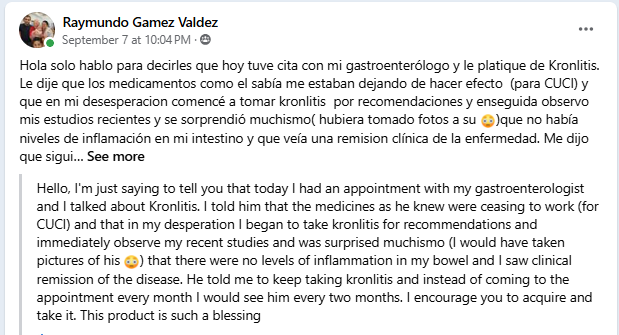
With appropriate intervention, many patients achieve symptom relief within days to weeks. Natural approaches targeting TNF-α have shown promising results in accelerating remission timelines. You can read real patient remission experiences to understand what others have achieved.
How to Stop Inflammation Escalation: A Step-by-Step Protocol
When you feel a flare beginning, taking immediate action can prevent a minor episode from becoming a debilitating event. This protocol combines dietary modifications, herbal interventions, and lifestyle adjustments to interrupt the inflammation cascade. The goal is rapid immune modulation before damage escalates.
Timing matters enormously. The earlier you begin these interventions, the more effective they become. Many patients find that starting within hours of recognizing symptoms dramatically reduces flare intensity. Here is a practical approach to stopping autoimmune gut flare-ups before they confine you to your home.
- Eliminate trigger foods immediately: Remove dairy, gluten, processed sugars, alcohol, and high-fiber foods. Switch to easily digestible options like bone broth, well-cooked rice, and steamed vegetables.
- Begin herbal TNF-α modulation: Start a four-herb formulation designed to block inflammatory cytokines naturally. These Chinese medicinal herbs target the same pathways as biologics but without systemic immune suppression.
- Prioritize aggressive hydration: Inflammation causes fluid loss through diarrhea. Drink electrolyte-rich fluids continuously to prevent dehydration and maintain cellular function.
- Implement stress reduction techniques: Practice deep breathing, meditation, or gentle movement. Stress hormones directly fuel colon inflammation attacks, so calming your nervous system provides measurable benefit.
- Optimize sleep quality: Aim for 8-10 hours of quality sleep. Your body repairs intestinal tissue primarily during rest periods.
- Monitor symptoms closely: Track bowel frequency, pain levels, and blood presence. This data helps you determine if escalation care is needed.
- Reduce physical activity intensity: Gentle walking is fine, but avoid strenuous exercise that diverts blood flow from your digestive system.
- Consider temporary meal spacing: Some patients benefit from intermittent fasting windows, allowing the gut time to rest between meals.
This protocol addresses multiple aspects of Crohn’s flare triggers simultaneously. The combination of rapid trigger elimination and active inflammation suppression gives your body the best chance for quick recovery. To start your remission protocol, ensure you have supplies ready before you need them.

Why Chinese Medicinal Herbs Outperform Standard Treatments for Colon-Based Crohn’s
Standard treatments for Crohn’s disease exacerbation typically involve corticosteroids, immunomodulators, or biologic drugs. While these medications help many patients, they often come with significant drawbacks. Steroids cause weight gain, mood changes, and bone loss with prolonged use. Biologics require injections, cost thousands monthly, and increase infection risk by suppressing immune function.
Chinese medicinal herbs offer a different approach. Instead of broadly suppressing immunity, specific herbal formulations selectively modulate TNF-α and other inflammatory cytokines. This targeted action reduces colon inflammation attacks while preserving immune function elsewhere in your body. The result is remission with fewer side effects and dramatically lower cost.
A four-herb formulation containing just two active ingredients has demonstrated remarkable effectiveness for colon-based Crohn’s. Users report faster onset of relief, more complete remission of symptoms, and significantly lower costs compared to conventional biologics. The simplicity of this formulation, containing four carefully selected herbs, translates to better outcomes than more complex alternatives that may include unnecessary ingredients.
| Treatment Factor | Conventional Biologics | Four-Herb Natural Formulation |
|---|---|---|
| Time to Symptom Relief | 2-6 weeks for full effect | Often within days to 2 weeks |
| Remission Completeness | Variable, often partial | Many achieve full symptom remission |
| Side Effect Profile | Immunosuppression, injection site reactions, infection risk | Minimal, well-tolerated by most patients |
| Monthly Cost | Thousands of dollars | Fraction of biologic costs |
| Administration | Injection or infusion required | Oral capsules, simple home use |
| Long-term Safety | Concerns with prolonged immunosuppression | Long history of safe use in traditional medicine |
This comparison highlights why many patients are transitioning to herbal approaches. The combination of effectiveness, safety, and affordability makes natural TNF-α modulation an attractive option for Crohn’s remission strategies. For those interested in the science behind these formulations, you can explore our development journey to understand how traditional wisdom meets modern formulation science.
Key Takeaways: Controlling Flare-Ups and Achieving Lasting Remission
Managing Crohn’s disease requires understanding your body’s signals, identifying triggers, and having effective interventions ready. The journey from constant bathroom trips to lasting remission is possible with the right approach. These key points summarize the essential knowledge every IBD patient needs.
- Crohn’s flares are immune-mediated events where your body attacks its own tissue, but this process can be interrupted with targeted herbal interventions.
- Seven primary triggers drive most flares: stress, diet, NSAIDs, antibiotics, sleep issues, infections, and medication gaps. Identifying your personal triggers is essential.
- Early warning signs appear days to weeks before major flares, giving you a critical intervention window if you recognize the signals.
- Swift action with dietary changes, herbal TNF-α blockers, and stress reduction can prevent minor symptoms from escalating.
- Four-herb formulations offer advantages over conventional treatments in speed, completeness of remission, side effect profile, and cost.
- Thousands of patients have achieved lasting remission through integrative approaches that combine natural anti-inflammatory support with lifestyle modifications.
You do not have to accept living in the bathroom as your permanent reality. Effective Crohn’s remission strategies exist, and combining trigger avoidance with targeted herbal intervention provides a powerful path to reclaiming your life. Explore comprehensive digestive health solutions to take your next step toward lasting wellness.
Frequently Asked Questions About Crohn’s Disease Flare-Ups
Can stress alone trigger a Crohn’s flare-up?
Yes, stress is a documented trigger. Research shows that psychological stress increases intestinal permeability and triggers inflammatory cytokine release within hours. Stress hormones like cortisol directly activate immune pathways that cause digestive inflammation crisis conditions, making stress management essential for preventing IBD inflammation episodes.
What foods most commonly trigger Crohn’s flares?
Processed foods, dairy, and high-fiber items rank highest. Refined sugars promote inflammatory gut bacteria, while dairy proteins and lactose provoke immune responses in many patients. During active colon inflammation attacks, raw vegetables, nuts, and seeds can mechanically irritate already damaged tissue. Identifying your specific dietary triggers through elimination protocols helps reduce flare frequency.
When should I seek emergency care during a flare?
Seek immediate care for severe symptoms. High fever, persistent vomiting, inability to keep fluids down, severe abdominal distension, or heavy rectal bleeding warrant emergency evaluation. These signs may indicate bowel obstruction, serious infection, or complications requiring hospitalization. Trust your instincts, as delay in Crohn’s disease exacerbation can lead to surgical emergencies.
How quickly do herbal TNF-α blockers work?
Many patients notice improvement within days. Unlike conventional biologics that may require weeks to reach full effect, herbal formulations begin modulating immune response rapidly. Some individuals report symptom reduction within the first week of starting a four-herb protocol. Full remission typically develops over several weeks of consistent use, with continued improvement over time.
Can I use herbal remedies alongside conventional medications?
Many patients successfully combine approaches. Herbal formulations can complement conventional treatments, potentially allowing dosage reductions of stronger medications over time. Always inform your healthcare provider about all supplements you take. The goal is finding the minimum effective intervention that maintains your remission.
Will I ever achieve permanent remission from Crohn’s?
Long-term remission is achievable for many patients. While Crohn’s remains a chronic condition, some individuals experience years of symptom-free living with proper management. The key is consistent trigger avoidance, appropriate anti-inflammatory support, and early intervention when warning signs appear. additional IBD questions answered provides more information on long-term outcomes.
Article created with love by hoox