
Herbal Tea for Digestion: What Works vs What Wastes Your Money
Most herbal teas marketed for digestion offer temporary symptom masking not the systemic inflammation control needed for conditions like IBD, Crohn’s, or colitis. While peppermint and ginger can calm mild bloating, chronic digestive disorders demand concentrated therapeutic doses of proven medicinal herbs. This comparison breaks down which herbal approaches deliver measurable relief versus those that simply steep empty promises in hot water.
Quick Answer: Traditional Teas vs Therapeutic Herbal Concentrates
Traditional herbal teas contain roughly 1-3% active compounds by weight after steeping. That warm cup of peppermint might feel soothing, but you’re getting micrograms of the actual anti-inflammatory compounds your digestive system needs. Therapeutic supplements, by contrast, deliver standardized doses measured in hundreds of milligrams concentrations that can actually influence gut inflammation at the cellular level.
According to Remedysnutrition, herbal teas have been used for centuries to aid digestion, and modern research continues to explore their benefits. However, historical use doesn’t automatically translate to therapeutic effectiveness for serious inflammatory conditions. The difference lies in delivery: teas disperse active ingredients across a large volume of water, while concentrated extracts pack the same botanical power into precise, measurable doses.
@keyframes hoox-lf-in-hoox-f-7be7d7a4-0de5-4435-8f32-2f0d3e-top {
from { opacity: 0; transform: translateY(8px); }
to { opacity: 1; transform: translateY(0); }
}
#hoox-f-7be7d7a4-0de5-4435-8f32-2f0d3e-top {
width: 100%;
max-width: 100%;
box-sizing: border-box;
display: flex;
flex-direction: column;
gap: 20px;
margin: 48px 0;
padding: 32px 28px;
border-radius: 16px;
background: #ffffff;
color: #111111;
font-family: inherit;
border: 1px solid #E2E8F0;
animation: hoox-lf-in-hoox-f-7be7d7a4-0de5-4435-8f32-2f0d3e-top 0.3s cubic-bezier(0.16, 1, 0.3, 1);
direction: inherit;
}
#hoox-f-7be7d7a4-0de5-4435-8f32-2f0d3e-top .hoox-form-header {
display: flex;
flex-direction: column;
gap: 8px;
text-align: center;
}
#hoox-f-7be7d7a4-0de5-4435-8f32-2f0d3e-top .hoox-form-header h2 {
margin: 0;
font-size: 1.5em;
font-weight: 700;
line-height: 1.3;
color: #111111;
border: none;
padding: 0;
}
#hoox-f-7be7d7a4-0de5-4435-8f32-2f0d3e-top .hoox-form-header p {
margin: 0;
font-size: 1em;
line-height: 1.6;
color: #64748B;
}
#hoox-f-7be7d7a4-0de5-4435-8f32-2f0d3e-top form[data-hx-form] {
margin: 0;
display: flex;
flex-direction: column;
gap: 14px;
}
#hoox-f-7be7d7a4-0de5-4435-8f32-2f0d3e-top .hoox-field-wrap {
position: relative;
width: 100%;
box-sizing: border-box;
}
#hoox-f-7be7d7a4-0de5-4435-8f32-2f0d3e-top .hoox-field-wrap input {
width: 100%;
box-sizing: border-box;
height: 44px;
padding-inline-start: 42px;
padding-inline-end: 14px;
border: 1px solid #E2E8F0;
border-radius: 10px;
font-size: 14px;
color: #111111;
font-family: inherit;
background-color: #F8FAFC;
transition: border-color 0.15s ease, box-shadow 0.15s ease, background-color 0.15s ease;
outline: none;
direction: inherit;
text-align: start;
}
#hoox-f-7be7d7a4-0de5-4435-8f32-2f0d3e-top .hoox-field-wrap input::placeholder {
color: #94A3B8;
opacity: 1;
}
#hoox-f-7be7d7a4-0de5-4435-8f32-2f0d3e-top .hoox-field-wrap input:focus {
background-color: #FFFFFF;
border-color: #0077B6,#00B4D8,#90E0EF;
box-shadow: 0 0 0 3px rgba(15, 23, 42, 0.08);
}
#hoox-f-7be7d7a4-0de5-4435-8f32-2f0d3e-top .hoox-field-icon {
position: absolute;
top: 0;
bottom: 0;
inset-inline-start: 0;
width: 42px;
display: flex;
align-items: center;
justify-content: center;
pointer-events: none;
color: #94A3B8;
transition: color 0.15s ease;
}
#hoox-f-7be7d7a4-0de5-4435-8f32-2f0d3e-top .hoox-field-wrap:focus-within .hoox-field-icon {
color: #0077B6,#00B4D8,#90E0EF;
}
#hoox-f-7be7d7a4-0de5-4435-8f32-2f0d3e-top button[type=”submit”] {
width: 100%;
height: 44px;
margin-top: 4px;
border: none;
border-radius: 10px;
background: #0077B6,#00B4D8,#90E0EF;
color: #FFFFFF;
font-size: 14px;
font-weight: 600;
cursor: pointer;
transition: opacity 0.15s ease, transform 0.15s ease, box-shadow 0.15s ease;
box-shadow: 0 1px 2px 0 rgba(0, 0, 0, 0.05);
}
#hoox-f-7be7d7a4-0de5-4435-8f32-2f0d3e-top button[type=”submit”]:hover {
opacity: 0.94;
}
#hoox-f-7be7d7a4-0de5-4435-8f32-2f0d3e-top button[type=”submit”]:active {
transform: scale(0.99);
}
#hoox-f-7be7d7a4-0de5-4435-8f32-2f0d3e-top button[type=”submit”]:disabled {
opacity: 0.6;
cursor: not-allowed;
}
#hoox-f-7be7d7a4-0de5-4435-8f32-2f0d3e-top .hoox-disclaimer {
margin: 0;
text-align: center;
font-size: 12px;
line-height: 1.5;
color: #94A3B8;
}
#hoox-f-7be7d7a4-0de5-4435-8f32-2f0d3e-top .hoox-disclaimer a {
color: inherit;
text-decoration: underline;
text-underline-offset: 2px;
}
#hoox-f-7be7d7a4-0de5-4435-8f32-2f0d3e-top .hoox-disclaimer a:hover {
text-decoration: none;
}
#hoox-f-7be7d7a4-0de5-4435-8f32-2f0d3e-top .hoox-success {
display: none;
flex-direction: column;
align-items: center;
gap: 14px;
padding: 12px 0;
position: relative;
}
#hoox-f-7be7d7a4-0de5-4435-8f32-2f0d3e-top .hoox-confetti {
position: absolute;
inset: 0;
overflow: visible;
pointer-events: none;
}
#hoox-f-7be7d7a4-0de5-4435-8f32-2f0d3e-top .hoox-confetti span {
position: absolute;
top: 50%;
left: 50%;
width: 7px;
height: 11px;
background: var(–hoox-c);
border-radius: 2px;
opacity: 0;
animation: hoox-confetti-burst 0.9s ease-out forwards;
animation-delay: var(–hoox-d, 0s);
}
@keyframes hoox-confetti-burst {
0% { opacity: 1; transform: translate(-50%, -50%) rotate(0deg) scale(1); }
100% { opacity: 0; transform: translate(calc(-50% + var(–hoox-tx)), calc(-50% + var(–hoox-ty))) rotate(var(–hoox-rz)) scale(0.5); }
}
#hoox-f-7be7d7a4-0de5-4435-8f32-2f0d3e-top .hoox-success-icon {
width: 52px;
height: 52px;
border-radius: 50%;
background: #ECFDF5;
display: flex;
align-items: center;
justify-content: center;
font-size: 26px;
line-height: 1;
animation: hoox-success-pop 0.4s cubic-bezier(0.34, 1.56, 0.64, 1);
}
@keyframes hoox-success-pop {
from { opacity: 0; transform: scale(0.5); }
to { opacity: 1; transform: scale(1); }
}
#hoox-f-7be7d7a4-0de5-4435-8f32-2f0d3e-top .hoox-success-text {
margin: 0;
text-align: center;
font-size: 15px;
font-weight: 600;
line-height: 1.5;
color: #111111;
}
#hoox-f-7be7d7a4-0de5-4435-8f32-2f0d3e-top .hoox-disabled-state {
display: none;
flex-direction: column;
align-items: center;
gap: 14px;
padding: 12px 0;
text-align: center;
}
#hoox-f-7be7d7a4-0de5-4435-8f32-2f0d3e-top .hoox-disabled-icon {
width: 52px;
height: 52px;
border-radius: 50%;
background: #F1F5F9;
display: flex;
align-items: center;
justify-content: center;
color: #64748B;
}
#hoox-f-7be7d7a4-0de5-4435-8f32-2f0d3e-top .hoox-disabled-text {
margin: 0;
font-size: 14px;
line-height: 1.6;
color: #64748B;
}
#hoox-f-7be7d7a4-0de5-4435-8f32-2f0d3e-top .hoox-disabled-text a {
color: inherit;
font-weight: 600;
text-decoration: underline;
text-underline-offset: 2px;
}
#hoox-f-7be7d7a4-0de5-4435-8f32-2f0d3e-top .hoox-disabled-text a:hover {
text-decoration: none;
}
See What This Could Look Like For You
Takes 30 seconds
Thanks! We’ll be in touch.
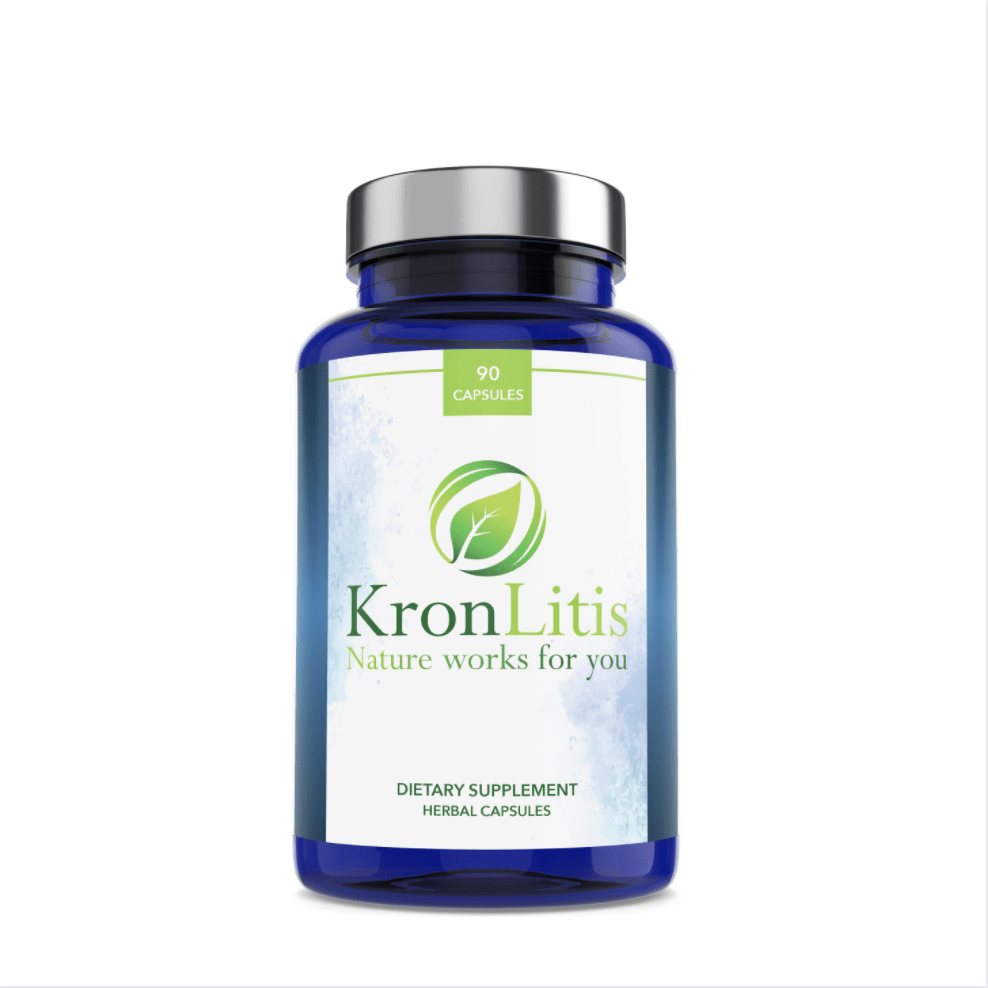
For anyone dealing with Crohn’s disease or ulcerative colitis, this concentration gap matters enormously. A concentrated four-herb formula delivers what teacups cannot: consistent, therapeutic levels of anti-inflammatory compounds that reach the affected tissues in your digestive tract.
| Delivery Method | Active Compound Concentration | Dose Consistency | Best For |
|---|---|---|---|
| Traditional Herbal Tea | 1-3% (highly variable) | Low (steeping time, water temp affect results) | Mild bloating, relaxation |
| Therapeutic Capsule Supplement | 95-98% standardized extract | High (precise milligram dosing) | IBD, chronic inflammation, Crohn’s/colitis |
| Liquid Tincture | 15-25% alcohol extraction | Medium (dropper measurement) | Acute symptom support |
Why Single-Herb Teas Fall Short for Chronic Inflammation
Walk down any health food aisle and you’ll find boxes of single-herb digestive teas: peppermint, ginger, chamomile, fennel. Each has genuine therapeutic properties but none were designed to address the complex inflammatory cascades involved in inflammatory bowel disease.
Peppermint contains menthol, which acts as an antispasmodic for the smooth muscles of your digestive tract. That’s wonderful if your issue is occasional cramping or irritable bowel syndrome. But according to Healthline, peppermint is highlighted as one of the best herbal teas for digestive issues like bloating and gas not for controlling the underlying inflammation that defines IBD.

The problem isn’t that these herbs don’t work. The problem is that they’re being asked to do a job they were never designed for. Chronic digestive inflammation involves TNF-α (Tumor Necrosis Factor-alpha), a cytokine that accidentally targets cells in your digestive system, causing persistent inflammation. Ginger tea, no matter how strong you brew it, cannot reliably suppress TNF-α production. Specialty herbs like Indigo naturalis and Artemisia absinthium, prepared at therapeutic concentrations, can.
Understanding understanding chronic digestive inflammation means recognizing that mild natural remedies and targeted therapeutic protocols serve completely different purposes. One soothes symptoms; the other addresses pathology.
- Peppermint Tea: Antispasmodic for muscle cramping; limited anti-inflammatory action; best for IBS-type symptoms.
- Ginger Tea: Useful for nausea and mild gastric discomfort; cannot address colon-specific inflammation.
- Chamomile Tea: Gentle calming properties; promotes relaxation; minimal impact on inflammatory markers.
- Fennel Tea: Helps with gas and bloating; carminative properties; no demonstrated IBD remission support.
- Licorice Root Tea: Coating properties for throat and stomach; potential blood pressure concerns with regular use.
The Chinese Medicine Advantage: Four-Herb Synergy vs Western Single Extracts
Western herbalism often isolates single active compounds a mug of this, a capsule of that. Chinese medicine takes a fundamentally different approach: polyherbal formulas where multiple herbs work synergistically, each enhancing the others’ effects while minimizing side effects. This isn’t mystical thinking. It’s pharmacological strategy that modern research continues to validate.
Consider how this works in practice. A Kronlitis four-herb blend combines Indigo naturalis, Artemisia, saffron, and curcumin. Each herb targets inflammation through different pathways. Indigo naturalis has demonstrated efficacy for ulcerative colitis in clinical case series. Artemisia has shown steroid-sparing effects in Crohn’s disease patients. Saffron and curcumin each contribute additional anti-inflammatory mechanisms. Together, they create what’s called a “multi-target therapeutic effect” hitting inflammation from multiple angles simultaneously.
According to Seed, ginger tea may reduce upper abdominal pain and general indigestion symptoms. That’s genuinely helpful for what it is. But upper abdominal discomfort and colon inflammation are different problems requiring different tools. Single-herb teas address the former; concentrated polyherbal protocols address the latter.

| Chinese Medicinal Herb | Primary Anti-Inflammatory Mechanism | Evidence Base for IBD |
|---|---|---|
| Indigo Naturalis (Qing Dai) | Modulates IL-8 and NF-κB pathways | Case series showing UC remission |
| Artemisia absinthium | TNF-α suppression, immune modulation | Double-blind study showing steroid-sparing effect in Crohn’s |
| Saffron (Crocus sativus) | Antioxidant, cytokine regulation | Adjuvant therapy studies in UC patients |
| Curcumin | Multiple anti-inflammatory pathways | Systematic reviews supporting adjunctive UC treatment |
How to Transition from Symptom Relief to Inflammation Control
Moving from sipping tea to taking therapeutic supplements doesn’t mean abandoning natural approaches. It means using natural medicine at concentrations that actually influence your condition. This transition requires understanding dosage, timing, and realistic expectations for results.
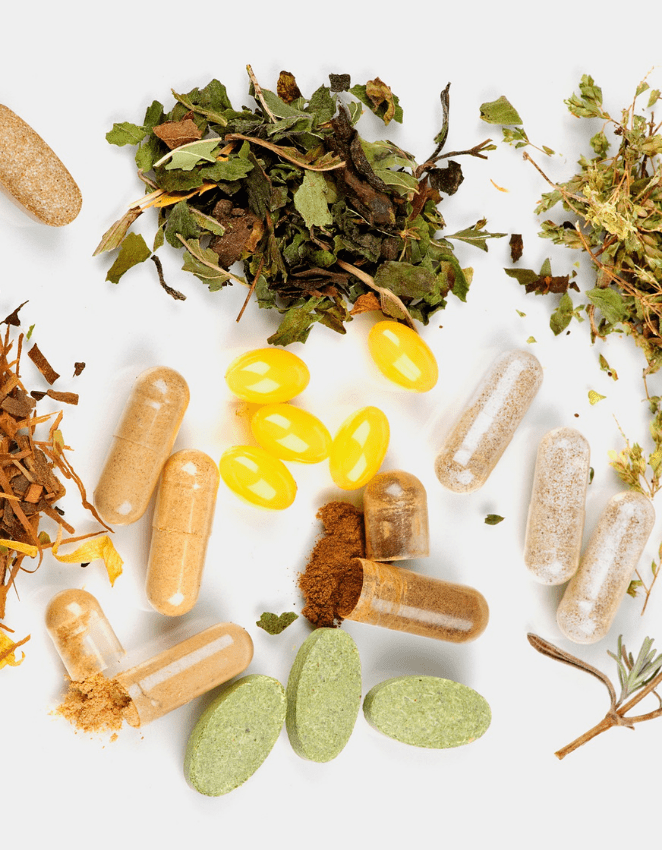
Many people with digestive conditions have tried dozens of solutions and grown skeptical. That skepticism is understandable even healthy. But it shouldn’t prevent you from exploring legitimate therapeutic options. start therapeutic herbal supplementation with clear eyes: this isn’t about magic, it’s about pharmacology.
- Document your current symptom baseline. Before starting any new protocol, track your symptoms for one to two weeks. Note bathroom frequency, pain levels, bleeding, and energy levels. You need objective data to measure progress.
- Consult with your healthcare provider. Share research on the specific herbs you’re considering. Quality practitioners appreciate patients who come prepared with evidence.
- Choose standardized, quality-tested supplements. Not all herbal products are created equal. Look for products manufactured in facilities that follow Good Manufacturing Practices and third-party testing.
- Follow dosage instructions precisely. More isn’t better. Therapeutic herbs have specific dose ranges where they’re effective and safe.
- Give it adequate time. Natural anti-inflammatory protocols typically show initial improvements within two to four weeks, with more significant results at eight to twelve weeks.
- Monitor and document changes. Continue tracking symptoms. Note improvements, plateaus, or any adverse reactions.
- Adjust based on results, not impatience. Resist the urge to frequently switch approaches. Meaningful inflammation control takes time.
Capsule Concentration vs Tea Steeping: What 2026 Research Shows
Bioavailability the amount of active compound that actually reaches your bloodstream varies dramatically between delivery methods. A 2026 analysis of herbal preparation methods reveals why capsule supplements consistently outperform teas for therapeutic purposes.
When you steep tea, you’re relying on hot water to extract active compounds from plant material. This process is inefficient and inconsistent. Water temperature, steeping time, leaf particle size, and even your mug’s material all affect extraction. Some beneficial compounds aren’t water-soluble at all, meaning they’ll never make it into your cup.
Encapsulated supplements use professional extraction methods typically alcohol, supercritical CO2, or specialized solvent processes that pull a much higher percentage of active compounds from the raw herb. These extracts are then standardized to ensure each capsule contains a precise amount of the therapeutic constituents.
- Extraction solvent matters: Water extracts different compounds than alcohol or CO2, meaning many beneficial constituents never reach your teacup.
- Standardization ensures consistency: Quality supplements guarantee specific milligram amounts of active compounds; tea bags cannot.
- Digestive transit time: Capsules protect delicate compounds through stomach acid; tea infusions expose them immediately.
- Dose precision: One capsule delivers a measured dose; “one cup of tea” varies wildly based on preparation.
For those with serious questions about absorption and effectiveness, common questions about herbal supplement absorption provides detailed answers. The short version: if you need therapeutic levels of active compounds in your digestive tract, capsules deliver what teas promise but cannot guarantee.
Cost Analysis: Daily Tea Consumption vs Concentrated Herbal Supplements
At first glance, herbal tea seems like the economical choice. A box of twenty tea bags costs less than a bottle of supplements. But this surface-level comparison ignores the actual cost per milligram of therapeutic compounds the metric that matters for people with real digestive conditions.
Premium digestive teas cost approximately $15-25 for 20 bags. Daily consumption means purchasing 1-2 boxes monthly. Concentrated herbal supplements, while appearing more expensive upfront, deliver dramatically higher amounts of active compounds per dollar spent when you calculate actual therapeutic payload.
| Factor | Premium Digestive Tea | Therapeutic Herbal Supplement |
|---|---|---|
| Monthly Supply Cost | $30-50 (daily use) | $60-90 (therapeutic dose) |
| Active Compound Delivery | ~50-100mg/month (estimated) | ~10,000-15,000mg/month |
| Cost Per Milligram | $0.30-0.50/mg | $0.004-0.009/mg |
| Therapeutic Viability | Low (symptom masking) | High (inflammation targeting) |
When you need an affordable herbal therapy option that actually delivers results, the math becomes clear. Teas cost more per milligram of active compound while providing fewer therapeutic benefits for serious conditions.
Key Takeaways: Making the Right Choice for Your Digestive Condition
Not everyone with digestive issues needs concentrated herbal supplements. The right choice depends on your diagnosis, symptom severity, and treatment goals. Here’s how to decide.
Mild digestive discomfort occasional bloating, stress-related stomach upset, minor post-meal heaviness responds well to traditional herbal teas. They’re safe, pleasant, and provide genuine (if limited) relief. But when symptoms include chronic inflammation, bleeding, frequent urgency, or diagnosed IBD, teas fundamentally cannot deliver what your condition requires.
- Choose tea for: mild, occasional symptoms; relaxation; general wellness; IBS-type discomfort without inflammation.
- Choose supplements for: diagnosed IBD, Crohn’s, or colitis; chronic inflammation; bleeding or mucus; failed conventional treatments.
- Red flags indicating need for more: daily symptoms, nighttime waking, weight loss, bleeding, or impaired ability to work.
- Combination approach: Some people use both tea for comfort, supplements for therapeutic inflammation control.
- Quality matters above all: Poor-quality supplements are no better than weak tea; choose manufacturers with proper testing.
- Listen to your body: If tea isn’t changing your symptom trajectory, it’s time for a more concentrated approach.
Real experiences matter. real patient experiences with herbal IBD treatment show what concentrated therapeutic approaches can accomplish when teas fall short.
Frequently Asked Questions About Herbal Digestion Support
Can herbal tea alone treat Crohn’s disease or ulcerative colitis?
No. Standardized therapeutic doses typically deliver 100-500 times more active anti-inflammatory compounds than brewed tea. While herbal tea may provide comfort and mild symptom support, the pathophysiology of IBD requires concentrated medicinal herbs at levels no teacup can provide.
How long does it take to see results from therapeutic herbal supplements?
2-12 weeks. Initial symptom improvements often appear within 2-4 weeks of consistent use, with more significant inflammation control developing over 8-12 weeks. This timeline compares favorably to many conventional medications while typically producing fewer side effects.
Are concentrated herbal supplements safe to use with conventional IBD medications?
Generally yes, with medical supervision. Many patients use herbal supplements as adjunctive therapy alongside conventional treatments. Clinical studies on Artemisia, for instance, specifically documented its steroid-sparing effects meaning it helped reduce medication doses. Always inform your gastroenterologist about all supplements.
Why do some people say natural remedies don’t work for serious digestive conditions?
Dosage makes the difference. Previous failed attempts often involve teas, tinctures, or under-dosed products that cannot deliver therapeutic compound levels. When properly concentrated and correctly dosed, herbs like Artemisia absinthium have demonstrated efficacy in double-blind, placebo-controlled clinical studies.
Can I drink herbal tea while taking therapeutic herbal supplements?
Yes, and it’s often beneficial. Tea provides psychological comfort and mild complementary effects without interfering with supplement absorption. Many patients find the ritual aspects of tea drinking helpful for stress management, which indirectly supports digestive health.
Where can I find comprehensive information about herbal approaches to digestive conditions?
Specialized resources exist. For the complete FAQ resource on herbal supplementation for IBD, Crohn’s, and colitis, consult sources that specifically address therapeutic protocols rather than general wellness approaches. The concentration and quality differences matter enormously for serious conditions.
@keyframes hoox-lf-in-hoox-f-7be7d7a4-0de5-4435-8f32-2f0d3e-bottom {
from { opacity: 0; transform: translateY(8px); }
to { opacity: 1; transform: translateY(0); }
}
#hoox-f-7be7d7a4-0de5-4435-8f32-2f0d3e-bottom {
width: 100%;
max-width: 100%;
box-sizing: border-box;
display: flex;
flex-direction: column;
gap: 20px;
margin: 48px 0;
padding: 32px 28px;
border-radius: 16px;
background: #ffffff;
color: #111111;
font-family: inherit;
border: 1px solid #E2E8F0;
animation: hoox-lf-in-hoox-f-7be7d7a4-0de5-4435-8f32-2f0d3e-bottom 0.3s cubic-bezier(0.16, 1, 0.3, 1);
direction: inherit;
}
#hoox-f-7be7d7a4-0de5-4435-8f32-2f0d3e-bottom .hoox-form-header {
display: flex;
flex-direction: column;
gap: 8px;
text-align: center;
}
#hoox-f-7be7d7a4-0de5-4435-8f32-2f0d3e-bottom .hoox-form-header h2 {
margin: 0;
font-size: 1.5em;
font-weight: 700;
line-height: 1.3;
color: #111111;
border: none;
padding: 0;
}
#hoox-f-7be7d7a4-0de5-4435-8f32-2f0d3e-bottom .hoox-form-header p {
margin: 0;
font-size: 1em;
line-height: 1.6;
color: #64748B;
}
#hoox-f-7be7d7a4-0de5-4435-8f32-2f0d3e-bottom form[data-hx-form] {
margin: 0;
display: flex;
flex-direction: column;
gap: 14px;
}
#hoox-f-7be7d7a4-0de5-4435-8f32-2f0d3e-bottom .hoox-field-wrap {
position: relative;
width: 100%;
box-sizing: border-box;
}
#hoox-f-7be7d7a4-0de5-4435-8f32-2f0d3e-bottom .hoox-field-wrap input {
width: 100%;
box-sizing: border-box;
height: 44px;
padding-inline-start: 42px;
padding-inline-end: 14px;
border: 1px solid #E2E8F0;
border-radius: 10px;
font-size: 14px;
color: #111111;
font-family: inherit;
background-color: #F8FAFC;
transition: border-color 0.15s ease, box-shadow 0.15s ease, background-color 0.15s ease;
outline: none;
direction: inherit;
text-align: start;
}
#hoox-f-7be7d7a4-0de5-4435-8f32-2f0d3e-bottom .hoox-field-wrap input::placeholder {
color: #94A3B8;
opacity: 1;
}
#hoox-f-7be7d7a4-0de5-4435-8f32-2f0d3e-bottom .hoox-field-wrap input:focus {
background-color: #FFFFFF;
border-color: #0077B6,#00B4D8,#90E0EF;
box-shadow: 0 0 0 3px rgba(15, 23, 42, 0.08);
}
#hoox-f-7be7d7a4-0de5-4435-8f32-2f0d3e-bottom .hoox-field-icon {
position: absolute;
top: 0;
bottom: 0;
inset-inline-start: 0;
width: 42px;
display: flex;
align-items: center;
justify-content: center;
pointer-events: none;
color: #94A3B8;
transition: color 0.15s ease;
}
#hoox-f-7be7d7a4-0de5-4435-8f32-2f0d3e-bottom .hoox-field-wrap:focus-within .hoox-field-icon {
color: #0077B6,#00B4D8,#90E0EF;
}
#hoox-f-7be7d7a4-0de5-4435-8f32-2f0d3e-bottom button[type=”submit”] {
width: 100%;
height: 44px;
margin-top: 4px;
border: none;
border-radius: 10px;
background: #0077B6,#00B4D8,#90E0EF;
color: #FFFFFF;
font-size: 14px;
font-weight: 600;
cursor: pointer;
transition: opacity 0.15s ease, transform 0.15s ease, box-shadow 0.15s ease;
box-shadow: 0 1px 2px 0 rgba(0, 0, 0, 0.05);
}
#hoox-f-7be7d7a4-0de5-4435-8f32-2f0d3e-bottom button[type=”submit”]:hover {
opacity: 0.94;
}
#hoox-f-7be7d7a4-0de5-4435-8f32-2f0d3e-bottom button[type=”submit”]:active {
transform: scale(0.99);
}
#hoox-f-7be7d7a4-0de5-4435-8f32-2f0d3e-bottom button[type=”submit”]:disabled {
opacity: 0.6;
cursor: not-allowed;
}
#hoox-f-7be7d7a4-0de5-4435-8f32-2f0d3e-bottom .hoox-disclaimer {
margin: 0;
text-align: center;
font-size: 12px;
line-height: 1.5;
color: #94A3B8;
}
#hoox-f-7be7d7a4-0de5-4435-8f32-2f0d3e-bottom .hoox-disclaimer a {
color: inherit;
text-decoration: underline;
text-underline-offset: 2px;
}
#hoox-f-7be7d7a4-0de5-4435-8f32-2f0d3e-bottom .hoox-disclaimer a:hover {
text-decoration: none;
}
#hoox-f-7be7d7a4-0de5-4435-8f32-2f0d3e-bottom .hoox-success {
display: none;
flex-direction: column;
align-items: center;
gap: 14px;
padding: 12px 0;
position: relative;
}
#hoox-f-7be7d7a4-0de5-4435-8f32-2f0d3e-bottom .hoox-confetti {
position: absolute;
inset: 0;
overflow: visible;
pointer-events: none;
}
#hoox-f-7be7d7a4-0de5-4435-8f32-2f0d3e-bottom .hoox-confetti span {
position: absolute;
top: 50%;
left: 50%;
width: 7px;
height: 11px;
background: var(–hoox-c);
border-radius: 2px;
opacity: 0;
animation: hoox-confetti-burst 0.9s ease-out forwards;
animation-delay: var(–hoox-d, 0s);
}
@keyframes hoox-confetti-burst {
0% { opacity: 1; transform: translate(-50%, -50%) rotate(0deg) scale(1); }
100% { opacity: 0; transform: translate(calc(-50% + var(–hoox-tx)), calc(-50% + var(–hoox-ty))) rotate(var(–hoox-rz)) scale(0.5); }
}
#hoox-f-7be7d7a4-0de5-4435-8f32-2f0d3e-bottom .hoox-success-icon {
width: 52px;
height: 52px;
border-radius: 50%;
background: #ECFDF5;
display: flex;
align-items: center;
justify-content: center;
font-size: 26px;
line-height: 1;
animation: hoox-success-pop 0.4s cubic-bezier(0.34, 1.56, 0.64, 1);
}
@keyframes hoox-success-pop {
from { opacity: 0; transform: scale(0.5); }
to { opacity: 1; transform: scale(1); }
}
#hoox-f-7be7d7a4-0de5-4435-8f32-2f0d3e-bottom .hoox-success-text {
margin: 0;
text-align: center;
font-size: 15px;
font-weight: 600;
line-height: 1.5;
color: #111111;
}
#hoox-f-7be7d7a4-0de5-4435-8f32-2f0d3e-bottom .hoox-disabled-state {
display: none;
flex-direction: column;
align-items: center;
gap: 14px;
padding: 12px 0;
text-align: center;
}
#hoox-f-7be7d7a4-0de5-4435-8f32-2f0d3e-bottom .hoox-disabled-icon {
width: 52px;
height: 52px;
border-radius: 50%;
background: #F1F5F9;
display: flex;
align-items: center;
justify-content: center;
color: #64748B;
}
#hoox-f-7be7d7a4-0de5-4435-8f32-2f0d3e-bottom .hoox-disabled-text {
margin: 0;
font-size: 14px;
line-height: 1.6;
color: #64748B;
}
#hoox-f-7be7d7a4-0de5-4435-8f32-2f0d3e-bottom .hoox-disabled-text a {
color: inherit;
font-weight: 600;
text-decoration: underline;
text-underline-offset: 2px;
}
#hoox-f-7be7d7a4-0de5-4435-8f32-2f0d3e-bottom .hoox-disabled-text a:hover {
text-decoration: none;
}
See What This Could Look Like For You
Takes 30 seconds
Thanks! We’ll be in touch.