

Lifestyle Changes and Natural Supplements to Control Colitis Flare-Ups
Controlling colitis flare-ups requires a strategic combination of dietary modifications, stress management techniques, and targeted natural supplements that address the root inflammatory pathways. The most effective protocols integrate Chinese medicinal herbs with evidence-based lifestyle interventions that reduce immune system hyperactivity while supporting mucosal healing. This integrative approach extends remission periods and reduces the frequency of bathroom visits, bleeding episodes, and social disruptions that define active disease.
Quick Answer: Four-Pillar Protocol That Stops Flare-Ups
Understanding what lifestyle changes alongside natural supplements can help control colitis flare-ups starts with recognizing that no single intervention works in isolation. Successful ulcerative colitis remission strategies operate on multiple fronts simultaneously, targeting inflammation from different angles while supporting the body’s natural healing processes.
The most reliable approach combines four distinct pillars: precise dietary modification, systematic stress reduction, targeted herbal supplementation, and strategic movement patterns. When implemented together, these interventions create a compound effect that individually dosed medications or supplements cannot achieve.
@keyframes hoox-lf-in-hoox-f-b1e75f65-5f79-4533-8325-e0971b-top {
from { opacity: 0; transform: translateY(8px); }
to { opacity: 1; transform: translateY(0); }
}
#hoox-f-b1e75f65-5f79-4533-8325-e0971b-top {
width: 100%;
max-width: 100%;
box-sizing: border-box;
display: flex;
flex-direction: column;
gap: 20px;
margin: 48px 0;
padding: 32px 28px;
border-radius: 16px;
background: #ffffff;
color: #111111;
font-family: inherit;
border: 1px solid #E2E8F0;
animation: hoox-lf-in-hoox-f-b1e75f65-5f79-4533-8325-e0971b-top 0.3s cubic-bezier(0.16, 1, 0.3, 1);
direction: inherit;
}
#hoox-f-b1e75f65-5f79-4533-8325-e0971b-top .hoox-form-header {
display: flex;
flex-direction: column;
gap: 8px;
text-align: center;
}
#hoox-f-b1e75f65-5f79-4533-8325-e0971b-top .hoox-form-header h2 {
margin: 0;
font-size: 1.5em;
font-weight: 700;
line-height: 1.3;
color: #111111;
border: none;
padding: 0;
}
#hoox-f-b1e75f65-5f79-4533-8325-e0971b-top .hoox-form-header p {
margin: 0;
font-size: 1em;
line-height: 1.6;
color: #64748B;
}
#hoox-f-b1e75f65-5f79-4533-8325-e0971b-top form[data-hx-form] {
margin: 0;
display: flex;
flex-direction: column;
gap: 14px;
}
#hoox-f-b1e75f65-5f79-4533-8325-e0971b-top .hoox-field-wrap {
position: relative;
width: 100%;
box-sizing: border-box;
}
#hoox-f-b1e75f65-5f79-4533-8325-e0971b-top .hoox-field-wrap input {
width: 100%;
box-sizing: border-box;
height: 44px;
padding-inline-start: 42px;
padding-inline-end: 14px;
border: 1px solid #E2E8F0;
border-radius: 10px;
font-size: 14px;
color: #111111;
font-family: inherit;
background-color: #F8FAFC;
transition: border-color 0.15s ease, box-shadow 0.15s ease, background-color 0.15s ease;
outline: none;
direction: inherit;
text-align: start;
}
#hoox-f-b1e75f65-5f79-4533-8325-e0971b-top .hoox-field-wrap input::placeholder {
color: #94A3B8;
opacity: 1;
}
#hoox-f-b1e75f65-5f79-4533-8325-e0971b-top .hoox-field-wrap input:focus {
background-color: #FFFFFF;
border-color: #0077B6,#00B4D8,#90E0EF;
box-shadow: 0 0 0 3px rgba(15, 23, 42, 0.08);
}
#hoox-f-b1e75f65-5f79-4533-8325-e0971b-top .hoox-field-icon {
position: absolute;
top: 0;
bottom: 0;
inset-inline-start: 0;
width: 42px;
display: flex;
align-items: center;
justify-content: center;
pointer-events: none;
color: #94A3B8;
transition: color 0.15s ease;
}
#hoox-f-b1e75f65-5f79-4533-8325-e0971b-top .hoox-field-wrap:focus-within .hoox-field-icon {
color: #0077B6,#00B4D8,#90E0EF;
}
#hoox-f-b1e75f65-5f79-4533-8325-e0971b-top button[type=”submit”] {
width: 100%;
height: 44px;
margin-top: 4px;
border: none;
border-radius: 10px;
background: #0077B6,#00B4D8,#90E0EF;
color: #FFFFFF;
font-size: 14px;
font-weight: 600;
cursor: pointer;
transition: opacity 0.15s ease, transform 0.15s ease, box-shadow 0.15s ease;
box-shadow: 0 1px 2px 0 rgba(0, 0, 0, 0.05);
}
#hoox-f-b1e75f65-5f79-4533-8325-e0971b-top button[type=”submit”]:hover {
opacity: 0.94;
}
#hoox-f-b1e75f65-5f79-4533-8325-e0971b-top button[type=”submit”]:active {
transform: scale(0.99);
}
#hoox-f-b1e75f65-5f79-4533-8325-e0971b-top button[type=”submit”]:disabled {
opacity: 0.6;
cursor: not-allowed;
}
#hoox-f-b1e75f65-5f79-4533-8325-e0971b-top .hoox-disclaimer {
margin: 0;
text-align: center;
font-size: 12px;
line-height: 1.5;
color: #94A3B8;
}
#hoox-f-b1e75f65-5f79-4533-8325-e0971b-top .hoox-disclaimer a {
color: inherit;
text-decoration: underline;
text-underline-offset: 2px;
}
#hoox-f-b1e75f65-5f79-4533-8325-e0971b-top .hoox-disclaimer a:hover {
text-decoration: none;
}
#hoox-f-b1e75f65-5f79-4533-8325-e0971b-top .hoox-success {
display: none;
flex-direction: column;
align-items: center;
gap: 14px;
padding: 12px 0;
position: relative;
}
#hoox-f-b1e75f65-5f79-4533-8325-e0971b-top .hoox-confetti {
position: absolute;
inset: 0;
overflow: visible;
pointer-events: none;
}
#hoox-f-b1e75f65-5f79-4533-8325-e0971b-top .hoox-confetti span {
position: absolute;
top: 50%;
left: 50%;
width: 7px;
height: 11px;
background: var(–hoox-c);
border-radius: 2px;
opacity: 0;
animation: hoox-confetti-burst 0.9s ease-out forwards;
animation-delay: var(–hoox-d, 0s);
}
@keyframes hoox-confetti-burst {
0% { opacity: 1; transform: translate(-50%, -50%) rotate(0deg) scale(1); }
100% { opacity: 0; transform: translate(calc(-50% + var(–hoox-tx)), calc(-50% + var(–hoox-ty))) rotate(var(–hoox-rz)) scale(0.5); }
}
#hoox-f-b1e75f65-5f79-4533-8325-e0971b-top .hoox-success-icon {
width: 52px;
height: 52px;
border-radius: 50%;
background: #ECFDF5;
display: flex;
align-items: center;
justify-content: center;
font-size: 26px;
line-height: 1;
animation: hoox-success-pop 0.4s cubic-bezier(0.34, 1.56, 0.64, 1);
}
@keyframes hoox-success-pop {
from { opacity: 0; transform: scale(0.5); }
to { opacity: 1; transform: scale(1); }
}
#hoox-f-b1e75f65-5f79-4533-8325-e0971b-top .hoox-success-text {
margin: 0;
text-align: center;
font-size: 15px;
font-weight: 600;
line-height: 1.5;
color: #111111;
}
#hoox-f-b1e75f65-5f79-4533-8325-e0971b-top .hoox-disabled-state {
display: none;
flex-direction: column;
align-items: center;
gap: 14px;
padding: 12px 0;
text-align: center;
}
#hoox-f-b1e75f65-5f79-4533-8325-e0971b-top .hoox-disabled-icon {
width: 52px;
height: 52px;
border-radius: 50%;
background: #F1F5F9;
display: flex;
align-items: center;
justify-content: center;
color: #64748B;
}
#hoox-f-b1e75f65-5f79-4533-8325-e0971b-top .hoox-disabled-text {
margin: 0;
font-size: 14px;
line-height: 1.6;
color: #64748B;
}
#hoox-f-b1e75f65-5f79-4533-8325-e0971b-top .hoox-disabled-text a {
color: inherit;
font-weight: 600;
text-decoration: underline;
text-underline-offset: 2px;
}
#hoox-f-b1e75f65-5f79-4533-8325-e0971b-top .hoox-disabled-text a:hover {
text-decoration: none;
}
See What This Could Look Like For You
Takes 30 seconds
Thanks! We’ll be in touch.
- Eliminate processed foods and identify personal trigger foods through systematic testing
- Practice daily stress reduction techniques to break the gut-brain inflammation cycle
- Use evidence-based herbal formulations that target multiple inflammatory pathways
- Implement time-restricted eating windows to maximize mucosal healing time
- Track symptoms daily to identify patterns and measure progress objectively
| Intervention Type | Implementation Timeline | Expected Outcome at 4 Weeks |
|---|---|---|
| Dietary Trigger Elimination | Weeks 1-2 | Reduced bloating and stool frequency |
| Herbal Supplementation | Weeks 1-4 ongoing | Decreased bleeding and inflammation markers |
| Stress Management Protocol | Weeks 2-4 | Improved sleep quality, fewer stress-induced flares |
| Time-Restricted Eating | Weeks 3-4 | Better nutrient absorption, less nighttime urgency |
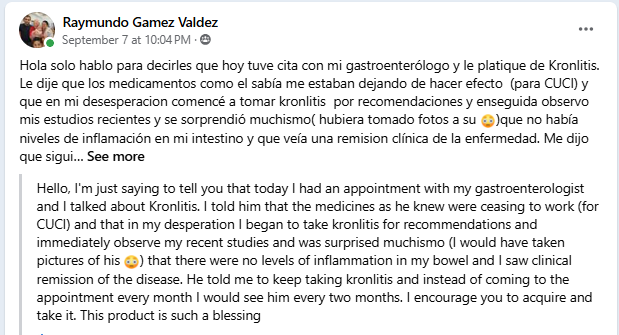
Taking action with a four-herb Chinese medicine formula addresses the core inflammatory mechanisms while lifestyle modifications create the conditions for lasting remission. Most patients report initial improvements within two to three weeks when following this comprehensive protocol.
Why Standard Dietary Advice Fails Most Colitis Patients
Walk into any gastroenterology waiting room and you will hear variations of the same dietary guidance: eat more fiber, avoid spicy foods, stay hydrated. Yet countless patients following these generic recommendations continue suffering daily symptoms. The disconnect between conventional wisdom and patient outcomes reveals a fundamental misunderstanding of individual microbiome variation.
Each person with ulcerative colitis harbors a unique bacterial ecosystem. What triggers devastating symptoms in one patient might be perfectly tolerated by another. According to Nih, individual microbiome compositions vary so significantly that universal dietary recommendations prove ineffective for managing inflammatory bowel conditions. This explains why elimination diets succeed wildly for some while failing completely for others.
The most common mistake involves eliminating too many foods simultaneously without proper reintroduction protocols. Patients create nutritional deficiencies while never actually identifying their true triggers. Real colitis trigger management requires methodical testing and careful observation.
- Misconception: Fiber always helps digestion Reality: Insoluble fiber often worsens active inflammation
- Misconception: Raw vegetables are healthier Reality: Cooked vegetables digest easier during flares
- Misconception: Dairy must be completely avoided Reality: Fermented dairy often tolerates well
- Misconception: Gluten is universally problematic Reality: Only some patients are gluten-sensitive
- Misconception: Small frequent meals help Reality: Larger meals during eating windows rest the gut

Personalized trigger identification requires documenting everything consumed alongside symptom timing. Patterns emerge over weeks, not days. The patients who achieve lasting remission become detectives of their own digestive systems, noting subtle reactions that generic advice ignores.
The Stress-Inflammation Axis: Breaking the Cortisol-Cytokine Loop
Anyone living with inflammatory bowel disease instinctively knows stress worsens symptoms. Science now explains exactly how. Cortisol and other stress hormones directly stimulate pro-inflammatory cytokine production in intestinal tissue. This neurological pathway means psychological stress translates physically into intestinal inflammation within hours.
Healthgrades confirms that stress is a well-documented trigger for ulcerative colitis flares, with cognitive behavioral therapy, mindfulness practices, and deep breathing exercises all demonstrating measurable benefits for symptom management. The gut-brain axis works bidirectionally, meaning intestinal inflammation increases anxiety while stress simultaneously worsens gut inflammation.
Breaking this destructive cycle requires daily intervention, not occasional stress relief. Natural colitis management protocols must include specific stress reduction inflammatory bowel disease techniques practiced consistently.

Effective protocols include morning vagal nerve stimulation through cold water facial immersion, midday breathing exercises using 4-7-8 patterns, and evening meditation sessions lasting fifteen minutes minimum. The cumulative effect of these practices reduces baseline cortisol levels, decreasing the inflammatory burden on already compromised intestinal tissue. Those seeking a natural approach to remission cannot ignore the psychological component of physical healing.
Chinese Herbal Formulas vs. Single-Ingredient Supplements: The Synergy Factor
Western medicine traditionally isolates active compounds, concentrating them into single-ingredient supplements. This reductionist approach often fails inflammatory bowel disease patients because intestinal inflammation involves multiple overlapping pathways. Targeting one mechanism while others remain active provides incomplete relief.
Chinese herbal formulas for colitis take a fundamentally different approach. Multiple herbs working together address inflammation through several mechanisms simultaneously. According to Frontiersin, multi-herb formulations demonstrate superior outcomes compared to isolated compounds for managing chronic inflammatory conditions. The synergistic effect means lower individual doses achieve better overall results.
| Factor | Single Herb Approach | Four-Herb Formula |
|---|---|---|
| Bioavailability | Variable absorption | Enhanced by complementary compounds |
| Inflammatory Pathways | Targets single mechanism | Addresses multiple pathways |
| Remission Duration | Shorter maintenance periods | Extended remission stability |
| Cost-Effectiveness | Multiple purchases needed | Single comprehensive formulation |
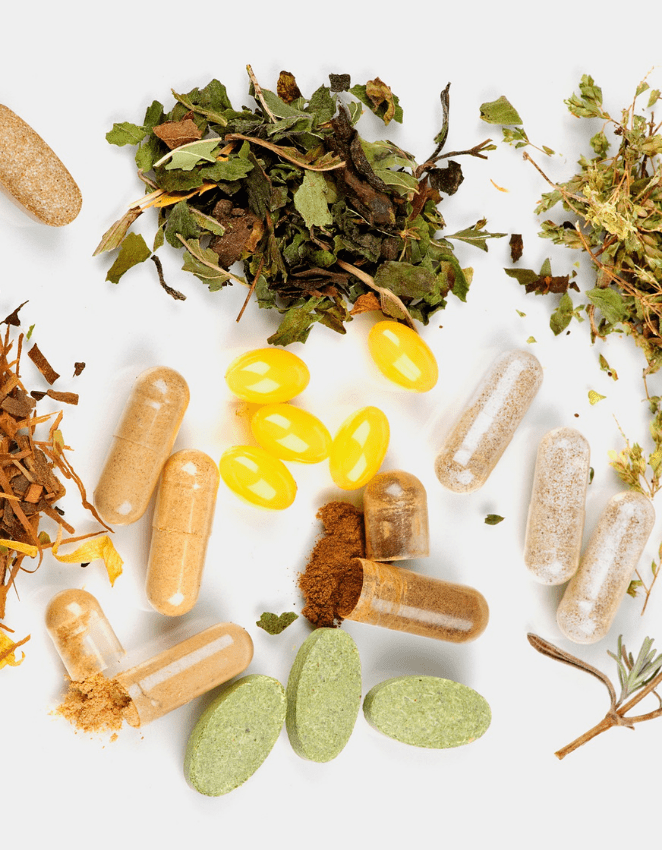
Anti-inflammatory supplements for IBD work best when formulated with complementary ingredients that enhance absorption and potentiate effects. The four-herb formulas used in traditional Chinese medicine balance anti-inflammatory actions with mucosal protective properties, creating comprehensive rather than partial solutions. For those pursuing an integrative approach to digestive health, formulation quality matters more than individual ingredient potency.
How to Implement the Circadian Eating Window for Mucosal Healing
Your digestive tract follows circadian rhythms just like your sleep cycle. The intestinal lining requires periods of rest to conduct cellular repair and regenerate protective mucus layers. Constant grazing prevents this essential maintenance, leaving tissue vulnerable to inflammation.
Time-restricted eating gives your colon scheduled recovery periods. A modified 16:8 intermittent fasting protocol adapted for inflammatory bowel disease concentrates food consumption within eight hours while allowing sixteen hours for digestive rest. This approach differs from weight-loss fasting because nutrient density during eating windows takes priority over calorie restriction.
- Choose an eight-hour eating window aligned with your natural hunger patterns, typically 10 AM to 6 PM works well
- Begin with gentle hydration immediately upon waking, including bone broth or herbal tea
- Break your fast with easily digestible foods, avoiding raw vegetables initially
- Consume your largest meal in the middle of your eating window for optimal digestion
- Complete your final meal at least three hours before bedtime to prevent夜间 symptoms
- Monitor energy levels and adjust window timing based on personal response patterns
Safety considerations include timing medication doses appropriately and never restricting calories below maintenance needs. Those with common patient questions about fasting safety should consult healthcare providers familiar with integrative IBD treatment approaches before beginning.
Movement Patterns That Reduce Inflammation Without Triggering Symptoms
Exercise presents a paradox for colitis patients. Physical activity reduces systemic inflammation and stress hormones, yet intense exercise can trigger digestive symptoms. The solution lies in understanding how different movement patterns affect intestinal blood flow and nervous system activation.
During active flares, gentle walking and restorative yoga provide benefits without mechanical jarring of inflamed tissue. As symptoms subside, progressive resistance training and low-impact cardiovascular exercise become appropriate. The key involves staying below the threshold where exercise-induced cortisol spikes occur.
Vagal nerve stimulation through specific movement patterns enhances gut motility and reduces inflammation. Slow exhale breathing during movement, rhythmic activities like swimming or cycling, and certain yoga positions all activate the parasympathetic nervous system through mechanoreceptors in the spine and diaphragm.
Daily implementation should include morning gentle movement to stimulate digestion, midday walking to maintain cortisol rhythm, and evening stretching to activate relaxation responses before sleep. Real-world success stories consistently highlight how appropriate movement patterns accelerate recovery when combined with proper nutrition and supplementation.
Gut Microbiome Restoration: Beyond Standard Probiotics
Probiotic supplements flood health food store shelves, yet many inflammatory bowel disease patients see minimal benefit from random bacterial strains. Effective gut microbiome restoration requires feeding beneficial bacteria already present while strategically introducing specific strains known to help colitis patients.
Prebiotic fiber provides fuel for butyrate-producing bacteria, the species most associated with intestinal health. Butyrate serves as the primary energy source for colonocytes, the cells lining the colon. When butyrate levels drop, these cells weaken and become susceptible to inflammation.
- Bone broth simmered 12-24 hours provides glycine and glutamine for gut lining repair
- Well-cooked asparagus supports beneficial bacteria without irritating inflamed tissue
- Fermented sauerkraut introduces lactobacillus strains at higher concentrations than supplements
- Plantain flour contains resistant starch that feeds butyrate-producing bacteria
- Honey from local sources provides antimicrobial compounds alongside prebiotic oligosaccharides
- Cooked and cooled rice increases resistant starch content feeding healthy bacteria
- Homemade kefir offers diverse strain combinations unavailable in commercial products
According to Everydayhealth, stress management techniques including cognitive behavioral therapy and mindfulness practices complement dietary interventions by reducing the cortisol burden that disrupts microbiome balance. The specialized IBD product category offers targeted solutions for microbiome restoration specifically designed for sensitive digestive systems.
Key Takeaways: Your 90-Day Remission Roadmap
Managing colitis flare-ups requires patience, consistency, and strategic implementation across multiple lifestyle domains. The following roadmap provides a structured approach to achieving lasting remission through natural interventions combined with appropriate medical care.
- Dietary trigger identification takes weeks of careful documentation, not days of guessing
- Stress reduction requires daily practice, not occasional intervention during crises
- Herbal formulations outperform single-ingredient supplements through synergistic mechanisms
- Time-restricted eating provides essential rest periods for mucosal healing
- Appropriate movement reduces inflammation without triggering digestive symptoms
- Microbiome restoration requires feeding beneficial bacteria, not just taking probiotics
| Phase | Primary Focus | Success Indicators |
|---|---|---|
| Weeks 1-4 | Trigger elimination and herbal supplementation begins | Reduced bathroom frequency, decreased bleeding |
| Weeks 5-8 | Stress protocol optimization and eating windows | Improved sleep, predictable symptom patterns |
| Weeks 9-12 | Microbiome restoration and movement integration | Extended remission, improved energy, dietary variety |
Ready to start your remission protocol? The journey from daily symptoms to lasting relief begins with understanding your individual triggers and implementing evidence-based interventions consistently.
Frequently Asked Questions
How long before I notice improvements from lifestyle changes?
Most patients see initial improvements within 2-4 weeks. Dietary changes often show the fastest results, with reduced bloating and urgency appearing within days. Herbal supplements typically require 3-4 weeks to demonstrate measurable anti-inflammatory effects. The full benefit of stress reduction and microbiome restoration becomes apparent after 8-12 weeks of consistent practice. Tracking symptoms daily reveals progress that weekly assessment might miss.
Can natural supplements replace my prescription medications?
No, natural supplements complement rather than replace prescribed treatments. Always discuss any supplementation with your gastroenterologist before making changes. Some herbs interact with medications, potentially altering effectiveness or increasing side effects. The goal involves reducing medication burden through improved health, not abandoning proven treatments prematurely. Many patients successfully reduce medication doses over time as inflammation markers improve.
Is intermittent fasting safe during active colitis flares?
Mild time-restricted eating can be appropriate, but extended fasting risks nutritional deficiency. During severe flares, maintaining adequate nutrition takes priority over eating windows. Speak with your healthcare provider before implementing fasting protocols. Modified approaches using 12-hour eating windows provide some rest periods for the digestive tract without risking malnutrition during periods of increased nutritional needs.
Which herbal formula ingredients are most effective for colitis?
Four-herb traditional Chinese medicine formulations demonstrate the strongest evidence for colitis management. These formulas typically combine anti-inflammatory herbs with mucosal protective compounds and absorption enhancers. The synergy between ingredients produces better outcomes than concentrated doses of individual herbs. Quality sourcing matters significantly, as potency varies widely between manufacturers.
Will exercise make my colitis worse?
Appropriate exercise reduces inflammation, but intensity matters significantly. High-intensity workouts and activities involving jumping or jarring motions can trigger symptoms during flares. Gentle walking, swimming, and restorative yoga provide anti-inflammatory benefits without mechanical stress. As remission establishes, progressively increasing intensity becomes possible for most patients without symptom provocation.
How do I identify my specific food triggers?
Systematic elimination and careful reintroduction provides the most accurate identification method. Remove common triggers for two weeks, then reintroduce single foods every three days while tracking symptoms meticulously. Common triggers include dairy, gluten, processed foods, alcohol, and high-fiber raw vegetables. Once identified, avoiding personal triggers while maintaining nutritional adequacy becomes the foundation of long-term management.
Explore upcoming educational resources for additional guidance on implementing these protocols effectively. Your journey to remission is unique, and accessing comprehensive support increases the probability of lasting success.
@keyframes hoox-lf-in-hoox-f-b1e75f65-5f79-4533-8325-e0971b-bottom {
from { opacity: 0; transform: translateY(8px); }
to { opacity: 1; transform: translateY(0); }
}
#hoox-f-b1e75f65-5f79-4533-8325-e0971b-bottom {
width: 100%;
max-width: 100%;
box-sizing: border-box;
display: flex;
flex-direction: column;
gap: 20px;
margin: 48px 0;
padding: 32px 28px;
border-radius: 16px;
background: #ffffff;
color: #111111;
font-family: inherit;
border: 1px solid #E2E8F0;
animation: hoox-lf-in-hoox-f-b1e75f65-5f79-4533-8325-e0971b-bottom 0.3s cubic-bezier(0.16, 1, 0.3, 1);
direction: inherit;
}
#hoox-f-b1e75f65-5f79-4533-8325-e0971b-bottom .hoox-form-header {
display: flex;
flex-direction: column;
gap: 8px;
text-align: center;
}
#hoox-f-b1e75f65-5f79-4533-8325-e0971b-bottom .hoox-form-header h2 {
margin: 0;
font-size: 1.5em;
font-weight: 700;
line-height: 1.3;
color: #111111;
border: none;
padding: 0;
}
#hoox-f-b1e75f65-5f79-4533-8325-e0971b-bottom .hoox-form-header p {
margin: 0;
font-size: 1em;
line-height: 1.6;
color: #64748B;
}
#hoox-f-b1e75f65-5f79-4533-8325-e0971b-bottom form[data-hx-form] {
margin: 0;
display: flex;
flex-direction: column;
gap: 14px;
}
#hoox-f-b1e75f65-5f79-4533-8325-e0971b-bottom .hoox-field-wrap {
position: relative;
width: 100%;
box-sizing: border-box;
}
#hoox-f-b1e75f65-5f79-4533-8325-e0971b-bottom .hoox-field-wrap input {
width: 100%;
box-sizing: border-box;
height: 44px;
padding-inline-start: 42px;
padding-inline-end: 14px;
border: 1px solid #E2E8F0;
border-radius: 10px;
font-size: 14px;
color: #111111;
font-family: inherit;
background-color: #F8FAFC;
transition: border-color 0.15s ease, box-shadow 0.15s ease, background-color 0.15s ease;
outline: none;
direction: inherit;
text-align: start;
}
#hoox-f-b1e75f65-5f79-4533-8325-e0971b-bottom .hoox-field-wrap input::placeholder {
color: #94A3B8;
opacity: 1;
}
#hoox-f-b1e75f65-5f79-4533-8325-e0971b-bottom .hoox-field-wrap input:focus {
background-color: #FFFFFF;
border-color: #0077B6,#00B4D8,#90E0EF;
box-shadow: 0 0 0 3px rgba(15, 23, 42, 0.08);
}
#hoox-f-b1e75f65-5f79-4533-8325-e0971b-bottom .hoox-field-icon {
position: absolute;
top: 0;
bottom: 0;
inset-inline-start: 0;
width: 42px;
display: flex;
align-items: center;
justify-content: center;
pointer-events: none;
color: #94A3B8;
transition: color 0.15s ease;
}
#hoox-f-b1e75f65-5f79-4533-8325-e0971b-bottom .hoox-field-wrap:focus-within .hoox-field-icon {
color: #0077B6,#00B4D8,#90E0EF;
}
#hoox-f-b1e75f65-5f79-4533-8325-e0971b-bottom button[type=”submit”] {
width: 100%;
height: 44px;
margin-top: 4px;
border: none;
border-radius: 10px;
background: #0077B6,#00B4D8,#90E0EF;
color: #FFFFFF;
font-size: 14px;
font-weight: 600;
cursor: pointer;
transition: opacity 0.15s ease, transform 0.15s ease, box-shadow 0.15s ease;
box-shadow: 0 1px 2px 0 rgba(0, 0, 0, 0.05);
}
#hoox-f-b1e75f65-5f79-4533-8325-e0971b-bottom button[type=”submit”]:hover {
opacity: 0.94;
}
#hoox-f-b1e75f65-5f79-4533-8325-e0971b-bottom button[type=”submit”]:active {
transform: scale(0.99);
}
#hoox-f-b1e75f65-5f79-4533-8325-e0971b-bottom button[type=”submit”]:disabled {
opacity: 0.6;
cursor: not-allowed;
}
#hoox-f-b1e75f65-5f79-4533-8325-e0971b-bottom .hoox-disclaimer {
margin: 0;
text-align: center;
font-size: 12px;
line-height: 1.5;
color: #94A3B8;
}
#hoox-f-b1e75f65-5f79-4533-8325-e0971b-bottom .hoox-disclaimer a {
color: inherit;
text-decoration: underline;
text-underline-offset: 2px;
}
#hoox-f-b1e75f65-5f79-4533-8325-e0971b-bottom .hoox-disclaimer a:hover {
text-decoration: none;
}
#hoox-f-b1e75f65-5f79-4533-8325-e0971b-bottom .hoox-success {
display: none;
flex-direction: column;
align-items: center;
gap: 14px;
padding: 12px 0;
position: relative;
}
#hoox-f-b1e75f65-5f79-4533-8325-e0971b-bottom .hoox-confetti {
position: absolute;
inset: 0;
overflow: visible;
pointer-events: none;
}
#hoox-f-b1e75f65-5f79-4533-8325-e0971b-bottom .hoox-confetti span {
position: absolute;
top: 50%;
left: 50%;
width: 7px;
height: 11px;
background: var(–hoox-c);
border-radius: 2px;
opacity: 0;
animation: hoox-confetti-burst 0.9s ease-out forwards;
animation-delay: var(–hoox-d, 0s);
}
@keyframes hoox-confetti-burst {
0% { opacity: 1; transform: translate(-50%, -50%) rotate(0deg) scale(1); }
100% { opacity: 0; transform: translate(calc(-50% + var(–hoox-tx)), calc(-50% + var(–hoox-ty))) rotate(var(–hoox-rz)) scale(0.5); }
}
#hoox-f-b1e75f65-5f79-4533-8325-e0971b-bottom .hoox-success-icon {
width: 52px;
height: 52px;
border-radius: 50%;
background: #ECFDF5;
display: flex;
align-items: center;
justify-content: center;
font-size: 26px;
line-height: 1;
animation: hoox-success-pop 0.4s cubic-bezier(0.34, 1.56, 0.64, 1);
}
@keyframes hoox-success-pop {
from { opacity: 0; transform: scale(0.5); }
to { opacity: 1; transform: scale(1); }
}
#hoox-f-b1e75f65-5f79-4533-8325-e0971b-bottom .hoox-success-text {
margin: 0;
text-align: center;
font-size: 15px;
font-weight: 600;
line-height: 1.5;
color: #111111;
}
#hoox-f-b1e75f65-5f79-4533-8325-e0971b-bottom .hoox-disabled-state {
display: none;
flex-direction: column;
align-items: center;
gap: 14px;
padding: 12px 0;
text-align: center;
}
#hoox-f-b1e75f65-5f79-4533-8325-e0971b-bottom .hoox-disabled-icon {
width: 52px;
height: 52px;
border-radius: 50%;
background: #F1F5F9;
display: flex;
align-items: center;
justify-content: center;
color: #64748B;
}
#hoox-f-b1e75f65-5f79-4533-8325-e0971b-bottom .hoox-disabled-text {
margin: 0;
font-size: 14px;
line-height: 1.6;
color: #64748B;
}
#hoox-f-b1e75f65-5f79-4533-8325-e0971b-bottom .hoox-disabled-text a {
color: inherit;
font-weight: 600;
text-decoration: underline;
text-underline-offset: 2px;
}
#hoox-f-b1e75f65-5f79-4533-8325-e0971b-bottom .hoox-disabled-text a:hover {
text-decoration: none;
}
See What This Could Look Like For You
Takes 30 seconds
Thanks! We’ll be in touch.