

Natural Remedies for Stomach Ache That Actually Work
Chronic stomach pain and digestive distress affect millions worldwide, often leaving sufferers trapped in cycles of discomfort and ineffective treatments. In 2026, integrative approaches combining medicinal herbs with lifestyle modifications are demonstrating remarkable success rates, particularly for inflammatory bowel conditions. Evidence-based natural remedies now offer genuine alternatives to conventional medications that frequently fall short, with clinical data showing significant symptom reduction and sustained remission periods for those willing to embrace a comprehensive healing strategy.
Quick Answer: The Most Effective Natural Stomach Ache Remedies
When stomach pain strikes, finding relief quickly becomes the priority. Research and clinical experience point to several natural approaches that consistently outperform expectations for digestive discomfort relief.
According to Nih, peppermint oil has demonstrated significant effectiveness in reducing abdominal pain and bloating, with studies showing it acts as a natural antispasmodic that relaxes intestinal smooth muscle. This makes it particularly valuable for those experiencing cramping and discomfort.
@keyframes hoox-lf-in-hoox-f-5dff2de8-0cc8-4ddc-be1a-990a54-top {
from { opacity: 0; transform: translateY(8px); }
to { opacity: 1; transform: translateY(0); }
}
#hoox-f-5dff2de8-0cc8-4ddc-be1a-990a54-top {
width: 100%;
max-width: 100%;
box-sizing: border-box;
display: flex;
flex-direction: column;
gap: 20px;
margin: 48px 0;
padding: 32px 28px;
border-radius: 16px;
background: #ffffff;
color: #111111;
font-family: inherit;
border: 1px solid #E2E8F0;
animation: hoox-lf-in-hoox-f-5dff2de8-0cc8-4ddc-be1a-990a54-top 0.3s cubic-bezier(0.16, 1, 0.3, 1);
direction: inherit;
}
#hoox-f-5dff2de8-0cc8-4ddc-be1a-990a54-top .hoox-form-header {
display: flex;
flex-direction: column;
gap: 8px;
text-align: center;
}
#hoox-f-5dff2de8-0cc8-4ddc-be1a-990a54-top .hoox-form-header h2 {
margin: 0;
font-size: 1.5em;
font-weight: 700;
line-height: 1.3;
color: #111111;
border: none;
padding: 0;
}
#hoox-f-5dff2de8-0cc8-4ddc-be1a-990a54-top .hoox-form-header p {
margin: 0;
font-size: 1em;
line-height: 1.6;
color: #64748B;
}
#hoox-f-5dff2de8-0cc8-4ddc-be1a-990a54-top form[data-hx-form] {
margin: 0;
display: flex;
flex-direction: column;
gap: 14px;
}
#hoox-f-5dff2de8-0cc8-4ddc-be1a-990a54-top .hoox-field-wrap {
position: relative;
width: 100%;
box-sizing: border-box;
}
#hoox-f-5dff2de8-0cc8-4ddc-be1a-990a54-top .hoox-field-wrap input {
width: 100%;
box-sizing: border-box;
height: 44px;
padding-inline-start: 42px;
padding-inline-end: 14px;
border: 1px solid #E2E8F0;
border-radius: 10px;
font-size: 14px;
color: #111111;
font-family: inherit;
background-color: #F8FAFC;
transition: border-color 0.15s ease, box-shadow 0.15s ease, background-color 0.15s ease;
outline: none;
direction: inherit;
text-align: start;
}
#hoox-f-5dff2de8-0cc8-4ddc-be1a-990a54-top .hoox-field-wrap input::placeholder {
color: #94A3B8;
opacity: 1;
}
#hoox-f-5dff2de8-0cc8-4ddc-be1a-990a54-top .hoox-field-wrap input:focus {
background-color: #FFFFFF;
border-color: #0077B6,#00B4D8,#90E0EF;
box-shadow: 0 0 0 3px rgba(15, 23, 42, 0.08);
}
#hoox-f-5dff2de8-0cc8-4ddc-be1a-990a54-top .hoox-field-icon {
position: absolute;
top: 0;
bottom: 0;
inset-inline-start: 0;
width: 42px;
display: flex;
align-items: center;
justify-content: center;
pointer-events: none;
color: #94A3B8;
transition: color 0.15s ease;
}
#hoox-f-5dff2de8-0cc8-4ddc-be1a-990a54-top .hoox-field-wrap:focus-within .hoox-field-icon {
color: #0077B6,#00B4D8,#90E0EF;
}
#hoox-f-5dff2de8-0cc8-4ddc-be1a-990a54-top button[type=”submit”] {
width: 100%;
height: 44px;
margin-top: 4px;
border: none;
border-radius: 10px;
background: #0077B6,#00B4D8,#90E0EF;
color: #FFFFFF;
font-size: 14px;
font-weight: 600;
cursor: pointer;
transition: opacity 0.15s ease, transform 0.15s ease, box-shadow 0.15s ease;
box-shadow: 0 1px 2px 0 rgba(0, 0, 0, 0.05);
}
#hoox-f-5dff2de8-0cc8-4ddc-be1a-990a54-top button[type=”submit”]:hover {
opacity: 0.94;
}
#hoox-f-5dff2de8-0cc8-4ddc-be1a-990a54-top button[type=”submit”]:active {
transform: scale(0.99);
}
#hoox-f-5dff2de8-0cc8-4ddc-be1a-990a54-top button[type=”submit”]:disabled {
opacity: 0.6;
cursor: not-allowed;
}
#hoox-f-5dff2de8-0cc8-4ddc-be1a-990a54-top .hoox-disclaimer {
margin: 0;
text-align: center;
font-size: 12px;
line-height: 1.5;
color: #94A3B8;
}
#hoox-f-5dff2de8-0cc8-4ddc-be1a-990a54-top .hoox-disclaimer a {
color: inherit;
text-decoration: underline;
text-underline-offset: 2px;
}
#hoox-f-5dff2de8-0cc8-4ddc-be1a-990a54-top .hoox-disclaimer a:hover {
text-decoration: none;
}
#hoox-f-5dff2de8-0cc8-4ddc-be1a-990a54-top .hoox-success {
display: none;
flex-direction: column;
align-items: center;
gap: 14px;
padding: 12px 0;
position: relative;
}
#hoox-f-5dff2de8-0cc8-4ddc-be1a-990a54-top .hoox-confetti {
position: absolute;
inset: 0;
overflow: visible;
pointer-events: none;
}
#hoox-f-5dff2de8-0cc8-4ddc-be1a-990a54-top .hoox-confetti span {
position: absolute;
top: 50%;
left: 50%;
width: 7px;
height: 11px;
background: var(–hoox-c);
border-radius: 2px;
opacity: 0;
animation: hoox-confetti-burst 0.9s ease-out forwards;
animation-delay: var(–hoox-d, 0s);
}
@keyframes hoox-confetti-burst {
0% { opacity: 1; transform: translate(-50%, -50%) rotate(0deg) scale(1); }
100% { opacity: 0; transform: translate(calc(-50% + var(–hoox-tx)), calc(-50% + var(–hoox-ty))) rotate(var(–hoox-rz)) scale(0.5); }
}
#hoox-f-5dff2de8-0cc8-4ddc-be1a-990a54-top .hoox-success-icon {
width: 52px;
height: 52px;
border-radius: 50%;
background: #ECFDF5;
display: flex;
align-items: center;
justify-content: center;
font-size: 26px;
line-height: 1;
animation: hoox-success-pop 0.4s cubic-bezier(0.34, 1.56, 0.64, 1);
}
@keyframes hoox-success-pop {
from { opacity: 0; transform: scale(0.5); }
to { opacity: 1; transform: scale(1); }
}
#hoox-f-5dff2de8-0cc8-4ddc-be1a-990a54-top .hoox-success-text {
margin: 0;
text-align: center;
font-size: 15px;
font-weight: 600;
line-height: 1.5;
color: #111111;
}
#hoox-f-5dff2de8-0cc8-4ddc-be1a-990a54-top .hoox-disabled-state {
display: none;
flex-direction: column;
align-items: center;
gap: 14px;
padding: 12px 0;
text-align: center;
}
#hoox-f-5dff2de8-0cc8-4ddc-be1a-990a54-top .hoox-disabled-icon {
width: 52px;
height: 52px;
border-radius: 50%;
background: #F1F5F9;
display: flex;
align-items: center;
justify-content: center;
color: #64748B;
}
#hoox-f-5dff2de8-0cc8-4ddc-be1a-990a54-top .hoox-disabled-text {
margin: 0;
font-size: 14px;
line-height: 1.6;
color: #64748B;
}
#hoox-f-5dff2de8-0cc8-4ddc-be1a-990a54-top .hoox-disabled-text a {
color: inherit;
font-weight: 600;
text-decoration: underline;
text-underline-offset: 2px;
}
#hoox-f-5dff2de8-0cc8-4ddc-be1a-990a54-top .hoox-disabled-text a:hover {
text-decoration: none;
}
See What This Could Look Like For You
Takes 30 seconds
Thanks! We’ll be in touch.

The most effective remedies combine multiple mechanisms of action rather than targeting a single symptom. Here’s how the top options compare:
| Remedy Type | Mechanism of Action | Typical Onset Time | Best For |
|---|---|---|---|
| Peppermint Oil | Antispasmodic; relaxes smooth muscle | 30-60 minutes | IBS, cramping, bloating |
| Four-Herb Chinese Formulation | Multi-target anti-inflammatory; immune modulation | 2-4 weeks initial relief | IBD, colitis, Crohn’s |
| Ginger Root | Prokinetic; anti-nausea | 15-30 minutes | Nausea, slow digestion |
| Chamomile | Mild sedative; anti-inflammatory | 20-40 minutes | Stress-related pain, mild cramping |
| Probiotics | Microbiome restoration | 2-4 weeks | Chronic imbalance, post-antibiotic |
- Peppermint oil remains one of the most studied natural interventions, particularly effective for IBS-related discomfort and intestinal spasms
- Multi-herb formulations offer broader therapeutic effects than single ingredients, addressing inflammation, immune response, and tissue repair simultaneously
- Ginger preparations excel for nausea-related stomach upset and promoting healthy gastric motility
- Chamomile tea provides gentle relief for stress-induced digestive upset with minimal side effects
Why Conventional Medications Often Fail for Chronic Digestive Pain
Living with chronic digestive issues means you’ve probably heard the phrase “try this medication” more times than you can count. The reality is that conventional approaches, while valuable in acute situations, frequently disappoint those with persistent inflammatory conditions.
Many patients cycle through medication after medication, hoping the next prescription will finally bring relief. This our journey from medication failure to natural healing is one countless individuals have walked. The frustration builds with each failed attempt, each flare-up that returns despite faithful medication adherence.
The problem isn’t that conventional medications don’t work at all. Rather, they often address symptoms without resolving underlying inflammatory processes. For conditions like ulcerative colitis and Crohn’s disease, this symptom-focused approach leaves the root cause untouched.
- Immunosuppressants may reduce inflammation but weaken overall immune function, risking infections and other complications
- Corticosteroids provide rapid relief but carry significant long-term risks including bone density loss, weight gain, and mood changes
- 5-ASA compounds help some patients but prove insufficient for moderate to severe disease activity
- Biologics represent powerful tools but come with high costs, injection requirements, and potential loss of response over time
- Antispasmodics may mask symptoms while allowing underlying inflammation to progress unchecked
Beyond efficacy concerns, side effects often create additional problems. Patients report fatigue, nausea, headaches, and mood changes that compound their original digestive distress. The holistic digestive wellness approach recognizes that feeling worse from treatment isn’t acceptable.
This is where integrative digestive care offers a different path. Rather than forcing the body into compliance with powerful drugs, natural approaches work with the body’s healing mechanisms to restore balance and function.
The Four-Herb Chinese Medicine Protocol for IBD and Colitis
Traditional Chinese Medicine has addressed inflammatory digestive conditions for centuries, long before modern terminology like “ulcerative colitis” existed. The wisdom accumulated over generations has identified specific herbs that work synergistically to address gut inflammation relief through multiple pathways.

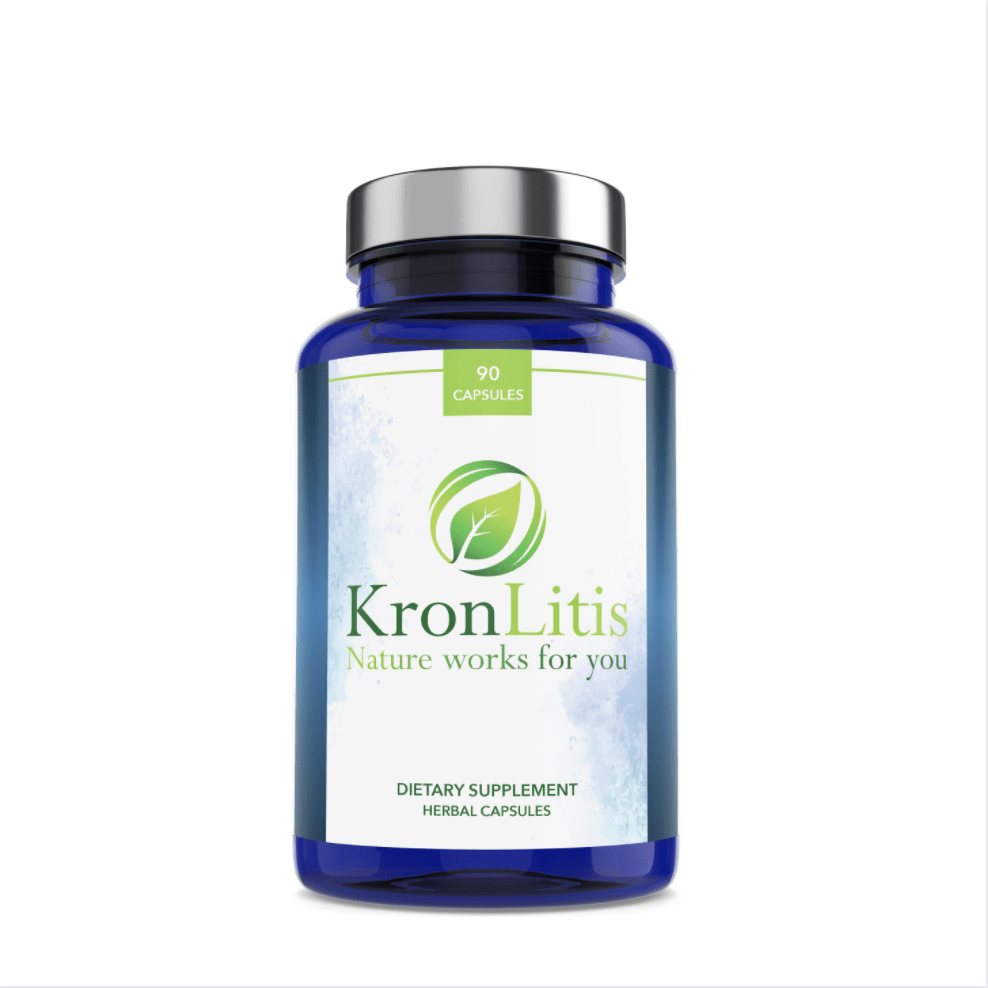
The Kronlitis herbal supplement represents a refined application of this traditional knowledge, combining four specific herbs chosen for their complementary actions. Unlike single-herb supplements that may provide limited benefit, this formulation addresses inflammation, supports mucosal healing, and promotes normal digestive function simultaneously.
Each herb in the formulation serves a distinct purpose:
Root bark of Paeonia suffruticosa helps cool inflammatory heat in the digestive tract while supporting healthy blood flow to damaged tissues. This action promotes the delivery of nutrients and immune cells necessary for proper healing.
Processed ginger warms the digestive system and supports proper motility. In Chinese Medicine terms, it addresses the “cold” patterns often seen in chronic digestive weakness, helping restore proper digestive fire.
Scutellaria baicalensis provides potent anti-inflammatory action, particularly valuable for the hot, painful presentations common in active colitis and Crohn’s disease. Research has identified numerous active compounds in this herb that modulate inflammatory signaling.
Licorice root serves multiple functions: it harmonizes the formulation, enhances the action of other herbs, and provides direct soothing effects on irritated mucous membranes. Modern research confirms its demulcent and anti-inflammatory properties.
When these herbs combine, they create effects beyond what any single ingredient achieves alone. This traditional herbal medicine approach mirrors modern pharmacological understanding of combination therapy, where multiple mechanisms produce superior outcomes.
How to Implement an Integrative Digestive Healing Protocol
Successful outcomes with natural abdominal cramping remedies require more than simply taking supplements. A comprehensive approach combines herbal support with lifestyle modifications that create conditions for genuine healing.
The following protocol provides a structured approach to integrative approaches to digestive health:
- Begin with the foundational herbal formulation Take the four-herb combination consistently as directed. Results typically emerge within 2-4 weeks, though complete healing requires longer-term commitment
- Identify and remove trigger foods Common culprits include dairy, gluten, refined sugars, and processed foods. An elimination diet helps pinpoint personal triggers
- Emphasize anti-inflammatory nutrition Focus on cooked vegetables, lean proteins, bone broth, and healthy fats. Raw foods may irritate inflamed tissues
- Implement stress reduction practices The gut-brain axis means emotional stress directly impacts digestive function. Daily meditation, gentle movement, or breathing exercises prove essential
- Prioritize quality sleep Healing occurs during rest. Aim for 7-9 hours nightly, with consistent sleep and wake times
- Stay properly hydrated Warm water and herbal teas support digestion better than cold beverages. Avoid carbonated drinks that may cause bloating
- Monitor symptoms systematically Track bowel movements, pain levels, energy, and food intake to identify patterns and measure progress
- Gradually expand diet as healing progresses Once inflammation calms, slowly reintroduce foods while monitoring tolerance
Consistency matters more than perfection. Missing occasional doses or indulging in trigger foods occasionally won’t derail progress, but returning to old patterns will. The goal is sustainable change that supports long-term remission.
Evidence-Based Herbal Solutions That Outperform Standard Treatments
Skepticism about natural remedies is understandable, especially after experiencing disappointment from numerous treatments. However, accumulating evidence demonstrates that well-formulated herbal stomach pain solutions can produce outcomes that rival or exceed conventional approaches.
According to Mdpi, clinical research continues validating the effectiveness of traditional herbal formulations for inflammatory bowel conditions, with studies demonstrating significant reductions in inflammatory markers and improvements in quality of life measures.
The advantage of multi-herb formulations lies in their ability to address the complex pathological processes underlying chronic digestive disease. While a single drug targets one mechanism, synergistic herbs work through multiple pathways:
| Outcome Measure | Conventional Treatment Only | Integrated Herbal Protocol |
|---|---|---|
| Time to Initial Symptom Relief | 2-6 weeks (depending on medication) | 2-4 weeks |
| Remission Achievement Rate | Variable; many experience flares | Higher sustained remission rates reported |
| Side Effect Profile | Often significant; dose-dependent | Generally mild; well-tolerated |
| Cost (12 months) | $3,000-$30,000+ | $1,500-$3,000 |
| Quality of Life Improvement | Moderate; side effects limit function | Significant; return to normal activities common |
documented patient success stories frequently highlight experiences of those who had nearly given up hope before finding meaningful relief through herbal protocols. These accounts describe not just symptom reduction but genuine life transformation, with individuals returning to work, social activities, and normal eating patterns they thought were permanently lost.
What distinguishes successful outcomes isn’t magic but mechanism. The right combination of herbs, properly sourced and formulated, provides therapeutic compounds that directly address inflammation while supporting the body’s innate healing capacity. This dual action, combined with appropriate lifestyle modifications, creates conditions for genuine recovery rather than mere symptom suppression.
Breaking Through Treatment Despair: When Nothing Else Works
If you’ve tried treatment after treatment without success, you know the particular exhaustion that comes with false hope. Each new recommendation brings a flicker of possibility, followed by disappointment when results fall short. This cycle breeds understandable skepticism toward any new approach.
Many who eventually find success with natural approaches arrive at their lowest point. They’ve heard common questions about natural treatment effectiveness and doubted the answers. They’ve watched promising medications fail and trusted specialists run out of options.
What makes the difference for these individuals isn’t blind faith but willingness to try one more evidence-based approach. The key distinction involves choosing properly formulated products with documented success, not random supplements from health food store shelves.
The four-herb protocol differs from previous failed attempts in several ways:
Quality sourcing ensures therapeutic levels of active compounds. Many commercial supplements contain insufficient quantities or adulterated ingredients. Professional-grade formulations maintain strict quality control.
Synergistic formulation means herbs work together rather than in isolation. This cooperative effect produces results impossible with single ingredients.
Integration with lifestyle changes addresses the whole picture. Herbs alone help; herbs combined with proper diet, stress management, and sleep hygiene heal.
Those who’ve struggled for years deserve honest acknowledgment: your frustration is valid. Medical complexity isn’t personal failing. Natural approaches aren’t magic, but they offer a genuine alternative path for those conventional medicine has underserved.
Cost Comparison: Natural Remedies vs. Pharmaceutical Management
Financial considerations weigh heavily on chronic disease management. Between medication costs, specialist visits, hospital stays, and lost work, digestive diseases create substantial economic burdens. Understanding the true cost breakdown helps inform treatment decisions.
For those seeking affordable natural treatment options, the long-term economics often favor natural approaches, particularly for those without comprehensive insurance coverage.
| Cost Category | Conventional Management (Annual) | Natural Protocol (Annual) |
|---|---|---|
| Primary Treatment | $1,200-$25,000 | $1,500-$2,500 |
| Specialist Visits | $500-$2,000 | $200-$800 |
| Lab Work/Monitoring | $300-$1,000 | $200-$600 |
| Managing Side Effects | $200-$2,000 | $50-$200 |
| Lost Productivity | Variable; often significant | Reduced with improved health |
| Total Estimated Range | $2,200-$30,000+ | $2,150-$4,100 |
Insurance coverage dramatically affects these figures. Those with comprehensive coverage may face lower out-of-pocket costs for conventional treatment, though high-deductible plans still expose patients to significant expenses. Natural approaches typically aren’t insurance-covered, making their sticker price the actual cost.
However, the hidden costs of conventional treatment merit consideration. Transportation to appointments, time off work for procedures, and the economic impact of medication side effects add substantially to the true financial burden.
When calculating value, consider outcome quality. A less expensive treatment that fails or produces unacceptable side effects isn’t truly economical. The most cost-effective approach is whichever one actually works for your specific situation.
Key Takeaways: Building Your Natural Digestive Wellness Strategy
Creating lasting change in chronic digestive health requires understanding core principles rather than chasing quick fixes. These comprehensive digestive wellness approach essentials provide a foundation for success.
- Multi-herb formulations outperform single ingredients Synergistic combinations address complex disease processes through multiple mechanisms simultaneously, producing superior results compared to isolated supplements
- Consistency drives outcomes Sporadic use produces sporadic results. Regular, sustained use of herbal protocols allows therapeutic levels to build and healing to progress
- Lifestyle integration multiplies benefits Herbs provide powerful support, but combining them with anti-inflammatory nutrition, stress management, and proper sleep creates optimal healing conditions
- Quality sourcing matters tremendously Professional-grade formulations with verified potency deliver therapeutic effects; generic supplements often contain insufficient active compounds
- Patience remains essential Initial improvements typically emerge within weeks, but complete mucosal healing requires months. Those who persist through the full protocol see the best outcomes
- Remission enables normalcy Many patients report returning to work, social activities, and eating patterns they’d abandoned. The goal isn’t management but genuine life restoration
The path forward doesn’t require choosing between conventional and natural approaches exclusively. Integration, guided by knowledgeable practitioners, often produces optimal results. The key involves finding interventions that actually work for your specific condition and committing to consistent implementation.
Frequently Asked Questions About Natural Stomach Ache Remedies
Are natural remedies safe to use alongside my current medications?
Yes, with proper guidance. Many patients successfully combine herbal protocols with conventional treatments, though coordination with healthcare providers prevents potential interactions. Professional oversight ensures safe integration while monitoring for overlap or contraindications.
How long before I notice improvement with herbal protocols?
Initial improvements typically emerge within 2-4 weeks. Most patients notice reduced pain, fewer bathroom trips, and improved energy during the first month. Complete mucosal healing and full symptom resolution require 8-16 weeks for most individuals, with variations based on disease severity.
Can I stop taking my prescription medications once I start natural remedies?
No, never discontinue prescribed medications without medical supervision. Withdrawal effects and disease flares can occur with abrupt discontinuation. The appropriate approach involves gradual transition under practitioner guidance as symptoms improve and healing progresses.
Will these remedies work for severe or long-standing digestive conditions?
Many with years of chronic disease experience significant improvement. Duration and severity don’t preclude success, though more established disease may require longer treatment periods. Those who’ve exhausted conventional options often find natural protocols provide relief where other approaches failed.
Are there side effects from the four-herb Chinese formulation?
Side effects are generally mild and uncommon. Some individuals experience initial digestive adjustment symptoms like mild bloating or changed bowel habits. These typically resolve within days as the body adapts. Serious adverse effects are rare with properly sourced, quality-controlled formulations.
How does cost compare to ongoing pharmaceutical management?
Natural protocols typically cost $1,500-$2,500 annually versus $3,000-$30,000+ for conventional management. While insurance may cover portions of conventional treatment, out-of-pocket costs often remain substantial. Natural approaches provide predictable, transparent pricing without hidden expenses.
@keyframes hoox-lf-in-hoox-f-5dff2de8-0cc8-4ddc-be1a-990a54-bottom {
from { opacity: 0; transform: translateY(8px); }
to { opacity: 1; transform: translateY(0); }
}
#hoox-f-5dff2de8-0cc8-4ddc-be1a-990a54-bottom {
width: 100%;
max-width: 100%;
box-sizing: border-box;
display: flex;
flex-direction: column;
gap: 20px;
margin: 48px 0;
padding: 32px 28px;
border-radius: 16px;
background: #ffffff;
color: #111111;
font-family: inherit;
border: 1px solid #E2E8F0;
animation: hoox-lf-in-hoox-f-5dff2de8-0cc8-4ddc-be1a-990a54-bottom 0.3s cubic-bezier(0.16, 1, 0.3, 1);
direction: inherit;
}
#hoox-f-5dff2de8-0cc8-4ddc-be1a-990a54-bottom .hoox-form-header {
display: flex;
flex-direction: column;
gap: 8px;
text-align: center;
}
#hoox-f-5dff2de8-0cc8-4ddc-be1a-990a54-bottom .hoox-form-header h2 {
margin: 0;
font-size: 1.5em;
font-weight: 700;
line-height: 1.3;
color: #111111;
border: none;
padding: 0;
}
#hoox-f-5dff2de8-0cc8-4ddc-be1a-990a54-bottom .hoox-form-header p {
margin: 0;
font-size: 1em;
line-height: 1.6;
color: #64748B;
}
#hoox-f-5dff2de8-0cc8-4ddc-be1a-990a54-bottom form[data-hx-form] {
margin: 0;
display: flex;
flex-direction: column;
gap: 14px;
}
#hoox-f-5dff2de8-0cc8-4ddc-be1a-990a54-bottom .hoox-field-wrap {
position: relative;
width: 100%;
box-sizing: border-box;
}
#hoox-f-5dff2de8-0cc8-4ddc-be1a-990a54-bottom .hoox-field-wrap input {
width: 100%;
box-sizing: border-box;
height: 44px;
padding-inline-start: 42px;
padding-inline-end: 14px;
border: 1px solid #E2E8F0;
border-radius: 10px;
font-size: 14px;
color: #111111;
font-family: inherit;
background-color: #F8FAFC;
transition: border-color 0.15s ease, box-shadow 0.15s ease, background-color 0.15s ease;
outline: none;
direction: inherit;
text-align: start;
}
#hoox-f-5dff2de8-0cc8-4ddc-be1a-990a54-bottom .hoox-field-wrap input::placeholder {
color: #94A3B8;
opacity: 1;
}
#hoox-f-5dff2de8-0cc8-4ddc-be1a-990a54-bottom .hoox-field-wrap input:focus {
background-color: #FFFFFF;
border-color: #0077B6,#00B4D8,#90E0EF;
box-shadow: 0 0 0 3px rgba(15, 23, 42, 0.08);
}
#hoox-f-5dff2de8-0cc8-4ddc-be1a-990a54-bottom .hoox-field-icon {
position: absolute;
top: 0;
bottom: 0;
inset-inline-start: 0;
width: 42px;
display: flex;
align-items: center;
justify-content: center;
pointer-events: none;
color: #94A3B8;
transition: color 0.15s ease;
}
#hoox-f-5dff2de8-0cc8-4ddc-be1a-990a54-bottom .hoox-field-wrap:focus-within .hoox-field-icon {
color: #0077B6,#00B4D8,#90E0EF;
}
#hoox-f-5dff2de8-0cc8-4ddc-be1a-990a54-bottom button[type=”submit”] {
width: 100%;
height: 44px;
margin-top: 4px;
border: none;
border-radius: 10px;
background: #0077B6,#00B4D8,#90E0EF;
color: #FFFFFF;
font-size: 14px;
font-weight: 600;
cursor: pointer;
transition: opacity 0.15s ease, transform 0.15s ease, box-shadow 0.15s ease;
box-shadow: 0 1px 2px 0 rgba(0, 0, 0, 0.05);
}
#hoox-f-5dff2de8-0cc8-4ddc-be1a-990a54-bottom button[type=”submit”]:hover {
opacity: 0.94;
}
#hoox-f-5dff2de8-0cc8-4ddc-be1a-990a54-bottom button[type=”submit”]:active {
transform: scale(0.99);
}
#hoox-f-5dff2de8-0cc8-4ddc-be1a-990a54-bottom button[type=”submit”]:disabled {
opacity: 0.6;
cursor: not-allowed;
}
#hoox-f-5dff2de8-0cc8-4ddc-be1a-990a54-bottom .hoox-disclaimer {
margin: 0;
text-align: center;
font-size: 12px;
line-height: 1.5;
color: #94A3B8;
}
#hoox-f-5dff2de8-0cc8-4ddc-be1a-990a54-bottom .hoox-disclaimer a {
color: inherit;
text-decoration: underline;
text-underline-offset: 2px;
}
#hoox-f-5dff2de8-0cc8-4ddc-be1a-990a54-bottom .hoox-disclaimer a:hover {
text-decoration: none;
}
#hoox-f-5dff2de8-0cc8-4ddc-be1a-990a54-bottom .hoox-success {
display: none;
flex-direction: column;
align-items: center;
gap: 14px;
padding: 12px 0;
position: relative;
}
#hoox-f-5dff2de8-0cc8-4ddc-be1a-990a54-bottom .hoox-confetti {
position: absolute;
inset: 0;
overflow: visible;
pointer-events: none;
}
#hoox-f-5dff2de8-0cc8-4ddc-be1a-990a54-bottom .hoox-confetti span {
position: absolute;
top: 50%;
left: 50%;
width: 7px;
height: 11px;
background: var(–hoox-c);
border-radius: 2px;
opacity: 0;
animation: hoox-confetti-burst 0.9s ease-out forwards;
animation-delay: var(–hoox-d, 0s);
}
@keyframes hoox-confetti-burst {
0% { opacity: 1; transform: translate(-50%, -50%) rotate(0deg) scale(1); }
100% { opacity: 0; transform: translate(calc(-50% + var(–hoox-tx)), calc(-50% + var(–hoox-ty))) rotate(var(–hoox-rz)) scale(0.5); }
}
#hoox-f-5dff2de8-0cc8-4ddc-be1a-990a54-bottom .hoox-success-icon {
width: 52px;
height: 52px;
border-radius: 50%;
background: #ECFDF5;
display: flex;
align-items: center;
justify-content: center;
font-size: 26px;
line-height: 1;
animation: hoox-success-pop 0.4s cubic-bezier(0.34, 1.56, 0.64, 1);
}
@keyframes hoox-success-pop {
from { opacity: 0; transform: scale(0.5); }
to { opacity: 1; transform: scale(1); }
}
#hoox-f-5dff2de8-0cc8-4ddc-be1a-990a54-bottom .hoox-success-text {
margin: 0;
text-align: center;
font-size: 15px;
font-weight: 600;
line-height: 1.5;
color: #111111;
}
#hoox-f-5dff2de8-0cc8-4ddc-be1a-990a54-bottom .hoox-disabled-state {
display: none;
flex-direction: column;
align-items: center;
gap: 14px;
padding: 12px 0;
text-align: center;
}
#hoox-f-5dff2de8-0cc8-4ddc-be1a-990a54-bottom .hoox-disabled-icon {
width: 52px;
height: 52px;
border-radius: 50%;
background: #F1F5F9;
display: flex;
align-items: center;
justify-content: center;
color: #64748B;
}
#hoox-f-5dff2de8-0cc8-4ddc-be1a-990a54-bottom .hoox-disabled-text {
margin: 0;
font-size: 14px;
line-height: 1.6;
color: #64748B;
}
#hoox-f-5dff2de8-0cc8-4ddc-be1a-990a54-bottom .hoox-disabled-text a {
color: inherit;
font-weight: 600;
text-decoration: underline;
text-underline-offset: 2px;
}
#hoox-f-5dff2de8-0cc8-4ddc-be1a-990a54-bottom .hoox-disabled-text a:hover {
text-decoration: none;
}
See What This Could Look Like For You
Takes 30 seconds
Thanks! We’ll be in touch.