
Symptoms of Crohn’s Disease in Women
Women with Crohn’s disease experience distinct symptom patterns that differ from men, including menstrual cycle disruption, higher rates of iron-deficiency anemia, and unique pelvic manifestations. Understanding these gender-specific symptoms is critical for accurate diagnosis and effective management. Research from 2026 reveals that up to 40% of women with active Crohn’s report irregular or painful periods, while one-third develop anemia from chronic intestinal bleeding complications that require targeted attention beyond standard treatment protocols.
Quick Answer: Core Female-Specific Crohn’s Symptoms
Women face a unique set of challenges when inflammatory bowel disease strikes. While abdominal pain and diarrhea affect all patients, female Crohn’s manifestations create additional layers of complexity that demand specialized attention from healthcare providers.
- Menstrual irregularities Up to 40% of women experience cycle disruptions, painful periods, or temporary symptom flares before menstruation.
- Iron-deficiency anemia Affects one-third of female patients due to chronic intestinal bleeding and impaired nutrient absorption.
- Pelvic pain and discomfort Inflammation can spread to reproductive organs, causing pain that mimics gynecological conditions.
- Fertility challenges Active disease may temporarily reduce fertility, particularly during flare-ups.
- Pregnancy complications Requires careful disease management to reduce risks of preterm delivery or low birth weight.
- Fistula development Abnormal connections between intestines and other organs occur more frequently in women.
- Body image and intimacy issues Chronic symptoms often impact psychological wellbeing and romantic relationships.
According to Healthline, women with Crohn’s disease often experience irregular and painful menstrual cycles, particularly when the disease is active. For more detailed information about the condition, see our comprehensive Crohn’s FAQ.
@keyframes hoox-lf-in-hoox-f-68663498-3d94-43b9-b047-4034a2-top {
from { opacity: 0; transform: translateY(8px); }
to { opacity: 1; transform: translateY(0); }
}
#hoox-f-68663498-3d94-43b9-b047-4034a2-top {
width: 100%;
max-width: 100%;
box-sizing: border-box;
display: flex;
flex-direction: column;
gap: 20px;
margin: 48px 0;
padding: 32px 28px;
border-radius: 16px;
background: #ffffff;
color: #111111;
font-family: inherit;
border: 1px solid #E2E8F0;
animation: hoox-lf-in-hoox-f-68663498-3d94-43b9-b047-4034a2-top 0.3s cubic-bezier(0.16, 1, 0.3, 1);
direction: inherit;
}
#hoox-f-68663498-3d94-43b9-b047-4034a2-top .hoox-form-header {
display: flex;
flex-direction: column;
gap: 8px;
text-align: center;
}
#hoox-f-68663498-3d94-43b9-b047-4034a2-top .hoox-form-header h2 {
margin: 0;
font-size: 1.5em;
font-weight: 700;
line-height: 1.3;
color: #111111;
border: none;
padding: 0;
}
#hoox-f-68663498-3d94-43b9-b047-4034a2-top .hoox-form-header p {
margin: 0;
font-size: 1em;
line-height: 1.6;
color: #64748B;
}
#hoox-f-68663498-3d94-43b9-b047-4034a2-top form[data-hx-form] {
margin: 0;
display: flex;
flex-direction: column;
gap: 14px;
}
#hoox-f-68663498-3d94-43b9-b047-4034a2-top .hoox-field-wrap {
position: relative;
width: 100%;
box-sizing: border-box;
}
#hoox-f-68663498-3d94-43b9-b047-4034a2-top .hoox-field-wrap input {
width: 100%;
box-sizing: border-box;
height: 44px;
padding-inline-start: 42px;
padding-inline-end: 14px;
border: 1px solid #E2E8F0;
border-radius: 10px;
font-size: 14px;
color: #111111;
font-family: inherit;
background-color: #F8FAFC;
transition: border-color 0.15s ease, box-shadow 0.15s ease, background-color 0.15s ease;
outline: none;
direction: inherit;
text-align: start;
}
#hoox-f-68663498-3d94-43b9-b047-4034a2-top .hoox-field-wrap input::placeholder {
color: #94A3B8;
opacity: 1;
}
#hoox-f-68663498-3d94-43b9-b047-4034a2-top .hoox-field-wrap input:focus {
background-color: #FFFFFF;
border-color: #0077B6,#00B4D8,#90E0EF;
box-shadow: 0 0 0 3px rgba(15, 23, 42, 0.08);
}
#hoox-f-68663498-3d94-43b9-b047-4034a2-top .hoox-field-icon {
position: absolute;
top: 0;
bottom: 0;
inset-inline-start: 0;
width: 42px;
display: flex;
align-items: center;
justify-content: center;
pointer-events: none;
color: #94A3B8;
transition: color 0.15s ease;
}
#hoox-f-68663498-3d94-43b9-b047-4034a2-top .hoox-field-wrap:focus-within .hoox-field-icon {
color: #0077B6,#00B4D8,#90E0EF;
}
#hoox-f-68663498-3d94-43b9-b047-4034a2-top button[type=”submit”] {
width: 100%;
height: 44px;
margin-top: 4px;
border: none;
border-radius: 10px;
background: #0077B6,#00B4D8,#90E0EF;
color: #FFFFFF;
font-size: 14px;
font-weight: 600;
cursor: pointer;
transition: opacity 0.15s ease, transform 0.15s ease, box-shadow 0.15s ease;
box-shadow: 0 1px 2px 0 rgba(0, 0, 0, 0.05);
}
#hoox-f-68663498-3d94-43b9-b047-4034a2-top button[type=”submit”]:hover {
opacity: 0.94;
}
#hoox-f-68663498-3d94-43b9-b047-4034a2-top button[type=”submit”]:active {
transform: scale(0.99);
}
#hoox-f-68663498-3d94-43b9-b047-4034a2-top button[type=”submit”]:disabled {
opacity: 0.6;
cursor: not-allowed;
}
#hoox-f-68663498-3d94-43b9-b047-4034a2-top .hoox-disclaimer {
margin: 0;
text-align: center;
font-size: 12px;
line-height: 1.5;
color: #94A3B8;
}
#hoox-f-68663498-3d94-43b9-b047-4034a2-top .hoox-disclaimer a {
color: inherit;
text-decoration: underline;
text-underline-offset: 2px;
}
#hoox-f-68663498-3d94-43b9-b047-4034a2-top .hoox-disclaimer a:hover {
text-decoration: none;
}
#hoox-f-68663498-3d94-43b9-b047-4034a2-top .hoox-success {
display: none;
flex-direction: column;
align-items: center;
gap: 14px;
padding: 12px 0;
position: relative;
}
#hoox-f-68663498-3d94-43b9-b047-4034a2-top .hoox-confetti {
position: absolute;
inset: 0;
overflow: visible;
pointer-events: none;
}
#hoox-f-68663498-3d94-43b9-b047-4034a2-top .hoox-confetti span {
position: absolute;
top: 50%;
left: 50%;
width: 7px;
height: 11px;
background: var(–hoox-c);
border-radius: 2px;
opacity: 0;
animation: hoox-confetti-burst 0.9s ease-out forwards;
animation-delay: var(–hoox-d, 0s);
}
@keyframes hoox-confetti-burst {
0% { opacity: 1; transform: translate(-50%, -50%) rotate(0deg) scale(1); }
100% { opacity: 0; transform: translate(calc(-50% + var(–hoox-tx)), calc(-50% + var(–hoox-ty))) rotate(var(–hoox-rz)) scale(0.5); }
}
#hoox-f-68663498-3d94-43b9-b047-4034a2-top .hoox-success-icon {
width: 52px;
height: 52px;
border-radius: 50%;
background: #ECFDF5;
display: flex;
align-items: center;
justify-content: center;
font-size: 26px;
line-height: 1;
animation: hoox-success-pop 0.4s cubic-bezier(0.34, 1.56, 0.64, 1);
}
@keyframes hoox-success-pop {
from { opacity: 0; transform: scale(0.5); }
to { opacity: 1; transform: scale(1); }
}
#hoox-f-68663498-3d94-43b9-b047-4034a2-top .hoox-success-text {
margin: 0;
text-align: center;
font-size: 15px;
font-weight: 600;
line-height: 1.5;
color: #111111;
}
#hoox-f-68663498-3d94-43b9-b047-4034a2-top .hoox-disabled-state {
display: none;
flex-direction: column;
align-items: center;
gap: 14px;
padding: 12px 0;
text-align: center;
}
#hoox-f-68663498-3d94-43b9-b047-4034a2-top .hoox-disabled-icon {
width: 52px;
height: 52px;
border-radius: 50%;
background: #F1F5F9;
display: flex;
align-items: center;
justify-content: center;
color: #64748B;
}
#hoox-f-68663498-3d94-43b9-b047-4034a2-top .hoox-disabled-text {
margin: 0;
font-size: 14px;
line-height: 1.6;
color: #64748B;
}
#hoox-f-68663498-3d94-43b9-b047-4034a2-top .hoox-disabled-text a {
color: inherit;
font-weight: 600;
text-decoration: underline;
text-underline-offset: 2px;
}
#hoox-f-68663498-3d94-43b9-b047-4034a2-top .hoox-disabled-text a:hover {
text-decoration: none;
}
See What This Could Look Like For You
Takes 30 seconds
Thanks! We’ll be in touch.

Menstrual and Reproductive System Disruptions [2026 Data]
The relationship between Crohn’s menstrual cycle patterns represents one of the most significant gender-specific aspects of this disease. Women frequently notice their digestive symptoms worsen in the days before their period begins a phenomenon tied to prostaglandin release and hormonal fluctuations that affect intestinal inflammation.
Research from 2026 indicates that up to 40% of women with active Crohn’s disease report irregular periods or dysmenorrhea. During flares, some women may stop menstruating entirely as the body redirects resources toward fighting inflammation. This amenorrhea can persist for months in severe cases, raising concerns about bone density and reproductive health.
According to Ubiehealth, women with Crohn’s disease often experience irregular and painful menstrual cycles, particularly when inflammation levels are high. The interplay between hormones and immune function creates a cycle where each influences the other.
Fertility deserves attention too. Women in remission generally have normal fertility rates, but active disease can impair ovulation and increase the time to conception. Inflammation in the pelvic region may affect the fallopian tubes or ovaries directly. Some medications used for treatment may also impact fertility, making discussions with healthcare providers essential before trying to conceive.
| Symptom Aspect | During Active Flare | During Remission |
|---|---|---|
| Menstrual Regularity | Irregular or absent periods | Normal cycles |
| Period Pain Severity | Significantly increased | Normal to mild |
| Premenstrual Flares | More intense digestive symptoms | Minimal correlation |
| Fertility Status | Potentially reduced | Normal expected rates |
| Pregnancy Planning | Not recommended during flare | Generally safe with monitoring |
Pregnancy outcomes for women with Crohn’s disease have improved significantly with modern care approaches. Most women with well-controlled disease have healthy pregnancies and babies. However, active disease during pregnancy increases risks of preterm delivery, low birth weight, and complications. The goal shifts to achieving and maintaining remission before conception whenever possible.
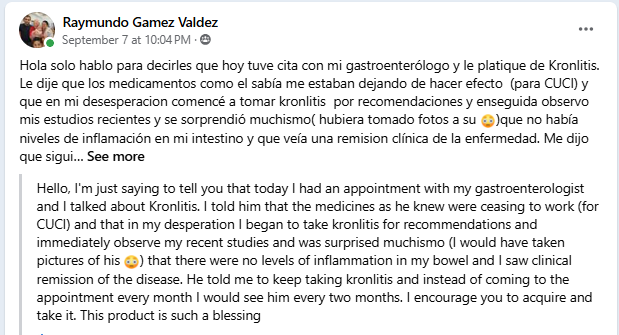
Women seeking gentler approaches to managing their symptoms often explore natural IBD management solutions alongside conventional treatments.
Iron-Deficiency Anemia: A Hidden Epidemic in Female Crohn’s Patients
Anemia represents one of the most common yet overlooked complications of inflammatory bowel disease female patients face. The numbers are striking about one-third of women with Crohn’s develop iron-deficiency anemia, making it far more prevalent in this population than in the general public.
According to Healthgrades, iron deficiency anemia is common in women with Crohn’s disease, affecting about one-third of patients due to chronic intestinal bleeding and poor iron absorption. This creates a dual burden for women who already lose blood monthly through menstruation.
The mechanism involves several factors. Chronic inflammation in the intestines causes microscopic bleeding that patients might not notice in their stool. Over time, this blood loss depletes iron stores. Additionally, inflammation in the duodenum and upper small intestine the primary sites of iron absorption reduces the body’s ability to extract this mineral from food.
Women face compounded risk because menstruation already creates regular iron demands. When you add intestinal bleeding and malabsorption to monthly blood loss, deficiency becomes almost inevitable without intervention. The result is fatigue that goes beyond normal tiredness.
- Profound fatigue Exhaustion that rest doesn’t resolve, affecting work and daily activities.
- Pale skin and nail changes Visible signs of reduced hemoglobin and oxygen transport.
- Shortness of breath Even mild exertion becomes difficult with severe anemia.
- Cognitive fog Difficulty concentrating and mental fatigue compound physical symptoms.
- Restless legs An often-overlooked symptom that disrupts sleep quality.
- Reduced exercise tolerance Activities once easy become challenging or impossible.
Oral iron supplements help some patients, but many women with active Crohn’s struggle to tolerate them due to gastrointestinal side effects. Intravenous iron infusions offer an alternative for those who cannot absorb oral supplements. The Kronlitis herbal supplement aims to address underlying inflammation, which may support the body’s natural healing processes.
Pelvic Pain Patterns That Mimic Gynecological Conditions
One of the most challenging aspects of women’s digestive health involves distinguishing Crohn’s-related pelvic pain from gynecological conditions. The anatomical proximity of the intestines to reproductive organs means inflammation in one area can cause pain that feels like it originates from another.
Women with Crohn’s disease involving the terminal ileum the last part of the small intestine often experience pain in the right lower abdomen. This location overlaps with ovarian pain, leading many women to initially consult gynecologists. Similarly, inflammation in the sigmoid colon can cause pelvic pressure that mimics uterine conditions.
According to Gastro1, women with Crohn’s disease often experience irregular and painful symptoms that can be mistaken for purely gynecological issues. This diagnostic confusion delays appropriate treatment and prolongs suffering.
Fistulas represent a particularly difficult complication where abnormal tunnels form between the intestines and other structures. Enterovaginal fistulas connections between the bowel and vagina can cause passage of stool or gas through the vagina. Though rare, this complication requires specialized surgical intervention.
- Pain that worsens with bowel movements Suggests intestinal rather than reproductive origin.
- Bloating that resolves after passing stool Indicates digestive involvement.
- Pain persisting between periods Less likely to be purely menstrual.
- Rectal bleeding or mucus Clear sign of bowel involvement requiring investigation.
- Pain during intercourse Can indicate either condition; deep dyspareunia may suggest pelvic inflammation from Crohn’s.
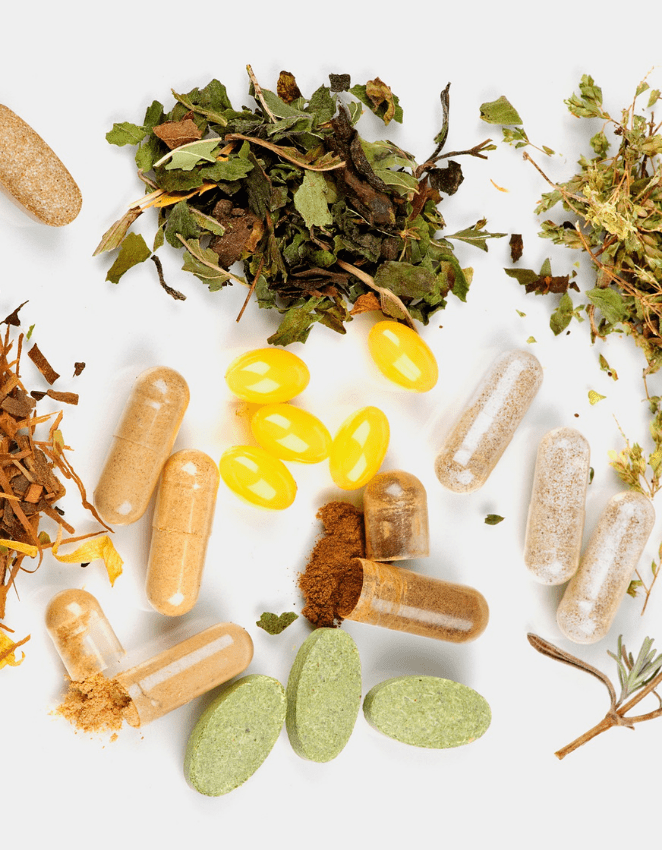
Reading real patient experiences helps many women recognize patterns in their own symptoms and feel less alone in their diagnostic journey.

How to Distinguish Crohn’s Symptoms from Other Female Health Issues
Differential diagnosis between Crohn’s and conditions like endometriosis, irritable bowel syndrome, and polycystic ovary syndrome challenges even experienced physicians. Each condition shares overlapping symptoms, yet the treatment approaches differ dramatically.
Endometriosis particularly mimics Crohn’s in how it causes cyclic pelvic pain, digestive symptoms around menstruation, and potential infertility. Both conditions can cause pain during intercourse and bowel movements. However, endometriosis pain typically follows the menstrual cycle closely, while Crohn’s symptoms may fluctuate independently.
| Symptom | Crohn’s Disease | Endometriosis | IBS |
|---|---|---|---|
| Blood in Stool | Common | Rare | Uncommon |
| Nighttime Symptoms | Frequent | Occasional | Rare |
| Weight Loss | Common | Uncommon | Uncommon |
| Fever | During flares | Rare | Absent |
| Anemia | Very common | Possible | Rare |
| Cycle-Linked Flares | Common | Defining feature | Common |
| Inflammation Markers | Elevated | Usually normal | Normal |
Getting the right diagnosis requires advocating for comprehensive testing. This typically includes blood work for inflammatory markers, stool calprotectin testing, and imaging studies. Colonoscopy with biopsy remains the gold standard for confirming Crohn’s disease. Laparoscopy may be necessary to diagnose endometriosis definitively.
Women benefit from seeking an integrative digestive health approach that considers the whole person rather than focusing narrowly on one organ system.
Systemic Symptoms Beyond the Digestive Tract
Crohn’s disease extends far beyond the intestines. Gender-specific IBD signs include extraintestinal manifestations that affect joints, skin, eyes, and other organ systems. These symptoms affect up to 40% of IBD patients and may appear before, during, or after intestinal symptoms.
Joint pain represents the most common extraintestinal manifestation. Women may develop peripheral arthropathy affecting large joints like knees and ankles, or axial arthritis involving the spine and sacroiliac joints. Unlike rheumatoid arthritis, this IBD-associated arthritis typically doesn’t cause joint destruction, but the pain and stiffness significantly impact quality of life.
- Joint pain and swelling Often migratory, moving between different joints over time.
- Skin lesions Including erythema nodosum (painful red nodules) and pyoderma gangrenosum.
- Eye inflammation Uveitis, episcleritis, and conjunctivitis can cause redness and pain.
- Mouth ulcers Aphthous sores similar to canker sores, often during flares.
- Kidney stones Increased risk due to metabolic changes from intestinal disease.
- Gallstones More common in Crohn’s patients, especially after ileal resection.
Skin manifestations show particular gender patterns. Erythema nodosum painful, red nodules typically on the shins occurs more frequently in women than men with IBD. These lesions often correlate with disease activity, improving as intestinal inflammation resolves.
Understanding these connections helps women recognize that symptoms throughout their body might relate to digestive inflammation. Documenting all symptoms, even those that seem unrelated, provides valuable information for healthcare providers. Join our evidence-based journey to learn more about addressing the full spectrum of IBD manifestations.
Natural Therapeutic Approaches for Female Crohn’s Patients
Managing Crohn’s reproductive symptoms and digestive inflammation requires a multifaceted approach. While conventional medications play essential roles, many women seek complementary therapies to support their healing journey and reduce reliance on drugs with significant side effect profiles.
Traditional Chinese Medicine offers time-tested herbs with anti-inflammatory properties. Certain formulas containing four carefully selected herbs have shown promise in supporting remission for patients with colitis and colon-based Crohn’s disease. These natural approaches aim to calm inflammation while supporting the body’s inherent healing capacity.
The appeal of herbal approaches lies partly in their gentler side effect profile compared to corticosteroids and immunosuppressants. Women of childbearing age particularly benefit from treatments that don’t carry pregnancy risks or interact with hormonal medications. However, natural doesn’t automatically mean safe quality matters tremendously.
Key considerations when exploring natural options include:
- Quality sourcing Herbs should be tested for purity and potency.
- Standardized formulations Consistent dosing ensures predictable results.
- Integration with conventional care Natural approaches work best alongside proper medical supervision.
- Personalized selection Not every herb suits every patient or symptom pattern.
Kronlitis has developed a natural dietary supplement based on traditional Chinese herbal wisdom, containing four specific herbs chosen for their anti-inflammatory properties. Manufactured in Germany under rigorous quality standards, this formula has helped many individuals worldwide achieve remission from colitis and colon-based Crohn’s disease. Women interested in exploring these options can explore natural Crohn’s solutions through our resources.
Key Takeaways: Managing Female-Specific Crohn’s Manifestations
Understanding how Crohn’s disease uniquely affects women empowers patients to advocate for appropriate care and recognize symptoms that might otherwise be dismissed or misattributed.
- Menstrual health monitoring Track cycle changes and premenstrual symptom flares to identify patterns worth discussing with your healthcare team.
- Anemia screening Request regular iron studies, as fatigue may indicate deficiency long before other symptoms appear.
- Reproductive planning Achieve remission before attempting conception; discuss medication safety with specialists.
- Differential diagnosis Don’t assume all pelvic pain is gynecological; advocate for comprehensive evaluation.
- Systemic awareness Joint pain, skin changes, and eye symptoms may reflect intestinal inflammation activity.
- Integrative options Consider natural anti-inflammatory approaches alongside conventional treatments for comprehensive care.
Frequently Asked Questions
Does Crohn’s disease affect menstrual cycles?
Yes, up to 40% of women with active Crohn’s experience menstrual irregularities. Disease flares can temporarily stop periods, while hormonal fluctuations before menstruation often worsen digestive symptoms. Tracking these patterns helps patients and physicians anticipate and manage cyclical symptom changes more effectively.
Can Crohn’s disease cause infertility in women?
It can temporarily, particularly during active disease phases. Inflammation in the pelvic region may affect reproductive organs, and active disease increases time to conception. Women in remission generally have normal fertility rates, making disease control essential before attempting pregnancy.
Why is anemia so common in women with Crohn’s?
Multiple factors combine to create elevated risk. Chronic intestinal bleeding depletes iron stores, inflammation impairs absorption, and monthly menstruation adds regular blood loss. Approximately one-third of female patients develop anemia, making screening and supplementation essential components of care.
How can I tell if my pelvic pain is from Crohn’s or a gynecological condition?
Pain patterns and accompanying symptoms offer clues. Pain worsening with bowel movements, bloating that resolves after passing stool, and symptoms persisting between periods suggest digestive involvement. However, definitive diagnosis requires medical evaluation including imaging and potentially laparoscopy.
Are natural treatments effective for managing female Crohn’s symptoms?
Some natural approaches show promise for supporting remission and managing inflammation. Traditional Chinese herbal formulas containing anti-inflammatory herbs have helped many patients reduce symptom severity. The gentler side effect profile particularly appeals to women concerned about medication impacts on menstruation and fertility.
Should I stop Crohn’s medications if I want to become pregnant?
Not without medical guidance. Stopping medications can trigger flares that actually harm pregnancy more than carefully selected treatments. Many modern IBD medications are considered safe during pregnancy, while others require switching or pausing. Always discuss plans with your gastroenterologist before making medication changes.
What extraintestinal symptoms are most common in women?
Joint pain, skin lesions, and eye inflammation top the list. Women particularly develop erythema nodosum painful red nodules on the legs more frequently than men. These manifestations often correlate with intestinal disease activity and typically improve as inflammation comes under control.
@keyframes hoox-lf-in-hoox-f-68663498-3d94-43b9-b047-4034a2-bottom {
from { opacity: 0; transform: translateY(8px); }
to { opacity: 1; transform: translateY(0); }
}
#hoox-f-68663498-3d94-43b9-b047-4034a2-bottom {
width: 100%;
max-width: 100%;
box-sizing: border-box;
display: flex;
flex-direction: column;
gap: 20px;
margin: 48px 0;
padding: 32px 28px;
border-radius: 16px;
background: #ffffff;
color: #111111;
font-family: inherit;
border: 1px solid #E2E8F0;
animation: hoox-lf-in-hoox-f-68663498-3d94-43b9-b047-4034a2-bottom 0.3s cubic-bezier(0.16, 1, 0.3, 1);
direction: inherit;
}
#hoox-f-68663498-3d94-43b9-b047-4034a2-bottom .hoox-form-header {
display: flex;
flex-direction: column;
gap: 8px;
text-align: center;
}
#hoox-f-68663498-3d94-43b9-b047-4034a2-bottom .hoox-form-header h2 {
margin: 0;
font-size: 1.5em;
font-weight: 700;
line-height: 1.3;
color: #111111;
border: none;
padding: 0;
}
#hoox-f-68663498-3d94-43b9-b047-4034a2-bottom .hoox-form-header p {
margin: 0;
font-size: 1em;
line-height: 1.6;
color: #64748B;
}
#hoox-f-68663498-3d94-43b9-b047-4034a2-bottom form[data-hx-form] {
margin: 0;
display: flex;
flex-direction: column;
gap: 14px;
}
#hoox-f-68663498-3d94-43b9-b047-4034a2-bottom .hoox-field-wrap {
position: relative;
width: 100%;
box-sizing: border-box;
}
#hoox-f-68663498-3d94-43b9-b047-4034a2-bottom .hoox-field-wrap input {
width: 100%;
box-sizing: border-box;
height: 44px;
padding-inline-start: 42px;
padding-inline-end: 14px;
border: 1px solid #E2E8F0;
border-radius: 10px;
font-size: 14px;
color: #111111;
font-family: inherit;
background-color: #F8FAFC;
transition: border-color 0.15s ease, box-shadow 0.15s ease, background-color 0.15s ease;
outline: none;
direction: inherit;
text-align: start;
}
#hoox-f-68663498-3d94-43b9-b047-4034a2-bottom .hoox-field-wrap input::placeholder {
color: #94A3B8;
opacity: 1;
}
#hoox-f-68663498-3d94-43b9-b047-4034a2-bottom .hoox-field-wrap input:focus {
background-color: #FFFFFF;
border-color: #0077B6,#00B4D8,#90E0EF;
box-shadow: 0 0 0 3px rgba(15, 23, 42, 0.08);
}
#hoox-f-68663498-3d94-43b9-b047-4034a2-bottom .hoox-field-icon {
position: absolute;
top: 0;
bottom: 0;
inset-inline-start: 0;
width: 42px;
display: flex;
align-items: center;
justify-content: center;
pointer-events: none;
color: #94A3B8;
transition: color 0.15s ease;
}
#hoox-f-68663498-3d94-43b9-b047-4034a2-bottom .hoox-field-wrap:focus-within .hoox-field-icon {
color: #0077B6,#00B4D8,#90E0EF;
}
#hoox-f-68663498-3d94-43b9-b047-4034a2-bottom button[type=”submit”] {
width: 100%;
height: 44px;
margin-top: 4px;
border: none;
border-radius: 10px;
background: #0077B6,#00B4D8,#90E0EF;
color: #FFFFFF;
font-size: 14px;
font-weight: 600;
cursor: pointer;
transition: opacity 0.15s ease, transform 0.15s ease, box-shadow 0.15s ease;
box-shadow: 0 1px 2px 0 rgba(0, 0, 0, 0.05);
}
#hoox-f-68663498-3d94-43b9-b047-4034a2-bottom button[type=”submit”]:hover {
opacity: 0.94;
}
#hoox-f-68663498-3d94-43b9-b047-4034a2-bottom button[type=”submit”]:active {
transform: scale(0.99);
}
#hoox-f-68663498-3d94-43b9-b047-4034a2-bottom button[type=”submit”]:disabled {
opacity: 0.6;
cursor: not-allowed;
}
#hoox-f-68663498-3d94-43b9-b047-4034a2-bottom .hoox-disclaimer {
margin: 0;
text-align: center;
font-size: 12px;
line-height: 1.5;
color: #94A3B8;
}
#hoox-f-68663498-3d94-43b9-b047-4034a2-bottom .hoox-disclaimer a {
color: inherit;
text-decoration: underline;
text-underline-offset: 2px;
}
#hoox-f-68663498-3d94-43b9-b047-4034a2-bottom .hoox-disclaimer a:hover {
text-decoration: none;
}
#hoox-f-68663498-3d94-43b9-b047-4034a2-bottom .hoox-success {
display: none;
flex-direction: column;
align-items: center;
gap: 14px;
padding: 12px 0;
position: relative;
}
#hoox-f-68663498-3d94-43b9-b047-4034a2-bottom .hoox-confetti {
position: absolute;
inset: 0;
overflow: visible;
pointer-events: none;
}
#hoox-f-68663498-3d94-43b9-b047-4034a2-bottom .hoox-confetti span {
position: absolute;
top: 50%;
left: 50%;
width: 7px;
height: 11px;
background: var(–hoox-c);
border-radius: 2px;
opacity: 0;
animation: hoox-confetti-burst 0.9s ease-out forwards;
animation-delay: var(–hoox-d, 0s);
}
@keyframes hoox-confetti-burst {
0% { opacity: 1; transform: translate(-50%, -50%) rotate(0deg) scale(1); }
100% { opacity: 0; transform: translate(calc(-50% + var(–hoox-tx)), calc(-50% + var(–hoox-ty))) rotate(var(–hoox-rz)) scale(0.5); }
}
#hoox-f-68663498-3d94-43b9-b047-4034a2-bottom .hoox-success-icon {
width: 52px;
height: 52px;
border-radius: 50%;
background: #ECFDF5;
display: flex;
align-items: center;
justify-content: center;
font-size: 26px;
line-height: 1;
animation: hoox-success-pop 0.4s cubic-bezier(0.34, 1.56, 0.64, 1);
}
@keyframes hoox-success-pop {
from { opacity: 0; transform: scale(0.5); }
to { opacity: 1; transform: scale(1); }
}
#hoox-f-68663498-3d94-43b9-b047-4034a2-bottom .hoox-success-text {
margin: 0;
text-align: center;
font-size: 15px;
font-weight: 600;
line-height: 1.5;
color: #111111;
}
#hoox-f-68663498-3d94-43b9-b047-4034a2-bottom .hoox-disabled-state {
display: none;
flex-direction: column;
align-items: center;
gap: 14px;
padding: 12px 0;
text-align: center;
}
#hoox-f-68663498-3d94-43b9-b047-4034a2-bottom .hoox-disabled-icon {
width: 52px;
height: 52px;
border-radius: 50%;
background: #F1F5F9;
display: flex;
align-items: center;
justify-content: center;
color: #64748B;
}
#hoox-f-68663498-3d94-43b9-b047-4034a2-bottom .hoox-disabled-text {
margin: 0;
font-size: 14px;
line-height: 1.6;
color: #64748B;
}
#hoox-f-68663498-3d94-43b9-b047-4034a2-bottom .hoox-disabled-text a {
color: inherit;
font-weight: 600;
text-decoration: underline;
text-underline-offset: 2px;
}
#hoox-f-68663498-3d94-43b9-b047-4034a2-bottom .hoox-disabled-text a:hover {
text-decoration: none;
}
See What This Could Look Like For You
Takes 30 seconds
Thanks! We’ll be in touch.