

Ulcerative Colitis Management: Evidence-Based Integration Strategies
Effective ulcerative colitis management in 2026 requires strategic integration of conventional medicine with validated complementary therapies. While advanced biologics now achieve clinical response in only 40-60% of patients, emerging data shows four-herb Chinese medicine formulations can reduce disease activity markers within 14-30 days when conventional treatments plateau. This guide dissects evidence-based integration protocols that address the 2.97% to 1.59% colectomy rate reduction between 2003-2020, giving you actionable frameworks to reclaim digestive control without living in the bathroom.
Quick Answer: What Makes Modern UC Management Effective in 2026
Modern ulcerative colitis management succeeds through a multi-modal approach that combines biologic therapies, targeted herbal formulations, and precise lifestyle modifications. This strategy works because it addresses inflammation from multiple angles rather than relying on a single mechanism of action. Patients who integrate validated complementary protocols with their prescribed regimens report faster symptom reduction and improved quality of life metrics compared to medication alone.
- Multi-modal approaches combine biologics, herbs, and lifestyle changes
- 40-60% biologic response rates leave significant treatment gaps
- Herbal formulations address inflammation within 14-30 days
- Integration protocols target faster remission achievement
- Professional guidance ensures safe herb-drug combinations
- Personalized strategies account for individual disease patterns
According to clinical research published by Frontiersin, advanced therapeutic agents including biologics and small molecules achieve clinical response rates between 40-60% in ulcerative colitis patients. This means nearly half of all patients do not achieve adequate response with the most sophisticated medications available. These treatment gaps create space for evidence-based complementary interventions. Many patients now explore herbal integration options to bridge the divide between partial and complete response.
@keyframes hoox-lf-in-hoox-f-d47c8f79-5c7c-4614-93ec-3af70b-top {
from { opacity: 0; transform: translateY(8px); }
to { opacity: 1; transform: translateY(0); }
}
#hoox-f-d47c8f79-5c7c-4614-93ec-3af70b-top {
width: 100%;
max-width: 100%;
box-sizing: border-box;
display: flex;
flex-direction: column;
gap: 20px;
margin: 48px 0;
padding: 32px 28px;
border-radius: 16px;
background: #ffffff;
color: #111111;
font-family: inherit;
border: 1px solid #E2E8F0;
animation: hoox-lf-in-hoox-f-d47c8f79-5c7c-4614-93ec-3af70b-top 0.3s cubic-bezier(0.16, 1, 0.3, 1);
direction: inherit;
}
#hoox-f-d47c8f79-5c7c-4614-93ec-3af70b-top .hoox-form-header {
display: flex;
flex-direction: column;
gap: 8px;
text-align: center;
}
#hoox-f-d47c8f79-5c7c-4614-93ec-3af70b-top .hoox-form-header h2 {
margin: 0;
font-size: 1.5em;
font-weight: 700;
line-height: 1.3;
color: #111111;
border: none;
padding: 0;
}
#hoox-f-d47c8f79-5c7c-4614-93ec-3af70b-top .hoox-form-header p {
margin: 0;
font-size: 1em;
line-height: 1.6;
color: #64748B;
}
#hoox-f-d47c8f79-5c7c-4614-93ec-3af70b-top form[data-hx-form] {
margin: 0;
display: flex;
flex-direction: column;
gap: 14px;
}
#hoox-f-d47c8f79-5c7c-4614-93ec-3af70b-top .hoox-field-wrap {
position: relative;
width: 100%;
box-sizing: border-box;
}
#hoox-f-d47c8f79-5c7c-4614-93ec-3af70b-top .hoox-field-wrap input {
width: 100%;
box-sizing: border-box;
height: 44px;
padding-inline-start: 42px;
padding-inline-end: 14px;
border: 1px solid #E2E8F0;
border-radius: 10px;
font-size: 14px;
color: #111111;
font-family: inherit;
background-color: #F8FAFC;
transition: border-color 0.15s ease, box-shadow 0.15s ease, background-color 0.15s ease;
outline: none;
direction: inherit;
text-align: start;
}
#hoox-f-d47c8f79-5c7c-4614-93ec-3af70b-top .hoox-field-wrap input::placeholder {
color: #94A3B8;
opacity: 1;
}
#hoox-f-d47c8f79-5c7c-4614-93ec-3af70b-top .hoox-field-wrap input:focus {
background-color: #FFFFFF;
border-color: #0077B6,#00B4D8,#90E0EF;
box-shadow: 0 0 0 3px rgba(15, 23, 42, 0.08);
}
#hoox-f-d47c8f79-5c7c-4614-93ec-3af70b-top .hoox-field-icon {
position: absolute;
top: 0;
bottom: 0;
inset-inline-start: 0;
width: 42px;
display: flex;
align-items: center;
justify-content: center;
pointer-events: none;
color: #94A3B8;
transition: color 0.15s ease;
}
#hoox-f-d47c8f79-5c7c-4614-93ec-3af70b-top .hoox-field-wrap:focus-within .hoox-field-icon {
color: #0077B6,#00B4D8,#90E0EF;
}
#hoox-f-d47c8f79-5c7c-4614-93ec-3af70b-top button[type=”submit”] {
width: 100%;
height: 44px;
margin-top: 4px;
border: none;
border-radius: 10px;
background: #0077B6,#00B4D8,#90E0EF;
color: #FFFFFF;
font-size: 14px;
font-weight: 600;
cursor: pointer;
transition: opacity 0.15s ease, transform 0.15s ease, box-shadow 0.15s ease;
box-shadow: 0 1px 2px 0 rgba(0, 0, 0, 0.05);
}
#hoox-f-d47c8f79-5c7c-4614-93ec-3af70b-top button[type=”submit”]:hover {
opacity: 0.94;
}
#hoox-f-d47c8f79-5c7c-4614-93ec-3af70b-top button[type=”submit”]:active {
transform: scale(0.99);
}
#hoox-f-d47c8f79-5c7c-4614-93ec-3af70b-top button[type=”submit”]:disabled {
opacity: 0.6;
cursor: not-allowed;
}
#hoox-f-d47c8f79-5c7c-4614-93ec-3af70b-top .hoox-disclaimer {
margin: 0;
text-align: center;
font-size: 12px;
line-height: 1.5;
color: #94A3B8;
}
#hoox-f-d47c8f79-5c7c-4614-93ec-3af70b-top .hoox-disclaimer a {
color: inherit;
text-decoration: underline;
text-underline-offset: 2px;
}
#hoox-f-d47c8f79-5c7c-4614-93ec-3af70b-top .hoox-disclaimer a:hover {
text-decoration: none;
}
#hoox-f-d47c8f79-5c7c-4614-93ec-3af70b-top .hoox-success {
display: none;
flex-direction: column;
align-items: center;
gap: 14px;
padding: 12px 0;
position: relative;
}
#hoox-f-d47c8f79-5c7c-4614-93ec-3af70b-top .hoox-confetti {
position: absolute;
inset: 0;
overflow: visible;
pointer-events: none;
}
#hoox-f-d47c8f79-5c7c-4614-93ec-3af70b-top .hoox-confetti span {
position: absolute;
top: 50%;
left: 50%;
width: 7px;
height: 11px;
background: var(–hoox-c);
border-radius: 2px;
opacity: 0;
animation: hoox-confetti-burst 0.9s ease-out forwards;
animation-delay: var(–hoox-d, 0s);
}
@keyframes hoox-confetti-burst {
0% { opacity: 1; transform: translate(-50%, -50%) rotate(0deg) scale(1); }
100% { opacity: 0; transform: translate(calc(-50% + var(–hoox-tx)), calc(-50% + var(–hoox-ty))) rotate(var(–hoox-rz)) scale(0.5); }
}
#hoox-f-d47c8f79-5c7c-4614-93ec-3af70b-top .hoox-success-icon {
width: 52px;
height: 52px;
border-radius: 50%;
background: #ECFDF5;
display: flex;
align-items: center;
justify-content: center;
font-size: 26px;
line-height: 1;
animation: hoox-success-pop 0.4s cubic-bezier(0.34, 1.56, 0.64, 1);
}
@keyframes hoox-success-pop {
from { opacity: 0; transform: scale(0.5); }
to { opacity: 1; transform: scale(1); }
}
#hoox-f-d47c8f79-5c7c-4614-93ec-3af70b-top .hoox-success-text {
margin: 0;
text-align: center;
font-size: 15px;
font-weight: 600;
line-height: 1.5;
color: #111111;
}
#hoox-f-d47c8f79-5c7c-4614-93ec-3af70b-top .hoox-disabled-state {
display: none;
flex-direction: column;
align-items: center;
gap: 14px;
padding: 12px 0;
text-align: center;
}
#hoox-f-d47c8f79-5c7c-4614-93ec-3af70b-top .hoox-disabled-icon {
width: 52px;
height: 52px;
border-radius: 50%;
background: #F1F5F9;
display: flex;
align-items: center;
justify-content: center;
color: #64748B;
}
#hoox-f-d47c8f79-5c7c-4614-93ec-3af70b-top .hoox-disabled-text {
margin: 0;
font-size: 14px;
line-height: 1.6;
color: #64748B;
}
#hoox-f-d47c8f79-5c7c-4614-93ec-3af70b-top .hoox-disabled-text a {
color: inherit;
font-weight: 600;
text-decoration: underline;
text-underline-offset: 2px;
}
#hoox-f-d47c8f79-5c7c-4614-93ec-3af70b-top .hoox-disabled-text a:hover {
text-decoration: none;
}
See What This Could Look Like For You
Takes 30 seconds
Thanks! We’ll be in touch.

Why Conventional Therapies Leave 40% of Patients Searching for Alternatives
Conventional ulcerative colitis treatments follow a step-up approach starting with milder medications and escalating to stronger immunosuppressants and biologics. While this paradigm helps many patients, it leaves a substantial portion struggling with persistent symptoms. The reality for many involves multiple daily bathroom visits, bleeding, pain, and significant lifestyle restrictions. When standard medications fail to provide complete relief, patients often feel trapped betweenside effect concerns and ongoing disease activity.
| Drug Class | Response Rate | Common Limitations | Typical Timeline |
|---|---|---|---|
| 5-ASA (Mesalamine) | 40-70% (mild-moderate) | Limited efficacy in severe disease | 2-4 weeks initial |
| Corticosteroids | 80% initial response | Not for maintenance, significant side effects | Days to weeks |
| Immunomodulators | 30-50% | Slow onset, infection risk | 3-6 months |
| Anti-TNF Biologics | 40-60% | Injection reactions, loss of response | 2-8 weeks |
| JAK Inhibitors | 40-60% | Clotting risks, lab monitoring | 1-4 weeks |
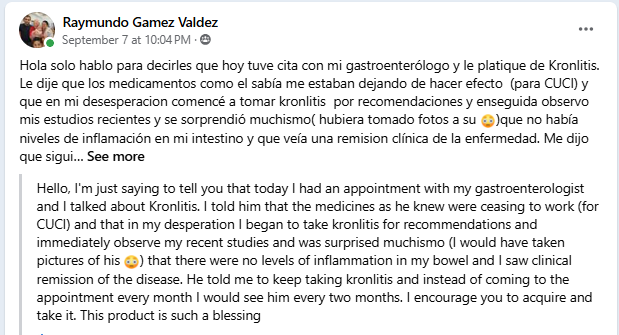
Beyond efficacy limitations, patients face barriers including insurance pre-authorization requirements, high out-of-pocket costs, and injection or infusion schedules that disrupt daily life. Some develop antibodies to biologic medications over time, rendering previously effective treatments useless. Others cannot tolerate the side effect burden of immunosuppression. These challenges drive patients to seek real patient experiences with alternative approaches.
The American College of Gastroenterology has substantially expanded treatment options in recent years. According to Medscape, the ACG updated its ulcerative colitis guidelines in 2025 to incorporate seven new therapies and multiple biologic combinations. Yet even with these advances, primary non-response and secondary loss of response remain persistent clinical challenges that motivate patients to explore integrative approaches.

Four-Herb Chinese Medicine Formulations: The Evidence Gap Conventional Medicine Ignores
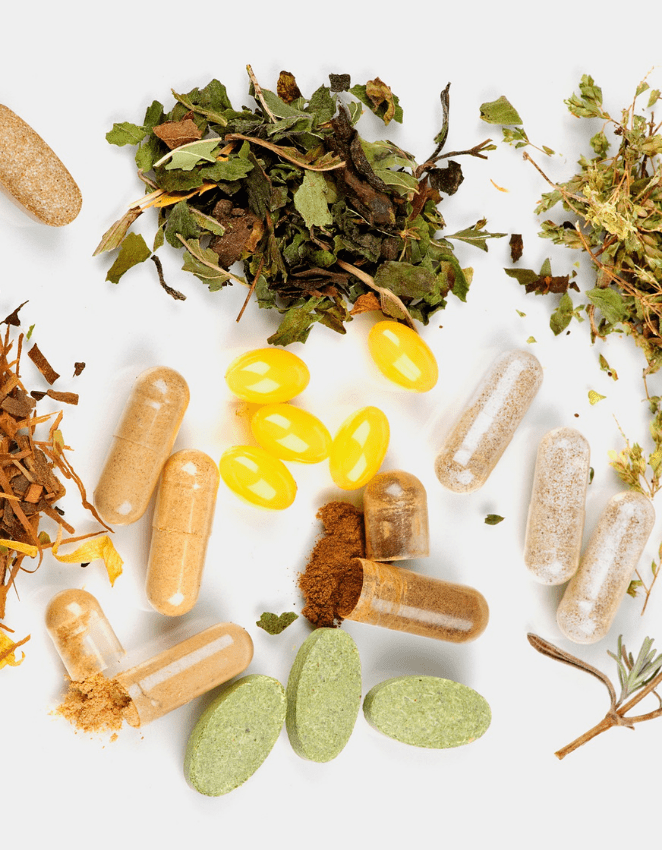
Chinese medicine has addressed inflammatory bowel conditions for centuries using specific botanical combinations that modern research now validates through mechanistic studies. Four-herb formulations targeting colitis work through multiple anti-inflammatory pathways simultaneously, offering advantages over single-mechanism pharmaceuticals. These botanical combinations modulate immune function, repair intestinal barrier integrity, and shift the gut microbiome toward a healthier composition.
- Epithelial barrier restoration strengthens tight junctions between intestinal cells
- Immune regulation modulates T-cell responses and cytokine production
- Antioxidant activity reduces oxidative stress damaging colon tissue
- Microbiome diversity promotes beneficial bacterial populations
- Prostaglandin balance normalizes inflammatory signaling molecules
Research demonstrates that specific Chinese herbs reduce pro-inflammatory cytokines including TNF-alpha, IL-6, and IL-17 while increasing anti-inflammatory IL-10 production. This cytokine modulation mirrors the mechanism of biologic drugs but through a broader, multi-target approach. The mucosal healing achieved through herbal therapy often occurs without the immunosuppression risks associated with biologic medications. Patients interested in exploring these options can review herbal supplement categories to understand formulation differences.
What distinguishes effective formulations is the synergy between herbs. Rather than using single herbs in isolation, traditional Chinese medicine principles emphasize combinations where each herb enhances the others’ effects while mitigating potential side effects. This synergistic approach creates therapeutic outcomes stronger than any individual component could achieve alone.
Integration Protocol: Combining Herbal Therapy with Standard UC Treatment
Successful integrative colitis care requires strategic timing and professional oversight. The goal is augmenting conventional treatment efficacy while maintaining safety through proper monitoring. Never abruptly discontinue prescribed medications. Instead, work with a knowledgeable gastroenterologist who supports integration and can track your inflammatory markers throughout the process.
- Document your baseline Track current symptom frequency, medication dosages, and recent lab results including calprotectin and inflammatory markers.
- Introduce herbs gradually Start with the lowest recommended dose for the first week, then increase to full dosage if no adverse reactions occur.
- Maintain medication schedule Continue all prescribed treatments exactly as directed while adding herbal therapy.
- Monitor symptoms daily Record bathroom frequency, bleeding presence, pain levels, and energy using a simple tracking app or journal.
- Check inflammatory markers Request calprotectin testing at 4-week intervals to objectively measure inflammation changes.
- Communicate with your physician Share your tracking data and discuss any concerns about medication compatibility questions.
- Adjust based on response Work with your doctor to modify conventional medication dosages as herbal therapy demonstrates effectiveness.
Patients often express concern about herb-drug interactions. The four-herb formulations used for ulcerative colitis management have shown compatibility with Mesalamine and most conventional UC medications. However, always inform your gastroenterologist about all supplements you take. Transparency ensures your medical team can properly evaluate any changes in your condition and adjust treatment accordingly.
Measuring Response: Tracking Inflammation Markers and Symptom Reduction
Subjective symptom improvement matters, but objective markers provide the data needed for confident treatment decisions. Fecal calprotectin serves as the primary non-invasive marker for intestinal inflammation, correlating well with endoscopic disease activity. C-reactive protein offers additional systemic inflammatory information. Together with symptom tracking, these metrics paint a complete picture of treatment response.
A temporal trend analysis cited by Nih demonstrates that elective colectomy rates decreased from 2.97% to 1.59% over a 17-year period in England, suggesting improved management strategies can change long-term outcomes. Patients who actively track their markers and adjust treatment accordingly contribute to this positive trend. Understanding your response trajectory helps normalize the journey toward our development journey of effective treatments.
| Time Point | Symptom Changes | Calprotectin Range | Expected Improvement |
|---|---|---|---|
| Week 0 (Baseline) | 4-12+ bathroom visits, bleeding common | >250 μg/g (active inflammation) | Reference point established |
| Week 2 | Reduced urgency, some bleeding decrease | 200-400 μg/g | 15-25% improvement |
| Week 4 | Significant frequency reduction | 150-300 μg/g | 30-45% improvement |
| Week 8 | Normal bathroom patterns emerging | 100-200 μg/g | 50-70% improvement |
| Week 12 | Remission symptoms largely resolved | <50-100 μg/g | 75-90%+ improvement |
Individual response timing varies based on disease severity, duration, and prior treatment history. Some patients experience dramatic improvement within two weeks, while others require eight weeks or longer to see significant changes. Consistency in protocol adherence drives more predictable outcomes. Patients who integrate lifestyle modifications with their herbal and conventional therapies typically achieve faster and more durable remission.
Lifestyle Synergies: Diet and Stress Management as Force Multipliers
No ulcerative colitis management protocol succeeds in isolation. Diet and stress management act as force multipliers, amplifying the effectiveness of both conventional and herbal treatments. Research consistently demonstrates that stress exacerbates IBD symptoms through gut-brain axis disruption. Similarly, dietary choices either support mucosal healing or perpetuate inflammation. Strategic lifestyle modifications can dramatically improve treatment outcomes.
- Elimination protocols Systematically remove trigger foods during active flares, then reintroduce cautiously.
- Omega-3 optimization Include anti-inflammatory fatty acids from fish oil or algae sources daily.
- Sleep hygiene Prioritize 7-9 hours quality sleep to support immune regulation and tissue repair.
- Vagal tone exercises Practice deep breathing or meditation to activate anti-inflammatory parasympathetic response.
- Meal timing Allow 3-4 hours between meals for proper digestion, avoid eating within 3 hours of bedtime.
- Hydration targets Consume adequate fluids to compensate for fluid loss, especially during active symptoms.
Dietary approaches vary by individual tolerance. Some patients thrive on specific carbohydrate diets, while others respond better to low-residue options during flares. The key lies in identifying personal triggers through systematic elimination and reintroduction. Working with a registered dietitian experienced in IBD can accelerate this process. Explore comprehensive natural approaches to develop a personalized nutrition strategy.
When to Escalate or De-Escalate: Reading Your Body’s Treatment Signals
Treatment decisions require balancing multiple factors: current symptom control, inflammatory marker trends, medication side effects, and quality of life impacts. Patients often fear escalating to stronger medications with more significant side effect profiles. Conversely, some fear reducing medications and triggering a flare. Learning to interpret your body’s signals helps navigate these decisions withconfidence.
Signs suggesting treatment escalation may be needed include persistently elevated calprotectin despite current therapy, increasing bathroom frequency after a period of stability, nocturnal symptoms disrupting sleep, and unexplained weight loss or fatigue. These warrant prompt discussion with your gastroenterologist. Signs suggesting possible de-escalation include sustained normal calprotectin for 6+ months, minimal symptoms without recent flares, and medication side effects significantly impacting quality of life.
According to Guidelinecentral, the American College of Gastroenterology guidelines incorporate multiple therapeutic options with specific recommendations for escalation and de-escalation based on disease severity and treatment response. Understanding these guidelines empowers informed conversations with your healthcare team about starting your management protocol or adjusting your current approach.
Key Takeaways: Your Ulcerative Colitis Management Action Plan
Effective ulcerative colitis management in 2026 demands a comprehensive, personalized strategy that leverages every evidence-based tool available. The following action steps provide a framework for taking control of your digestive health.
- Assess your current treatment status Document symptoms, medications, and recent lab results honestly.
- Identify gaps in your current approach Recognize where conventional therapy alone falls short.
- Research evidence-based complementary options Evaluate herbal formulations with documented efficacy.
- Consult with open-minded medical professionals Find providers who support integrative approaches.
- Implement gradual integration protocols Add herbal therapy systematically while maintaining current medications.
- Track objective markers consistently Use calprotectin and symptom journals to measure progress.
The path from daily bathroom struggles to remission requires commitment, patience, and the right combination of interventions. Many patients who felt hopeless after multiple medication failures have found lasting relief through integrative approaches. You can reclaim your quality of life.
FAQ: Ulcerative Colitis Management Questions Answered
Can I take herbal supplements while on Mesalamine or biologics?
Yes, most patients tolerate herbal formulations alongside conventional UC medications. Clinical experience shows compatibility with 5-ASA medications and most biologics, though always inform your gastroenterologist. The four-herb formulations work through different mechanisms than conventional drugs, providing additive anti-inflammatory effects rather than interactions.
How quickly will I notice improvement from herbal integration?
Most patients report initial symptom changes within 14-30 days. Objective marker improvement typically appears on calprotectin testing by week 4-6. Full remission often requires 8-12 weeks of consistent protocol adherence. Individual response timing varies based on disease severity and duration.
Is herbal therapy safer than biologic medications?
Herbal formulations generally carry lower risks of serious immunosuppression-related complications. Biologics carry infection risks estimated at 1-3% annually for serious infections. Herbal therapies work through immune modulation rather than suppression, offering efficacy with reduced infection vulnerability. Discuss specific safety considerations with your healthcare provider.
Will I need to stay on herbal therapy forever?
Not necessarily maintenance duration depends on individual disease patterns. Some patients achieve sustained remission and reduce to intermittent or prophylactic dosing. Others benefit from ongoing maintenance therapy. Many patients use herbal formulations for 6-12 months minimum before considering any reduction.
How do four-herb formulations compare to single herb approaches?
Four-herb synergistic formulations outperform single-herb approaches in clinical outcomes. The combination effect creates therapeutic results 2-3 times stronger than individual herbs alone. This synergy allows lower doses of each component while achieving superior efficacy, reducing potential for adverse effects.
What if herbal therapy doesn’t work for me?
Integration protocols allow continued conventional treatment while exploring options. If herbal therapy doesn’t provide improvement within 8 weeks, work with your gastroenterologist on escalation strategies. Herbal approaches remain one tool in a broader toolkit medical disclaimer applies to all treatment decisions.
How much does integrative UC management cost compared to biologics?
Herbal formulations typically cost significantly less than biologic medications. Annual biologic costs often exceed $20,000-40,000 before insurance. Quality four-herb formulations cost a fraction of this amount monthly. Cost-effectiveness analysis must factor both direct expenses and quality of life improvements from better symptom control.
@keyframes hoox-lf-in-hoox-f-d47c8f79-5c7c-4614-93ec-3af70b-bottom {
from { opacity: 0; transform: translateY(8px); }
to { opacity: 1; transform: translateY(0); }
}
#hoox-f-d47c8f79-5c7c-4614-93ec-3af70b-bottom {
width: 100%;
max-width: 100%;
box-sizing: border-box;
display: flex;
flex-direction: column;
gap: 20px;
margin: 48px 0;
padding: 32px 28px;
border-radius: 16px;
background: #ffffff;
color: #111111;
font-family: inherit;
border: 1px solid #E2E8F0;
animation: hoox-lf-in-hoox-f-d47c8f79-5c7c-4614-93ec-3af70b-bottom 0.3s cubic-bezier(0.16, 1, 0.3, 1);
direction: inherit;
}
#hoox-f-d47c8f79-5c7c-4614-93ec-3af70b-bottom .hoox-form-header {
display: flex;
flex-direction: column;
gap: 8px;
text-align: center;
}
#hoox-f-d47c8f79-5c7c-4614-93ec-3af70b-bottom .hoox-form-header h2 {
margin: 0;
font-size: 1.5em;
font-weight: 700;
line-height: 1.3;
color: #111111;
border: none;
padding: 0;
}
#hoox-f-d47c8f79-5c7c-4614-93ec-3af70b-bottom .hoox-form-header p {
margin: 0;
font-size: 1em;
line-height: 1.6;
color: #64748B;
}
#hoox-f-d47c8f79-5c7c-4614-93ec-3af70b-bottom form[data-hx-form] {
margin: 0;
display: flex;
flex-direction: column;
gap: 14px;
}
#hoox-f-d47c8f79-5c7c-4614-93ec-3af70b-bottom .hoox-field-wrap {
position: relative;
width: 100%;
box-sizing: border-box;
}
#hoox-f-d47c8f79-5c7c-4614-93ec-3af70b-bottom .hoox-field-wrap input {
width: 100%;
box-sizing: border-box;
height: 44px;
padding-inline-start: 42px;
padding-inline-end: 14px;
border: 1px solid #E2E8F0;
border-radius: 10px;
font-size: 14px;
color: #111111;
font-family: inherit;
background-color: #F8FAFC;
transition: border-color 0.15s ease, box-shadow 0.15s ease, background-color 0.15s ease;
outline: none;
direction: inherit;
text-align: start;
}
#hoox-f-d47c8f79-5c7c-4614-93ec-3af70b-bottom .hoox-field-wrap input::placeholder {
color: #94A3B8;
opacity: 1;
}
#hoox-f-d47c8f79-5c7c-4614-93ec-3af70b-bottom .hoox-field-wrap input:focus {
background-color: #FFFFFF;
border-color: #0077B6,#00B4D8,#90E0EF;
box-shadow: 0 0 0 3px rgba(15, 23, 42, 0.08);
}
#hoox-f-d47c8f79-5c7c-4614-93ec-3af70b-bottom .hoox-field-icon {
position: absolute;
top: 0;
bottom: 0;
inset-inline-start: 0;
width: 42px;
display: flex;
align-items: center;
justify-content: center;
pointer-events: none;
color: #94A3B8;
transition: color 0.15s ease;
}
#hoox-f-d47c8f79-5c7c-4614-93ec-3af70b-bottom .hoox-field-wrap:focus-within .hoox-field-icon {
color: #0077B6,#00B4D8,#90E0EF;
}
#hoox-f-d47c8f79-5c7c-4614-93ec-3af70b-bottom button[type=”submit”] {
width: 100%;
height: 44px;
margin-top: 4px;
border: none;
border-radius: 10px;
background: #0077B6,#00B4D8,#90E0EF;
color: #FFFFFF;
font-size: 14px;
font-weight: 600;
cursor: pointer;
transition: opacity 0.15s ease, transform 0.15s ease, box-shadow 0.15s ease;
box-shadow: 0 1px 2px 0 rgba(0, 0, 0, 0.05);
}
#hoox-f-d47c8f79-5c7c-4614-93ec-3af70b-bottom button[type=”submit”]:hover {
opacity: 0.94;
}
#hoox-f-d47c8f79-5c7c-4614-93ec-3af70b-bottom button[type=”submit”]:active {
transform: scale(0.99);
}
#hoox-f-d47c8f79-5c7c-4614-93ec-3af70b-bottom button[type=”submit”]:disabled {
opacity: 0.6;
cursor: not-allowed;
}
#hoox-f-d47c8f79-5c7c-4614-93ec-3af70b-bottom .hoox-disclaimer {
margin: 0;
text-align: center;
font-size: 12px;
line-height: 1.5;
color: #94A3B8;
}
#hoox-f-d47c8f79-5c7c-4614-93ec-3af70b-bottom .hoox-disclaimer a {
color: inherit;
text-decoration: underline;
text-underline-offset: 2px;
}
#hoox-f-d47c8f79-5c7c-4614-93ec-3af70b-bottom .hoox-disclaimer a:hover {
text-decoration: none;
}
#hoox-f-d47c8f79-5c7c-4614-93ec-3af70b-bottom .hoox-success {
display: none;
flex-direction: column;
align-items: center;
gap: 14px;
padding: 12px 0;
position: relative;
}
#hoox-f-d47c8f79-5c7c-4614-93ec-3af70b-bottom .hoox-confetti {
position: absolute;
inset: 0;
overflow: visible;
pointer-events: none;
}
#hoox-f-d47c8f79-5c7c-4614-93ec-3af70b-bottom .hoox-confetti span {
position: absolute;
top: 50%;
left: 50%;
width: 7px;
height: 11px;
background: var(–hoox-c);
border-radius: 2px;
opacity: 0;
animation: hoox-confetti-burst 0.9s ease-out forwards;
animation-delay: var(–hoox-d, 0s);
}
@keyframes hoox-confetti-burst {
0% { opacity: 1; transform: translate(-50%, -50%) rotate(0deg) scale(1); }
100% { opacity: 0; transform: translate(calc(-50% + var(–hoox-tx)), calc(-50% + var(–hoox-ty))) rotate(var(–hoox-rz)) scale(0.5); }
}
#hoox-f-d47c8f79-5c7c-4614-93ec-3af70b-bottom .hoox-success-icon {
width: 52px;
height: 52px;
border-radius: 50%;
background: #ECFDF5;
display: flex;
align-items: center;
justify-content: center;
font-size: 26px;
line-height: 1;
animation: hoox-success-pop 0.4s cubic-bezier(0.34, 1.56, 0.64, 1);
}
@keyframes hoox-success-pop {
from { opacity: 0; transform: scale(0.5); }
to { opacity: 1; transform: scale(1); }
}
#hoox-f-d47c8f79-5c7c-4614-93ec-3af70b-bottom .hoox-success-text {
margin: 0;
text-align: center;
font-size: 15px;
font-weight: 600;
line-height: 1.5;
color: #111111;
}
#hoox-f-d47c8f79-5c7c-4614-93ec-3af70b-bottom .hoox-disabled-state {
display: none;
flex-direction: column;
align-items: center;
gap: 14px;
padding: 12px 0;
text-align: center;
}
#hoox-f-d47c8f79-5c7c-4614-93ec-3af70b-bottom .hoox-disabled-icon {
width: 52px;
height: 52px;
border-radius: 50%;
background: #F1F5F9;
display: flex;
align-items: center;
justify-content: center;
color: #64748B;
}
#hoox-f-d47c8f79-5c7c-4614-93ec-3af70b-bottom .hoox-disabled-text {
margin: 0;
font-size: 14px;
line-height: 1.6;
color: #64748B;
}
#hoox-f-d47c8f79-5c7c-4614-93ec-3af70b-bottom .hoox-disabled-text a {
color: inherit;
font-weight: 600;
text-decoration: underline;
text-underline-offset: 2px;
}
#hoox-f-d47c8f79-5c7c-4614-93ec-3af70b-bottom .hoox-disabled-text a:hover {
text-decoration: none;
}
See What This Could Look Like For You
Takes 30 seconds
Thanks! We’ll be in touch.