

Ulcerative Colitis Symptoms in Females: What Women Experience
Women with ulcerative colitis endure not only the standard inflammatory bowel symptoms bloody diarrhea, urgency, abdominal cramping but also face gender-specific complications that disrupt menstrual cycles, fertility, bone density, and iron levels. Understanding these distinct female presentations enables more targeted treatment strategies and better quality of life outcomes. This analysis examines the 2026 clinical data showing how hormonal fluctuations, reproductive health, and nutrient depletion create unique symptom patterns in women living with UC.
Quick Answer: Core UC Symptoms Women Experience Daily
Ulcerative colitis manifests through a range of digestive and systemic symptoms that significantly impact daily functioning. Women often experience these symptoms with added complexity due to hormonal interactions. The most reliable natural therapeutic solutions address inflammation while accounting for these female-specific factors.
According to Gastroenterologyadvisor, current clinical data reveals that women face distinct diagnostic challenges, with symptom presentation often overlapping gynecological conditions and delaying proper IBD identification.
@keyframes hoox-lf-in-hoox-f-0aec31da-eb58-4336-87aa-1ccb16-top {
from { opacity: 0; transform: translateY(8px); }
to { opacity: 1; transform: translateY(0); }
}
#hoox-f-0aec31da-eb58-4336-87aa-1ccb16-top {
width: 100%;
max-width: 100%;
box-sizing: border-box;
display: flex;
flex-direction: column;
gap: 20px;
margin: 48px 0;
padding: 32px 28px;
border-radius: 16px;
background: #ffffff;
color: #111111;
font-family: inherit;
border: 1px solid #E2E8F0;
animation: hoox-lf-in-hoox-f-0aec31da-eb58-4336-87aa-1ccb16-top 0.3s cubic-bezier(0.16, 1, 0.3, 1);
direction: inherit;
}
#hoox-f-0aec31da-eb58-4336-87aa-1ccb16-top .hoox-form-header {
display: flex;
flex-direction: column;
gap: 8px;
text-align: center;
}
#hoox-f-0aec31da-eb58-4336-87aa-1ccb16-top .hoox-form-header h2 {
margin: 0;
font-size: 1.5em;
font-weight: 700;
line-height: 1.3;
color: #111111;
border: none;
padding: 0;
}
#hoox-f-0aec31da-eb58-4336-87aa-1ccb16-top .hoox-form-header p {
margin: 0;
font-size: 1em;
line-height: 1.6;
color: #64748B;
}
#hoox-f-0aec31da-eb58-4336-87aa-1ccb16-top form[data-hx-form] {
margin: 0;
display: flex;
flex-direction: column;
gap: 14px;
}
#hoox-f-0aec31da-eb58-4336-87aa-1ccb16-top .hoox-field-wrap {
position: relative;
width: 100%;
box-sizing: border-box;
}
#hoox-f-0aec31da-eb58-4336-87aa-1ccb16-top .hoox-field-wrap input {
width: 100%;
box-sizing: border-box;
height: 44px;
padding-inline-start: 42px;
padding-inline-end: 14px;
border: 1px solid #E2E8F0;
border-radius: 10px;
font-size: 14px;
color: #111111;
font-family: inherit;
background-color: #F8FAFC;
transition: border-color 0.15s ease, box-shadow 0.15s ease, background-color 0.15s ease;
outline: none;
direction: inherit;
text-align: start;
}
#hoox-f-0aec31da-eb58-4336-87aa-1ccb16-top .hoox-field-wrap input::placeholder {
color: #94A3B8;
opacity: 1;
}
#hoox-f-0aec31da-eb58-4336-87aa-1ccb16-top .hoox-field-wrap input:focus {
background-color: #FFFFFF;
border-color: #0077B6,#00B4D8,#90E0EF;
box-shadow: 0 0 0 3px rgba(15, 23, 42, 0.08);
}
#hoox-f-0aec31da-eb58-4336-87aa-1ccb16-top .hoox-field-icon {
position: absolute;
top: 0;
bottom: 0;
inset-inline-start: 0;
width: 42px;
display: flex;
align-items: center;
justify-content: center;
pointer-events: none;
color: #94A3B8;
transition: color 0.15s ease;
}
#hoox-f-0aec31da-eb58-4336-87aa-1ccb16-top .hoox-field-wrap:focus-within .hoox-field-icon {
color: #0077B6,#00B4D8,#90E0EF;
}
#hoox-f-0aec31da-eb58-4336-87aa-1ccb16-top button[type=”submit”] {
width: 100%;
height: 44px;
margin-top: 4px;
border: none;
border-radius: 10px;
background: #0077B6,#00B4D8,#90E0EF;
color: #FFFFFF;
font-size: 14px;
font-weight: 600;
cursor: pointer;
transition: opacity 0.15s ease, transform 0.15s ease, box-shadow 0.15s ease;
box-shadow: 0 1px 2px 0 rgba(0, 0, 0, 0.05);
}
#hoox-f-0aec31da-eb58-4336-87aa-1ccb16-top button[type=”submit”]:hover {
opacity: 0.94;
}
#hoox-f-0aec31da-eb58-4336-87aa-1ccb16-top button[type=”submit”]:active {
transform: scale(0.99);
}
#hoox-f-0aec31da-eb58-4336-87aa-1ccb16-top button[type=”submit”]:disabled {
opacity: 0.6;
cursor: not-allowed;
}
#hoox-f-0aec31da-eb58-4336-87aa-1ccb16-top .hoox-disclaimer {
margin: 0;
text-align: center;
font-size: 12px;
line-height: 1.5;
color: #94A3B8;
}
#hoox-f-0aec31da-eb58-4336-87aa-1ccb16-top .hoox-disclaimer a {
color: inherit;
text-decoration: underline;
text-underline-offset: 2px;
}
#hoox-f-0aec31da-eb58-4336-87aa-1ccb16-top .hoox-disclaimer a:hover {
text-decoration: none;
}
#hoox-f-0aec31da-eb58-4336-87aa-1ccb16-top .hoox-success {
display: none;
flex-direction: column;
align-items: center;
gap: 14px;
padding: 12px 0;
position: relative;
}
#hoox-f-0aec31da-eb58-4336-87aa-1ccb16-top .hoox-confetti {
position: absolute;
inset: 0;
overflow: visible;
pointer-events: none;
}
#hoox-f-0aec31da-eb58-4336-87aa-1ccb16-top .hoox-confetti span {
position: absolute;
top: 50%;
left: 50%;
width: 7px;
height: 11px;
background: var(–hoox-c);
border-radius: 2px;
opacity: 0;
animation: hoox-confetti-burst 0.9s ease-out forwards;
animation-delay: var(–hoox-d, 0s);
}
@keyframes hoox-confetti-burst {
0% { opacity: 1; transform: translate(-50%, -50%) rotate(0deg) scale(1); }
100% { opacity: 0; transform: translate(calc(-50% + var(–hoox-tx)), calc(-50% + var(–hoox-ty))) rotate(var(–hoox-rz)) scale(0.5); }
}
#hoox-f-0aec31da-eb58-4336-87aa-1ccb16-top .hoox-success-icon {
width: 52px;
height: 52px;
border-radius: 50%;
background: #ECFDF5;
display: flex;
align-items: center;
justify-content: center;
font-size: 26px;
line-height: 1;
animation: hoox-success-pop 0.4s cubic-bezier(0.34, 1.56, 0.64, 1);
}
@keyframes hoox-success-pop {
from { opacity: 0; transform: scale(0.5); }
to { opacity: 1; transform: scale(1); }
}
#hoox-f-0aec31da-eb58-4336-87aa-1ccb16-top .hoox-success-text {
margin: 0;
text-align: center;
font-size: 15px;
font-weight: 600;
line-height: 1.5;
color: #111111;
}
#hoox-f-0aec31da-eb58-4336-87aa-1ccb16-top .hoox-disabled-state {
display: none;
flex-direction: column;
align-items: center;
gap: 14px;
padding: 12px 0;
text-align: center;
}
#hoox-f-0aec31da-eb58-4336-87aa-1ccb16-top .hoox-disabled-icon {
width: 52px;
height: 52px;
border-radius: 50%;
background: #F1F5F9;
display: flex;
align-items: center;
justify-content: center;
color: #64748B;
}
#hoox-f-0aec31da-eb58-4336-87aa-1ccb16-top .hoox-disabled-text {
margin: 0;
font-size: 14px;
line-height: 1.6;
color: #64748B;
}
#hoox-f-0aec31da-eb58-4336-87aa-1ccb16-top .hoox-disabled-text a {
color: inherit;
font-weight: 600;
text-decoration: underline;
text-underline-offset: 2px;
}
#hoox-f-0aec31da-eb58-4336-87aa-1ccb16-top .hoox-disabled-text a:hover {
text-decoration: none;
}
See What This Could Look Like For You
Takes 30 seconds
Thanks! We’ll be in touch.
- Bloody diarrhea inflammation causes the colon lining to bleed, producing bright red or dark blood mixed with stool
- Urgent bowel movements sudden, intense need to defecate with little warning, often leading to accidents
- Abdominal cramping persistent pain in the lower left quadrant where UC inflammation typically concentrates
- Tenesmus the sensation of needing to pass stool even when the bowel is empty
- Frequency disruption six or more bowel movements daily during flares, severely limiting mobility
- Fatigue chronic exhaustion from inflammation, anemia, and poor nutrient absorption
- Weight loss unintended reduction due to malabsorption and appetite suppression
- Mucus in stool white or yellow discharge indicating active intestinal inflammation
- Fever low-grade temperature spikes during severe inflammatory episodes

Why Female Hormones Intensify Ulcerative Colitis Flares
The intersection of estrogen and inflammation creates a complex biochemical environment for women with UC. Estrogen receptors exist throughout the gastrointestinal tract, meaning hormonal fluctuations directly influence intestinal immune responses. During the menstrual cycle, shifting hormone levels can either amplify or moderate inflammatory activity in the colon.
Research compiled by Harvard indicates that inflammatory bowel disease displays unique features in women, with disease presentation often correlating with hormonal status and reproductive life stage.
Many women report predictable flare patterns tied to their menstrual cycles. The days immediately before and during menstruation often bring intensified symptoms. Progesterone drops trigger inflammatory cascades, while prostaglandins released during menstruation further stimulate intestinal contractions and pain sensitivity.
Tracking symptom severity across the menstrual cycle reveals clear patterns for many female patients:
| Cycle Phase | Hormonal State | Typical UC Symptom Pattern | Inflammatory Marker Trend |
|---|---|---|---|
| Menstrual (Days 1-5) | Low estrogen, low progesterone | Peak flare severity | Elevated CRP, calprotectin |
| Follicular (Days 6-13) | Rising estrogen | Symptoms often improve | Declining inflammatory markers |
| Ovulation (Day 14) | Estrogen spike | Variable, often stable | Transient inflammation possible |
| Luteal (Days 15-28) | High progesterone, then dropping | Gradual worsening | Rising inflammatory activity |
Hormonal Contraceptives and UC Activity
Oral contraceptives may influence IBD risk and symptom patterns. Some studies suggest estrogen-containing contraceptives could slightly increase IBD risk, though the data remains mixed. For women already diagnosed, hormonal birth control sometimes helps regulate cycle-related flares by stabilizing estrogen levels throughout the month.
Reproductive Complications: Fertility, Pregnancy, and Menstruation
Women with ulcerative colitis face unique reproductive health considerations. The disease can affect fertility, pregnancy outcomes, and menstrual regularity. Understanding IBD gender differences helps patients advocate for appropriate care during reproductive years.
Active inflammation in the colon releases inflammatory mediators that disrupt normal reproductive hormone signaling. This interference can delay ovulation, cause irregular periods, and complicate conception efforts. Women in remission generally experience normal fertility, while those with active disease may struggle to conceive.
Clinical guidance from Hopkinsmedicine confirms that ulcerative colitis can interfere with menstruation and childbirth, potentially intensifying complications like anemia and osteoporosis in female patients.
Those exploring common concerns about UC management often have questions about pregnancy planning:
- Fertility preservation achieving remission before conception improves pregnancy outcomes
- Medication safety most UC medications remain safe during pregnancy; consult specialists
- Delivery considerations women with active perineal disease may need cesarean delivery
- Postpartum flares disease activity may increase after delivery
Menstrual Irregularities in UC Patients
Women with active ulcerative colitis frequently experience menstrual disruptions. The inflammatory response affects the hypothalamic-pituitary-ovarian axis, leading to:
- Irregular cycle lengths
- Heavier menstrual bleeding
- Increased dysmenorrhea (painful periods)
- Secondary amenorrhea during severe flares
Iron Deficiency and Anemia: Why Women Face Higher Risk
Women with ulcerative colitis confront a double burden when it comes to iron deficiency. They lose blood through intestinal inflammation while also experiencing monthly menstrual blood loss. This compounds anemia risk significantly beyond what male UC patients face.
The combination of female digestive inflammation and reproductive blood loss creates a persistent drain on iron stores. Chronic inflammation also impairs iron absorption and utilization, as the body sequesters iron in response to inflammatory signals.

Women seeking herbal supplement support often prioritize iron-rich formulations to address this dual challenge.
Warning signs of severe anemia in female UC patients include:
- Extreme fatigue exhaustion disproportionate to activity level
- Pale skin and nail beds visible reduction in coloration
- Shortness of breath especially with mild exertion
- Dizziness or lightheadedness particularly when standing quickly
- Restless legs uncomfortable sensations worsen at night
Bone Density Loss: Osteoporosis Risk in Female UC Patients
Women with ulcerative colitis face elevated osteoporosis risk from multiple factors. Chronic intestinal inflammation interferes with calcium and vitamin D absorption. Corticosteroid treatments, while sometimes necessary for flare management, accelerate bone mineral loss. The combination produces significantly higher fracture rates among female IBD patients.
Bone density screening should begin earlier for women with UC compared to the general population. A comprehensive integrative health approach[/LINK] includes proactive bone health management alongside digestive treatment.
Key risk factors for osteoporosis in female UC patients:
- Corticosteroid use exceeding three months
- Multiple flares requiring steroid treatment
- Vitamin D deficiency common in IBD
- Reduced physical activity during flares
- Low body weight from malabsorption
How to Track and Document Your Female-Specific UC Symptoms
Effective symptom tracking reveals patterns that guide treatment decisions. Women benefit from correlating symptom intensity with menstrual cycle phases, identifying hormonal triggers that influence women’s colon health. Reviewing real patient experiences shows how systematic tracking leads to better outcomes.
A structured tracking approach captures essential data points:
| Tracking Category | Data to Record | Why It Matters |
|---|---|---|
| Bowel Movements | Frequency, consistency, blood presence, urgency level | Measures disease activity and treatment response |
| Menstrual Cycle | Start date, duration, flow heaviness, cramping severity | Correlates hormonal patterns with flares |
| Pain Levels | Location, intensity (1-10), duration, triggers | Identifies inflammation patterns |
| Food Intake | Meals, snacks, suspected trigger foods | Reveals dietary connections to symptoms |
| Medications | Dose, timing, adherence, effectiveness | Tracks treatment response |
Diagnostic Tests Women Should Request
Beyond standard colonoscopy, women with UC benefit from additional monitoring:
- Complete blood count every three to six months to monitor anemia
- Ferritin levels assesses iron stores, not just circulating iron
- DEXA scan bone density screening every two to three years
- Vitamin D level critical for bone health and immune function
- CRP and fecal calprotectin inflammation markers for disease activity
Natural Approaches That Address Female UC Symptom Patterns
Natural treatment strategies can complement conventional care, particularly for addressing the inflammatory patterns unique to women. Patients looking to explore natural UC treatment options find that herbal interventions often provide meaningful symptom relief.
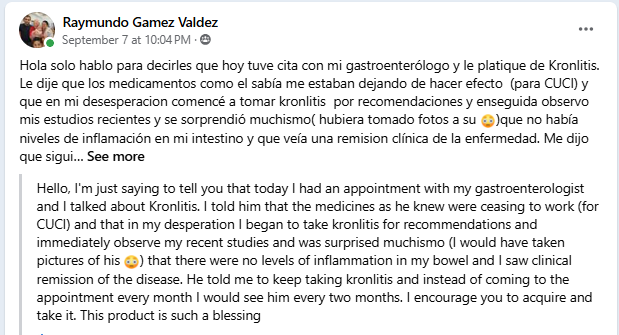
Kronlitis offers a four-herb formulation designed specifically to address inflammatory bowel conditions. This formula targets ulcerative colitis menstruation patterns by reducing overall inflammatory burden, which helps stabilize hormonal interactions with the gut.
Evidence-based natural strategies for female UC patients:
- Curcumin supplementation reduces inflammatory markers and supports remission maintenance
- Omega-3 fatty acids anti-inflammatory support particularly helpful during menstrual flares
- Iron-rich herbs gentle iron support without the constipation of synthetic supplements
- Stress management cortisol fluctuations intensify symptoms, making relaxation techniques essential
- Anti-inflammatory herbs traditional Chinese medicine formulations targeting intestinal inflammation
- Calcium and vitamin D addressing bone health alongside digestive symptoms
The Kronlitis Four-Herb Advantage
The Kronlitis formulation combines four traditional herbs selected for their synergistic anti-inflammatory effects. This approach differs from single-herb supplements by addressing multiple inflammatory pathways simultaneously. Women report faster symptom improvement and more sustained remission compared to simpler formulations.
Key Takeaways: Managing UC as a Woman in 2026
Women navigating ulcerative colitis in 2026 have access to more personalized treatment approaches than ever before. Understanding how female physiology interacts with IBD enables better self-advocacy and more effective disease management. These comprehensive digestive health resources provide ongoing support for the journey.
- Hormonal awareness matters track symptoms against menstrual cycle to identify predictable flare patterns
- Anemia requires vigilance female UC patients need regular iron monitoring and proactive supplementation
- Bone health starts early request DEXA screening before menopause, not after problems develop
- Reproductive planning is possible achieving remission before conception dramatically improves outcomes
- Natural approaches help evidence-based herbal formulations complement conventional treatment
FAQ: Ulcerative Colitis Symptoms in Females
Does ulcerative colitis affect menstrual cycles?
Yes. Active inflammation disrupts hormone signaling, causing irregular periods, heavier bleeding, or temporary cessation of menstruation during severe flares. Research shows up to 25% of women with active IBD experience menstrual irregularities. Women whose disease is well-controlled typically see cycle normalization.
Can women with UC have healthy pregnancies?
Yes. Most women with ulcerative colitis have successful pregnancies, especially when disease is in remission at conception. Conception during active disease increases miscarriage risk and pregnancy complications. Pre-conception counseling with both gastroenterology and obstetrics specialists optimizes outcomes.
Do UC symptoms worsen during menstruation?
Yes. Many women experience intensified symptoms during their periods due to prostaglandin release and hormonal shifts. Studies document increased stool frequency, abdominal pain, and rectal bleeding in the perimenstrual period. Tracking symptoms helps predict and prepare for these cyclical flares.
Is hormone therapy safe for women with ulcerative colitis?
Generally yes. Hormone replacement therapy and most contraceptives appear safe for UC patients, though estrogen-containing products may slightly increase IBD risk in susceptible individuals. Progestin-only options often work well. Individual response varies, so discuss options with both gastroenterologist and gynecologist.
Why do female UC patients have higher anemia rates?
Double blood loss source. Women lose iron through both intestinal bleeding from UC inflammation and monthly menstrual blood loss. Additionally, chronic inflammation impairs iron absorption and mobilization. This combination produces anemia rates significantly higher than male UC patients or women without IBD.
How often should women with UC get bone density testing?
Every two years minimum. Women on long-term corticosteroids or with risk factors may need annual screening. Bone loss accelerates during active disease and steroid treatment. Earlier detection enables intervention before fractures occur, particularly important for premenopausal women building peak bone mass.
@keyframes hoox-lf-in-hoox-f-0aec31da-eb58-4336-87aa-1ccb16-bottom {
from { opacity: 0; transform: translateY(8px); }
to { opacity: 1; transform: translateY(0); }
}
#hoox-f-0aec31da-eb58-4336-87aa-1ccb16-bottom {
width: 100%;
max-width: 100%;
box-sizing: border-box;
display: flex;
flex-direction: column;
gap: 20px;
margin: 48px 0;
padding: 32px 28px;
border-radius: 16px;
background: #ffffff;
color: #111111;
font-family: inherit;
border: 1px solid #E2E8F0;
animation: hoox-lf-in-hoox-f-0aec31da-eb58-4336-87aa-1ccb16-bottom 0.3s cubic-bezier(0.16, 1, 0.3, 1);
direction: inherit;
}
#hoox-f-0aec31da-eb58-4336-87aa-1ccb16-bottom .hoox-form-header {
display: flex;
flex-direction: column;
gap: 8px;
text-align: center;
}
#hoox-f-0aec31da-eb58-4336-87aa-1ccb16-bottom .hoox-form-header h2 {
margin: 0;
font-size: 1.5em;
font-weight: 700;
line-height: 1.3;
color: #111111;
border: none;
padding: 0;
}
#hoox-f-0aec31da-eb58-4336-87aa-1ccb16-bottom .hoox-form-header p {
margin: 0;
font-size: 1em;
line-height: 1.6;
color: #64748B;
}
#hoox-f-0aec31da-eb58-4336-87aa-1ccb16-bottom form[data-hx-form] {
margin: 0;
display: flex;
flex-direction: column;
gap: 14px;
}
#hoox-f-0aec31da-eb58-4336-87aa-1ccb16-bottom .hoox-field-wrap {
position: relative;
width: 100%;
box-sizing: border-box;
}
#hoox-f-0aec31da-eb58-4336-87aa-1ccb16-bottom .hoox-field-wrap input {
width: 100%;
box-sizing: border-box;
height: 44px;
padding-inline-start: 42px;
padding-inline-end: 14px;
border: 1px solid #E2E8F0;
border-radius: 10px;
font-size: 14px;
color: #111111;
font-family: inherit;
background-color: #F8FAFC;
transition: border-color 0.15s ease, box-shadow 0.15s ease, background-color 0.15s ease;
outline: none;
direction: inherit;
text-align: start;
}
#hoox-f-0aec31da-eb58-4336-87aa-1ccb16-bottom .hoox-field-wrap input::placeholder {
color: #94A3B8;
opacity: 1;
}
#hoox-f-0aec31da-eb58-4336-87aa-1ccb16-bottom .hoox-field-wrap input:focus {
background-color: #FFFFFF;
border-color: #0077B6,#00B4D8,#90E0EF;
box-shadow: 0 0 0 3px rgba(15, 23, 42, 0.08);
}
#hoox-f-0aec31da-eb58-4336-87aa-1ccb16-bottom .hoox-field-icon {
position: absolute;
top: 0;
bottom: 0;
inset-inline-start: 0;
width: 42px;
display: flex;
align-items: center;
justify-content: center;
pointer-events: none;
color: #94A3B8;
transition: color 0.15s ease;
}
#hoox-f-0aec31da-eb58-4336-87aa-1ccb16-bottom .hoox-field-wrap:focus-within .hoox-field-icon {
color: #0077B6,#00B4D8,#90E0EF;
}
#hoox-f-0aec31da-eb58-4336-87aa-1ccb16-bottom button[type=”submit”] {
width: 100%;
height: 44px;
margin-top: 4px;
border: none;
border-radius: 10px;
background: #0077B6,#00B4D8,#90E0EF;
color: #FFFFFF;
font-size: 14px;
font-weight: 600;
cursor: pointer;
transition: opacity 0.15s ease, transform 0.15s ease, box-shadow 0.15s ease;
box-shadow: 0 1px 2px 0 rgba(0, 0, 0, 0.05);
}
#hoox-f-0aec31da-eb58-4336-87aa-1ccb16-bottom button[type=”submit”]:hover {
opacity: 0.94;
}
#hoox-f-0aec31da-eb58-4336-87aa-1ccb16-bottom button[type=”submit”]:active {
transform: scale(0.99);
}
#hoox-f-0aec31da-eb58-4336-87aa-1ccb16-bottom button[type=”submit”]:disabled {
opacity: 0.6;
cursor: not-allowed;
}
#hoox-f-0aec31da-eb58-4336-87aa-1ccb16-bottom .hoox-disclaimer {
margin: 0;
text-align: center;
font-size: 12px;
line-height: 1.5;
color: #94A3B8;
}
#hoox-f-0aec31da-eb58-4336-87aa-1ccb16-bottom .hoox-disclaimer a {
color: inherit;
text-decoration: underline;
text-underline-offset: 2px;
}
#hoox-f-0aec31da-eb58-4336-87aa-1ccb16-bottom .hoox-disclaimer a:hover {
text-decoration: none;
}
#hoox-f-0aec31da-eb58-4336-87aa-1ccb16-bottom .hoox-success {
display: none;
flex-direction: column;
align-items: center;
gap: 14px;
padding: 12px 0;
position: relative;
}
#hoox-f-0aec31da-eb58-4336-87aa-1ccb16-bottom .hoox-confetti {
position: absolute;
inset: 0;
overflow: visible;
pointer-events: none;
}
#hoox-f-0aec31da-eb58-4336-87aa-1ccb16-bottom .hoox-confetti span {
position: absolute;
top: 50%;
left: 50%;
width: 7px;
height: 11px;
background: var(–hoox-c);
border-radius: 2px;
opacity: 0;
animation: hoox-confetti-burst 0.9s ease-out forwards;
animation-delay: var(–hoox-d, 0s);
}
@keyframes hoox-confetti-burst {
0% { opacity: 1; transform: translate(-50%, -50%) rotate(0deg) scale(1); }
100% { opacity: 0; transform: translate(calc(-50% + var(–hoox-tx)), calc(-50% + var(–hoox-ty))) rotate(var(–hoox-rz)) scale(0.5); }
}
#hoox-f-0aec31da-eb58-4336-87aa-1ccb16-bottom .hoox-success-icon {
width: 52px;
height: 52px;
border-radius: 50%;
background: #ECFDF5;
display: flex;
align-items: center;
justify-content: center;
font-size: 26px;
line-height: 1;
animation: hoox-success-pop 0.4s cubic-bezier(0.34, 1.56, 0.64, 1);
}
@keyframes hoox-success-pop {
from { opacity: 0; transform: scale(0.5); }
to { opacity: 1; transform: scale(1); }
}
#hoox-f-0aec31da-eb58-4336-87aa-1ccb16-bottom .hoox-success-text {
margin: 0;
text-align: center;
font-size: 15px;
font-weight: 600;
line-height: 1.5;
color: #111111;
}
#hoox-f-0aec31da-eb58-4336-87aa-1ccb16-bottom .hoox-disabled-state {
display: none;
flex-direction: column;
align-items: center;
gap: 14px;
padding: 12px 0;
text-align: center;
}
#hoox-f-0aec31da-eb58-4336-87aa-1ccb16-bottom .hoox-disabled-icon {
width: 52px;
height: 52px;
border-radius: 50%;
background: #F1F5F9;
display: flex;
align-items: center;
justify-content: center;
color: #64748B;
}
#hoox-f-0aec31da-eb58-4336-87aa-1ccb16-bottom .hoox-disabled-text {
margin: 0;
font-size: 14px;
line-height: 1.6;
color: #64748B;
}
#hoox-f-0aec31da-eb58-4336-87aa-1ccb16-bottom .hoox-disabled-text a {
color: inherit;
font-weight: 600;
text-decoration: underline;
text-underline-offset: 2px;
}
#hoox-f-0aec31da-eb58-4336-87aa-1ccb16-bottom .hoox-disabled-text a:hover {
text-decoration: none;
}
See What This Could Look Like For You
Takes 30 seconds
Thanks! We’ll be in touch.