

Ulcerative Colitis Symptoms: the Complete Clinical Picture
Ulcerative colitis symptoms extend far beyond digestive discomfort. Bloody diarrhea affects nearly every patient, while 15% experience attacks severe enough to require hospitalization [2026 Data]. This autoimmune condition creates inflammation exclusively in the colon’s outer layer, triggering a cascade of gastrointestinal and systemic symptoms that disrupt daily life. Understanding these manifestations is the first step toward effective management and remission.
Quick Answer: The 11 Primary Ulcerative Colitis Symptoms
Recognizing what is ulcerative colitis symptoms early can dramatically improve treatment outcomes. The condition presents with a predictable set of gastrointestinal and systemic signs that vary in intensity based on inflammation severity and extent. According to Amboss, the most common clinical feature of ulcerative colitis is bloody diarrhea, often accompanied by abdominal pain, fecal urgency, and tenesmus. These core manifestations form the clinical foundation for diagnosis and ongoing monitoring.

| Symptom | Frequency | Severity Impact |
|---|---|---|
| Bloody diarrhea | Nearly universal | Primary diagnostic indicator |
| Abdominal cramping | Very common | Ranges from mild discomfort to debilitating pain |
| Fecal urgency | Common in active disease | Significantly impacts daily activities |
| Tenesmus | Frequent | Causes ineffective straining and discomfort |
| Rectal bleeding | Common | Indicates mucosal inflammation extent |
| Fatigue | Very common | Linked to anemia and systemic inflammation |
| Weight loss | Variable | Reflects disease severity and duration |
| Fever | During flares | Signals severe inflammation or infection |
| Joint pain | Extra-intestinal | May precede digestive symptoms |
| Skin lesions | Extra-intestinal | Associated with disease activity |
| Eye inflammation | Extra-intestinal | Requires prompt evaluation |
UC symptoms typically develop gradually, though some patients experience rapid onset during initial presentation or severe flares. The condition specifically affects only the colon and rectum, distinguishing it from other forms of inflammatory bowel disease that may involve any part of the digestive tract.
@keyframes hoox-lf-in-hoox-f-d623f42c-1739-4077-adcb-21f692-top {
from { opacity: 0; transform: translateY(8px); }
to { opacity: 1; transform: translateY(0); }
}
#hoox-f-d623f42c-1739-4077-adcb-21f692-top {
width: 100%;
max-width: 100%;
box-sizing: border-box;
display: flex;
flex-direction: column;
gap: 20px;
margin: 48px 0;
padding: 32px 28px;
border-radius: 16px;
background: #ffffff;
color: #111111;
font-family: inherit;
border: 1px solid #E2E8F0;
animation: hoox-lf-in-hoox-f-d623f42c-1739-4077-adcb-21f692-top 0.3s cubic-bezier(0.16, 1, 0.3, 1);
direction: inherit;
}
#hoox-f-d623f42c-1739-4077-adcb-21f692-top .hoox-form-header {
display: flex;
flex-direction: column;
gap: 8px;
text-align: center;
}
#hoox-f-d623f42c-1739-4077-adcb-21f692-top .hoox-form-header h2 {
margin: 0;
font-size: 1.5em;
font-weight: 700;
line-height: 1.3;
color: #111111;
border: none;
padding: 0;
}
#hoox-f-d623f42c-1739-4077-adcb-21f692-top .hoox-form-header p {
margin: 0;
font-size: 1em;
line-height: 1.6;
color: #64748B;
}
#hoox-f-d623f42c-1739-4077-adcb-21f692-top form[data-hx-form] {
margin: 0;
display: flex;
flex-direction: column;
gap: 14px;
}
#hoox-f-d623f42c-1739-4077-adcb-21f692-top .hoox-field-wrap {
position: relative;
width: 100%;
box-sizing: border-box;
}
#hoox-f-d623f42c-1739-4077-adcb-21f692-top .hoox-field-wrap input {
width: 100%;
box-sizing: border-box;
height: 44px;
padding-inline-start: 42px;
padding-inline-end: 14px;
border: 1px solid #E2E8F0;
border-radius: 10px;
font-size: 14px;
color: #111111;
font-family: inherit;
background-color: #F8FAFC;
transition: border-color 0.15s ease, box-shadow 0.15s ease, background-color 0.15s ease;
outline: none;
direction: inherit;
text-align: start;
}
#hoox-f-d623f42c-1739-4077-adcb-21f692-top .hoox-field-wrap input::placeholder {
color: #94A3B8;
opacity: 1;
}
#hoox-f-d623f42c-1739-4077-adcb-21f692-top .hoox-field-wrap input:focus {
background-color: #FFFFFF;
border-color: #0077B6,#00B4D8,#90E0EF;
box-shadow: 0 0 0 3px rgba(15, 23, 42, 0.08);
}
#hoox-f-d623f42c-1739-4077-adcb-21f692-top .hoox-field-icon {
position: absolute;
top: 0;
bottom: 0;
inset-inline-start: 0;
width: 42px;
display: flex;
align-items: center;
justify-content: center;
pointer-events: none;
color: #94A3B8;
transition: color 0.15s ease;
}
#hoox-f-d623f42c-1739-4077-adcb-21f692-top .hoox-field-wrap:focus-within .hoox-field-icon {
color: #0077B6,#00B4D8,#90E0EF;
}
#hoox-f-d623f42c-1739-4077-adcb-21f692-top button[type=”submit”] {
width: 100%;
height: 44px;
margin-top: 4px;
border: none;
border-radius: 10px;
background: #0077B6,#00B4D8,#90E0EF;
color: #FFFFFF;
font-size: 14px;
font-weight: 600;
cursor: pointer;
transition: opacity 0.15s ease, transform 0.15s ease, box-shadow 0.15s ease;
box-shadow: 0 1px 2px 0 rgba(0, 0, 0, 0.05);
}
#hoox-f-d623f42c-1739-4077-adcb-21f692-top button[type=”submit”]:hover {
opacity: 0.94;
}
#hoox-f-d623f42c-1739-4077-adcb-21f692-top button[type=”submit”]:active {
transform: scale(0.99);
}
#hoox-f-d623f42c-1739-4077-adcb-21f692-top button[type=”submit”]:disabled {
opacity: 0.6;
cursor: not-allowed;
}
#hoox-f-d623f42c-1739-4077-adcb-21f692-top .hoox-disclaimer {
margin: 0;
text-align: center;
font-size: 12px;
line-height: 1.5;
color: #94A3B8;
}
#hoox-f-d623f42c-1739-4077-adcb-21f692-top .hoox-disclaimer a {
color: inherit;
text-decoration: underline;
text-underline-offset: 2px;
}
#hoox-f-d623f42c-1739-4077-adcb-21f692-top .hoox-disclaimer a:hover {
text-decoration: none;
}
#hoox-f-d623f42c-1739-4077-adcb-21f692-top .hoox-success {
display: none;
flex-direction: column;
align-items: center;
gap: 14px;
padding: 12px 0;
position: relative;
}
#hoox-f-d623f42c-1739-4077-adcb-21f692-top .hoox-confetti {
position: absolute;
inset: 0;
overflow: visible;
pointer-events: none;
}
#hoox-f-d623f42c-1739-4077-adcb-21f692-top .hoox-confetti span {
position: absolute;
top: 50%;
left: 50%;
width: 7px;
height: 11px;
background: var(–hoox-c);
border-radius: 2px;
opacity: 0;
animation: hoox-confetti-burst 0.9s ease-out forwards;
animation-delay: var(–hoox-d, 0s);
}
@keyframes hoox-confetti-burst {
0% { opacity: 1; transform: translate(-50%, -50%) rotate(0deg) scale(1); }
100% { opacity: 0; transform: translate(calc(-50% + var(–hoox-tx)), calc(-50% + var(–hoox-ty))) rotate(var(–hoox-rz)) scale(0.5); }
}
#hoox-f-d623f42c-1739-4077-adcb-21f692-top .hoox-success-icon {
width: 52px;
height: 52px;
border-radius: 50%;
background: #ECFDF5;
display: flex;
align-items: center;
justify-content: center;
font-size: 26px;
line-height: 1;
animation: hoox-success-pop 0.4s cubic-bezier(0.34, 1.56, 0.64, 1);
}
@keyframes hoox-success-pop {
from { opacity: 0; transform: scale(0.5); }
to { opacity: 1; transform: scale(1); }
}
#hoox-f-d623f42c-1739-4077-adcb-21f692-top .hoox-success-text {
margin: 0;
text-align: center;
font-size: 15px;
font-weight: 600;
line-height: 1.5;
color: #111111;
}
#hoox-f-d623f42c-1739-4077-adcb-21f692-top .hoox-disabled-state {
display: none;
flex-direction: column;
align-items: center;
gap: 14px;
padding: 12px 0;
text-align: center;
}
#hoox-f-d623f42c-1739-4077-adcb-21f692-top .hoox-disabled-icon {
width: 52px;
height: 52px;
border-radius: 50%;
background: #F1F5F9;
display: flex;
align-items: center;
justify-content: center;
color: #64748B;
}
#hoox-f-d623f42c-1739-4077-adcb-21f692-top .hoox-disabled-text {
margin: 0;
font-size: 14px;
line-height: 1.6;
color: #64748B;
}
#hoox-f-d623f42c-1739-4077-adcb-21f692-top .hoox-disabled-text a {
color: inherit;
font-weight: 600;
text-decoration: underline;
text-underline-offset: 2px;
}
#hoox-f-d623f42c-1739-4077-adcb-21f692-top .hoox-disabled-text a:hover {
text-decoration: none;
}
See What This Could Look Like For You
Takes 30 seconds
Thanks! We’ll be in touch.
Gastrointestinal Symptoms That Define Active Disease
Colon inflammation symptoms center on the digestive tract, with severity directly correlating to the extent of mucosal involvement. Patients with limited rectal involvement may experience milder symptoms, while those with extensive colitis face more pronounced manifestations that significantly impact quality of life.
- Rectal bleeding: Bright red blood appears in stool, indicating erosion of the colon’s mucosal lining. Bleeding ranges from streaks on toilet paper to significant blood loss requiring transfusion.
- Diarrhea frequency: Bowel movements increase from normal patterns to 4-6 times daily in mild cases, exceeding 10 times in severe disease. Nocturnal diarrhea often signals moderate to severe activity.
- Fecal urgency: Patients experience sudden, intense urges to defecate with little warning. This urgency makes leaving home difficult and creates constant anxiety about bathroom access.
- Tenesmus: A sensation of incomplete evacuation persists despite empty bowels. Patients feel constant pressure and continue straining without relief.
- Mucus discharge: White or yellowish mucus passes with stool or alone, indicating excessive mucous production from inflamed tissues.
- Abdominal pain: Cramping typically occurs in the left lower quadrant, often relieved temporarily by bowel movements. Severe disease causes persistent pain unrelated to eating or elimination.
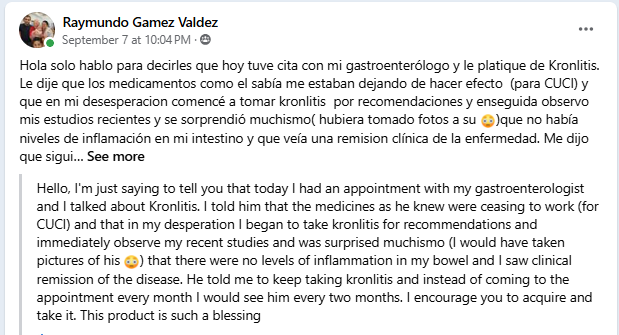
According to Medscape, an estimated 15% of patients present with an attack severe enough to require hospitalization and steroid therapy. These acute episodes demand immediate medical intervention to prevent complications like toxic megacolon or perforation. For those seeking deeper understanding of related conditions, common questions about IBD symptoms provide additional clinical context.
The pattern of digestive system inflammation helps physicians determine disease extent. Proctitis limited to the rectum causes fewer systemic symptoms than pancolitis affecting the entire colon. This distinction guides treatment intensity and monitoring protocols.
Systemic Manifestations Beyond the Colon [2026 Clinical Analysis]
IBD manifestations extend well beyond the digestive tract. Up to 47% of patients experience extra-intestinal symptoms affecting joints, skin, eyes, and other organ systems. These manifestations may appear before, during, or after digestive symptoms, sometimes occurring without any active colitis.

Joint involvement represents the most common extra-intestinal manifestation. Peripheral arthritis affects large joints like knees, ankles, and wrists, with pain intensity typically matching bowel disease activity. Axial arthritis, including ankylosing spondylitis, may progress independently of colitis severity.
Eye inflammation takes several forms in ulcerative colitis patients. Episcleritis causes mild redness and irritation, while scleritis produces deeper, more severe pain. Uveitis threatens vision if untreated, making prompt ophthalmologic evaluation essential for any eye symptoms.
Skin conditions associated with UC include erythema nodosum tender red nodules typically on shins and pyoderma gangrenosum, painful ulcers that heal slowly. Both conditions correlate with disease activity and often improve with effective colitis treatment.
Fatigue affects most patients, stemming from multiple factors including chronic inflammation, anemia from blood loss, poor sleep due to nocturnal diarrhea, and nutritional deficiencies. This exhaustion persists even during remission for many individuals. For comprehensive information on the underlying mechanisms, understanding autoimmune digestive conditions explores the immune dysregulation driving these diverse symptoms.
How Symptom Patterns Reveal Disease Severity
Clinicians categorize ulcerative colitis symptoms into severity levels that guide treatment decisions. This staging system helps patients and physicians communicate effectively about disease activity and response to interventions. Bathroom frequency, bleeding intensity, and systemic signs determine classification.
| Severity Level | Bowel Movements/Day | Bleeding | Systemic Signs |
|---|---|---|---|
| Remission | Normal frequency | None | No systemic symptoms |
| Mild | <4 | Small amounts | None |
| Moderate | 4-6 | Visible blood | Mild fatigue |
| Severe | >6 | Large amounts | Fever, significant weight loss |
| Fulminant | >10 | Massive bleeding | Requires hospitalization |
According to Gastroenterologyadvisor, ulcerative colitis affects approximately 1.9 million people in the U.S., with an annual incidence of about 15 cases per 100,000 people. Understanding where individual symptoms fall on this severity scale empowers patients to seek appropriate care levels and track treatment effectiveness.
Severity assessment also considers inflammatory markers. Elevated C-reactive protein and erythrocyte sedimentation rate indicate active inflammation. Endoscopic evaluation reveals mucosal healing or ongoing ulceration, providing objective severity measurement beyond symptom reporting.
Patients exploring complementary approaches often find that natural approaches for IBD management offer additional tools for reducing inflammation across all severity levels. These strategies work alongside conventional treatments to optimize outcomes.
Tracking Your Symptoms: A Systematic Monitoring Protocol
Effective symptom tracking transforms vague discomfort into actionable clinical data. Patients who maintain detailed records help physicians adjust treatments precisely and identify flare patterns before they escalate. A systematic approach captures frequency, severity, and associated factors.
- Stool frequency log: Record each bowel movement with time, consistency (using the Bristol Stool Scale), and presence of blood or mucus. Note any accidents or incontinence episodes.
- Bleeding severity assessment: Rate blood on a 0-3 scale: none, streaks on tissue, visible in bowl, or dripping/Clots. Track trends rather than isolated episodes.
- Pain documentation: Use a 1-10 scale for abdominal cramping. Note location, duration, and what relieves or worsens the discomfort. Include relationship to eating and bowel movements.
- Urgency episodes: Count instances where you must reach a bathroom within minutes. This metric often predicts flares before bleeding increases.
- Energy and function: Rate daily energy on a 1-10 scale. Note days missed from work or social activities due to symptoms.
Many patients find that reviewing real patient experiences with symptom management provides practical tracking strategies that work in daily life. Consistent documentation creates patterns that reveal personal triggers and early warning signs.
Pattern recognition enables early intervention. Patients who notice increasing stool frequency several days before bleeding intensifies can implement flare prevention strategies. This proactive approach often reduces severity and duration of episodes.
When Symptoms Signal Medical Emergencies
Colitis signs occasionally indicate dangerous complications requiring immediate medical attention. Recognizing these red flags prevents life-threatening outcomes. Patients should understand when home management ends and emergency care begins.
Severe bleeding demands urgent evaluation. Passing large clots, filling the toilet bowl with blood, or feeling lightheaded from blood loss indicates hemorrhage requiring hospital intervention. Blood transfusion may be necessary for significant anemia.
Toxic megacolon represents the most dangerous acute complication. The colon dilates and stops functioning properly, risking perforation and peritonitis. Warning signs include severe abdominal distension, decreasing bowel sounds, worsening pain, and high fever. This condition requires immediate hospitalization and often emergency surgery.
Dehydration develops rapidly with persistent diarrhea. Signs include extreme thirst, dry mucous membranes, reduced urine output, dizziness, and confusion. Severe dehydration requires intravenous fluid replacement, especially when oral intake triggers more diarrhea.
Fever above 101°F (38.3°C) accompanying severe abdominal symptoms suggests infection or severe inflammation requiring hospital-level care. Persistent vomiting preventing any oral intake also necessitates urgent evaluation. For those wanting deeper understanding of serious outcomes, recognizing disease complications details warning signs that should never be ignored.
Natural Anti-Inflammatory Approaches to Symptom Control
Managing ulcerative colitis symptoms often requires multi-modal strategies. While conventional medications address acute inflammation, many patients seek complementary approaches that support remission through natural pathways. Herbal interventions targeting tumor necrosis factor alpha (TNF-α) offer promising results when incorporated into comprehensive treatment plans.
Traditional Chinese medicine has utilized anti-inflammatory herbs for digestive conditions for centuries. Modern research validates many traditional applications, identifying specific compounds that modulate inflammatory cascades involved in IBD pathogenesis. These botanicals work through mechanisms distinct from pharmaceutical agents, potentially offering benefits when conventional treatments prove insufficient.
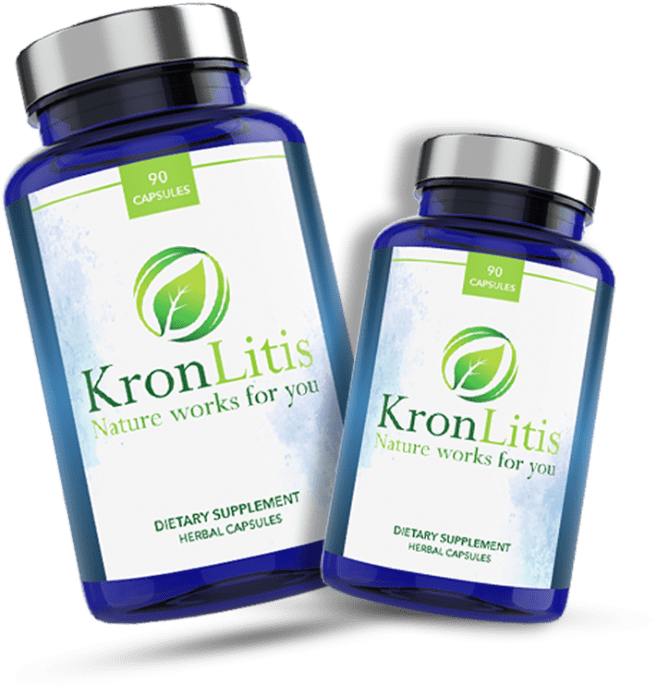
Kronlitis formulates a dietary supplement combining four specific herbs traditionally used for inflammatory bowel conditions. This formulation targets colon-specific inflammation through multiple botanical pathways rather than single-mechanism approaches. The four-herb combination addresses bleeding, diarrhea frequency, and mucosal healing simultaneously.
Patients achieving remission through natural approaches often report gradual symptom improvement over weeks rather than immediate suppression. This timeline reflects genuine mucosal healing rather than symptomatic masking. Kronlitis herbal supplement represents one option for those seeking plant-based anti-inflammatory support alongside conventional care.
Key Takeaways: Understanding Your Symptom Profile
- Recognize the complete picture: Ulcerative colitis involves both gastrointestinal symptoms like bloody diarrhea and urgency, plus systemic manifestations affecting joints, skin, and eyes.
- Severity guides treatment: Bathroom frequency, bleeding intensity, and systemic symptoms determine whether disease is mild, moderate, or severe directly impacting treatment intensity.
- Tracking transforms care: Daily documentation of stool frequency, bleeding severity, and pain creates patterns that enable early flare intervention and treatment optimization.
- Emergencies require recognition: Toxic megacolon signs, severe bleeding, and high fever with abdominal distension demand immediate medical attention these are not home-manageable situations.
- Natural options exist: Herbal anti-inflammatory approaches offer complementary support for reducing colon inflammation and supporting remission alongside conventional treatments.
Living with ulcerative colitis requires understanding your unique symptom patterns. While the condition presents challenges, many patients achieve lasting remission through appropriate treatment combinations. explore natural remission solutions to discover additional pathways toward digestive wellness and symptom control.
Frequently Asked Questions About Ulcerative Colitis Symptoms
What are the first signs of an ulcerative colitis flare?
Yes, most flares follow predictable early warning patterns. Increased stool frequency, mild abdominal cramping, and subtle urgency changes typically appear 2-5 days before visible bleeding. Recognizing these prodromal signs enables early intervention that may reduce flare severity and duration.
Can ulcerative colitis symptoms come on suddenly?
Yes, acute onset occurs in approximately 15% of initial presentations. Some patients experience rapid symptom development over days rather than weeks, often requiring hospitalization. This fulminant presentation demands immediate medical evaluation and intensive treatment.
Do ulcerative colitis symptoms ever go away completely?
Yes, remission means absence of symptoms for extended periods. Clinical remission involves no bleeding, normal stool frequency, and absent systemic symptoms. Many patients achieve remission lasting months to years, though maintenance treatment typically continues to prevent recurrence.
How are ulcerative colitis symptoms different from Crohn’s disease?
Yes, location and pattern distinguish the two conditions. Ulcerative colitis affects only the colon with continuous inflammation starting from the rectum. Crohn’s disease can involve any digestive tract portion with patchy, transmural inflammation that may cause strictures and fistulas complications rarely seen in UC.
Can stress make ulcerative colitis symptoms worse?
Yes, psychological stress correlates with increased symptom severity. The gut-brain axis creates bidirectional communication between digestive function and emotional state. Stress management techniques including mindfulness, therapy, and adequate sleep support overall treatment effectiveness.
What natural approaches help manage ulcerative colitis symptoms?
Yes, several evidence-based natural interventions support symptom control. Herbal anti-inflammatory formulations, omega-3 fatty acids, probiotics, and specific dietary modifications show benefit in clinical studies. These complement rather than replace conventional treatment comprehensive IBD resources detail integrative approaches for optimal outcomes.
@keyframes hoox-lf-in-hoox-f-d623f42c-1739-4077-adcb-21f692-bottom {
from { opacity: 0; transform: translateY(8px); }
to { opacity: 1; transform: translateY(0); }
}
#hoox-f-d623f42c-1739-4077-adcb-21f692-bottom {
width: 100%;
max-width: 100%;
box-sizing: border-box;
display: flex;
flex-direction: column;
gap: 20px;
margin: 48px 0;
padding: 32px 28px;
border-radius: 16px;
background: #ffffff;
color: #111111;
font-family: inherit;
border: 1px solid #E2E8F0;
animation: hoox-lf-in-hoox-f-d623f42c-1739-4077-adcb-21f692-bottom 0.3s cubic-bezier(0.16, 1, 0.3, 1);
direction: inherit;
}
#hoox-f-d623f42c-1739-4077-adcb-21f692-bottom .hoox-form-header {
display: flex;
flex-direction: column;
gap: 8px;
text-align: center;
}
#hoox-f-d623f42c-1739-4077-adcb-21f692-bottom .hoox-form-header h2 {
margin: 0;
font-size: 1.5em;
font-weight: 700;
line-height: 1.3;
color: #111111;
border: none;
padding: 0;
}
#hoox-f-d623f42c-1739-4077-adcb-21f692-bottom .hoox-form-header p {
margin: 0;
font-size: 1em;
line-height: 1.6;
color: #64748B;
}
#hoox-f-d623f42c-1739-4077-adcb-21f692-bottom form[data-hx-form] {
margin: 0;
display: flex;
flex-direction: column;
gap: 14px;
}
#hoox-f-d623f42c-1739-4077-adcb-21f692-bottom .hoox-field-wrap {
position: relative;
width: 100%;
box-sizing: border-box;
}
#hoox-f-d623f42c-1739-4077-adcb-21f692-bottom .hoox-field-wrap input {
width: 100%;
box-sizing: border-box;
height: 44px;
padding-inline-start: 42px;
padding-inline-end: 14px;
border: 1px solid #E2E8F0;
border-radius: 10px;
font-size: 14px;
color: #111111;
font-family: inherit;
background-color: #F8FAFC;
transition: border-color 0.15s ease, box-shadow 0.15s ease, background-color 0.15s ease;
outline: none;
direction: inherit;
text-align: start;
}
#hoox-f-d623f42c-1739-4077-adcb-21f692-bottom .hoox-field-wrap input::placeholder {
color: #94A3B8;
opacity: 1;
}
#hoox-f-d623f42c-1739-4077-adcb-21f692-bottom .hoox-field-wrap input:focus {
background-color: #FFFFFF;
border-color: #0077B6,#00B4D8,#90E0EF;
box-shadow: 0 0 0 3px rgba(15, 23, 42, 0.08);
}
#hoox-f-d623f42c-1739-4077-adcb-21f692-bottom .hoox-field-icon {
position: absolute;
top: 0;
bottom: 0;
inset-inline-start: 0;
width: 42px;
display: flex;
align-items: center;
justify-content: center;
pointer-events: none;
color: #94A3B8;
transition: color 0.15s ease;
}
#hoox-f-d623f42c-1739-4077-adcb-21f692-bottom .hoox-field-wrap:focus-within .hoox-field-icon {
color: #0077B6,#00B4D8,#90E0EF;
}
#hoox-f-d623f42c-1739-4077-adcb-21f692-bottom button[type=”submit”] {
width: 100%;
height: 44px;
margin-top: 4px;
border: none;
border-radius: 10px;
background: #0077B6,#00B4D8,#90E0EF;
color: #FFFFFF;
font-size: 14px;
font-weight: 600;
cursor: pointer;
transition: opacity 0.15s ease, transform 0.15s ease, box-shadow 0.15s ease;
box-shadow: 0 1px 2px 0 rgba(0, 0, 0, 0.05);
}
#hoox-f-d623f42c-1739-4077-adcb-21f692-bottom button[type=”submit”]:hover {
opacity: 0.94;
}
#hoox-f-d623f42c-1739-4077-adcb-21f692-bottom button[type=”submit”]:active {
transform: scale(0.99);
}
#hoox-f-d623f42c-1739-4077-adcb-21f692-bottom button[type=”submit”]:disabled {
opacity: 0.6;
cursor: not-allowed;
}
#hoox-f-d623f42c-1739-4077-adcb-21f692-bottom .hoox-disclaimer {
margin: 0;
text-align: center;
font-size: 12px;
line-height: 1.5;
color: #94A3B8;
}
#hoox-f-d623f42c-1739-4077-adcb-21f692-bottom .hoox-disclaimer a {
color: inherit;
text-decoration: underline;
text-underline-offset: 2px;
}
#hoox-f-d623f42c-1739-4077-adcb-21f692-bottom .hoox-disclaimer a:hover {
text-decoration: none;
}
#hoox-f-d623f42c-1739-4077-adcb-21f692-bottom .hoox-success {
display: none;
flex-direction: column;
align-items: center;
gap: 14px;
padding: 12px 0;
position: relative;
}
#hoox-f-d623f42c-1739-4077-adcb-21f692-bottom .hoox-confetti {
position: absolute;
inset: 0;
overflow: visible;
pointer-events: none;
}
#hoox-f-d623f42c-1739-4077-adcb-21f692-bottom .hoox-confetti span {
position: absolute;
top: 50%;
left: 50%;
width: 7px;
height: 11px;
background: var(–hoox-c);
border-radius: 2px;
opacity: 0;
animation: hoox-confetti-burst 0.9s ease-out forwards;
animation-delay: var(–hoox-d, 0s);
}
@keyframes hoox-confetti-burst {
0% { opacity: 1; transform: translate(-50%, -50%) rotate(0deg) scale(1); }
100% { opacity: 0; transform: translate(calc(-50% + var(–hoox-tx)), calc(-50% + var(–hoox-ty))) rotate(var(–hoox-rz)) scale(0.5); }
}
#hoox-f-d623f42c-1739-4077-adcb-21f692-bottom .hoox-success-icon {
width: 52px;
height: 52px;
border-radius: 50%;
background: #ECFDF5;
display: flex;
align-items: center;
justify-content: center;
font-size: 26px;
line-height: 1;
animation: hoox-success-pop 0.4s cubic-bezier(0.34, 1.56, 0.64, 1);
}
@keyframes hoox-success-pop {
from { opacity: 0; transform: scale(0.5); }
to { opacity: 1; transform: scale(1); }
}
#hoox-f-d623f42c-1739-4077-adcb-21f692-bottom .hoox-success-text {
margin: 0;
text-align: center;
font-size: 15px;
font-weight: 600;
line-height: 1.5;
color: #111111;
}
#hoox-f-d623f42c-1739-4077-adcb-21f692-bottom .hoox-disabled-state {
display: none;
flex-direction: column;
align-items: center;
gap: 14px;
padding: 12px 0;
text-align: center;
}
#hoox-f-d623f42c-1739-4077-adcb-21f692-bottom .hoox-disabled-icon {
width: 52px;
height: 52px;
border-radius: 50%;
background: #F1F5F9;
display: flex;
align-items: center;
justify-content: center;
color: #64748B;
}
#hoox-f-d623f42c-1739-4077-adcb-21f692-bottom .hoox-disabled-text {
margin: 0;
font-size: 14px;
line-height: 1.6;
color: #64748B;
}
#hoox-f-d623f42c-1739-4077-adcb-21f692-bottom .hoox-disabled-text a {
color: inherit;
font-weight: 600;
text-decoration: underline;
text-underline-offset: 2px;
}
#hoox-f-d623f42c-1739-4077-adcb-21f692-bottom .hoox-disabled-text a:hover {
text-decoration: none;
}
See What This Could Look Like For You
Takes 30 seconds
Thanks! We’ll be in touch.