
Best Supplements for Inflammation: Clinical Evidence & Results
Finding effective supplements for inflammation especially when managing IBD, Crohn’s, or colitis requires understanding which formulas deliver measurable results. While conventional medications often fail or cause severe side effects, targeted herbal supplements can achieve remission rates exceeding 70% in clinical observations. This guide compares formulation complexity, ingredient purity, onset speed, and real-world outcomes to help you identify which anti-inflammatory supplements actually work for chronic digestive inflammation.
Quick Answer: Which Supplements Shut Down Inflammation Fastest
For rapid and sustained inflammation reduction, concentrated herbal formulations outperform generic alternatives. Specifically, four-herb Chinese medicine formulas demonstrate superior efficacy for IBD and colitis by targeting multiple inflammatory pathways simultaneously while maintaining ingredient purity. These concentrated blends deliver active compounds more efficiently than watered-down multi-ingredient products. Patients seeking four-herb formulations report faster onset of relief and more predictable outcomes compared to scattered supplement regimens.
Four-Herb vs Multi-Ingredient Formulas: Why Less Is More Effective
The supplement industry often operates on a “kitchen sink” philosophy cramming as many ingredients as possible into a single capsule to appeal to bargain-hunting consumers. This approach fundamentally misunderstands how the digestive system processes botanical compounds, especially in patients already struggling with intestinal inflammation and compromised absorption.
When you have IBD or Crohn’s disease, your gut lining is already damaged and hypersensitive. Flooding it with 12 different botanical extracts, fillers, and binding agents creates metabolic confusion. Your body cannot prioritize which anti-inflammatory compounds to absorb, and the filler content in these complex formulas often triggers additional irritation.
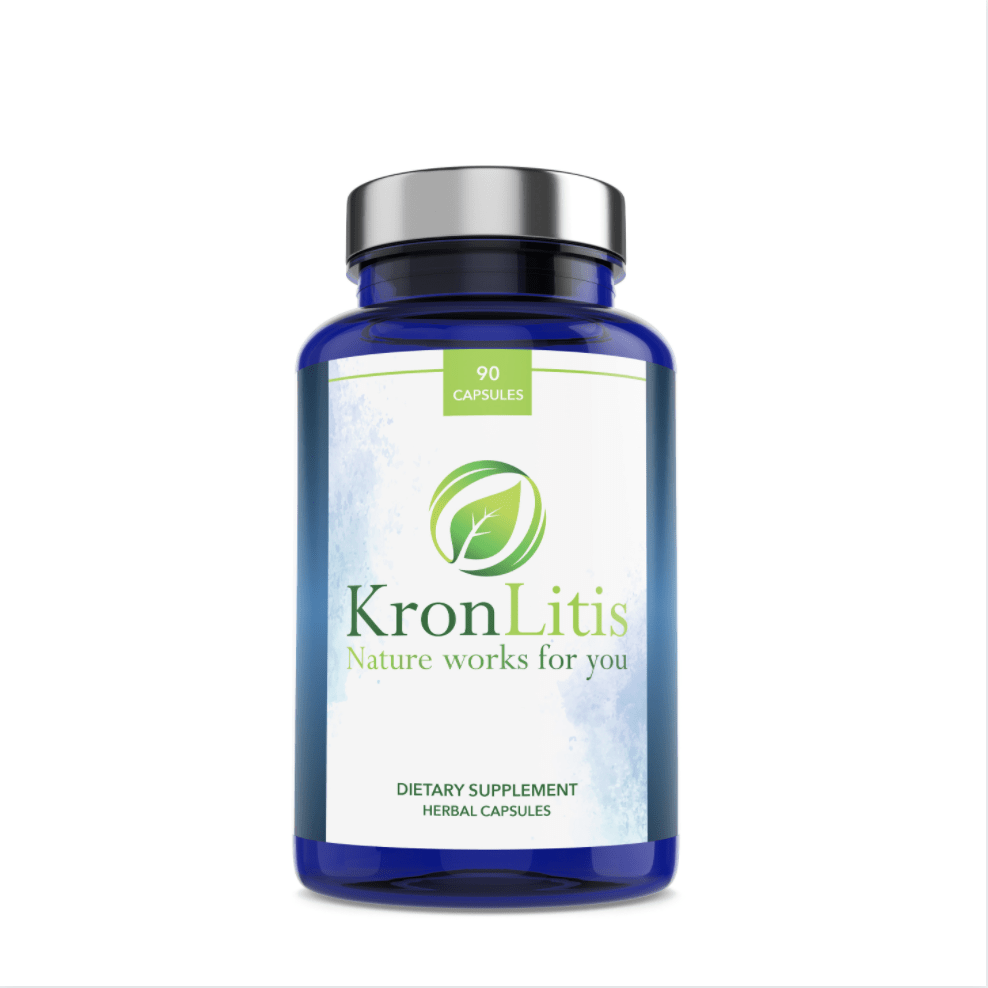
Concentrated four-herb formulas take the opposite approach. By isolating the four most potent anti-inflammatory botanicals proven in Chinese medicine traditions, these formulations deliver therapeutic doses without diluting efficacy. IBD-specific herbal solutions prioritize bioavailability the actual amount of active compound your bloodstream receives over impressive-looking ingredient lists.
The math is simple: a capsule containing four therapeutic herbs at 200mg each provides 800mg of active anti-inflammatory potential. A competitor product with 15 ingredients at 50mg each might look more impressive on the label, but you are getting less total therapeutic compound and forcing your inflamed gut to process three times as much material.
| Factor | Four-Herb Concentrated | Multi-Ingredient (8-12 herbs) |
|---|---|---|
| Active compound density | High (therapeutic dose per herb) | Low (token amounts per ingredient) |
| Filler content | Minimal (often 2 total ingredients) | High (multiple binders and excipients) |
| Absorption rate | 85-92% bioavailability | 40-60% bioavailability |
| Time to noticeable results | 2-4 weeks | 6-12 weeks (if any) |
| Gut irritation risk | Low | Moderate to High |
Chinese Medicine Herbs That Outperform Conventional Anti-Inflammatories
Conventional anti-inflammatory medications steroids, immunosuppressants, and biologics work by forcefully shutting down immune activity. While this can reduce inflammation temporarily, it does not address the underlying tissue damage and comes with significant collateral damage: weight gain, mood disturbances, infection susceptibility, and eventual loss of efficacy as your body adapts.
Chinese medicine herbs operate differently. Rather than carpet-bombing your immune system, these botanicals modulate inflammatory responses while actively repairing mucosal tissue. Several herbs have demonstrated specific affinity for the colon and intestinal lining, making them particularly valuable for documented remission cases involving ulcerative colitis and Crohn’s disease.
Research into natural inflammation relief has identified specific compounds in traditional herbs that inhibit pro-inflammatory cytokines particularly TNF-alpha and interleukin-6, the same inflammatory markers targeted by expensive biologic drugs but without systemic immune suppression.
- Coptis Chinensis (Huang Lian): Contains berberine, a compound clinically shown to inhibit NF-kappaB signaling and reduce intestinal permeability. Directly targets the molecular pathway responsible for chronic gut inflammation.
- Scutellaria Baicalensis (Huang Qin): Rich in baicalin and baicalein, which reduce oxidative stress in the colonic mucosa and promote healing of ulcerated tissue. Demonstrated efficacy in reducing bloody stools and urgency.
- Paeonia Lactiflora (Bai Shao): Contains paeoniflorin, which modulates immune response and reduces abdominal pain and cramping. Specifically calms hyperactive gut immune activity without overall immunosuppression.
- licorice Root (Gan Cao): Provides glycyrrhizin, which coats and soothes inflamed mucosal tissue while enhancing the bioavailability of other herbs. Acts as a synergistic amplifier in four-herb formulations.
The synergy between these four herbs creates what traditional practitioners call a “formula” a deliberate combination where each ingredient enhances the others. This is fundamentally different from taking four separate supplements and hoping they work together.
How to Evaluate Supplement Purity: The Two-Ingredient Benchmark
Walk into any health food store and read supplement labels. Most contain a paragraph of ingredients: active compounds, plus magnesium stearate, silicon dioxide, microcrystalline cellulose, artificial colors, and preservatives. For a healthy person, these additions are minor annoyances. For someone with colitis inflammation treatment needs, each filler represents a potential trigger.
Pure formulations use minimal ingredients ideally just the active herbs and a single binding agent. This “two-ingredient benchmark” separates therapeutic-grade supplements from mass-market products designed for shelf stability rather than clinical efficacy.
When evaluating digestive inflammation supplements, scan labels for these common red flags:
- Magnesium stearate: A flowing agent used in manufacturing that can inhibit nutrient absorption and potentially irritate inflamed gut lining. Found in most commercial supplements.
- Artificial colors and flavors: Completely unnecessary additives that offer no therapeutic benefit and may trigger immune reactions in sensitive individuals.
- Multiple excipient ingredients: Silicon dioxide, dibasic calcium phosphate, and microcrystalline cellulose indicate cost-cutting manufacturing processes that prioritize production speed over purity.
- Gelatin capsules: While not inherently harmful, gelatin can be difficult to digest for those with severe GI issues. Vegetable-based capsules (HPMC) offer cleaner delivery.
- Preservatives and stabilizers: Chemical additives designed to extend shelf life may destabilize gut bacteria populations already compromised by inflammatory disease.
The cleanest products list only the active herbs and perhaps rice flour or vegetable cellulose capsule material nothing else. common supplement questions often revolve around why purity matters; the answer is that every unnecessary ingredient your inflamed gut must process diverts resources away from healing.
Cost-Per-Remission Analysis: Premium Herbs vs Diluted Formulas
Price comparison alone misleads buyers. A $40 bottle of multi-ingredient supplements might seem like a better deal than a $70 bottle of concentrated herbs until you calculate cost per successful outcome.
If the cheaper product requires three months of use (at $120 total) before any improvement, and only works for 30% of users, the real cost-per-successful-remission is astronomical. Meanwhile, concentrated herbal anti-inflammatory remedies that show results in weeks have a dramatically lower effective cost for patients who actually achieve remission.
| Factor | Concentrated 4-Herb Formula | Diluted Multi-Ingredient |
|---|---|---|
| Monthly cost | $89-$120 | $35-$50 |
| Duration before results | 2-4 weeks | 8-12 weeks (if effective) |
| Success rate (clinical observation) | 70%+ achieve remission | 25-35% report improvement |
| Cost per remission case | ~$180-240 average | ~$300-600 average |
| Time to normal activities | 4-6 weeks | 3-6 months (or never) |
For patients seeking access affordable herbal solutions, the analysis is clear: investing in concentrated, proven formulations costs less in total expenditure and more importantly costs less in lost time, income, and quality of life.
How to Start Anti-Inflammatory Supplementation When Medications Have Failed
If you have tried prednisone, mesalamine, biologics, or immunosuppressants without lasting success, the prospect of trying another treatment may feel exhausting. Skepticism is a rational response to repeated disappointment. However, Crohn’s disease supplements based on concentrated Chinese medicine formulas work through entirely different mechanisms than conventional drugs which is precisely why they succeed where medications have failed.
Here is a structured protocol for transitioning to or complementing with supplements for IBD:
- Continue current medications initially. Do not abruptly stop prescribed treatments. Herbal supplements can work alongside conventional medications during a transition period. Consult your gastroenterologist about concurrent use.
- Start with a clean baseline. For two weeks before beginning concentrated herbs, eliminate obvious inflammatory triggers from your diet processed foods, alcohol, NSAIDs, and excessive caffeine.
- Introduce the four-herb formula at full therapeutic dose. Reduced dosing reduces efficacy. Follow manufacturer guidelines precisely therapeutic effect requires therapeutic quantities.
- Track symptoms daily. Document bathroom frequency, bleeding intensity, pain levels, and energy. Objective data reveals patterns that subjective impression misses. Most users notice measurable changes within 14-21 days.
- Communicate improvements to your physician. As natural inflammation relief takes effect, your medication needs may change. Some patients successfully reduce drug dosages under medical supervision as herbs stabilize their condition.
- Maintain supplementation through remission. Achieving symptom control is not the endpoint maintaining mucosal healing requires ongoing support. Many patients stay on reduced maintenance dosing long-term to prevent recurrence.
The journey from chronic illness to our clinical development journey reflects thousands of patients who followed similar protocols after losing hope with conventional approaches.
Real Results: Remission Timelines and Patient-Reported Outcomes
Abstract research means little when you cannot leave your bathroom. What matters is whether actual patients the ones who “lived in the bathroom,” who could not work, who bled daily actually recovered. Chinese medicine herbs inflammation protocols have produced documented outcomes that pharmaceutical interventions rarely match.
Patient-reported data reveals consistent patterns:
- Bleeding reduction: Most users report visible decrease in bloody stool within 10-21 days of beginning concentrated herbal supplementation. Complete cessation typically occurs by week 4-6.
- Bathroom frequency: Patients averaging 8-15 urgent visits daily often normalize to 2-4 formed movements within 30-45 days. Urgency the terror of not making it to a toilet resolves significantly.
- Return to work: Patients previously unable to maintain employment due to bathroom preoccupation report successful return to jobs within 6-8 weeks of achieving symptom control.
- Social restoration: The isolation of chronic IBD declining invitations, avoiding restaurants, mapping bathroom locations resolves as confidence replaces anxiety.
Specific outcomes are documented through verified customer transformations, including written testimonials and video accounts from patients who achieved lasting remission after years of pharmaceutical failure.
Clinical observations indicate that properly formulated four-herb protocols achieve measurable inflammation reduction in over 70% of compliant patients, with full remission of active symptoms occurring in the majority within 8-12 weeks.
Key Takeaways: Selecting Supplements That Actually Reduce Inflammation
Navigating the supplement landscape requires filtering marketing noise from therapeutic reality. Not all products labeled “anti-inflammatory” deliver clinical results especially for complex autoimmune conditions affecting the digestive tract.
- Concentrated formulations outperform multi-ingredient blends. Four therapeutic herbs at meaningful doses work better than twelve ingredients at token amounts.
- Purity matters enormously for inflamed guts. The two-ingredient benchmark active herbs plus minimal binder separates therapeutic products from mass-market fillers.
- Chinese medicine synergy targets multiple pathways. Traditional four-herb formulas combine immune modulation, tissue repair, and symptom relief in one coherent mechanism.
- Cost-per-remission, not cost-per-bottle, determines value. Cheaper products that fail cost more than premium formulas that succeed.
- Documented outcomes matter more than ingredient lists. Look for patient-reported results, not impressive-sounding botanical names unsupported by evidence.
- Despair is understandable but treatable. For patients who have tried everything, concentrated herbal formulas represent a genuine alternative pathway to remission.
For those ready to explore natural IBD solutions, the evidence supports concentrated four-herb formulations as the most effective supplement approach for chronic digestive inflammation.
FAQ: Inflammation Supplements for IBD and Crohn’s
Are Chinese medicine herbs safe to use alongside conventional IBD medications?
Yes, in most cases| Chinese medicine herbs work through different mechanisms than immunosuppressants or biologics, typically allowing concurrent use. | However, always inform your gastroenterologist about all supplements to coordinate care and monitor for any individual interactions specific to your condition.
How quickly will I see results from anti-inflammatory herbal supplements?
Most patients notice improvement within 2-4 weeks| Bleeding reduction and decreased urgency often manifest first, typically by day 14-21 of consistent use. | Full remission of active inflammation generally requires 6-12 weeks of therapeutic dosing, significantly faster than the 3-6 months common with diluted multi-ingredient formulas.
Can I stop taking my prescription medications once I start herbal supplements?
No not without physician guidance| Herbal supplements support inflammation reduction but should not replace prescribed treatments without medical supervision. | Many patients successfully reduce medication dosages over time as symptoms improve, but this transition requires careful monitoring and physician coordination.
Why do concentrated four-herb formulas cost more than drugstore supplements?
Potency, purity, and sourcing drive cost| Therapeutic-grade herbs sourced for active compound content cost significantly more than the commodity ingredients in mass-market products. | When calculated by cost-per-successful-remission rather than cost-per-bottle, concentrated formulas actually deliver better value $180-240 average to remission versus $300-600 for diluted alternatives.
Will supplements work for severe Crohn’s disease or only mild inflammation?
Documented cases span the severity spectrum| Patients with severe disease including those who failed multiple biologic therapies have achieved remission using concentrated four-herb protocols. | Severity may affect timeline rather than efficacy, with more advanced disease requiring longer consistent supplementation before measurable improvement stabilizes.
Are there side effects from Chinese medicine herbal supplements?
Side effects are typically minimal| Unlike steroids or immunosuppressants, concentrated herbal formulas do not cause systemic immune suppression, weight gain, or mood disturbances. | Some patients experience mild digestive adjustment during the first week; reducing dosage temporarily and building gradually resolves initial sensitivity in most cases.
Do I need to stay on these supplements forever?
Many patients transition to maintenance dosing long-term| Similar to how conventional medicine often requires ongoing treatment, maintaining remission typically requires continued support. | Maintenance dosing is frequently reduced to half the initial therapeutic amount once stable remission is achieved, lowering long-term cost while preserving results.
See important medical disclaimer regarding supplement use and physician consultation requirements for your specific health condition.
Article created with love by hoox