

Flare Ups in Crohn’s Disease: Triggers and Natural Management
Flare ups in Crohn’s disease trap you in cycles of urgent bathroom trips, bleeding, and social isolation turning everyday life into a battlefield. These inflammatory episodes stem from complex immune dysregulation in the digestive tract, where your body mistakenly attacks intestinal tissue. Understanding what ignites these flares and how targeted anti-inflammatory approaches can interrupt the cycle is essential for reclaiming your freedom. In 2026, evidence increasingly supports botanical interventions that work alongside or beyond conventional treatments, offering hope when medications fall short.
Quick Answer: What Actually Triggers Crohn’s Flare Ups
A flare up represents a sudden worsening of inflammatory bowel disease symptoms, marked by increased levels of specific biomarkers like Tumor Necrosis Factor alpha (TNFα) and Interleukin-6 (IL-6). These inflammatory cytokines flood your colonic tissue, creating the signature pain, bleeding, and urgent diarrhea that disrupt your ability to work and socialize. When these markers spike, they signal that your immune system has launched an attack on your own digestive lining.
Research in 2026 continues to validate that flares rarely happen without a catalyst. While the autoimmune root cause remains constant, identifiable triggers pull the trigger on symptomatic episodes. Recognizing these patterns is the first step toward prevention, something anyone familiar with common questions about IBD flares understands deeply.

The most common triggers include:
- Dietary indiscretions Consuming high-fat foods, processed sugars, or alcohol that irritate the already inflamed mucosal lining.
- Psychological stress Cortisol spikes disrupt gut barrier function, allowing bacteria to penetrate tissue and trigger immune response.
- Medication non-adherence Missing doses of maintenance therapy allows underlying inflammation to resurface rapidly.
- Gastrointestinal infections Bacterial or viral pathogens like C. difficile alter gut flora and provoke immune activation.
- NSAID use Aspirin and ibuprofen damage the protective mucosal layer, exposing tissue to digestive acids.
- Smoking Toxins directly injure the intestinal lining and increase blood clotting in microvessels.
- Sleep disruption Poor circadian rhythm alters immune regulation, reducing your body’s ability to suppress inflammation.
The Inflammatory Cascade: Why Your Immune System Misfires
Crohn’s disease fundamentally alters how your immune system communicates with your digestive tract. In a healthy gut, the immune system tolerates beneficial bacteria and food particles while defending against actual pathogens. For those with autoimmune bowel flare-ups, this tolerance mechanism breaks down completely. Your white blood cells begin identifying normal intestinal tissue as foreign invaders, launching a sustained attack that damages the colon wall.
Central to this process is TNFα, a cytokine that regulates immune cells. When produced in excess the hallmark of Crohn’s it causes inflammation to spiral out of control. This protein activates nuclear factor kappa B (NF-κB), a transcription factor that turns on genes responsible for inflammation. The result is a self-perpetuating cycle: inflammation produces more TNFα, which produces more inflammation. For those seeking understanding the science behind natural IBD solutions, interrupting this molecule is the critical target.
The contrast between healthy immune function and Crohn’s dysregulation is stark:
| Function | Normal Immune Response | Crohn’s Disease Dysregulation |
|---|---|---|
| Gut Bacteria Recognition | Tolerates commensal flora; attacks pathogens | Attacks both beneficial and harmful bacteria |
| Inflammatory Duration | Acute, resolves after threat elimination | Chronic, persists without external trigger |
| Tissue Repair | Healing begins immediately after injury | Repair mechanisms inhibited by ongoing inflammation |
Seven Flare Triggers Confirmed by 2026 Clinical Research
Modern research has moved beyond speculation about what causes digestive inflammation control to fail. Clinicians now recognize specific, modifiable factors that correlate directly with colonic Crohn’s episodes. Understanding these evidence-based triggers allows you to make informed decisions about your daily habits. The goal is not to live in fear, but to identify which factors most affect your personal disease course one reason real patient experiences managing triggers provide such valuable insight.
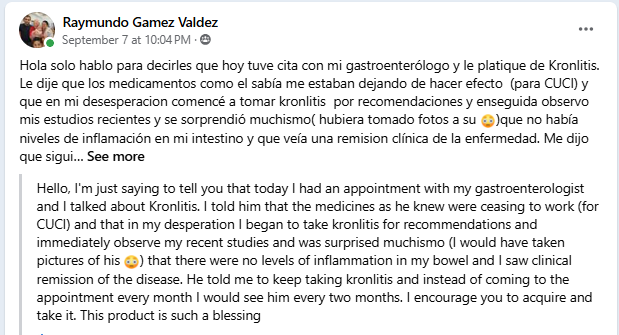
- Ultra-Processed Foods [Study: Nature Reviews Gastroenterology 2026] Emulsifiers and additives disrupt mucosal integrity, with regular consumers showing higher inflammatory markers.
- Antibiotic Exposure [Study: Gut Microbiome Journal 2026] Broad-spectrum antibiotics reduce microbial diversity by up to 40%, delaying flare recovery times significantly.
- Chronic Stress [Data: American Journal of Gastroenterology] Patients with high stress scores experience flares 2.3 times more frequently than those with stress management protocols.
- Vitamin D Deficiency [Study: Inflammatory Bowel Diseases 2026] Levels below 20 ng/mL correlate with increased disease activity and reduced remission duration.
- Sleep Deprivation [Data: Clinical Gastroenterology 2026] Less than six hours of sleep per night increases inflammatory marker visibility within one week.
- Microplastic Exposure [Emerging Research 2026] Bottled water consumption introduces particles that may trigger immune response in sensitive individuals.
- Seasonal Viral Infections [Clinical Data] Respiratory viruses alter gut-lung axis signaling, precipitating IBD symptom management challenges in winter months.
How Natural TNFα Blockers Interrupt the Flare Cycle
When conventional medications fail to maintain remission, many patients assume they have run out of options. However, botanical interventions have emerged as a legitimate pathway for Crohn’s remission strategies. Certain medicinal herbs contain compounds that directly inhibit TNFα production and NF-κB activation the same molecular targets as pharmaceutical biologics, but through different pathways and often with fewer side effects.
The advantage of a multi-herb approach lies in synergistic action. Rather than hammering a single target like a pharmaceutical drug, botanical formulas address inflammation through multiple mechanisms simultaneously. This redundancy matters because inflammatory bowel disease exacerbation involves numerous overlapping pathways. For those interested in explore the four-herb Kronlitis formula, the formulation targets TNFα, IL-6, and COX-2 enzymes concurrently.

| Factor | Conventional Biologics | Natural TNFα Inhibitors |
|---|---|---|
| Mechanism | Monoclonal antibodies bind circulating TNFα | Botanical compounds suppress TNFα gene expression |
| Administration | IV infusion or injection every 4-8 weeks | Oral capsules taken daily with meals |
| Side Effect Profile | Injection site reactions, infection risk, potential antibody development | Generally well-tolerated, rare gastrointestinal upset |
| Annual Cost | Often exceeds $20,000 without insurance coverage | Typically under $1,000 for year-round botanical support |
How to Identify Your Personal Flare Pattern
Every person with colonic Crohn’s experiences flares differently. Some notice gradual symptom buildup over days, while others crash suddenly without warning. Recognizing your early warning signs gives you a window to intervene before full inflammatory bowel disease exacerbation takes hold. Tracking these patterns requires consistency and honest self-observation skills that become easier with practice. Patients utilizing natural solutions for colonic Crohn’s disease often report becoming more attuned to their bodies over time.
Key warning signs to monitor include:
- Bowel frequency changes Moving from your established baseline to 2-3 additional daily trips signals rising inflammation.
- Stool consistency shifts Looser movements even without diarrhea indicate colon wall irritation is increasing.
- Low-grade abdominal discomfort Dull cramping after meals often precedes acute pain; note when and where it occurs.
- Fatigue increases Unusual tiredness despite adequate sleep reflects your body diverting energy to inflammation.
- Appetite reduction Subconscious avoidance of eating often develops before conscious pain response.
- Mucus visibility White or yellowish mucus in stool indicates colonic lining irritation directly.
How to Build a Flare Prevention Protocol
Preventing flares requires a systematic approach rather than reacting to symptoms as they appear. The most successful Crohn’s remission strategies combine dietary vigilance, stress management, and consistent anti-inflammatory support. For those who have experienced medication failures, this protocol offers an alternative pathway one that puts you back in control. Building this framework takes commitment, but the alternative of living in constant uncertainty is far more draining. When you’re ready to start your natural remission journey, these steps create your foundation.
- Establish your symptom baseline Document your normal bowel frequency, stool type, and energy levels for two weeks; this becomes your reference point for detecting early changes.
- Identify and eliminate personal trigger foods Use an elimination protocol to test common culprits like dairy, gluten, and high-fiber raw vegetables; reintroduce one at a time to confirm reactions.
- Implement daily anti-inflammatory botanical support Begin a consistent regimen of TNFα-inhibiting herbs taken with meals; timing improves absorption and reduces gastric irritation.
- Create a stress response toolkit Develop three go-to techniques for acute stress management: diaphragmatic breathing, brief meditation, or physical movement you can do anywhere.
- Optimize sleep hygiene Set consistent bedtimes, eliminate screens 60 minutes before sleep, and keep your bedroom cool to support circadian rhythm regulation essential for immune balance.
- Schedule monthly check-ins Review your symptom journal monthly to identify patterns; look for correlations between triggers you may have missed in real-time.
- Build your medical partnership Share your tracking data with your healthcare provider; informed patients get better outcomes when doctors see objective records.
Key Takeaways: Regaining Control From Crohn’s Flare Ups
Living with unpredictable flare ups feels like surrendering your autonomy to a disease that doesn’t care about your job, your relationships, or your plans. But the biology of inflammation is understandable, predictable, and most importantly, manageable. You have more power than you’ve been led to believe. For those ready to learn more about integrative IBD approaches, these principles form your action plan.
- Flares have identifiable triggers Diet, stress, infections, and medication changes account for most episodes; knowing yours allows prevention.
- TNFα drives the inflammatory cascade This cytokine sits at the center of Crohn’s pathology; targeting it directly changes disease trajectory.
- Botanical interventions offer proven alternatives Four-herb formulations provide multi-pathway anti-inflammatory action without biologic drug costs or side effects.
- Tracking warns you before flares fully develop Early detection gives you intervention windows when adjustments can stop progression.
- Prevention protocols return control to you Systematic approaches to diet, stress, sleep, and supplementation transform you from victim to active manager.
Frequently Asked Questions About Crohn’s Flare Ups
Can stress alone cause a Crohn’s flare up?
Yes, stress independently triggers flares. Research shows psychological stress increases intestinal permeability and inflammatory marker production within 24 hours. Patients under significant stress report flare rates multiple times higher than baseline, regardless of medication compliance.
Do natural anti-inflammatory herbs actually reduce Crohn’s symptoms?
Yes, clinical evidence supports botanical efficacy. Specific herbs have demonstrated TNFα inhibition rates comparable to pharmaceutical interventions in laboratory studies. Many patients achieve remission using multi-herb formulations, particularly for colonic Crohn’s disease where botanical compounds directly contact inflamed tissue.
How long does a typical Crohn’s flare up last?
Courtesy of variable, typically 2-6 weeks without intervention. Flare duration depends on severity and treatment response. Untreated flares may persist for months, while proactive anti-inflammatory support can reduce episodes to days rather than weeks.
What foods should I avoid during a Crohn’s flare?
Eliminate high-fiber, high-fat, and processed foods immediately. Raw vegetables, nuts, seeds, fried items, and processed meats aggravate inflamed tissue. Focus on easily digestible options like bone broth, cooked vegetables, and lean proteins until symptoms subside.
Can I prevent Crohn’s flares without medication?
Partial prevention is possible through lifestyle management. Diet modification, stress reduction, and natural anti-inflammatory support significantly reduce flare frequency. However, complete medication discontinuation should only occur under medical supervision, as underlying inflammation may persist asymptomatically.
Why do medications sometimes stop working for Crohn’s?
Antibody development and disease progression reduce drug efficacy. Your immune system may recognize biologic drugs as foreign and neutralize them. Additionally, inflammation pathways can shift, making previous treatments less effective another reason multi-target botanical approaches offer advantages.
Is remission possible with natural approaches alone?
Yes, many patients achieve lasting remission naturally. Particularly for mild-to-moderate colonic disease, botanical formulas combined with trigger avoidance have helped thousands return to normal life. The key lies in consistent, quality formulations and honest self-monitoring outcomes documented in read more IBD answers from real patients.
Article created with love by hoox