

Crohn’s Disease Early Symptoms: Clinical Recognition Guide
Recognizing Crohn’s disease in its earliest stages can dramatically alter treatment outcomes, yet many patients endure months or years of misdiagnosis because the initial symptoms don’t always manifest as digestive complaints. Understanding that joint pain, persistent fatigue, and skin changes may precede bowel symptoms by months and that 25% of diagnoses occur before age 20 empowers individuals to seek intervention when natural therapies and lifestyle modifications can still make a profound difference in disease progression.
The Hidden Timeline: When Crohn’s Symptoms Begin Before Diagnosis
The journey to a Crohn’s disease diagnosis often follows a frustratingly winding path. Patients typically assume their symptoms point to something straightforward perhaps a food sensitivity, stress-related stomach upset, or even growing pains. This assumption delays proper evaluation, allowing inflammation to establish deeper footholds in the digestive tract.
What makes early detection so challenging is that inflammatory bowel disease symptoms rarely announce themselves with obvious digestive distress first. The immune system’s attack on the gastrointestinal tract sends ripples throughout the body, manifesting in ways that seem unrelated to gut health. A teenager might visit a rheumatologist for aching knees or a dermatologist for unexplained rashes, never suspecting the root cause lies within their intestines.
@keyframes hoox-lf-in-hoox-f-2526a1d2-a7b5-4fa0-8420-02d3d9-top {
from { opacity: 0; transform: translateY(8px); }
to { opacity: 1; transform: translateY(0); }
}
#hoox-f-2526a1d2-a7b5-4fa0-8420-02d3d9-top {
width: 100%;
max-width: 100%;
box-sizing: border-box;
display: flex;
flex-direction: column;
gap: 20px;
margin: 48px 0;
padding: 32px 28px;
border-radius: 16px;
background: #ffffff;
color: #111111;
font-family: inherit;
border: 1px solid #E2E8F0;
animation: hoox-lf-in-hoox-f-2526a1d2-a7b5-4fa0-8420-02d3d9-top 0.3s cubic-bezier(0.16, 1, 0.3, 1);
direction: inherit;
}
#hoox-f-2526a1d2-a7b5-4fa0-8420-02d3d9-top .hoox-form-header {
display: flex;
flex-direction: column;
gap: 8px;
text-align: center;
}
#hoox-f-2526a1d2-a7b5-4fa0-8420-02d3d9-top .hoox-form-header h2 {
margin: 0;
font-size: 1.5em;
font-weight: 700;
line-height: 1.3;
color: #111111;
border: none;
padding: 0;
}
#hoox-f-2526a1d2-a7b5-4fa0-8420-02d3d9-top .hoox-form-header p {
margin: 0;
font-size: 1em;
line-height: 1.6;
color: #64748B;
}
#hoox-f-2526a1d2-a7b5-4fa0-8420-02d3d9-top form[data-hx-form] {
margin: 0;
display: flex;
flex-direction: column;
gap: 14px;
}
#hoox-f-2526a1d2-a7b5-4fa0-8420-02d3d9-top .hoox-field-wrap {
position: relative;
width: 100%;
box-sizing: border-box;
}
#hoox-f-2526a1d2-a7b5-4fa0-8420-02d3d9-top .hoox-field-wrap input {
width: 100%;
box-sizing: border-box;
height: 44px;
padding-inline-start: 42px;
padding-inline-end: 14px;
border: 1px solid #E2E8F0;
border-radius: 10px;
font-size: 14px;
color: #111111;
font-family: inherit;
background-color: #F8FAFC;
transition: border-color 0.15s ease, box-shadow 0.15s ease, background-color 0.15s ease;
outline: none;
direction: inherit;
text-align: start;
}
#hoox-f-2526a1d2-a7b5-4fa0-8420-02d3d9-top .hoox-field-wrap input::placeholder {
color: #94A3B8;
opacity: 1;
}
#hoox-f-2526a1d2-a7b5-4fa0-8420-02d3d9-top .hoox-field-wrap input:focus {
background-color: #FFFFFF;
border-color: #0077B6,#00B4D8,#90E0EF;
box-shadow: 0 0 0 3px rgba(15, 23, 42, 0.08);
}
#hoox-f-2526a1d2-a7b5-4fa0-8420-02d3d9-top .hoox-field-icon {
position: absolute;
top: 0;
bottom: 0;
inset-inline-start: 0;
width: 42px;
display: flex;
align-items: center;
justify-content: center;
pointer-events: none;
color: #94A3B8;
transition: color 0.15s ease;
}
#hoox-f-2526a1d2-a7b5-4fa0-8420-02d3d9-top .hoox-field-wrap:focus-within .hoox-field-icon {
color: #0077B6,#00B4D8,#90E0EF;
}
#hoox-f-2526a1d2-a7b5-4fa0-8420-02d3d9-top button[type=”submit”] {
width: 100%;
height: 44px;
margin-top: 4px;
border: none;
border-radius: 10px;
background: #0077B6,#00B4D8,#90E0EF;
color: #FFFFFF;
font-size: 14px;
font-weight: 600;
cursor: pointer;
transition: opacity 0.15s ease, transform 0.15s ease, box-shadow 0.15s ease;
box-shadow: 0 1px 2px 0 rgba(0, 0, 0, 0.05);
}
#hoox-f-2526a1d2-a7b5-4fa0-8420-02d3d9-top button[type=”submit”]:hover {
opacity: 0.94;
}
#hoox-f-2526a1d2-a7b5-4fa0-8420-02d3d9-top button[type=”submit”]:active {
transform: scale(0.99);
}
#hoox-f-2526a1d2-a7b5-4fa0-8420-02d3d9-top button[type=”submit”]:disabled {
opacity: 0.6;
cursor: not-allowed;
}
#hoox-f-2526a1d2-a7b5-4fa0-8420-02d3d9-top .hoox-disclaimer {
margin: 0;
text-align: center;
font-size: 12px;
line-height: 1.5;
color: #94A3B8;
}
#hoox-f-2526a1d2-a7b5-4fa0-8420-02d3d9-top .hoox-disclaimer a {
color: inherit;
text-decoration: underline;
text-underline-offset: 2px;
}
#hoox-f-2526a1d2-a7b5-4fa0-8420-02d3d9-top .hoox-disclaimer a:hover {
text-decoration: none;
}
#hoox-f-2526a1d2-a7b5-4fa0-8420-02d3d9-top .hoox-success {
display: none;
flex-direction: column;
align-items: center;
gap: 14px;
padding: 12px 0;
position: relative;
}
#hoox-f-2526a1d2-a7b5-4fa0-8420-02d3d9-top .hoox-confetti {
position: absolute;
inset: 0;
overflow: visible;
pointer-events: none;
}
#hoox-f-2526a1d2-a7b5-4fa0-8420-02d3d9-top .hoox-confetti span {
position: absolute;
top: 50%;
left: 50%;
width: 7px;
height: 11px;
background: var(–hoox-c);
border-radius: 2px;
opacity: 0;
animation: hoox-confetti-burst 0.9s ease-out forwards;
animation-delay: var(–hoox-d, 0s);
}
@keyframes hoox-confetti-burst {
0% { opacity: 1; transform: translate(-50%, -50%) rotate(0deg) scale(1); }
100% { opacity: 0; transform: translate(calc(-50% + var(–hoox-tx)), calc(-50% + var(–hoox-ty))) rotate(var(–hoox-rz)) scale(0.5); }
}
#hoox-f-2526a1d2-a7b5-4fa0-8420-02d3d9-top .hoox-success-icon {
width: 52px;
height: 52px;
border-radius: 50%;
background: #ECFDF5;
display: flex;
align-items: center;
justify-content: center;
font-size: 26px;
line-height: 1;
animation: hoox-success-pop 0.4s cubic-bezier(0.34, 1.56, 0.64, 1);
}
@keyframes hoox-success-pop {
from { opacity: 0; transform: scale(0.5); }
to { opacity: 1; transform: scale(1); }
}
#hoox-f-2526a1d2-a7b5-4fa0-8420-02d3d9-top .hoox-success-text {
margin: 0;
text-align: center;
font-size: 15px;
font-weight: 600;
line-height: 1.5;
color: #111111;
}
#hoox-f-2526a1d2-a7b5-4fa0-8420-02d3d9-top .hoox-disabled-state {
display: none;
flex-direction: column;
align-items: center;
gap: 14px;
padding: 12px 0;
text-align: center;
}
#hoox-f-2526a1d2-a7b5-4fa0-8420-02d3d9-top .hoox-disabled-icon {
width: 52px;
height: 52px;
border-radius: 50%;
background: #F1F5F9;
display: flex;
align-items: center;
justify-content: center;
color: #64748B;
}
#hoox-f-2526a1d2-a7b5-4fa0-8420-02d3d9-top .hoox-disabled-text {
margin: 0;
font-size: 14px;
line-height: 1.6;
color: #64748B;
}
#hoox-f-2526a1d2-a7b5-4fa0-8420-02d3d9-top .hoox-disabled-text a {
color: inherit;
font-weight: 600;
text-decoration: underline;
text-underline-offset: 2px;
}
#hoox-f-2526a1d2-a7b5-4fa0-8420-02d3d9-top .hoox-disabled-text a:hover {
text-decoration: none;
}
See What This Could Look Like For You
Takes 30 seconds
Thanks! We’ll be in touch.
Understanding the common questions about IBD symptoms becomes critical during this pre-diagnostic window. According to research from Everydayhealth, many patients experience extraintestinal symptoms such as joint pain, skin rashes, or fatigue before gastrointestinal symptoms appear, with these warning signs potentially preceding bowel complaints by several months or even years in some documented cases Everydayhealth.

This pattern of delayed digestive presentation is particularly pronounced in younger patients. The teenage years represent a peak window for disease onset, yet adolescents often dismiss fatigue and occasional joint discomfort as normal parts of growth, sports activities, or academic stress. Parents and even healthcare providers may attribute these symptoms to growing pains or anxiety, further postponing recognition.
- Musculoskeletal System: Joint pain (especially knees, ankles, wrists), morning stiffness, muscle aches
- Dermatological Signs: Unexplained rashes, skin nodules, mouth ulcers, anal fissures
- Systemic Indicators: Persistent fatigue, low-grade fevers, unintended weight loss
- Ocular Symptoms: Eye inflammation, redness, light sensitivity
- Nutritional Markers: Anemia despite adequate diet, vitamin deficiencies
- General Patterns: Symptoms that worsen during stress, intermittent flares with apparent remission
The immune system doesn’t compartmentalize its response. When it mistakenly identifies digestive tissue as foreign threat, the resulting autoimmune bowel symptoms trigger cascading effects throughout multiple organ systems. Recognizing these connections transforms what might seem like separate, unrelated complaints into a coherent diagnostic picture.
Joint Pain and Fatigue: Why Your Body Hurts Before Your Gut Does
Musculoskeletal complaints rank among the most common yet overlooked early warning signs of Crohn’s. The connection between joint inflammation and intestinal disease stems from shared inflammatory pathways. TNF-α (tumor necrosis factor alpha), a key inflammatory molecule involved in Crohn’s pathogenesis, circulates systemically rather than remaining isolated to the digestive tract.
This systemic circulation explains why someone might experience significant joint pain months before ever noticing irregular bowel habits. The same immune mechanisms attacking intestinal lining simultaneously inflame synovial tissue in joints. Patients often describe a deep, aching sensation that shifts between locations or intensifies during what they later recognize as pre-flare periods.
Understanding the autoimmune inflammatory response helps patients recognize that these seemingly disconnected symptoms share a common origin. When Crohn’s disease onset begins with musculoskeletal involvement, patients may receive diagnoses of reactive arthritis or undifferentiated spondyloarthritis before the underlying inflammatory bowel disease becomes apparent.
Data regarding age of onset reveals a striking pattern that emphasizes the need for early recognition. According to Healthline, about 25% of Crohn’s disease cases are diagnosed before the age of 20, with symptoms often beginning in the teenage years or early twenties, making awareness among young adults and their families especially critical Healthline.

| Symptom Category | Typical Onset Timeline | Frequency Before Diagnosis | Recognition Challenge |
|---|---|---|---|
| Joint Pain/Arthralgia | 2-8 months before GI symptoms | 30-40% of patients | Often attributed to sports, growing pains, or stress |
| Fatigue | Variable, may precede by years | 50-70% of patients | Dismissed as poor sleep, academic stress, or depression |
| Skin Manifestations | Concurrent or preceding GI | 10-20% of patients | Typically treated as separate dermatological issue |
| Eye Inflammation | Disease flares | 5-10% of patients | May be only extraintestinal symptom initially |
| Abdominal Pain | Often later in progression | Eventually 80-90% | Intermittent nature delays investigation |
Fatigue presents its own diagnostic challenge. Unlike tiredness following a poor night’s sleep or strenuous activity, the fatigue associated with developing digestive inflammation signs feels different deeper, unresponsive to rest, and oddly disproportionate to activity levels. This exhaustion reflects both the energy demands of chronic inflammation and developing anemia from intestinal bleeding or malabsorption.
Quick Answer: The Five Cardinal Early Symptoms of Crohn’s Disease
For those seeking clarity on IBD early detection, these five symptoms represent the most reliable early indicators that warrant medical evaluation:
- Persistent Fatigue: Deep exhaustion unrelieved by adequate sleep, lasting beyond two weeks without clear cause
- Unexplained Joint Pain: Aching in knees, ankles, wrists, or lower back that lacks injury history and fluctuates over time
- Intermittent Diarrhea: Occasional loose stools that return to normal, then recur especially if accompanied by urgency
- Low-Grade Fever: Temperatures slightly elevated (99-100°F) without obvious infection, often most noticeable in evenings
- Unintended Weight Loss: Dropping pounds without dieting or increased exercise, particularly concerning in younger patients
Reading real patient experiences with early symptoms reveals how often these five patterns appear in retrospect. Many individuals describe recognizing these signs only after diagnosis, wishing they had connected the dots sooner.
Digestive Red Flags: Recognizing the Subtle Bowel Pattern Shifts
When digestive inflammation signs do appear, they rarely announce themselves with dramatic, unmistakable symptoms. Instead, the early digestive manifestations of Crohn’s disease tend toward subtlety intermittent changes that resolve briefly before returning, patterns that could easily reflect dietary choices or temporary stomach bugs.
The transition from extraintestinal to intestinal symptoms marks a critical juncture. What might have been vague joint pain and fatigue begins incorporating bathroom pattern changes. The key difference between IBD symptom recognition and dismissing temporary upset lies in persistence and pattern.
Intermittent diarrhea is particularly deceptive. Unlike acute gastroenteritis that resolves within days, Crohn’s-related diarrhea returns in cycles. Patients often identify trigger foods that seemed to cause problems, then find those same foods tolerable weeks later. This inconsistency reflects the flaring and subsiding nature of intestinal inflammation.
Natural approaches to digestive inflammation work best when implemented early. Understanding what to watch for accelerates intervention timing. According to data from the National Institutes of Health, in 2023–2024, approximately 0.5% of U.S. adults (about 1.3 million people) had been diagnosed with Crohn’s disease, indicating a stable yet significant burden of the disease in the population Nih.

- Frequency Changes: Moving from once-daily to multiple bathroom visits, especially with urgency
- Stool Consistency: Loose stools alternating with normal, occasional narrowing
- Mucus Presence: Visible mucus in stool indicating intestinal lining irritation
- Blood Indications: Bright red blood on toilet paper or darker blood mixed in stool
- Incomplete Emptying: Sensation of needing to go again shortly after bathroom visits
- Nocturnal Symptoms: Waking from sleep to use bathroom, unusual for functional disorders
The appearance of blood or mucus signals that intestinal lining has sustained meaningful damage. While hemorrhoidal bleeding might explain bright red blood on toilet paper, blood mixed within stool or darker coloring suggests bleeding higher in the digestive tract. Either presentation during Crohn’s disease onset warrants prompt medical evaluation.
How to Document Symptoms for Faster Clinical Diagnosis
The difference between months of diagnostic uncertainty and faster recognition often comes down to documentation quality. When patients arrive with vague descriptions “sometimes my stomach hurts” or “I’ve been tired lately” healthcare providers lack the concrete data needed to pursue targeted testing.
Detailed symptom journals transform subjective complaints into objective patterns. The process doesn’t require elaborate technology a simple notebook or phone notes app works effectively. What matters is consistency and completeness.
Understanding the patient journey reveals that those who document systematically receive faster referrals for gastroenterological evaluation. Clear patterns of symptoms following meals, worsening with stress, or correlating with menstrual cycles help clinicians narrow differential diagnoses efficiently.
| Time | Symptom Type | Severity (1-10) | Food Intake (Previous 4 Hours) | Notes |
|---|---|---|---|---|
| 7:30 AM | Morning joint stiffness (knees) | 4 | Nothing overnight | Lasted until 8:15 AM |
| 12:30 PM | Abdominal cramping | 6 | Turkey sandwich, apple | Occurred 90 min after eating |
| 1:15 PM | Urgent loose stool | 5 | (See above) | Relief after, fatigue followed |
| 6:00 PM | Fatigue wave | 7 | Granola bar at 3 PM | Needed to lie down |
| 9:45 PM | Evening low-grade fever | 3 | Chicken, rice, vegetables | Temp 99.8°F |
Tracking severity using a consistent scale provides crucial information. A symptom rated 3/10 is bothersome but functional; 7/10 significantly impacts daily activities; 10/10 represents the worst imaginable. These numbers help clinicians gauge disease impact and track treatment effectiveness over time.
- Record timing: Document when symptoms occur relative to meals, sleep, and stressors
- Rate severity: Use consistent 1-10 scale for each symptom type
- Note triggers: Foods, stress, sleep quality, menstrual cycle if applicable
- Photograph visible changes: Rashes, stool characteristics (if comfortable), swelling
- Track duration: How long each symptom episode lasts
- Monitor weight: Weekly weigh-ins at consistent time reveal concerning trends
This documentation serves dual purposes. Beyond accelerating diagnosis, comprehensive records provide baseline data for measuring intervention effectiveness. Whether pursuing conventional treatment or natural approaches, having clear “before” data makes “after” improvements measurable.
Natural Intervention During Early-Stage Crohn’s: The Four-Herb Approach
Early diagnosis opens intervention windows that may narrow as disease progresses. During initial stages, before significant intestinal scarring or stricture formation, addressing inflammation naturally offers meaningful potential for remission induction. The goal is shutting down the inflammatory cascade before it causes permanent tissue damage.
Conventional approaches often involve diagnostic delays that allow disease progression. Patients cycle through multiple providers, undergo repeated testing, and accumulate months of untreated inflammation. This delay becomes particularly significant because early intervention whether conventional, natural, or combined may alter disease trajectory.
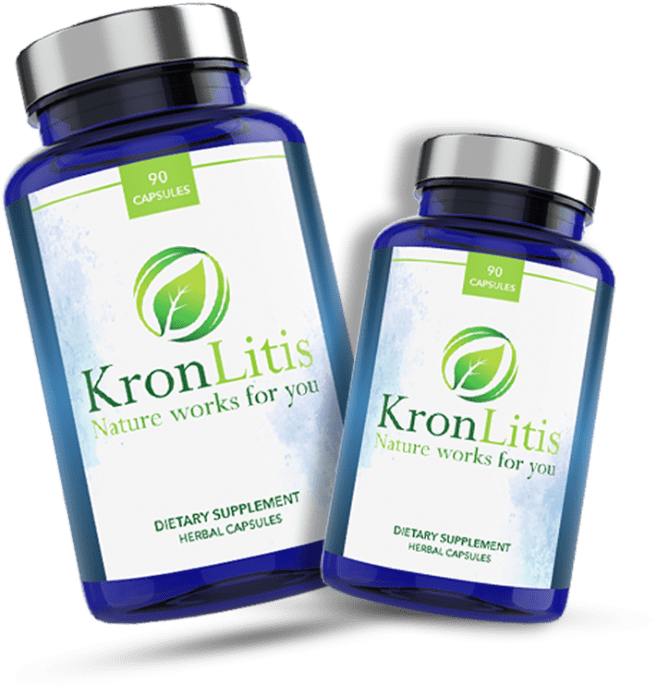
The four-herb anti-inflammatory formulation developed by Kronlitis specifically targets the TNF-α pathway implicated in Crohn’s disease inflammation. By utilizing four synergistic herbs rather than single-ingredient approaches, the formulation addresses multiple inflammatory mechanisms simultaneously.
- Conventional Delay Pattern: Symptom onset → primary care visit → extra intestinal symptom treatment → eventual GI referral → testing → diagnosis → treatment initiation (often 6-18 months total)
- Early Natural Intervention: Symptom recognition → documentation → immediate anti-inflammatory support → reduced inflammatory damage → potential for milder disease course
- Speed of Response: Natural formulations may reduce inflammation within weeks rather than months
- Cost Consideration: Natural intervention typically costs significantly less than biologic medications
- Safety Profile: Plant-based anti-inflammatory herbs offer favorable safety profiles for long-term use
The four herbs in Kronlitis’s formulation work through complementary mechanisms. Some block TNF-α directly; others modulate immune response or support mucosal healing. This multi-target approach mirrors how combination conventional therapies work addressing inflammation from multiple angles rather than relying on single mechanisms.
Colon-specific Crohn’s disease and ulcerative colitis represent conditions where this targeted herbal approach shows particular promise. Because inflammation concentrates in the colon, orally administered herbs deliver active compounds directly to affected tissue through normal digestive processes.
Key Takeaways: Acting on Early Crohn’s Symptoms in 2026
Recognition of Crohn’s disease early symptoms has evolved significantly as understanding of extraintestinal manifestations expands. The landscape of 2026 offers more resources and approaches than ever before for those suspecting early disease stages.
- Extraintestinal symptoms often precede digestive symptoms by months, making joint pain, fatigue, and skin changes critical early warning signals
- One-quarter of Crohn’s cases occur before age 20, meaning teenagers with unexplained symptoms warrant evaluation rather than symptom dismissal
- Systematic documentation accelerates diagnosis by providing clinicians with pattern data rather than vague descriptions
- Early intervention may alter disease trajectory by reducing cumulative inflammatory damage before scarring occurs
- Natural anti-inflammatory approaches offer early-stage intervention options with favorable safety profiles
- Four-herb formulations address multiple inflammatory pathways simultaneously, potentially improving remission outcomes
For those recognizing themselves in these symptom descriptions, explore natural remission support to understand options available during the critical early intervention window.
Frequently Asked Questions About Early Crohn’s Symptoms
Can you have Crohn’s disease for years without knowing it?
Yes, undiagnosed Crohn’s disease can exist for years. Research suggests average diagnostic delays of 1-2 years for Crohn’s disease, with some patients reporting symptom onset years before eventual diagnosis. This delay occurs because early symptoms lack specificity and extraintestinal manifestations often precede obvious digestive complaints. Earlier recognition through awareness of joint pain and fatigue patterns could significantly reduce this timeline.
Do early Crohn’s symptoms come and go?
Yes, early symptoms characteristically fluctuate. The relapsing-remitting pattern distinguishes IBD from acute infections and creates much of the diagnostic challenge. Symptoms may disappear for weeks or months before returning, leading patients and providers to attribute problems to temporary causes like stress or dietary indiscretion. Tracking these patterns in writing helps identify the cyclical nature characteristic of autoimmune bowel symptoms.
How is early Crohn’s disease different from IBS?
The key distinction lies in inflammatory markers and symptom patterns. IBS (irritable bowel syndrome) represents a functional disorder without inflammation, tissue damage, or systemic symptoms. Crohn’s disease involves measurable intestinal inflammation, often produces extraintestinal symptoms like joint pain and fatigue, and may cause fever, weight loss, or blood in stool. IBS symptoms rarely wake patients from sleep, while nocturnal bathroom visits signal potential IBD and warrant investigation.
At what age do most Crohn’s symptoms begin?
Peak onset occurs between ages 15-35, with 25% diagnosed before age 20. A second peak appears between ages 50-70. However, symptoms can manifest at any age. When teenagers experience persistent fatigue, unexplained joint pain, or changing bathroom patterns, clinicians should consider inflammatory bowel disease rather than attributing symptoms to stress or growth. The comprehensive IBD information provides deeper age-related insights.
Can natural approaches help during early-stage Crohn’s?
Yes, natural anti-inflammatory interventions show promise for early-stage disease. Herbal formulations targeting TNF-α and other inflammatory pathways may reduce inflammation before significant tissue damage occurs. The four-herb approach used in Kronlitis products addresses multiple inflammatory mechanisms simultaneously and costs significantly less than biologic medications. Early intervention during less damaged intestinal states offers theoretical advantages for achieving and maintaining remission.
What tests confirm early Crohn’s disease diagnosis?
Diagnosis requires endoscopic evaluation with biopsy. Colonoscopy allows direct visualization of intestinal inflammation and tissue sampling for microscopic confirmation. Blood tests for inflammatory markers (CRP, ESR) and stool calprotectin provide supporting evidence但不能单独诊断。影像学检查如CT或MRI有助于评估小肠 involvement。早期疾病可能呈现较轻微的发现,使全面评估对诊断准确性至关重要。
@keyframes hoox-lf-in-hoox-f-2526a1d2-a7b5-4fa0-8420-02d3d9-bottom {
from { opacity: 0; transform: translateY(8px); }
to { opacity: 1; transform: translateY(0); }
}
#hoox-f-2526a1d2-a7b5-4fa0-8420-02d3d9-bottom {
width: 100%;
max-width: 100%;
box-sizing: border-box;
display: flex;
flex-direction: column;
gap: 20px;
margin: 48px 0;
padding: 32px 28px;
border-radius: 16px;
background: #ffffff;
color: #111111;
font-family: inherit;
border: 1px solid #E2E8F0;
animation: hoox-lf-in-hoox-f-2526a1d2-a7b5-4fa0-8420-02d3d9-bottom 0.3s cubic-bezier(0.16, 1, 0.3, 1);
direction: inherit;
}
#hoox-f-2526a1d2-a7b5-4fa0-8420-02d3d9-bottom .hoox-form-header {
display: flex;
flex-direction: column;
gap: 8px;
text-align: center;
}
#hoox-f-2526a1d2-a7b5-4fa0-8420-02d3d9-bottom .hoox-form-header h2 {
margin: 0;
font-size: 1.5em;
font-weight: 700;
line-height: 1.3;
color: #111111;
border: none;
padding: 0;
}
#hoox-f-2526a1d2-a7b5-4fa0-8420-02d3d9-bottom .hoox-form-header p {
margin: 0;
font-size: 1em;
line-height: 1.6;
color: #64748B;
}
#hoox-f-2526a1d2-a7b5-4fa0-8420-02d3d9-bottom form[data-hx-form] {
margin: 0;
display: flex;
flex-direction: column;
gap: 14px;
}
#hoox-f-2526a1d2-a7b5-4fa0-8420-02d3d9-bottom .hoox-field-wrap {
position: relative;
width: 100%;
box-sizing: border-box;
}
#hoox-f-2526a1d2-a7b5-4fa0-8420-02d3d9-bottom .hoox-field-wrap input {
width: 100%;
box-sizing: border-box;
height: 44px;
padding-inline-start: 42px;
padding-inline-end: 14px;
border: 1px solid #E2E8F0;
border-radius: 10px;
font-size: 14px;
color: #111111;
font-family: inherit;
background-color: #F8FAFC;
transition: border-color 0.15s ease, box-shadow 0.15s ease, background-color 0.15s ease;
outline: none;
direction: inherit;
text-align: start;
}
#hoox-f-2526a1d2-a7b5-4fa0-8420-02d3d9-bottom .hoox-field-wrap input::placeholder {
color: #94A3B8;
opacity: 1;
}
#hoox-f-2526a1d2-a7b5-4fa0-8420-02d3d9-bottom .hoox-field-wrap input:focus {
background-color: #FFFFFF;
border-color: #0077B6,#00B4D8,#90E0EF;
box-shadow: 0 0 0 3px rgba(15, 23, 42, 0.08);
}
#hoox-f-2526a1d2-a7b5-4fa0-8420-02d3d9-bottom .hoox-field-icon {
position: absolute;
top: 0;
bottom: 0;
inset-inline-start: 0;
width: 42px;
display: flex;
align-items: center;
justify-content: center;
pointer-events: none;
color: #94A3B8;
transition: color 0.15s ease;
}
#hoox-f-2526a1d2-a7b5-4fa0-8420-02d3d9-bottom .hoox-field-wrap:focus-within .hoox-field-icon {
color: #0077B6,#00B4D8,#90E0EF;
}
#hoox-f-2526a1d2-a7b5-4fa0-8420-02d3d9-bottom button[type=”submit”] {
width: 100%;
height: 44px;
margin-top: 4px;
border: none;
border-radius: 10px;
background: #0077B6,#00B4D8,#90E0EF;
color: #FFFFFF;
font-size: 14px;
font-weight: 600;
cursor: pointer;
transition: opacity 0.15s ease, transform 0.15s ease, box-shadow 0.15s ease;
box-shadow: 0 1px 2px 0 rgba(0, 0, 0, 0.05);
}
#hoox-f-2526a1d2-a7b5-4fa0-8420-02d3d9-bottom button[type=”submit”]:hover {
opacity: 0.94;
}
#hoox-f-2526a1d2-a7b5-4fa0-8420-02d3d9-bottom button[type=”submit”]:active {
transform: scale(0.99);
}
#hoox-f-2526a1d2-a7b5-4fa0-8420-02d3d9-bottom button[type=”submit”]:disabled {
opacity: 0.6;
cursor: not-allowed;
}
#hoox-f-2526a1d2-a7b5-4fa0-8420-02d3d9-bottom .hoox-disclaimer {
margin: 0;
text-align: center;
font-size: 12px;
line-height: 1.5;
color: #94A3B8;
}
#hoox-f-2526a1d2-a7b5-4fa0-8420-02d3d9-bottom .hoox-disclaimer a {
color: inherit;
text-decoration: underline;
text-underline-offset: 2px;
}
#hoox-f-2526a1d2-a7b5-4fa0-8420-02d3d9-bottom .hoox-disclaimer a:hover {
text-decoration: none;
}
#hoox-f-2526a1d2-a7b5-4fa0-8420-02d3d9-bottom .hoox-success {
display: none;
flex-direction: column;
align-items: center;
gap: 14px;
padding: 12px 0;
position: relative;
}
#hoox-f-2526a1d2-a7b5-4fa0-8420-02d3d9-bottom .hoox-confetti {
position: absolute;
inset: 0;
overflow: visible;
pointer-events: none;
}
#hoox-f-2526a1d2-a7b5-4fa0-8420-02d3d9-bottom .hoox-confetti span {
position: absolute;
top: 50%;
left: 50%;
width: 7px;
height: 11px;
background: var(–hoox-c);
border-radius: 2px;
opacity: 0;
animation: hoox-confetti-burst 0.9s ease-out forwards;
animation-delay: var(–hoox-d, 0s);
}
@keyframes hoox-confetti-burst {
0% { opacity: 1; transform: translate(-50%, -50%) rotate(0deg) scale(1); }
100% { opacity: 0; transform: translate(calc(-50% + var(–hoox-tx)), calc(-50% + var(–hoox-ty))) rotate(var(–hoox-rz)) scale(0.5); }
}
#hoox-f-2526a1d2-a7b5-4fa0-8420-02d3d9-bottom .hoox-success-icon {
width: 52px;
height: 52px;
border-radius: 50%;
background: #ECFDF5;
display: flex;
align-items: center;
justify-content: center;
font-size: 26px;
line-height: 1;
animation: hoox-success-pop 0.4s cubic-bezier(0.34, 1.56, 0.64, 1);
}
@keyframes hoox-success-pop {
from { opacity: 0; transform: scale(0.5); }
to { opacity: 1; transform: scale(1); }
}
#hoox-f-2526a1d2-a7b5-4fa0-8420-02d3d9-bottom .hoox-success-text {
margin: 0;
text-align: center;
font-size: 15px;
font-weight: 600;
line-height: 1.5;
color: #111111;
}
#hoox-f-2526a1d2-a7b5-4fa0-8420-02d3d9-bottom .hoox-disabled-state {
display: none;
flex-direction: column;
align-items: center;
gap: 14px;
padding: 12px 0;
text-align: center;
}
#hoox-f-2526a1d2-a7b5-4fa0-8420-02d3d9-bottom .hoox-disabled-icon {
width: 52px;
height: 52px;
border-radius: 50%;
background: #F1F5F9;
display: flex;
align-items: center;
justify-content: center;
color: #64748B;
}
#hoox-f-2526a1d2-a7b5-4fa0-8420-02d3d9-bottom .hoox-disabled-text {
margin: 0;
font-size: 14px;
line-height: 1.6;
color: #64748B;
}
#hoox-f-2526a1d2-a7b5-4fa0-8420-02d3d9-bottom .hoox-disabled-text a {
color: inherit;
font-weight: 600;
text-decoration: underline;
text-underline-offset: 2px;
}
#hoox-f-2526a1d2-a7b5-4fa0-8420-02d3d9-bottom .hoox-disabled-text a:hover {
text-decoration: none;
}
See What This Could Look Like For You
Takes 30 seconds
Thanks! We’ll be in touch.