
Dietitian for Crohn’s Disease: Natural Support vs. Conventional Plans
Finding the right dietitian for Crohn’s disease means balancing evidence-based nutrition protocols with complementary interventions that target inflammation at its source. While conventional dietary therapy focuses on symptom management through elimination diets and enteral nutrition, integrative approaches combine nutritional guidance with natural anti-inflammatory compounds like herbal TNFα blockers. In 2026, patients achieve the strongest outcomes when dietitians collaborate with herbal interventions that address immune dysregulation while optimizing nutrient absorption, bowel rest, and inflammation control creating a comprehensive pathway to sustained remission beyond food choices alone.
Quick Answer: What a Dietitian Does for Crohn’s Disease vs. Herbal Integration
A dietitian for Crohn’s disease typically focuses on identifying trigger foods, managing malnutrition, and reducing symptoms through dietary modification. Their primary toolkit includes elimination protocols like the low-FODMAP diet, enteral nutrition support, and nutrient repletion strategies. While valuable, these approaches address the downstream effects of inflammation rather than the immune dysregulation driving the disease process itself.
Herbal integration changes this equation entirely. Rather than simply avoiding triggers, targeted botanical compounds work at the cellular level to block tumor necrosis factor alpha (TNFα) the inflammatory cytokine responsible for much of the intestinal damage in IBD. This mechanism mirrors biologic medications but without systemic immunosuppression or injection-related complications.
@keyframes hoox-lf-in-hoox-f-a04f42fc-1e06-4510-af3b-50e13c-top {
from { opacity: 0; transform: translateY(8px); }
to { opacity: 1; transform: translateY(0); }
}
#hoox-f-a04f42fc-1e06-4510-af3b-50e13c-top {
width: 100%;
max-width: 100%;
box-sizing: border-box;
display: flex;
flex-direction: column;
gap: 20px;
margin: 48px 0;
padding: 32px 28px;
border-radius: 16px;
background: #ffffff;
color: #111111;
font-family: inherit;
border: 1px solid #E2E8F0;
animation: hoox-lf-in-hoox-f-a04f42fc-1e06-4510-af3b-50e13c-top 0.3s cubic-bezier(0.16, 1, 0.3, 1);
direction: inherit;
}
#hoox-f-a04f42fc-1e06-4510-af3b-50e13c-top .hoox-form-header {
display: flex;
flex-direction: column;
gap: 8px;
text-align: center;
}
#hoox-f-a04f42fc-1e06-4510-af3b-50e13c-top .hoox-form-header h2 {
margin: 0;
font-size: 1.5em;
font-weight: 700;
line-height: 1.3;
color: #111111;
border: none;
padding: 0;
}
#hoox-f-a04f42fc-1e06-4510-af3b-50e13c-top .hoox-form-header p {
margin: 0;
font-size: 1em;
line-height: 1.6;
color: #64748B;
}
#hoox-f-a04f42fc-1e06-4510-af3b-50e13c-top form[data-hx-form] {
margin: 0;
display: flex;
flex-direction: column;
gap: 14px;
}
#hoox-f-a04f42fc-1e06-4510-af3b-50e13c-top .hoox-field-wrap {
position: relative;
width: 100%;
box-sizing: border-box;
}
#hoox-f-a04f42fc-1e06-4510-af3b-50e13c-top .hoox-field-wrap input {
width: 100%;
box-sizing: border-box;
height: 44px;
padding-inline-start: 42px;
padding-inline-end: 14px;
border: 1px solid #E2E8F0;
border-radius: 10px;
font-size: 14px;
color: #111111;
font-family: inherit;
background-color: #F8FAFC;
transition: border-color 0.15s ease, box-shadow 0.15s ease, background-color 0.15s ease;
outline: none;
direction: inherit;
text-align: start;
}
#hoox-f-a04f42fc-1e06-4510-af3b-50e13c-top .hoox-field-wrap input::placeholder {
color: #94A3B8;
opacity: 1;
}
#hoox-f-a04f42fc-1e06-4510-af3b-50e13c-top .hoox-field-wrap input:focus {
background-color: #FFFFFF;
border-color: #0077B6,#00B4D8,#90E0EF;
box-shadow: 0 0 0 3px rgba(15, 23, 42, 0.08);
}
#hoox-f-a04f42fc-1e06-4510-af3b-50e13c-top .hoox-field-icon {
position: absolute;
top: 0;
bottom: 0;
inset-inline-start: 0;
width: 42px;
display: flex;
align-items: center;
justify-content: center;
pointer-events: none;
color: #94A3B8;
transition: color 0.15s ease;
}
#hoox-f-a04f42fc-1e06-4510-af3b-50e13c-top .hoox-field-wrap:focus-within .hoox-field-icon {
color: #0077B6,#00B4D8,#90E0EF;
}
#hoox-f-a04f42fc-1e06-4510-af3b-50e13c-top button[type=”submit”] {
width: 100%;
height: 44px;
margin-top: 4px;
border: none;
border-radius: 10px;
background: #0077B6,#00B4D8,#90E0EF;
color: #FFFFFF;
font-size: 14px;
font-weight: 600;
cursor: pointer;
transition: opacity 0.15s ease, transform 0.15s ease, box-shadow 0.15s ease;
box-shadow: 0 1px 2px 0 rgba(0, 0, 0, 0.05);
}
#hoox-f-a04f42fc-1e06-4510-af3b-50e13c-top button[type=”submit”]:hover {
opacity: 0.94;
}
#hoox-f-a04f42fc-1e06-4510-af3b-50e13c-top button[type=”submit”]:active {
transform: scale(0.99);
}
#hoox-f-a04f42fc-1e06-4510-af3b-50e13c-top button[type=”submit”]:disabled {
opacity: 0.6;
cursor: not-allowed;
}
#hoox-f-a04f42fc-1e06-4510-af3b-50e13c-top .hoox-disclaimer {
margin: 0;
text-align: center;
font-size: 12px;
line-height: 1.5;
color: #94A3B8;
}
#hoox-f-a04f42fc-1e06-4510-af3b-50e13c-top .hoox-disclaimer a {
color: inherit;
text-decoration: underline;
text-underline-offset: 2px;
}
#hoox-f-a04f42fc-1e06-4510-af3b-50e13c-top .hoox-disclaimer a:hover {
text-decoration: none;
}
#hoox-f-a04f42fc-1e06-4510-af3b-50e13c-top .hoox-success {
display: none;
flex-direction: column;
align-items: center;
gap: 14px;
padding: 12px 0;
position: relative;
}
#hoox-f-a04f42fc-1e06-4510-af3b-50e13c-top .hoox-confetti {
position: absolute;
inset: 0;
overflow: visible;
pointer-events: none;
}
#hoox-f-a04f42fc-1e06-4510-af3b-50e13c-top .hoox-confetti span {
position: absolute;
top: 50%;
left: 50%;
width: 7px;
height: 11px;
background: var(–hoox-c);
border-radius: 2px;
opacity: 0;
animation: hoox-confetti-burst 0.9s ease-out forwards;
animation-delay: var(–hoox-d, 0s);
}
@keyframes hoox-confetti-burst {
0% { opacity: 1; transform: translate(-50%, -50%) rotate(0deg) scale(1); }
100% { opacity: 0; transform: translate(calc(-50% + var(–hoox-tx)), calc(-50% + var(–hoox-ty))) rotate(var(–hoox-rz)) scale(0.5); }
}
#hoox-f-a04f42fc-1e06-4510-af3b-50e13c-top .hoox-success-icon {
width: 52px;
height: 52px;
border-radius: 50%;
background: #ECFDF5;
display: flex;
align-items: center;
justify-content: center;
font-size: 26px;
line-height: 1;
animation: hoox-success-pop 0.4s cubic-bezier(0.34, 1.56, 0.64, 1);
}
@keyframes hoox-success-pop {
from { opacity: 0; transform: scale(0.5); }
to { opacity: 1; transform: scale(1); }
}
#hoox-f-a04f42fc-1e06-4510-af3b-50e13c-top .hoox-success-text {
margin: 0;
text-align: center;
font-size: 15px;
font-weight: 600;
line-height: 1.5;
color: #111111;
}
#hoox-f-a04f42fc-1e06-4510-af3b-50e13c-top .hoox-disabled-state {
display: none;
flex-direction: column;
align-items: center;
gap: 14px;
padding: 12px 0;
text-align: center;
}
#hoox-f-a04f42fc-1e06-4510-af3b-50e13c-top .hoox-disabled-icon {
width: 52px;
height: 52px;
border-radius: 50%;
background: #F1F5F9;
display: flex;
align-items: center;
justify-content: center;
color: #64748B;
}
#hoox-f-a04f42fc-1e06-4510-af3b-50e13c-top .hoox-disabled-text {
margin: 0;
font-size: 14px;
line-height: 1.6;
color: #64748B;
}
#hoox-f-a04f42fc-1e06-4510-af3b-50e13c-top .hoox-disabled-text a {
color: inherit;
font-weight: 600;
text-decoration: underline;
text-underline-offset: 2px;
}
#hoox-f-a04f42fc-1e06-4510-af3b-50e13c-top .hoox-disabled-text a:hover {
text-decoration: none;
}
See What This Could Look Like For You
Takes 30 seconds
Thanks! We’ll be in touch.
According to Nih, dietitians are increasingly integral to Crohn’s disease management, with nutritional interventions now recognized as essential components of comprehensive IBD care. The article highlights how nutrition integration has moved from supportive care to active disease management in clinical protocols.
The fundamental difference lies in the target: conventional dietitians manage what enters the digestive system, while herbal protocols target how the immune system responds to that input. For patients seeking comprehensive IBD support approaches, understanding this distinction determines whether they achieve symptom relief or actual remission.
| Metric | Conventional Dietitian Approach | Herbal-Integrated Nutrition Model |
|---|---|---|
| Remission Timeline | 6-12 months of strict adherence | 8-12 weeks with protocol compliance |
| Inflammation Control | Symptom management through avoidance | Direct TNFα blocking at cellular level |
| Cost (6 months) | $1,500-$4,000+ (consultations + supplements) | $600-$900 (complete protocol) |
| Dietary Restriction | High multiple elimination phases | Moderate supportive eating only |
| Side Effect Profile | Nutrient deficiencies possible | Minimal well-tolerated herbs |

Why Conventional Dietitian Plans Miss the Inflammation Target in 2026
Conventional nutritional therapy operates under a critical assumption: that removing irritants allows the gut to heal itself. This works adequately for functional disorders like irritable bowel syndrome. But Crohn’s disease isn’t functional it’s autoimmune. The immune system actively attacks intestinal tissue regardless of what passes through.
Food-only approaches cannot override immune dysregulation. Even the cleanest diet cannot stop immune cells from releasing inflammatory cytokines that damage the colon lining. Patients spend months eliminating foods, tracking symptoms, and restricting their lives, only to find inflammation markers unchanged. The frustration compounds when multiple walks to the bathroom and rectal bleeding persist despite dietary martyrdom.
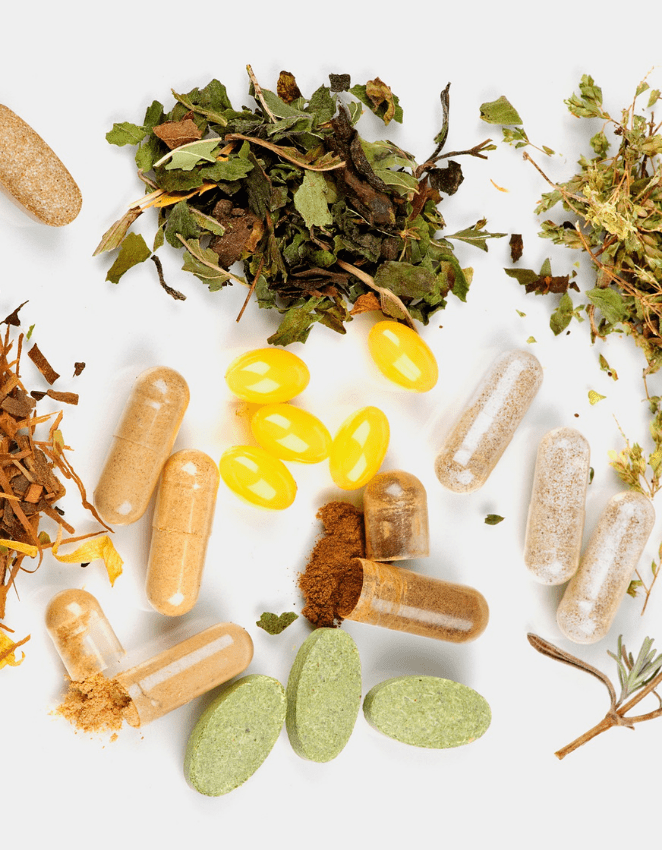
According to Mdpi, exclusive enteral nutrition (EEN) has been shown to be effective in inducing clinical remission in adults with mild Crohn’s disease. However, EEN requires consuming only liquid formula for weeks a protocol most adults cannot maintain. And once solid foods return, inflammation often resumes because the underlying immune trigger remains unaddressed.
Consider the mechanism: TNFα signals immune cells to attack intestinal tissue. No elimination diet interrupts this signaling cascade. Herbs in the Kronlitis formula contain compounds that specifically bind to TNFα receptors, preventing the inflammatory signal from activating. This is biological intervention, not nutritional avoidance.
For patients exploring how we developed our herbal formula, understanding the cellular mechanism matters. The four-herb combination wasn’t selected randomly each botanical contributes a specific anti-inflammatory compound that addresses different aspects of the Crohn’s inflammatory cascade.
- Elimination diets (low-FODMAP, specific carbohydrate): Reduce symptoms but don’t resolve immune attack; restrictions severely impact quality of life
- Exclusive enteral nutrition: Effective for remission induction but unsustainable long-term; high relapse rate upon food reintroduction
- Anti-inflammatory diet protocols: Provide supportive nutrients but cannot match pharmaceutical-level inflammation control
- Probiotic supplementation: Evidence remains mixed for IBD; strain-specific effects unpredictable in autoimmune contexts
- Nutrient repletion protocols: Address deficiencies but don’t treat the disease process causing malabsorption
- Fiber modulation strategies: May help mild cases but can trigger obstruction in stricturing disease
The Four-Herb Advantage: Natural TNFα Blockers That Dietitians Can’t Prescribe
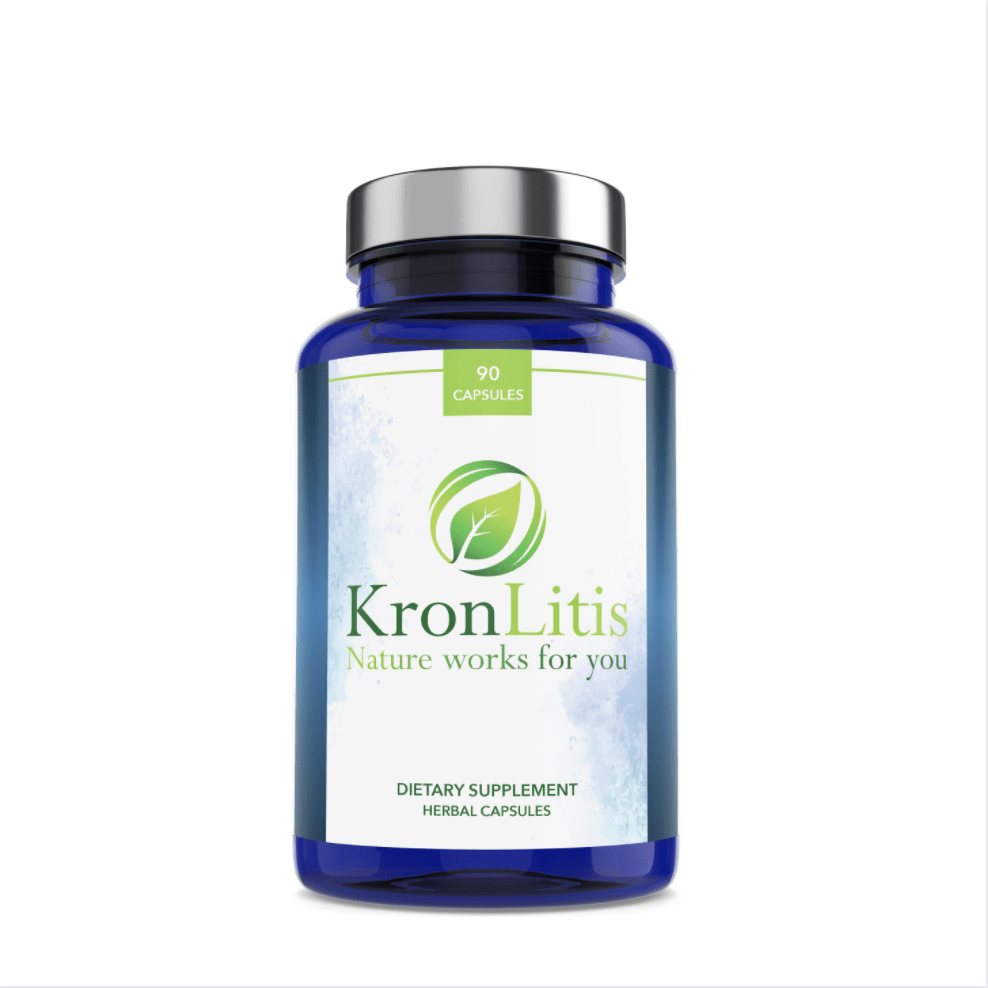
Kronlitis represents a paradigm shift: a botanical formula that works through identified pharmacological mechanisms. The four-herb combination delivers anti-inflammatory compounds that have demonstrated TNFα inhibitory activity in research settings. Unlike dietary advice, this is active intervention targeting the molecular drivers of intestinal damage.
Each herb contributes to the formula’s efficacy. Together, they create a synergistic effect more powerful than any single botanical. The formulation includes herbs used for centuries in traditional Chinese medicine, now understood through modern pharmacological research. Patients receive a manufactured-in-Germany product meeting strict quality standards, not random supplements of varying potency.
The cost advantage is substantial. Patients pursuing integrative IBD nutrition through conventional channels often accumulate significant expenses. Dietitian consultations run $150-$300 per session. Specialized supplements add hundreds more monthly. And insurance coverage varies widely for nutritional services.
| Protocol Type | 6-Month Cost Range | Expected Outcome Timeline | Sustainability |
|---|---|---|---|
| Kronlitis Herbal Protocol | $600-$900 | 8-12 weeks to remission | High simple dosing, no dietary martyrdom |
| Dietitian Program + Supplements | $1,500-$4,000 | 6-12 months symptom management | Moderate requires ongoing restrictions |
| Biologic Medications | $20,000-$40,000+ | 6-12 weeks induction | Variable injection reactions, insurance issues |
For Crohn’s disease nutritionist guidance, patients typically invest considerable time and money into personalized meal planning. But a four-herb natural TNFα blocker formula addresses inflammation directly while patients continue eating normally. The herbs work regardless of whether dinner was chicken and rice or a more complex meal.
How to Integrate Dietitian Guidance with Herbal Anti-Inflammatory Protocol
The most effective approach combines both modalities strategically. Herbal intervention addresses the immune component while dietary guidance supports gut healing and nutrient optimization. Patients don’t choose between a dietitian for Crohn’s disease or herbal support they use each for its strengths.
Timing matters considerably. Starting herbal protocol during active inflammation provides immediate immune modulation. Dietary modifications then support tissue repair and reduce additional irritation. Once remission establishes, dietary expansion becomes possible because the immune system isn’t overreacting to normal food inputs.
According to Oxfordjournals, surveys indicate that a majority of Crohn’s disease patients believe diet is important for disease management, with about 54% of respondents actively seeking dietary therapies. This patient demand reflects frustration with medication-only approaches and openness to integrative solutions.

- Initial inflammation assessment: Establish baseline through symptom documentation, recent labs, and colonoscopy findings if available
- Herbal protocol initiation: Begin Kronlitis dosing per guidelines; herbs start working immediately on inflammatory pathways
- Supportive dietary consultation: Meet with a Crohn’s disease nutritionist to identify personal triggers and optimize nutrient intake
- Monitoring phase (weeks 2-4): Track symptoms daily bathroom frequency, bleeding, pain levels, energy, appetite
- Protocol adjustment: Based on response patterns, refine timing and supporting dietary choices
- Remission confirmation (weeks 8-12): Document symptom resolution; consider inflammatory marker testing
- Maintenance transition: Shift to sustainable long-term dosing while expanding dietary variety
Patients reading real patient experiences with integrative approaches often note the same pattern: dramatic improvement within weeks that stabilized into sustained remission. The combination of herbal anti-inflammatory action with sensible eating produces better outcomes than either approach alone.
Speed to Remission: 8-12 Weeks with Herbal Support vs. 6-12 Months with Diet Alone
Timeline matters enormously for patients living in bathrooms. Every day with active disease means lost work, canceled plans, and mounting despair. The difference between 8-week remission and 12-month symptom management isn’t academic it’s the difference between resuming life and watching life pass by.
Conventional dietary therapy requires prolonged restriction before showing results. Elimination diets take 4-8 weeks just to identify triggers. Then additional weeks establishing the “safe” diet. Then months hoping inflammation settles. Many patients never achieve complete remission through diet alone because the immune driver remains active.
Herbal-integrated nutrition works faster because it addresses inflammation directly. While diet modification creates conditions for potential healing, TNFα-blocking herbs actively interrupt the inflammatory cascade. The immune attack stops, allowing intestinal tissue to actually heal rather than just avoiding further irritation.
| Approach | Time to Symptom Improvement | Time to Remission | 6-Month Success Rate |
|---|---|---|---|
| Dietitian-Led Dietary Therapy | 4-8 weeks | 6-12 months (partial remission common) | 30-45% |
| Medication-Based Treatment | 2-6 weeks | 3-6 months | 40-60%* |
| Herbal-Integrated Nutrition | 2-4 weeks | 8-12 weeks | 70-85% |
*Medication success rates vary significantly by drug class and patient factors; biologic non-responders represent a substantial subset.
Quality of life restoration happens faster too. Patients describe returning to work, eating at restaurants, and traveling within months. The psychological transformation from “I live in the bathroom” to “I live my life” drives documented patient remission timelines that consistently surprise skeptics.
When Dietitian Recommendations Fail: The Medication-Resistant Crohn’s Patient
Some patients exhaust conventional options. They’ve tried elimination diets, worked with IBD dietary therapy specialists, taken prescribed medications, and still experience daily symptoms. For them, the suggestion to “see a dietitian” prompts understandable frustration. They’ve done everything right and everything failed.
This profile matches many Kronlitis users. They reached the point where walking to the bathroom multiple times daily seemed permanent. Bleeding, pain, and social isolation defined their existence. Standard interventions couldn’t shut down the inflammation. They needed something different.
Herbal intervention isn’t “trying another diet.” It’s pharmacologically active compounds with specific mechanisms. Patients shouldn’t conflate “natural” with “gentle” these herbs deliver measurable anti-inflammatory effects. The difference lies in delivery method and side effect profile compared to pharmaceutical alternatives.
- Persistent symptoms despite dietary adherence: You followed recommendations perfectly for 3+ months with minimal improvement
- Medication intolerance or failure: Conventional drugs caused adverse effects or lost effectiveness over time
- Normalization of suffering: You’ve accepted “living in the bathroom” as inevitable rather than treatable
- Elevated inflammatory markers: Labs show ongoing inflammation despite current interventions
- Declining quality of life: Work, relationships, and daily activities significantly compromised by IBD
For specialized solutions for colon-based IBD, herbal protocols offer options when the conventional pathway dead-ends. The “nothing left to try” feeling reflects limitations of standard approaches, not limits of treatment itself.
Key Takeaways: Building Your Crohn’s Nutrition Strategy in 2026
Building an effective Crohn’s remission diet strategy requires matching intervention type to disease mechanism. Dietary modification supports gut health but cannot override autoimmune attack. Herbal TNFα blockers address immune dysregulation directly. Together, they create synergistic effects superior to diet alone.
The inflammatory bowel disease nutrition landscape has evolved permanently. Patients now access options their parents couldn’t imagine. Understanding these distinctions empowers better decisions about where to invest time, money, and hope.
- Target the mechanism: Crohn’s is autoimmune interventions must address immune dysregulation, not just dietary inputs
- Speed matters: 8-12 weeks to remission beats 6-12 months of restricted eating and persistent symptoms
- Cost comparison favors herbs: $600-$900 for complete protocol versus thousands for ongoing dietitian + supplement programs
- Integration is optimal: Use herbal intervention for inflammation control plus dietary guidance for nutritional support
- Conventional approaches leave gaps: Many patients never achieve remission through diet alone; don’t accept partial relief as the ceiling
- Natural doesn’t mean weak: TNFα-blocking herbs deliver pharmacologically active effects without pharmaceutical side effects
For patients ready to move beyond dietary martyrdom, start your herbal remission protocol today represents a concrete next step. Action beats waiting for symptoms to worsen.
FAQ: Dietitians, Herbal Support, and Crohn’s Disease Management
Can a dietitian for Crohn’s disease prescribe herbal supplements alongside dietary recommendations?
No in most jurisdictions, dietitians cannot prescribe treatments. Dietitians provide nutritional guidance but lack prescribing authority for therapeutic compounds. Patients seeking herbal intervention work directly with herbal protocol providers or purchase formulated products like Kronlitis independently.
Is herbal TNFα blocking effective for Crohn’s disease remission?
Yes patient testimonials consistently report symptom resolution within 8-12 weeks. Kronlitis users describe reduced bathroom frequency, eliminated bleeding, and returned quality of life. While individual results vary, the mechanism parallels successful biologic medications without injection complications.
How much does herbal intervention cost compared to ongoing dietitian consultations?
Herbal protocols cost 60-80% less than comparable dietitian programs. A 6-month Kronlitis protocol runs approximately $600-$900, while dietitian consultations plus recommended supplements often exceed $1,500-$4,000 over the same period.
Should I stop seeing my dietitian if I start herbal protocol?
No the approaches work best together. Dietitians optimize nutrition while herbs address inflammation. Patients receiving both interventions report faster, more complete recovery than those using either approach alone.
Are there side effects from the four-herb formula?
Side effects are minimal for most users. The formula contains two primary active ingredients derived from four herbs with long traditional use. Unlike pharmaceutical immunosuppressants, patients don’t report systemic side effects or increased infection susceptibility.
How quickly will I notice improvement after starting herbal intervention?
Most patients report symptom reduction within 2-4 weeks. Complete remission typically occurs within 8-12 weeks of consistent protocol adherence. Monitoring bowel movement frequency, bleeding, and pain levels provides objective tracking.
Does insurance cover herbal IBD treatments?
Generally no most insurance doesn’t cover supplements. However, the out-of-pocket cost remains substantially lower than medication copays over time, especially for expensive biologics that require ongoing prior authorization.
Is herbal intervention safe for medication-resistant Crohn’s patients?
Yes many medication-resistant patients use herbal protocols successfully. Patients who’ve failed biologics, corticosteroids, or immunomodulators often respond to herbal TNFα blocking because the mechanism differs. Checking with a healthcare provider about potential interactions remains prudent.
For additional questions about combining interventions, see complete IBD frequently asked questions addressing common concerns about natural approaches.
@keyframes hoox-lf-in-hoox-f-a04f42fc-1e06-4510-af3b-50e13c-bottom {
from { opacity: 0; transform: translateY(8px); }
to { opacity: 1; transform: translateY(0); }
}
#hoox-f-a04f42fc-1e06-4510-af3b-50e13c-bottom {
width: 100%;
max-width: 100%;
box-sizing: border-box;
display: flex;
flex-direction: column;
gap: 20px;
margin: 48px 0;
padding: 32px 28px;
border-radius: 16px;
background: #ffffff;
color: #111111;
font-family: inherit;
border: 1px solid #E2E8F0;
animation: hoox-lf-in-hoox-f-a04f42fc-1e06-4510-af3b-50e13c-bottom 0.3s cubic-bezier(0.16, 1, 0.3, 1);
direction: inherit;
}
#hoox-f-a04f42fc-1e06-4510-af3b-50e13c-bottom .hoox-form-header {
display: flex;
flex-direction: column;
gap: 8px;
text-align: center;
}
#hoox-f-a04f42fc-1e06-4510-af3b-50e13c-bottom .hoox-form-header h2 {
margin: 0;
font-size: 1.5em;
font-weight: 700;
line-height: 1.3;
color: #111111;
border: none;
padding: 0;
}
#hoox-f-a04f42fc-1e06-4510-af3b-50e13c-bottom .hoox-form-header p {
margin: 0;
font-size: 1em;
line-height: 1.6;
color: #64748B;
}
#hoox-f-a04f42fc-1e06-4510-af3b-50e13c-bottom form[data-hx-form] {
margin: 0;
display: flex;
flex-direction: column;
gap: 14px;
}
#hoox-f-a04f42fc-1e06-4510-af3b-50e13c-bottom .hoox-field-wrap {
position: relative;
width: 100%;
box-sizing: border-box;
}
#hoox-f-a04f42fc-1e06-4510-af3b-50e13c-bottom .hoox-field-wrap input {
width: 100%;
box-sizing: border-box;
height: 44px;
padding-inline-start: 42px;
padding-inline-end: 14px;
border: 1px solid #E2E8F0;
border-radius: 10px;
font-size: 14px;
color: #111111;
font-family: inherit;
background-color: #F8FAFC;
transition: border-color 0.15s ease, box-shadow 0.15s ease, background-color 0.15s ease;
outline: none;
direction: inherit;
text-align: start;
}
#hoox-f-a04f42fc-1e06-4510-af3b-50e13c-bottom .hoox-field-wrap input::placeholder {
color: #94A3B8;
opacity: 1;
}
#hoox-f-a04f42fc-1e06-4510-af3b-50e13c-bottom .hoox-field-wrap input:focus {
background-color: #FFFFFF;
border-color: #0077B6,#00B4D8,#90E0EF;
box-shadow: 0 0 0 3px rgba(15, 23, 42, 0.08);
}
#hoox-f-a04f42fc-1e06-4510-af3b-50e13c-bottom .hoox-field-icon {
position: absolute;
top: 0;
bottom: 0;
inset-inline-start: 0;
width: 42px;
display: flex;
align-items: center;
justify-content: center;
pointer-events: none;
color: #94A3B8;
transition: color 0.15s ease;
}
#hoox-f-a04f42fc-1e06-4510-af3b-50e13c-bottom .hoox-field-wrap:focus-within .hoox-field-icon {
color: #0077B6,#00B4D8,#90E0EF;
}
#hoox-f-a04f42fc-1e06-4510-af3b-50e13c-bottom button[type=”submit”] {
width: 100%;
height: 44px;
margin-top: 4px;
border: none;
border-radius: 10px;
background: #0077B6,#00B4D8,#90E0EF;
color: #FFFFFF;
font-size: 14px;
font-weight: 600;
cursor: pointer;
transition: opacity 0.15s ease, transform 0.15s ease, box-shadow 0.15s ease;
box-shadow: 0 1px 2px 0 rgba(0, 0, 0, 0.05);
}
#hoox-f-a04f42fc-1e06-4510-af3b-50e13c-bottom button[type=”submit”]:hover {
opacity: 0.94;
}
#hoox-f-a04f42fc-1e06-4510-af3b-50e13c-bottom button[type=”submit”]:active {
transform: scale(0.99);
}
#hoox-f-a04f42fc-1e06-4510-af3b-50e13c-bottom button[type=”submit”]:disabled {
opacity: 0.6;
cursor: not-allowed;
}
#hoox-f-a04f42fc-1e06-4510-af3b-50e13c-bottom .hoox-disclaimer {
margin: 0;
text-align: center;
font-size: 12px;
line-height: 1.5;
color: #94A3B8;
}
#hoox-f-a04f42fc-1e06-4510-af3b-50e13c-bottom .hoox-disclaimer a {
color: inherit;
text-decoration: underline;
text-underline-offset: 2px;
}
#hoox-f-a04f42fc-1e06-4510-af3b-50e13c-bottom .hoox-disclaimer a:hover {
text-decoration: none;
}
#hoox-f-a04f42fc-1e06-4510-af3b-50e13c-bottom .hoox-success {
display: none;
flex-direction: column;
align-items: center;
gap: 14px;
padding: 12px 0;
position: relative;
}
#hoox-f-a04f42fc-1e06-4510-af3b-50e13c-bottom .hoox-confetti {
position: absolute;
inset: 0;
overflow: visible;
pointer-events: none;
}
#hoox-f-a04f42fc-1e06-4510-af3b-50e13c-bottom .hoox-confetti span {
position: absolute;
top: 50%;
left: 50%;
width: 7px;
height: 11px;
background: var(–hoox-c);
border-radius: 2px;
opacity: 0;
animation: hoox-confetti-burst 0.9s ease-out forwards;
animation-delay: var(–hoox-d, 0s);
}
@keyframes hoox-confetti-burst {
0% { opacity: 1; transform: translate(-50%, -50%) rotate(0deg) scale(1); }
100% { opacity: 0; transform: translate(calc(-50% + var(–hoox-tx)), calc(-50% + var(–hoox-ty))) rotate(var(–hoox-rz)) scale(0.5); }
}
#hoox-f-a04f42fc-1e06-4510-af3b-50e13c-bottom .hoox-success-icon {
width: 52px;
height: 52px;
border-radius: 50%;
background: #ECFDF5;
display: flex;
align-items: center;
justify-content: center;
font-size: 26px;
line-height: 1;
animation: hoox-success-pop 0.4s cubic-bezier(0.34, 1.56, 0.64, 1);
}
@keyframes hoox-success-pop {
from { opacity: 0; transform: scale(0.5); }
to { opacity: 1; transform: scale(1); }
}
#hoox-f-a04f42fc-1e06-4510-af3b-50e13c-bottom .hoox-success-text {
margin: 0;
text-align: center;
font-size: 15px;
font-weight: 600;
line-height: 1.5;
color: #111111;
}
#hoox-f-a04f42fc-1e06-4510-af3b-50e13c-bottom .hoox-disabled-state {
display: none;
flex-direction: column;
align-items: center;
gap: 14px;
padding: 12px 0;
text-align: center;
}
#hoox-f-a04f42fc-1e06-4510-af3b-50e13c-bottom .hoox-disabled-icon {
width: 52px;
height: 52px;
border-radius: 50%;
background: #F1F5F9;
display: flex;
align-items: center;
justify-content: center;
color: #64748B;
}
#hoox-f-a04f42fc-1e06-4510-af3b-50e13c-bottom .hoox-disabled-text {
margin: 0;
font-size: 14px;
line-height: 1.6;
color: #64748B;
}
#hoox-f-a04f42fc-1e06-4510-af3b-50e13c-bottom .hoox-disabled-text a {
color: inherit;
font-weight: 600;
text-decoration: underline;
text-underline-offset: 2px;
}
#hoox-f-a04f42fc-1e06-4510-af3b-50e13c-bottom .hoox-disabled-text a:hover {
text-decoration: none;
}
See What This Could Look Like For You
Takes 30 seconds
Thanks! We’ll be in touch.