
Dietitian Crohn’s Disease: Clinical Nutrition Strategy
Registered dietitians serve as critical partners in Crohn’s disease management by designing personalized therapeutic diets that reduce intestinal inflammation, support mucosal healing, and maintain nutritional status during active flares. Nutritional intervention addresses malabsorption, micronutrient deficiencies, and food-triggered symptom exacerbation while working synergistically with pharmacological treatments. Modern dietetic protocols incorporate exclusion diets, partial enteral nutrition, and anti-inflammatory food frameworks to achieve and sustain clinical remission in IBD patients.
Quick Answer: What Role Does a Dietitian Play in Crohn’s Disease Treatment
A registered dietitian specializing in Crohn’s disease functions as an essential member of your gastrointestinal care team. They translate complex nutritional science into practical eating strategies that manage symptoms and support healing. Rather than offering generic advice, these clinicians assess your specific disease location, surgical history, and current medication regimen to build a tailored nutrition plan.
The clinical scope extends far beyond simple meal planning. Dietitians conduct comprehensive nutritional assessments, identify malabsorption patterns, and monitor for deficiencies that often accompany inflammatory bowel disease. They work in tandem with gastroenterologists to understanding inflammatory bowel disease fundamentals, ensuring dietary interventions complement medical treatments without interfering with medication absorption or efficacy.
@keyframes hoox-lf-in-hoox-f-d5b15424-b632-41be-b628-9b2924-top {
from { opacity: 0; transform: translateY(8px); }
to { opacity: 1; transform: translateY(0); }
}
#hoox-f-d5b15424-b632-41be-b628-9b2924-top {
width: 100%;
max-width: 100%;
box-sizing: border-box;
display: flex;
flex-direction: column;
gap: 20px;
margin: 48px 0;
padding: 32px 28px;
border-radius: 16px;
background: #ffffff;
color: #111111;
font-family: inherit;
border: 1px solid #E2E8F0;
animation: hoox-lf-in-hoox-f-d5b15424-b632-41be-b628-9b2924-top 0.3s cubic-bezier(0.16, 1, 0.3, 1);
direction: inherit;
}
#hoox-f-d5b15424-b632-41be-b628-9b2924-top .hoox-form-header {
display: flex;
flex-direction: column;
gap: 8px;
text-align: center;
}
#hoox-f-d5b15424-b632-41be-b628-9b2924-top .hoox-form-header h2 {
margin: 0;
font-size: 1.5em;
font-weight: 700;
line-height: 1.3;
color: #111111;
border: none;
padding: 0;
}
#hoox-f-d5b15424-b632-41be-b628-9b2924-top .hoox-form-header p {
margin: 0;
font-size: 1em;
line-height: 1.6;
color: #64748B;
}
#hoox-f-d5b15424-b632-41be-b628-9b2924-top form[data-hx-form] {
margin: 0;
display: flex;
flex-direction: column;
gap: 14px;
}
#hoox-f-d5b15424-b632-41be-b628-9b2924-top .hoox-field-wrap {
position: relative;
width: 100%;
box-sizing: border-box;
}
#hoox-f-d5b15424-b632-41be-b628-9b2924-top .hoox-field-wrap input {
width: 100%;
box-sizing: border-box;
height: 44px;
padding-inline-start: 42px;
padding-inline-end: 14px;
border: 1px solid #E2E8F0;
border-radius: 10px;
font-size: 14px;
color: #111111;
font-family: inherit;
background-color: #F8FAFC;
transition: border-color 0.15s ease, box-shadow 0.15s ease, background-color 0.15s ease;
outline: none;
direction: inherit;
text-align: start;
}
#hoox-f-d5b15424-b632-41be-b628-9b2924-top .hoox-field-wrap input::placeholder {
color: #94A3B8;
opacity: 1;
}
#hoox-f-d5b15424-b632-41be-b628-9b2924-top .hoox-field-wrap input:focus {
background-color: #FFFFFF;
border-color: #0077B6,#00B4D8,#90E0EF;
box-shadow: 0 0 0 3px rgba(15, 23, 42, 0.08);
}
#hoox-f-d5b15424-b632-41be-b628-9b2924-top .hoox-field-icon {
position: absolute;
top: 0;
bottom: 0;
inset-inline-start: 0;
width: 42px;
display: flex;
align-items: center;
justify-content: center;
pointer-events: none;
color: #94A3B8;
transition: color 0.15s ease;
}
#hoox-f-d5b15424-b632-41be-b628-9b2924-top .hoox-field-wrap:focus-within .hoox-field-icon {
color: #0077B6,#00B4D8,#90E0EF;
}
#hoox-f-d5b15424-b632-41be-b628-9b2924-top button[type=”submit”] {
width: 100%;
height: 44px;
margin-top: 4px;
border: none;
border-radius: 10px;
background: #0077B6,#00B4D8,#90E0EF;
color: #FFFFFF;
font-size: 14px;
font-weight: 600;
cursor: pointer;
transition: opacity 0.15s ease, transform 0.15s ease, box-shadow 0.15s ease;
box-shadow: 0 1px 2px 0 rgba(0, 0, 0, 0.05);
}
#hoox-f-d5b15424-b632-41be-b628-9b2924-top button[type=”submit”]:hover {
opacity: 0.94;
}
#hoox-f-d5b15424-b632-41be-b628-9b2924-top button[type=”submit”]:active {
transform: scale(0.99);
}
#hoox-f-d5b15424-b632-41be-b628-9b2924-top button[type=”submit”]:disabled {
opacity: 0.6;
cursor: not-allowed;
}
#hoox-f-d5b15424-b632-41be-b628-9b2924-top .hoox-disclaimer {
margin: 0;
text-align: center;
font-size: 12px;
line-height: 1.5;
color: #94A3B8;
}
#hoox-f-d5b15424-b632-41be-b628-9b2924-top .hoox-disclaimer a {
color: inherit;
text-decoration: underline;
text-underline-offset: 2px;
}
#hoox-f-d5b15424-b632-41be-b628-9b2924-top .hoox-disclaimer a:hover {
text-decoration: none;
}
#hoox-f-d5b15424-b632-41be-b628-9b2924-top .hoox-success {
display: none;
flex-direction: column;
align-items: center;
gap: 14px;
padding: 12px 0;
position: relative;
}
#hoox-f-d5b15424-b632-41be-b628-9b2924-top .hoox-confetti {
position: absolute;
inset: 0;
overflow: visible;
pointer-events: none;
}
#hoox-f-d5b15424-b632-41be-b628-9b2924-top .hoox-confetti span {
position: absolute;
top: 50%;
left: 50%;
width: 7px;
height: 11px;
background: var(–hoox-c);
border-radius: 2px;
opacity: 0;
animation: hoox-confetti-burst 0.9s ease-out forwards;
animation-delay: var(–hoox-d, 0s);
}
@keyframes hoox-confetti-burst {
0% { opacity: 1; transform: translate(-50%, -50%) rotate(0deg) scale(1); }
100% { opacity: 0; transform: translate(calc(-50% + var(–hoox-tx)), calc(-50% + var(–hoox-ty))) rotate(var(–hoox-rz)) scale(0.5); }
}
#hoox-f-d5b15424-b632-41be-b628-9b2924-top .hoox-success-icon {
width: 52px;
height: 52px;
border-radius: 50%;
background: #ECFDF5;
display: flex;
align-items: center;
justify-content: center;
font-size: 26px;
line-height: 1;
animation: hoox-success-pop 0.4s cubic-bezier(0.34, 1.56, 0.64, 1);
}
@keyframes hoox-success-pop {
from { opacity: 0; transform: scale(0.5); }
to { opacity: 1; transform: scale(1); }
}
#hoox-f-d5b15424-b632-41be-b628-9b2924-top .hoox-success-text {
margin: 0;
text-align: center;
font-size: 15px;
font-weight: 600;
line-height: 1.5;
color: #111111;
}
#hoox-f-d5b15424-b632-41be-b628-9b2924-top .hoox-disabled-state {
display: none;
flex-direction: column;
align-items: center;
gap: 14px;
padding: 12px 0;
text-align: center;
}
#hoox-f-d5b15424-b632-41be-b628-9b2924-top .hoox-disabled-icon {
width: 52px;
height: 52px;
border-radius: 50%;
background: #F1F5F9;
display: flex;
align-items: center;
justify-content: center;
color: #64748B;
}
#hoox-f-d5b15424-b632-41be-b628-9b2924-top .hoox-disabled-text {
margin: 0;
font-size: 14px;
line-height: 1.6;
color: #64748B;
}
#hoox-f-d5b15424-b632-41be-b628-9b2924-top .hoox-disabled-text a {
color: inherit;
font-weight: 600;
text-decoration: underline;
text-underline-offset: 2px;
}
#hoox-f-d5b15424-b632-41be-b628-9b2924-top .hoox-disabled-text a:hover {
text-decoration: none;
}
See What This Could Look Like For You
Takes 30 seconds
Thanks! We’ll be in touch.

- Comprehensive nutritional status assessment including weight history and biochemical markers
- Identification and management of food triggers through structured elimination protocols
- Correction of micronutrient deficiencies common in IBD patients
- Coordination with medical team during flare-ups and medication changes
- Long-term monitoring and adjustment of therapeutic diet plans based on disease activity
Why Diet Quality Determines Crohn’s Disease Progression [2026 Data]
The connection between what you eat and how your disease behaves has moved from anecdotal observation to evidence-based science. Emerging research reveals that dietary patterns directly influence gut barrier integrity, microbial diversity, and systemic inflammation markers. Patients consuming high amounts of ultra-processed foods show increased intestinal permeability and dysbiosis, both implicated in Crohn’s disease pathogenesis.
According to Nih, recent research highlights several key insights about dietitians’ roles in managing Crohn’s disease, particularly around how diet quality correlates with disease outcomes and food processing patterns affect inflammatory markers. This data reinforces what clinicians have observed: patients who prioritize whole, minimally processed foods often experience fewer flares and prolonged remission periods.
The mechanisms involve multiple pathways. Ultra-processed foods contain emulsifiers and artificial additives that disrupt mucosal barriers. High-sugar diets feed pro-inflammatory bacterial strains. Conversely, plant-forward eating patterns rich in polyphenols support beneficial microbiome colonies that produce short-chain fatty acids, essential fuels for colonocyte health.

| Nutrition Factor | Whole Foods Impact | Processed Foods Impact |
|---|---|---|
| Gut Barrier Integrity | Strengthens tight junctions via fiber fermentation | Disrupts permeability through emulsifier exposure |
| Microbial Diversity | Increases beneficial Bacteroidetes and Firmicutes | Reduces diversity, promotes pro-inflammatory strains |
| Inflammatory Markers | Decreases CRP and fecal calprotectin | Elevates systemic inflammation markers |
| Remission Maintenance | Supports sustained remission periods | Associated with higher relapse rates |
| Nutrient Absorption | Provides bioavailable vitamins and minerals | Often displaces nutrient-dense food choices |
The Crohn’s Disease Exclusion Diet Protocol: Clinical Implementation
The Crohn’s Disease Exclusion Diet represents one of the most rigorously studied dietary interventions for inducing remission. This protocol systematically removes foods that research suggests may trigger or perpetuate intestinal inflammation. Unlike restrictive exclusion diets of the past, CDED emphasizes what you can eat while strategically removing specific categories during the induction phase.
According to Mdpi, long-term data show that the Crohn’s Disease Exclusion Diet combined with partial enteral nutrition is feasible and safe for adults with active Crohn’s disease. The protocol typically spans 12 weeks, divided into distinct phases. Phase one restricts exposure to gluten, dairy, animal fats, emulsifiers, and processed meats while encouraging tolerated fruits, vegetables, and lean proteins. Patients transition through subsequent phases with gradual food reintroduction based on symptom monitoring and inflammatory marker tracking.

This dietary approach pairs effectively with natural therapeutic solutions for IBD, creating a comprehensive strategy that addresses both nutritional and botanical support for mucosal healing.
- Excluded during induction: Gluten-containing grains, dairy products, red meat, processed meats, added sugars, artificial sweeteners, emulsifiers
- Permitted foods: Specific fruits (apples, bananas, melons), vegetables (carrots, potatoes, squash), lean chicken, eggs, white rice, olive oil
- Reintroduction sequence: Gradual addition of previously excluded foods every two weeks based on tolerance
- Alternative options: Plant-based milk alternatives, gluten-free grains like quinoa and buckwheat, fish as substitute for red meat
How to Structure Your First Dietitian Consultation for Crohn’s
Preparation determines the value you extract from your initial dietitian appointment. Arriving with comprehensive information allows the clinician to build an effective nutrition strategy from day one rather than spending the session gathering basic data. A productive first consultation establishes baseline measurements, identifies immediate nutritional concerns, and outlines short-term intervention goals.
Begin by documenting your eating patterns. Keep a three-day food diary noting everything consumed, including portions and timing. Record corresponding symptoms with each meal to identify potential correlations. This data helps your dietitian pinpoint patterns you might miss on your own. Also compile your medical history, including diagnosis date, disease location, previous surgeries, and current medications with dosages.
Many patients find it valuable to review patient experiences with integrative approaches before their consultation to understand how nutritional interventions have worked for others navigating similar challenges.
- Complete three-day food and symptom diary with specific timings and portion estimates
- List all current medications, supplements, and over-the-counter products with dosages
- Document recent lab work including inflammatory markers, vitamin levels, and mineral panels
- Write down specific questions about eating concerns, symptom management, and supplementation
- Note any foods you suspect trigger symptoms or cause discomfort
- Record bowel movement frequency, consistency, and any bleeding episodes
- Prepare questions about eating during travel, dining out, and social situations
Micronutrient Deficiency Management: The Dietitian’s Assessment Framework
Crohn’s disease creates a perfect storm for nutritional deficiency. Inflammation damages absorptive surfaces. Surgical resections remove critical nutrient uptake sites. Chronic diarrhea flushes out minerals before absorption completes. Many patients enter diagnosis already depleted, and standard dietary advice rarely addresses the intensity of supplementation required to restore adequate levels.
A skilled dietitian approaches deficiency management systematically. They evaluate your specific disease location terminal ileal disease impairs vitamin B12 absorption, while proximal small bowel involvement affects iron and folate status. They consider surgical history, as resections dramatically alter nutrient processing capacity. Annual screening protocols catch deficiencies before they manifest as neurological symptoms, bone density loss, or anemia.
Effective integrative digestive health approaches incorporate regular monitoring of these key nutrients with targeted intervention strategies tailored to individual absorption capabilities.
| Nutrient | Common Deficiency Signs | Testing Method | Intervention Approach |
|---|---|---|---|
| Iron | Fatigue, pallor, shortness of breath | Serum ferritin, transferrin saturation | IV infusion or liquid supplements |
| Vitamin B12 | Numbness, cognitive fog, weakness | Serum B12, MMA levels | Sublingual or injection administration |
| Vitamin D | Bone pain, muscle weakness, depression | 25-hydroxy vitamin D | High-dose repletion then maintenance |
| Folate | Mouth sores, fatigue, anemia | Serum folate, RBC folate | Methylfolate supplementation |
| Zinc | Hair loss, poor wound healing, taste changes | Serum zinc, alkaline phosphatase | Short-term supplementation |
Anti-Inflammatory Nutrition: Herbal Supplements as Dietitian-Recommended Adjuncts
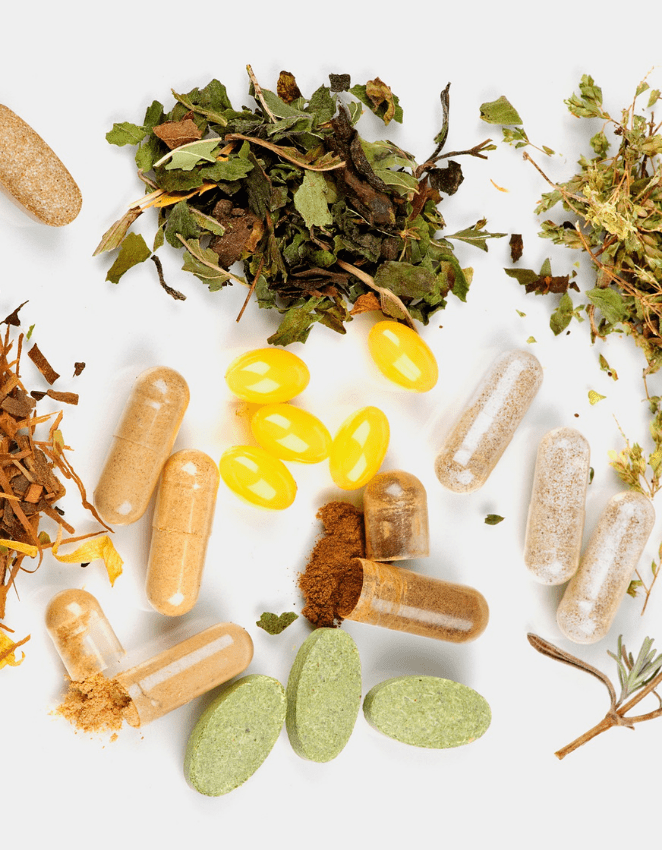
Modern dietetic practice increasingly recognizes the role of botanical interventions in comprehensive IBD management. Herbal supplements offer anti-inflammatory compounds that work through mechanisms distinct from conventional medications. Curcumin from turmeric, boswellia extracts, and traditional Chinese medicinal herbs have demonstrated meaningful clinical effects in reducing inflammatory markers and supporting mucosal healing.
Rigorous dietitians evaluate herbal options through an evidence lens. They assess interaction risks with existing medications, evaluate product quality and standardization, and determine appropriate dosing for your disease severity. The goal involves augmenting not replacing medical treatment with natural compounds that address inflammation through complementary pathways.
Patients seeking comprehensive natural support often explore natural anti-inflammatory herbal formulation options that have demonstrated effectiveness in supporting remission through anti-inflammatory mechanisms.
Professional guidance remains essential when incorporating herbal supplements. Quality varies dramatically across products, and some preparations contain hidden ingredients or inconsistent potency. Your dietitian can recommend specific brands that undergo third-party testing and meet purity standards.
When Conventional Diets Fail: Alternative Nutrition Strategies for Treatment-Resistant Crohn’s
Some patients exhaust standard dietary interventions without achieving symptom control. You might have tried elimination diets, Low FODMAP protocols, and careful food logging, yet inflammation persists and symptoms disrupt daily life. This frustration consumes emotional reserves and erodes hope for improvement. For these patients, dietitians often explore alternative nutritional strategies that move beyond conventional approaches.
Exclusive enteral nutrition delivers all nutrients in liquid form, giving the bowel complete rest while providing complete nutritional support. This approach has demonstrated remission induction rates comparable to corticosteroids, particularly in pediatric populations. For adults unable to tolerate exclusive enteral nutrition, partial enteral nutrition combined with careful solid food reintroduction offers a bridge to sustained eating.
Understanding our approach to IBD remission provides context for how alternative nutritional strategies can complement conventional treatment when standard approaches prove insufficient.
- Exclusive Enteral Nutrition: Liquid-only nutrition for 6-8 weeks to induce remission
- Semi-Elemental Formulas: Pre-digested formulas that require minimal absorptive capacity
- Specific Carbohydrate Diet: Grain-free approach targeting bacterial overgrowth
- Integrative Herbal Protocols: Combining dietary intervention with anti-inflammatory botanicals
Key Takeaways: Maximizing Dietitian Collaboration in Crohn’s Management
Successful Crohn’s disease management requires active partnership with your dietitian, not passive receipt of meal plans. Patients who engage deeply with nutritional interventions, track their responses, and communicate openly with their care team achieve better outcomes than those who treat diet as an afterthought to medication.
Remember that nutritional needs change as disease activity shifts. During flares, caloric requirements increase while absorption capacity decreases a mismatch that demands strategic nutritional intervention. In remission, the focus shifts to maintenance, deficiency prevention, and sustainable eating patterns that support quality of life.
- Invest in preparation before consultations to maximize clinical value
- Track food intake and symptoms systematically to identify personal triggers
- Address micronutrient deficiencies proactively rather than reactively
- Consider evidence-based herbal interventions as complementary support
- Communicate openly about treatment failures as well as successes
- Explore explore natural IBD solutions for comprehensive nutritional support
FAQ: Dietitian and Crohn’s Disease Nutrition
Should I see a dietitian before or after starting medication for Crohn’s?
Ideally both. A dietitian can optimize your nutritional status before medication initiation, potentially improving treatment response. They should be involved within the first month of diagnosis to establish baseline nutritional metrics and address immediate concerns.
How often should I meet with my dietitian during active disease?
Monthly appointments are common during flares. Active disease requires close monitoring for weight loss, dehydration, and worsening deficiencies. Frequency typically decreases to quarterly or biannual visits once remission is established and eating patterns stabilize.
Will insurance cover dietitian appointments for Crohn’s disease?
Most plans cover medical nutrition therapy for IBD. Coverage typically requires a physician referral documenting medical necessity. Check your specific plan details, as some insurers limit covered visits per year or require in-network providers.
Can a dietitian help me maintain a social life while managing Crohn’s?
Absolutely. Practical strategies for dining out, travel eating, and navigating social events form a core part of dietetic counseling. These skills prove essential for long-term quality of life and treatment adherence.
What’s the difference between a nutritionist and a registered dietitian for Crohn’s?
Registration, credentialing, and clinical training. Registered dietitians complete accredited programs, supervised clinical hours, and ongoing continuing education. The term “nutritionist” lacks standardized requirements in many jurisdictions, making RD credentials essential for complex IBD management.
@keyframes hoox-lf-in-hoox-f-d5b15424-b632-41be-b628-9b2924-bottom {
from { opacity: 0; transform: translateY(8px); }
to { opacity: 1; transform: translateY(0); }
}
#hoox-f-d5b15424-b632-41be-b628-9b2924-bottom {
width: 100%;
max-width: 100%;
box-sizing: border-box;
display: flex;
flex-direction: column;
gap: 20px;
margin: 48px 0;
padding: 32px 28px;
border-radius: 16px;
background: #ffffff;
color: #111111;
font-family: inherit;
border: 1px solid #E2E8F0;
animation: hoox-lf-in-hoox-f-d5b15424-b632-41be-b628-9b2924-bottom 0.3s cubic-bezier(0.16, 1, 0.3, 1);
direction: inherit;
}
#hoox-f-d5b15424-b632-41be-b628-9b2924-bottom .hoox-form-header {
display: flex;
flex-direction: column;
gap: 8px;
text-align: center;
}
#hoox-f-d5b15424-b632-41be-b628-9b2924-bottom .hoox-form-header h2 {
margin: 0;
font-size: 1.5em;
font-weight: 700;
line-height: 1.3;
color: #111111;
border: none;
padding: 0;
}
#hoox-f-d5b15424-b632-41be-b628-9b2924-bottom .hoox-form-header p {
margin: 0;
font-size: 1em;
line-height: 1.6;
color: #64748B;
}
#hoox-f-d5b15424-b632-41be-b628-9b2924-bottom form[data-hx-form] {
margin: 0;
display: flex;
flex-direction: column;
gap: 14px;
}
#hoox-f-d5b15424-b632-41be-b628-9b2924-bottom .hoox-field-wrap {
position: relative;
width: 100%;
box-sizing: border-box;
}
#hoox-f-d5b15424-b632-41be-b628-9b2924-bottom .hoox-field-wrap input {
width: 100%;
box-sizing: border-box;
height: 44px;
padding-inline-start: 42px;
padding-inline-end: 14px;
border: 1px solid #E2E8F0;
border-radius: 10px;
font-size: 14px;
color: #111111;
font-family: inherit;
background-color: #F8FAFC;
transition: border-color 0.15s ease, box-shadow 0.15s ease, background-color 0.15s ease;
outline: none;
direction: inherit;
text-align: start;
}
#hoox-f-d5b15424-b632-41be-b628-9b2924-bottom .hoox-field-wrap input::placeholder {
color: #94A3B8;
opacity: 1;
}
#hoox-f-d5b15424-b632-41be-b628-9b2924-bottom .hoox-field-wrap input:focus {
background-color: #FFFFFF;
border-color: #0077B6,#00B4D8,#90E0EF;
box-shadow: 0 0 0 3px rgba(15, 23, 42, 0.08);
}
#hoox-f-d5b15424-b632-41be-b628-9b2924-bottom .hoox-field-icon {
position: absolute;
top: 0;
bottom: 0;
inset-inline-start: 0;
width: 42px;
display: flex;
align-items: center;
justify-content: center;
pointer-events: none;
color: #94A3B8;
transition: color 0.15s ease;
}
#hoox-f-d5b15424-b632-41be-b628-9b2924-bottom .hoox-field-wrap:focus-within .hoox-field-icon {
color: #0077B6,#00B4D8,#90E0EF;
}
#hoox-f-d5b15424-b632-41be-b628-9b2924-bottom button[type=”submit”] {
width: 100%;
height: 44px;
margin-top: 4px;
border: none;
border-radius: 10px;
background: #0077B6,#00B4D8,#90E0EF;
color: #FFFFFF;
font-size: 14px;
font-weight: 600;
cursor: pointer;
transition: opacity 0.15s ease, transform 0.15s ease, box-shadow 0.15s ease;
box-shadow: 0 1px 2px 0 rgba(0, 0, 0, 0.05);
}
#hoox-f-d5b15424-b632-41be-b628-9b2924-bottom button[type=”submit”]:hover {
opacity: 0.94;
}
#hoox-f-d5b15424-b632-41be-b628-9b2924-bottom button[type=”submit”]:active {
transform: scale(0.99);
}
#hoox-f-d5b15424-b632-41be-b628-9b2924-bottom button[type=”submit”]:disabled {
opacity: 0.6;
cursor: not-allowed;
}
#hoox-f-d5b15424-b632-41be-b628-9b2924-bottom .hoox-disclaimer {
margin: 0;
text-align: center;
font-size: 12px;
line-height: 1.5;
color: #94A3B8;
}
#hoox-f-d5b15424-b632-41be-b628-9b2924-bottom .hoox-disclaimer a {
color: inherit;
text-decoration: underline;
text-underline-offset: 2px;
}
#hoox-f-d5b15424-b632-41be-b628-9b2924-bottom .hoox-disclaimer a:hover {
text-decoration: none;
}
#hoox-f-d5b15424-b632-41be-b628-9b2924-bottom .hoox-success {
display: none;
flex-direction: column;
align-items: center;
gap: 14px;
padding: 12px 0;
position: relative;
}
#hoox-f-d5b15424-b632-41be-b628-9b2924-bottom .hoox-confetti {
position: absolute;
inset: 0;
overflow: visible;
pointer-events: none;
}
#hoox-f-d5b15424-b632-41be-b628-9b2924-bottom .hoox-confetti span {
position: absolute;
top: 50%;
left: 50%;
width: 7px;
height: 11px;
background: var(–hoox-c);
border-radius: 2px;
opacity: 0;
animation: hoox-confetti-burst 0.9s ease-out forwards;
animation-delay: var(–hoox-d, 0s);
}
@keyframes hoox-confetti-burst {
0% { opacity: 1; transform: translate(-50%, -50%) rotate(0deg) scale(1); }
100% { opacity: 0; transform: translate(calc(-50% + var(–hoox-tx)), calc(-50% + var(–hoox-ty))) rotate(var(–hoox-rz)) scale(0.5); }
}
#hoox-f-d5b15424-b632-41be-b628-9b2924-bottom .hoox-success-icon {
width: 52px;
height: 52px;
border-radius: 50%;
background: #ECFDF5;
display: flex;
align-items: center;
justify-content: center;
font-size: 26px;
line-height: 1;
animation: hoox-success-pop 0.4s cubic-bezier(0.34, 1.56, 0.64, 1);
}
@keyframes hoox-success-pop {
from { opacity: 0; transform: scale(0.5); }
to { opacity: 1; transform: scale(1); }
}
#hoox-f-d5b15424-b632-41be-b628-9b2924-bottom .hoox-success-text {
margin: 0;
text-align: center;
font-size: 15px;
font-weight: 600;
line-height: 1.5;
color: #111111;
}
#hoox-f-d5b15424-b632-41be-b628-9b2924-bottom .hoox-disabled-state {
display: none;
flex-direction: column;
align-items: center;
gap: 14px;
padding: 12px 0;
text-align: center;
}
#hoox-f-d5b15424-b632-41be-b628-9b2924-bottom .hoox-disabled-icon {
width: 52px;
height: 52px;
border-radius: 50%;
background: #F1F5F9;
display: flex;
align-items: center;
justify-content: center;
color: #64748B;
}
#hoox-f-d5b15424-b632-41be-b628-9b2924-bottom .hoox-disabled-text {
margin: 0;
font-size: 14px;
line-height: 1.6;
color: #64748B;
}
#hoox-f-d5b15424-b632-41be-b628-9b2924-bottom .hoox-disabled-text a {
color: inherit;
font-weight: 600;
text-decoration: underline;
text-underline-offset: 2px;
}
#hoox-f-d5b15424-b632-41be-b628-9b2924-bottom .hoox-disabled-text a:hover {
text-decoration: none;
}
See What This Could Look Like For You
Takes 30 seconds
Thanks! We’ll be in touch.