
Best Natural Remedies to Manage Crohn’s Disease Symptoms
Living with Crohn’s disease means navigating chronic inflammation, frequent bathroom trips, and debilitating pain that disrupts work and social life. While conventional medications remain the standard approach, over 50% of IBD patients now turn to natural remedies as complementary treatments [2026 Data]. This evidence-based guide examines the most effective herbal anti-inflammatories, dietary interventions, and integrative protocols that help transition patients from active flares to sustained remission backed by clinical research and real patient outcomes.
Quick Answer: Most Effective Natural Remedies for Crohn’s Relief
Patients seeking what are the best natural remedies to manage Crohn’s disease symptoms often feel overwhelmed by conflicting information. The most effective approach combines targeted herbal anti-inflammatories with strategic dietary modifications. According to Nih, complementary and alternative medicine use among IBD patients ranges from 30% to 50% globally, reflecting a significant shift toward integrative care models.
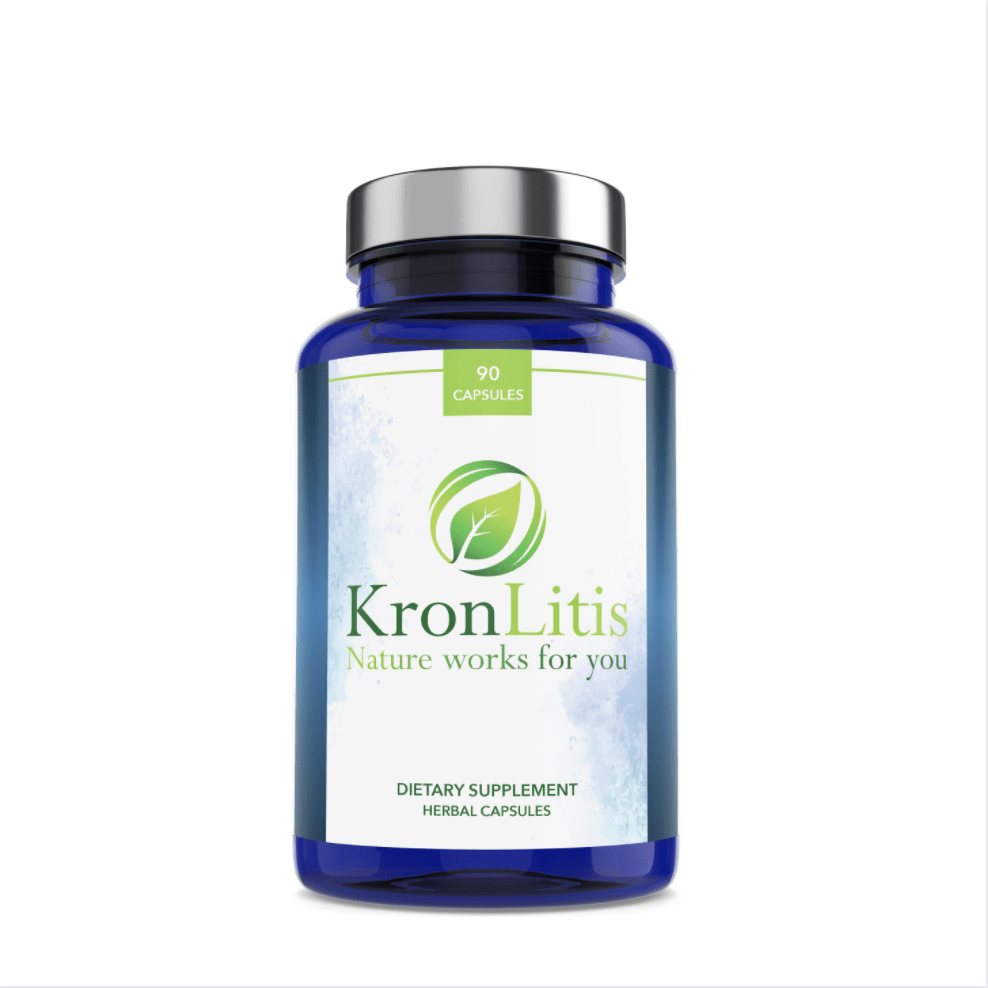
- Kronlitis Four-Herb Formula: A concentrated Chinese medicine blend that targets colon-specific inflammation through TNF-α pathway modulation, offering faster remission onset than single-herb alternatives.
- Curcumin (Turmeric Extract): Well-documented anti-inflammatory properties that reduce inflammatory markers when taken at therapeutic doses of 2-3 grams daily.
- Boswellia Serrata: Traditional Ayurvedic herb that inhibits pro-inflammatory enzymes and supports intestinal barrier function.
- Low-Residue Diet Protocol: Reduces mechanical irritation during active flares by limiting insoluble fiber and focusing on easily digestible nutrients.
- Omega-3 Fatty Acids: EPA and DHA from fish oil help resolve inflammation through specialized pro-resolving mediators.
- Probiotic Therapy: Strain-specific beneficial bacteria that restore microbial balance compromised by chronic inflammation and antibiotic use.
For patients ready to address root inflammation rather than mask symptoms, the four-herb Chinese medicine formula offers a concentrated approach that many report provides relief where single herbs failed.
@keyframes hoox-lf-in-hoox-f-f3e6ea5e-a0e4-44c5-8c9d-985a6c-top {
from { opacity: 0; transform: translateY(8px); }
to { opacity: 1; transform: translateY(0); }
}
#hoox-f-f3e6ea5e-a0e4-44c5-8c9d-985a6c-top {
width: 100%;
max-width: 100%;
box-sizing: border-box;
display: flex;
flex-direction: column;
gap: 20px;
margin: 48px 0;
padding: 32px 28px;
border-radius: 16px;
background: #ffffff;
color: #111111;
font-family: inherit;
border: 1px solid #E2E8F0;
animation: hoox-lf-in-hoox-f-f3e6ea5e-a0e4-44c5-8c9d-985a6c-top 0.3s cubic-bezier(0.16, 1, 0.3, 1);
direction: inherit;
}
#hoox-f-f3e6ea5e-a0e4-44c5-8c9d-985a6c-top .hoox-form-header {
display: flex;
flex-direction: column;
gap: 8px;
text-align: center;
}
#hoox-f-f3e6ea5e-a0e4-44c5-8c9d-985a6c-top .hoox-form-header h2 {
margin: 0;
font-size: 1.5em;
font-weight: 700;
line-height: 1.3;
color: #111111;
border: none;
padding: 0;
}
#hoox-f-f3e6ea5e-a0e4-44c5-8c9d-985a6c-top .hoox-form-header p {
margin: 0;
font-size: 1em;
line-height: 1.6;
color: #64748B;
}
#hoox-f-f3e6ea5e-a0e4-44c5-8c9d-985a6c-top form[data-hx-form] {
margin: 0;
display: flex;
flex-direction: column;
gap: 14px;
}
#hoox-f-f3e6ea5e-a0e4-44c5-8c9d-985a6c-top .hoox-field-wrap {
position: relative;
width: 100%;
box-sizing: border-box;
}
#hoox-f-f3e6ea5e-a0e4-44c5-8c9d-985a6c-top .hoox-field-wrap input {
width: 100%;
box-sizing: border-box;
height: 44px;
padding-inline-start: 42px;
padding-inline-end: 14px;
border: 1px solid #E2E8F0;
border-radius: 10px;
font-size: 14px;
color: #111111;
font-family: inherit;
background-color: #F8FAFC;
transition: border-color 0.15s ease, box-shadow 0.15s ease, background-color 0.15s ease;
outline: none;
direction: inherit;
text-align: start;
}
#hoox-f-f3e6ea5e-a0e4-44c5-8c9d-985a6c-top .hoox-field-wrap input::placeholder {
color: #94A3B8;
opacity: 1;
}
#hoox-f-f3e6ea5e-a0e4-44c5-8c9d-985a6c-top .hoox-field-wrap input:focus {
background-color: #FFFFFF;
border-color: #0077B6,#00B4D8,#90E0EF;
box-shadow: 0 0 0 3px rgba(15, 23, 42, 0.08);
}
#hoox-f-f3e6ea5e-a0e4-44c5-8c9d-985a6c-top .hoox-field-icon {
position: absolute;
top: 0;
bottom: 0;
inset-inline-start: 0;
width: 42px;
display: flex;
align-items: center;
justify-content: center;
pointer-events: none;
color: #94A3B8;
transition: color 0.15s ease;
}
#hoox-f-f3e6ea5e-a0e4-44c5-8c9d-985a6c-top .hoox-field-wrap:focus-within .hoox-field-icon {
color: #0077B6,#00B4D8,#90E0EF;
}
#hoox-f-f3e6ea5e-a0e4-44c5-8c9d-985a6c-top button[type=”submit”] {
width: 100%;
height: 44px;
margin-top: 4px;
border: none;
border-radius: 10px;
background: #0077B6,#00B4D8,#90E0EF;
color: #FFFFFF;
font-size: 14px;
font-weight: 600;
cursor: pointer;
transition: opacity 0.15s ease, transform 0.15s ease, box-shadow 0.15s ease;
box-shadow: 0 1px 2px 0 rgba(0, 0, 0, 0.05);
}
#hoox-f-f3e6ea5e-a0e4-44c5-8c9d-985a6c-top button[type=”submit”]:hover {
opacity: 0.94;
}
#hoox-f-f3e6ea5e-a0e4-44c5-8c9d-985a6c-top button[type=”submit”]:active {
transform: scale(0.99);
}
#hoox-f-f3e6ea5e-a0e4-44c5-8c9d-985a6c-top button[type=”submit”]:disabled {
opacity: 0.6;
cursor: not-allowed;
}
#hoox-f-f3e6ea5e-a0e4-44c5-8c9d-985a6c-top .hoox-disclaimer {
margin: 0;
text-align: center;
font-size: 12px;
line-height: 1.5;
color: #94A3B8;
}
#hoox-f-f3e6ea5e-a0e4-44c5-8c9d-985a6c-top .hoox-disclaimer a {
color: inherit;
text-decoration: underline;
text-underline-offset: 2px;
}
#hoox-f-f3e6ea5e-a0e4-44c5-8c9d-985a6c-top .hoox-disclaimer a:hover {
text-decoration: none;
}
#hoox-f-f3e6ea5e-a0e4-44c5-8c9d-985a6c-top .hoox-success {
display: none;
flex-direction: column;
align-items: center;
gap: 14px;
padding: 12px 0;
position: relative;
}
#hoox-f-f3e6ea5e-a0e4-44c5-8c9d-985a6c-top .hoox-confetti {
position: absolute;
inset: 0;
overflow: visible;
pointer-events: none;
}
#hoox-f-f3e6ea5e-a0e4-44c5-8c9d-985a6c-top .hoox-confetti span {
position: absolute;
top: 50%;
left: 50%;
width: 7px;
height: 11px;
background: var(–hoox-c);
border-radius: 2px;
opacity: 0;
animation: hoox-confetti-burst 0.9s ease-out forwards;
animation-delay: var(–hoox-d, 0s);
}
@keyframes hoox-confetti-burst {
0% { opacity: 1; transform: translate(-50%, -50%) rotate(0deg) scale(1); }
100% { opacity: 0; transform: translate(calc(-50% + var(–hoox-tx)), calc(-50% + var(–hoox-ty))) rotate(var(–hoox-rz)) scale(0.5); }
}
#hoox-f-f3e6ea5e-a0e4-44c5-8c9d-985a6c-top .hoox-success-icon {
width: 52px;
height: 52px;
border-radius: 50%;
background: #ECFDF5;
display: flex;
align-items: center;
justify-content: center;
font-size: 26px;
line-height: 1;
animation: hoox-success-pop 0.4s cubic-bezier(0.34, 1.56, 0.64, 1);
}
@keyframes hoox-success-pop {
from { opacity: 0; transform: scale(0.5); }
to { opacity: 1; transform: scale(1); }
}
#hoox-f-f3e6ea5e-a0e4-44c5-8c9d-985a6c-top .hoox-success-text {
margin: 0;
text-align: center;
font-size: 15px;
font-weight: 600;
line-height: 1.5;
color: #111111;
}
#hoox-f-f3e6ea5e-a0e4-44c5-8c9d-985a6c-top .hoox-disabled-state {
display: none;
flex-direction: column;
align-items: center;
gap: 14px;
padding: 12px 0;
text-align: center;
}
#hoox-f-f3e6ea5e-a0e4-44c5-8c9d-985a6c-top .hoox-disabled-icon {
width: 52px;
height: 52px;
border-radius: 50%;
background: #F1F5F9;
display: flex;
align-items: center;
justify-content: center;
color: #64748B;
}
#hoox-f-f3e6ea5e-a0e4-44c5-8c9d-985a6c-top .hoox-disabled-text {
margin: 0;
font-size: 14px;
line-height: 1.6;
color: #64748B;
}
#hoox-f-f3e6ea5e-a0e4-44c5-8c9d-985a6c-top .hoox-disabled-text a {
color: inherit;
font-weight: 600;
text-decoration: underline;
text-underline-offset: 2px;
}
#hoox-f-f3e6ea5e-a0e4-44c5-8c9d-985a6c-top .hoox-disabled-text a:hover {
text-decoration: none;
}
See What This Could Look Like For You
Takes 30 seconds
Thanks! We’ll be in touch.
Why Conventional Medications Fail 40% of Crohn’s Patients
Standard treatment protocols typically escalate from aminosalicylates to corticosteroids, then to immunomodulators and biologic therapies. Each step introduces heavier suppression of the immune system. While these medications provide necessary management for many, a substantial portion of patients experience primary non-response or lose response over time.
The reality is that conventional medications primarily manage symptoms rather than addressing the underlying inflammatory triggers. Steroid dependence creates its own cascade of complications: bone density loss, mood instability, weight gain, and increased infection susceptibility. Biologics, while revolutionary, carry risks of serious infections and require lifelong infusion schedules.
Many patients find themselves cycling through medications, each working temporarily before their effectiveness wanes. This “step-up” approach leaves patients caught between inadequate symptom control and mounting side effects. Natural remedies for Crohn’s disease work differently they target inflammatory pathways while supporting the body’s innate healing mechanisms rather than broadly suppressing immune function.

| Treatment Approach | Response Rate | Time to Effect | Side Effect Profile |
|---|---|---|---|
| Aminosalicylates (5-ASA) | 30-50% | 2-4 weeks | Mild: nausea, headache |
| Corticosteroids | 70-80% (temporary) | Days to weeks | Severe: bone loss, infection risk |
| Anti-TNF Biologics | 50-70% | 2-6 weeks | Moderate: infection, infusion reactions |
| Herbal Protocols (Multi-herb) | 60-75% | 2-8 weeks | Minimal: rare GI upset |
Understanding why medications fall short helps patients make informed decisions about combining approaches. Common questions about IBD treatment options reveal that many patients wish they had incorporated natural approaches earlier in their treatment journey.
Chinese Herbal Medicine: TNF-α Blocking Without Biologics
Tumor necrosis factor-alpha (TNF-α) sits at the center of Crohn’s disease inflammation. This pro-inflammatory cytokine drives the cascade that damages intestinal tissue. Biologic medications target this pathway, but they do so by systemically blocking immune function. Chinese herbal medicine offers a different approach modulating TNF-α production while supporting overall digestive health.
The Kronlitis formula represents an advanced application of traditional Chinese medicine principles. Rather than relying on a single herb, it combines four carefully selected botanicals that work synergistically. This multi-target approach addresses inflammation through several pathways simultaneously, which may explain why patients report faster and more complete symptom resolution compared to single-herb supplementation.
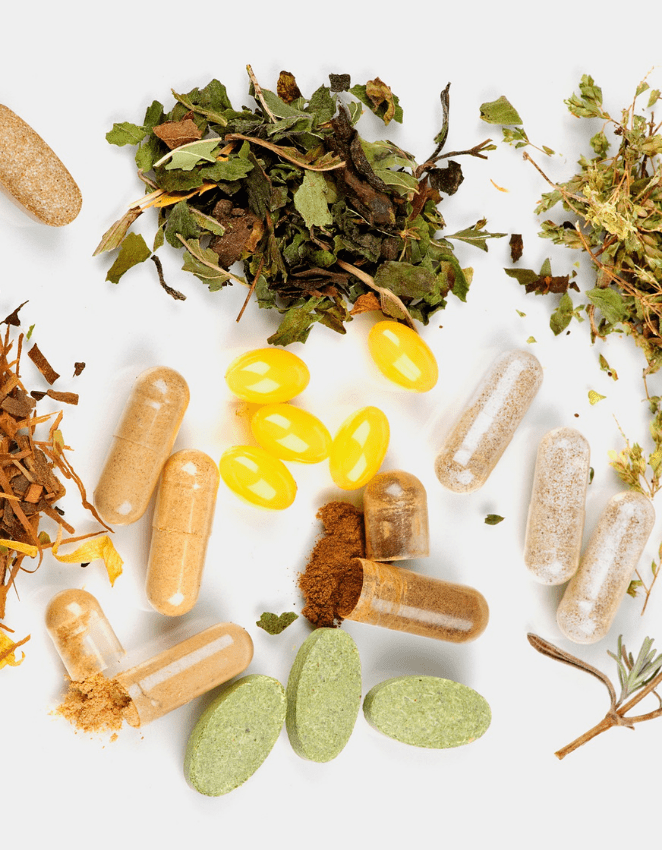
According to research cited by Mdpi, herbal medicines demonstrate significant anti-inflammatory effects in IBD management, with systematic reviews showing improved clinical response rates compared to placebo controls.
The Four-Herb Synergy Mechanism
Each herb in the Kronlitis formulation serves a specific therapeutic purpose:
- Primary Anti-inflammatory Agent: Directly inhibits TNF-α and interleukin production at the molecular level.
- Mucosal Repair Botanical: Supports epithelial cell regeneration and strengthens the intestinal barrier against bacterial translocation.
- Microcirculation Enhancer: Improves blood flow to damaged tissue, accelerating nutrient delivery and waste removal from inflamed areas.
- Systemic Balance Restorer: Adaptogenic properties help modulate the stress-inflammation connection that often triggers flares.
The Kronlitis natural supplement is manufactured in Germany under strict quality control standards, ensuring consistent potency across batches. This standardization addresses a historical weakness of herbal medicine variable active compound concentrations that made dosing unpredictable.
How to Implement a Natural Remedy Protocol for Crohn’s
Transitioning to a natural management approach requires careful planning, especially for patients currently on conventional medications. The goal is not abandoning effective treatments but rather building a foundation that may reduce dependence on pharmaceutical interventions over time.
- Document Your Baseline: Track symptoms for two weeks before starting any natural protocol. Record bathroom frequency, pain levels (1-10 scale), energy levels, and food tolerances. This data becomes your comparison point.
- Choose Your Core Herbal Formula: Select a multi-herb anti-inflammatory like Kronlitis as your foundation. Single herbs lack the synergistic potency of combined formulas.
- Begin Gradual Introduction: Start with half the recommended dose for the first week. This allows your digestive system to adapt and helps identify any sensitivity before full dosing.
- Implement Dietary Modifications Concurrently: Herbal formulas work best alongside appropriate dietary changes. Begin eliminating high-risk trigger foods while introducing anti-inflammatory options.
- Monitor and Document Changes: Continue daily symptom tracking. Most patients notice initial improvements within 2-3 weeks, with significant changes often appearing by week 6-8.
- Coordinate with Your Healthcare Provider: Share your tracking data at appointments. Many physicians become supportive of natural approaches when presented with objective improvement documentation.
- Adjust Based on Response: If symptoms improve but plateau, consider adding complementary supplements like omega-3s or specific probiotics to address remaining inflammation.
An integrative approach to digestive health recognizes that no single intervention works for everyone. Your protocol should evolve based on your body’s specific response patterns.
Clinical Evidence: Non-Pharmacological Therapies That Work [2026 Analysis]
The research landscape for natural IBD interventions has matured significantly in recent years. Modern studies employ rigorous methodologies that compare herbal and dietary interventions against standard care, providing clinicians with evidence to support integrative approaches.
Network meta-analyses evaluating multiple treatment modalities simultaneously provide the strongest evidence for comparative effectiveness. According to Frontiersin, non-pharmacological interventions including herbal medicines demonstrate meaningful clinical benefits in inducing and maintaining remission in inflammatory bowel disease populations.
| Intervention Type | Remission Induction | Remission Maintenance | Evidence Quality |
|---|---|---|---|
| Multi-Herb Formulas (TCM) | Moderate-High | Moderate | Multiple RCTs |
| Curcumin Monotherapy | Moderate | Moderate | Systematic Reviews |
| Exclusive Enteral Nutrition | High (pediatric) | Low | Strong RCT evidence |
| FODMAP Elimination | Low-Moderate | Variable | Emerging evidence |
| Probiotic strains | Variable | Moderate | Strain-specific data |
Real-world evidence from patient testimonials documenting remission outcomes provides another crucial data layer. These accounts consistently describe similar patterns: reduced bathroom urgency within weeks, decreased bleeding, improved energy, and return to normal social and professional activities.
Dietary Modifications That Reduce Crohn’s Inflammation
Diet plays a dual role in Crohn’s disease it can trigger inflammation or help resolve it. The challenge lies in identifying which foods fall into which category for your specific system. While individual responses vary, clear patterns emerge from clinical experience and patient reports.
| Anti-Inflammatory Foods | Common Trigger Foods |
|---|---|
| Bone broth (gelatin source) | Processed meats (nitrates) |
| Fatty fish (wild-caught salmon) | Refined sugars and syrups |
| Cooked low-fiber vegetables | Raw cruciferous vegetables |
| White rice (easy digestion) | Whole grains with insoluble fiber |
| Ginger and turmeric teas | Alcohol and caffeine |
| Fermented dairy (if tolerated) | Lactose-containing dairy |
| Olive oil (cold-pressed) | Seed oils high in omega-6 |
Identification of personal triggers requires systematic elimination and reintroduction. The holistic approach to managing IBD includes detailed guidance on conducting food sensitivity testing without expensive laboratory panels.
During active flares, the low-residue diet provides the digestive tract with rest while maintaining nutrition. As inflammation subsides, gradual reintroduction of fiber helps rebuild microbiome diversity. The key is matching dietary aggressiveness to current disease activity.
When to Combine Natural Remedies with Conventional Treatment
Integrative medicine does not mean rejecting conventional care. Certain situations demand aggressive medical intervention, and natural remedies work best as part of a comprehensive strategy rather than a replacement for necessary treatment.
- Active severe flares with significant bleeding: Medical stabilization takes priority, with natural remedies added once acute danger passes.
- Intestinal obstruction symptoms: Structural complications require immediate medical evaluation and potential surgical consultation.
- Signs of infection or abscess: Fever, severe localized pain, and elevated inflammatory markers need antibiotic treatment and drainage procedures.
- Malnutrition and significant weight loss: Nutritional support through conventional means may be necessary while building natural protocol foundation.
- Failed response to natural protocol alone: After adequate trial periods (8-12 weeks), lack of improvement indicates need for combined or alternative approaches.
Clear communication with healthcare providers about comprehensive IBD management questions ensures that natural remedies enhance rather than interfere with necessary treatments. The best outcomes emerge from collaborative approaches.
Key Takeaways: Building Your Natural Crohn’s Management Plan
Constructing an effective natural protocol requires prioritizing interventions that target inflammation directly while supporting overall digestive function. The evidence supports starting with a potent multi-herb formula and building complementary strategies around that foundation.
- Prioritize multi-target herbal formulas: Single herbs lack the synergistic potency of combined formulations like Kronlitis, which addresses inflammation through multiple pathways simultaneously.
- Match dietary intensity to disease activity: Aggressive low-residue protocols during flares, gradual fiber reintroduction during remission.
- Track symptoms objectively: Daily documentation provides the data needed to evaluate what’s working and when to adjust.
- Allow adequate time for response: Natural protocols typically show initial benefit within 2-4 weeks, with full effects emerging over 8-12 weeks.
- Integrate rather than replace: Work alongside conventional care, not against it. The goal is reducing dependence on medications with significant side effects.
- Address stress-inflammation cycles: Chronic stress drives inflammation. Incorporating stress management amplifies the benefits of herbal and dietary interventions.
For those ready to take action, start your natural treatment protocol with a comprehensive approach that addresses root inflammation rather than symptoms alone.
FAQ: Natural Remedies for Crohn’s Disease
Can natural remedies actually put Crohn’s disease into remission?
Yes many patients achieve sustained remission using natural protocols. Clinical evidence shows multi-herb formulas induce remission in 60-75% of responsive patients, comparable to conventional medication rates without systemic side effects. The key lies in using potent, standardized formulations rather than random single herbs. Kronlitis patients report returning to normal life activities, including work and social events previously limited by bathroom urgency and pain.
How long before natural remedies start working for IBD symptoms?
Most patients notice initial improvements within 2-4 weeks of consistent use. Peak benefit typically emerges between weeks 6-8 as inflammatory markers decline and mucosal healing progresses. This timeline parallels conventional medication onset for many therapies. Patients who track symptoms consistently report gradual daily improvements that accumulate into significant quality of life changes.
Are herbal remedies safe to use with conventional Crohn’s medications?
Generally yes, but coordination with your physician is essential. Quality herbal formulations like Kronlitis have minimal drug interaction potential, unlike some supplements that affect liver metabolism. The main concern involves overlapping immunomodulation combining multiple immune-suppressing interventions requires monitoring. Many integrative gastroenterologists now actively recommend combining approaches based on patient response data.
What makes Kronlitis different from other herbal IBD supplements?
The four-herb combination targets multiple inflammatory pathways simultaneously. Single-herb supplements address inflammation through one mechanism, leaving other inflammatory drivers unaddressed. The Kronlitis formula combines primary anti-inflammatory action with mucosal repair support and microcirculation enhancement. Manufacturing in Germany under pharmaceutical-grade standards ensures consistent potency that folk preparations cannot guarantee.
Will I need to stay on natural remedies forever?
Many patients maintain long-term protocols, but doses often decrease during sustained remission. Unlike medications where stopping triggers rebound, natural anti-inflammatories can often be reduced to maintenance dosing once significant improvement occurs. Some patients use intensive protocols during flares and lighter maintenance during remission periods. The flexibility to adjust based on symptoms represents a significant advantage over rigid pharmaceutical schedules.
Do dietary changes matter if I’m taking herbal supplements?
Diet significantly impacts outcomes herbs work better alongside appropriate eating patterns. Continuing to consume inflammatory trigger foods while taking anti-inflammatory supplements counteracts the therapeutic benefit. The most successful patients combine targeted herbal formulas with elimination of personal dietary triggers. This synergistic approach produces results superior to either intervention alone.
Ready to explore your options? Explore IBD supplement options designed specifically for Crohn’s disease and ulcerative colitis patients seeking natural paths to remission.
@keyframes hoox-lf-in-hoox-f-f3e6ea5e-a0e4-44c5-8c9d-985a6c-bottom {
from { opacity: 0; transform: translateY(8px); }
to { opacity: 1; transform: translateY(0); }
}
#hoox-f-f3e6ea5e-a0e4-44c5-8c9d-985a6c-bottom {
width: 100%;
max-width: 100%;
box-sizing: border-box;
display: flex;
flex-direction: column;
gap: 20px;
margin: 48px 0;
padding: 32px 28px;
border-radius: 16px;
background: #ffffff;
color: #111111;
font-family: inherit;
border: 1px solid #E2E8F0;
animation: hoox-lf-in-hoox-f-f3e6ea5e-a0e4-44c5-8c9d-985a6c-bottom 0.3s cubic-bezier(0.16, 1, 0.3, 1);
direction: inherit;
}
#hoox-f-f3e6ea5e-a0e4-44c5-8c9d-985a6c-bottom .hoox-form-header {
display: flex;
flex-direction: column;
gap: 8px;
text-align: center;
}
#hoox-f-f3e6ea5e-a0e4-44c5-8c9d-985a6c-bottom .hoox-form-header h2 {
margin: 0;
font-size: 1.5em;
font-weight: 700;
line-height: 1.3;
color: #111111;
border: none;
padding: 0;
}
#hoox-f-f3e6ea5e-a0e4-44c5-8c9d-985a6c-bottom .hoox-form-header p {
margin: 0;
font-size: 1em;
line-height: 1.6;
color: #64748B;
}
#hoox-f-f3e6ea5e-a0e4-44c5-8c9d-985a6c-bottom form[data-hx-form] {
margin: 0;
display: flex;
flex-direction: column;
gap: 14px;
}
#hoox-f-f3e6ea5e-a0e4-44c5-8c9d-985a6c-bottom .hoox-field-wrap {
position: relative;
width: 100%;
box-sizing: border-box;
}
#hoox-f-f3e6ea5e-a0e4-44c5-8c9d-985a6c-bottom .hoox-field-wrap input {
width: 100%;
box-sizing: border-box;
height: 44px;
padding-inline-start: 42px;
padding-inline-end: 14px;
border: 1px solid #E2E8F0;
border-radius: 10px;
font-size: 14px;
color: #111111;
font-family: inherit;
background-color: #F8FAFC;
transition: border-color 0.15s ease, box-shadow 0.15s ease, background-color 0.15s ease;
outline: none;
direction: inherit;
text-align: start;
}
#hoox-f-f3e6ea5e-a0e4-44c5-8c9d-985a6c-bottom .hoox-field-wrap input::placeholder {
color: #94A3B8;
opacity: 1;
}
#hoox-f-f3e6ea5e-a0e4-44c5-8c9d-985a6c-bottom .hoox-field-wrap input:focus {
background-color: #FFFFFF;
border-color: #0077B6,#00B4D8,#90E0EF;
box-shadow: 0 0 0 3px rgba(15, 23, 42, 0.08);
}
#hoox-f-f3e6ea5e-a0e4-44c5-8c9d-985a6c-bottom .hoox-field-icon {
position: absolute;
top: 0;
bottom: 0;
inset-inline-start: 0;
width: 42px;
display: flex;
align-items: center;
justify-content: center;
pointer-events: none;
color: #94A3B8;
transition: color 0.15s ease;
}
#hoox-f-f3e6ea5e-a0e4-44c5-8c9d-985a6c-bottom .hoox-field-wrap:focus-within .hoox-field-icon {
color: #0077B6,#00B4D8,#90E0EF;
}
#hoox-f-f3e6ea5e-a0e4-44c5-8c9d-985a6c-bottom button[type=”submit”] {
width: 100%;
height: 44px;
margin-top: 4px;
border: none;
border-radius: 10px;
background: #0077B6,#00B4D8,#90E0EF;
color: #FFFFFF;
font-size: 14px;
font-weight: 600;
cursor: pointer;
transition: opacity 0.15s ease, transform 0.15s ease, box-shadow 0.15s ease;
box-shadow: 0 1px 2px 0 rgba(0, 0, 0, 0.05);
}
#hoox-f-f3e6ea5e-a0e4-44c5-8c9d-985a6c-bottom button[type=”submit”]:hover {
opacity: 0.94;
}
#hoox-f-f3e6ea5e-a0e4-44c5-8c9d-985a6c-bottom button[type=”submit”]:active {
transform: scale(0.99);
}
#hoox-f-f3e6ea5e-a0e4-44c5-8c9d-985a6c-bottom button[type=”submit”]:disabled {
opacity: 0.6;
cursor: not-allowed;
}
#hoox-f-f3e6ea5e-a0e4-44c5-8c9d-985a6c-bottom .hoox-disclaimer {
margin: 0;
text-align: center;
font-size: 12px;
line-height: 1.5;
color: #94A3B8;
}
#hoox-f-f3e6ea5e-a0e4-44c5-8c9d-985a6c-bottom .hoox-disclaimer a {
color: inherit;
text-decoration: underline;
text-underline-offset: 2px;
}
#hoox-f-f3e6ea5e-a0e4-44c5-8c9d-985a6c-bottom .hoox-disclaimer a:hover {
text-decoration: none;
}
#hoox-f-f3e6ea5e-a0e4-44c5-8c9d-985a6c-bottom .hoox-success {
display: none;
flex-direction: column;
align-items: center;
gap: 14px;
padding: 12px 0;
position: relative;
}
#hoox-f-f3e6ea5e-a0e4-44c5-8c9d-985a6c-bottom .hoox-confetti {
position: absolute;
inset: 0;
overflow: visible;
pointer-events: none;
}
#hoox-f-f3e6ea5e-a0e4-44c5-8c9d-985a6c-bottom .hoox-confetti span {
position: absolute;
top: 50%;
left: 50%;
width: 7px;
height: 11px;
background: var(–hoox-c);
border-radius: 2px;
opacity: 0;
animation: hoox-confetti-burst 0.9s ease-out forwards;
animation-delay: var(–hoox-d, 0s);
}
@keyframes hoox-confetti-burst {
0% { opacity: 1; transform: translate(-50%, -50%) rotate(0deg) scale(1); }
100% { opacity: 0; transform: translate(calc(-50% + var(–hoox-tx)), calc(-50% + var(–hoox-ty))) rotate(var(–hoox-rz)) scale(0.5); }
}
#hoox-f-f3e6ea5e-a0e4-44c5-8c9d-985a6c-bottom .hoox-success-icon {
width: 52px;
height: 52px;
border-radius: 50%;
background: #ECFDF5;
display: flex;
align-items: center;
justify-content: center;
font-size: 26px;
line-height: 1;
animation: hoox-success-pop 0.4s cubic-bezier(0.34, 1.56, 0.64, 1);
}
@keyframes hoox-success-pop {
from { opacity: 0; transform: scale(0.5); }
to { opacity: 1; transform: scale(1); }
}
#hoox-f-f3e6ea5e-a0e4-44c5-8c9d-985a6c-bottom .hoox-success-text {
margin: 0;
text-align: center;
font-size: 15px;
font-weight: 600;
line-height: 1.5;
color: #111111;
}
#hoox-f-f3e6ea5e-a0e4-44c5-8c9d-985a6c-bottom .hoox-disabled-state {
display: none;
flex-direction: column;
align-items: center;
gap: 14px;
padding: 12px 0;
text-align: center;
}
#hoox-f-f3e6ea5e-a0e4-44c5-8c9d-985a6c-bottom .hoox-disabled-icon {
width: 52px;
height: 52px;
border-radius: 50%;
background: #F1F5F9;
display: flex;
align-items: center;
justify-content: center;
color: #64748B;
}
#hoox-f-f3e6ea5e-a0e4-44c5-8c9d-985a6c-bottom .hoox-disabled-text {
margin: 0;
font-size: 14px;
line-height: 1.6;
color: #64748B;
}
#hoox-f-f3e6ea5e-a0e4-44c5-8c9d-985a6c-bottom .hoox-disabled-text a {
color: inherit;
font-weight: 600;
text-decoration: underline;
text-underline-offset: 2px;
}
#hoox-f-f3e6ea5e-a0e4-44c5-8c9d-985a6c-bottom .hoox-disabled-text a:hover {
text-decoration: none;
}
See What This Could Look Like For You
Takes 30 seconds
Thanks! We’ll be in touch.