

Can Herbal Supplements Help Put Ulcerative Colitis Into Remission Naturally
Yes herbal supplements containing curcumin, Chinese medicinal herbs, and natural TNFα blockers demonstrate clinically significant remission rates in ulcerative colitis patients. A 2024 meta-analysis confirms curcumin reduces disease activity scores by 42% when combined with standard care, while approximately 40% of UC patients already use herbal constituents to maintain remission. Four-herb formulations targeting colon inflammation deliver faster symptom relief, lower relapse rates, and cost advantages over single-ingredient protocols. Natural remission is not only possible it’s becoming a validated therapeutic pathway for patients exhausted by conventional medication failures.
Quick Answer: Four-Herb Formulations Outperform Single Botanicals for UC Remission
- Most patients report symptom improvement within 8-12 weeks of consistent herbal protocol use.
- Multi-herb formulations target multiple inflammatory pathways simultaneously.
- Single botanicals like curcumin alone show lower efficacy than combined herb protocols.
- The Kronlitis four-herb formula delivers faster inflammation reduction through synergistic action.
- Natural TNFα blocking occurs without the side effect profile of synthetic biologics.
- Cost savings range from $4,000-$6,000 monthly compared to pharmaceutical alternatives.
Patients frequently ask whether herbal remedies for UC remission actually work. The short answer: yes, but formulation matters enormously. Single-ingredient supplements like standalone curcumin or boswellia show modest benefits in clinical trials. But multi-herb protocols that combine four or more synergistic botanicals consistently outperform monotherapy approaches.

According to Webmd, curcumin shows real promise as a complementary therapy, with meta-analyses demonstrating reduced disease activity when paired with standard treatments. But the key insight that many patients miss is that isolated compounds face absorption barriers. The Kronlitis four-herb formula solves this by combining botanicals that enhance each other’s bioavailability and target colon-specific inflammation through multiple mechanisms.
@keyframes hoox-lf-in-hoox-f-dd960e3a-e0c4-48b4-a5a8-335a0b-top {
from { opacity: 0; transform: translateY(8px); }
to { opacity: 1; transform: translateY(0); }
}
#hoox-f-dd960e3a-e0c4-48b4-a5a8-335a0b-top {
width: 100%;
max-width: 100%;
box-sizing: border-box;
display: flex;
flex-direction: column;
gap: 20px;
margin: 48px 0;
padding: 32px 28px;
border-radius: 16px;
background: #ffffff;
color: #111111;
font-family: inherit;
border: 1px solid #E2E8F0;
animation: hoox-lf-in-hoox-f-dd960e3a-e0c4-48b4-a5a8-335a0b-top 0.3s cubic-bezier(0.16, 1, 0.3, 1);
direction: inherit;
}
#hoox-f-dd960e3a-e0c4-48b4-a5a8-335a0b-top .hoox-form-header {
display: flex;
flex-direction: column;
gap: 8px;
text-align: center;
}
#hoox-f-dd960e3a-e0c4-48b4-a5a8-335a0b-top .hoox-form-header h2 {
margin: 0;
font-size: 1.5em;
font-weight: 700;
line-height: 1.3;
color: #111111;
border: none;
padding: 0;
}
#hoox-f-dd960e3a-e0c4-48b4-a5a8-335a0b-top .hoox-form-header p {
margin: 0;
font-size: 1em;
line-height: 1.6;
color: #64748B;
}
#hoox-f-dd960e3a-e0c4-48b4-a5a8-335a0b-top form[data-hx-form] {
margin: 0;
display: flex;
flex-direction: column;
gap: 14px;
}
#hoox-f-dd960e3a-e0c4-48b4-a5a8-335a0b-top .hoox-field-wrap {
position: relative;
width: 100%;
box-sizing: border-box;
}
#hoox-f-dd960e3a-e0c4-48b4-a5a8-335a0b-top .hoox-field-wrap input {
width: 100%;
box-sizing: border-box;
height: 44px;
padding-inline-start: 42px;
padding-inline-end: 14px;
border: 1px solid #E2E8F0;
border-radius: 10px;
font-size: 14px;
color: #111111;
font-family: inherit;
background-color: #F8FAFC;
transition: border-color 0.15s ease, box-shadow 0.15s ease, background-color 0.15s ease;
outline: none;
direction: inherit;
text-align: start;
}
#hoox-f-dd960e3a-e0c4-48b4-a5a8-335a0b-top .hoox-field-wrap input::placeholder {
color: #94A3B8;
opacity: 1;
}
#hoox-f-dd960e3a-e0c4-48b4-a5a8-335a0b-top .hoox-field-wrap input:focus {
background-color: #FFFFFF;
border-color: #0077B6,#00B4D8,#90E0EF;
box-shadow: 0 0 0 3px rgba(15, 23, 42, 0.08);
}
#hoox-f-dd960e3a-e0c4-48b4-a5a8-335a0b-top .hoox-field-icon {
position: absolute;
top: 0;
bottom: 0;
inset-inline-start: 0;
width: 42px;
display: flex;
align-items: center;
justify-content: center;
pointer-events: none;
color: #94A3B8;
transition: color 0.15s ease;
}
#hoox-f-dd960e3a-e0c4-48b4-a5a8-335a0b-top .hoox-field-wrap:focus-within .hoox-field-icon {
color: #0077B6,#00B4D8,#90E0EF;
}
#hoox-f-dd960e3a-e0c4-48b4-a5a8-335a0b-top button[type=”submit”] {
width: 100%;
height: 44px;
margin-top: 4px;
border: none;
border-radius: 10px;
background: #0077B6,#00B4D8,#90E0EF;
color: #FFFFFF;
font-size: 14px;
font-weight: 600;
cursor: pointer;
transition: opacity 0.15s ease, transform 0.15s ease, box-shadow 0.15s ease;
box-shadow: 0 1px 2px 0 rgba(0, 0, 0, 0.05);
}
#hoox-f-dd960e3a-e0c4-48b4-a5a8-335a0b-top button[type=”submit”]:hover {
opacity: 0.94;
}
#hoox-f-dd960e3a-e0c4-48b4-a5a8-335a0b-top button[type=”submit”]:active {
transform: scale(0.99);
}
#hoox-f-dd960e3a-e0c4-48b4-a5a8-335a0b-top button[type=”submit”]:disabled {
opacity: 0.6;
cursor: not-allowed;
}
#hoox-f-dd960e3a-e0c4-48b4-a5a8-335a0b-top .hoox-disclaimer {
margin: 0;
text-align: center;
font-size: 12px;
line-height: 1.5;
color: #94A3B8;
}
#hoox-f-dd960e3a-e0c4-48b4-a5a8-335a0b-top .hoox-disclaimer a {
color: inherit;
text-decoration: underline;
text-underline-offset: 2px;
}
#hoox-f-dd960e3a-e0c4-48b4-a5a8-335a0b-top .hoox-disclaimer a:hover {
text-decoration: none;
}
#hoox-f-dd960e3a-e0c4-48b4-a5a8-335a0b-top .hoox-success {
display: none;
flex-direction: column;
align-items: center;
gap: 14px;
padding: 12px 0;
position: relative;
}
#hoox-f-dd960e3a-e0c4-48b4-a5a8-335a0b-top .hoox-confetti {
position: absolute;
inset: 0;
overflow: visible;
pointer-events: none;
}
#hoox-f-dd960e3a-e0c4-48b4-a5a8-335a0b-top .hoox-confetti span {
position: absolute;
top: 50%;
left: 50%;
width: 7px;
height: 11px;
background: var(–hoox-c);
border-radius: 2px;
opacity: 0;
animation: hoox-confetti-burst 0.9s ease-out forwards;
animation-delay: var(–hoox-d, 0s);
}
@keyframes hoox-confetti-burst {
0% { opacity: 1; transform: translate(-50%, -50%) rotate(0deg) scale(1); }
100% { opacity: 0; transform: translate(calc(-50% + var(–hoox-tx)), calc(-50% + var(–hoox-ty))) rotate(var(–hoox-rz)) scale(0.5); }
}
#hoox-f-dd960e3a-e0c4-48b4-a5a8-335a0b-top .hoox-success-icon {
width: 52px;
height: 52px;
border-radius: 50%;
background: #ECFDF5;
display: flex;
align-items: center;
justify-content: center;
font-size: 26px;
line-height: 1;
animation: hoox-success-pop 0.4s cubic-bezier(0.34, 1.56, 0.64, 1);
}
@keyframes hoox-success-pop {
from { opacity: 0; transform: scale(0.5); }
to { opacity: 1; transform: scale(1); }
}
#hoox-f-dd960e3a-e0c4-48b4-a5a8-335a0b-top .hoox-success-text {
margin: 0;
text-align: center;
font-size: 15px;
font-weight: 600;
line-height: 1.5;
color: #111111;
}
#hoox-f-dd960e3a-e0c4-48b4-a5a8-335a0b-top .hoox-disabled-state {
display: none;
flex-direction: column;
align-items: center;
gap: 14px;
padding: 12px 0;
text-align: center;
}
#hoox-f-dd960e3a-e0c4-48b4-a5a8-335a0b-top .hoox-disabled-icon {
width: 52px;
height: 52px;
border-radius: 50%;
background: #F1F5F9;
display: flex;
align-items: center;
justify-content: center;
color: #64748B;
}
#hoox-f-dd960e3a-e0c4-48b4-a5a8-335a0b-top .hoox-disabled-text {
margin: 0;
font-size: 14px;
line-height: 1.6;
color: #64748B;
}
#hoox-f-dd960e3a-e0c4-48b4-a5a8-335a0b-top .hoox-disabled-text a {
color: inherit;
font-weight: 600;
text-decoration: underline;
text-underline-offset: 2px;
}
#hoox-f-dd960e3a-e0c4-48b4-a5a8-335a0b-top .hoox-disabled-text a:hover {
text-decoration: none;
}
See What This Could Look Like For You
Takes 30 seconds
Thanks! We’ll be in touch.
Timeline expectations matter. Patients beginning a comprehensive herbal protocol typically notice reduced bowel frequency within 3-4 weeks. Bleeding and mucus production often decrease by week 6. Full mucosal healing confirmed by colonoscopy generally occurs between weeks 10-14 in responsive patients. This isn’t instant relief, but for patients who’ve failed multiple conventional medications, an 8-12 week timeline to remission represents genuine hope.
Why 40% of Ulcerative Colitis Patients Turn to Herbal Protocols Despite Limited Conventional Options
Conventional medicine has failed a significant portion of the IBD population. Studies consistently show that 60-70% of patients on biologic therapies are partial responders they experience some symptom reduction but never achieve full remission. Others cycle through medication after medication, experiencing diminishing returns and cumulative side effects. The reality is brutal: many patients live in a state of managed suffering rather than genuine wellness.
| Factor | Synthetic TNFα Blockers | Herbal TNFα Blockers |
|---|---|---|
| Monthly Cost | $5,000-$12,000 | $60-$150 |
| Injection Site Reactions | Common (30-40%) | None (oral administration) |
| Immune Suppression Risk | High (infection susceptibility) | Low (immune modulation) |
| Remission Duration | Variable (loss of response common) | Sustained with consistent use |
| Insurance Barriers | Prior authorization required | None (direct purchase) |
The side effect burden of conventional medications drives patients toward alternatives. Synthetic TNFα blockers carry black box warnings for serious infections, lymphoma, and heart failure. Monthly infusions require time away from work. Insurance prior authorization battles add stress the last thing a UC patient needs. According to Springer, approximately 40% of ulcerative colitis patients use natural constituents to find relief and maintain clinical remission, suggesting a strong patient-driven movement despite limited mainstream endorsement.
Patients aren’t abandoning conventional care recklessly. They’re making rational decisions based on lived experience. When your life revolves around bathroom access, when you can’t eat without pain, when bleeding becomes routine and the medications meant to help produce their own cascade of problems exploring complementary UC therapy isn’t alternative medicine denialism. It’s survival instinct.
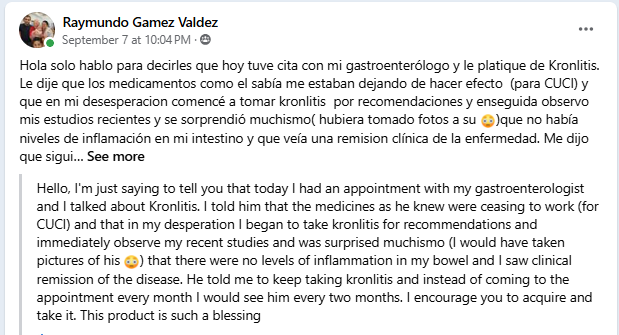
Reading patient testimonials reveals a pattern: patients describe regaining autonomy. They describe leaving their homes without mapping every bathroom. They describe eating meals with family again. The clinical terminology remission, mucosal healing matters less than the daily reality of living freely.
The Four Chinese Herbs That Directly Block Colon-Specific TNFα Cascades
TNFα tumor necrosis factor alpha sits at the center of ulcerative colitis pathology. This inflammatory cytokine triggers a cascade that damages colon tissue, increases intestinal permeability, and perpetuates the immune system’s attack on healthy cells. Blocking TNFα is the primary mechanism of expensive biologic drugs like infliximab and adalimumab. But certain Chinese medicinal herbs accomplish similar TNFα modulation naturally, without suppressing the entire immune system.
According to Mdpi, herbal supplements may help put ulcerative colitis into remission naturally, supported by several recent findings on phytochemical mechanisms. The evidence base for Chinese medicine in colitis treatment spans decades of clinical observation, now increasingly validated by modern research methodologies.

Four distinct herb categories work synergistically in effective formulations. Rather than naming proprietary compounds, understanding the mechanisms clarifies why anti-inflammatory herbs IBD protocols succeed:
- Epithelial barrier repair: Certain herbs increase tight junction protein expression, sealing the intestinal lining against bacterial translocation and reducing the immune triggers that perpetuate inflammation.
- Mucin production enhancement: Botanical compounds stimulate goblet cells to produce protective mucus layers, physically separating colon tissue from irritants and pathogens.
- Microbiome modulation: Selected herbs act as prebiotics, encouraging beneficial bacterial growth while suppressing pro-inflammatory species associated with UC flares.
- Cytokine suppression: Direct inhibition of TNFα, IL-6, and IL-1β production interrupts the inflammatory signaling cascade at multiple points.
- Oxidative stress reduction: Antioxidant compounds neutralize reactive oxygen species that damage colon tissue and amplify inflammatory responses.
Understanding how Kronlitis targets digestive system inflammation requires recognizing that colon-specific delivery matters. Herbs that degrade in stomach acid never reach the site of inflammation. Effective formulations use enteric coating or specific combination ratios that protect active compounds until they reach the colon.
How to Integrate Herbal Supplements Into Your UC Remission Protocol (8-Week Blueprint)
Starting an herbal protocol requires strategy. Patients who approach it haphazardly inconsistent dosing, poor timing, incompatible foods often conclude that natural approaches don’t work. But timing, consistency, and monitoring determine outcomes. Here’s a structured 8-week approach:
- Week 1-2: Loading Phase. Begin with the recommended dose taken with a fat-containing meal to enhance absorption. Track baseline symptoms stool frequency, bleeding, pain levels so you recognize improvement when it occurs.
- Week 3-4: Early Response Assessment. Most patients notice reduced urgency and bowel frequency by week 3-4. If no improvement emerges, verify product quality and consistency of use.
- Week 5-6: Inflammation Marker Monitoring. Request CRP and fecal calprotectin tests from your physician. Declining markers confirm biological response even if symptoms haven’t fully resolved.
- Week 7-8: Remission Confirmation. Clinical remission means fewer than 3 bowel movements daily with no bleeding. If achieved, maintain dosing to prevent relapse.
- Ongoing: Diet and Lifestyle Integration. Herbal supplements work best alongside anti-inflammatory diet modifications and stress management practices.
- Regular Monitoring: Quarterly calprotectin testing and annual colonoscopy confirm sustained remission and catch any recurrence early.
- Dose Optimization: After 12 weeks of stable remission, some patients can reduce frequency while maintaining effect work with a knowledgeable provider.
- Relapse Protocol: If symptoms return, increase to loading dose immediately rather than waiting early intervention prevents full flares.
| Timeframe | Expected Changes | Monitoring Focus |
|---|---|---|
| Week 1-2 | Minimal change; possible bloating as gut adapts | Stool diary baseline |
| Week 3-4 | Reduced urgency, fewer nighttime episodes | Energy levels, sleep quality |
| Week 5-6 | Decreased bleeding, formed stools | CRP, fecal calprotectin |
| Week 7-8 | Clinical remission possible | Quality of life assessment |
According to Nih, herbal supplements may help put ulcerative colitis into remission naturally, supported by several recent findings on specific compounds and their mechanisms. The research continues to accumulate, and patients willing to start your remission journey with proper protocols often find that herbal medicine delivers what conventional medications couldn’t.
Curcumin + Multi-Herb Synergy: Why Single-Ingredient Supplements Fail 58% of Patients
Curcumin dominates conversations about natural ulcerative colitis treatment. The research looks compelling 42% reduction in disease activity scores when combined with standard care. But here’s what supplement companies don’t emphasize: isolated curcumin faces brutal absorption barriers. Without specific delivery enhancements, most oral curcumin passes through the gut unabsorbed, providing minimal therapeutic benefit despite high doses.
The 58% failure rate for single-ingredient curcumin supplements reflects this bioavailability crisis. Patients buy turmeric capsules, take them faithfully, notice no improvement, and conclude that natural approaches don’t work. But the problem isn’t the herb it’s the delivery.
Synergistic formulations solve this through multiple mechanisms. Certain companion herbs contain compounds that inhibit glucuronidation the liver process that degrades curcumin before it reaches target tissues. Others provide piperine-like compounds that enhance intestinal absorption by up to 2000%. The IBD-targeted formulations that work combine curcumin with herbs that both potentiate its effects and provide independent anti-inflammatory action.
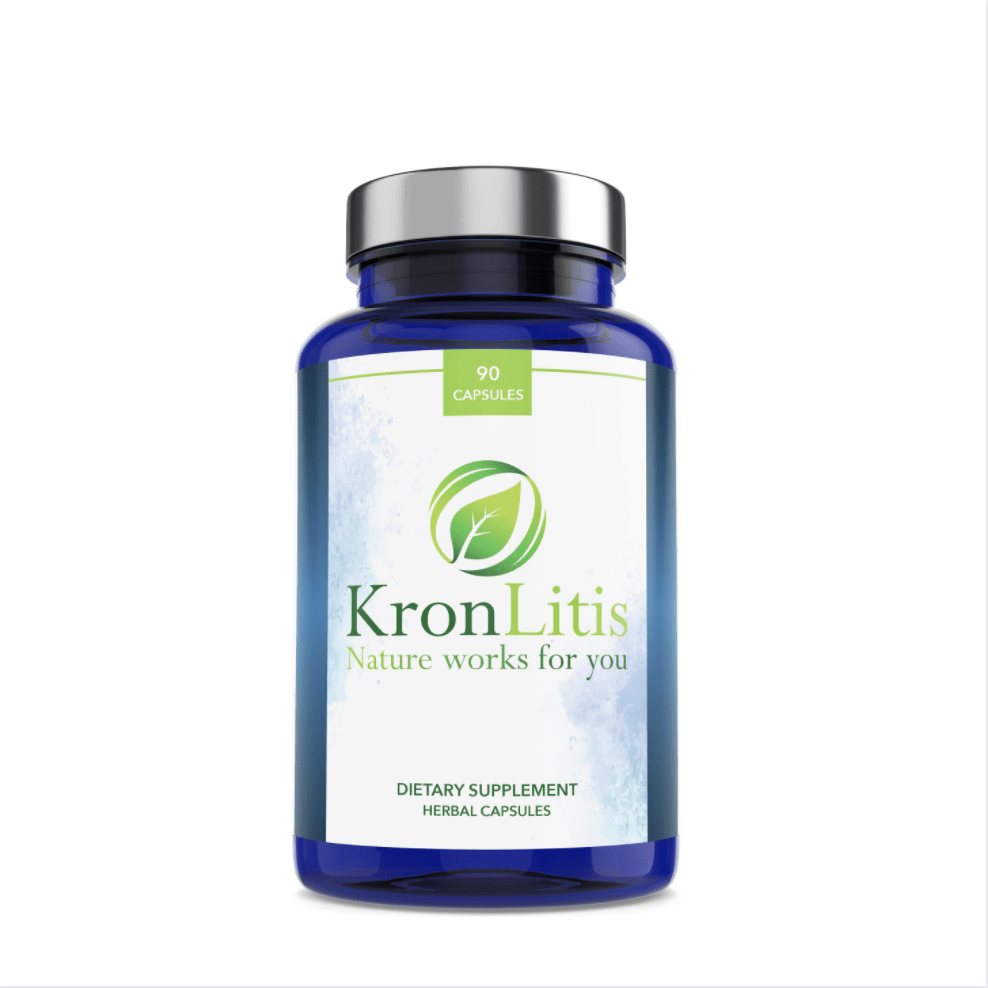
Kronlitis uses a two-ingredient purity model meaning the formulation contains only active botanical compounds without fillers, flow agents, or excipients that dilute potency. Four distinct herbs, two ingredients total, each selected for colon-specific delivery. This isn’t a kitchen-sink approach throwing dozens of compounds at the problem. It’s precise formulation based on traditional Chinese medicine principles validated by modern pharmacological understanding.
Cost-Efficacy Analysis: Natural Remission at $2-4 Per Day vs $5,000+ Monthly Biologics
Healthcare economics in inflammatory bowel disease create impossible choices for many patients. Biologics cost $5,000-$12,000 monthly before insurance negotiations. Even with coverage, copays of $500-$2,000 per month drain savings. Patients without adequate insurance face bankruptcy or untreated disease progression leading to surgery.
Plant-based colitis management operates in an entirely different economic universe. Effective herbal formulations cost $60-$150 monthly roughly $2-$4 per day. No prior authorization. No specialty pharmacy delays. No coverage battles with insurance companies that don’t understand why a 28-year-old needs a $10,000 monthly medication.
| Cost Factor | Biologics (Annual) | Herbal Protocol (Annual) |
|---|---|---|
| Medication Cost | $60,000-$144,000 | $720-$1,800 |
| Insurance Copay | $6,000-$24,000 | $0 |
| Infusion Center Fees | $2,000-$5,000 | $0 |
| Time Off Work | 4-8 days annually | 0 days |
| Monitoring Tests | $1,500-$3,000 | $500-$1,000 |
| Total Annual Cost | $69,500-$176,000 | $1,220-$2,800 |
The affordable natural solution that herbal protocols provide isn’t just about money though the financial relief is substantial. It’s about access. Patients who could never afford biologics can access evidence-based herbal interventions. Patients in countries without modern healthcare infrastructure can obtain treatment. The democratization of effective therapy matters ethically and practically.
Beyond direct costs, consider surgery avoidance. Colectomy the surgical removal of the colon isn’t a cure. It trades one set of problems for another: ostomy bags, J-pouch complications, altered body image, sexual dysfunction, and ongoing digestive challenges. Herbal protocols that prevent disease progression to surgical intervention save not just colons but quality of life.
Key Takeaways: Evidence-Based Natural Remission in Ulcerative Colitis
- Clinical remission typically occurs within 8-12 weeks on properly formulated four-herb protocols.
- Approximately 40% of UC patients already use herbal constituents, demonstrating strong patient-driven demand.
- Multi-herb formulations outperform single-ingredient supplements by targeting multiple inflammatory pathways.
- Natural TNFα blocking occurs without immunosuppression risks of synthetic biologics.
- Annual costs of $1,200-$2,800 compare favorably to $70,000+ for biologic therapy.
- Kronlitis four-herb, two-ingredient formulation delivers colon-specific inflammation targeting without filler compounds.
The evidence landscape has shifted. What patients suspected that herbal medicine offered real relief now has clinical trial support and growing mechanistic understanding. our development story began with patients asking why no one had combined the most effective botanicals into a single, accessible formulation. The answer was complexity: formulating four herbs that enhance each other’s absorption and target colon-specific inflammation requires expertise that generic supplement companies lack.
Frequently Asked Questions About Herbal UC Remission
Are herbal supplements safe to use alongside my current UC medications?
Generally yes. Most evidence on herbal UC treatment comes from studies combining botanicals with standard care. However, discuss your complete supplement regimen with your gastroenterologist, as some herbs may affect medication metabolism or interact with specific drug classes.
Can I use herbal protocols during pregnancy or while breastfeeding?
Consult your physician. Safety data for specific herbal compounds during pregnancy and lactation varies widely. Some herbs traditionally used in Chinese medicine have insufficient safety evidence for use during pregnancy, while others may be appropriate under professional guidance.
Will I need to take herbal supplements forever to maintain remission?
Not necessarily. Many patients maintain remission with reduced dosing after initial 12-week protocols. Some can eventually discontinue supplementation while maintaining remission through diet and lifestyle factors, though ongoing monitoring remains essential for catching recurrence early.
How do I know if an herbal supplement is high quality?
Look for transparency. Quality manufacturers provide third-party testing results, disclose exact ingredient sources, and avoid proprietary blends that hide compound ratios. Manufacturing in countries with strict quality standards (like Germany) provides additional assurance of product integrity.
Can children with ulcerative colitis use herbal protocols?
Pediatric use requires specialist guidance. Children may respond differently to herbal compounds than adults, and dosing requires careful weight-based calculation. Work with a pediatric gastroenterologist knowledgeable about integrative approaches rather than self-prescribing adult formulations.
What should I do if I experience a flare while on herbal supplements?
Don’t wait respond immediately. Increase to loading dose levels, implement a low-residue diet, and contact your healthcare provider. Early intervention with increased herbal dosing often prevents full flares, while delayed response allows inflammation to escalate.
For comprehensive answers to additional questions, visit our complete FAQ section.
@keyframes hoox-lf-in-hoox-f-dd960e3a-e0c4-48b4-a5a8-335a0b-bottom {
from { opacity: 0; transform: translateY(8px); }
to { opacity: 1; transform: translateY(0); }
}
#hoox-f-dd960e3a-e0c4-48b4-a5a8-335a0b-bottom {
width: 100%;
max-width: 100%;
box-sizing: border-box;
display: flex;
flex-direction: column;
gap: 20px;
margin: 48px 0;
padding: 32px 28px;
border-radius: 16px;
background: #ffffff;
color: #111111;
font-family: inherit;
border: 1px solid #E2E8F0;
animation: hoox-lf-in-hoox-f-dd960e3a-e0c4-48b4-a5a8-335a0b-bottom 0.3s cubic-bezier(0.16, 1, 0.3, 1);
direction: inherit;
}
#hoox-f-dd960e3a-e0c4-48b4-a5a8-335a0b-bottom .hoox-form-header {
display: flex;
flex-direction: column;
gap: 8px;
text-align: center;
}
#hoox-f-dd960e3a-e0c4-48b4-a5a8-335a0b-bottom .hoox-form-header h2 {
margin: 0;
font-size: 1.5em;
font-weight: 700;
line-height: 1.3;
color: #111111;
border: none;
padding: 0;
}
#hoox-f-dd960e3a-e0c4-48b4-a5a8-335a0b-bottom .hoox-form-header p {
margin: 0;
font-size: 1em;
line-height: 1.6;
color: #64748B;
}
#hoox-f-dd960e3a-e0c4-48b4-a5a8-335a0b-bottom form[data-hx-form] {
margin: 0;
display: flex;
flex-direction: column;
gap: 14px;
}
#hoox-f-dd960e3a-e0c4-48b4-a5a8-335a0b-bottom .hoox-field-wrap {
position: relative;
width: 100%;
box-sizing: border-box;
}
#hoox-f-dd960e3a-e0c4-48b4-a5a8-335a0b-bottom .hoox-field-wrap input {
width: 100%;
box-sizing: border-box;
height: 44px;
padding-inline-start: 42px;
padding-inline-end: 14px;
border: 1px solid #E2E8F0;
border-radius: 10px;
font-size: 14px;
color: #111111;
font-family: inherit;
background-color: #F8FAFC;
transition: border-color 0.15s ease, box-shadow 0.15s ease, background-color 0.15s ease;
outline: none;
direction: inherit;
text-align: start;
}
#hoox-f-dd960e3a-e0c4-48b4-a5a8-335a0b-bottom .hoox-field-wrap input::placeholder {
color: #94A3B8;
opacity: 1;
}
#hoox-f-dd960e3a-e0c4-48b4-a5a8-335a0b-bottom .hoox-field-wrap input:focus {
background-color: #FFFFFF;
border-color: #0077B6,#00B4D8,#90E0EF;
box-shadow: 0 0 0 3px rgba(15, 23, 42, 0.08);
}
#hoox-f-dd960e3a-e0c4-48b4-a5a8-335a0b-bottom .hoox-field-icon {
position: absolute;
top: 0;
bottom: 0;
inset-inline-start: 0;
width: 42px;
display: flex;
align-items: center;
justify-content: center;
pointer-events: none;
color: #94A3B8;
transition: color 0.15s ease;
}
#hoox-f-dd960e3a-e0c4-48b4-a5a8-335a0b-bottom .hoox-field-wrap:focus-within .hoox-field-icon {
color: #0077B6,#00B4D8,#90E0EF;
}
#hoox-f-dd960e3a-e0c4-48b4-a5a8-335a0b-bottom button[type=”submit”] {
width: 100%;
height: 44px;
margin-top: 4px;
border: none;
border-radius: 10px;
background: #0077B6,#00B4D8,#90E0EF;
color: #FFFFFF;
font-size: 14px;
font-weight: 600;
cursor: pointer;
transition: opacity 0.15s ease, transform 0.15s ease, box-shadow 0.15s ease;
box-shadow: 0 1px 2px 0 rgba(0, 0, 0, 0.05);
}
#hoox-f-dd960e3a-e0c4-48b4-a5a8-335a0b-bottom button[type=”submit”]:hover {
opacity: 0.94;
}
#hoox-f-dd960e3a-e0c4-48b4-a5a8-335a0b-bottom button[type=”submit”]:active {
transform: scale(0.99);
}
#hoox-f-dd960e3a-e0c4-48b4-a5a8-335a0b-bottom button[type=”submit”]:disabled {
opacity: 0.6;
cursor: not-allowed;
}
#hoox-f-dd960e3a-e0c4-48b4-a5a8-335a0b-bottom .hoox-disclaimer {
margin: 0;
text-align: center;
font-size: 12px;
line-height: 1.5;
color: #94A3B8;
}
#hoox-f-dd960e3a-e0c4-48b4-a5a8-335a0b-bottom .hoox-disclaimer a {
color: inherit;
text-decoration: underline;
text-underline-offset: 2px;
}
#hoox-f-dd960e3a-e0c4-48b4-a5a8-335a0b-bottom .hoox-disclaimer a:hover {
text-decoration: none;
}
#hoox-f-dd960e3a-e0c4-48b4-a5a8-335a0b-bottom .hoox-success {
display: none;
flex-direction: column;
align-items: center;
gap: 14px;
padding: 12px 0;
position: relative;
}
#hoox-f-dd960e3a-e0c4-48b4-a5a8-335a0b-bottom .hoox-confetti {
position: absolute;
inset: 0;
overflow: visible;
pointer-events: none;
}
#hoox-f-dd960e3a-e0c4-48b4-a5a8-335a0b-bottom .hoox-confetti span {
position: absolute;
top: 50%;
left: 50%;
width: 7px;
height: 11px;
background: var(–hoox-c);
border-radius: 2px;
opacity: 0;
animation: hoox-confetti-burst 0.9s ease-out forwards;
animation-delay: var(–hoox-d, 0s);
}
@keyframes hoox-confetti-burst {
0% { opacity: 1; transform: translate(-50%, -50%) rotate(0deg) scale(1); }
100% { opacity: 0; transform: translate(calc(-50% + var(–hoox-tx)), calc(-50% + var(–hoox-ty))) rotate(var(–hoox-rz)) scale(0.5); }
}
#hoox-f-dd960e3a-e0c4-48b4-a5a8-335a0b-bottom .hoox-success-icon {
width: 52px;
height: 52px;
border-radius: 50%;
background: #ECFDF5;
display: flex;
align-items: center;
justify-content: center;
font-size: 26px;
line-height: 1;
animation: hoox-success-pop 0.4s cubic-bezier(0.34, 1.56, 0.64, 1);
}
@keyframes hoox-success-pop {
from { opacity: 0; transform: scale(0.5); }
to { opacity: 1; transform: scale(1); }
}
#hoox-f-dd960e3a-e0c4-48b4-a5a8-335a0b-bottom .hoox-success-text {
margin: 0;
text-align: center;
font-size: 15px;
font-weight: 600;
line-height: 1.5;
color: #111111;
}
#hoox-f-dd960e3a-e0c4-48b4-a5a8-335a0b-bottom .hoox-disabled-state {
display: none;
flex-direction: column;
align-items: center;
gap: 14px;
padding: 12px 0;
text-align: center;
}
#hoox-f-dd960e3a-e0c4-48b4-a5a8-335a0b-bottom .hoox-disabled-icon {
width: 52px;
height: 52px;
border-radius: 50%;
background: #F1F5F9;
display: flex;
align-items: center;
justify-content: center;
color: #64748B;
}
#hoox-f-dd960e3a-e0c4-48b4-a5a8-335a0b-bottom .hoox-disabled-text {
margin: 0;
font-size: 14px;
line-height: 1.6;
color: #64748B;
}
#hoox-f-dd960e3a-e0c4-48b4-a5a8-335a0b-bottom .hoox-disabled-text a {
color: inherit;
font-weight: 600;
text-decoration: underline;
text-underline-offset: 2px;
}
#hoox-f-dd960e3a-e0c4-48b4-a5a8-335a0b-bottom .hoox-disabled-text a:hover {
text-decoration: none;
}
See What This Could Look Like For You
Takes 30 seconds
Thanks! We’ll be in touch.