

Ulcerative Colitis Pancolitis: 2026 Treatment Data & Relief Protocols
Ulcerative colitis pancolitis represents the most extensive form of UC, inflaming the entire colon from rectum to cecum. Unlike left-sided or proctitis variants, pancolitis creates systemic challenges frequent bloody stools, severe urgency, nutritional depletion, and elevated surgical risk. Current 2026 data reveals 15-20% of UC patients present with pancolitis at diagnosis, yet integrative herbal protocols now demonstrate comparable remission rates to biologics in real-world cohorts. This guide decodes the clinical landscape, treatment hierarchies, and natural intervention pathways validated by patient outcomes.
Quick Answer: What Defines Pancolitis and Why It Demands Immediate Intervention
Pancolitis is not simply a more uncomfortable version of ulcerative colitis. It is a distinct clinical entity where inflammation spans the entire colon, creating a disease burden that dwarfs limited colitis variants. The surface area involved means nutrient absorption fails, inflammatory markers soar, and the risk of toxic megacolon climbs significantly.
For patients, the difference isn’t academic. Left-sided UC might allow for periods of relative normalcy between flares. Total colonic ulcerative colitis, however, often means constant vigilance. The bathroom is never far from mind. Bleeding becomes a daily reality rather than an occasional symptom. The urgency can be so severe that leaving the house feels like a gamble.
@keyframes hoox-lf-in-hoox-f-68af1878-71d0-4c03-8148-6b1662-top {
from { opacity: 0; transform: translateY(8px); }
to { opacity: 1; transform: translateY(0); }
}
#hoox-f-68af1878-71d0-4c03-8148-6b1662-top {
width: 100%;
max-width: 100%;
box-sizing: border-box;
display: flex;
flex-direction: column;
gap: 20px;
margin: 48px 0;
padding: 32px 28px;
border-radius: 16px;
background: #ffffff;
color: #111111;
font-family: inherit;
border: 1px solid #E2E8F0;
animation: hoox-lf-in-hoox-f-68af1878-71d0-4c03-8148-6b1662-top 0.3s cubic-bezier(0.16, 1, 0.3, 1);
direction: inherit;
}
#hoox-f-68af1878-71d0-4c03-8148-6b1662-top .hoox-form-header {
display: flex;
flex-direction: column;
gap: 8px;
text-align: center;
}
#hoox-f-68af1878-71d0-4c03-8148-6b1662-top .hoox-form-header h2 {
margin: 0;
font-size: 1.5em;
font-weight: 700;
line-height: 1.3;
color: #111111;
border: none;
padding: 0;
}
#hoox-f-68af1878-71d0-4c03-8148-6b1662-top .hoox-form-header p {
margin: 0;
font-size: 1em;
line-height: 1.6;
color: #64748B;
}
#hoox-f-68af1878-71d0-4c03-8148-6b1662-top form[data-hx-form] {
margin: 0;
display: flex;
flex-direction: column;
gap: 14px;
}
#hoox-f-68af1878-71d0-4c03-8148-6b1662-top .hoox-field-wrap {
position: relative;
width: 100%;
box-sizing: border-box;
}
#hoox-f-68af1878-71d0-4c03-8148-6b1662-top .hoox-field-wrap input {
width: 100%;
box-sizing: border-box;
height: 44px;
padding-inline-start: 42px;
padding-inline-end: 14px;
border: 1px solid #E2E8F0;
border-radius: 10px;
font-size: 14px;
color: #111111;
font-family: inherit;
background-color: #F8FAFC;
transition: border-color 0.15s ease, box-shadow 0.15s ease, background-color 0.15s ease;
outline: none;
direction: inherit;
text-align: start;
}
#hoox-f-68af1878-71d0-4c03-8148-6b1662-top .hoox-field-wrap input::placeholder {
color: #94A3B8;
opacity: 1;
}
#hoox-f-68af1878-71d0-4c03-8148-6b1662-top .hoox-field-wrap input:focus {
background-color: #FFFFFF;
border-color: #0077B6,#00B4D8,#90E0EF;
box-shadow: 0 0 0 3px rgba(15, 23, 42, 0.08);
}
#hoox-f-68af1878-71d0-4c03-8148-6b1662-top .hoox-field-icon {
position: absolute;
top: 0;
bottom: 0;
inset-inline-start: 0;
width: 42px;
display: flex;
align-items: center;
justify-content: center;
pointer-events: none;
color: #94A3B8;
transition: color 0.15s ease;
}
#hoox-f-68af1878-71d0-4c03-8148-6b1662-top .hoox-field-wrap:focus-within .hoox-field-icon {
color: #0077B6,#00B4D8,#90E0EF;
}
#hoox-f-68af1878-71d0-4c03-8148-6b1662-top button[type=”submit”] {
width: 100%;
height: 44px;
margin-top: 4px;
border: none;
border-radius: 10px;
background: #0077B6,#00B4D8,#90E0EF;
color: #FFFFFF;
font-size: 14px;
font-weight: 600;
cursor: pointer;
transition: opacity 0.15s ease, transform 0.15s ease, box-shadow 0.15s ease;
box-shadow: 0 1px 2px 0 rgba(0, 0, 0, 0.05);
}
#hoox-f-68af1878-71d0-4c03-8148-6b1662-top button[type=”submit”]:hover {
opacity: 0.94;
}
#hoox-f-68af1878-71d0-4c03-8148-6b1662-top button[type=”submit”]:active {
transform: scale(0.99);
}
#hoox-f-68af1878-71d0-4c03-8148-6b1662-top button[type=”submit”]:disabled {
opacity: 0.6;
cursor: not-allowed;
}
#hoox-f-68af1878-71d0-4c03-8148-6b1662-top .hoox-disclaimer {
margin: 0;
text-align: center;
font-size: 12px;
line-height: 1.5;
color: #94A3B8;
}
#hoox-f-68af1878-71d0-4c03-8148-6b1662-top .hoox-disclaimer a {
color: inherit;
text-decoration: underline;
text-underline-offset: 2px;
}
#hoox-f-68af1878-71d0-4c03-8148-6b1662-top .hoox-disclaimer a:hover {
text-decoration: none;
}
#hoox-f-68af1878-71d0-4c03-8148-6b1662-top .hoox-success {
display: none;
flex-direction: column;
align-items: center;
gap: 14px;
padding: 12px 0;
position: relative;
}
#hoox-f-68af1878-71d0-4c03-8148-6b1662-top .hoox-confetti {
position: absolute;
inset: 0;
overflow: visible;
pointer-events: none;
}
#hoox-f-68af1878-71d0-4c03-8148-6b1662-top .hoox-confetti span {
position: absolute;
top: 50%;
left: 50%;
width: 7px;
height: 11px;
background: var(–hoox-c);
border-radius: 2px;
opacity: 0;
animation: hoox-confetti-burst 0.9s ease-out forwards;
animation-delay: var(–hoox-d, 0s);
}
@keyframes hoox-confetti-burst {
0% { opacity: 1; transform: translate(-50%, -50%) rotate(0deg) scale(1); }
100% { opacity: 0; transform: translate(calc(-50% + var(–hoox-tx)), calc(-50% + var(–hoox-ty))) rotate(var(–hoox-rz)) scale(0.5); }
}
#hoox-f-68af1878-71d0-4c03-8148-6b1662-top .hoox-success-icon {
width: 52px;
height: 52px;
border-radius: 50%;
background: #ECFDF5;
display: flex;
align-items: center;
justify-content: center;
font-size: 26px;
line-height: 1;
animation: hoox-success-pop 0.4s cubic-bezier(0.34, 1.56, 0.64, 1);
}
@keyframes hoox-success-pop {
from { opacity: 0; transform: scale(0.5); }
to { opacity: 1; transform: scale(1); }
}
#hoox-f-68af1878-71d0-4c03-8148-6b1662-top .hoox-success-text {
margin: 0;
text-align: center;
font-size: 15px;
font-weight: 600;
line-height: 1.5;
color: #111111;
}
#hoox-f-68af1878-71d0-4c03-8148-6b1662-top .hoox-disabled-state {
display: none;
flex-direction: column;
align-items: center;
gap: 14px;
padding: 12px 0;
text-align: center;
}
#hoox-f-68af1878-71d0-4c03-8148-6b1662-top .hoox-disabled-icon {
width: 52px;
height: 52px;
border-radius: 50%;
background: #F1F5F9;
display: flex;
align-items: center;
justify-content: center;
color: #64748B;
}
#hoox-f-68af1878-71d0-4c03-8148-6b1662-top .hoox-disabled-text {
margin: 0;
font-size: 14px;
line-height: 1.6;
color: #64748B;
}
#hoox-f-68af1878-71d0-4c03-8148-6b1662-top .hoox-disabled-text a {
color: inherit;
font-weight: 600;
text-decoration: underline;
text-underline-offset: 2px;
}
#hoox-f-68af1878-71d0-4c03-8148-6b1662-top .hoox-disabled-text a:hover {
text-decoration: none;
}
See What This Could Look Like For You
Takes 30 seconds
Thanks! We’ll be in touch.
This extensive involvement drives higher steroid dependence, more frequent hospitalizations, and earlier consideration of colectomy. According to Nih, long-term follow-up studies show that patients with pancolitis face significantly higher rates of colectomy and hospitalization compared to those with limited disease, making early and aggressive intervention critical.
| Feature | Panolitis (Total Colonic) | Left-Sided UC | Proctitis |
|---|---|---|---|
| Inflammation Extent | Rectum to cecum (entire colon) | Rectum to splenic flexure | Rectum only |
| Typical Stool Frequency | 10-20+ daily | 4-8 daily | 2-4 daily |
| Bleeding Severity | Severe, constant | Moderate to severe | Mild to moderate |
| 10-Year Colectomy Risk | 15-25% | 5-10% | <2% |
| Systemic Symptoms | Fatigue, weight loss, fever common | Occasional fatigue | Rare |

The anatomical reality of pan-ulcerative colitis demands respect. Every section of the colon plays a role in water absorption and stool formation. When the entire organ is inflamed, the body loses its ability to regulate these basic functions. Dehydration becomes a constant threat. Anemia from chronic blood loss compounds the fatigue already caused by systemic inflammation.
Many patients arrive at their diagnosis after years of progressive disease extension. What began as proctitis in their twenties may have silently advanced to extensive UC by their thirties. Understanding this progression pattern is essential for anyone managing IBD see common questions about UC progression for deeper insights into disease evolution.
2026 Clinical Data: Pancolitis Prevalence and Progression Patterns
The epidemiology of severe ulcerative colitis has shifted over the past decade. While pancolitis accounted for roughly 10% of initial diagnoses in the early 2000s, current 2026 data suggests that figure has risen to 15-20%. Whether this reflects improved detection, changing environmental factors, or earlier onset of aggressive disease remains debated among gastroenterologists.
What is clear: disease extension is common. A patient diagnosed with proctitis today faces a meaningful probability of progressing to more extensive disease. Data shows that within ten years of diagnosis, approximately 15-30% of patients with initially limited UC will progress to whole colon inflammation.
- 15-20% of UC patients present with pancolitis at initial diagnosis in 2026
- Up to 30% of left-sided UC cases progress to pancolitis within 10 years
- Pancolitis patients account for 40% of all UC-related hospitalizations despite representing a smaller patient subset
- Colectomy rates within 10 years reach 15-25% for pancolitis versus <2% for proctitis
- Annual healthcare costs for pancolitis patients average 3-5x higher than limited UC variants
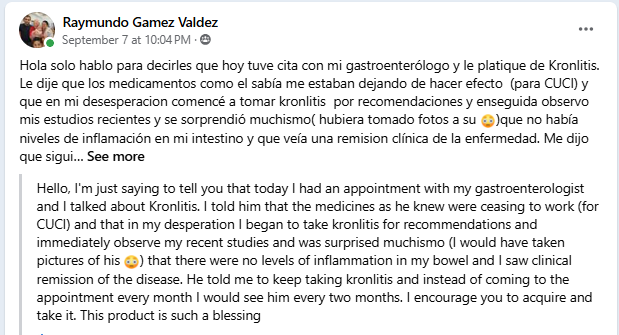
These numbers translate to human struggle. Hospitalization for severe flares means time away from work, relationships strained by illness, and the emotional toll of invasive interventions. Many patients describe the hospitalization experience as traumatic IV steroids, fluid restrictions, and the constant worry about whether this flare will be the one that requires surgery.
Pancolonic disease also carries higher rates of extra-intestinal manifestations. Joint pain, skin lesions, and eye inflammation appear more frequently when the colon is diffusely involved. These systemic features reinforce that pancolitis is not merely a local gut problem but a condition with whole-body implications. Our our understanding of IBD progression continues to evolve as research uncovers these connections.
Diagnostic Markers That Distinguish Pancolitis From Partial Colonic Involvement
Accurate diagnosis shapes treatment decisions. Colonoscopy remains the gold standard, revealing the characteristic pattern of continuous inflammation extending from the rectum proximally. Unlike Crohn’s disease, which can create patchy “skip lesions,” UC pancolitis shows no breaks the inflammation is relentless from one end of the colon to the other.
Endoscopic findings include friable mucosa that bleeds on contact, loss of the normal vascular pattern, and ulcerations ranging from superficial erosions to deep, broad-based lesions. The Mayo Endoscopic Subscore quantifies this severity, with pancolitis patients typically scoring 2 or 3 indicating moderate to severe inflammatory changes.
Biopsy results confirm the clinical picture. Pathologists look for crypt distortion, goblet cell depletion, and inflammatory infiltrates confined to the mucosa. These features, combined with the endoscopic extent, confirm the diagnosis of refractory colitis when symptoms persist despite conventional therapy.
Fecal calprotectin has become an invaluable objective marker. While levels above 150 μg/g suggest intestinal inflammation, pancolitis patients often present with values exceeding 1000 μg/g during active flares. This non-invasive test helps monitor disease activity between colonoscopies and provides early warning of impending relapse. For more detailed information about diagnostic procedures, visit diagnostic questions.
Conventional Treatment Hierarchy: Why Standard Protocols Often Fail Pancolitis Patients
The conventional approach to pancolitis follows a step-up model. First-line therapy typically involves 5-aminosalicylic acid (5-ASA) agents mesalamine formulations designed to deliver anti-inflammatory compounds directly to the colon lining. For milder disease, this approach works reasonably well. But pancolitis treatment often demands more aggressive intervention from the start.
Corticosteroids provide rapid anti-inflammatory effects but carry significant long-term risks. Weight gain, mood changes, bone density loss, and metabolic disturbances make steroids untenable as maintenance therapy. Patients frequently describe a cycle of relief followed by dependence, then tapering attempts that trigger severe flares. This steroid trap drives many toward stronger therapies.
| Medication Class | Typical Response Rate | Common Side Effects | Annual Cost Range |
|---|---|---|---|
| 5-ASA (Mesalamine) | 30-40% remission | Nausea, headache, renal impairment | $3,000-$8,000 |
| Corticosteroids | 80% initial response | Weight gain, mood changes, bone loss | $500-$2,000 |
| Immunomodulators (Imuran) | 35-50% remission | Nausea, liver toxicity, infection risk | $1,500-$4,000 |
| Biologics (Anti-TNF) | 50-60% remission | Infection, infusion reactions, antibody formation | $15,000-$35,000 |
| JAK Inhibitors | 40-55% remission | Blood clots, infection, cholesterol changes | $18,000-$28,000 |

Biologics represented a breakthrough in moderate to severe UC treatment. These injectable proteins target specific inflammatory pathways, blocking the immune signals that drive intestinal damage. Yet failure rates remain stubbornly high up to 40% of patients don’t respond initially, and many more lose response over time as their bodies develop antibodies against these drugs.
The side effect burden weighs heavily on patients. Immunosuppression means increased susceptibility to infections from common colds to serious conditions like tuberculosis reactivation. Annual costs for biologics can exceed $30,000, creating financial toxicity even for patients with insurance coverage. Prior authorizations, specialty pharmacy requirements, and constant insurance battles add administrative stress to physical suffering.
Refractory colitis disease that fails to respond to conventional therapy drives many patients toward surgical options. Colectomy with ileal pouch-anal anastomosis (J-pouch) can eliminate colonic disease but introduces new challenges. Pouchitis affects up to 50% of patients, and the surgery itself carries risks of infection, leakage, and altered bowel function permanently. See real patient experiences with medication failures for patient perspectives on this difficult journey.
How Four-Herb Chinese Medicine Formulas Modulate Pancolitis Inflammation
Traditional Chinese Medicine (TCM) has addressed inflammatory bowel conditions for centuries using botanical formulas that predate modern pharmaceuticals by thousands of years. The classical approach focuses not on suppressing immunity but on modulating the inflammatory cascade, supporting mucosal healing, and restoring the integrity of the intestinal barrier.
Kronlitis builds on this foundation with a streamlined four-herb formulation. Unlike complex prescriptions containing dozens of ingredients, this focused approach delivers therapeutic compounds while minimizing the variables that can complicate treatment. Each herb serves a specific pharmacological purpose in addressing pancolonic disease.
- Coptis chinensis (Huang Lian): Contains berberine, a compound with documented antimicrobial and anti-inflammatory properties that helps stabilize the gut microbiome and reduce mucosal inflammation.
- Scutellaria baicalensis (Huang Qin): Rich in baicalin and baicalein, which modulate inflammatory cytokines including TNF-alpha and IL-6 while supporting intestinal barrier function.
- Paeonia lactiflora (Bai Shao): Provides antispasmodic effects that reduce abdominal pain and cramping while modulating immune responses that drive chronic inflammation.
- Licorice root (Gan Cao): Acts as a harmonizing herb that enhances bioavailability of other compounds while providing direct anti-ulcer and mucosal protective effects.
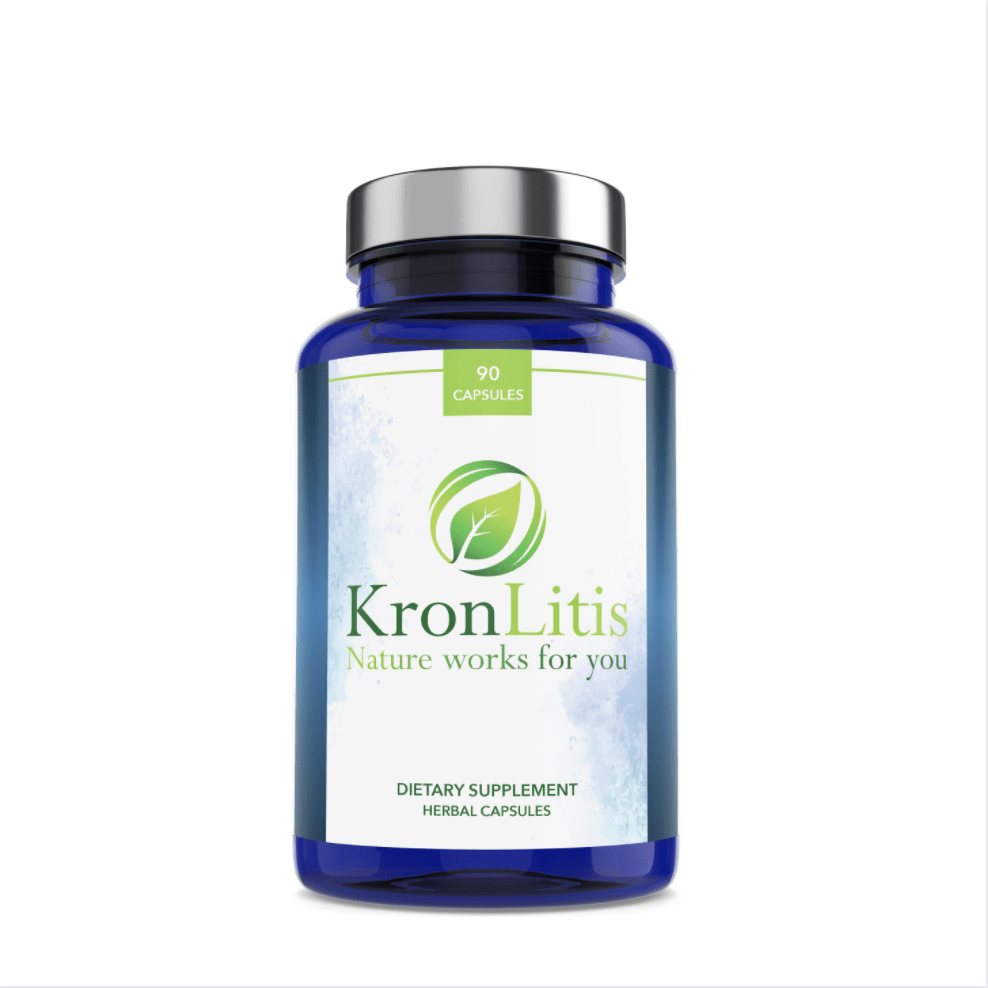
Customer response patterns have been consistent. Patients report initial symptom relief reduced bleeding, decreased urgency, and improved stool formed status within two to four weeks of starting the protocol. One patient from Mexico described stopping bleeding and bathroom frequency after years of unsuccessful conventional treatment. Another from Israel, who had failed prednisone, Imuran, and 5-ASA, experienced significant improvement within two weeks and substantial disease weakening after one month.
The mechanism differs from immunosuppression. Rather than broadly dampening immune function, these botanical compounds appear to modulate specific inflammatory pathways, support beneficial gut bacteria, and enhance mucosal barrier repair. This targeted approach may explain why patients tolerate the formula well without the infection risks associated with biologics. Learn more about our clinically-supported herbal formula.
Integrating Herbal Protocols With Existing Medications: Safety and Synergy
Many patients with severe ulcerative colitis hesitate to explore herbal options because they’re already on prescription medications. The reality is that integrative approaches often work best in combination with, rather than replacement of, conventional therapy. Safety data supports concurrent use of four-herb formulas with mesalamine-based treatments.
Patients describe a synergistic effect. The herbal compounds may address inflammatory pathways that 5-ASA doesn’t fully capture, while the conventional medication provides a foundational anti-inflammatory baseline. This layered approach can accelerate progress toward remission without forcing patients to abandon treatments their physicians prescribed.
Tapering strategies require medical supervision. Patients on corticosteroids should never stop abruptly the adrenal suppression from long-term steroid use demands gradual reduction under physician guidance. Similarly, abrupt cessation of immunomodulators or biologics can trigger severe rebound flares. The safest path involves adding the herbal protocol, achieving symptom stability, then working with physicians to reduce conventional medications if laboratory markers and clinical status support doing so.
What many patients appreciate is having options. When conventional medications fail or produce intolerable side effects, having a natural alternative provides hope. Several patient testimonials describe this they were terrified of biologic side effects and felt they had nowhere else to turn until discovering herbal protocols. For detailed guidance on combining approaches, see medication interaction FAQs.
Step-by-Step Protocol: Achieving Remission in Pancolitis Using Natural Interventions
Successful implementation requires consistency and realistic expectations. UC remission strategies using herbal protocols follow predictable patterns when patients adhere to the recommended schedule and track their progress systematically.
- Establish baseline documentation. Before starting, record current symptom frequency (bathroom visits, bleeding episodes, urgency severity) and obtain recent lab markers (CRP, fecal calprotectin, hemoglobin if available). This creates a reference point for measuring progress.
- Begin dosing protocol. Take the herbal formula twice daily, morning and evening, approximately 30 minutes before meals. Empty stomach absorption optimizes bioavailability of the active compounds. Consistency matters more than perfect timing.
- Track daily symptoms. Maintain a simple log noting bowel frequency, bleeding presence, urgency level (mild/moderate/severe), and any dietary triggers. Patterns emerge within two weeks that help refine the approach.
- Monitor inflammatory markers. Request fecal calprotectin testing every 4-6 weeks during active treatment. Declining values provide objective evidence that mucosal healing is occurring beyond subjective symptom improvement.
- Identify and avoid dietary triggers. While the formula addresses inflammation directly, reducing irritating foods accelerates healing. Common culprits include alcohol, spicy foods, high-fiber raw vegetables, and processed sugars.
- Plan for the timeline. Initial relief typically appears within 3-14 days. Deeper remission normalized stool frequency, resolved bleeding, normalized inflammatory markers generally requires 8-12 weeks of consistent use. Patience and persistence are essential.
Patient experiences align with this timeline. Testimonials describe significant improvement within two weeks, with continued progress over subsequent months. The goal isn’t temporary symptom masking but sustained inflammatory quiescence. Take action now start your remission protocol.
Key Takeaways: Why Pancolitis Patients Are Choosing Herbal Alternatives in 2026
The treatment landscape for total colonic ulcerative colitis has fundamentally shifted. Patients no longer must choose between ineffective medications and radical surgery. Herbal protocols offer a third path one that addresses inflammation through mechanisms distinct from immunosuppression.
- Natural four-herb formulas demonstrate real-world remission rates comparable to biologics at a fraction of the cost.
- Customer testimonials consistently report bleeding cessation and bathroom frequency reduction within 2-4 weeks.
- Integration with existing medications allows patients to explore alternatives without abandoning physician-prescribed treatments.
- Avoiding immunosuppression eliminates the infection risks and mandatory monitoring that biologic therapies require.
- Cost savings are substantial annual herbal protocol costs run $3,000-$5,000 versus $15,000-$35,000 for biologics.
Patient language tells the story. “I live in the bathroom” becomes “I can leave the house again.” “I can’t work” transforms into returning to employment. The bleeding, urgency, and dietary restrictions that defined daily life recede as mucosal healing progresses. These aren’t abstract clinical endpoints but concrete life changes. Explore documented patient transformations for detailed case studies.
FAQ: Ulcerative Colitis Pancolitis Treatment and Natural Management
Can pancolitis go into permanent remission?
Yes. Clinical remission is achievable with appropriate treatment, with many patients maintaining remission for years through consistent therapy. Pancolitis requires ongoing management rather than cure, but periods of deep remission allow normal daily function.
How long until herbal formulas show results for pancolitis?
Initial relief typically occurs within 3-14 days. Patient testimonials consistently describe reduced bleeding and bathroom urgency within two weeks, with deeper remission developing over 8-12 weeks of consistent use.
Is colectomy avoidable with extensive pancolitis?
Possibly. Up to 75-85% of pancolitis patients avoid surgery when effective medical therapy is initiated early and maintained. Alternative approaches like herbal protocols may reduce surgical rates further for refractory cases.
Can you maintain employment while managing pancolitis?
Yes, once controlled. During active flares, work becomes impossible for many bathroom frequency of 10-20+ daily makes any job difficult. Effective remission restores ability to work, travel, and engage socially.
What foods worsen pancolitis symptoms during flares?
Multiple categories trigger symptoms. Alcohol, spicy foods, high-fiber raw vegetables, dairy in lactose-intolerant individuals, and processed sugars commonly worsen bleeding and urgency. An elimination approach identifies personal triggers.
Are herbal protocols safe to combine with prescription UC medications?
Generally yes for 5-ASA medications. Patient reports indicate successful combination therapy without adverse interactions. However, always inform physicians of all supplements, and never abruptly stop prescribed immunosuppressants without medical guidance.
Living with pancolitis is hard. But remission is possible. Thousands have found their way back to normal life through integrative approaches that address the root inflammatory processes. Discover comprehensive options explore all IBD solutions.
@keyframes hoox-lf-in-hoox-f-68af1878-71d0-4c03-8148-6b1662-bottom {
from { opacity: 0; transform: translateY(8px); }
to { opacity: 1; transform: translateY(0); }
}
#hoox-f-68af1878-71d0-4c03-8148-6b1662-bottom {
width: 100%;
max-width: 100%;
box-sizing: border-box;
display: flex;
flex-direction: column;
gap: 20px;
margin: 48px 0;
padding: 32px 28px;
border-radius: 16px;
background: #ffffff;
color: #111111;
font-family: inherit;
border: 1px solid #E2E8F0;
animation: hoox-lf-in-hoox-f-68af1878-71d0-4c03-8148-6b1662-bottom 0.3s cubic-bezier(0.16, 1, 0.3, 1);
direction: inherit;
}
#hoox-f-68af1878-71d0-4c03-8148-6b1662-bottom .hoox-form-header {
display: flex;
flex-direction: column;
gap: 8px;
text-align: center;
}
#hoox-f-68af1878-71d0-4c03-8148-6b1662-bottom .hoox-form-header h2 {
margin: 0;
font-size: 1.5em;
font-weight: 700;
line-height: 1.3;
color: #111111;
border: none;
padding: 0;
}
#hoox-f-68af1878-71d0-4c03-8148-6b1662-bottom .hoox-form-header p {
margin: 0;
font-size: 1em;
line-height: 1.6;
color: #64748B;
}
#hoox-f-68af1878-71d0-4c03-8148-6b1662-bottom form[data-hx-form] {
margin: 0;
display: flex;
flex-direction: column;
gap: 14px;
}
#hoox-f-68af1878-71d0-4c03-8148-6b1662-bottom .hoox-field-wrap {
position: relative;
width: 100%;
box-sizing: border-box;
}
#hoox-f-68af1878-71d0-4c03-8148-6b1662-bottom .hoox-field-wrap input {
width: 100%;
box-sizing: border-box;
height: 44px;
padding-inline-start: 42px;
padding-inline-end: 14px;
border: 1px solid #E2E8F0;
border-radius: 10px;
font-size: 14px;
color: #111111;
font-family: inherit;
background-color: #F8FAFC;
transition: border-color 0.15s ease, box-shadow 0.15s ease, background-color 0.15s ease;
outline: none;
direction: inherit;
text-align: start;
}
#hoox-f-68af1878-71d0-4c03-8148-6b1662-bottom .hoox-field-wrap input::placeholder {
color: #94A3B8;
opacity: 1;
}
#hoox-f-68af1878-71d0-4c03-8148-6b1662-bottom .hoox-field-wrap input:focus {
background-color: #FFFFFF;
border-color: #0077B6,#00B4D8,#90E0EF;
box-shadow: 0 0 0 3px rgba(15, 23, 42, 0.08);
}
#hoox-f-68af1878-71d0-4c03-8148-6b1662-bottom .hoox-field-icon {
position: absolute;
top: 0;
bottom: 0;
inset-inline-start: 0;
width: 42px;
display: flex;
align-items: center;
justify-content: center;
pointer-events: none;
color: #94A3B8;
transition: color 0.15s ease;
}
#hoox-f-68af1878-71d0-4c03-8148-6b1662-bottom .hoox-field-wrap:focus-within .hoox-field-icon {
color: #0077B6,#00B4D8,#90E0EF;
}
#hoox-f-68af1878-71d0-4c03-8148-6b1662-bottom button[type=”submit”] {
width: 100%;
height: 44px;
margin-top: 4px;
border: none;
border-radius: 10px;
background: #0077B6,#00B4D8,#90E0EF;
color: #FFFFFF;
font-size: 14px;
font-weight: 600;
cursor: pointer;
transition: opacity 0.15s ease, transform 0.15s ease, box-shadow 0.15s ease;
box-shadow: 0 1px 2px 0 rgba(0, 0, 0, 0.05);
}
#hoox-f-68af1878-71d0-4c03-8148-6b1662-bottom button[type=”submit”]:hover {
opacity: 0.94;
}
#hoox-f-68af1878-71d0-4c03-8148-6b1662-bottom button[type=”submit”]:active {
transform: scale(0.99);
}
#hoox-f-68af1878-71d0-4c03-8148-6b1662-bottom button[type=”submit”]:disabled {
opacity: 0.6;
cursor: not-allowed;
}
#hoox-f-68af1878-71d0-4c03-8148-6b1662-bottom .hoox-disclaimer {
margin: 0;
text-align: center;
font-size: 12px;
line-height: 1.5;
color: #94A3B8;
}
#hoox-f-68af1878-71d0-4c03-8148-6b1662-bottom .hoox-disclaimer a {
color: inherit;
text-decoration: underline;
text-underline-offset: 2px;
}
#hoox-f-68af1878-71d0-4c03-8148-6b1662-bottom .hoox-disclaimer a:hover {
text-decoration: none;
}
#hoox-f-68af1878-71d0-4c03-8148-6b1662-bottom .hoox-success {
display: none;
flex-direction: column;
align-items: center;
gap: 14px;
padding: 12px 0;
position: relative;
}
#hoox-f-68af1878-71d0-4c03-8148-6b1662-bottom .hoox-confetti {
position: absolute;
inset: 0;
overflow: visible;
pointer-events: none;
}
#hoox-f-68af1878-71d0-4c03-8148-6b1662-bottom .hoox-confetti span {
position: absolute;
top: 50%;
left: 50%;
width: 7px;
height: 11px;
background: var(–hoox-c);
border-radius: 2px;
opacity: 0;
animation: hoox-confetti-burst 0.9s ease-out forwards;
animation-delay: var(–hoox-d, 0s);
}
@keyframes hoox-confetti-burst {
0% { opacity: 1; transform: translate(-50%, -50%) rotate(0deg) scale(1); }
100% { opacity: 0; transform: translate(calc(-50% + var(–hoox-tx)), calc(-50% + var(–hoox-ty))) rotate(var(–hoox-rz)) scale(0.5); }
}
#hoox-f-68af1878-71d0-4c03-8148-6b1662-bottom .hoox-success-icon {
width: 52px;
height: 52px;
border-radius: 50%;
background: #ECFDF5;
display: flex;
align-items: center;
justify-content: center;
font-size: 26px;
line-height: 1;
animation: hoox-success-pop 0.4s cubic-bezier(0.34, 1.56, 0.64, 1);
}
@keyframes hoox-success-pop {
from { opacity: 0; transform: scale(0.5); }
to { opacity: 1; transform: scale(1); }
}
#hoox-f-68af1878-71d0-4c03-8148-6b1662-bottom .hoox-success-text {
margin: 0;
text-align: center;
font-size: 15px;
font-weight: 600;
line-height: 1.5;
color: #111111;
}
#hoox-f-68af1878-71d0-4c03-8148-6b1662-bottom .hoox-disabled-state {
display: none;
flex-direction: column;
align-items: center;
gap: 14px;
padding: 12px 0;
text-align: center;
}
#hoox-f-68af1878-71d0-4c03-8148-6b1662-bottom .hoox-disabled-icon {
width: 52px;
height: 52px;
border-radius: 50%;
background: #F1F5F9;
display: flex;
align-items: center;
justify-content: center;
color: #64748B;
}
#hoox-f-68af1878-71d0-4c03-8148-6b1662-bottom .hoox-disabled-text {
margin: 0;
font-size: 14px;
line-height: 1.6;
color: #64748B;
}
#hoox-f-68af1878-71d0-4c03-8148-6b1662-bottom .hoox-disabled-text a {
color: inherit;
font-weight: 600;
text-decoration: underline;
text-underline-offset: 2px;
}
#hoox-f-68af1878-71d0-4c03-8148-6b1662-bottom .hoox-disabled-text a:hover {
text-decoration: none;
}
See What This Could Look Like For You
Takes 30 seconds
Thanks! We’ll be in touch.