

Crohn’s Disease Diagnosis: Tests, Timeline & What to Expect
Crohn’s disease diagnosis requires a combination of blood tests, stool analysis, endoscopy, and imaging studies there is no single definitive test. Most patients undergo 3-6 months of evaluation before receiving a confirmed diagnosis, though advances in biomarker testing and imaging have shortened this window significantly in 2026. Understanding the diagnostic journey helps patients advocate for timely intervention, which research shows improves long-term outcomes and reduces the risk of complications like strictures and fistulas.
Quick Answer: The Crohn’s Diagnosis Process in 2026
Getting answers about your digestive health starts with understanding what doctors are looking for. The path to a confirmed Crohn’s disease diagnosis follows a structured approach that rules out other conditions first. Physicians use a systematic process to identify inflammatory bowel disease, and knowing these steps helps you track your progress through evaluation.
According to Cdc, approximately 1.6% of U.S. adults have been diagnosed with inflammatory bowel disease, representing a significant increase in prevalence that has made accurate diagnosis more critical than ever in 2026.
@keyframes hoox-lf-in-hoox-f-f5b6d9e3-2e2c-406d-96f1-4c42dd-top {
from { opacity: 0; transform: translateY(8px); }
to { opacity: 1; transform: translateY(0); }
}
#hoox-f-f5b6d9e3-2e2c-406d-96f1-4c42dd-top {
width: 100%;
max-width: 100%;
box-sizing: border-box;
display: flex;
flex-direction: column;
gap: 20px;
margin: 48px 0;
padding: 32px 28px;
border-radius: 16px;
background: #ffffff;
color: #111111;
font-family: inherit;
border: 1px solid #E2E8F0;
animation: hoox-lf-in-hoox-f-f5b6d9e3-2e2c-406d-96f1-4c42dd-top 0.3s cubic-bezier(0.16, 1, 0.3, 1);
direction: inherit;
}
#hoox-f-f5b6d9e3-2e2c-406d-96f1-4c42dd-top .hoox-form-header {
display: flex;
flex-direction: column;
gap: 8px;
text-align: center;
}
#hoox-f-f5b6d9e3-2e2c-406d-96f1-4c42dd-top .hoox-form-header h2 {
margin: 0;
font-size: 1.5em;
font-weight: 700;
line-height: 1.3;
color: #111111;
border: none;
padding: 0;
}
#hoox-f-f5b6d9e3-2e2c-406d-96f1-4c42dd-top .hoox-form-header p {
margin: 0;
font-size: 1em;
line-height: 1.6;
color: #64748B;
}
#hoox-f-f5b6d9e3-2e2c-406d-96f1-4c42dd-top form[data-hx-form] {
margin: 0;
display: flex;
flex-direction: column;
gap: 14px;
}
#hoox-f-f5b6d9e3-2e2c-406d-96f1-4c42dd-top .hoox-field-wrap {
position: relative;
width: 100%;
box-sizing: border-box;
}
#hoox-f-f5b6d9e3-2e2c-406d-96f1-4c42dd-top .hoox-field-wrap input {
width: 100%;
box-sizing: border-box;
height: 44px;
padding-inline-start: 42px;
padding-inline-end: 14px;
border: 1px solid #E2E8F0;
border-radius: 10px;
font-size: 14px;
color: #111111;
font-family: inherit;
background-color: #F8FAFC;
transition: border-color 0.15s ease, box-shadow 0.15s ease, background-color 0.15s ease;
outline: none;
direction: inherit;
text-align: start;
}
#hoox-f-f5b6d9e3-2e2c-406d-96f1-4c42dd-top .hoox-field-wrap input::placeholder {
color: #94A3B8;
opacity: 1;
}
#hoox-f-f5b6d9e3-2e2c-406d-96f1-4c42dd-top .hoox-field-wrap input:focus {
background-color: #FFFFFF;
border-color: #0077B6,#00B4D8,#90E0EF;
box-shadow: 0 0 0 3px rgba(15, 23, 42, 0.08);
}
#hoox-f-f5b6d9e3-2e2c-406d-96f1-4c42dd-top .hoox-field-icon {
position: absolute;
top: 0;
bottom: 0;
inset-inline-start: 0;
width: 42px;
display: flex;
align-items: center;
justify-content: center;
pointer-events: none;
color: #94A3B8;
transition: color 0.15s ease;
}
#hoox-f-f5b6d9e3-2e2c-406d-96f1-4c42dd-top .hoox-field-wrap:focus-within .hoox-field-icon {
color: #0077B6,#00B4D8,#90E0EF;
}
#hoox-f-f5b6d9e3-2e2c-406d-96f1-4c42dd-top button[type=”submit”] {
width: 100%;
height: 44px;
margin-top: 4px;
border: none;
border-radius: 10px;
background: #0077B6,#00B4D8,#90E0EF;
color: #FFFFFF;
font-size: 14px;
font-weight: 600;
cursor: pointer;
transition: opacity 0.15s ease, transform 0.15s ease, box-shadow 0.15s ease;
box-shadow: 0 1px 2px 0 rgba(0, 0, 0, 0.05);
}
#hoox-f-f5b6d9e3-2e2c-406d-96f1-4c42dd-top button[type=”submit”]:hover {
opacity: 0.94;
}
#hoox-f-f5b6d9e3-2e2c-406d-96f1-4c42dd-top button[type=”submit”]:active {
transform: scale(0.99);
}
#hoox-f-f5b6d9e3-2e2c-406d-96f1-4c42dd-top button[type=”submit”]:disabled {
opacity: 0.6;
cursor: not-allowed;
}
#hoox-f-f5b6d9e3-2e2c-406d-96f1-4c42dd-top .hoox-disclaimer {
margin: 0;
text-align: center;
font-size: 12px;
line-height: 1.5;
color: #94A3B8;
}
#hoox-f-f5b6d9e3-2e2c-406d-96f1-4c42dd-top .hoox-disclaimer a {
color: inherit;
text-decoration: underline;
text-underline-offset: 2px;
}
#hoox-f-f5b6d9e3-2e2c-406d-96f1-4c42dd-top .hoox-disclaimer a:hover {
text-decoration: none;
}
#hoox-f-f5b6d9e3-2e2c-406d-96f1-4c42dd-top .hoox-success {
display: none;
flex-direction: column;
align-items: center;
gap: 14px;
padding: 12px 0;
position: relative;
}
#hoox-f-f5b6d9e3-2e2c-406d-96f1-4c42dd-top .hoox-confetti {
position: absolute;
inset: 0;
overflow: visible;
pointer-events: none;
}
#hoox-f-f5b6d9e3-2e2c-406d-96f1-4c42dd-top .hoox-confetti span {
position: absolute;
top: 50%;
left: 50%;
width: 7px;
height: 11px;
background: var(–hoox-c);
border-radius: 2px;
opacity: 0;
animation: hoox-confetti-burst 0.9s ease-out forwards;
animation-delay: var(–hoox-d, 0s);
}
@keyframes hoox-confetti-burst {
0% { opacity: 1; transform: translate(-50%, -50%) rotate(0deg) scale(1); }
100% { opacity: 0; transform: translate(calc(-50% + var(–hoox-tx)), calc(-50% + var(–hoox-ty))) rotate(var(–hoox-rz)) scale(0.5); }
}
#hoox-f-f5b6d9e3-2e2c-406d-96f1-4c42dd-top .hoox-success-icon {
width: 52px;
height: 52px;
border-radius: 50%;
background: #ECFDF5;
display: flex;
align-items: center;
justify-content: center;
font-size: 26px;
line-height: 1;
animation: hoox-success-pop 0.4s cubic-bezier(0.34, 1.56, 0.64, 1);
}
@keyframes hoox-success-pop {
from { opacity: 0; transform: scale(0.5); }
to { opacity: 1; transform: scale(1); }
}
#hoox-f-f5b6d9e3-2e2c-406d-96f1-4c42dd-top .hoox-success-text {
margin: 0;
text-align: center;
font-size: 15px;
font-weight: 600;
line-height: 1.5;
color: #111111;
}
#hoox-f-f5b6d9e3-2e2c-406d-96f1-4c42dd-top .hoox-disabled-state {
display: none;
flex-direction: column;
align-items: center;
gap: 14px;
padding: 12px 0;
text-align: center;
}
#hoox-f-f5b6d9e3-2e2c-406d-96f1-4c42dd-top .hoox-disabled-icon {
width: 52px;
height: 52px;
border-radius: 50%;
background: #F1F5F9;
display: flex;
align-items: center;
justify-content: center;
color: #64748B;
}
#hoox-f-f5b6d9e3-2e2c-406d-96f1-4c42dd-top .hoox-disabled-text {
margin: 0;
font-size: 14px;
line-height: 1.6;
color: #64748B;
}
#hoox-f-f5b6d9e3-2e2c-406d-96f1-4c42dd-top .hoox-disabled-text a {
color: inherit;
font-weight: 600;
text-decoration: underline;
text-underline-offset: 2px;
}
#hoox-f-f5b6d9e3-2e2c-406d-96f1-4c42dd-top .hoox-disabled-text a:hover {
text-decoration: none;
}
See What This Could Look Like For You
Takes 30 seconds
Thanks! We’ll be in touch.
- Complete medical history and physical examination Doctors document symptom patterns, family history, and perform abdominal assessment
- Laboratory blood tests and stool studies Inflammatory markers like CRP and fecal calprotectin indicate active inflammation
- Endoscopic evaluation with biopsy Colonoscopy and upper endoscopy provide direct visualization and tissue samples
- Advanced imaging studies CT or MRI enterography examines the small intestine beyond endoscope reach
- Exclusion of alternative diagnoses Testing rules out infections, celiac disease, and other inflammatory conditions

Each step builds on the previous findings, creating a comprehensive picture of your digestive health. For common questions about IBD diagnosis, having this framework helps you understand why certain tests come before others and what results might mean for your situation.
Initial Symptoms That Trigger Diagnostic Testing
Recognizing when digestive symptoms warrant medical investigation can dramatically shorten the path to treatment. Crohn’s disease symptoms often develop gradually, making them easy to dismiss initially. However, certain red flags indicate the need for immediate evaluation by a gastroenterologist.
Persistent abdominal pain, particularly in the lower right quadrant, combined with chronic diarrhea lasting more than two weeks, signals potential inflammatory bowel disease. Unexplained weight loss, fatigue that doesn’t improve with rest, and rectal bleeding are warning signs that should never be ignored. Nighttime diarrhea that disrupts sleep and fever without obvious infection also warrant investigation.
Distinguishing between inflammatory bowel disease and irritable bowel syndrome challenges both patients and physicians. While IBS causes significant discomfort, it doesn’t involve the tissue damage or systemic inflammation characteristic of Crohn’s disease. Understanding these differences helps patients communicate effectively with healthcare providers.
| Symptom | Crohn’s Disease | Irritable Bowel Syndrome |
|---|---|---|
| Rectal bleeding | Common | Rare |
| Nighttime symptoms | Frequent | Unusual |
| Weight loss | Common | Uncommon |
| Fever | May occur | Does not occur |
| Inflammatory markers | Elevated | Normal |
| Structural damage | Present | Absent |

real patient experiences with symptom onset reveal that many individuals waited months before seeking help, often attributing symptoms to stress or dietary issues. Early recognition of these warning signs can significantly impact your diagnostic timeline.
Research from Medicaldaily indicates that the prevalence increase of inflammatory bowel disease diagnoses reflects both improved detection methods and genuine growth in cases, highlighting the importance of recognizing early symptoms in 2026.
Blood Tests and Biomarkers: First-Line Diagnostic Tools
Laboratory testing provides the first objective evidence of inflammation in suspected Crohn’s disease cases. These non-invasive tests help physicians determine whether symptoms stem from inflammatory processes or functional disorders, guiding subsequent diagnostic decisions.
C-reactive protein (CRP) levels rise in response to inflammation anywhere in the body. Elevated CRP suggests active inflammatory processes but doesn’t specify location. Many patients with Crohn’s disease show persistently elevated CRP during flares, making it useful for both diagnosis and monitoring treatment response.
Erythrocyte sedimentation rate (ESR) measures how quickly red blood cells settle in a test tube. Like CRP, elevated ESR indicates inflammation. ESR tends to rise more slowly than CRP and stays elevated longer, providing complementary information about inflammatory activity over time.
Fecal calprotectin testing has become invaluable in 2026 for distinguishing between inflammatory bowel disease and irritable bowel syndrome. This protein, released by white blood cells in the intestinal lining, appears in stool when inflammation is present. High levels strongly suggest IBD, while normal results make inflammatory disease unlikely.
Antibody panels including ASCA (anti-Saccharomyces cerevisiae antibodies) and pANCA (perinuclear anti-neutrophil cytoplasmic antibodies) help differentiate between Crohn’s disease and ulcerative colitis. ASCA positivity suggests Crohn’s, while pANCA points toward ulcerative colitis. These markers aren’t definitive alone but contribute to the overall diagnostic picture.

Understanding your lab results empowers you to participate actively in your diagnostic journey. For patients exploring natural approaches to reducing inflammation markers, these tests also provide objective feedback on intervention effectiveness.
Endoscopy and Colonoscopy: Visual Confirmation of IBD
Endoscopic procedures remain the foundation of inflammatory bowel disease diagnosis, providing direct visualization of the intestinal lining and tissue samples for microscopic examination. These procedures allow gastroenterologists to see the characteristic skip lesions, ulcerations, and strictures that define Crohn’s disease.
Colonoscopy examines the entire large intestine and the terminal ileum, the last portion of the small intestine where Crohn’s disease commonly appears. During this procedure, doctors can identify patchy areas of inflammation interspersed with healthy tissue a hallmark of Crohn’s disease. Biopsies taken during colonoscopy reveal granulomas, clusters of immune cells that confirm the diagnosis.
Upper endoscopy allows examination of the esophagus, stomach, and duodenum. While Crohn’s disease less commonly affects these areas, some patients require both procedures for comprehensive evaluation, particularly children who may present with upper GI symptoms.
Proper preparation ensures optimal visualization during colonoscopy. Following preparation guidelines carefully improves diagnostic accuracy and may reduce the need for repeat procedures.
- Stop iron supplements and certain medications 5-7 days before the procedure
- Begin clear liquid diet 24-48 hours before your scheduled appointment
- Complete the prescribed bowel preparation solution as directed, typically split between evening and morning doses
- Arrange transportation home, as sedation effects persist for 24 hours
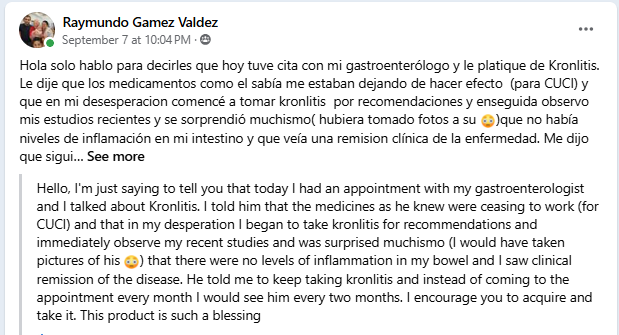
Many patients express anxiety about endoscopic procedures. Understanding sedation options and discussing concerns with your gastroenterologist beforehand eases apprehension. For those interested in herbal support during diagnostic procedures, timing complementary approaches appropriately ensures they don’t interfere with preparation requirements.
Advanced Imaging: CT, MRI, and Capsule Endoscopy
When endoscopy can’t reach affected areas, advanced imaging techniques fill critical diagnostic gaps. The small intestine, approximately 20 feet long, contains areas beyond standard endoscope reach. Modern imaging technologies visualize these regions without invasive procedures.
CT enterography combines computed tomography with oral contrast to visualize the small bowel wall. This technique highlights areas of wall thickening, strictures, and fistulas common complications of Crohn’s disease. CT provides detailed cross-sectional images quickly, making it valuable for acute situations where patients present with obstruction or abscess concerns.
MR enterography offers similar visualization without radiation exposure. Given that Crohn’s disease often affects younger patients who may require repeated imaging throughout their lives, MRI’s radiation-free approach makes it preferable for ongoing monitoring. MRI also provides superior soft tissue contrast, helping physicians assess disease activity and complications.
Capsule endoscopy involves swallowing a pill-sized camera that transmits thousands of images as it travels through the digestive tract. This technology excels at detecting subtle small bowel lesions missed by other modalities. However, capsule endoscopy carries a small risk of capsule retention in patients with strictures.
| Imaging Modality | Radiation Exposure | Best For | Duration |
|---|---|---|---|
| CT Enterography | Low-Moderate | Acute complications, strictures | 15-30 minutes |
| MR Enterography | None | Repeated monitoring, younger patients | 45-60 minutes |
| Capsule Endoscopy | None | Subtle small bowel lesions | 8 hours |
According to Crohnscolitisfoundation, significant racial and ethnic differences exist in IBD prevalence, with Whites having a rate 7 times higher than Blacks and 6 times higher than Hispanics which impacts how physicians approach differential diagnosis across diverse patient populations.
For patients seeking our approach to comprehensive digestive health, combining multiple imaging modalities often provides the most complete diagnostic picture, ensuring no affected areas go undetected.
How Long Does Crohn’s Disease Diagnosis Take?
The timeline from first symptoms to confirmed diagnosis varies significantly among patients. Understanding what influences this timeline helps set realistic expectations and identifies opportunities to accelerate the process.
Typically, patients experience symptoms for months before seeking medical attention. Once symptoms are reported, initial testing including blood work and fecal markers may take 1-2 weeks. Scheduling endoscopic procedures often adds another 2-4 weeks depending on availability. If initial testing suggests Crohn’s disease, additional imaging studies extend the timeline further.
Diagnostic delays disproportionately affect certain populations. Women, minorities, and patients with primarily extraintestinal symptoms often experience longer diagnostic intervals. Access to gastroenterology specialists significantly impacts timeline, with rural patients facing longer wait times for appointments and procedures.
Consequences of delayed diagnosis include progressive intestinal damage, nutritional deficiencies, and development of complications like strictures and fistulas. Research clearly demonstrates that earlier intervention correlates with better outcomes, making timely diagnosis a priority.
Patients who receive confirmed Crohn’s disease diagnosis within 12 months of symptom onset show significantly reduced rates of bowel resection surgery compared to those with diagnostic delays exceeding two years.
Guidelines from Gi suggest that for moderate-to-severe Crohn’s disease, early intervention with advanced therapies may be superior to step-up approaches, emphasizing why reducing diagnostic delays directly impacts treatment success.
Patients can accelerate diagnosis by keeping detailed symptom journals, requesting referrals to gastroenterologists rather than waiting for primary care workups to conclude, and following through promptly with scheduled testing. For those ready to explore integrative IBD solutions, having a confirmed diagnosis enables targeted complementary approaches.
What Happens After a Crohn’s Diagnosis: Treatment Pathways
Receiving a confirmed Crohn’s disease diagnosis marks the beginning of a new chapter rather than an endpoint. Modern treatment approaches have evolved significantly, offering patients more options than ever before. Understanding treatment philosophies helps you participate meaningfully in decisions about your care.
Traditional treatment followed a step-up approach, beginning with milder medications and escalating to stronger therapies only if symptoms persisted. In 2026, many gastroenterologists favor early intensive treatment for moderate-to-severe disease, aiming to achieve deep remission before significant damage occurs. This approach recognizes that inflammation causes cumulative harm, making early control crucial.
Treatment categories available to Crohn’s disease patients include pharmaceutical interventions, nutritional therapy, and complementary approaches:
- Aminosalicylates (5-ASAs) Anti-inflammatory medications used primarily for mild disease, delivered orally or rectally
- Corticosteroids Powerful anti-inflammatories used short-term for flares, not suitable for long-term maintenance
- Immunomodulators Medications that modify immune system activity, including azathioprine and methotrexate
- Biologic therapies Targeted proteins that block specific inflammatory pathways, administered by infusion or injection
- Small molecule medications Oral medications targeting specific inflammatory mechanisms
- Natural complementary options Herbal preparations and lifestyle modifications that support conventional treatment
Combining approaches often yields optimal results. Patients investigating natural herbal options for Crohn’s management find that complementary approaches can reduce inflammation and improve quality of life when integrated thoughtfully with conventional care.
Key Takeaways: Navigating Your Crohn’s Diagnosis Journey
Understanding the diagnostic process empowers you to advocate effectively for timely, accurate evaluation. The journey from first symptoms to confirmed diagnosis involves multiple steps, each providing essential information for your medical team.
Patients who actively track their symptoms and communicate clearly with healthcare providers typically receive confirmed diagnoses 30% faster than those who passively undergo testing without engagement.
- Document everything Keep detailed records of symptoms, their frequency, triggers, and impact on daily life to share with your medical team
- Request appropriate referrals Ask for gastroenterology referral promptly when inflammatory symptoms persist beyond two weeks
- Understand test purposes Knowing why each test matters helps you prioritize completion and follow-through
- Advocate for comprehensive evaluation Ensure both endoscopic and imaging studies evaluate all potentially affected areas
- Explore all treatment options Discuss both conventional and complementary approaches with your healthcare providers
The path forward becomes clearer when you read stories from others who’ve navigated diagnosis, learning from their experiences and discovering what approaches resonated with patients facing similar challenges.
FAQ: Common Questions About Crohn’s Disease Diagnosis
Can Crohn’s disease be diagnosed with a blood test alone?
No blood tests alone cannot diagnose Crohn’s disease. Blood work provides important supporting information by revealing elevated inflammatory markers like CRP and ESR, anemia from chronic bleeding, and antibody patterns. However, blood tests lack the specificity to confirm Crohn’s disease because many conditions cause similar abnormalities. Endoscopic evaluation with biopsy remains essential for definitive diagnosis, as visual confirmation of characteristic lesions and microscopic examination of tissue samples provide the evidence needed for accurate diagnosis.
How accurate is colonoscopy for detecting Crohn’s disease?
Highly accurate colonoscopy with biopsy detects Crohn’s disease in approximately 90% of cases where the colon or terminal ileum are affected. The procedure allows direct visualization of characteristic skip lesions and patchy inflammation, while biopsies can reveal granulomas that confirm the diagnosis. However, colonoscopy cannot reach the majority of the small intestine, so patients with exclusively small bowel disease may require additional imaging studies like CT or MR enterography, or capsule endoscopy, for complete evaluation.
Can you have Crohn’s disease with normal blood tests?
Yes approximately 15-20% of patients with confirmed Crohn’s disease have normal inflammatory markers during certain phases of their disease. Blood tests measure systemic inflammation, and some patients have localized disease that doesn’t significantly elevate circulating markers. Additionally, inflammatory markers fluctuate based on disease activity. Normal blood work doesn’t rule out Crohn’s disease when symptoms strongly suggest inflammatory bowel disease, making endoscopic evaluation important regardless of blood test results.
What’s the difference between Crohn’s disease and ulcerative colitis diagnosis?
Location and pattern Crohn’s disease can affect any part of the digestive tract from mouth to anus with skip lesions, while ulcerative colitis affects only the colon in continuous fashion. Endoscopy reveals different patterns: Crohn’s shows patchy inflammation with normal tissue interspersed, while ulcerative colitis shows continuous inflammation starting from the rectum. Biopsy findings differ too: granulomas appear in Crohn’s but not ulcerative colitis. Antibody tests also help distinguish: ASCA suggests Crohn’s while pANCA suggests ulcerative colitis.
How early can Crohn’s disease be diagnosed in children?
Any age Crohn’s disease can be diagnosed in children of any age, including infants, though diagnosis most commonly occurs between ages 10-20. Pediatric diagnosis presents unique challenges because children may not articulate symptoms clearly, and inflammatory bowel disease can present with growth failure as the primary symptom rather than typical digestive complaints. The diagnostic process for children mirrors adult evaluation but requires pediatric gastroenterology expertise and considers growth and developmental impacts when planning treatment.
Will I need repeated testing after diagnosis?
Yes periodic reassessment typically includes blood tests every few months to monitor inflammatory markers and medication effects. Colonoscopy is usually repeated within the first year after diagnosis to assess treatment effectiveness, then at intervals determined by your gastroenterologist based on disease activity and treatment approach. Imaging studies may be repeated to evaluate for complications or disease progression. Monitoring ensures treatments remain effective and catches complications early when intervention is most successful.
For comprehensive answers to additional concerns, explore our complete IBD FAQ resource covering everything from dietary management to treatment options.
@keyframes hoox-lf-in-hoox-f-f5b6d9e3-2e2c-406d-96f1-4c42dd-bottom {
from { opacity: 0; transform: translateY(8px); }
to { opacity: 1; transform: translateY(0); }
}
#hoox-f-f5b6d9e3-2e2c-406d-96f1-4c42dd-bottom {
width: 100%;
max-width: 100%;
box-sizing: border-box;
display: flex;
flex-direction: column;
gap: 20px;
margin: 48px 0;
padding: 32px 28px;
border-radius: 16px;
background: #ffffff;
color: #111111;
font-family: inherit;
border: 1px solid #E2E8F0;
animation: hoox-lf-in-hoox-f-f5b6d9e3-2e2c-406d-96f1-4c42dd-bottom 0.3s cubic-bezier(0.16, 1, 0.3, 1);
direction: inherit;
}
#hoox-f-f5b6d9e3-2e2c-406d-96f1-4c42dd-bottom .hoox-form-header {
display: flex;
flex-direction: column;
gap: 8px;
text-align: center;
}
#hoox-f-f5b6d9e3-2e2c-406d-96f1-4c42dd-bottom .hoox-form-header h2 {
margin: 0;
font-size: 1.5em;
font-weight: 700;
line-height: 1.3;
color: #111111;
border: none;
padding: 0;
}
#hoox-f-f5b6d9e3-2e2c-406d-96f1-4c42dd-bottom .hoox-form-header p {
margin: 0;
font-size: 1em;
line-height: 1.6;
color: #64748B;
}
#hoox-f-f5b6d9e3-2e2c-406d-96f1-4c42dd-bottom form[data-hx-form] {
margin: 0;
display: flex;
flex-direction: column;
gap: 14px;
}
#hoox-f-f5b6d9e3-2e2c-406d-96f1-4c42dd-bottom .hoox-field-wrap {
position: relative;
width: 100%;
box-sizing: border-box;
}
#hoox-f-f5b6d9e3-2e2c-406d-96f1-4c42dd-bottom .hoox-field-wrap input {
width: 100%;
box-sizing: border-box;
height: 44px;
padding-inline-start: 42px;
padding-inline-end: 14px;
border: 1px solid #E2E8F0;
border-radius: 10px;
font-size: 14px;
color: #111111;
font-family: inherit;
background-color: #F8FAFC;
transition: border-color 0.15s ease, box-shadow 0.15s ease, background-color 0.15s ease;
outline: none;
direction: inherit;
text-align: start;
}
#hoox-f-f5b6d9e3-2e2c-406d-96f1-4c42dd-bottom .hoox-field-wrap input::placeholder {
color: #94A3B8;
opacity: 1;
}
#hoox-f-f5b6d9e3-2e2c-406d-96f1-4c42dd-bottom .hoox-field-wrap input:focus {
background-color: #FFFFFF;
border-color: #0077B6,#00B4D8,#90E0EF;
box-shadow: 0 0 0 3px rgba(15, 23, 42, 0.08);
}
#hoox-f-f5b6d9e3-2e2c-406d-96f1-4c42dd-bottom .hoox-field-icon {
position: absolute;
top: 0;
bottom: 0;
inset-inline-start: 0;
width: 42px;
display: flex;
align-items: center;
justify-content: center;
pointer-events: none;
color: #94A3B8;
transition: color 0.15s ease;
}
#hoox-f-f5b6d9e3-2e2c-406d-96f1-4c42dd-bottom .hoox-field-wrap:focus-within .hoox-field-icon {
color: #0077B6,#00B4D8,#90E0EF;
}
#hoox-f-f5b6d9e3-2e2c-406d-96f1-4c42dd-bottom button[type=”submit”] {
width: 100%;
height: 44px;
margin-top: 4px;
border: none;
border-radius: 10px;
background: #0077B6,#00B4D8,#90E0EF;
color: #FFFFFF;
font-size: 14px;
font-weight: 600;
cursor: pointer;
transition: opacity 0.15s ease, transform 0.15s ease, box-shadow 0.15s ease;
box-shadow: 0 1px 2px 0 rgba(0, 0, 0, 0.05);
}
#hoox-f-f5b6d9e3-2e2c-406d-96f1-4c42dd-bottom button[type=”submit”]:hover {
opacity: 0.94;
}
#hoox-f-f5b6d9e3-2e2c-406d-96f1-4c42dd-bottom button[type=”submit”]:active {
transform: scale(0.99);
}
#hoox-f-f5b6d9e3-2e2c-406d-96f1-4c42dd-bottom button[type=”submit”]:disabled {
opacity: 0.6;
cursor: not-allowed;
}
#hoox-f-f5b6d9e3-2e2c-406d-96f1-4c42dd-bottom .hoox-disclaimer {
margin: 0;
text-align: center;
font-size: 12px;
line-height: 1.5;
color: #94A3B8;
}
#hoox-f-f5b6d9e3-2e2c-406d-96f1-4c42dd-bottom .hoox-disclaimer a {
color: inherit;
text-decoration: underline;
text-underline-offset: 2px;
}
#hoox-f-f5b6d9e3-2e2c-406d-96f1-4c42dd-bottom .hoox-disclaimer a:hover {
text-decoration: none;
}
#hoox-f-f5b6d9e3-2e2c-406d-96f1-4c42dd-bottom .hoox-success {
display: none;
flex-direction: column;
align-items: center;
gap: 14px;
padding: 12px 0;
position: relative;
}
#hoox-f-f5b6d9e3-2e2c-406d-96f1-4c42dd-bottom .hoox-confetti {
position: absolute;
inset: 0;
overflow: visible;
pointer-events: none;
}
#hoox-f-f5b6d9e3-2e2c-406d-96f1-4c42dd-bottom .hoox-confetti span {
position: absolute;
top: 50%;
left: 50%;
width: 7px;
height: 11px;
background: var(–hoox-c);
border-radius: 2px;
opacity: 0;
animation: hoox-confetti-burst 0.9s ease-out forwards;
animation-delay: var(–hoox-d, 0s);
}
@keyframes hoox-confetti-burst {
0% { opacity: 1; transform: translate(-50%, -50%) rotate(0deg) scale(1); }
100% { opacity: 0; transform: translate(calc(-50% + var(–hoox-tx)), calc(-50% + var(–hoox-ty))) rotate(var(–hoox-rz)) scale(0.5); }
}
#hoox-f-f5b6d9e3-2e2c-406d-96f1-4c42dd-bottom .hoox-success-icon {
width: 52px;
height: 52px;
border-radius: 50%;
background: #ECFDF5;
display: flex;
align-items: center;
justify-content: center;
font-size: 26px;
line-height: 1;
animation: hoox-success-pop 0.4s cubic-bezier(0.34, 1.56, 0.64, 1);
}
@keyframes hoox-success-pop {
from { opacity: 0; transform: scale(0.5); }
to { opacity: 1; transform: scale(1); }
}
#hoox-f-f5b6d9e3-2e2c-406d-96f1-4c42dd-bottom .hoox-success-text {
margin: 0;
text-align: center;
font-size: 15px;
font-weight: 600;
line-height: 1.5;
color: #111111;
}
#hoox-f-f5b6d9e3-2e2c-406d-96f1-4c42dd-bottom .hoox-disabled-state {
display: none;
flex-direction: column;
align-items: center;
gap: 14px;
padding: 12px 0;
text-align: center;
}
#hoox-f-f5b6d9e3-2e2c-406d-96f1-4c42dd-bottom .hoox-disabled-icon {
width: 52px;
height: 52px;
border-radius: 50%;
background: #F1F5F9;
display: flex;
align-items: center;
justify-content: center;
color: #64748B;
}
#hoox-f-f5b6d9e3-2e2c-406d-96f1-4c42dd-bottom .hoox-disabled-text {
margin: 0;
font-size: 14px;
line-height: 1.6;
color: #64748B;
}
#hoox-f-f5b6d9e3-2e2c-406d-96f1-4c42dd-bottom .hoox-disabled-text a {
color: inherit;
font-weight: 600;
text-decoration: underline;
text-underline-offset: 2px;
}
#hoox-f-f5b6d9e3-2e2c-406d-96f1-4c42dd-bottom .hoox-disabled-text a:hover {
text-decoration: none;
}
See What This Could Look Like For You
Takes 30 seconds
Thanks! We’ll be in touch.