Crohn’s Disease Dietitian: Evidence-Based Nutritional Strategies
A specialized Crohn’s disease dietitian addresses the critical intersection of chronic inflammation, malnutrition, and digestive function. With malnutrition affecting the majority of IBD patients and dietary interventions now proving clinical efficacy in inducing remission, the role of nutrition professionals has evolved from supportive care to primary therapeutic intervention. This guide explores how expert dietary management complements natural anti-inflammatory protocols to restore quality of life for those navigating Crohn’s disease in 2026.
Quick Answer: Why Crohn’s Disease Requires Specialized Dietitian Support
Working with a qualified Crohn’s disease dietitian transforms symptom management from guesswork into precision care. These specialists understand that inflammatory bowel disease creates unique nutritional demands that general practitioners simply cannot address. They translate complex clinical nutrition science into actionable meal plans tailored to your specific disease location, severity, and surgical history.
According to Nih, malnutrition remains highly prevalent among IBD patients, creating a cascade of complications including delayed wound healing, reduced immune function, and diminished response to medical therapy. The statistics are concerning: patients frequently present with multiple nutrient deficiencies before diagnosis, and the problem often worsens without targeted intervention.
@keyframes hoox-lf-in-hoox-f-f64fc4a1-5e6d-4d1b-afb7-08a219-top {
from { opacity: 0; transform: translateY(8px); }
to { opacity: 1; transform: translateY(0); }
}
#hoox-f-f64fc4a1-5e6d-4d1b-afb7-08a219-top {
width: 100%;
max-width: 100%;
box-sizing: border-box;
display: flex;
flex-direction: column;
gap: 20px;
margin: 48px 0;
padding: 32px 28px;
border-radius: 16px;
background: #ffffff;
color: #111111;
font-family: inherit;
border: 1px solid #E2E8F0;
animation: hoox-lf-in-hoox-f-f64fc4a1-5e6d-4d1b-afb7-08a219-top 0.3s cubic-bezier(0.16, 1, 0.3, 1);
direction: inherit;
}
#hoox-f-f64fc4a1-5e6d-4d1b-afb7-08a219-top .hoox-form-header {
display: flex;
flex-direction: column;
gap: 8px;
text-align: center;
}
#hoox-f-f64fc4a1-5e6d-4d1b-afb7-08a219-top .hoox-form-header h2 {
margin: 0;
font-size: 1.5em;
font-weight: 700;
line-height: 1.3;
color: #111111;
border: none;
padding: 0;
}
#hoox-f-f64fc4a1-5e6d-4d1b-afb7-08a219-top .hoox-form-header p {
margin: 0;
font-size: 1em;
line-height: 1.6;
color: #64748B;
}
#hoox-f-f64fc4a1-5e6d-4d1b-afb7-08a219-top form[data-hx-form] {
margin: 0;
display: flex;
flex-direction: column;
gap: 14px;
}
#hoox-f-f64fc4a1-5e6d-4d1b-afb7-08a219-top .hoox-field-wrap {
position: relative;
width: 100%;
box-sizing: border-box;
}
#hoox-f-f64fc4a1-5e6d-4d1b-afb7-08a219-top .hoox-field-wrap input {
width: 100%;
box-sizing: border-box;
height: 44px;
padding-inline-start: 42px;
padding-inline-end: 14px;
border: 1px solid #E2E8F0;
border-radius: 10px;
font-size: 14px;
color: #111111;
font-family: inherit;
background-color: #F8FAFC;
transition: border-color 0.15s ease, box-shadow 0.15s ease, background-color 0.15s ease;
outline: none;
direction: inherit;
text-align: start;
}
#hoox-f-f64fc4a1-5e6d-4d1b-afb7-08a219-top .hoox-field-wrap input::placeholder {
color: #94A3B8;
opacity: 1;
}
#hoox-f-f64fc4a1-5e6d-4d1b-afb7-08a219-top .hoox-field-wrap input:focus {
background-color: #FFFFFF;
border-color: #0077B6,#00B4D8,#90E0EF;
box-shadow: 0 0 0 3px rgba(15, 23, 42, 0.08);
}
#hoox-f-f64fc4a1-5e6d-4d1b-afb7-08a219-top .hoox-field-icon {
position: absolute;
top: 0;
bottom: 0;
inset-inline-start: 0;
width: 42px;
display: flex;
align-items: center;
justify-content: center;
pointer-events: none;
color: #94A3B8;
transition: color 0.15s ease;
}
#hoox-f-f64fc4a1-5e6d-4d1b-afb7-08a219-top .hoox-field-wrap:focus-within .hoox-field-icon {
color: #0077B6,#00B4D8,#90E0EF;
}
#hoox-f-f64fc4a1-5e6d-4d1b-afb7-08a219-top button[type=”submit”] {
width: 100%;
height: 44px;
margin-top: 4px;
border: none;
border-radius: 10px;
background: #0077B6,#00B4D8,#90E0EF;
color: #FFFFFF;
font-size: 14px;
font-weight: 600;
cursor: pointer;
transition: opacity 0.15s ease, transform 0.15s ease, box-shadow 0.15s ease;
box-shadow: 0 1px 2px 0 rgba(0, 0, 0, 0.05);
}
#hoox-f-f64fc4a1-5e6d-4d1b-afb7-08a219-top button[type=”submit”]:hover {
opacity: 0.94;
}
#hoox-f-f64fc4a1-5e6d-4d1b-afb7-08a219-top button[type=”submit”]:active {
transform: scale(0.99);
}
#hoox-f-f64fc4a1-5e6d-4d1b-afb7-08a219-top button[type=”submit”]:disabled {
opacity: 0.6;
cursor: not-allowed;
}
#hoox-f-f64fc4a1-5e6d-4d1b-afb7-08a219-top .hoox-disclaimer {
margin: 0;
text-align: center;
font-size: 12px;
line-height: 1.5;
color: #94A3B8;
}
#hoox-f-f64fc4a1-5e6d-4d1b-afb7-08a219-top .hoox-disclaimer a {
color: inherit;
text-decoration: underline;
text-underline-offset: 2px;
}
#hoox-f-f64fc4a1-5e6d-4d1b-afb7-08a219-top .hoox-disclaimer a:hover {
text-decoration: none;
}
#hoox-f-f64fc4a1-5e6d-4d1b-afb7-08a219-top .hoox-success {
display: none;
flex-direction: column;
align-items: center;
gap: 14px;
padding: 12px 0;
position: relative;
}
#hoox-f-f64fc4a1-5e6d-4d1b-afb7-08a219-top .hoox-confetti {
position: absolute;
inset: 0;
overflow: visible;
pointer-events: none;
}
#hoox-f-f64fc4a1-5e6d-4d1b-afb7-08a219-top .hoox-confetti span {
position: absolute;
top: 50%;
left: 50%;
width: 7px;
height: 11px;
background: var(–hoox-c);
border-radius: 2px;
opacity: 0;
animation: hoox-confetti-burst 0.9s ease-out forwards;
animation-delay: var(–hoox-d, 0s);
}
@keyframes hoox-confetti-burst {
0% { opacity: 1; transform: translate(-50%, -50%) rotate(0deg) scale(1); }
100% { opacity: 0; transform: translate(calc(-50% + var(–hoox-tx)), calc(-50% + var(–hoox-ty))) rotate(var(–hoox-rz)) scale(0.5); }
}
#hoox-f-f64fc4a1-5e6d-4d1b-afb7-08a219-top .hoox-success-icon {
width: 52px;
height: 52px;
border-radius: 50%;
background: #ECFDF5;
display: flex;
align-items: center;
justify-content: center;
font-size: 26px;
line-height: 1;
animation: hoox-success-pop 0.4s cubic-bezier(0.34, 1.56, 0.64, 1);
}
@keyframes hoox-success-pop {
from { opacity: 0; transform: scale(0.5); }
to { opacity: 1; transform: scale(1); }
}
#hoox-f-f64fc4a1-5e6d-4d1b-afb7-08a219-top .hoox-success-text {
margin: 0;
text-align: center;
font-size: 15px;
font-weight: 600;
line-height: 1.5;
color: #111111;
}
#hoox-f-f64fc4a1-5e6d-4d1b-afb7-08a219-top .hoox-disabled-state {
display: none;
flex-direction: column;
align-items: center;
gap: 14px;
padding: 12px 0;
text-align: center;
}
#hoox-f-f64fc4a1-5e6d-4d1b-afb7-08a219-top .hoox-disabled-icon {
width: 52px;
height: 52px;
border-radius: 50%;
background: #F1F5F9;
display: flex;
align-items: center;
justify-content: center;
color: #64748B;
}
#hoox-f-f64fc4a1-5e6d-4d1b-afb7-08a219-top .hoox-disabled-text {
margin: 0;
font-size: 14px;
line-height: 1.6;
color: #64748B;
}
#hoox-f-f64fc4a1-5e6d-4d1b-afb7-08a219-top .hoox-disabled-text a {
color: inherit;
font-weight: 600;
text-decoration: underline;
text-underline-offset: 2px;
}
#hoox-f-f64fc4a1-5e6d-4d1b-afb7-08a219-top .hoox-disabled-text a:hover {
text-decoration: none;
}
See What This Could Look Like For You
Takes 30 seconds
Thanks! We’ll be in touch.

Professional IBD nutritionists bring specialized training that goes far beyond basic dietary advice. They monitor drug-nutrient interactions, adjust protocols during flare-ups versus remission phases, and coordinate with your gastroenterology team. This integrated approach addresses common questions about IBD nutrition that patients often struggle to find answered elsewhere.
- Comprehensive nutritional assessment including anthropometric measurements and laboratory analysis
- Identification and correction of vitamin and mineral deficiencies specific to IBD
- Personalized meal planning that accounts for individual trigger foods and tolerances
- Coordination with medical team to optimize timing of meals with medication schedules
The Clinical Evidence: How Nutritional Therapy Induces Remission [2026 Data]
The landscape of Crohn’s nutrition therapy has shifted dramatically. What was once considered supportive care now stands as primary treatment. The Crohn’s Disease Exclusion Diet (CDED) and exclusive enteral nutrition (EEN) have accumulated substantial clinical evidence demonstrating their ability to induce remission without relying solely on immunosuppressive medications.
Research continues to validate these approaches. According to Mdpi, nutritional therapies such as the Crohn’s Disease Exclusion Diet (CDED) and exclusive or partial enteral nutrition show genuine effectiveness in inducing and maintaining remission. The mechanisms involve reducing dietary components that fuel Dysbiosis, decreasing antigenic load, and supporting mucosal healing through targeted nutrient delivery.

Anti-inflammatory dietary protocols work by addressing the root drivers of intestinal inflammation. By removing specific food components that trigger immune activation and introducing nutrients that support barrier function, these interventions target the underlying pathophysiology rather than simply masking symptoms. Combined with approaches like natural approaches to digestive health, patients have more options than ever.
| Intervention Type | Target Population | Primary Mechanism | Typical Duration |
|---|---|---|---|
| Exclusive Enteral Nutrition (EEN) | Pediatric and adult active disease | Bowel rest, mucosal healing | 6-8 weeks |
| Crohn’s Disease Exclusion Diet (CDED) | Mild to moderate active Crohn’s | Microbiome modulation, reduced inflammation | 12 weeks phased approach |
| Partial Enteral Nutrition (PEN) | Maintenance after induction | Nutritional support, reduced antigenic load | Ongoing with food reintroduction |
| Specific Carbohydrate Diet (SCD) | Adjunctive therapy | Reduced fermentable substrates | Minimum 12 months |
Addressing Malnutrition: The Silent Crisis in Crohn’s Management
Malnutrition in Crohn’s disease operates as a silent saboteur. While patients focus on obvious symptoms like pain and diarrhea, nutrient deficiencies quietly undermine their energy, immune resilience, and capacity for tissue repair. The inflammatory process itself increases metabolic demands while simultaneously impairing absorption a double burden that many patients never recognize.
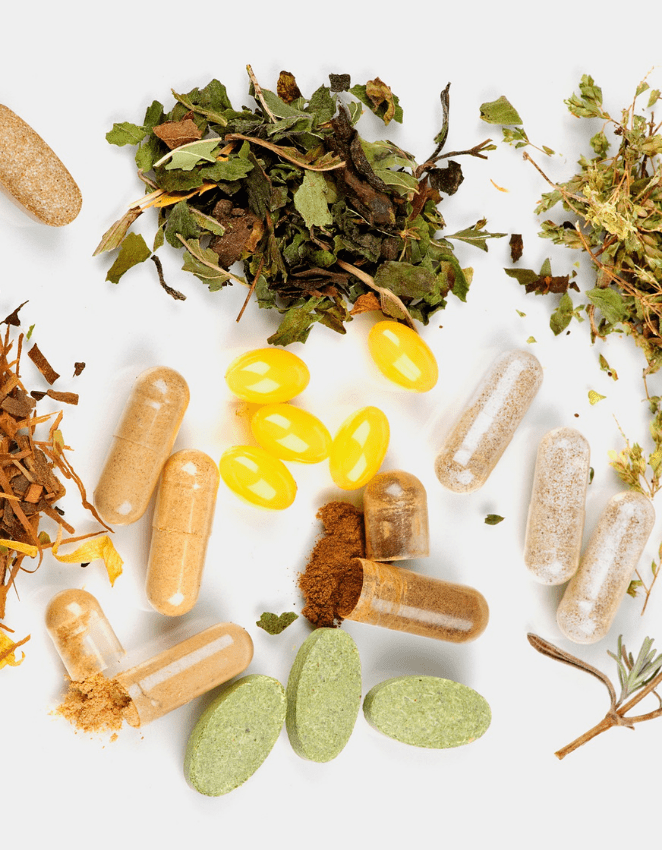
Disease location fundamentally shapes which deficiencies develop. Ileal involvement disrupts vitamin B12 absorption and bile acid recycling. Extensive small bowel disease compromises fat-soluble vitamin uptake. Chronic blood loss depletes iron stores. Each patient presents a unique deficiency profile that requires individualized correction.
- Iron Critical for oxygen transport and energy; depleted through chronic intestinal bleeding
- Vitamin B12 Essential for nerve function and blood cell formation; impaired by terminal ileum disease
- Vitamin D Regulates immune function and bone health; commonly deficient even with supplementation
- Zinc Supports wound healing and immune response; lost through diarrhea
- Folate Vital for cell turnover; often depleted by sulfasalazine therapy
- Magnesium Enables hundreds of enzymatic reactions; poorly absorbed in active disease
How to Work With a Crohn’s Disease Dietitian: Your Step-by-Step Protocol
Engaging a digestive health specialist follows a systematic pathway designed to uncover your unique nutritional needs. The process begins long before any meal plan takes shape it starts with comprehensive data gathering that paints a complete picture of your digestive capacity, current symptoms, and treatment goals.
Your initial consultation typically spans 60-90 minutes, allowing time for thorough history-taking. The dietitian reviews your medical records, surgical history, current medications, and recent lab work. They conduct a detailed diet history, examining not just what you eat but how different foods affect your symptoms. This foundation informs every subsequent recommendation.
- Complete a 7-day food and symptom diary before your first appointment
- Undergo comprehensive nutritional assessment including body composition analysis
- Review current medications and identify potential drug-nutrient interactions
- Establish baseline laboratory values for key nutrients (iron panel, B12, vitamin D, zinc)
- Develop personalized meal plan with specific portion sizes and timing recommendations
- Implement symptom tracking system to identify individual trigger patterns
- Schedule follow-up appointments every 2-4 weeks initially for protocol refinement
- Adjust dietary approach based on symptom response and laboratory improvements
Hearing real patient experiences with dietary management helps many individuals understand what realistic progress looks like. The journey rarely follows a straight line adjustments are expected and necessary as your disease activity shifts.
Integrating Natural Anti-Inflammatory Support With Dietitian Guidance
Modern Crohn’s management increasingly embraces integrative approaches. Nutritional therapy provides the foundation for mucosal healing and symptom control, while targeted natural interventions address the inflammatory cascade through complementary mechanisms. This synergy can accelerate progress toward remission when properly coordinated.
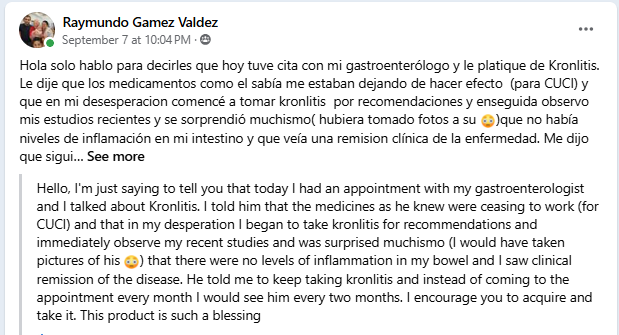
The Kronlitis herbal supplement exemplifies this integrative potential. Formulated with four traditional Chinese medicine herbs, it targets inflammatory pathways including TNF-α blocking mechanisms. This approach works alongside dietary interventions not as a replacement to help calm the inflammatory response while nutritional therapy supports healing from within.
Communication between your dietitian and any integrative care providers ensures coordinated treatment. Share all supplements you take with your nutrition professional. Some supplements interact with medications or affect nutrient absorption. Your dietitian can help time supplement intake appropriately within your meal plan, maximizing benefit while avoiding potential conflicts.
Beyond Elimination: What Modern Crohn’s Dietitians Actually Prescribe
The outdated model of IBD dietary management focused almost exclusively on what to remove. Patients received long lists of forbidden foods, leaving them frustrated and nutritionally compromised. Contemporary practice takes a fundamentally different approach emphasizing strategic inclusion that supports healing and microbiome restoration while minimizing trigger exposure.
Today’s IBD dietary management prioritizes expanding dietary variety as tolerated. This approach recognizes that overly restrictive diets create their own complications: reduced quality of life, social isolation, and progressive food fear. The goal is eating the widest possible diet that your individual tolerance allows, not the most restricted version that avoids all potential triggers.
Therapeutic food categories form the backbone of contemporary prescriptions. These aren’t random recommendations they’re strategically chosen for their documented anti-inflammatory properties, prebiotic effects, or tissue-supporting nutrients. Working with comprehensive IBD solutions means understanding which foods actively support your healing process.
- Fermented foods Support microbiome diversity through natural probiotic content
- Omega-3 rich sources Cold-water fish and seeds provide anti-inflammatory fatty acids
- Prebiotic vegetables Feed beneficial bacteria when tolerated (garlic, onions, leeks)
- Bone broth Provides easily absorbed amino acids for gut barrier repair
- Ginger and turmeric Contain compounds with documented anti-inflammatory properties
When Conventional Medications Fail: The Dietary Intervention Alternative
Many patients arrive at dietary interventions after exhausting medication options. Steroids failed to maintain remission. Biologics lost effectiveness. Immunomodulators caused intolerable side effects. This population often feels defeated understandably skeptical that anything will help after years of disappointment.
The reality offers genuine hope. Nutritional therapy succeeds precisely because it addresses different aspects of disease pathology than conventional medications. While drugs target the immune system’s inflammatory response, dietary interventions modify the luminal environment, reduce antigenic exposure, and directly support mucosal healing. For treatment-resistant cases, this alternative mechanism of action can make the difference.
Understanding our journey helping IBD patients reveals that many success stories come from those who had nearly given up. Patients who felt imprisoned in their own bathrooms, bleeding and in pain, found that combining targeted nutritional therapy with natural anti-inflammatory support finally broke the cycle. Their despair transformed into functioning lives not through magic, but through systematic, evidence-based intervention.
Key Takeaways: Maximizing Your Crohn’s Disease Dietitian Partnership
Success with nutritional therapy depends on consistent execution and open communication. Your dietitian cannot help adjust protocols they don’t know aren’t working. Documenting symptoms honestly even when you’ve deviated from recommendations enables meaningful refinement rather than frustrated guessing.
Realistic timelines matter. Nutritional interventions don’t work overnight. Initial improvements in energy and some symptoms often emerge within 2-4 weeks. More substantial changes in inflammatory markers and deeper symptom improvement typically require 8-12 weeks of consistent implementation. Patience paired with persistent execution yields results.
- Maintain detailed food and symptom logs to identify patterns and triggers
- Communicate openly about medication changes, supplements, and symptom shifts
- Follow up consistently adjustments are normal and necessary for optimization
- Combine dietary work with stress management and adequate sleep for synergistic benefit
- Start slowly when implementing changes gradual adoption improves long-term adherence
Ready to take the next step? start your natural remission journey with guidance that addresses your complete picture.
FAQ: Crohn’s Disease Dietitian Questions Answered
Does insurance cover appointments with a Crohn’s disease dietitian?
Yes, most plans cover medical nutrition therapy for IBD. Coverage typically includes 3-6 visits annually when referred by your gastroenterologist. Medicare Part B covers nutritional counseling for certain chronic conditions, and most private insurers follow similar guidelines. Always verify your specific plan details, as coverage varies by state and policy type.
How do I verify a dietitian’s credentials for IBD specialization?
Look for Registered Dietitian (RD) or RDN credentials. These indicate completion of accredited education, supervised practice, and ongoing continuing education. Ask specifically about IBD experience how many Crohn’s patients they’ve worked with, familiarity with CDED and EEN protocols, and whether they coordinate with gastroenterology practices. Board certification in specialized areas signals additional expertise.
Can I work with a Crohn’s dietitian through telemedicine?
Yes, telemedicine options have expanded significantly since 2024. Many digestive health specialists now offer comprehensive virtual consultations, with research showing comparable outcomes to in-person visits for nutritional counseling. This accessibility particularly benefits patients in rural areas or those whose symptoms make travel difficult. State licensing laws still apply, so confirm the dietitian holds credentials in your state.
How much does specialized IBD nutritional counseling cost?
Costs range from $100-250 per session without insurance. Initial comprehensive consultations typically cost more than follow-ups due to time intensity. Many dietitians offer package pricing for ongoing support. Insurance coverage dramatically reduces out-of-pocket expense many patients pay only copays of $20-40 per visit when coverage applies.
What results can I realistically expect from working with an IBD nutritionist?
Most patients report symptom improvement within 2-4 weeks. Significant changes in laboratory markers typically require 8-12 weeks of consistent implementation. Success rates increase dramatically with adherence studies show remission rates of 70-80% for strictly followed protocols like CDED. Combined approaches integrating natural anti-inflammatory support may accelerate and deepen results for some patients.
Should I keep taking supplements my doctor prescribed while working with a dietitian?
Yes, never discontinue prescribed supplements without medical guidance. Your dietitian needs complete information about all supplements to coordinate timing and identify potential interactions. Many supplements require specific timing relative to meals for optimal absorption. Your dietitian enhances not replaces your medical team’s recommendations through coordinated care.
@keyframes hoox-lf-in-hoox-f-f64fc4a1-5e6d-4d1b-afb7-08a219-bottom {
from { opacity: 0; transform: translateY(8px); }
to { opacity: 1; transform: translateY(0); }
}
#hoox-f-f64fc4a1-5e6d-4d1b-afb7-08a219-bottom {
width: 100%;
max-width: 100%;
box-sizing: border-box;
display: flex;
flex-direction: column;
gap: 20px;
margin: 48px 0;
padding: 32px 28px;
border-radius: 16px;
background: #ffffff;
color: #111111;
font-family: inherit;
border: 1px solid #E2E8F0;
animation: hoox-lf-in-hoox-f-f64fc4a1-5e6d-4d1b-afb7-08a219-bottom 0.3s cubic-bezier(0.16, 1, 0.3, 1);
direction: inherit;
}
#hoox-f-f64fc4a1-5e6d-4d1b-afb7-08a219-bottom .hoox-form-header {
display: flex;
flex-direction: column;
gap: 8px;
text-align: center;
}
#hoox-f-f64fc4a1-5e6d-4d1b-afb7-08a219-bottom .hoox-form-header h2 {
margin: 0;
font-size: 1.5em;
font-weight: 700;
line-height: 1.3;
color: #111111;
border: none;
padding: 0;
}
#hoox-f-f64fc4a1-5e6d-4d1b-afb7-08a219-bottom .hoox-form-header p {
margin: 0;
font-size: 1em;
line-height: 1.6;
color: #64748B;
}
#hoox-f-f64fc4a1-5e6d-4d1b-afb7-08a219-bottom form[data-hx-form] {
margin: 0;
display: flex;
flex-direction: column;
gap: 14px;
}
#hoox-f-f64fc4a1-5e6d-4d1b-afb7-08a219-bottom .hoox-field-wrap {
position: relative;
width: 100%;
box-sizing: border-box;
}
#hoox-f-f64fc4a1-5e6d-4d1b-afb7-08a219-bottom .hoox-field-wrap input {
width: 100%;
box-sizing: border-box;
height: 44px;
padding-inline-start: 42px;
padding-inline-end: 14px;
border: 1px solid #E2E8F0;
border-radius: 10px;
font-size: 14px;
color: #111111;
font-family: inherit;
background-color: #F8FAFC;
transition: border-color 0.15s ease, box-shadow 0.15s ease, background-color 0.15s ease;
outline: none;
direction: inherit;
text-align: start;
}
#hoox-f-f64fc4a1-5e6d-4d1b-afb7-08a219-bottom .hoox-field-wrap input::placeholder {
color: #94A3B8;
opacity: 1;
}
#hoox-f-f64fc4a1-5e6d-4d1b-afb7-08a219-bottom .hoox-field-wrap input:focus {
background-color: #FFFFFF;
border-color: #0077B6,#00B4D8,#90E0EF;
box-shadow: 0 0 0 3px rgba(15, 23, 42, 0.08);
}
#hoox-f-f64fc4a1-5e6d-4d1b-afb7-08a219-bottom .hoox-field-icon {
position: absolute;
top: 0;
bottom: 0;
inset-inline-start: 0;
width: 42px;
display: flex;
align-items: center;
justify-content: center;
pointer-events: none;
color: #94A3B8;
transition: color 0.15s ease;
}
#hoox-f-f64fc4a1-5e6d-4d1b-afb7-08a219-bottom .hoox-field-wrap:focus-within .hoox-field-icon {
color: #0077B6,#00B4D8,#90E0EF;
}
#hoox-f-f64fc4a1-5e6d-4d1b-afb7-08a219-bottom button[type=”submit”] {
width: 100%;
height: 44px;
margin-top: 4px;
border: none;
border-radius: 10px;
background: #0077B6,#00B4D8,#90E0EF;
color: #FFFFFF;
font-size: 14px;
font-weight: 600;
cursor: pointer;
transition: opacity 0.15s ease, transform 0.15s ease, box-shadow 0.15s ease;
box-shadow: 0 1px 2px 0 rgba(0, 0, 0, 0.05);
}
#hoox-f-f64fc4a1-5e6d-4d1b-afb7-08a219-bottom button[type=”submit”]:hover {
opacity: 0.94;
}
#hoox-f-f64fc4a1-5e6d-4d1b-afb7-08a219-bottom button[type=”submit”]:active {
transform: scale(0.99);
}
#hoox-f-f64fc4a1-5e6d-4d1b-afb7-08a219-bottom button[type=”submit”]:disabled {
opacity: 0.6;
cursor: not-allowed;
}
#hoox-f-f64fc4a1-5e6d-4d1b-afb7-08a219-bottom .hoox-disclaimer {
margin: 0;
text-align: center;
font-size: 12px;
line-height: 1.5;
color: #94A3B8;
}
#hoox-f-f64fc4a1-5e6d-4d1b-afb7-08a219-bottom .hoox-disclaimer a {
color: inherit;
text-decoration: underline;
text-underline-offset: 2px;
}
#hoox-f-f64fc4a1-5e6d-4d1b-afb7-08a219-bottom .hoox-disclaimer a:hover {
text-decoration: none;
}
#hoox-f-f64fc4a1-5e6d-4d1b-afb7-08a219-bottom .hoox-success {
display: none;
flex-direction: column;
align-items: center;
gap: 14px;
padding: 12px 0;
position: relative;
}
#hoox-f-f64fc4a1-5e6d-4d1b-afb7-08a219-bottom .hoox-confetti {
position: absolute;
inset: 0;
overflow: visible;
pointer-events: none;
}
#hoox-f-f64fc4a1-5e6d-4d1b-afb7-08a219-bottom .hoox-confetti span {
position: absolute;
top: 50%;
left: 50%;
width: 7px;
height: 11px;
background: var(–hoox-c);
border-radius: 2px;
opacity: 0;
animation: hoox-confetti-burst 0.9s ease-out forwards;
animation-delay: var(–hoox-d, 0s);
}
@keyframes hoox-confetti-burst {
0% { opacity: 1; transform: translate(-50%, -50%) rotate(0deg) scale(1); }
100% { opacity: 0; transform: translate(calc(-50% + var(–hoox-tx)), calc(-50% + var(–hoox-ty))) rotate(var(–hoox-rz)) scale(0.5); }
}
#hoox-f-f64fc4a1-5e6d-4d1b-afb7-08a219-bottom .hoox-success-icon {
width: 52px;
height: 52px;
border-radius: 50%;
background: #ECFDF5;
display: flex;
align-items: center;
justify-content: center;
font-size: 26px;
line-height: 1;
animation: hoox-success-pop 0.4s cubic-bezier(0.34, 1.56, 0.64, 1);
}
@keyframes hoox-success-pop {
from { opacity: 0; transform: scale(0.5); }
to { opacity: 1; transform: scale(1); }
}
#hoox-f-f64fc4a1-5e6d-4d1b-afb7-08a219-bottom .hoox-success-text {
margin: 0;
text-align: center;
font-size: 15px;
font-weight: 600;
line-height: 1.5;
color: #111111;
}
#hoox-f-f64fc4a1-5e6d-4d1b-afb7-08a219-bottom .hoox-disabled-state {
display: none;
flex-direction: column;
align-items: center;
gap: 14px;
padding: 12px 0;
text-align: center;
}
#hoox-f-f64fc4a1-5e6d-4d1b-afb7-08a219-bottom .hoox-disabled-icon {
width: 52px;
height: 52px;
border-radius: 50%;
background: #F1F5F9;
display: flex;
align-items: center;
justify-content: center;
color: #64748B;
}
#hoox-f-f64fc4a1-5e6d-4d1b-afb7-08a219-bottom .hoox-disabled-text {
margin: 0;
font-size: 14px;
line-height: 1.6;
color: #64748B;
}
#hoox-f-f64fc4a1-5e6d-4d1b-afb7-08a219-bottom .hoox-disabled-text a {
color: inherit;
font-weight: 600;
text-decoration: underline;
text-underline-offset: 2px;
}
#hoox-f-f64fc4a1-5e6d-4d1b-afb7-08a219-bottom .hoox-disabled-text a:hover {
text-decoration: none;
}
See What This Could Look Like For You
Takes 30 seconds
Thanks! We’ll be in touch.