
Crohn’s Disease Symptoms and Treatment: a Complete Guide
Crohn’s disease manifests as chronic inflammation throughout the digestive tract, causing debilitating symptoms that disrupt daily life. Modern treatment strategies now prioritize mucosal healing and sustained remission rather than symptom suppression alone. Understanding the full spectrum of symptoms from urgent bowel movements to systemic inflammation empowers patients to pursue comprehensive treatment approaches that combine conventional therapies with evidence-based natural solutions for lasting digestive wellness.
Quick Answer: Recognizing Crohn’s Disease Symptoms
Identifying Crohn’s disease early accelerates the path to effective treatment. This inflammatory bowel disease can affect any portion of the digestive tract, from mouth to anus, though it most commonly targets the ileum and the beginning of the colon. Symptoms often develop gradually, making early detection challenging without proper medical evaluation.
Primary digestive symptoms include persistent diarrhea, abdominal cramping, and rectal bleeding. Many patients also experience systemic manifestations that extend beyond the gut joint pain, skin rashes, eye inflammation, and chronic fatigue. The severity and combination of symptoms depend heavily on which parts of the digestive system are inflamed. For those seeking deeper understanding IBD conditions, recognizing these patterns proves essential for proper diagnosis.
@keyframes hoox-lf-in-hoox-f-7465f299-cdf9-49d5-a672-85edc3-top {
from { opacity: 0; transform: translateY(8px); }
to { opacity: 1; transform: translateY(0); }
}
#hoox-f-7465f299-cdf9-49d5-a672-85edc3-top {
width: 100%;
max-width: 100%;
box-sizing: border-box;
display: flex;
flex-direction: column;
gap: 20px;
margin: 48px 0;
padding: 32px 28px;
border-radius: 16px;
background: #ffffff;
color: #111111;
font-family: inherit;
border: 1px solid #E2E8F0;
animation: hoox-lf-in-hoox-f-7465f299-cdf9-49d5-a672-85edc3-top 0.3s cubic-bezier(0.16, 1, 0.3, 1);
direction: inherit;
}
#hoox-f-7465f299-cdf9-49d5-a672-85edc3-top .hoox-form-header {
display: flex;
flex-direction: column;
gap: 8px;
text-align: center;
}
#hoox-f-7465f299-cdf9-49d5-a672-85edc3-top .hoox-form-header h2 {
margin: 0;
font-size: 1.5em;
font-weight: 700;
line-height: 1.3;
color: #111111;
border: none;
padding: 0;
}
#hoox-f-7465f299-cdf9-49d5-a672-85edc3-top .hoox-form-header p {
margin: 0;
font-size: 1em;
line-height: 1.6;
color: #64748B;
}
#hoox-f-7465f299-cdf9-49d5-a672-85edc3-top form[data-hx-form] {
margin: 0;
display: flex;
flex-direction: column;
gap: 14px;
}
#hoox-f-7465f299-cdf9-49d5-a672-85edc3-top .hoox-field-wrap {
position: relative;
width: 100%;
box-sizing: border-box;
}
#hoox-f-7465f299-cdf9-49d5-a672-85edc3-top .hoox-field-wrap input {
width: 100%;
box-sizing: border-box;
height: 44px;
padding-inline-start: 42px;
padding-inline-end: 14px;
border: 1px solid #E2E8F0;
border-radius: 10px;
font-size: 14px;
color: #111111;
font-family: inherit;
background-color: #F8FAFC;
transition: border-color 0.15s ease, box-shadow 0.15s ease, background-color 0.15s ease;
outline: none;
direction: inherit;
text-align: start;
}
#hoox-f-7465f299-cdf9-49d5-a672-85edc3-top .hoox-field-wrap input::placeholder {
color: #94A3B8;
opacity: 1;
}
#hoox-f-7465f299-cdf9-49d5-a672-85edc3-top .hoox-field-wrap input:focus {
background-color: #FFFFFF;
border-color: #0077B6,#00B4D8,#90E0EF;
box-shadow: 0 0 0 3px rgba(15, 23, 42, 0.08);
}
#hoox-f-7465f299-cdf9-49d5-a672-85edc3-top .hoox-field-icon {
position: absolute;
top: 0;
bottom: 0;
inset-inline-start: 0;
width: 42px;
display: flex;
align-items: center;
justify-content: center;
pointer-events: none;
color: #94A3B8;
transition: color 0.15s ease;
}
#hoox-f-7465f299-cdf9-49d5-a672-85edc3-top .hoox-field-wrap:focus-within .hoox-field-icon {
color: #0077B6,#00B4D8,#90E0EF;
}
#hoox-f-7465f299-cdf9-49d5-a672-85edc3-top button[type=”submit”] {
width: 100%;
height: 44px;
margin-top: 4px;
border: none;
border-radius: 10px;
background: #0077B6,#00B4D8,#90E0EF;
color: #FFFFFF;
font-size: 14px;
font-weight: 600;
cursor: pointer;
transition: opacity 0.15s ease, transform 0.15s ease, box-shadow 0.15s ease;
box-shadow: 0 1px 2px 0 rgba(0, 0, 0, 0.05);
}
#hoox-f-7465f299-cdf9-49d5-a672-85edc3-top button[type=”submit”]:hover {
opacity: 0.94;
}
#hoox-f-7465f299-cdf9-49d5-a672-85edc3-top button[type=”submit”]:active {
transform: scale(0.99);
}
#hoox-f-7465f299-cdf9-49d5-a672-85edc3-top button[type=”submit”]:disabled {
opacity: 0.6;
cursor: not-allowed;
}
#hoox-f-7465f299-cdf9-49d5-a672-85edc3-top .hoox-disclaimer {
margin: 0;
text-align: center;
font-size: 12px;
line-height: 1.5;
color: #94A3B8;
}
#hoox-f-7465f299-cdf9-49d5-a672-85edc3-top .hoox-disclaimer a {
color: inherit;
text-decoration: underline;
text-underline-offset: 2px;
}
#hoox-f-7465f299-cdf9-49d5-a672-85edc3-top .hoox-disclaimer a:hover {
text-decoration: none;
}
#hoox-f-7465f299-cdf9-49d5-a672-85edc3-top .hoox-success {
display: none;
flex-direction: column;
align-items: center;
gap: 14px;
padding: 12px 0;
position: relative;
}
#hoox-f-7465f299-cdf9-49d5-a672-85edc3-top .hoox-confetti {
position: absolute;
inset: 0;
overflow: visible;
pointer-events: none;
}
#hoox-f-7465f299-cdf9-49d5-a672-85edc3-top .hoox-confetti span {
position: absolute;
top: 50%;
left: 50%;
width: 7px;
height: 11px;
background: var(–hoox-c);
border-radius: 2px;
opacity: 0;
animation: hoox-confetti-burst 0.9s ease-out forwards;
animation-delay: var(–hoox-d, 0s);
}
@keyframes hoox-confetti-burst {
0% { opacity: 1; transform: translate(-50%, -50%) rotate(0deg) scale(1); }
100% { opacity: 0; transform: translate(calc(-50% + var(–hoox-tx)), calc(-50% + var(–hoox-ty))) rotate(var(–hoox-rz)) scale(0.5); }
}
#hoox-f-7465f299-cdf9-49d5-a672-85edc3-top .hoox-success-icon {
width: 52px;
height: 52px;
border-radius: 50%;
background: #ECFDF5;
display: flex;
align-items: center;
justify-content: center;
font-size: 26px;
line-height: 1;
animation: hoox-success-pop 0.4s cubic-bezier(0.34, 1.56, 0.64, 1);
}
@keyframes hoox-success-pop {
from { opacity: 0; transform: scale(0.5); }
to { opacity: 1; transform: scale(1); }
}
#hoox-f-7465f299-cdf9-49d5-a672-85edc3-top .hoox-success-text {
margin: 0;
text-align: center;
font-size: 15px;
font-weight: 600;
line-height: 1.5;
color: #111111;
}
#hoox-f-7465f299-cdf9-49d5-a672-85edc3-top .hoox-disabled-state {
display: none;
flex-direction: column;
align-items: center;
gap: 14px;
padding: 12px 0;
text-align: center;
}
#hoox-f-7465f299-cdf9-49d5-a672-85edc3-top .hoox-disabled-icon {
width: 52px;
height: 52px;
border-radius: 50%;
background: #F1F5F9;
display: flex;
align-items: center;
justify-content: center;
color: #64748B;
}
#hoox-f-7465f299-cdf9-49d5-a672-85edc3-top .hoox-disabled-text {
margin: 0;
font-size: 14px;
line-height: 1.6;
color: #64748B;
}
#hoox-f-7465f299-cdf9-49d5-a672-85edc3-top .hoox-disabled-text a {
color: inherit;
font-weight: 600;
text-decoration: underline;
text-underline-offset: 2px;
}
#hoox-f-7465f299-cdf9-49d5-a672-85edc3-top .hoox-disabled-text a:hover {
text-decoration: none;
}
See What This Could Look Like For You
Takes 30 seconds
Thanks! We’ll be in touch.

| Symptom Category | Mild Presentation | Severe Presentation |
|---|---|---|
| Bowel Movements | 2-3 loose stools daily | 6+ urgent movements, nighttime waking |
| Abdominal Pain | Intermittent cramping after meals | Severe pain, nausea, vomiting |
| Rectal Bleeding | Occasional small amounts on tissue | Visible blood in stool, anemia risk |
| Systemic Impact | Mild fatigue, occasional joint aches | Weight loss, fever, inhibited daily function |
| Social Impact | Occasional activity limitation | Unable to leave home, work disruption |
Symptom variability remains a hallmark of this condition. Some patients experience periods of relative calm interrupted by intense Crohn’s flare symptoms, while others deal with constant digestive inflammation that never fully subsides. urgent medical evaluation becomes necessary when symptoms include persistent fever, unexplained weight loss, or blood in the stool these signs indicate active disease requiring immediate attention.
Why Crohn’s Attacks Your Digestive System [2026 Research]
Crohn’s disease operates as an autoimmune digestive disorder where the immune system mistakenly identifies healthy digestive tissue as a threat. This malfunction triggers a cascade of inflammatory responses that damage the intestinal walls. The resulting inflammation penetrates deep into the bowel tissue layers, distinguishing it from other forms of inflammatory bowel disease that affect only the surface lining.

The immune dysfunction follows predictable patterns. Specialized white blood cells accumulate in the digestive tract, releasing inflammatory chemicals called cytokines. Among these, tumor necrosis factor-alpha (TNF-α) plays a central role in sustaining inflammation and tissue damage. According to Aafp, demographic data reveals that Crohn’s disease affects millions globally, with diagnosis rates climbing across age groups and populations.
Genetic predisposition combines with environmental triggers to initiate disease activity. Research has identified over 200 genetic variants associated with increased Crohn’s risk. However, genes alone don’t determine outcomes environmental factors including diet, stress, smoking, and antibiotic exposure can activate or suppress disease expression. The interaction between these factors explains why symptoms vary so dramatically between patients, even within families sharing genetic backgrounds.
Understanding this autoimmune mechanism clarifies why simple symptom management often fails. Anti-inflammatory approaches must address the underlying immune dysfunction to achieve lasting mucosal healing. Without targeting the root cause, inflammation simply returns once treatment stops. This reality has shifted modern treatment paradigms toward comprehensive strategies that address immune regulation rather than temporary symptom suppression.
The Seven Critical Symptoms That Signal Active Crohn’s Disease
Active Crohn’s announces itself through a constellation of symptoms that extend far beyond simple stomach upset. Recognizing these warning signs allows faster intervention before inflammation causes permanent tissue damage. Patients frequently describe their experience using phrases like “I live in the bathroom” or “I can’t leave the house” language that captures the profound disruption this disease causes.
For those interested in real patient experiences, these symptoms translate into tangible daily struggles that affect every aspect of life:
- Persistent Diarrhea: Frequent loose or liquid stools, often urgent and unpredictable, disrupting work and social activities throughout the day.
- Rectal Bleeding and Mucus: Blood出现在 stool indicates active inflammation in the colon; mucus production signals excess intestinal secretions trying to flush irritants.
- Abdominal Pain and Cramping: Intense pain often occurs after eating as inflamed tissue struggles with food passage; location varies based on disease sites.
- Chronic Fatigue: Systemic inflammation drains energy constantly; anemia from bleeding compounds exhaustion, making normal activities feel insurmountable.
- -Unintended Weight Loss: Inflammation interferes with nutrient absorption; appetite reduction from pain and nausea accelerates unhealthy weight decline.
- Joint Pain and Swelling: Inflammation extends beyond the gut to affect joints, causing pain in knees, ankles, wrists, and spine that mimics arthritis.
- Skin and Eye Manifestations: Painful red nodules on legs, mouth ulcers, and eye inflammation reflect systemic autoimmune activity affecting multiple organ systems.
These symptoms create cascading consequences. Multiple daily bathroom visits make maintaining employment difficult. Social gatherings become sources of anxiety rather than enjoyment. The inability to eat without consequences leads to food avoidance and nutritional deficiencies. Many patients find themselves trapped at home, unable to commit to plans when symptoms could flare without warning.
Extraintestinal symptoms often precede digestive complaints by months or years. Joint pain might appear first, misdiagnosed as simple arthritis. Skin rashes get treated as isolated dermatological issues. Only when digestive symptoms emerge does the full picture become clear. This diagnostic delay allows inflammation to progress unchecked, making early recognition of these systemic signs critical for timely intervention.
Conventional Medical Treatments: From Biologics to Surgery
Standard IBD treatment options follow a progressive escalation model. Treatment typically begins with milder medications, advancing to stronger interventions if initial approaches fail. The goal has shifted significantly in recent years beyond symptom control toward documented mucosal healing, the visible reduction of intestinal inflammation confirmed by endoscopy.
For those exploring IBD-specific solutions, understanding conventional options helps contextualize complementary approaches:
Anti-inflammatory medications form the first treatment tier. Aminosalicylates reduce mild to moderate inflammation in the digestive tract but prove insufficient for moderate to severe disease. Corticosteroids provide rapid inflammation suppression during acute flares but carry significant side effects with long-term use bone density loss, mood changes, weight gain, and increased infection risk.
Immunomodulators represent the next tier, regulating immune system activity to reduce inflammatory responses. These medications take weeks or months to reach full effect and require regular blood monitoring for potential liver and kidney effects.
Biologic therapies revolutionized Crohn’s treatment. These injectable medications target specific inflammatory proteins, particularly TNF-α. By blocking this key inflammatory signal, biologics can induce remission in patients who failed other treatments. According to Medscape, treatment goals in Crohn’s disease have evolved beyond just symptom control to achieving mucosal healing, which helps prevent disease-related complications.
However, biologics carry limitations. Injection or infusion administration requires medical visits. Many patients experience diminishing response over time as the body develops antibodies against these medications. Infection risk increases because immune suppression affects defensive capabilities throughout the body. Cost often creates access barriers, with annual prices reaching tens of thousands of dollars.
Surgery becomes necessary when medications fail or complications arise. Resection removes damaged bowel sections; strictureplasty widens narrowed areas. Many Crohn’s patients eventually require surgery, but disease frequently returns at surgical sites. This reality drives ongoing searches for treatments that maintain remission without surgical intervention.
How Natural TNF-α Blockers Achieve Remission Without Pharmaceuticals
Natural IBD remedies offer alternative pathways to inflammation control. Research reveals several herbs contain compounds that modulate TNF-α activity, effectively dampening the same inflammatory signals targeted by pharmaceutical biologics but through different mechanisms. These natural TNF-α blockers work gently, supporting the body’s regulatory systems rather than forcefully suppressing immune function.
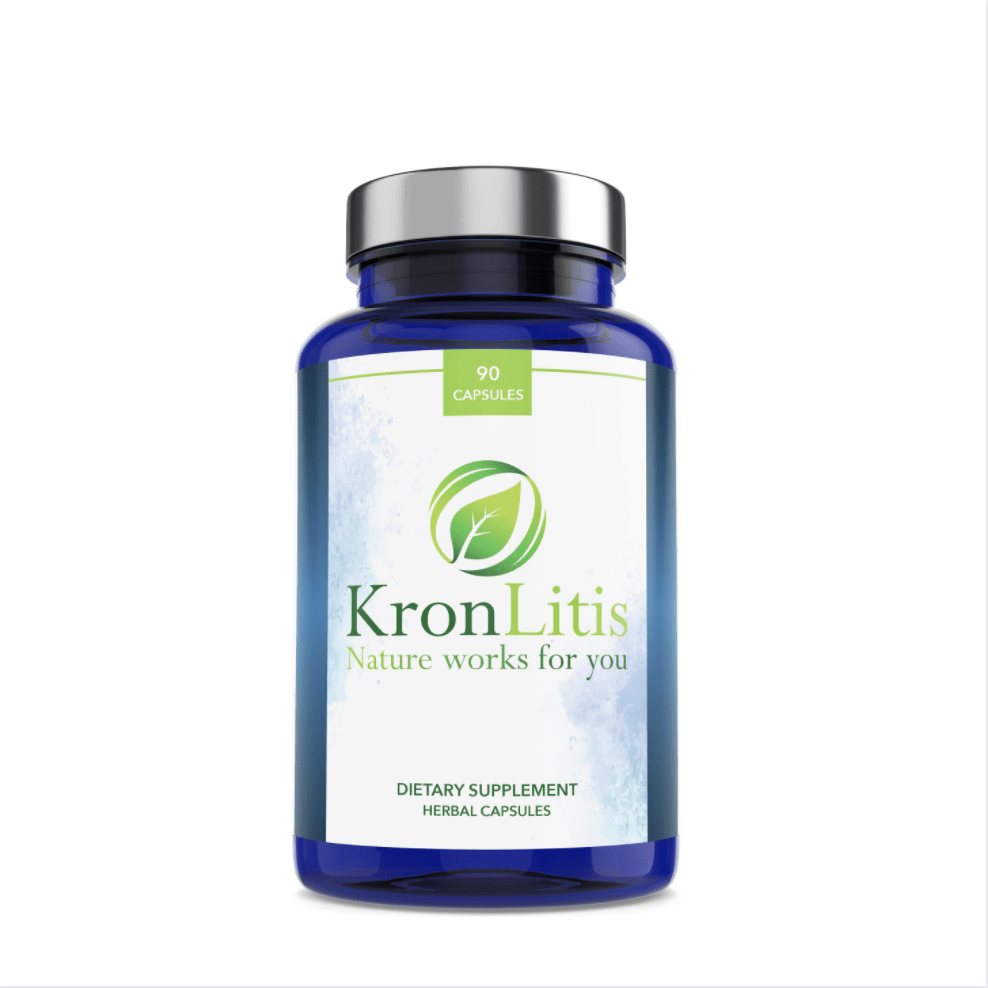
Kronlitis developed a formulation harnessing four specific herbs from Chinese medicine traditions, each contributing unique anti-inflammatory compounds. This multi-herb approach targets digestive inflammation through several pathways simultaneously. The Kronlitis herbal supplement combines these botanicals to address colon-specific inflammation in patients dealing with ulcerative colitis and colon-based Crohn’s disease.
The formulation’s strength lies in its composition. Rather than relying on a single compound, the four-herb combination provides broader inflammatory coverage. Each herb contributes distinct active molecules that work synergistically. This approach resembles combination therapy in conventional medicine multiple mechanisms producing better outcomes than single-agent treatment.
| Factor | Synthetic TNF-α Blockers | Natural TNF-α Modulators |
|---|---|---|
| Administration | Injection or infusion | Oral capsules, dietary intake |
| Onset Speed | Weeks to months | Gradual, typically 4-8 weeks |
| Immune Impact | Strong suppression | Modulation and regulation |
| Side Effects | Infection risk, injection reactions | Generally well-tolerated |
| Cost Barrier | High, often thousands monthly | Accessible, affordable supplementation |
| Suitability | Severe disease under supervision | Wide range including maintenance |
Patients often discover natural approaches after exhausting conventional options. Conventional medications may have failed, caused intolerable side effects, or proven too expensive for sustained use. Natural anti-inflammatory herbs provide an accessible entry point for those seeking alternatives. Many find that natural remedies complement their existing regimens, allowing reduction in pharmaceutical dosages while maintaining remission.
Quality manufacturing separates effective herbal preparations from useless supplements. Products manufactured under pharmaceutical standards ensure consistent potency and purity. Kronlitis products are manufactured in Germany, shipped worldwide from facilities maintaining strict quality control. This manufacturing precision matters because herbal potency varies dramatically based on growing conditions, harvest timing, and processing methods.
Building Your Crohn’s Remission Protocol: A Step-by-Step Guide
Achieving lasting remission requires systematic, personalized action. Random supplement or medication trials rarely succeed structured approaches yield better outcomes. Each step builds upon previous progress, creating compounding benefits that restore digestive health.
Those interested can learn about our development journey and the evidence behind these recommendations:
- Obtain Accurate Diagnosis and Staging: Work with gastroenterologists to confirm diagnosis through colonoscopy, imaging, and lab work. Determine disease location, severity level, and inflammatory markers. This baseline guides all treatment decisions.
- Assess Personal Treatment Priorities: Consider symptom severity, lifestyle demands, budget constraints, and treatment philosophy. Some prioritize fastest possible results; others prefer gradual natural approaches. Both paths have merit when pursued consistently.
- Select Primary Treatment Modality: Choose between conventional pharmaceuticals, natural approaches, or combination therapy based on disease severity and personal preferences. Moderate to severe disease may require initial pharmaceutical stabilization before transitioning to natural maintenance.
- Implement Dietary Modifications: Identify and eliminate trigger foods through elimination protocols. Common triggers include dairy, gluten, high-fiber roughage during flares, spicy foods, and alcohol. Work toward maintaining diverse nutrition during remission periods.
- Integrate Targeted Natural Support: Add herbal anti-inflammatory formulations specifically designed for digestive inflammation. Consistency matters more than intensity regular supplementation maintains steady anti-inflammatory activity.
- Monitor Inflammatory Markers: Track C-reactive protein, fecal calprotectin, and symptom patterns. These objective measures reveal whether treatment approaches genuinely reduce inflammation or merely mask symptoms. Adjust strategy based on measured response.
Remission maintenance differs from acute flare management. During active disease, the focus centers on rapidly reducing inflammation. Once remission begins, attention shifts to sustaining that state through consistent supportive measures. Many patients successfully taper pharmaceutical intensity while maintaining natural anti-inflammatory support, achieving the balance between efficacy and tolerability.
Dietary strategies evolve throughout the remission journey. During flares, low-residue diets minimize digestive irritation. Broths, well-cooked vegetables, and lean proteins provide nutrition without mechanical irritation. As inflammation subsides, gradually reintroducing fiber, fruits, and vegetables rebuilds nutritional diversity. Keeping food diaries helps identify personal triggers that standard recommendations might miss.
Key Takeaways: Managing Crohn’s Disease Long-Term
Living well with Crohn’s disease demands ongoing attention, but thousands have achieved sustained remission and returned to normal life. Understanding key principles transforms managing this condition from overwhelming to achievable.
Readers ready to explore treatment options should keep these essential points in mind:
- Treatment Goals Have Evolved: Modern approaches target mucosal healing, not just symptom reduction visible healing on colonoscopy predicts longer remission periods.
- Multiple Pathways Exist: Conventional pharmaceuticals, natural herbal formulations, and combination approaches all offer viable routes to remission depending on disease severity.
- Personalization Drives Success: Generic recommendations rarely fit every patient; tracking individual triggers and responses optimizes outcomes.
- Natural Options Provide Accessible Alternatives: Multi-herb formulations offer evidence-based anti-inflammatory activity without pharmaceutical costs or side effect profiles.
- Monitoring Matters: Regular assessment through symptoms, labs, and imaging ensures treatment effectiveness and enables timely adjustments.
- Remission Enables Normal Life: Effective treatment allows patients to work, socialize, and eat normally restoring the daily life that inflammation stole.
Hope remains central to managing chronic illness. Despair often accompanies failed treatments, but the landscape of IBD treatment options continues expanding. Patients who believed nothing could help have found remission through alternative approaches. The combination of evolving conventional treatments, refined natural formulations, and better understanding of disease mechanisms offers real possibilities for those still searching for relief.
FAQ: Crohn’s Disease Symptoms and Treatment
Can natural remedies actually help with Crohn’s disease symptoms and treatment?
Yes. Several herbs demonstrate anti-inflammatory activity targeting the same TNF-α pathways addressed by pharmaceutical biologics. Multi-herb formulations provide broad anti-inflammatory coverage through multiple active compounds working synergistically. Many patients achieve meaningful symptom reduction using natural IBD remedies alongside or as alternatives to conventional approaches.
How long does it take to achieve remission with natural approaches?
Typically 4-8 weeks. Natural anti-inflammatory formulations work gradually, building beneficial effects over weeks rather than the immediate impact seen with corticosteroids. This timeline resembles that of many pharmaceutical immunomodulators. Consistent daily supplementation produces better results than sporadic use, as steady anti-inflammatory activity allows cumulative tissue healing.
What’s the difference between Crohn’s disease and ulcerative colitis?
Location and depth differ. Crohn’s disease can affect any part of the digestive tract and penetrates multiple tissue layers, while ulcerative colitis remains confined to the colon’s surface lining. Both conditions fall under inflammatory bowel disease classification but require different treatment considerations based on disease extent and severity. Some natural formulations target both conditions effectively.
Can I combine natural supplements with prescribed Crohn’s medications?
Often, with medical guidance. Many patients successfully integrate natural anti-inflammatory supplements alongside conventional treatments. This combination may allow reduced pharmaceutical dosages while maintaining remission. However, always discuss supplement additions with prescribing physicians to ensure no contraindications exist with current medications.
What should I do during a severe Crohn’s flare?
Seek medical evaluation promptly. Severe flares characterized by high fever, severe pain, significant bleeding, or inability to maintain hydration require immediate attention. Hospital-based treatment may become necessary for stabilization. Natural approaches suit maintenance and moderate symptoms better than acute severe episodes, which may require intensive conventional intervention.
Is complete remission possible with Crohn’s disease?
Yes. Many patients achieve sustained periods without active symptoms, returning to normal eating, working, and social activities. Mucosal healing on colonoscopy confirms true remission beyond symptom absence. Those interested in comprehensive IBD support should know that consistent treatment whether conventional, natural, or combined makes lasting remission achievable for many who previously thought relief impossible.
@keyframes hoox-lf-in-hoox-f-7465f299-cdf9-49d5-a672-85edc3-bottom {
from { opacity: 0; transform: translateY(8px); }
to { opacity: 1; transform: translateY(0); }
}
#hoox-f-7465f299-cdf9-49d5-a672-85edc3-bottom {
width: 100%;
max-width: 100%;
box-sizing: border-box;
display: flex;
flex-direction: column;
gap: 20px;
margin: 48px 0;
padding: 32px 28px;
border-radius: 16px;
background: #ffffff;
color: #111111;
font-family: inherit;
border: 1px solid #E2E8F0;
animation: hoox-lf-in-hoox-f-7465f299-cdf9-49d5-a672-85edc3-bottom 0.3s cubic-bezier(0.16, 1, 0.3, 1);
direction: inherit;
}
#hoox-f-7465f299-cdf9-49d5-a672-85edc3-bottom .hoox-form-header {
display: flex;
flex-direction: column;
gap: 8px;
text-align: center;
}
#hoox-f-7465f299-cdf9-49d5-a672-85edc3-bottom .hoox-form-header h2 {
margin: 0;
font-size: 1.5em;
font-weight: 700;
line-height: 1.3;
color: #111111;
border: none;
padding: 0;
}
#hoox-f-7465f299-cdf9-49d5-a672-85edc3-bottom .hoox-form-header p {
margin: 0;
font-size: 1em;
line-height: 1.6;
color: #64748B;
}
#hoox-f-7465f299-cdf9-49d5-a672-85edc3-bottom form[data-hx-form] {
margin: 0;
display: flex;
flex-direction: column;
gap: 14px;
}
#hoox-f-7465f299-cdf9-49d5-a672-85edc3-bottom .hoox-field-wrap {
position: relative;
width: 100%;
box-sizing: border-box;
}
#hoox-f-7465f299-cdf9-49d5-a672-85edc3-bottom .hoox-field-wrap input {
width: 100%;
box-sizing: border-box;
height: 44px;
padding-inline-start: 42px;
padding-inline-end: 14px;
border: 1px solid #E2E8F0;
border-radius: 10px;
font-size: 14px;
color: #111111;
font-family: inherit;
background-color: #F8FAFC;
transition: border-color 0.15s ease, box-shadow 0.15s ease, background-color 0.15s ease;
outline: none;
direction: inherit;
text-align: start;
}
#hoox-f-7465f299-cdf9-49d5-a672-85edc3-bottom .hoox-field-wrap input::placeholder {
color: #94A3B8;
opacity: 1;
}
#hoox-f-7465f299-cdf9-49d5-a672-85edc3-bottom .hoox-field-wrap input:focus {
background-color: #FFFFFF;
border-color: #0077B6,#00B4D8,#90E0EF;
box-shadow: 0 0 0 3px rgba(15, 23, 42, 0.08);
}
#hoox-f-7465f299-cdf9-49d5-a672-85edc3-bottom .hoox-field-icon {
position: absolute;
top: 0;
bottom: 0;
inset-inline-start: 0;
width: 42px;
display: flex;
align-items: center;
justify-content: center;
pointer-events: none;
color: #94A3B8;
transition: color 0.15s ease;
}
#hoox-f-7465f299-cdf9-49d5-a672-85edc3-bottom .hoox-field-wrap:focus-within .hoox-field-icon {
color: #0077B6,#00B4D8,#90E0EF;
}
#hoox-f-7465f299-cdf9-49d5-a672-85edc3-bottom button[type=”submit”] {
width: 100%;
height: 44px;
margin-top: 4px;
border: none;
border-radius: 10px;
background: #0077B6,#00B4D8,#90E0EF;
color: #FFFFFF;
font-size: 14px;
font-weight: 600;
cursor: pointer;
transition: opacity 0.15s ease, transform 0.15s ease, box-shadow 0.15s ease;
box-shadow: 0 1px 2px 0 rgba(0, 0, 0, 0.05);
}
#hoox-f-7465f299-cdf9-49d5-a672-85edc3-bottom button[type=”submit”]:hover {
opacity: 0.94;
}
#hoox-f-7465f299-cdf9-49d5-a672-85edc3-bottom button[type=”submit”]:active {
transform: scale(0.99);
}
#hoox-f-7465f299-cdf9-49d5-a672-85edc3-bottom button[type=”submit”]:disabled {
opacity: 0.6;
cursor: not-allowed;
}
#hoox-f-7465f299-cdf9-49d5-a672-85edc3-bottom .hoox-disclaimer {
margin: 0;
text-align: center;
font-size: 12px;
line-height: 1.5;
color: #94A3B8;
}
#hoox-f-7465f299-cdf9-49d5-a672-85edc3-bottom .hoox-disclaimer a {
color: inherit;
text-decoration: underline;
text-underline-offset: 2px;
}
#hoox-f-7465f299-cdf9-49d5-a672-85edc3-bottom .hoox-disclaimer a:hover {
text-decoration: none;
}
#hoox-f-7465f299-cdf9-49d5-a672-85edc3-bottom .hoox-success {
display: none;
flex-direction: column;
align-items: center;
gap: 14px;
padding: 12px 0;
position: relative;
}
#hoox-f-7465f299-cdf9-49d5-a672-85edc3-bottom .hoox-confetti {
position: absolute;
inset: 0;
overflow: visible;
pointer-events: none;
}
#hoox-f-7465f299-cdf9-49d5-a672-85edc3-bottom .hoox-confetti span {
position: absolute;
top: 50%;
left: 50%;
width: 7px;
height: 11px;
background: var(–hoox-c);
border-radius: 2px;
opacity: 0;
animation: hoox-confetti-burst 0.9s ease-out forwards;
animation-delay: var(–hoox-d, 0s);
}
@keyframes hoox-confetti-burst {
0% { opacity: 1; transform: translate(-50%, -50%) rotate(0deg) scale(1); }
100% { opacity: 0; transform: translate(calc(-50% + var(–hoox-tx)), calc(-50% + var(–hoox-ty))) rotate(var(–hoox-rz)) scale(0.5); }
}
#hoox-f-7465f299-cdf9-49d5-a672-85edc3-bottom .hoox-success-icon {
width: 52px;
height: 52px;
border-radius: 50%;
background: #ECFDF5;
display: flex;
align-items: center;
justify-content: center;
font-size: 26px;
line-height: 1;
animation: hoox-success-pop 0.4s cubic-bezier(0.34, 1.56, 0.64, 1);
}
@keyframes hoox-success-pop {
from { opacity: 0; transform: scale(0.5); }
to { opacity: 1; transform: scale(1); }
}
#hoox-f-7465f299-cdf9-49d5-a672-85edc3-bottom .hoox-success-text {
margin: 0;
text-align: center;
font-size: 15px;
font-weight: 600;
line-height: 1.5;
color: #111111;
}
#hoox-f-7465f299-cdf9-49d5-a672-85edc3-bottom .hoox-disabled-state {
display: none;
flex-direction: column;
align-items: center;
gap: 14px;
padding: 12px 0;
text-align: center;
}
#hoox-f-7465f299-cdf9-49d5-a672-85edc3-bottom .hoox-disabled-icon {
width: 52px;
height: 52px;
border-radius: 50%;
background: #F1F5F9;
display: flex;
align-items: center;
justify-content: center;
color: #64748B;
}
#hoox-f-7465f299-cdf9-49d5-a672-85edc3-bottom .hoox-disabled-text {
margin: 0;
font-size: 14px;
line-height: 1.6;
color: #64748B;
}
#hoox-f-7465f299-cdf9-49d5-a672-85edc3-bottom .hoox-disabled-text a {
color: inherit;
font-weight: 600;
text-decoration: underline;
text-underline-offset: 2px;
}
#hoox-f-7465f299-cdf9-49d5-a672-85edc3-bottom .hoox-disabled-text a:hover {
text-decoration: none;
}
See What This Could Look Like For You
Takes 30 seconds
Thanks! We’ll be in touch.