
Crohn’s Disease Test: Diagnostic Pathways & What to Expect
Diagnosing Crohn’s disease requires a combination of blood work, stool analysis, imaging studies, and endoscopic procedures to confirm intestinal inflammation and rule out other conditions. No single test definitively diagnoses Crohn’s physicians layer results from fecal calprotectin, colonoscopy, MR enterography, and antibody panels to map disease location, severity, and activity. Understanding which tests your gastroenterologist orders, what each reveals, and how to prepare empowers you to navigate diagnosis with clarity and advocate for comprehensive care that addresses both conventional findings and integrative wellness strategies.
Quick Answer: Which Tests Confirm Crohn’s Disease Diagnosis
When your doctor suspects inflammatory bowel disease, they follow a structured diagnostic ladder. Gastroenterologists typically order five core tests in sequence, starting with non-invasive screenings before moving to more definitive procedures. Each Crohn’s disease test adds a piece to the diagnostic puzzle.
- Fecal calprotectin screens for intestinal inflammation non-invasively
- Blood panels check for anemia, infection markers, and antibodies
- Colonoscopy with biopsy visualizes and samples the colon and terminal ileum
- MR enterography maps small bowel disease beyond the reach of endoscopy
- CT enterography provides rapid imaging of bowel wall thickening and complications
No single test definitively confirms Crohn’s disease on its own. Physicians layer results to differentiate Crohn’s from ulcerative colitis, irritable bowel syndrome, and other digestive diseases. A comprehensive evaluation guides treatment intensity whether you need mild maintenance therapy or aggressive intervention to induce remission. According to Cdc, inflammatory bowel disease affects millions of Americans, making accurate diagnostic pathways essential for long-term management. You can explore frequently asked questions about IBD testing to understand what each step reveals about your condition.
@keyframes hoox-lf-in-hoox-f-5a4257f2-5bed-461f-811f-8aefa3-top {
from { opacity: 0; transform: translateY(8px); }
to { opacity: 1; transform: translateY(0); }
}
#hoox-f-5a4257f2-5bed-461f-811f-8aefa3-top {
width: 100%;
max-width: 100%;
box-sizing: border-box;
display: flex;
flex-direction: column;
gap: 20px;
margin: 48px 0;
padding: 32px 28px;
border-radius: 16px;
background: #ffffff;
color: #111111;
font-family: inherit;
border: 1px solid #E2E8F0;
animation: hoox-lf-in-hoox-f-5a4257f2-5bed-461f-811f-8aefa3-top 0.3s cubic-bezier(0.16, 1, 0.3, 1);
direction: inherit;
}
#hoox-f-5a4257f2-5bed-461f-811f-8aefa3-top .hoox-form-header {
display: flex;
flex-direction: column;
gap: 8px;
text-align: center;
}
#hoox-f-5a4257f2-5bed-461f-811f-8aefa3-top .hoox-form-header h2 {
margin: 0;
font-size: 1.5em;
font-weight: 700;
line-height: 1.3;
color: #111111;
border: none;
padding: 0;
}
#hoox-f-5a4257f2-5bed-461f-811f-8aefa3-top .hoox-form-header p {
margin: 0;
font-size: 1em;
line-height: 1.6;
color: #64748B;
}
#hoox-f-5a4257f2-5bed-461f-811f-8aefa3-top form[data-hx-form] {
margin: 0;
display: flex;
flex-direction: column;
gap: 14px;
}
#hoox-f-5a4257f2-5bed-461f-811f-8aefa3-top .hoox-field-wrap {
position: relative;
width: 100%;
box-sizing: border-box;
}
#hoox-f-5a4257f2-5bed-461f-811f-8aefa3-top .hoox-field-wrap input {
width: 100%;
box-sizing: border-box;
height: 44px;
padding-inline-start: 42px;
padding-inline-end: 14px;
border: 1px solid #E2E8F0;
border-radius: 10px;
font-size: 14px;
color: #111111;
font-family: inherit;
background-color: #F8FAFC;
transition: border-color 0.15s ease, box-shadow 0.15s ease, background-color 0.15s ease;
outline: none;
direction: inherit;
text-align: start;
}
#hoox-f-5a4257f2-5bed-461f-811f-8aefa3-top .hoox-field-wrap input::placeholder {
color: #94A3B8;
opacity: 1;
}
#hoox-f-5a4257f2-5bed-461f-811f-8aefa3-top .hoox-field-wrap input:focus {
background-color: #FFFFFF;
border-color: #0077B6,#00B4D8,#90E0EF;
box-shadow: 0 0 0 3px rgba(15, 23, 42, 0.08);
}
#hoox-f-5a4257f2-5bed-461f-811f-8aefa3-top .hoox-field-icon {
position: absolute;
top: 0;
bottom: 0;
inset-inline-start: 0;
width: 42px;
display: flex;
align-items: center;
justify-content: center;
pointer-events: none;
color: #94A3B8;
transition: color 0.15s ease;
}
#hoox-f-5a4257f2-5bed-461f-811f-8aefa3-top .hoox-field-wrap:focus-within .hoox-field-icon {
color: #0077B6,#00B4D8,#90E0EF;
}
#hoox-f-5a4257f2-5bed-461f-811f-8aefa3-top button[type=”submit”] {
width: 100%;
height: 44px;
margin-top: 4px;
border: none;
border-radius: 10px;
background: #0077B6,#00B4D8,#90E0EF;
color: #FFFFFF;
font-size: 14px;
font-weight: 600;
cursor: pointer;
transition: opacity 0.15s ease, transform 0.15s ease, box-shadow 0.15s ease;
box-shadow: 0 1px 2px 0 rgba(0, 0, 0, 0.05);
}
#hoox-f-5a4257f2-5bed-461f-811f-8aefa3-top button[type=”submit”]:hover {
opacity: 0.94;
}
#hoox-f-5a4257f2-5bed-461f-811f-8aefa3-top button[type=”submit”]:active {
transform: scale(0.99);
}
#hoox-f-5a4257f2-5bed-461f-811f-8aefa3-top button[type=”submit”]:disabled {
opacity: 0.6;
cursor: not-allowed;
}
#hoox-f-5a4257f2-5bed-461f-811f-8aefa3-top .hoox-disclaimer {
margin: 0;
text-align: center;
font-size: 12px;
line-height: 1.5;
color: #94A3B8;
}
#hoox-f-5a4257f2-5bed-461f-811f-8aefa3-top .hoox-disclaimer a {
color: inherit;
text-decoration: underline;
text-underline-offset: 2px;
}
#hoox-f-5a4257f2-5bed-461f-811f-8aefa3-top .hoox-disclaimer a:hover {
text-decoration: none;
}
#hoox-f-5a4257f2-5bed-461f-811f-8aefa3-top .hoox-success {
display: none;
flex-direction: column;
align-items: center;
gap: 14px;
padding: 12px 0;
position: relative;
}
#hoox-f-5a4257f2-5bed-461f-811f-8aefa3-top .hoox-confetti {
position: absolute;
inset: 0;
overflow: visible;
pointer-events: none;
}
#hoox-f-5a4257f2-5bed-461f-811f-8aefa3-top .hoox-confetti span {
position: absolute;
top: 50%;
left: 50%;
width: 7px;
height: 11px;
background: var(–hoox-c);
border-radius: 2px;
opacity: 0;
animation: hoox-confetti-burst 0.9s ease-out forwards;
animation-delay: var(–hoox-d, 0s);
}
@keyframes hoox-confetti-burst {
0% { opacity: 1; transform: translate(-50%, -50%) rotate(0deg) scale(1); }
100% { opacity: 0; transform: translate(calc(-50% + var(–hoox-tx)), calc(-50% + var(–hoox-ty))) rotate(var(–hoox-rz)) scale(0.5); }
}
#hoox-f-5a4257f2-5bed-461f-811f-8aefa3-top .hoox-success-icon {
width: 52px;
height: 52px;
border-radius: 50%;
background: #ECFDF5;
display: flex;
align-items: center;
justify-content: center;
font-size: 26px;
line-height: 1;
animation: hoox-success-pop 0.4s cubic-bezier(0.34, 1.56, 0.64, 1);
}
@keyframes hoox-success-pop {
from { opacity: 0; transform: scale(0.5); }
to { opacity: 1; transform: scale(1); }
}
#hoox-f-5a4257f2-5bed-461f-811f-8aefa3-top .hoox-success-text {
margin: 0;
text-align: center;
font-size: 15px;
font-weight: 600;
line-height: 1.5;
color: #111111;
}
#hoox-f-5a4257f2-5bed-461f-811f-8aefa3-top .hoox-disabled-state {
display: none;
flex-direction: column;
align-items: center;
gap: 14px;
padding: 12px 0;
text-align: center;
}
#hoox-f-5a4257f2-5bed-461f-811f-8aefa3-top .hoox-disabled-icon {
width: 52px;
height: 52px;
border-radius: 50%;
background: #F1F5F9;
display: flex;
align-items: center;
justify-content: center;
color: #64748B;
}
#hoox-f-5a4257f2-5bed-461f-811f-8aefa3-top .hoox-disabled-text {
margin: 0;
font-size: 14px;
line-height: 1.6;
color: #64748B;
}
#hoox-f-5a4257f2-5bed-461f-811f-8aefa3-top .hoox-disabled-text a {
color: inherit;
font-weight: 600;
text-decoration: underline;
text-underline-offset: 2px;
}
#hoox-f-5a4257f2-5bed-461f-811f-8aefa3-top .hoox-disabled-text a:hover {
text-decoration: none;
}
See What This Could Look Like For You
Takes 30 seconds
Thanks! We’ll be in touch.
| Test Type | Purpose | What It Detects |
|---|---|---|
| Fecal Calprotectin | Non-invasive inflammation screening | Neutrophil activity in stool indicating IBD vs IBS |
| Blood Work (CBC, CRP, ESR) | Systemic inflammation and anemia markers | Elevated inflammatory proteins, iron deficiency, antibody presence |
| Colonoscopy | Direct visualization with biopsy capability | Mucosal ulceration, skip lesions, granulomas on histology |
| MR Enterography | Small bowel imaging without radiation | Wall thickening, strictures, fistulas, mesenteric inflammation |
| CT Enterography | Rapid cross-sectional imaging | Abscesses, obstruction, penetrating disease complications |
Fecal Calprotectin: The First-Line Screening Tool Gastroenterologists Trust
The fecal calprotectin test has become the go-to starting point for distinguishing inflammatory bowel disease from functional digestive disorders. Calprotectin is a protein released by neutrophils white blood cells that rush to sites of intestinal inflammation. When elevated levels appear in stool, it signals active inflammation somewhere in the digestive tract rather than a functional issue like IBS.
This test appeals to both patients and physicians because it’s cost-effective, non-invasive, and highly sensitive. According to Aafp, fecal calprotectin testing is highlighted as a critical tool in the diagnostic process for Crohn’s disease, helping determine whether ileocolonoscopy and further imaging are warranted. High specificity means fewer false positives, so elevated calprotectin strongly suggests organic disease requiring investigation.
Sensitivity ranges from 80-95% for IBD detection, making it remarkably reliable as a rule-out test. Normal calprotectin levels make active IBD unlikely, sparing patients unnecessary invasive procedures. However, elevated results prompt gastroenterologists to order colonoscopy and imaging for definitive diagnosis.
- Collect your sample first thing in the morning if possible
- Use the provided collection container avoid toilet bowl contamination
- Label with exact time and date, then refrigerate if not transporting immediately
- Deliver to the lab within 24 hours for accurate results
Blood Work Panels: Identifying Inflammation, Anemia, and Antibody Markers
Blood tests provide crucial supporting evidence in Crohn’s diagnosis, though they cannot confirm the disease alone. C-reactive protein (CRP) and erythrocyte sedimentation rate (ESR) measure systemic inflammation levels. Elevated CRP suggests active inflammatory processes, while high ESR indicates inflammation has persisted over time. These markers help doctors assess disease activity and monitor treatment response.
Complete blood count (CBC) testing reveals anemia patterns common in IBD patients. Iron deficiency anemia suggests chronic blood loss from ulcerated intestinal tissue. Vitamin B12 deficiency may indicate ileal involvement, since the terminal ileum absorbs this nutrient. Low hemoglobin and hematocrit levels paint a picture of nutritional deficiencies that develop when diseased intestines cannot properly absorb nutrients.
Antibody testing adds another diagnostic dimension. Anti-Saccharomyces cerevisiae antibodies (ASCA) appear more frequently in Crohn’s patients, while perinuclear antineutrophil cytoplasmic antibodies (pANCA) associate more with ulcerative colitis. Though not definitive alone, these markers help differentiate IBD subtypes. Combined with other findings, they strengthen diagnostic certainty and guide treatment planning.
For those exploring integrative approaches, herbal approaches to inflammation management offer complementary strategies alongside conventional monitoring.

Colonoscopy and Ileoscopy: Visualizing Mucosal Damage Directly
Colonoscopy remains the gold standard for diagnosing colonic Crohn’s disease. This procedure allows gastroenterologists to directly visualize the intestinal lining, identifying characteristic lesions and collecting tissue samples for microscopic examination. The colonoscope reaches the cecum and, critically, enters the terminal ileum the ileoscopy portion that’s essential for bowel inflammation tests targeting Crohn’s.
Preparation begins days before the procedure. Clear liquids, laxatives, and bowel cleansers flush residual matter so the camera captures clear images. Sedation keeps patients comfortable while the physician navigates the colon, examining for patchy inflammation, deep ulcerations, and strictures.
Beyond visualization, colonoscopy enables biopsy collection. Pathologists examine tissue samples for granulomas clusters of immune cells virtually pathognomonic for Crohn’s disease. Skip lesions, where healthy tissue alternates with inflamed patches, distinguish Crohn’s from the continuous inflammation pattern of ulcerative colitis. Transmural inflammation, extending through all bowel wall layers, further confirms Crohn’s pathology.
| Finding | Crohn’s Disease | Ulcerative Colitis |
|---|---|---|
| Inflammation Pattern | Patchy, skip lesions, segmental | Continuous from rectum |
| Depth | Transmural (all layers) | Mucosal and submucosal only |
| Location | Any GI tract segment, ileum common | Colon and rectum only |
| Granulomas | Present in 30-50% of biopsies | Typically absent |
| Rectal Involvement | Variable, often spared | Almost always present |
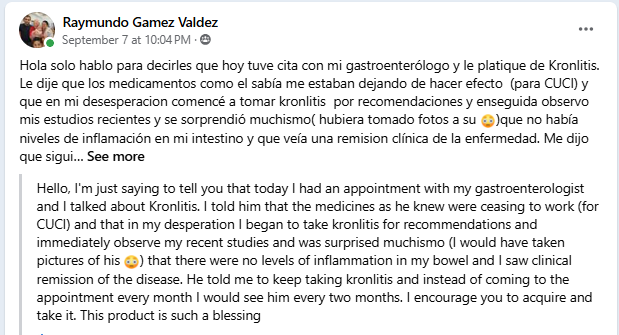
According to Nih, inflammatory bowel disease diagnostic delays remain common, with many patients experiencing symptoms for years before definitive diagnosis. Reading real patient experiences with diagnostic journeys helps others understand they’re not alone in navigating this challenging process.
MR Enterography and CT Imaging: Mapping Small Bowel Involvement Beyond the Scope
When disease extends beyond the colon’s reach, MR enterography and CT enterography become essential diagnostic tools. Roughly 70% of Crohn’s patients have small bowel involvement, often in areas colonoscopy cannot access. These advanced imaging techniques reveal wall thickening, luminal narrowing, fistula tracts, and abscesses that define penetrating and stricturing disease.
MR enterography offers particular advantages for younger patients and those requiring repeated imaging. The radiation-free approach uses magnetic fields to generate detailed cross-sectional images. Patients drink contrast fluid that distends bowel loops, allowing radiologists to spot subtle mural changes. Though longer and more expensive than CT, MRE’s safety profile makes it ideal for monitoring disease progression over time.
CT enterography provides faster imaging when acute complications are suspected. According to Medscape, advanced imaging techniques such as magnetic resonance enterography and CT enterography are essential for evaluating small bowel involvement in Crohn’s, helping identify complications requiring surgical intervention. The trade-off involves radiation exposure, making CT less ideal for repeated surveillance but invaluable in emergency settings where perforation, obstruction, or abscess threaten patients.
Both techniques require patients to drink large volumes of oral contrast a challenge when nausea or strictures limit tolerance. Intravenous contrast highlights active inflammation by demonstrating increased blood flow to diseased segments. Radiologists measure wall thickness, motility patterns, and mesenteric changes to stage disease severity and guide treatment decisions.
For those seeking integrative support, natural support for colon-based Crohn’s options exist that complement conventional diagnostic findings.
How to Prepare for Your Crohn’s Disease Testing Appointment
Preparation streamlines your diagnostic journey and ensures physicians have complete information to make accurate assessments. From initial consultation through results discussion, organization and documentation help you advocate for comprehensive care.
Start with a symptom diary documenting bowel movement frequency, consistency, urgency, pain patterns, and potential triggers. Note what makes symptoms better or worse, including dietary factors, stress levels, and medication responses. This detailed history helps gastroenterologists correlate test findings with clinical presentation.
- Compile complete medication list including vitamins, supplements, and over-the-counter drugs
- Bring previous test results, imaging reports, and medical records from other providers
- Document family history of IBD, autoimmune conditions, or gastrointestinal cancers
- Write specific questions about each test, recovery, and potential diagnoses
- Arrange transportation for procedures involving sedation
- Disclose all medical conditions and allergies during pre-procedure screening
Understanding our journey developing integrative IBD solutions provides context for how comprehensive diagnosis informs integrative treatment approaches.
Interpreting Results: What Positive and Negative Findings Mean for Your Care Plan
Test results determine your treatment trajectory. Positive findings confirmed inflammation, granulomas on biopsy, or characteristic imaging launch shared decision-making between you and your gastroenterologist. The Montreal classification system standardizes disease description by age at diagnosis, location, and behavior (inflammatory, stricturing, or penetrating). This phenotyping guides prognosis and therapeutic intensity.
Severe disease on imaging or histology typically prompts aggressive treatment with biologics or immunomodulators designed to induce remission quickly. Milder inflammation may respond to milder therapies like aminosalicylates. The goal remains consistent: heal intestinal mucosa, reduce inflammation, and prevent complications.
Negative results don’t always mean absence of disease. Early-stage Crohn’s, isolated small bowel disease, or patchy involvement may escape detection on initial testing. If symptoms persist despite negative results, repeat testing or alternative imaging approaches may uncover previously hidden disease.
Many patients pursue integrative therapies alongside conventional treatment. When diagnosis confirms colonic Crohn’s or ulcerative colitis, explore natural supplement options that may complement prescribed medications in supporting remission maintenance.
Key Takeaways: Navigating Crohn’s Testing with Confidence
Understanding the diagnostic pathway empowers you to participate actively in your care. Knowledge transforms confusing medical terminology into actionable information, helping you advocate for thorough evaluation and appropriate follow-up.
- Multiple tests combine to confirm Crohn’s diagnosis no single Crohn’s disease test suffices alone
- Fecal calprotectin provides reliable first-line screening to differentiate IBD from IBS
- Colonoscopy with biopsy remains essential for visualizing mucosal damage and confirming histology
- MR and CT enterography map small bowel disease beyond colonoscopy’s reach
- Seeking second opinions remains appropriate when symptoms persist despite negative results
Diagnosis opens the door to effective treatment. Whether your path involves conventional medications, integrative approaches, or combined strategies, identifying disease presence marks the essential first step toward remission. Explore comprehensive resources for IBD management to continue building knowledge about your condition.
Frequently Asked Questions About Crohn’s Disease Testing
How accurate are Crohn’s disease tests overall?
No single test is 100% accurate. Fecal calprotectin sensitivity reaches 95% for ruling out IBD, but colonoscopy with biopsy remains necessary for definitive diagnosis. Combining multiple test types improves overall diagnostic accuracy to approximately 90% when findings correlate across modalities.
Will insurance cover Crohn’s disease testing?
Most insurance plans cover diagnostic testing. Under the Affordable Care Act, preventive screenings and diagnostic procedures for chronic conditions qualify for coverage. Out-of-pocket costs vary by plan, with colonoscopy typically requiring copay or coinsurance after deductible. Contact your insurance provider to understand specific coverage details before scheduling procedures.
Can I have Crohn’s with negative test results?
Yes, false negatives occur. Early disease, isolated small bowel involvement, or patchy inflammation may escape detection initially. Symptoms warranting clinical suspicion sometimes precede objective test findings. Repeat testing, alternative imaging, or capsule endoscopy may reveal disease in symptomatic patients with initial negative results.
Do herbal supplements interfere with diagnostic test results?
Generally minimal interference. Most herbal supplements don’t affect calprotectin levels, blood inflammation markers, or imaging findings directly. However, some supplements affecting blood clotting or immune function may complicate interpretation. Always disclose all supplements during pre-procedure consultations so physicians can interpret results accurately.
How long does the complete diagnostic process take?
Several weeks to months. Timeline depends on scheduling availability, insurance pre-authorization, and whether testing proceeds sequentially or simultaneously. Urgent cases with suspected complications may accelerate timelines. Patience proves challenging when symptoms disrupt daily life, but thorough evaluation prevents misdiagnosis and ensures appropriate treatment.
What’s the difference between Crohn’s screening and formal diagnosis?
Screening identifies who needs further workup. Fecal calprotectin and initial blood tests serve as screening tools, flagging patients requiring definitive diagnostic procedures. Colonoscopy with biopsy and advanced imaging provide formal diagnosis by demonstrating characteristic Crohn’s pathology rather than merely suggesting inflammation.
@keyframes hoox-lf-in-hoox-f-5a4257f2-5bed-461f-811f-8aefa3-bottom {
from { opacity: 0; transform: translateY(8px); }
to { opacity: 1; transform: translateY(0); }
}
#hoox-f-5a4257f2-5bed-461f-811f-8aefa3-bottom {
width: 100%;
max-width: 100%;
box-sizing: border-box;
display: flex;
flex-direction: column;
gap: 20px;
margin: 48px 0;
padding: 32px 28px;
border-radius: 16px;
background: #ffffff;
color: #111111;
font-family: inherit;
border: 1px solid #E2E8F0;
animation: hoox-lf-in-hoox-f-5a4257f2-5bed-461f-811f-8aefa3-bottom 0.3s cubic-bezier(0.16, 1, 0.3, 1);
direction: inherit;
}
#hoox-f-5a4257f2-5bed-461f-811f-8aefa3-bottom .hoox-form-header {
display: flex;
flex-direction: column;
gap: 8px;
text-align: center;
}
#hoox-f-5a4257f2-5bed-461f-811f-8aefa3-bottom .hoox-form-header h2 {
margin: 0;
font-size: 1.5em;
font-weight: 700;
line-height: 1.3;
color: #111111;
border: none;
padding: 0;
}
#hoox-f-5a4257f2-5bed-461f-811f-8aefa3-bottom .hoox-form-header p {
margin: 0;
font-size: 1em;
line-height: 1.6;
color: #64748B;
}
#hoox-f-5a4257f2-5bed-461f-811f-8aefa3-bottom form[data-hx-form] {
margin: 0;
display: flex;
flex-direction: column;
gap: 14px;
}
#hoox-f-5a4257f2-5bed-461f-811f-8aefa3-bottom .hoox-field-wrap {
position: relative;
width: 100%;
box-sizing: border-box;
}
#hoox-f-5a4257f2-5bed-461f-811f-8aefa3-bottom .hoox-field-wrap input {
width: 100%;
box-sizing: border-box;
height: 44px;
padding-inline-start: 42px;
padding-inline-end: 14px;
border: 1px solid #E2E8F0;
border-radius: 10px;
font-size: 14px;
color: #111111;
font-family: inherit;
background-color: #F8FAFC;
transition: border-color 0.15s ease, box-shadow 0.15s ease, background-color 0.15s ease;
outline: none;
direction: inherit;
text-align: start;
}
#hoox-f-5a4257f2-5bed-461f-811f-8aefa3-bottom .hoox-field-wrap input::placeholder {
color: #94A3B8;
opacity: 1;
}
#hoox-f-5a4257f2-5bed-461f-811f-8aefa3-bottom .hoox-field-wrap input:focus {
background-color: #FFFFFF;
border-color: #0077B6,#00B4D8,#90E0EF;
box-shadow: 0 0 0 3px rgba(15, 23, 42, 0.08);
}
#hoox-f-5a4257f2-5bed-461f-811f-8aefa3-bottom .hoox-field-icon {
position: absolute;
top: 0;
bottom: 0;
inset-inline-start: 0;
width: 42px;
display: flex;
align-items: center;
justify-content: center;
pointer-events: none;
color: #94A3B8;
transition: color 0.15s ease;
}
#hoox-f-5a4257f2-5bed-461f-811f-8aefa3-bottom .hoox-field-wrap:focus-within .hoox-field-icon {
color: #0077B6,#00B4D8,#90E0EF;
}
#hoox-f-5a4257f2-5bed-461f-811f-8aefa3-bottom button[type=”submit”] {
width: 100%;
height: 44px;
margin-top: 4px;
border: none;
border-radius: 10px;
background: #0077B6,#00B4D8,#90E0EF;
color: #FFFFFF;
font-size: 14px;
font-weight: 600;
cursor: pointer;
transition: opacity 0.15s ease, transform 0.15s ease, box-shadow 0.15s ease;
box-shadow: 0 1px 2px 0 rgba(0, 0, 0, 0.05);
}
#hoox-f-5a4257f2-5bed-461f-811f-8aefa3-bottom button[type=”submit”]:hover {
opacity: 0.94;
}
#hoox-f-5a4257f2-5bed-461f-811f-8aefa3-bottom button[type=”submit”]:active {
transform: scale(0.99);
}
#hoox-f-5a4257f2-5bed-461f-811f-8aefa3-bottom button[type=”submit”]:disabled {
opacity: 0.6;
cursor: not-allowed;
}
#hoox-f-5a4257f2-5bed-461f-811f-8aefa3-bottom .hoox-disclaimer {
margin: 0;
text-align: center;
font-size: 12px;
line-height: 1.5;
color: #94A3B8;
}
#hoox-f-5a4257f2-5bed-461f-811f-8aefa3-bottom .hoox-disclaimer a {
color: inherit;
text-decoration: underline;
text-underline-offset: 2px;
}
#hoox-f-5a4257f2-5bed-461f-811f-8aefa3-bottom .hoox-disclaimer a:hover {
text-decoration: none;
}
#hoox-f-5a4257f2-5bed-461f-811f-8aefa3-bottom .hoox-success {
display: none;
flex-direction: column;
align-items: center;
gap: 14px;
padding: 12px 0;
position: relative;
}
#hoox-f-5a4257f2-5bed-461f-811f-8aefa3-bottom .hoox-confetti {
position: absolute;
inset: 0;
overflow: visible;
pointer-events: none;
}
#hoox-f-5a4257f2-5bed-461f-811f-8aefa3-bottom .hoox-confetti span {
position: absolute;
top: 50%;
left: 50%;
width: 7px;
height: 11px;
background: var(–hoox-c);
border-radius: 2px;
opacity: 0;
animation: hoox-confetti-burst 0.9s ease-out forwards;
animation-delay: var(–hoox-d, 0s);
}
@keyframes hoox-confetti-burst {
0% { opacity: 1; transform: translate(-50%, -50%) rotate(0deg) scale(1); }
100% { opacity: 0; transform: translate(calc(-50% + var(–hoox-tx)), calc(-50% + var(–hoox-ty))) rotate(var(–hoox-rz)) scale(0.5); }
}
#hoox-f-5a4257f2-5bed-461f-811f-8aefa3-bottom .hoox-success-icon {
width: 52px;
height: 52px;
border-radius: 50%;
background: #ECFDF5;
display: flex;
align-items: center;
justify-content: center;
font-size: 26px;
line-height: 1;
animation: hoox-success-pop 0.4s cubic-bezier(0.34, 1.56, 0.64, 1);
}
@keyframes hoox-success-pop {
from { opacity: 0; transform: scale(0.5); }
to { opacity: 1; transform: scale(1); }
}
#hoox-f-5a4257f2-5bed-461f-811f-8aefa3-bottom .hoox-success-text {
margin: 0;
text-align: center;
font-size: 15px;
font-weight: 600;
line-height: 1.5;
color: #111111;
}
#hoox-f-5a4257f2-5bed-461f-811f-8aefa3-bottom .hoox-disabled-state {
display: none;
flex-direction: column;
align-items: center;
gap: 14px;
padding: 12px 0;
text-align: center;
}
#hoox-f-5a4257f2-5bed-461f-811f-8aefa3-bottom .hoox-disabled-icon {
width: 52px;
height: 52px;
border-radius: 50%;
background: #F1F5F9;
display: flex;
align-items: center;
justify-content: center;
color: #64748B;
}
#hoox-f-5a4257f2-5bed-461f-811f-8aefa3-bottom .hoox-disabled-text {
margin: 0;
font-size: 14px;
line-height: 1.6;
color: #64748B;
}
#hoox-f-5a4257f2-5bed-461f-811f-8aefa3-bottom .hoox-disabled-text a {
color: inherit;
font-weight: 600;
text-decoration: underline;
text-underline-offset: 2px;
}
#hoox-f-5a4257f2-5bed-461f-811f-8aefa3-bottom .hoox-disabled-text a:hover {
text-decoration: none;
}
See What This Could Look Like For You
Takes 30 seconds
Thanks! We’ll be in touch.