
Crohn’s vs Ulcerative Colitis: Key Differences Explained
Crohn’s disease and ulcerative colitis are both inflammatory bowel diseases (IBD), yet they differ fundamentally in location, inflammation pattern, and complications. Crohn’s can attack anywhere from mouth to anus with patchy, deep inflammation, while ulcerative colitis targets only the colon’s inner lining continuously. Understanding these distinctions directly impacts your treatment strategy, prognosis, and daily management whether you’re navigating conventional medicine or exploring natural therapeutic pathways that address root inflammation mechanisms.
Quick Answer: The Core Distinction Between Crohn’s and Ulcerative Colitis
When patients ask מה ההבדל בין קרוהן לקוליטיס כיבית? (what is the difference between Crohn’s and ulcerative colitis), the answer comes down to three critical factors: location, depth, and pattern. These distinctions matter enormously because they determine which treatments will work and what complications you might face.
According to Patient, Crohn’s disease can affect any part of the digestive tract from the mouth to the anus, while ulcerative colitis remains confined to the colon and rectum. This anatomical difference shapes everything that follows in terms of symptoms, diagnostic approach, and therapeutic strategy.
@keyframes hoox-lf-in-hoox-f-2735c656-6a05-4de7-bade-cddde0-top {
from { opacity: 0; transform: translateY(8px); }
to { opacity: 1; transform: translateY(0); }
}
#hoox-f-2735c656-6a05-4de7-bade-cddde0-top {
width: 100%;
max-width: 100%;
box-sizing: border-box;
display: flex;
flex-direction: column;
gap: 20px;
margin: 48px 0;
padding: 32px 28px;
border-radius: 16px;
background: #ffffff;
color: #111111;
font-family: inherit;
border: 1px solid #E2E8F0;
animation: hoox-lf-in-hoox-f-2735c656-6a05-4de7-bade-cddde0-top 0.3s cubic-bezier(0.16, 1, 0.3, 1);
direction: inherit;
}
#hoox-f-2735c656-6a05-4de7-bade-cddde0-top .hoox-form-header {
display: flex;
flex-direction: column;
gap: 8px;
text-align: center;
}
#hoox-f-2735c656-6a05-4de7-bade-cddde0-top .hoox-form-header h2 {
margin: 0;
font-size: 1.5em;
font-weight: 700;
line-height: 1.3;
color: #111111;
border: none;
padding: 0;
}
#hoox-f-2735c656-6a05-4de7-bade-cddde0-top .hoox-form-header p {
margin: 0;
font-size: 1em;
line-height: 1.6;
color: #64748B;
}
#hoox-f-2735c656-6a05-4de7-bade-cddde0-top form[data-hx-form] {
margin: 0;
display: flex;
flex-direction: column;
gap: 14px;
}
#hoox-f-2735c656-6a05-4de7-bade-cddde0-top .hoox-field-wrap {
position: relative;
width: 100%;
box-sizing: border-box;
}
#hoox-f-2735c656-6a05-4de7-bade-cddde0-top .hoox-field-wrap input {
width: 100%;
box-sizing: border-box;
height: 44px;
padding-inline-start: 42px;
padding-inline-end: 14px;
border: 1px solid #E2E8F0;
border-radius: 10px;
font-size: 14px;
color: #111111;
font-family: inherit;
background-color: #F8FAFC;
transition: border-color 0.15s ease, box-shadow 0.15s ease, background-color 0.15s ease;
outline: none;
direction: inherit;
text-align: start;
}
#hoox-f-2735c656-6a05-4de7-bade-cddde0-top .hoox-field-wrap input::placeholder {
color: #94A3B8;
opacity: 1;
}
#hoox-f-2735c656-6a05-4de7-bade-cddde0-top .hoox-field-wrap input:focus {
background-color: #FFFFFF;
border-color: #0077B6,#00B4D8,#90E0EF;
box-shadow: 0 0 0 3px rgba(15, 23, 42, 0.08);
}
#hoox-f-2735c656-6a05-4de7-bade-cddde0-top .hoox-field-icon {
position: absolute;
top: 0;
bottom: 0;
inset-inline-start: 0;
width: 42px;
display: flex;
align-items: center;
justify-content: center;
pointer-events: none;
color: #94A3B8;
transition: color 0.15s ease;
}
#hoox-f-2735c656-6a05-4de7-bade-cddde0-top .hoox-field-wrap:focus-within .hoox-field-icon {
color: #0077B6,#00B4D8,#90E0EF;
}
#hoox-f-2735c656-6a05-4de7-bade-cddde0-top button[type=”submit”] {
width: 100%;
height: 44px;
margin-top: 4px;
border: none;
border-radius: 10px;
background: #0077B6,#00B4D8,#90E0EF;
color: #FFFFFF;
font-size: 14px;
font-weight: 600;
cursor: pointer;
transition: opacity 0.15s ease, transform 0.15s ease, box-shadow 0.15s ease;
box-shadow: 0 1px 2px 0 rgba(0, 0, 0, 0.05);
}
#hoox-f-2735c656-6a05-4de7-bade-cddde0-top button[type=”submit”]:hover {
opacity: 0.94;
}
#hoox-f-2735c656-6a05-4de7-bade-cddde0-top button[type=”submit”]:active {
transform: scale(0.99);
}
#hoox-f-2735c656-6a05-4de7-bade-cddde0-top button[type=”submit”]:disabled {
opacity: 0.6;
cursor: not-allowed;
}
#hoox-f-2735c656-6a05-4de7-bade-cddde0-top .hoox-disclaimer {
margin: 0;
text-align: center;
font-size: 12px;
line-height: 1.5;
color: #94A3B8;
}
#hoox-f-2735c656-6a05-4de7-bade-cddde0-top .hoox-disclaimer a {
color: inherit;
text-decoration: underline;
text-underline-offset: 2px;
}
#hoox-f-2735c656-6a05-4de7-bade-cddde0-top .hoox-disclaimer a:hover {
text-decoration: none;
}
#hoox-f-2735c656-6a05-4de7-bade-cddde0-top .hoox-success {
display: none;
flex-direction: column;
align-items: center;
gap: 14px;
padding: 12px 0;
position: relative;
}
#hoox-f-2735c656-6a05-4de7-bade-cddde0-top .hoox-confetti {
position: absolute;
inset: 0;
overflow: visible;
pointer-events: none;
}
#hoox-f-2735c656-6a05-4de7-bade-cddde0-top .hoox-confetti span {
position: absolute;
top: 50%;
left: 50%;
width: 7px;
height: 11px;
background: var(–hoox-c);
border-radius: 2px;
opacity: 0;
animation: hoox-confetti-burst 0.9s ease-out forwards;
animation-delay: var(–hoox-d, 0s);
}
@keyframes hoox-confetti-burst {
0% { opacity: 1; transform: translate(-50%, -50%) rotate(0deg) scale(1); }
100% { opacity: 0; transform: translate(calc(-50% + var(–hoox-tx)), calc(-50% + var(–hoox-ty))) rotate(var(–hoox-rz)) scale(0.5); }
}
#hoox-f-2735c656-6a05-4de7-bade-cddde0-top .hoox-success-icon {
width: 52px;
height: 52px;
border-radius: 50%;
background: #ECFDF5;
display: flex;
align-items: center;
justify-content: center;
font-size: 26px;
line-height: 1;
animation: hoox-success-pop 0.4s cubic-bezier(0.34, 1.56, 0.64, 1);
}
@keyframes hoox-success-pop {
from { opacity: 0; transform: scale(0.5); }
to { opacity: 1; transform: scale(1); }
}
#hoox-f-2735c656-6a05-4de7-bade-cddde0-top .hoox-success-text {
margin: 0;
text-align: center;
font-size: 15px;
font-weight: 600;
line-height: 1.5;
color: #111111;
}
#hoox-f-2735c656-6a05-4de7-bade-cddde0-top .hoox-disabled-state {
display: none;
flex-direction: column;
align-items: center;
gap: 14px;
padding: 12px 0;
text-align: center;
}
#hoox-f-2735c656-6a05-4de7-bade-cddde0-top .hoox-disabled-icon {
width: 52px;
height: 52px;
border-radius: 50%;
background: #F1F5F9;
display: flex;
align-items: center;
justify-content: center;
color: #64748B;
}
#hoox-f-2735c656-6a05-4de7-bade-cddde0-top .hoox-disabled-text {
margin: 0;
font-size: 14px;
line-height: 1.6;
color: #64748B;
}
#hoox-f-2735c656-6a05-4de7-bade-cddde0-top .hoox-disabled-text a {
color: inherit;
font-weight: 600;
text-decoration: underline;
text-underline-offset: 2px;
}
#hoox-f-2735c656-6a05-4de7-bade-cddde0-top .hoox-disabled-text a:hover {
text-decoration: none;
}
See What This Could Look Like For You
Takes 30 seconds
Thanks! We’ll be in touch.
For patients seeking understanding IBD fundamentals, grasping these core distinctions provides a foundation for all treatment decisions. The depth of inflammation matters just as much as location. Crohn’s penetrates through all layers of the bowel wall, while ulcerative colitis affects only the innermost mucosal lining.
| Characteristic | Crohn’s Disease | Ulcerative Colitis |
|---|---|---|
| Location | Entire GI tract (mouth to anus) | Colon and rectum only |
| Inflammation Depth | Transmural (all layers) | Mucosal (inner lining only) |
| Pattern | Patchy “skip lesions” | Continuous inflammation |
| Rectal Bleeding | Less common | Very common |
| Fistula Risk | High | Rare |
| Surgical Cure | No | Possible with colectomy |

Where Inflammation Strikes: Anatomical Territory of Each Disease
The territory each disease claims within your digestive system represents the most fundamental difference between these two conditions. Crohn’s disease operates without boundaries, potentially affecting any segment from your mouth to your anus. Ulcerative colitis respects strict territorial limits, restricting its assault to the colon and rectum alone.
According to Ensayosclinicosroche, Crohn’s disease is characterized by discontinuous inflammation, with healthy areas appearing between diseased segments. These so-called “skip lesions” create a patchwork pattern that distinguishes Crohn’s from the uniform inflammation seen in ulcerative colitis.
The ileum, which is the final portion of the small intestine, represents the most common battleground for Crohn’s disease. This ileocecal region marks where the small and large intestines meet, and inflammation here creates particular challenges for nutrient absorption and bowel function. For those seeking targeted solutions for colon-based IBD, understanding whether your inflammation involves the small intestine or remains colon-confined directly influences which therapeutic approaches offer the greatest promise.
- Mouth and Esophagus: Crohn’s only; rare but possible, causing aphthous ulcers and dysphagia
- Stomach and Duodenum: Crohn’s only; upper GI involvement occurs in roughly 5% of patients
- Small Intestine (Jejunum/Ileum): Crohn’s only; ileal involvement is most common Crohn’s location
- Cecum and Ascending Colon: Both diseases; Crohn’s shows patchy involvement here
- Transverse Colon: Both diseases; UC shows continuous spread through this region
- Sigmoid and Rectum: Both diseases; UC always involves rectum, Crohn’s may spare it
In 2026, epidemiological data suggests that colitis confined to the colon represents a significant portion of IBD diagnoses, making the distinction between colon-only Crohn’s and ulcerative colitis particularly relevant for treatment planning. The continuous nature of ulcerative colitis inflammation means that when the disease is active, the entire affected segment shows uniform involvement without the healthy patches seen in Crohn’s.

Inflammation Architecture: How Deep Each Disease Penetrates
Beyond territory, the architecture of inflammation reveals crucial differences between these conditions. Crohn’s disease digs deep. The inflammation penetrates through all layers of the bowel wall, a characteristic termed transmural involvement. This depth explains why Crohn’s patients face risks of fistulas, abscesses, and strictures that ulcerative colitis patients rarely encounter.
Ulcerative colitis, by contrast, remains a surface dweller. The inflammation affects only the mucosa, the innermost lining of the colon. While this mucosal inflammation can be severe and extensive, it does not typically burrow through the bowel wall to create the tunnels and connections characteristic of Crohn’s complications.
This architectural difference has profound clinical implications. Transmural inflammation in Crohn’s creates a propensity for the bowel wall to stick to neighboring structures, eventually forming fistulas. These abnormal connections can link the intestine to the skin, bladder, vagina, or other bowel loops. Such complications fundamentally alter the treatment landscape and often require surgical intervention.
For patients exploring natural inflammation modulation approaches, understanding that Crohn’s inflammation extends deeper suggests that therapeutic strategies must be sufficiently potent to reach all affected tissue layers. Surface-level anti-inflammatory approaches may prove inadequate when the inflammatory process has established itself throughout the bowel wall.
Symptom Patterns That Distinguish the Two Conditions
While significant overlap exists, symptom patterns often provide the first clues that distinguish Crohn’s from ulcerative colitis. Recognizing these patterns helps patients communicate effectively with healthcare providers and contributes to faster, more accurate diagnosis.
Blood in the stool represents one of the most distinguishing features. Ulcerative colitis patients frequently report visible blood mixed with stool or coating the surface. The inflamed rectum bleeds easily, and this bleeding often serves as an early warning sign. Crohn’s patients may also experience bleeding, but it tends to be less prominent and less visible, particularly when disease is confined to the small intestine.
Pain location offers another distinguishing clue. Crohn’s disease often produces pain in the lower right abdomen, corresponding to ileal involvement. This pain may be cramping and can worsen after eating as the digestive process stimulates the inflamed intestine. Ulcerative colitis pain typically localizes to the lower left abdomen and often improves after bowel movements.
For those seeking real patient experiences with IBD symptoms, the consistent theme across both conditions involves the profound disruption of daily life. Patients describe urgency that makes leaving the house frightening, fatigue that makes working difficult, and pain that makes concentrating nearly impossible.
| Symptom Category | Crohn’s Disease | Ulcerative Colitis |
|---|---|---|
| Diarrhea | Common, often non-bloody | Common, typically bloody |
| Abdominal Pain | Lower right, cramping | Lower left, relief after BM |
| Rectal Bleeding | Less common, less prominent | Very common, often first sign |
| Weight Loss | Common due to malabsorption | Possible but less severe |
| Perianal Disease | Fistulas, fissures, abscesses | Rare |
| Nausea/Vomiting | Common with small bowel involvement | Rare |
How to Determine Which IBD Type You Have: Diagnostic Pathways
Diagnosis requires a systematic approach combining clinical evaluation, laboratory testing, endoscopic examination, and imaging studies. No single test definitively distinguishes Crohn’s from ulcerative colitis. Instead, the diagnosis emerges from the accumulated evidence gathered through multiple investigative avenues.
Colonoscopy with biopsy remains the cornerstone of IBD diagnosis. During colonoscopy, the gastroenterologist directly visualizes the mucosal surface, identifying the characteristic patterns of each disease. In ulcerative colitis, the colonoscope reveals continuous inflammation starting from the rectum and extending proximally. The mucosa appears friable, bleeding easily when touched, and shows loss of the normal vascular pattern.
Crohn’s disease presents a different endoscopic appearance. The physician may see patchy involvement with areas of normal mucosa interspersed between diseased segments. A characteristic finding called “cobblestoning” describes the appearance of deep ulcerations separated by areas of edematous mucosa, creating a pattern reminiscent of cobblestone streets.
- Clinical History: Detailed symptom timeline, family history, and extraintestinal manifestations
- Laboratory Testing: Complete blood count, inflammatory markers (CRP, ESR), stool calprotectin
- Colonoscopy: Direct visualization of entire colon and terminal ileum with biopsy sampling
- Upper Endoscopy: Performed when upper GI symptoms suggest Crohn’s involvement
- Imaging Studies: CT or MRI enterography to assess small bowel involvement and complications
Biopsy specimens provide crucial microscopic evidence. In ulcerative colitis, inflammation remains confined to the mucosa with distortion of the crypt architecture. Crohn’s biopsies may reveal granulomas, aggregates of immune cells that are highly characteristic though not universally present. Finding granulomas in a biopsy strongly supports a Crohn’s diagnosis.
For patients seeking comprehensive IBD resources, understanding the diagnostic process helps reduce anxiety and ensures meaningful participation in care decisions. Small bowel imaging proves particularly important when Crohn’s is suspected, as the small intestine cannot be fully evaluated during standard colonoscopy.
Treatment Strategy Divergence: Conventional and Integrative Options
Treatment philosophies for Crohn’s disease and ulcerative colitis share common ground but diverge in important ways. Both conditions benefit from anti-inflammatory medications, immune modulators, and biologic therapies. However, the surgical calculus differs substantially between the two diseases.
Ulcerative colitis offers a surgical cure option that Crohn’s disease lacks. Removal of the colon and rectum eliminates the disease entirely in ulcerative colitis patients. While this proctocolectomy carries significant implications for bowel function and quality of life, it represents a definitive solution for patients with severe, refractory disease. Crohn’s patients, by contrast, face recurrence even after surgical resection. The disease frequently returns at the surgical margins, making surgery a temporary solution rather than a cure.
This surgical reality influences the entire treatment approach. Ulcerative colitis patients with severe disease may reasonably consider early surgical intervention. Crohn’s patients must weigh surgical options carefully, knowing that disease recurrence is likely and that multiple surgeries carry risks of short bowel syndrome and other complications.
For patients interested in explore natural therapeutic solutions, integrative approaches offer additional tools for managing inflammation. Herbal formulations designed to modulate inflammatory pathways provide adjunctive support for patients seeking to reduce reliance on conventional medications or enhance their effectiveness. These approaches prove particularly relevant for colon-focused inflammation, where local delivery of anti-inflammatory compounds can directly target affected tissue.
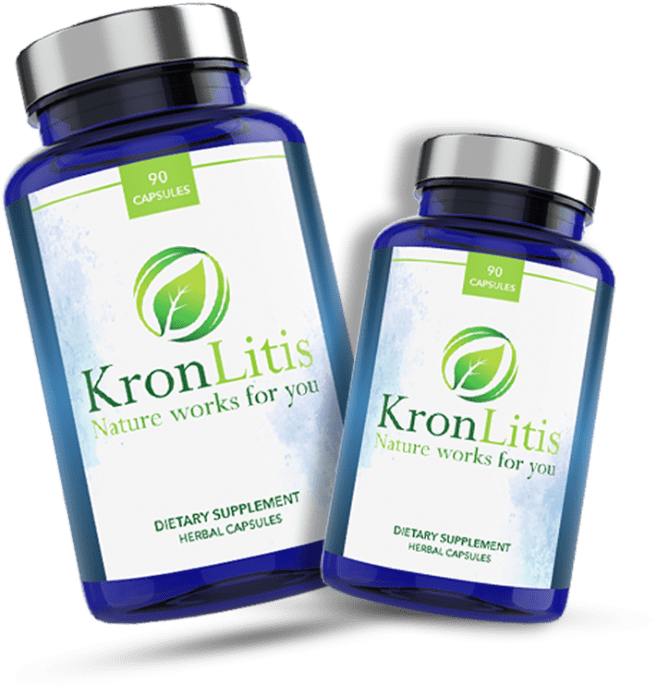
The Kronlitis supplement exemplifies this integrative philosophy, combining four traditional herbs with documented anti-inflammatory properties. For patients whose disease remains confined to the colon, whether ulcerative colitis or colon-limited Crohn’s, targeted natural approaches may complement conventional treatment strategies.
Key Takeaways: Making Sense of Your IBD Diagnosis
Receiving an IBD diagnosis initiates a journey that requires understanding, patience, and active participation in treatment decisions. The distinctions between Crohn’s disease and ulcerative colitis matter because they shape expectations, inform treatment choices, and influence long-term planning.
- Location Determines Approach: Crohn’s anywhere in GI tract requires comprehensive assessment; UC colon-confined focus allows for targeted colon therapies
- Depth Predicts Complications: Transmural Crohn’s inflammation creates fistula and stricture risks not typically seen in UC
- Pattern Guides Monitoring: Skip lesions in Crohn’s require evaluation of entire GI tract; UC’s continuous pattern simplifies surveillance
- Surgical Options Differ: Colectomy cures UC; Crohn’s recurs after surgery, fundamentally changing the surgical calculus
- Integrative Approaches Fit Both: Natural anti-inflammatory strategies benefit both conditions, particularly for colon-based inflammation
For those seeking our approach to IBD wellness, the emphasis remains on addressing root inflammatory mechanisms rather than merely suppressing symptoms. Whether through conventional medications, natural supplements, dietary modification, or lifestyle adjustment, successful management requires understanding which specific disease process your body is experiencing.
Frequently Asked Questions About Crohn’s vs Colitis
Can you have both Crohn’s disease and ulcerative colitis simultaneously?
No. These are distinct diagnoses that rarely overlap. However, some patients receive an initial ulcerative colitis diagnosis that later changes to Crohn’s disease as additional symptoms or small bowel involvement becomes apparent. This diagnostic conversion occurs in approximately 5-10% of cases over time, highlighting the importance of ongoing evaluation.
Which condition has a higher cancer risk?
Both carry increased risk. Long-standing ulcerative colitis creates colon cancer risk that increases with disease duration and extent. Crohn’s colitis carries similar risks when the colon is involved. According to epidemiological research, the risk becomes significant after 8-10 years of active disease. Surveillance colonoscopy at regular intervals remains essential for both conditions.
Does diet affect Crohn’s and ulcerative colitis differently?
Yes. Crohn’s patients with small bowel involvement face greater challenges with nutrient absorption and may require more aggressive nutritional supplementation. Both conditions benefit from identifying individual trigger foods, though these vary significantly between patients. Working with a registered dietitian experienced in IBD management helps optimize nutrition for both conditions.
Is remission possible for both conditions?
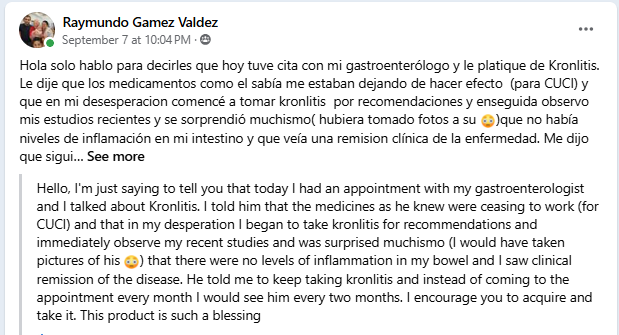
Yes, absolutely. Both Crohn’s disease and ulcerative colitis can achieve deep, lasting remission with appropriate treatment. Remission rates vary based on disease severity and treatment approach. Many patients achieve periods of complete symptom freedom, though maintenance therapy typically continues to prevent recurrence. Natural anti-inflammatory approaches like the Kronlitis formulation have helped many patients achieve and maintain remission alongside conventional treatments.
Which condition is more difficult to treat?
Crohn’s generally presents greater challenges. The transmural inflammation, potential for small bowel involvement, and absence of surgical cure make Crohn’s a more complex therapeutic landscape. However, severe ulcerative colitis can prove equally recalcitrant to treatment, and both conditions require individualized approaches. For additional additional IBD questions answered, consulting with gastroenterologists who specialize in inflammatory bowel disease provides personalized guidance.
How quickly can natural supplements help with IBD symptoms?
Response times vary. Some patients report improvement within weeks of starting targeted herbal formulations, while others require longer periods to experience full benefits. The Kronlitis supplement, with its combination of four anti-inflammatory herbs, has demonstrated effectiveness in helping patients achieve remission, though individual responses depend on disease severity, duration, and individual physiology.
@keyframes hoox-lf-in-hoox-f-2735c656-6a05-4de7-bade-cddde0-bottom {
from { opacity: 0; transform: translateY(8px); }
to { opacity: 1; transform: translateY(0); }
}
#hoox-f-2735c656-6a05-4de7-bade-cddde0-bottom {
width: 100%;
max-width: 100%;
box-sizing: border-box;
display: flex;
flex-direction: column;
gap: 20px;
margin: 48px 0;
padding: 32px 28px;
border-radius: 16px;
background: #ffffff;
color: #111111;
font-family: inherit;
border: 1px solid #E2E8F0;
animation: hoox-lf-in-hoox-f-2735c656-6a05-4de7-bade-cddde0-bottom 0.3s cubic-bezier(0.16, 1, 0.3, 1);
direction: inherit;
}
#hoox-f-2735c656-6a05-4de7-bade-cddde0-bottom .hoox-form-header {
display: flex;
flex-direction: column;
gap: 8px;
text-align: center;
}
#hoox-f-2735c656-6a05-4de7-bade-cddde0-bottom .hoox-form-header h2 {
margin: 0;
font-size: 1.5em;
font-weight: 700;
line-height: 1.3;
color: #111111;
border: none;
padding: 0;
}
#hoox-f-2735c656-6a05-4de7-bade-cddde0-bottom .hoox-form-header p {
margin: 0;
font-size: 1em;
line-height: 1.6;
color: #64748B;
}
#hoox-f-2735c656-6a05-4de7-bade-cddde0-bottom form[data-hx-form] {
margin: 0;
display: flex;
flex-direction: column;
gap: 14px;
}
#hoox-f-2735c656-6a05-4de7-bade-cddde0-bottom .hoox-field-wrap {
position: relative;
width: 100%;
box-sizing: border-box;
}
#hoox-f-2735c656-6a05-4de7-bade-cddde0-bottom .hoox-field-wrap input {
width: 100%;
box-sizing: border-box;
height: 44px;
padding-inline-start: 42px;
padding-inline-end: 14px;
border: 1px solid #E2E8F0;
border-radius: 10px;
font-size: 14px;
color: #111111;
font-family: inherit;
background-color: #F8FAFC;
transition: border-color 0.15s ease, box-shadow 0.15s ease, background-color 0.15s ease;
outline: none;
direction: inherit;
text-align: start;
}
#hoox-f-2735c656-6a05-4de7-bade-cddde0-bottom .hoox-field-wrap input::placeholder {
color: #94A3B8;
opacity: 1;
}
#hoox-f-2735c656-6a05-4de7-bade-cddde0-bottom .hoox-field-wrap input:focus {
background-color: #FFFFFF;
border-color: #0077B6,#00B4D8,#90E0EF;
box-shadow: 0 0 0 3px rgba(15, 23, 42, 0.08);
}
#hoox-f-2735c656-6a05-4de7-bade-cddde0-bottom .hoox-field-icon {
position: absolute;
top: 0;
bottom: 0;
inset-inline-start: 0;
width: 42px;
display: flex;
align-items: center;
justify-content: center;
pointer-events: none;
color: #94A3B8;
transition: color 0.15s ease;
}
#hoox-f-2735c656-6a05-4de7-bade-cddde0-bottom .hoox-field-wrap:focus-within .hoox-field-icon {
color: #0077B6,#00B4D8,#90E0EF;
}
#hoox-f-2735c656-6a05-4de7-bade-cddde0-bottom button[type=”submit”] {
width: 100%;
height: 44px;
margin-top: 4px;
border: none;
border-radius: 10px;
background: #0077B6,#00B4D8,#90E0EF;
color: #FFFFFF;
font-size: 14px;
font-weight: 600;
cursor: pointer;
transition: opacity 0.15s ease, transform 0.15s ease, box-shadow 0.15s ease;
box-shadow: 0 1px 2px 0 rgba(0, 0, 0, 0.05);
}
#hoox-f-2735c656-6a05-4de7-bade-cddde0-bottom button[type=”submit”]:hover {
opacity: 0.94;
}
#hoox-f-2735c656-6a05-4de7-bade-cddde0-bottom button[type=”submit”]:active {
transform: scale(0.99);
}
#hoox-f-2735c656-6a05-4de7-bade-cddde0-bottom button[type=”submit”]:disabled {
opacity: 0.6;
cursor: not-allowed;
}
#hoox-f-2735c656-6a05-4de7-bade-cddde0-bottom .hoox-disclaimer {
margin: 0;
text-align: center;
font-size: 12px;
line-height: 1.5;
color: #94A3B8;
}
#hoox-f-2735c656-6a05-4de7-bade-cddde0-bottom .hoox-disclaimer a {
color: inherit;
text-decoration: underline;
text-underline-offset: 2px;
}
#hoox-f-2735c656-6a05-4de7-bade-cddde0-bottom .hoox-disclaimer a:hover {
text-decoration: none;
}
#hoox-f-2735c656-6a05-4de7-bade-cddde0-bottom .hoox-success {
display: none;
flex-direction: column;
align-items: center;
gap: 14px;
padding: 12px 0;
position: relative;
}
#hoox-f-2735c656-6a05-4de7-bade-cddde0-bottom .hoox-confetti {
position: absolute;
inset: 0;
overflow: visible;
pointer-events: none;
}
#hoox-f-2735c656-6a05-4de7-bade-cddde0-bottom .hoox-confetti span {
position: absolute;
top: 50%;
left: 50%;
width: 7px;
height: 11px;
background: var(–hoox-c);
border-radius: 2px;
opacity: 0;
animation: hoox-confetti-burst 0.9s ease-out forwards;
animation-delay: var(–hoox-d, 0s);
}
@keyframes hoox-confetti-burst {
0% { opacity: 1; transform: translate(-50%, -50%) rotate(0deg) scale(1); }
100% { opacity: 0; transform: translate(calc(-50% + var(–hoox-tx)), calc(-50% + var(–hoox-ty))) rotate(var(–hoox-rz)) scale(0.5); }
}
#hoox-f-2735c656-6a05-4de7-bade-cddde0-bottom .hoox-success-icon {
width: 52px;
height: 52px;
border-radius: 50%;
background: #ECFDF5;
display: flex;
align-items: center;
justify-content: center;
font-size: 26px;
line-height: 1;
animation: hoox-success-pop 0.4s cubic-bezier(0.34, 1.56, 0.64, 1);
}
@keyframes hoox-success-pop {
from { opacity: 0; transform: scale(0.5); }
to { opacity: 1; transform: scale(1); }
}
#hoox-f-2735c656-6a05-4de7-bade-cddde0-bottom .hoox-success-text {
margin: 0;
text-align: center;
font-size: 15px;
font-weight: 600;
line-height: 1.5;
color: #111111;
}
#hoox-f-2735c656-6a05-4de7-bade-cddde0-bottom .hoox-disabled-state {
display: none;
flex-direction: column;
align-items: center;
gap: 14px;
padding: 12px 0;
text-align: center;
}
#hoox-f-2735c656-6a05-4de7-bade-cddde0-bottom .hoox-disabled-icon {
width: 52px;
height: 52px;
border-radius: 50%;
background: #F1F5F9;
display: flex;
align-items: center;
justify-content: center;
color: #64748B;
}
#hoox-f-2735c656-6a05-4de7-bade-cddde0-bottom .hoox-disabled-text {
margin: 0;
font-size: 14px;
line-height: 1.6;
color: #64748B;
}
#hoox-f-2735c656-6a05-4de7-bade-cddde0-bottom .hoox-disabled-text a {
color: inherit;
font-weight: 600;
text-decoration: underline;
text-underline-offset: 2px;
}
#hoox-f-2735c656-6a05-4de7-bade-cddde0-bottom .hoox-disabled-text a:hover {
text-decoration: none;
}
See What This Could Look Like For You
Takes 30 seconds
Thanks! We’ll be in touch.