

Fecal Impaction Treatment: Evidence-Based Relief Protocol
Fecal impaction requires immediate intervention through manual disimpaction, enema therapy, or polyethylene glycol solutions with hospitalization rates increasing 23% among pediatric patients between 2011-2019 [Study]. Effective treatment addresses both immediate blockage removal and underlying digestive dysfunction. This comprehensive protocol integrates conventional medical approaches with natural therapeutic strategies proven to restore normal bowel function and prevent recurrence in patients with chronic inflammatory conditions.
Quick Answer: Proven Fecal Impaction Treatment Pathways
Fecal impaction treatment follows a three-tiered approach depending on severity and patient history. Emergency disimpaction addresses acute blockage that threatens intestinal integrity. Pharmaceutical intervention using osmotic laxatives softens stool for gradual passage. Preventive protocols establish long-term habits to stop recurrence before it starts.
Timely intervention matters. According to analyses from Mdpi, pediatric hospitalization for fecal impaction increased significantly between 2011 and 2019, signaling a growing need for earlier intervention. Adults with chronic inflammatory conditions face additional risks when impaction complicates their underlying digestive dysfunction.
@keyframes hoox-lf-in-hoox-f-4e3527cd-224d-44db-814a-aabc01-top {
from { opacity: 0; transform: translateY(8px); }
to { opacity: 1; transform: translateY(0); }
}
#hoox-f-4e3527cd-224d-44db-814a-aabc01-top {
width: 100%;
max-width: 100%;
box-sizing: border-box;
display: flex;
flex-direction: column;
gap: 20px;
margin: 48px 0;
padding: 32px 28px;
border-radius: 16px;
background: #ffffff;
color: #111111;
font-family: inherit;
border: 1px solid #E2E8F0;
animation: hoox-lf-in-hoox-f-4e3527cd-224d-44db-814a-aabc01-top 0.3s cubic-bezier(0.16, 1, 0.3, 1);
direction: inherit;
}
#hoox-f-4e3527cd-224d-44db-814a-aabc01-top .hoox-form-header {
display: flex;
flex-direction: column;
gap: 8px;
text-align: center;
}
#hoox-f-4e3527cd-224d-44db-814a-aabc01-top .hoox-form-header h2 {
margin: 0;
font-size: 1.5em;
font-weight: 700;
line-height: 1.3;
color: #111111;
border: none;
padding: 0;
}
#hoox-f-4e3527cd-224d-44db-814a-aabc01-top .hoox-form-header p {
margin: 0;
font-size: 1em;
line-height: 1.6;
color: #64748B;
}
#hoox-f-4e3527cd-224d-44db-814a-aabc01-top form[data-hx-form] {
margin: 0;
display: flex;
flex-direction: column;
gap: 14px;
}
#hoox-f-4e3527cd-224d-44db-814a-aabc01-top .hoox-field-wrap {
position: relative;
width: 100%;
box-sizing: border-box;
}
#hoox-f-4e3527cd-224d-44db-814a-aabc01-top .hoox-field-wrap input {
width: 100%;
box-sizing: border-box;
height: 44px;
padding-inline-start: 42px;
padding-inline-end: 14px;
border: 1px solid #E2E8F0;
border-radius: 10px;
font-size: 14px;
color: #111111;
font-family: inherit;
background-color: #F8FAFC;
transition: border-color 0.15s ease, box-shadow 0.15s ease, background-color 0.15s ease;
outline: none;
direction: inherit;
text-align: start;
}
#hoox-f-4e3527cd-224d-44db-814a-aabc01-top .hoox-field-wrap input::placeholder {
color: #94A3B8;
opacity: 1;
}
#hoox-f-4e3527cd-224d-44db-814a-aabc01-top .hoox-field-wrap input:focus {
background-color: #FFFFFF;
border-color: #0077B6,#00B4D8,#90E0EF;
box-shadow: 0 0 0 3px rgba(15, 23, 42, 0.08);
}
#hoox-f-4e3527cd-224d-44db-814a-aabc01-top .hoox-field-icon {
position: absolute;
top: 0;
bottom: 0;
inset-inline-start: 0;
width: 42px;
display: flex;
align-items: center;
justify-content: center;
pointer-events: none;
color: #94A3B8;
transition: color 0.15s ease;
}
#hoox-f-4e3527cd-224d-44db-814a-aabc01-top .hoox-field-wrap:focus-within .hoox-field-icon {
color: #0077B6,#00B4D8,#90E0EF;
}
#hoox-f-4e3527cd-224d-44db-814a-aabc01-top button[type=”submit”] {
width: 100%;
height: 44px;
margin-top: 4px;
border: none;
border-radius: 10px;
background: #0077B6,#00B4D8,#90E0EF;
color: #FFFFFF;
font-size: 14px;
font-weight: 600;
cursor: pointer;
transition: opacity 0.15s ease, transform 0.15s ease, box-shadow 0.15s ease;
box-shadow: 0 1px 2px 0 rgba(0, 0, 0, 0.05);
}
#hoox-f-4e3527cd-224d-44db-814a-aabc01-top button[type=”submit”]:hover {
opacity: 0.94;
}
#hoox-f-4e3527cd-224d-44db-814a-aabc01-top button[type=”submit”]:active {
transform: scale(0.99);
}
#hoox-f-4e3527cd-224d-44db-814a-aabc01-top button[type=”submit”]:disabled {
opacity: 0.6;
cursor: not-allowed;
}
#hoox-f-4e3527cd-224d-44db-814a-aabc01-top .hoox-disclaimer {
margin: 0;
text-align: center;
font-size: 12px;
line-height: 1.5;
color: #94A3B8;
}
#hoox-f-4e3527cd-224d-44db-814a-aabc01-top .hoox-disclaimer a {
color: inherit;
text-decoration: underline;
text-underline-offset: 2px;
}
#hoox-f-4e3527cd-224d-44db-814a-aabc01-top .hoox-disclaimer a:hover {
text-decoration: none;
}
#hoox-f-4e3527cd-224d-44db-814a-aabc01-top .hoox-success {
display: none;
flex-direction: column;
align-items: center;
gap: 14px;
padding: 12px 0;
position: relative;
}
#hoox-f-4e3527cd-224d-44db-814a-aabc01-top .hoox-confetti {
position: absolute;
inset: 0;
overflow: visible;
pointer-events: none;
}
#hoox-f-4e3527cd-224d-44db-814a-aabc01-top .hoox-confetti span {
position: absolute;
top: 50%;
left: 50%;
width: 7px;
height: 11px;
background: var(–hoox-c);
border-radius: 2px;
opacity: 0;
animation: hoox-confetti-burst 0.9s ease-out forwards;
animation-delay: var(–hoox-d, 0s);
}
@keyframes hoox-confetti-burst {
0% { opacity: 1; transform: translate(-50%, -50%) rotate(0deg) scale(1); }
100% { opacity: 0; transform: translate(calc(-50% + var(–hoox-tx)), calc(-50% + var(–hoox-ty))) rotate(var(–hoox-rz)) scale(0.5); }
}
#hoox-f-4e3527cd-224d-44db-814a-aabc01-top .hoox-success-icon {
width: 52px;
height: 52px;
border-radius: 50%;
background: #ECFDF5;
display: flex;
align-items: center;
justify-content: center;
font-size: 26px;
line-height: 1;
animation: hoox-success-pop 0.4s cubic-bezier(0.34, 1.56, 0.64, 1);
}
@keyframes hoox-success-pop {
from { opacity: 0; transform: scale(0.5); }
to { opacity: 1; transform: scale(1); }
}
#hoox-f-4e3527cd-224d-44db-814a-aabc01-top .hoox-success-text {
margin: 0;
text-align: center;
font-size: 15px;
font-weight: 600;
line-height: 1.5;
color: #111111;
}
#hoox-f-4e3527cd-224d-44db-814a-aabc01-top .hoox-disabled-state {
display: none;
flex-direction: column;
align-items: center;
gap: 14px;
padding: 12px 0;
text-align: center;
}
#hoox-f-4e3527cd-224d-44db-814a-aabc01-top .hoox-disabled-icon {
width: 52px;
height: 52px;
border-radius: 50%;
background: #F1F5F9;
display: flex;
align-items: center;
justify-content: center;
color: #64748B;
}
#hoox-f-4e3527cd-224d-44db-814a-aabc01-top .hoox-disabled-text {
margin: 0;
font-size: 14px;
line-height: 1.6;
color: #64748B;
}
#hoox-f-4e3527cd-224d-44db-814a-aabc01-top .hoox-disabled-text a {
color: inherit;
font-weight: 600;
text-decoration: underline;
text-underline-offset: 2px;
}
#hoox-f-4e3527cd-224d-44db-814a-aabc01-top .hoox-disabled-text a:hover {
text-decoration: none;
}
See What This Could Look Like For You
Takes 30 seconds
Thanks! We’ll be in touch.
| Treatment Method | Success Rate | Timeframe | Best For |
|---|---|---|---|
| Manual Disimpaction | 85-95% | Immediate to 1 hour | Severe impaction with acute symptoms |
| Enema Therapy | 70-85% | 15 minutes to 2 hours | Moderate impaction, home or outpatient |
| Oral PEG Laxatives | 65-80% | 24-72 hours | Preventive protocols, recurrent cases |

Patients often feel overwhelmed when facing severe constipation treatment options. The right pathway depends on symptom duration, pain level, and any underlying conditions like Crohn’s disease or ulcerative colitis. Professional assessment determines whether outpatient management suffices or hospital admission is required for complications like bowel obstruction relief.
For those navigating complex digestive issues, understanding these treatment tiers provides clarity. Many patients have comprehensive treatment questions about combining conventional and natural approaches particularly when standard medications have fallen short.
Manual Disimpaction: When Immediate Intervention Is Critical
Digital evacuation remains the gold standard for severe stool impaction removal when the mass is reachable and patient condition permits. This procedure involves a trained clinician using lubricated gloved fingers to break apart hardened stool in the rectum. It provides the fastest relief for patients in acute distress.
Clinical indications for immediate disimpaction include:
- Complete inability to pass stool or gas for more than 48 hours
- Severe abdominal distension with visible masses on palpation
- Anti-peristaltic movements or absence of bowel sounds
- Fecal incontinence with overflow diarrhea signaling proximal obstruction
- Fever, rapid heart rate, or signs of systemic toxicity
Patients often feel embarrassed about the procedure. Clinicians routinely perform disimpaction and approach it with clinical professionalism. Communication throughout the process helps manage discomfort. Local anesthetic gels can reduce sensation for sensitive patients or those with inflammatory conditions affecting the rectal area.
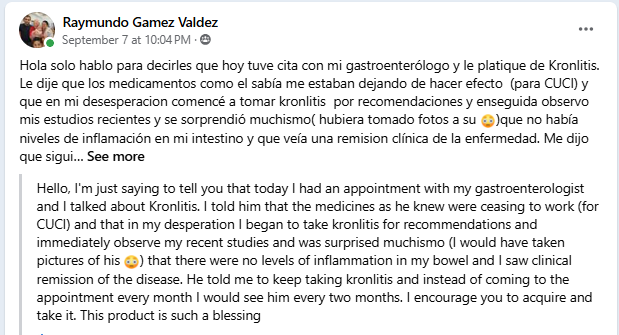
Hospital settings become necessary when outpatient procedures prove insufficient. Adults over 65 face heightened risks research from Nih documents that fecal impaction carries significant morbidity and mortality in elderly populations, particularly those with multiple comorbidities. Issues like aspiration during sedation, cardiac stress from straining, and perforation risk require monitoring.
For younger patients without complicating factors, outpatient manual disimpaction in a clinic setting offers effective relief. The procedure typically takes 15-30 minutes. Patients receive instructions for post-procedure care including hydration and stool softeners to prevent immediate recurrence.
Pharmaceutical Protocols: Polyethylene Glycol and Targeted Laxatives
Polyethylene glycol 3350 (PEG) has become the first-line pharmaceutical approach for colon cleansing protocols in non-emergency situations. This osmotic laxative works by drawing water into the intestinal tract, softening stool and increasing stool volume to stimulate peristalsis. Unlike stimulant laxatives, PEG doesn’t cause cramping or create dependency with long-term use.
Standard dosing for impaction involves higher initial doses:
Loading dose: 17-34 grams dissolved in 4-8 ounces of fluid, taken once or divided into two daily doses for 2-3 days.
Maintenance dose: 17 grams daily once impaction resolves, adjusted based on individual response.
Timing expectations vary. Patients typically see results within 24-72 hours. Complete colon cleanout may take longer for severe cases. The mechanism relies on adequate fluid intake PEG cannot pull sufficient water into the bowel without concurrent hydration.

| Laxative Class | Mechanism | Response Time | Considerations |
|---|---|---|---|
| Osmotic (PEG, Lactulose) | Draws water into intestines | 24-72 hours | Safe for long-term use, minimal cramping |
| Stimulant (Senna, Bisacodyl) | Stimulates intestinal contractions | 6-12 hours | Reserve for short-term, may cause cramping |
| Stool Softeners (Docusate) | Allows water penetration into stool | 24-48 hours | Insufficient alone for impaction |
| Lubricants (Mineral Oil) | Coats stool for easier passage | 6-8 hours | Aspiration risk, avoid in elderly |
Stimulant laxatives have a role in acute situations but carry risks with extended use. Senna and bisacodyl cause intestinal contractions that can exacerbate cramping in patients with inflammatory bowel disease. For those with Crohn’s or colitis, osmotic agents remain the preferred option.
Patients seeking comprehensive strategies often combine pharmaceutical approaches with natural digestive health solutions to address both immediate symptoms and underlying dysfunction. This integration proves particularly valuable when conventional medications alone haven’t resolved chronic constipation management issues.
Natural Therapeutic Integration for Chronic Cases
Conventional fecal impaction treatment addresses the acute blockage but doesn’t always resolve the underlying dysfunction that led to impaction. Natural therapeutic integration focuses on restoring normal motility patterns, reducing inflammation, and supporting the digestive system’s inherent regulatory mechanisms.
Chinese medicinal traditions have addressed intestinal blockage for thousands of years. For patients with IBD-related constipation, botanical interventions target both motility and inflammation simultaneously something conventional laxatives cannot accomplish.
Evidence-supported botanicals for digestive motility include:
- Rhubarb root (Rhei radix): Stimulates peristalsis through anthraquinone compounds while reducing inflammation
- Senna leaf: Natural stimulant laxative used sparingly for acute constipation episodes
- Aloe vera latex: Anthraquinone-rich inner leaf stimulates colonic contractions
- Ginger rhizome: Prokinetic effects improve gastric emptying and intestinal transit
- Peppermint oil: Antispasmodic properties reduce cramping while promoting coordinated motility
- Psyllium husk: Gentle soluble fiber adds bulk and softens stool consistency
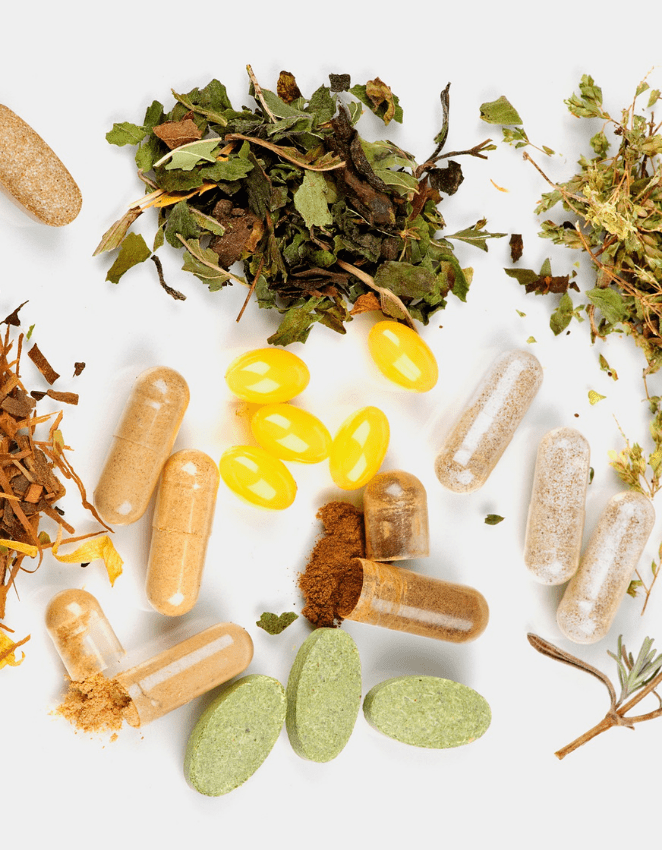
Kronlitis has developed a specialized four-herb formula derived from these traditions, specifically designed for patients with inflammatory bowel conditions who experience constipation and impaction episodes. The combination targets inflammation in the colon while supporting regular motility addressing both the symptom and its root cause.
Patients exploring natural options should understand that botanical interventions work differently than pharmaceutical laxatives. Results develop more gradually, typically over days to weeks. The advantage comes in sustained improvement rather than one-time relief. Those interested in learning more can explore the four-herb formula for inflammatory conditions and its specific applications for IBD-related digestive dysfunction.
How to Implement Post-Treatment Prevention Strategies
Preventing recurrence demands more than occasional laxative use. Effective prevention establishes sustainable habits that maintain stool consistency, support regular motility, and address underlying dysfunction before impaction develops.
Daily fiber intake targets range from 25-35 grams for most adults. This threshold supports stool bulk and promotes movement through the colon. However, increasing fiber without adequate hydration worsens constipation the fiber absorbs available water in the bowel, creating denser, harder stool.
| Prevention Pillar | Daily Target | Implementation Notes |
|---|---|---|
| Dietary Fiber | 25-35 grams | Gradually increase to avoid bloating |
| Fluid Intake | 2-3 liters | Water, herbal teas; limit dehydrating beverages |
| Physical Activity | 30+ minutes | Walking stimulates colonic motility |
| Bowel Habit Training | Regular timing | Respond to urge promptly; don’t delay |
| Supplementation | Per clinical guidance | Magnesium, probiotics, botanical support |
Hydration timing matters as much as volume. Drinking 16-20 ounces of water upon waking stimulates the gastrocolic reflex a natural motility signal. Additional fluids between meals, rather than with meals, optimize digestion without diluting stomach acid.
Movement creates mechanical stimulation. The colon responds to physical activity through enhanced blood flow and direct compression during exercise. A 30-minute daily walk often proves more effective than any laxative for maintaining regularity in sedentary individuals.
Patients who have struggled with recurrent impaction often benefit from understanding others’ experiences. Reading patient success stories provides perspective on how integrated approaches have resolved chronic constipation where single interventions failed.
IBD-Specific Considerations: When Inflammation Complicates Treatment
Patients with Crohn’s disease and ulcerative colitis face unique challenges with fecal impaction. Inflammation narrows the intestinal lumen, creating strictures that predispose to obstruction. Medical management of underlying IBD directly influences impaction risk.
IBD-specific warning signs that alter treatment approach:
- Known strictures identified on imaging or colonoscopy
- Active inflammation with elevated inflammatory markers (CRP, ESR)
- Recent steroid use affecting motility and immune function
- History of bowel resection affecting anatomy
Inflammatory changes make aggressive laxative protocols risky. Stimulant laxatives may trigger severe cramping against narrowed segments. Osmotic agents, while gentler, still require careful dosing when strictures are present. Manual disimpaction in IBD patients needs experienced clinicians who can assess for friable tissue and ulceration.
The intersection of IBD and constipation often leads to a frustrating cycle. Anti-inflammatory medications may slow motility. Dietary restrictions necessary during flares limit fiber intake. Fear of bathroom urgency causes patients to hold stool, worsening impaction risk.
Addressing inflammation directly helps break this cycle. Botanical approaches that target inflammatory pathways while supporting motility offer advantages for IBD patients. Kronlitis provides our integrative approach to digestive conditions for patients seeking comprehensive strategies that account for their complex medical history.
Key Takeaways: Treatment Sequencing and Long-Term Management
Effective fecal impaction treatment requires recognizing the severity level and matching intervention intensity accordingly. Emergency situations demand immediate manual or enema-based relief. Subacute cases respond to pharmaceutical protocols. Prevention depends on sustainable lifestyle changes and addressing root causes.
- Recognize emergencies: Complete obstruction, severe pain, fever require immediate medical evaluation
- Match intervention to severity: Manual disimpaction for acute cases, PEG for subacute, prevention for maintenance
- Hydrate consistently: 2-3 liters daily prevents stool hardening and supports motility
- Increase fiber gradually: Target 25-35 grams daily with concurrent hydration
- Move daily: Physical activity stimulates natural colonic motility
- Address underlying dysfunction: Inflammation, motility disorders, and IBD require specific treatment
- Consider natural integration: Botanical approaches complement conventional treatment for chronic cases
For patients with inflammatory bowel conditions, impaction treatment cannot be separated from managing underlying disease. The two processes influence each other. Effective resolution requires addressing both simultaneously.
Those ready to explore comprehensive options can explore natural supplement options designed specifically for IBD-related digestive dysfunction. Integrative approaches that combine conventional medicine with evidence-based botanical interventions offer the most promising path for patients who have struggled with standard treatments.
Frequently Asked Questions About Fecal Impaction Treatment
How long does it take to resolve fecal impaction?
Resolution typically takes 1-3 days depending on severity and treatment method. Manual disimpaction provides immediate relief for reachable stool. Enema therapy works within 15 minutes to 2 hours. Oral PEG laxatives require 24-72 hours for complete passage. Severe cases with proximal extension may need multiple interventions over several days. Patients with IBD often require longer treatment courses due to inflammatory complications.
Can I treat fecal impaction at home?
Mild to moderate cases can often be managed at home with appropriate guidance. Oral PEG solutions and phosphate or saline enemas effectively resolve many impactions. However, severe symptoms including complete inability to pass gas, extreme abdominal distension, fever, or intense pain require emergency evaluation. Home treatment attempts delay necessary intervention when bowel obstruction is present. Always consult a healthcare provider for medical disclaimer guidance before self-treating.
What makes fecal impaction dangerous?
Untreated impaction can lead to bowel perforation, sepsis, and death in extreme cases. Pressure from retained stool compromises blood flow to intestinal walls, creating tissue death and rupture risk. Overflow incontinence often masks the severity patients believe they’re not constipated because liquid stool leaks past the blockage. Elderly patients face mortality rates significantly higher than younger populations, making prompt treatment essential.
Will manual disimpaction hurt?
Discomfort varies based on impaction size and positioning. Most patients report pressure and cramping rather than sharp pain. Clinicians use lubrication and may apply local anesthetic gel. The average procedure takes 15-30 minutes. Patients with IBD or rectal inflammation may experience more sensitivity. Communication with the practitioner allows breaks and position adjustments. Most patients describe significant relief immediately after the procedure.
How do I prevent fecal impaction from returning?
Prevention requires consistent daily habits rather than intermittent intervention. Meeting fiber targets of 25-35 grams daily, maintaining 2-3 liters of fluid intake, and regular physical activity form the foundation. Responding promptly to the urge to defecate prevents stool from becoming harder and more difficult to pass. For IBD patients, controlling underlying inflammation reduces stricture-related impaction risk significantly.
Are laxatives safe for long-term use?
Osmotic laxatives like PEG are safe for extended use unlike stimulant options that create dependency. PEG works by drawing water into the bowel rather than stimulating contractions. Research supports its use over months to years without tolerance development. However, stimulant laxatives like senna and bisacodyl should be reserved for short-term situations. Patients with IBD should consult specialists before starting any long-term laxative regimen.
@keyframes hoox-lf-in-hoox-f-4e3527cd-224d-44db-814a-aabc01-bottom {
from { opacity: 0; transform: translateY(8px); }
to { opacity: 1; transform: translateY(0); }
}
#hoox-f-4e3527cd-224d-44db-814a-aabc01-bottom {
width: 100%;
max-width: 100%;
box-sizing: border-box;
display: flex;
flex-direction: column;
gap: 20px;
margin: 48px 0;
padding: 32px 28px;
border-radius: 16px;
background: #ffffff;
color: #111111;
font-family: inherit;
border: 1px solid #E2E8F0;
animation: hoox-lf-in-hoox-f-4e3527cd-224d-44db-814a-aabc01-bottom 0.3s cubic-bezier(0.16, 1, 0.3, 1);
direction: inherit;
}
#hoox-f-4e3527cd-224d-44db-814a-aabc01-bottom .hoox-form-header {
display: flex;
flex-direction: column;
gap: 8px;
text-align: center;
}
#hoox-f-4e3527cd-224d-44db-814a-aabc01-bottom .hoox-form-header h2 {
margin: 0;
font-size: 1.5em;
font-weight: 700;
line-height: 1.3;
color: #111111;
border: none;
padding: 0;
}
#hoox-f-4e3527cd-224d-44db-814a-aabc01-bottom .hoox-form-header p {
margin: 0;
font-size: 1em;
line-height: 1.6;
color: #64748B;
}
#hoox-f-4e3527cd-224d-44db-814a-aabc01-bottom form[data-hx-form] {
margin: 0;
display: flex;
flex-direction: column;
gap: 14px;
}
#hoox-f-4e3527cd-224d-44db-814a-aabc01-bottom .hoox-field-wrap {
position: relative;
width: 100%;
box-sizing: border-box;
}
#hoox-f-4e3527cd-224d-44db-814a-aabc01-bottom .hoox-field-wrap input {
width: 100%;
box-sizing: border-box;
height: 44px;
padding-inline-start: 42px;
padding-inline-end: 14px;
border: 1px solid #E2E8F0;
border-radius: 10px;
font-size: 14px;
color: #111111;
font-family: inherit;
background-color: #F8FAFC;
transition: border-color 0.15s ease, box-shadow 0.15s ease, background-color 0.15s ease;
outline: none;
direction: inherit;
text-align: start;
}
#hoox-f-4e3527cd-224d-44db-814a-aabc01-bottom .hoox-field-wrap input::placeholder {
color: #94A3B8;
opacity: 1;
}
#hoox-f-4e3527cd-224d-44db-814a-aabc01-bottom .hoox-field-wrap input:focus {
background-color: #FFFFFF;
border-color: #0077B6,#00B4D8,#90E0EF;
box-shadow: 0 0 0 3px rgba(15, 23, 42, 0.08);
}
#hoox-f-4e3527cd-224d-44db-814a-aabc01-bottom .hoox-field-icon {
position: absolute;
top: 0;
bottom: 0;
inset-inline-start: 0;
width: 42px;
display: flex;
align-items: center;
justify-content: center;
pointer-events: none;
color: #94A3B8;
transition: color 0.15s ease;
}
#hoox-f-4e3527cd-224d-44db-814a-aabc01-bottom .hoox-field-wrap:focus-within .hoox-field-icon {
color: #0077B6,#00B4D8,#90E0EF;
}
#hoox-f-4e3527cd-224d-44db-814a-aabc01-bottom button[type=”submit”] {
width: 100%;
height: 44px;
margin-top: 4px;
border: none;
border-radius: 10px;
background: #0077B6,#00B4D8,#90E0EF;
color: #FFFFFF;
font-size: 14px;
font-weight: 600;
cursor: pointer;
transition: opacity 0.15s ease, transform 0.15s ease, box-shadow 0.15s ease;
box-shadow: 0 1px 2px 0 rgba(0, 0, 0, 0.05);
}
#hoox-f-4e3527cd-224d-44db-814a-aabc01-bottom button[type=”submit”]:hover {
opacity: 0.94;
}
#hoox-f-4e3527cd-224d-44db-814a-aabc01-bottom button[type=”submit”]:active {
transform: scale(0.99);
}
#hoox-f-4e3527cd-224d-44db-814a-aabc01-bottom button[type=”submit”]:disabled {
opacity: 0.6;
cursor: not-allowed;
}
#hoox-f-4e3527cd-224d-44db-814a-aabc01-bottom .hoox-disclaimer {
margin: 0;
text-align: center;
font-size: 12px;
line-height: 1.5;
color: #94A3B8;
}
#hoox-f-4e3527cd-224d-44db-814a-aabc01-bottom .hoox-disclaimer a {
color: inherit;
text-decoration: underline;
text-underline-offset: 2px;
}
#hoox-f-4e3527cd-224d-44db-814a-aabc01-bottom .hoox-disclaimer a:hover {
text-decoration: none;
}
#hoox-f-4e3527cd-224d-44db-814a-aabc01-bottom .hoox-success {
display: none;
flex-direction: column;
align-items: center;
gap: 14px;
padding: 12px 0;
position: relative;
}
#hoox-f-4e3527cd-224d-44db-814a-aabc01-bottom .hoox-confetti {
position: absolute;
inset: 0;
overflow: visible;
pointer-events: none;
}
#hoox-f-4e3527cd-224d-44db-814a-aabc01-bottom .hoox-confetti span {
position: absolute;
top: 50%;
left: 50%;
width: 7px;
height: 11px;
background: var(–hoox-c);
border-radius: 2px;
opacity: 0;
animation: hoox-confetti-burst 0.9s ease-out forwards;
animation-delay: var(–hoox-d, 0s);
}
@keyframes hoox-confetti-burst {
0% { opacity: 1; transform: translate(-50%, -50%) rotate(0deg) scale(1); }
100% { opacity: 0; transform: translate(calc(-50% + var(–hoox-tx)), calc(-50% + var(–hoox-ty))) rotate(var(–hoox-rz)) scale(0.5); }
}
#hoox-f-4e3527cd-224d-44db-814a-aabc01-bottom .hoox-success-icon {
width: 52px;
height: 52px;
border-radius: 50%;
background: #ECFDF5;
display: flex;
align-items: center;
justify-content: center;
font-size: 26px;
line-height: 1;
animation: hoox-success-pop 0.4s cubic-bezier(0.34, 1.56, 0.64, 1);
}
@keyframes hoox-success-pop {
from { opacity: 0; transform: scale(0.5); }
to { opacity: 1; transform: scale(1); }
}
#hoox-f-4e3527cd-224d-44db-814a-aabc01-bottom .hoox-success-text {
margin: 0;
text-align: center;
font-size: 15px;
font-weight: 600;
line-height: 1.5;
color: #111111;
}
#hoox-f-4e3527cd-224d-44db-814a-aabc01-bottom .hoox-disabled-state {
display: none;
flex-direction: column;
align-items: center;
gap: 14px;
padding: 12px 0;
text-align: center;
}
#hoox-f-4e3527cd-224d-44db-814a-aabc01-bottom .hoox-disabled-icon {
width: 52px;
height: 52px;
border-radius: 50%;
background: #F1F5F9;
display: flex;
align-items: center;
justify-content: center;
color: #64748B;
}
#hoox-f-4e3527cd-224d-44db-814a-aabc01-bottom .hoox-disabled-text {
margin: 0;
font-size: 14px;
line-height: 1.6;
color: #64748B;
}
#hoox-f-4e3527cd-224d-44db-814a-aabc01-bottom .hoox-disabled-text a {
color: inherit;
font-weight: 600;
text-decoration: underline;
text-underline-offset: 2px;
}
#hoox-f-4e3527cd-224d-44db-814a-aabc01-bottom .hoox-disabled-text a:hover {
text-decoration: none;
}
See What This Could Look Like For You
Takes 30 seconds
Thanks! We’ll be in touch.