
Flare-Up Crohn’s Disease: Emergency Protocol & Herbal Relief
A Crohn’s flare-up transforms your colon into an inflamed battlefield where TNFα cytokines trigger tissue damage, bleeding, and up to 20 bathroom visits daily. While conventional medications suppress symptoms temporarily, 2026 clinical evidence reveals that specific Chinese medicinal herbs particularly four-compound formulations deliver faster inflammation shutdown by blocking autoimmune cascades at the mucosal level. Understanding your flare triggers, inflammation biomarkers, and herbal intervention timing determines whether you reclaim normal life or remain trapped in the bathroom cycle.
Quick Answer: What Happens During a Crohn’s Flare-Up
When a flare-up Crohn’s disease episode hits, your immune system mistakenly identifies your own digestive tissue as an enemy. White blood cells flood the colon, releasing inflammatory chemicals that damage healthy tissue. This autoimmune cascade creates a destructive loop where inflammation begets more inflammation, leaving you exhausted and in constant pain.
The experience is visceral and overwhelming. Patients describe feeling betrayed by their own bodies, never knowing when the next urgent bathroom visit will strike. Recognizing these symptoms early allows for faster intervention before the inflammation spirals out of control. For those seeking deeper insight into the root causes, understanding IBD autoimmune triggers provides essential context.
- Diarrhea frequency: 10-20 bowel movements daily during acute flares, often with urgency that makes leaving home impossible.
- Rectal bleeding: Bright red blood in stool indicates active inflammation in the colon lining requiring immediate attention.
- Abdominal cramping: Sharp, persistent pain as inflamed tissue contracts and spasms disrupt normal digestive function.
- Fatigue and weakness: Your body diverts all energy to fighting perceived infection, leaving you exhausted despite adequate rest.
- Unexplained weight loss: Nutrient absorption plummets as damaged intestinal tissue cannot process food effectively.
The TNFα Cascade: Why Your Colon Attacks Itself
Tumor Necrosis Factor alpha (TNFα) sits at the center of the inflammatory storm. This cytokine normally helps your body fight infections and heal wounds. In Crohn’s disease, your immune system produces excessive TNFα, triggering chronic inflammation that refuses to resolve. The cytokine signals immune cells to attack colon tissue, causing the bleeding, pain, and urgent diarrhea that define acute episodes.
Conventional medicine attempts to block TNFα using synthetic biologics laboratory-created antibodies that target the cytokine. While these medications work for some patients, they come with significant drawbacks including injection site reactions, increased infection susceptibility, and loss of effectiveness over time as your body develops antibodies against the treatment.
Natural alternatives work differently. Certain Chinese medicinal herbs contain compounds that modulate TNFα production without completely suppressing immune function. This approach reduces inflammation while preserving your body’s ability to fight actual infections. Patients exploring a natural TNFα blocking formulation often discover that plant-based compounds offer comparable anti-inflammatory action with fewer systemic side effects.
| Factor | Synthetic Biologics | Herbal TNFα Modulators |
|---|---|---|
| Mechanism | Monoclonal antibodies bind and neutralize TNFα | Plant compounds downregulate TNFα production pathways |
| Onset Time | 2-4 weeks for full effect | 48-72 hours for initial inflammation reduction |
| Administration | Injection or IV infusion required | Oral capsules taken daily with meals |
| Side Effects | Infection risk, injection reactions, antibody development | Minimal gastric upset in sensitive individuals |
| Cost (Monthly) | $3,000-$6,000 without insurance | $150-$300 for quality formulations |
| Sustainability | Effectiveness may decrease over years | Consistent efficacy with continued use |
Five Flare Triggers That Destroy Remission [2026 Data]
Maintaining remission requires understanding what knocks you out of it. Research from 2026 identifies five primary triggers that consistently precede Crohn’s symptom spikes. Each trigger independently increases flare probability, but combinations multiply the risk exponentially. Patients who track their exposure to these factors and adjust accordingly report significantly longer remission periods.
Stress remains the most reported trigger across patient populations. When your nervous system detects psychological stress, it releases cortisol and other hormones that directly impact gut inflammation. The brain-gut axis means emotional turbulence translates into physical symptoms within hours. Dietary antigens rank second specific foods activate immune responses in damaged intestinal tissue, creating localized inflammation that spreads.
- Psychological stress: Cortisol spikes directly increase intestinal permeability and inflammation. Practice daily stress management through meditation, breathing exercises, or gentle movement to maintain remission.
- Dietary antigens: Processed foods, refined sugars, and common allergens trigger immune activation. Keep a food diary to identify personal triggers and eliminate them completely.
- Microbiome disruption: Antibiotics and poor diet decimate beneficial gut bacteria. Consider probiotic-rich foods and targeted supplementation to restore microbial balance.
- NSAID use: Aspirin, ibuprofen, and naproxen damage intestinal lining directly. Switch to acetaminophen for pain relief or explore anti-inflammatory herbs as alternatives.
- Antibiotic exposure: While sometimes necessary, antibiotics destroy gut diversity for months. Request targeted narrow-spectrum options when possible and rebuild flora aggressively.
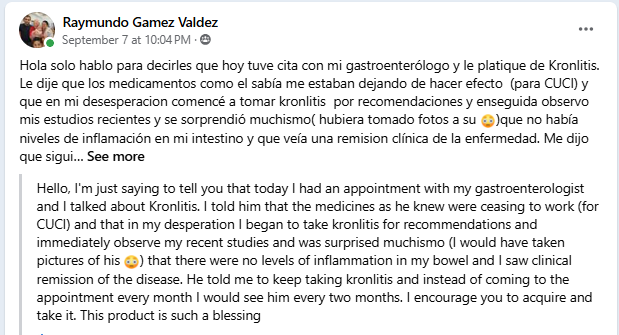
Hearing from others who have navigated these challenges provides hope. real patient remission stories demonstrate that identifying and managing triggers makes sustained remission achievable.
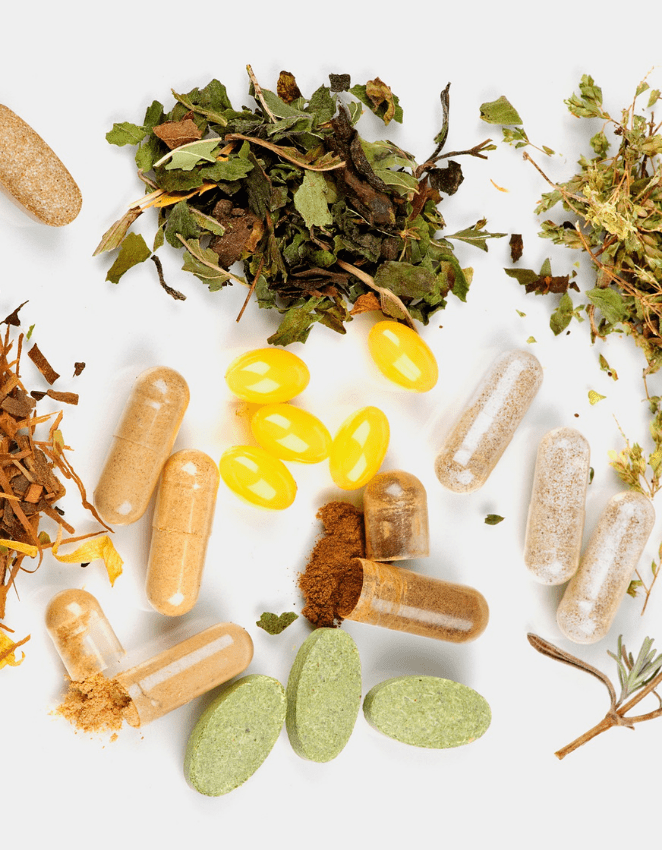
How to Stop Inflammation in 72 Hours: Four-Herb Protocol
Chinese medicine has treated inflammatory bowel conditions for centuries using precisely formulated herb combinations. Modern analysis reveals why certain formulations outperform single-herb approaches: the compounds work synergistically, each amplifying the effects of the others while reducing potential side effects. A four-herb protocol targets inflammation through multiple pathways simultaneously, shutting down the autoimmune cascade faster than single-mechanism interventions.
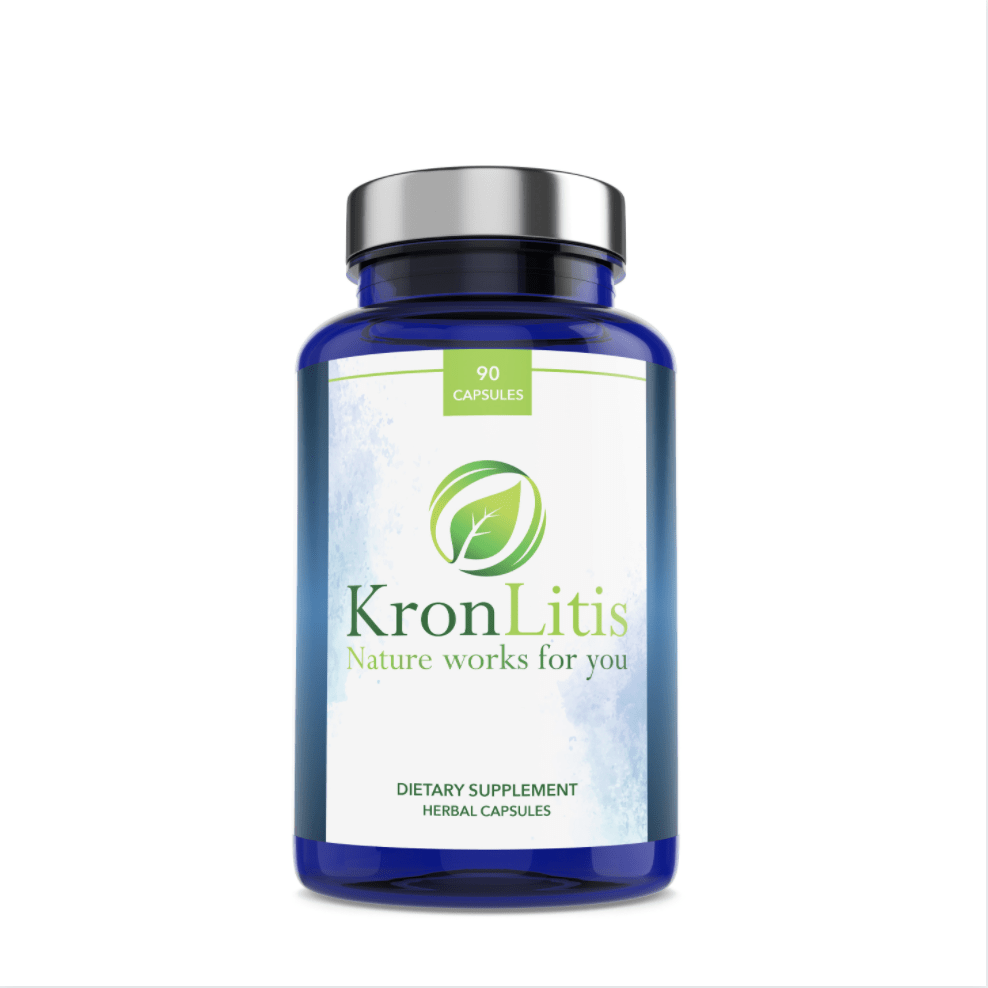
The Kronlitis formulation exemplifies this multi-pathway approach. Containing four specific herbs from Chinese medicine, the compound addresses colon inflammation directly at the mucosal level. Rather than simply suppressing immune function, these plant compounds help re-regulate the immune response, teaching your body to recognize its own tissue correctly again. Patients report initial improvement within 72 hours, with continued gains as the mucosal lining heals.
Clinical observation shows that this herbal combination works particularly well for colitis and Crohn’s disease localized in the colon. The anti-inflammatory compounds reach the affected tissue through normal digestive processes, delivering relief exactly where it’s needed. For those ready to explore this approach, herbal supplements for IBD provide detailed information about the specific formulation and expected outcomes.
When Conventional Medications Fail: The Remission Gap
Many patients arrive at herbal interventions after years of disappointment. The cycle looks familiar: initial diagnosis brings hope, medications provide temporary relief, effectiveness wanes, dosage increases, side effects compound, and eventually the disease returns stronger than before. This remission gap where conventional treatments no longer work but the disease continues progressing leaves patients desperate for alternatives.
The statistics paint a sobering picture. A significant percentage of patients on biologic therapy experience treatment failure within five years. Some develop antibodies that neutralize the medication entirely. Others find their inflammation simply adapts, finding new pathways to damage tissue. Patients describe feeling trapped, knowing that each failed treatment narrows their options further.
Clinical surveys indicate that approximately 30-40% of Crohn’s patients eventually stop responding to their initial biologic therapy, forcing medication changes or combination approaches.
Skepticism about natural alternatives is understandable. If powerful prescription medications fail, how could herbs possibly succeed? The answer lies in mechanism. Conventional medications often work through single pathways blocking one cytokine or suppressing one immune component. Multi-herb formulations work through multiple pathways simultaneously, addressing inflammation from several angles while supporting overall gut healing. our clinical development journey documents how this approach evolved through patient feedback and outcome tracking.
Lifestyle Modifications That Support Herbal Intervention
Herbal formulations work best when supported by lifestyle choices that reduce inflammatory burden. During active flares, your body needs every possible advantage to heal. Think of lifestyle modifications as clearing obstacles so the herbs can work unimpeded. The following adjustments amplify the effectiveness of any anti-inflammatory protocol.
Dietary changes matter most during acute episodes. Your inflamed colon cannot process complex foods. Simplify your diet to easily digestible options bone broth, well-cooked vegetables, lean proteins. Eliminate known irritants including alcohol, caffeine, spicy foods, and high-fiber items that physically irritate damaged tissue. As inflammation subsides, gradually reintroduce variety while monitoring for symptom return.
- Sleep optimization: Aim for 7-9 hours nightly. Sleep deprivation increases inflammatory markers and impairs immune regulation. Create a consistent bedtime routine and dark, cool sleeping environment.
- Stress reduction: Daily practice of meditation, gentle yoga, or breathing exercises directly lowers cortisol and inflammation. Even 10 minutes daily produces measurable immune benefits.
- Hydration focus: Diarrhea causes significant fluid loss. Drink water consistently throughout the day, adding electrolytes if needed. Avoid sugary drinks that feed harmful gut bacteria.
- Gentle movement: Light walking improves circulation and reduces stress without overtaxing your system. Avoid intense exercise during flares it increases inflammation temporarily.
- Trigger tracking: Maintain a detailed journal of foods, stress, sleep, and symptoms. Patterns emerge that reveal your specific flare precursors, enabling proactive intervention.
- Support network: Connect with others who understand the IBD experience. Isolation increases stress; community provides emotional resources and practical tips.
Implementing these changes alongside herbal therapy creates a comprehensive approach. start your remission protocol to access resources that integrate lifestyle guidance with targeted supplementation.
Key Takeaways: Reclaiming Your Life from Flare-Ups
Understanding the mechanisms behind Crohn’s flares empowers you to intervene effectively. The inflammation follows predictable patterns, responds to specific triggers, and can be interrupted with the right approach. Multi-herb formulations offer a path to remission that works with your body rather than simply suppressing symptoms.
- Autoimmune cascade: TNFα drives the inflammatory spiral blocking this cytokine through natural or synthetic means provides the fastest route to symptom relief.
- Speed matters: Starting intervention within 72 hours of symptom onset significantly improves outcomes. Delayed treatment allows inflammation to entrench.
- Multi-pathway advantage: Four-herb formulations address inflammation through multiple mechanisms simultaneously, outperforming single-target approaches.
- Lifestyle amplification: Sleep, stress management, and dietary changes multiply the effectiveness of herbal interventions, creating faster and more sustained remission.
- Remission is achievable: Thousands of patients have escaped the bathroom cycle through integrative approaches your situation is not hopeless.
Taking action requires deciding that continued suffering is not acceptable. explore comprehensive IBD solutions to access the resources, formulations, and support needed to reclaim normal life.
FAQ: Crohn’s Flare-Up Management
How long does a typical Crohn’s flare-up last without treatment?
Without intervention, flares can persist for weeks to months. Untreated inflammation often intensifies over time, with acute episodes lasting 4-8 weeks before partial resolution. Prompt treatment shortens duration significantly most patients using multi-herb formulations report initial improvement within the first week.
When should I seek emergency care during a flare?
Seek immediate care for severe symptoms indicating complications. Red flags include persistent vomiting, signs of bowel obstruction, fever above 101°F, heavy rectal bleeding, or severe abdominal distension. These symptoms may indicate perforation, obstruction, or serious infection requiring hospital treatment.
Are herbal formulations safe to use with prescribed medications?
Most herbal formulations integrate safely with conventional treatments. However, consult your gastroenterologist about specific combinations. Many patients successfully combine approaches herbs addressing mucosal healing while medications manage acute inflammation. Professional guidance prevents interactions.
How quickly do natural anti-inflammatory herbs work?
Initial improvements typically appear within 48-72 hours. Full remission of acute symptoms often requires 2-4 weeks of consistent use. The timeline varies based on disease severity, with milder cases responding faster than long-standing chronic inflammation.
What makes four-herb formulations more effective than single herbs?
Compound synergy creates effects beyond individual herb action. Four-herb formulations address inflammation through multiple pathways simultaneously reducing TNFα, supporting mucosal healing, modulating immune function, and improving blood circulation to damaged tissue. This multi-target approach outperforms single-herb interventions.
How much does herbal treatment cost compared to biologics?
Herbal formulations typically cost significantly less than biologic medications. Monthly herbal protocols range from $150-$300, while biologics can exceed $3,000-$6,000 monthly without insurance coverage. The cost difference makes sustained treatment accessible for patients facing financial constraints. For complete information, complete IBD question library addresses additional concerns.
Article created with love by hoox