
Crohn’s Disease Symptoms in Women: Recognizing the Hidden Signs
Women with Crohn’s disease face unique challenges that extend beyond digestive distress. From menstrual irregularities and bone density loss to fertility concerns and hormonal fluctuations, female-specific symptoms often mask the true severity of this inflammatory bowel disease. Research shows women experience distinct manifestations including iron-deficiency anemia rates 40% higher than men, perianal complications, and disease flares synchronized with menstrual cycles. Understanding these gender-specific warning signs enables earlier intervention and better management of this chronic autoimmune condition.
Quick Answer: The 11 Crohn’s Disease Symptoms Women Experience Differently
Crohn’s disease symptoms in women manifest through a complex interplay of digestive, hormonal, and systemic effects that differ significantly from male presentations. While abdominal pain and diarrhea affect all patients, women experience additional layers of complexity that often delay proper diagnosis.
- Menstrual cycle flares Disease symptoms intensify during menstruation when inflammatory prostaglandins peak, creating a monthly pattern many women mistakenly attribute to normal period discomfort.
- Iron-deficiency anemia Women lose iron through both menstruation and intestinal bleeding, creating compounded deficiency that causes extreme fatigue often dismissed as stress.
- Fertility disruptions Active inflammation and malnutrition can suppress ovulation and make conception more difficult, sometimes masking the underlying disease.
- Fistulas and abscesses Perianal complications occur more frequently in women and can affect sexual health, causing pain and psychological distress.
- Bone density loss Women develop osteoporosis earlier due to malabsorption, steroid treatments, and estrogen fluctuations during perimenopause.
- Urinary tract involvement Fistulas can form between the bowel and bladder, causing recurrent infections that seem unrelated to digestive issues.
- Menstrual irregularities Chronic inflammation disrupts normal hormone signaling, leading to missed periods or heavier flows that complicate disease management.
- Pregnancy complications Active disease increases risks of preterm delivery and low birth weight, requiring careful disease control before conception.
- Body image effects Weight loss, surgical scars, and ostomy bags impact self-esteem and intimate relationships differently for women.
- Vaginal inflammation Crohn’s can cause aphthous ulcers in vaginal tissue, creating pain that patients rarely connect to bowel disease.
- Delayed diagnosis Women often receive diagnosis 10-20% later than men because symptoms get attributed to stress, anxiety, or gynecological conditions.

These female Crohn’s manifestations require specialized recognition and management approaches. Many women suffer for years before connecting their diverse symptoms to inflammatory bowel disease in women. Reviewing common questions about IBD symptoms helps patients recognize patterns and advocate for appropriate testing.
Why Women’s Hormonal Cycles Amplify Crohn’s Disease Severity [2026 Data]
The relationship between estrogen, progesterone, and intestinal inflammation creates a monthly rollercoaster for women with Crohn’s disease. During the follicular phase when estrogen rises, many women experience temporary relief as estrogen exerts anti-inflammatory effects on the gut mucosa. However, the luteal phase brings progesterone dominance, which slows intestinal motility and increases bacterial overgrowth risk.
Recent 2026 research from gastroenterology centers reveals estrogen receptors present throughout the intestinal tract respond dynamically to hormonal fluctuations. When estrogen drops suddenly before menstruation, inflammatory markers surge in susceptible women. This creates a predictable pattern where symptoms flare during the days immediately before and during menstrual flow.
Studies tracking symptom diaries show 67% of women with Crohn’s report significant symptom worsening immediately before menstruation, with pain scores increasing by an average of 35% during the first two days of menstrual flow.
Understanding these patterns transforms how women approach disease management. Tracking symptoms alongside menstrual cycles reveals personal patterns that enable proactive treatment adjustments. Some physicians now recommend timing medication escalation to coincide with predictable premenstrual flares.
| Menstrual Phase | Estrogen Level | Progesterone Level | Typical Crohn’s Impact | Recommended Focus |
|---|---|---|---|---|
| Follicular (Days 1-14) | Rising | Low | Often improved symptoms | Optimize nutrition intake |
| Ovulation (Day 14) | Peak | Beginning rise | Best symptom window | Schedule demanding activities |
| Luteal (Days 15-28) | Declining | High then falling | Gradual worsening | Increase anti-inflammatory support |
| Premenstrual (Days 26-28) | Low | Rapidly dropping | Maximum flare risk | Peak intervention timing |
| Menstrual (Days 1-5) | Low | Low | Active flare common | Symptom management focus |
Women who recognize these patterns can work proactively with healthcare providers to adjust timing of medications and implement supportive strategies. Natural approaches including stress reduction, sleep optimization, and targeted nutritional support during vulnerable phases reduce flare intensity. Exploring natural approaches to managing inflammation provides additional tools for hormone-related symptom management.
Iron Deficiency and Anemia: The Most Overlooked Female Crohn’s Indicator
Women with Crohn’s disease face a double burden when it comes to iron deficiency. Normal menstruation depletes iron stores monthly, while intestinal inflammation causes chronic bleeding that compounds this loss. The result creates anemia severity that far exceeds what either factor would produce alone.
Many women assume fatigue, weakness, and shortness of breath are normal consequences of busy lives or heavy periods. They push through exhaustion without recognizing these symptoms signal serious deficiency requiring medical intervention. Healthcare providers may attribute anemia solely to menstruation, missing the inflammatory bowel disease women are actually experiencing.
Research indicates women with inflammatory bowel disease develop iron-deficiency anemia at nearly double the rate of men with equivalent disease severity, with hemoglobin levels averaging 1.5-2 g/dL lower during active flares.
The intestinal damage from Crohn’s disease also impairs iron absorption even when dietary intake seems adequate. Inflamed duodenal tissue loses its ability to properly absorb nutrients, and many women cannot tolerate iron supplements due to digestive irritation. This creates a cycle where deficiency worsens while treatment options feel limited.
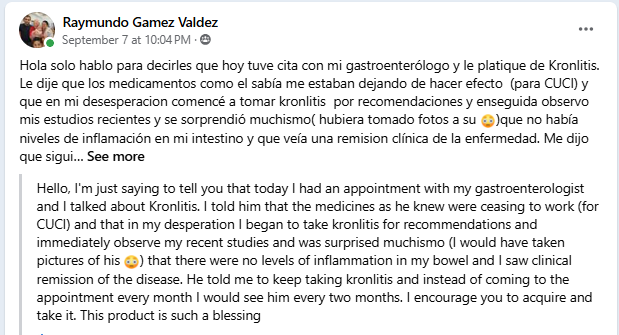
Recognizing anemia’s impact extends beyond simple tiredness matters significantly. Severe iron deficiency causes cognitive impairment, affects work performance, reduces exercise tolerance, and diminishes overall quality of life. Women describe feeling constantly drained, unable to complete normal tasks, and struggling with brain fog that affects professional and personal functioning.
Effective management requires addressing both iron supplementation and underlying intestinal inflammation simultaneously. Traditional oral iron supplements often cause cramping and worsen diarrhea in sensitive digestive systems. Intravenous iron infusions bypass the gut entirely and may provide better results for women with active disease. Targeted approaches including herbal solutions targeting intestinal inflammation address the root cause while iron stores rebuild.
How Crohn’s Disease Disrupts Fertility and Pregnancy Planning
Women with Crohn’s disease often worry about their ability to conceive and carry healthy pregnancies. While most women with well-controlled disease successfully have children, active inflammation creates significant obstacles that require understanding and proactive management.
Chronic inflammation releases cytokines that disrupt normal hormonal signaling, sometimes preventing ovulation entirely. Women with active disease may experience irregular cycles or anovulatory months that reduce conception chances. Malnutrition from poor absorption depletes nutrients essential for reproductive health, including folate, zinc, and essential fatty acids.
The psychological toll also affects fertility. Women who have suffered years of unpredictable symptoms often experience anxiety that impacts relationships and intimacy. The stress of disease management adds relationship pressure during a time when couples need closest connection.
- Optimize disease control before conceiving Aim for at least 3-6 months of remission before attempting pregnancy to reduce complication risks significantly.
- Review all medications with specialists Certain medications require adjustment or discontinuation before conception; discuss timing with gastroenterology and obstetrics teams.
- Address nutritional deficiencies early Test and correct iron, B12, folate, and vitamin D levels months before trying to conceive.
- Coordinate care teams proactively Establish relationships between gastroenterology, maternal-fetal medicine, and nutrition specialists before pregnancy.
- Prepare mentally and emotionally Address anxiety, relationship concerns, and realistic expectations about disease management during pregnancy.

Pregnancy outcomes correlate strongly with disease activity at conception. Women who achieve remission before pregnancy typically experience normal pregnancies with outcomes similar to healthy women. Active disease increases risks of preterm delivery, low birth weight, and potential pregnancy complications that require careful monitoring.
During pregnancy, some women experience symptom improvement as pregnancy hormones shift immune function. However, the postpartum period brings increased flare risk as hormone levels rapidly change. Having management strategies and support systems established before delivery helps navigate this vulnerable transition. Reading success stories from women with IBD provides encouragement and practical insights for those planning families.
The Bathroom Crisis: When Urgency Controls Your Life
Living with Crohn’s disease means the bathroom becomes both sanctuary and prison. Women describe the relentless urgency that strikes without warning, forcing immediate departure from meetings, social gatherings, and daily activities. The unpredictability creates constant low-grade anxiety that shadows every moment outside familiar territory.
“I live in the bathroom” captures daily reality for many women during active disease phases. Multiple trips throughout the day and night disrupt sleep, work productivity, and social connection. Some women report twenty or more bowel movements daily during severe flares, leaving little time for anything beyond survival.
The social isolation hits women particularly hard. Women often manage household responsibilities, social calendars, and family activities that become impossible during flares. Canceling plans repeatedly strains friendships and family relationships. The embarrassment of discussing bathroom symptoms leads many women to suffer silently rather than explaining their reality.
Work performance suffers significantly. Women describe losing promotions, reducing hours, or leaving careers entirely because managing symptoms at work proves impossible. The fear of accidents and the need for constant bathroom access makes traditional workplace environments feel hostile.
Finding effective symptom management transforms lives. When inflammation reduces, urgency decreases and normal activities become possible again. Natural supplements including natural supplements designed for Crohn’s and colitis offer options for women seeking to reduce inflammation and regain control over their daily routines.
Perianal Complications and Intimate Health Issues Women Face
Perianal Crohn’s disease affects up to one-third of patients, but women face unique challenges in this sensitive area. Fistulas, abscesses, fissures, and skin tags create pain during bowel movements, sexual activity, and daily movement. The intimate location of these complications often delays treatment seeking due to embarrassment.
Fistulas represent abnormal tunnels connecting the intestine to other structures. In women, fistulas may connect bowel to vagina, bladder, or skin surface. These connections cause drainage, pain, and infection risk that requires specialized medical management. Entero-vaginal fistulas allow bowel contents to pass through the vagina, causing profound distress and hygiene challenges.
Sexual health impacts create relationship strain that women rarely discuss openly. Pain during intimacy, fear of complications, and body image concerns after surgeries or flare-ups affect intimate connections. Women describe feeling disconnected from partners, avoiding physical affection, and struggling with self-worth tied to changed bodies.
The psychological burden compounds physical symptoms. Women with perianal disease report higher rates of depression and anxiety compared to those with purely intestinal involvement. The combination of pain, unpredictable symptoms, and effects on intimate relationships creates complex emotional terrain requiring comprehensive support.
Addressing these complications requires integrated care addressing physical symptoms and emotional wellbeing simultaneously. Open communication with healthcare providers about intimate symptoms enables appropriate treatment. Understanding the holistic approach to IBD helps women access comprehensive support for all aspects of disease impact.
Bone Density Loss: Why Women with Crohn’s Face Earlier Osteoporosis
Women with Crohn’s disease develop osteoporosis and osteopenia at rates far exceeding the general population. Multiple factors converge to create this elevated risk, and women face added vulnerability due to baseline lower bone mass compared to men. The result means fractures and skeletal weakness appearing decades earlier than expected.
Chronic intestinal inflammation releases inflammatory cytokines that increase bone resorption while Decreasing formation. The immune system activation that damages intestines simultaneously accelerates bone loss throughout the body. Even during remission, years of previous inflammation leave lasting bone density deficits.
Malabsorption compounds these effects. Calcium and vitamin D absorption occurs primarily in the small intestine, commonly affected in Crohn’s disease. When damaged tissue cannot absorb adequate nutrients, bones suffer regardless of dietary intake or oral supplementation.
Steroid medications used to control flares accelerate bone loss significantly. While necessary during acute episodes, cumulative steroid exposure creates substantial bone density reduction. Women requiring repeated steroid courses face compounding risk with each treatment cycle.
| Risk Factor | Impact Mechanism | Prevention Strategy |
|---|---|---|
| Chronic inflammation | Cytokines increase bone resorption | Optimize disease control to reduce inflammatory markers |
| Calcium malabsorption | Damaged intestine cannot absorb mineral | Use highly absorbable forms; consider IV if severe |
| Vitamin D deficiency | Impaired absorption reduces calcium utilization | Test regularly; supplement with D3; safe sun exposure |
| Steroid medications | Direct bone resorption effect | Use lowest effective dose; limit duration; add bone protectors |
| Early menopause | Estrogen loss accelerates loss | Monitor cycles; discuss hormone therapy options |
| Low BMI | Less weight-bearing mechanical stimulus | Resistance exercise; adequate caloric intake |
Prevention requires proactive approach beginning at diagnosis. Regular bone density screening enables early intervention before fractures occur. Weight-bearing exercise, adequate protein intake, and optimized vitamin D levels provide foundation for bone health. Women should advocate for baseline DEXA scans and ongoing monitoring appropriate to their individual risk profiles.
Reducing inflammation through comprehensive management approaches protects bones long-term. When disease activity minimizes, cytokine levels drop and steroid needs decrease, slowing bone loss progression. Explore herbal remedies for digestive wellness to discover additional options for maintaining the inflammatory control that protects skeletal health.
Key Takeaways: Action Steps for Women Experiencing Crohn’s Symptoms
Recognizing how Crohn’s disease symptoms in women differ from typical presentations enables earlier diagnosis and more effective management. Taking systematic action helps women navigate the complexity of female-specific manifestations.
- Track symptoms alongside your menstrual cycle Document flare patterns to identify hormone-related triggers and share data with your healthcare team.
- Request comprehensive anemia testing Ask for ferritin, iron saturation, and B12 levels beyond basic hemoglobin to uncover hidden deficiency.
- Advocate for bone density screening Request baseline DEXA scan if you have risk factors including steroid use, low BMI, or prolonged disease duration.
- Build a coordinated care team Connect gastroenterology with gynecology, mental health support, and nutrition counseling for comprehensive management.
- Plan pregnancy proactively Achieve remission before conception, review medications, and establish maternal-fetal medicine connections early.
- Address intimate health concerns openly Discuss perianal symptoms and sexual health impacts with providers to access appropriate specialized care.
- Explore inflammation reduction options Research natural and therapeutic approaches that may complement conventional treatment for improved disease control.
Frequently Asked Questions About Crohn’s Disease Symptoms in Women
Do women experience different Crohn’s disease symptoms than men?
Yes Women experience additional hormone-related symptoms, higher anemia rates, and unique complications affecting fertility and bone health. Women develop iron-deficiency anemia 40% more frequently and face earlier osteoporosis development due to the combined effects of menstruation, hormonal fluctuations, and malabsorption. These gendered IBD presentation patterns require specialized recognition and tailored management approaches.
Can Crohn’s disease affect menstrual cycles?
Yes Chronic inflammation disrupts normal hormonal signaling, causing irregular periods, missed cycles, or heavier bleeding during active disease. Research indicates approximately 25% of women with IBD experience menstrual irregularities directly related to their disease activity. Cycle regulation often improves once disease activity reduces and nutritional status normalizes.
Is it safe for women with Crohn’s to get pregnant?
Yes, with proper planning Women with well-controlled Crohn’s disease have pregnancy outcomes similar to the general population when disease remains in remission. Active disease increases risks including preterm delivery and low birth weight, making conception during remission essential. Pre-conception counseling with gastroenterology and maternal-fetal medicine specialists optimizes outcomes for mother and baby.
Why do women with Crohn’s disease feel more tired than men?
Compounded iron loss Women lose iron through both monthly menstruation and intestinal bleeding from inflammation, creating double deficiency burden. Anemia reduces oxygen delivery throughout the body, causing fatigue exceeding normal tiredness. This fatigue affects daily functioning and quality of life, requiring targeted iron repletion alongside inflammation treatment.
How does menopause affect Crohn’s disease symptoms?
Variable, often increasing severity Estrogen decline removes natural anti-inflammatory protection, potentially worsening symptoms for some women, while others experience improvement. The transition period often brings unpredictable symptom patterns as hormones fluctuate. Bone health requires extra attention during this time as estrogen-dependent bone protection diminishes while chronic inflammation effects continue.
Can Crohn’s disease cause vaginal problems?
Yes Crohn’s can cause aphthous ulcers on vaginal tissue, fistulas connecting bowel to vagina, and inflammation affecting intimate comfort. Vaginal Crohn’s manifestations occur in approximately 5-10% of affected women but are often underrecognized due to reluctance discussing intimate symptoms. Open communication with healthcare providers enables appropriate diagnosis and specialized treatment approaches for these sensitive complications.