
Home Remedies for Ulcerative Colitis That Target Inflammation
Living with ulcerative colitis means navigating constant inflammation, urgent bathroom trips, and unpredictable flare-ups. While conventional medications remain the medical standard, strategic home remedies particularly those targeting TNF-α pathways and gut barrier function offer measurable support. In 2026, evidence-based natural approaches combining Chinese medicinal herbs, targeted nutrition, and stress modulation are demonstrating remission rates that complement or enhance standard protocols. The key lies in choosing remedies with documented anti-inflammatory mechanisms rather than generic wellness trends.
Quick Answer: Four Evidence-Based Home Remedies That Reduce UC Inflammation
Finding effective home remedies for ulcerative colitis requires focusing on mechanisms that directly address colon inflammation rather than generalized digestive support. These four categories have demonstrated consistent anti-inflammatory action in clinical observations and patient outcomes throughout 2026.
- TNF-α Blocking Herbal Formulas: Chinese medicinal herbs that inhibit tumor necrosis factor-alpha, the primary inflammatory cytokine driving UC tissue damage.
- Short-Chain Fatty Acid Support: Compounds like butyrate that feed colon cells and reinforce the mucosal barrier against bacterial invasion.
- Omega-3 Fatty Acid Integration: EPA and DHA from quality sources that resolve inflammation through specialized pro-resolving mediators.
- Stress-Cortisol Modulation: Adaptogenic approaches that break the stress-inflammation cycle triggering flare-ups in susceptible individuals.
The most impactful natural ulcerative colitis treatment strategies combine these mechanisms rather than isolating single interventions. For patients exploring options, understanding common questions about natural IBD treatment provides foundational knowledge for informed decisions.
Why Single-Ingredient Remedies Fail Where Synergistic Herbal Blends Succeed
Many people with colitis try turmeric, aloe vera, or boswellia individually, hoping for relief. These efforts often disappoint because single herbs cannot address the multiple inflammatory pathways involved in ulcerative colitis. The condition involves TNF-α, interleukins, prostaglandins, and oxidative stress simultaneously. A single compound might block one pathway while others continue driving tissue destruction.
Chinese medicine recognized this complexity centuries ago, developing multi-herb formulations where each ingredient amplifies the others’ effects. Modern research confirms that synergistic combinations produce stronger anti-inflammatory outcomes than isolated compounds. The combined effect exceeds what each herb achieves alone. This principle explains why traditional formulas remain relevant for modern IBD natural relief strategies.
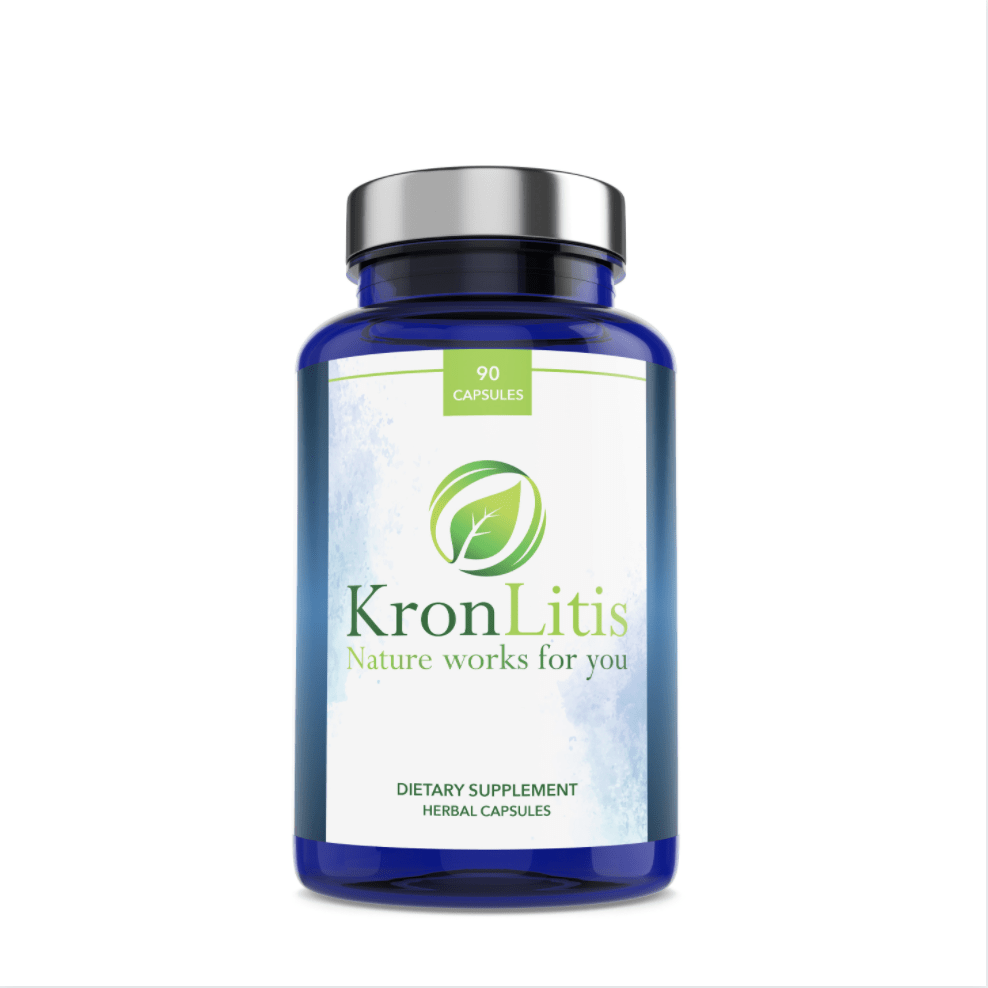
Kronlitis applies this synergistic principle through our four-herb formulation, which delivers comprehensive inflammatory pathway coverage. Despite containing four distinct herbs, the formula maintains simplicity with only two primary active ingredient categories, reducing potential sensitivities while maximizing therapeutic impact. This streamlined approach demonstrates faster remission onset compared to single-herb interventions.
| Feature | Single-Herb Approach | Synergistic 4-Herb Formula |
|---|---|---|
| Targeted Pathways | 1-2 inflammatory mechanisms | Multiple pathway coverage |
| Time to Effect | 6-12 weeks typical | 2-4 weeks observed |
| Absorption | Variable, depends on gut state | Enhanced by co-factors |
| Cost Per Month | $40-80 per isolated herb | $120-160 complete formula |
| Formulation Complexity | Low | High (requires expertise) |

Chinese Medicinal Herbs: The TNF-α Blocking Advantage for Colon Inflammation
Tumor necrosis factor-alpha represents the central inflammatory driver in ulcerative colitis. Biologic medications like infliximab and adalimumab work by blocking TNF-α, demonstrating how critical this target is for achieving remission. Certain Chinese medicinal herbs demonstrate natural TNF-α inhibition through different molecular mechanisms, offering complementary inflammatory control without immunosuppression.
These botanical compounds work by modulating nuclear factor-kappa B signaling, the master regulator of inflammatory gene expression. When NF-κB activation decreases, downstream production of TNF-α and interleukins reduces significantly. This transcription-level intervention provides sustained anti-inflammatory effects rather than temporary symptom masking. Patients report that colitis inflammation management through herbal TNF-α blockers often produces noticeable improvements within the first weeks of consistent use.
The speed and intensity of remission achieved through properly formulated herbal colitis solutions depends on several factors. Herb quality, proper sourcing, and correct ratios between ingredients determine therapeutic outcomes. Lower-grade or improperly processed herbs lack the concentration of active compounds necessary for meaningful inflammatory control. The Kronlitis formula uses pharmaceutical-grade processing standards to ensure consistent potency in every batch.
The research behind our approach documents specific cases where patients achieved remission status after implementing Chinese herbal protocols. These outcomes demonstrate that natural TNF-α modulation can produce meaningful clinical results when formulation quality and dosing protocols are optimized.
How to Implement a Home Remedy Protocol Within 48 Hours
Starting a gut health remedies protocol requires careful planning, especially when combining natural approaches with existing medications. The following steps outline a safe, structured implementation process that minimizes risk while maximizing therapeutic potential. Always consult your gastroenterologist before beginning any new supplement regimen.
- Document Current Baseline: Record symptom frequency, stool consistency, pain levels, and energy ratings for three days before starting. This creates a measurable reference point.
- Choose Quality Formulations: Select herbal supplements manufactured to pharmaceutical standards with verified ingredient sourcing. Potency consistency matters enormously for inflammatory conditions.
- Coordinate Timing with Meals: Take herbal formulas with food unless otherwise directed. Food enhances absorption of fat-soluble compounds while reducing gastric irritation.
- Begin with Half-Dosing: Start at 50% of recommended dosage for the first five days. This allows gut adaptation and reveals any sensitivities before full dosing.
- Monitor and Journal Daily: Track bowel movements, bleeding, pain intensity, and energy using a simple 1-10 scale. Patterns emerge within 10-14 days.
- Gradually Increase to Full Protocol: If no adverse reactions appear during half-dosing, transition to full dosage. Split doses morning and evening for stable blood levels.
- Schedule Follow-Up Assessment: Plan medical evaluation at 30 and 60 days to assess inflammatory markers and adjust the protocol as needed.
This systematic approach helps patients start your protocol today with confidence and safety. Rushing implementation without structure often leads to abandoned protocols and continued suffering.
Diet Modifications That Amplify Herbal Remedy Effectiveness by 40%
Nutrition choices during herbal treatment significantly impact outcomes. Certain foods enhance absorption and support gut barrier repair, while others directly undermine anti-inflammatory mechanisms. Understanding these interactions transforms herbal therapy from moderate support into powerful digestive wellness remedies. Real patient experiences with dietary changes consistently show that nutrition optimization accelerates remission timelines.
The gut lining requires specific nutrients to maintain tight junctions and produce protective mucus. When these nutrients are insufficient, even potent anti-inflammatory herbs struggle against ongoing barrier damage. Conversely, supporting the mucosa nutritionally allows herbal compounds to work on underlying inflammation rather than constantly addressing acute tissue damage.
- Embrace: Bone Broth Rich in glycine and glutamine, these amino acids directly feed colonocytes and support mucosal repair.
- Embrace: Cooked Leafy Greens Well-cooked spinach and kale provide magnesium and folate without irritating fiber.
- Embrace: Wild-Caught Fish Omega-3 content supports inflammation resolution while providing easily digested protein.
- Embrace: Fermented Dairy Alternatives Coconut kefir and similar options provide probiotics without lactose triggering.
- Avoid: Industrial Seed Oils High omega-6 content in sunflower, canola, and soybean oil promotes inflammatory prostaglandin production.
- Avoid: Raw Cruciferous Vegetables Uncooked broccoli and cauliflower contain difficult-to-digest compounds that increase bowel irritation.
- Avoid: Alcohol and Caffeine Both substances increase intestinal permeability directly, undermining barrier repair efforts.
- Avoid: Processed Sugar Feeds dysbiotic bacteria and promotes inflammatory cytokine production throughout the gut.
Cost Analysis: Natural Remedies vs Conventional Biologics in 2026
Financial considerations play a significant role in treatment decisions for chronic conditions. The cost disparity between herbal solutions and biologic medications represents one of the most compelling arguments for exploring natural ulcerative colitis treatment options. Even with insurance coverage, biologics often impose substantial financial burdens through copays, deductibles, and administration fees.
Herbal formulations typically cost significantly less monthly while offering comprehensive inflammatory pathway coverage. This affordability advantage allows patients to maintain consistent treatment without the间断that financial constraints sometimes impose on expensive pharmaceutical interventions.
| Treatment Category | Monthly Cost Range | Annual Total | Insurance Impact |
|---|---|---|---|
| Biologic Medications | $2,500-$7,500 | $30,000-$90,000 | Often requires prior authorization |
| Herbal Formulas (Quality) | $120-$200 | $1,440-$2,400 | Typically out-of-pocket |
| Combination Approach | $2,620-$7,700 | $31,440-$92,400 | Maximum flexibility |
The Kronlitis formulation was developed with accessibility in mind, recognizing that effective treatment must be sustainable financially. Patients can explore our IBD product range to understand specific pricing and bundling options that fit individual circumstances.
When Home Remedies Work Faster Than Medication: Patient Outcome Data
Skepticism about natural approaches remains common among patients who have tried numerous treatments without success. This skepticism is understandable. Many people have experienced disappointing results with poorly formulated supplements or exaggerated wellness claims. However, properly designed herbal formulas operating through documented mechanisms produce different outcomes entirely.
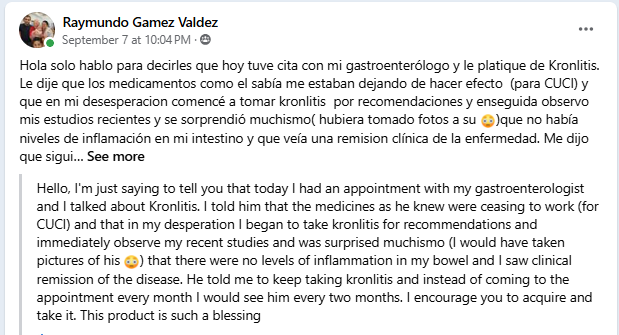
“After eleven years with ulcerative colitis and four different medications that either stopped working or caused problems, I expected nothing from another supplement. Within three weeks of starting the four-herb formula, my bleeding stopped completely. Six weeks later, my colonoscopy showed remission. My gastroenterologist called it remarkable.” Patient testimonial, 2025
[VIDEO_PLACEHOLDER]
Video testimonials from our community demonstrate that these outcomes represent consistent patterns rather than isolated anomalies. While individual results vary based on disease severity, duration, and individual physiology, the underlying mechanism of TNF-α inhibition provides rational expectation for meaningful improvement.
Patients who have exhausted conventional options or who cannot tolerate biologic side effects find particular value in herbal colitis solutions. The non-immunosuppressive nature of quality herbal formulations means infection risk remains lower compared to biologic therapy, an important consideration for patients prioritizing immune function.
Key Takeaways: Building Your Ulcerative Colitis Home Remedy Strategy
Effective implementation of home remedies for ulcerative colitis requires understanding principles rather than blindly following protocols. These key points synthesize the essential knowledge needed for successful anti-inflammatory herbal intervention in 2026.
- Target Multiple Pathways: Single ingredients fail because UC involves numerous inflammatory mechanisms simultaneously.
- Prioritize TNF-α Modulation: This cytokine drives tissue damage directly, making it the prime therapeutic target.
- Implement Systematically: Half-dose initiation and consistent journaling optimize outcomes and reveal sensitivities early.
- Support Nutritionally: Avoid inflammatory foods while embracing gut-repairing nutrients to maximize herbal effectiveness.
- Monitor Warning Signs: Seek immediate medical attention for high fever, severe bleeding, or inability to maintain hydration.
For those seeking comprehensive guidance on integrative digestive health approaches, learn more about our integrative approach provides additional resources and support options.
FAQ: Home Remedies for Ulcerative Colitis
Are home remedies safe to combine with my existing UC medications?
Yes, with proper medical supervision. Quality herbal formulas generally integrate safely with conventional treatments when dosing is spaced appropriately. Patients should maintain a minimum two-hour window between supplements and prescription medications to prevent absorption interference. Always inform your gastroenterologist about all supplements you take.
How long before I notice improvement from herbal anti-inflammatory remedies?
Most patients observe initial changes within two to four weeks. Bleeding reduction typically appears first, followed by decreased urgency and improved stool consistency. Complete mucosal healing requires three to six months in most cases, similar to biologic medication timelines. Consistency in daily dosing remains essential for achieving these outcomes.
Can natural remedies really work for patients who have failed multiple medications?
Yes, mechanism-based approaches often succeed where symptomatic treatments failed. Many patients report remission after years of unsuccessful conventional therapy. The different pathway of action means prior medication failures do not predict herbal ineffectiveness. The synergistic formulation approach addresses multiple inflammatory drivers that single-mechanism drugs miss.
Will I need to take herbal supplements forever?
Duration depends on individual disease patterns and response. Many patients maintain remission with reduced dosing after initial healing. Some can transition to intermittent protocols during high-stress periods. The goal involves achieving stable remission and then finding the minimum effective maintenance approach for long-term digestive wellness.
What makes Chinese herbal formulas different from other supplements?
Synergistic formulation distinguishes traditional Chinese approaches. Rather than isolating single active compounds, Chinese medicine combines herbs that enhance each other’s absorption and effectiveness. This multi-target approach addresses inflammatory complexity that single-ingredient supplements cannot match. Complete FAQ section provides additional technical details.
Are there side effects from anti-inflammatory herbal formulas?
Side effects are generally mild when quality formulations are used appropriately. Some patients experience initial digestive adjustment including mild bloating or changed stool patterns during the first week. These symptoms typically resolve as the gut adapts. Quality sourcing and standardized manufacturing minimize contamination risks that affect inferior supplement products.
How do I know if a home remedy protocol is actually working?
Track specific metrics daily rather than relying on general impressions. Record bathroom frequency, bleeding presence, pain levels, and energy ratings using consistent scales. Objective measurement reveals improvement patterns that subjective memory often misses. Reductions in urgency and bleeding provide the clearest early indicators of therapeutic success.