
How to Treat Crohn’s Disease: a Science-Backed Protocol
Treating Crohn’s disease requires a strategic, multi-layered approach that addresses inflammation at its source while restoring gut barrier integrity. Current 2026 evidence demonstrates that early intervention with advanced therapies combined with targeted nutritional protocols and evidence-based botanical interventions produces significantly higher remission rates than conventional step-therapy models. This comprehensive guide reveals the treatment pathways that are changing outcomes for thousands of patients worldwide, including natural TNFα-blocking compounds that complement modern medical strategies.
Quick Answer: The Three-Pillar Crohn’s Treatment Framework
Effective Crohn’s disease management rests on three interconnected pillars that must work in concert for optimal outcomes. The first pillar involves immediate inflammation control to halt immune system attacks on digestive tissue. This requires rapid-acting interventions that cool down the inflammatory cascade before permanent damage occurs. The second pillar focuses on mucosal healing, which represents actual tissue repair rather than just symptom suppression. Most patients significantly underestimate this distinction, but research consistently shows that mucosal healing predicts long-term remission durability far better than symptom improvement alone.
The third pillar establishes a maintenance protocol that prevents flare recurrence while supporting overall digestive health. This phase often gets neglected once patients feel better, but sustained remission requires ongoing vigilance. 2026 clinical data overwhelmingly supports starting aggressive therapy early rather than waiting for disease progression. According to Medscape, early combination biologic therapy may modify long-term disease trajectory, preventing the cumulative intestinal damage that compromises treatment response over time.
@keyframes hoox-lf-in-hoox-f-b242df6c-240b-4e03-90ca-276074-top {
from { opacity: 0; transform: translateY(8px); }
to { opacity: 1; transform: translateY(0); }
}
#hoox-f-b242df6c-240b-4e03-90ca-276074-top {
width: 100%;
max-width: 100%;
box-sizing: border-box;
display: flex;
flex-direction: column;
gap: 20px;
margin: 48px 0;
padding: 32px 28px;
border-radius: 16px;
background: #ffffff;
color: #111111;
font-family: inherit;
border: 1px solid #E2E8F0;
animation: hoox-lf-in-hoox-f-b242df6c-240b-4e03-90ca-276074-top 0.3s cubic-bezier(0.16, 1, 0.3, 1);
direction: inherit;
}
#hoox-f-b242df6c-240b-4e03-90ca-276074-top .hoox-form-header {
display: flex;
flex-direction: column;
gap: 8px;
text-align: center;
}
#hoox-f-b242df6c-240b-4e03-90ca-276074-top .hoox-form-header h2 {
margin: 0;
font-size: 1.5em;
font-weight: 700;
line-height: 1.3;
color: #111111;
border: none;
padding: 0;
}
#hoox-f-b242df6c-240b-4e03-90ca-276074-top .hoox-form-header p {
margin: 0;
font-size: 1em;
line-height: 1.6;
color: #64748B;
}
#hoox-f-b242df6c-240b-4e03-90ca-276074-top form[data-hx-form] {
margin: 0;
display: flex;
flex-direction: column;
gap: 14px;
}
#hoox-f-b242df6c-240b-4e03-90ca-276074-top .hoox-field-wrap {
position: relative;
width: 100%;
box-sizing: border-box;
}
#hoox-f-b242df6c-240b-4e03-90ca-276074-top .hoox-field-wrap input {
width: 100%;
box-sizing: border-box;
height: 44px;
padding-inline-start: 42px;
padding-inline-end: 14px;
border: 1px solid #E2E8F0;
border-radius: 10px;
font-size: 14px;
color: #111111;
font-family: inherit;
background-color: #F8FAFC;
transition: border-color 0.15s ease, box-shadow 0.15s ease, background-color 0.15s ease;
outline: none;
direction: inherit;
text-align: start;
}
#hoox-f-b242df6c-240b-4e03-90ca-276074-top .hoox-field-wrap input::placeholder {
color: #94A3B8;
opacity: 1;
}
#hoox-f-b242df6c-240b-4e03-90ca-276074-top .hoox-field-wrap input:focus {
background-color: #FFFFFF;
border-color: #0077B6,#00B4D8,#90E0EF;
box-shadow: 0 0 0 3px rgba(15, 23, 42, 0.08);
}
#hoox-f-b242df6c-240b-4e03-90ca-276074-top .hoox-field-icon {
position: absolute;
top: 0;
bottom: 0;
inset-inline-start: 0;
width: 42px;
display: flex;
align-items: center;
justify-content: center;
pointer-events: none;
color: #94A3B8;
transition: color 0.15s ease;
}
#hoox-f-b242df6c-240b-4e03-90ca-276074-top .hoox-field-wrap:focus-within .hoox-field-icon {
color: #0077B6,#00B4D8,#90E0EF;
}
#hoox-f-b242df6c-240b-4e03-90ca-276074-top button[type=”submit”] {
width: 100%;
height: 44px;
margin-top: 4px;
border: none;
border-radius: 10px;
background: #0077B6,#00B4D8,#90E0EF;
color: #FFFFFF;
font-size: 14px;
font-weight: 600;
cursor: pointer;
transition: opacity 0.15s ease, transform 0.15s ease, box-shadow 0.15s ease;
box-shadow: 0 1px 2px 0 rgba(0, 0, 0, 0.05);
}
#hoox-f-b242df6c-240b-4e03-90ca-276074-top button[type=”submit”]:hover {
opacity: 0.94;
}
#hoox-f-b242df6c-240b-4e03-90ca-276074-top button[type=”submit”]:active {
transform: scale(0.99);
}
#hoox-f-b242df6c-240b-4e03-90ca-276074-top button[type=”submit”]:disabled {
opacity: 0.6;
cursor: not-allowed;
}
#hoox-f-b242df6c-240b-4e03-90ca-276074-top .hoox-disclaimer {
margin: 0;
text-align: center;
font-size: 12px;
line-height: 1.5;
color: #94A3B8;
}
#hoox-f-b242df6c-240b-4e03-90ca-276074-top .hoox-disclaimer a {
color: inherit;
text-decoration: underline;
text-underline-offset: 2px;
}
#hoox-f-b242df6c-240b-4e03-90ca-276074-top .hoox-disclaimer a:hover {
text-decoration: none;
}
#hoox-f-b242df6c-240b-4e03-90ca-276074-top .hoox-success {
display: none;
flex-direction: column;
align-items: center;
gap: 14px;
padding: 12px 0;
position: relative;
}
#hoox-f-b242df6c-240b-4e03-90ca-276074-top .hoox-confetti {
position: absolute;
inset: 0;
overflow: visible;
pointer-events: none;
}
#hoox-f-b242df6c-240b-4e03-90ca-276074-top .hoox-confetti span {
position: absolute;
top: 50%;
left: 50%;
width: 7px;
height: 11px;
background: var(–hoox-c);
border-radius: 2px;
opacity: 0;
animation: hoox-confetti-burst 0.9s ease-out forwards;
animation-delay: var(–hoox-d, 0s);
}
@keyframes hoox-confetti-burst {
0% { opacity: 1; transform: translate(-50%, -50%) rotate(0deg) scale(1); }
100% { opacity: 0; transform: translate(calc(-50% + var(–hoox-tx)), calc(-50% + var(–hoox-ty))) rotate(var(–hoox-rz)) scale(0.5); }
}
#hoox-f-b242df6c-240b-4e03-90ca-276074-top .hoox-success-icon {
width: 52px;
height: 52px;
border-radius: 50%;
background: #ECFDF5;
display: flex;
align-items: center;
justify-content: center;
font-size: 26px;
line-height: 1;
animation: hoox-success-pop 0.4s cubic-bezier(0.34, 1.56, 0.64, 1);
}
@keyframes hoox-success-pop {
from { opacity: 0; transform: scale(0.5); }
to { opacity: 1; transform: scale(1); }
}
#hoox-f-b242df6c-240b-4e03-90ca-276074-top .hoox-success-text {
margin: 0;
text-align: center;
font-size: 15px;
font-weight: 600;
line-height: 1.5;
color: #111111;
}
#hoox-f-b242df6c-240b-4e03-90ca-276074-top .hoox-disabled-state {
display: none;
flex-direction: column;
align-items: center;
gap: 14px;
padding: 12px 0;
text-align: center;
}
#hoox-f-b242df6c-240b-4e03-90ca-276074-top .hoox-disabled-icon {
width: 52px;
height: 52px;
border-radius: 50%;
background: #F1F5F9;
display: flex;
align-items: center;
justify-content: center;
color: #64748B;
}
#hoox-f-b242df6c-240b-4e03-90ca-276074-top .hoox-disabled-text {
margin: 0;
font-size: 14px;
line-height: 1.6;
color: #64748B;
}
#hoox-f-b242df6c-240b-4e03-90ca-276074-top .hoox-disabled-text a {
color: inherit;
font-weight: 600;
text-decoration: underline;
text-underline-offset: 2px;
}
#hoox-f-b242df6c-240b-4e03-90ca-276074-top .hoox-disabled-text a:hover {
text-decoration: none;
}
See What This Could Look Like For You
Takes 30 seconds
Thanks! We’ll be in touch.
| Factor | Traditional Step-Therapy | Early Combination Approach |
|---|---|---|
| Initial Treatment | 5-ASA drugs, then steroids | Biologics + immunomodulators |
| Time to Remission | 6-18 months average | 2-4 months average |
| One-Year Remission | Variable, often under 40% | Significantly higher rates |
| Disease Progression | Often advances during delays | Arrested early |
| Quality of Life | Prolonged uncertainty | Rapid improvement |
| Surgery Risk | Higher cumulative risk | Reduced surgical interventions |
Understanding understanding IBD fundamentals helps patients recognize why this three-pillar framework outperforms older sequential treatment models. The difference isn’t just academic it translates directly into fewer surgeries, hospitalizations, and years lost to managing symptoms rather than living freely.
Why Conventional Step-Therapy Is Failing Crohn’s Patients in 2026
The traditional treatment ladder starting with milder medications and escalating only after treatment failure made theoretical sense decades ago. But 2026 gastroenterology guidelines have fundamentally rejected this approach for moderate-to-severe Crohn’s disease. The problem isn’t that conventional medications lack efficacy; it’s that the delay itself causes irreparable harm. Every month spent on ineffective therapy represents cumulative intestinal injury, stricture formation, and fistulizing disease progression.
According to Gi, the 2025 American College of Gastroenterology guidelines recommend against requiring patients to fail conventional therapies before advancing to biologics or small molecule treatments. This represents a watershed moment in treatment philosophy. The previous “try everything else first” mentality presumed that stronger medications carried unacceptable risks. What we now understand is that uncontrolled intestinal inflammation itself poses devastating risks including irreversible bowel damage, malnutrition, and the psychological toll of chronic illness.
- Treatment delays allow disease progression: Inflammation causes cumulative scarring and stricture formation that medications cannot reverse.
- Step-therapy wastes remission windows: Early disease is more treatment-responsive than established chronic inflammation.
- Patient quality of life deteriorates unnecessarily: Months of trial-and-error create employment instability and social isolation.
- Medication response diminishes over time: Historically, biologic effectiveness drops as disease duration increases.
- Surgery rates remain stubbornly high: Approximately half of patients eventually require surgery under older treatment models.
Patients deserve treatment strategies aligned with current evidence, not outdated protocols that prioritize cost-containment over clinical outcomes. The message from 2026 gastroenterology is clear: treat early, treat effectively, and prevent the cumulative damage that steals years from patients’ lives.
Medical Treatment Options: From Biologics to Targeted Molecules
Modern Crohn’s disease management offers an expanding arsenal of targeted therapies that attack the inflammatory cascade at specific points. Biologics large protein molecules engineered to block particular inflammatory mediators remain foundational treatment for moderate-to-severe disease. These include anti-TNFα agents that neutralize tumor necrosis factor, anti-integrin therapies that prevent inflammatory cell migration to gut tissue, and anti-IL-12/23 agents targeting specific interleukin pathways involved in intestinal inflammation.
Small molecule medications represent the newer wave of IBD therapy options. Unlike biologics requiring injection or infusion, JAK inhibitors come in oral formulations that block intracellular signaling pathways. This convenience comes with different risk profiles that require careful monitoring. The key insight for patients is that no single medication class works universally treatment selection depends on disease location, severity, previous treatment history, and individual risk factors.
| Drug Class | Mechanism | Response Timeline | Remission Maintenance |
|---|---|---|---|
| Anti-TNFα Biologics | Neutralizes TNFα inflammatory protein | 4-8 weeks | Strong long-term data |
| Anti-Integrin Biologics | Blocks leukocyte gut migration | 6-10 weeks | Gut-selective safety |
| Anti-IL-12/23 Biologics | Inhibits specific IL pathways | 4-12 weeks | Less frequent dosing |
| JAK Inhibitors | Blocks intracellular signaling | 2-4 weeks | Oral administration |
| Corticosteroids | Broad immune suppression | Days to weeks | Not for maintenance |
Seeing real patient outcomes helps contextualize what these timelines mean in practice. Response time matters enormously when you’re counting bathroom trips and canceling plans. But response quality achieving deep remission with mucosal healing matters more for long-term disease modification.
The Herbal TNFα-Blocking Protocol: Natural Anti-Inflammatory Intervention
Conventional medications aren’t the only path to digestive inflammation control. Chinese herbal medicine has developed sophisticated protocols for intestinal diseases over centuries of clinical observation. Modern pharmacological research has identified specific botanical compounds that inhibit TNFα, reduce pro-inflammatory cytokines, and support mucosal barrier repair. These aren’t vague wellness claims they represent documented mechanisms of action relevant to Crohn’s pathophysiology.
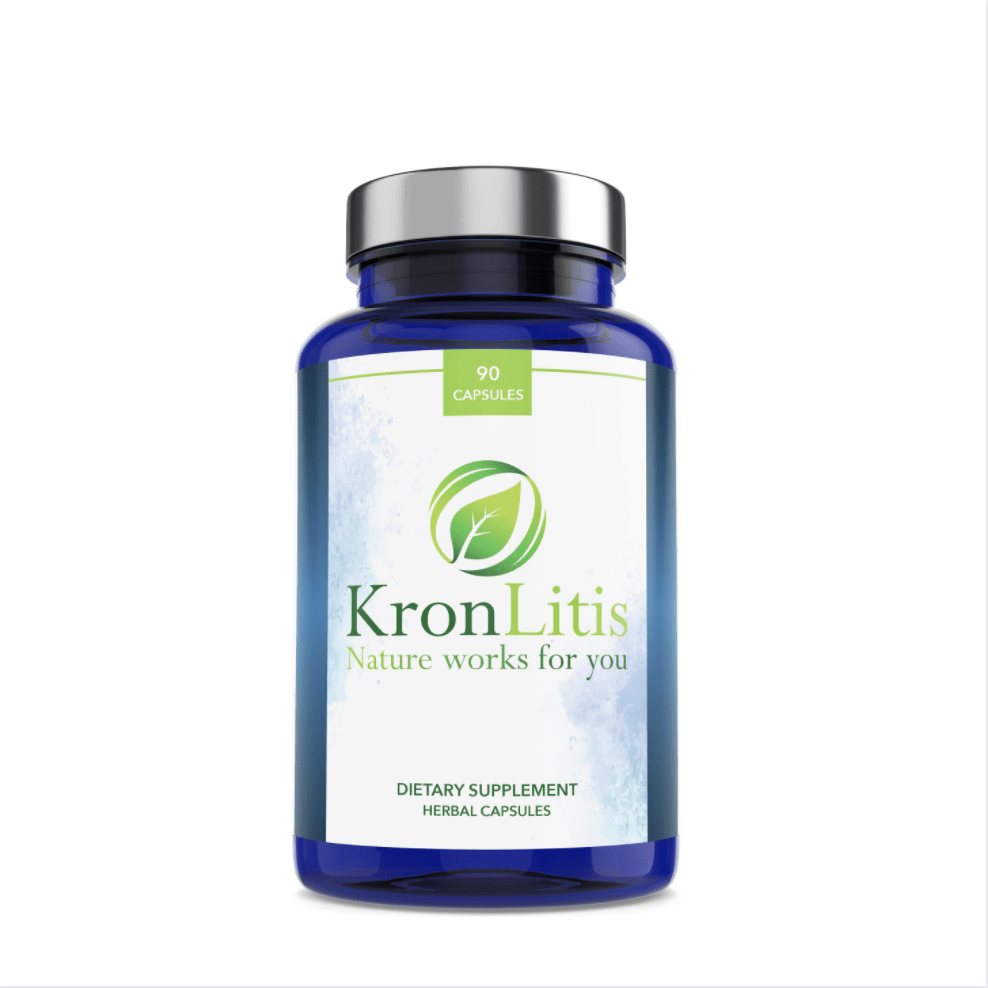
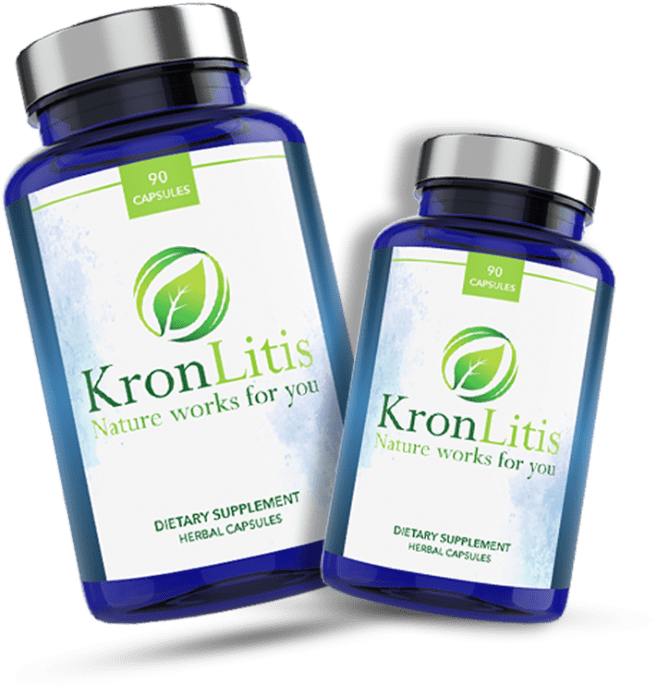
The Kronlitis herbal supplement exemplifies this evidence-based botanical approach. Rather than relying on a single compound, this formulation combines four herbs from Chinese medicine traditions that target inflammatory pathways through complementary mechanisms. This multi-target strategy mirrors successful pharmaceutical approaches, where combination therapy outperforms single agents. The documented success in achieving remission for colitis and colon-based Crohn’s disease reflects the anti-inflammatory potency of properly formulated botanical interventions.
- TNFα inhibition: Specific plant compounds block the same inflammatory protein targeted by biologic medications.
- Cytokine modulation: Botanical constituents reduce IL-6, IL-1β, and other pro-inflammatory signaling molecules.
- Mucosal barrier support: Certain herbs increase mucin production and strengthen tight junction integrity.
- Microbiome influence: Herbal compounds beneficially modulate gut bacterial composition and reduce dysbiosis.

For patients seeking anti-inflammatory digestive treatment options that complement conventional therapy, botanical protocols offer a different entry point. Many patients use herbal interventions alongside prescribed medications, while others pursue natural approaches when conventional treatments prove insufficient or intolerable. The key is working with practitioners who understand both traditional herbal applications and modern pharmacological mechanisms.
How to Structure Your Crohn’s Treatment Timeline for Maximum Remission
Treatment success rarely happens accidentally. It requires deliberate planning across multiple interventions, with clear milestones and adjustment triggers. The following timeline reflects current best practices for achieving remission and maintaining it through structured protocols. This framework integrates medications, dietary modifications, and supplement support into a cohesive strategy. For IBD treatment solutions tailored to individual circumstances, consultation with knowledgeable practitioners remains essential.
| Phase | Treatment Focus | Monitoring | Expected Outcomes |
|---|---|---|---|
| Months 0-3 | Induce remission: Biologics/specialized meds, dietary modification, herbal support | CRP, fecal calprotectin, symptoms weekly | Symptom improvement, biomarker reduction |
| Months 3-6 | Consolidate gains: Maintain therapy, reintroduce foods cautiously, optimize dosing | Biomarkers monthly, endoscopy consideration | Clinical remission established |
| Months 6-12 | Deep healing: Continue maintenance, monitor for subclinical inflammation | Quarterly biomarkers, annual endoscopy | Mucosal healing progression |
| Months 12+ | Sustained remission: Maintain protocol, address emerging symptoms rapidly | Bi-annual monitoring, symptom vigilance | Long-term remission maintenance |
Each phase builds on previous progress. The crucial mistake many patients make is assuming that symptom improvement equals successful treatment. Without confirming mucosal healing through objective markers, residual inflammation can smolder undetected, eventually triggering flares. Patience during early intensive treatment the months of medication adjustments, dietary restrictions, and close monitoring prevents years of unpredictable disease activity.
Dietary Modification Protocols That Support Intestinal Healing
No discussion of bowel disease solutions is complete without addressing nutrition. While diet alone rarely controls active Crohn’s disease, strategic dietary modifications support healing and reduce inflammatory burden. The gut-lining requires specific nutrients for repair while being protected from irritants that perpetuate inflammation. our integrative approach journey demonstrates how nutritional protocols complement other treatment modalities.
- Exclusion diet protocol: Systematically eliminate common triggers (dairy, gluten, processed foods, alcohol) for 4-6 weeks, then methodically reintroduce while tracking symptoms.
- IBD-specific Mediterranean adaptation: Emphasize olive oil, fatty fish, vegetables, and fruits while adjusting fiber content based on tolerance and disease activity.
- Structured fiber reintroduction: During remission, gradually increase soluble fiber sources to support microbiome health without triggering obstruction.
- Elimination of ultra-processed foods: Emulsifiers, artificial sweeteners, and processed meat preservatives promote intestinal inflammation in susceptible individuals.
- Meal timing optimization: Longer overnight fasting periods (12-14 hours) support intestinal repair mechanisms and reduce digestive workload.
- Targeted supplementation: Address common deficiencies including vitamin D, B12, iron, and zinc through testing-guided supplementation.
The relationship between diet and Crohn’s remains highly individual. What triggers symptoms in one patient may be well-tolerated by another. Keeping detailed food-symptom diaries during elimination and reintroduction phases identifies personal triggers that no generalized advice can predict. Working with registered dietitians familiar with IBD ensures nutritional adequacy while navigating restrictive phases.
Monitoring Treatment Success: Biomarkers Beyond Symptom Relief
The most dangerous misconception in Crohn’s remission strategies involves equating feeling better with being better. Clinical remission absence of symptoms represents only partial treatment success. Deep remission requires objective evidence that intestinal inflammation has resolved and mucosal healing has occurred. Without this verification, patients remain at elevated risk for disease progression, complications, and eventual treatment failure.
Fecal calprotectin has become the cornerstone of non-invasive intestinal disease protocols monitoring. This protein leaks from inflamed intestinal tissue at levels correlating with endoscopic disease activity. Values below certain thresholds indicate likely mucosal healing, while elevated levels predict relapse before symptoms appear. C-reactive protein provides complementary systemic inflammation data. Together, these biomarkers enable treatment adjustment based on objective disease activity rather than subjective symptom reports alone. For comprehensive IBD management, regular biomarker monitoring should be standard practice.
| Assessment Type | Clinical Remission Standard | Deep Remission Threshold |
|---|---|---|
| Symptoms | No abdominal pain, normal bowel habits | Same clinical criteria |
| Fecal Calprotectin | Often not measured | Below 150 μg/g typically |
| CRP (C-Reactive Protein) | May be normal | Normal range definitively |
| Endoscopy | Rarely performed without symptoms | No ulceration, healed mucosa |
| Radiological | Not routinely assessed | No inflammatory changes on imaging |
Endoscopic assessment remains the gold standard for confirming mucosal healing. While invasive and costly, direct visualization of the intestinal lining provides irreplaceable information about treatment effectiveness. Patients should understand that requesting endoscopic confirmation of remission even when feeling well represents appropriate self-advocacy, not excessive concern.
Key Takeaways: Building Your Personalized Crohn’s Treatment Strategy
Synthesizing current evidence into actionable principles helps patients navigate complex treatment decisions. The landscape of start your treatment journey can feel overwhelming, but certain fundamentals consistently predict better outcomes. These principles apply whether you’re newly diagnosed or reconsidering approaches after years of treatment.
- Time matters critically: Early aggressive treatment prevents cumulative damage and preserves treatment responsiveness delays have consequences.
- Symptoms aren’t sufficient: Deep remission requires objective biomarker and endoscopic confirmation, not just feeling better.
- Multi-modal approaches win: Combining medications, dietary protocols, and botanical support addresses inflammation through multiple pathways simultaneously.
- Maintenance prevents relapse: Continuing effective treatment after symptoms resolve prevents flares stopping when feeling good is a recipe for recurrence.
- Individual variation requires personalization: Effective treatment protocols adapt to individual responses, trigger patterns, and treatment tolerance.
- Advocate for evidence-based care: Request early advanced therapy consideration, objective remission monitoring, and comprehensive treatment planning.
Frequently Asked Questions About Treating Crohn’s Disease
Can Crohn’s disease be completely cured?
No. Current medical science cannot cure Crohn’s disease permanently, but effective treatment achieves sustained remission that allows normal daily functioning. With proper common IBD questions addressed, patients understand that treatment success means controlling disease activity, not eliminating the underlying predisposition. Many patients maintain remission for years with appropriate therapy.
How long does it take for Crohn’s treatment to work?
Variable by treatment type. Corticosteroids work within days, biologics typically show response within 4-12 weeks, and complete mucosal healing may require 6-12 months of sustained therapy. The timeline depends on disease severity, treatment selection, and individual response patterns. Monitoring biomarkers during this period guides adjustment decisions.
Are natural treatments effective for Crohn’s disease?
Yes, for certain patients. Evidence-based botanical interventions targeting TNFα and inflammatory cytokines demonstrate legitimate anti-inflammatory effects. Herbal supplements like Kronlitis have documented success in achieving remission for colon-based Crohn’s disease and colitis. However, natural doesn’t mean weak proper botanical protocols require appropriate dosing and quality control.
Do I need medication forever if I have Crohn’s?
Almost always. Crohn’s disease typically requires maintenance therapy to prevent relapse, even after achieving remission. Discontinuing effective treatment substantially increases flare risk within the following year. Some patients can reduce medication intensity under careful monitoring, but complete treatment cessation usually proves inadvisable.
What happens if Crohn’s goes untreated?
Progressive intestinal damage. Without treatment, chronic inflammation causes stricture formation, fistulas, abscesses, and may eventually require surgical resection. Uncontrolled Crohn’s also increases colorectal cancer risk in affected areas. Nutritional deficiencies, anemia, and systemic complications further compound Disease burden.
Can I combine herbal supplements with my prescribed Crohn’s medications?
Often yes, with proper guidance. Many patients successfully integrate botanical anti-inflammatory protocols with conventional therapies. However, coordination with prescribing physicians ensures safety and avoids interactions. Natural treatments that complement biologic or small molecule mechanisms may enhance overall anti-inflammatory effect while maintaining medication efficacy.
@keyframes hoox-lf-in-hoox-f-b242df6c-240b-4e03-90ca-276074-bottom {
from { opacity: 0; transform: translateY(8px); }
to { opacity: 1; transform: translateY(0); }
}
#hoox-f-b242df6c-240b-4e03-90ca-276074-bottom {
width: 100%;
max-width: 100%;
box-sizing: border-box;
display: flex;
flex-direction: column;
gap: 20px;
margin: 48px 0;
padding: 32px 28px;
border-radius: 16px;
background: #ffffff;
color: #111111;
font-family: inherit;
border: 1px solid #E2E8F0;
animation: hoox-lf-in-hoox-f-b242df6c-240b-4e03-90ca-276074-bottom 0.3s cubic-bezier(0.16, 1, 0.3, 1);
direction: inherit;
}
#hoox-f-b242df6c-240b-4e03-90ca-276074-bottom .hoox-form-header {
display: flex;
flex-direction: column;
gap: 8px;
text-align: center;
}
#hoox-f-b242df6c-240b-4e03-90ca-276074-bottom .hoox-form-header h2 {
margin: 0;
font-size: 1.5em;
font-weight: 700;
line-height: 1.3;
color: #111111;
border: none;
padding: 0;
}
#hoox-f-b242df6c-240b-4e03-90ca-276074-bottom .hoox-form-header p {
margin: 0;
font-size: 1em;
line-height: 1.6;
color: #64748B;
}
#hoox-f-b242df6c-240b-4e03-90ca-276074-bottom form[data-hx-form] {
margin: 0;
display: flex;
flex-direction: column;
gap: 14px;
}
#hoox-f-b242df6c-240b-4e03-90ca-276074-bottom .hoox-field-wrap {
position: relative;
width: 100%;
box-sizing: border-box;
}
#hoox-f-b242df6c-240b-4e03-90ca-276074-bottom .hoox-field-wrap input {
width: 100%;
box-sizing: border-box;
height: 44px;
padding-inline-start: 42px;
padding-inline-end: 14px;
border: 1px solid #E2E8F0;
border-radius: 10px;
font-size: 14px;
color: #111111;
font-family: inherit;
background-color: #F8FAFC;
transition: border-color 0.15s ease, box-shadow 0.15s ease, background-color 0.15s ease;
outline: none;
direction: inherit;
text-align: start;
}
#hoox-f-b242df6c-240b-4e03-90ca-276074-bottom .hoox-field-wrap input::placeholder {
color: #94A3B8;
opacity: 1;
}
#hoox-f-b242df6c-240b-4e03-90ca-276074-bottom .hoox-field-wrap input:focus {
background-color: #FFFFFF;
border-color: #0077B6,#00B4D8,#90E0EF;
box-shadow: 0 0 0 3px rgba(15, 23, 42, 0.08);
}
#hoox-f-b242df6c-240b-4e03-90ca-276074-bottom .hoox-field-icon {
position: absolute;
top: 0;
bottom: 0;
inset-inline-start: 0;
width: 42px;
display: flex;
align-items: center;
justify-content: center;
pointer-events: none;
color: #94A3B8;
transition: color 0.15s ease;
}
#hoox-f-b242df6c-240b-4e03-90ca-276074-bottom .hoox-field-wrap:focus-within .hoox-field-icon {
color: #0077B6,#00B4D8,#90E0EF;
}
#hoox-f-b242df6c-240b-4e03-90ca-276074-bottom button[type=”submit”] {
width: 100%;
height: 44px;
margin-top: 4px;
border: none;
border-radius: 10px;
background: #0077B6,#00B4D8,#90E0EF;
color: #FFFFFF;
font-size: 14px;
font-weight: 600;
cursor: pointer;
transition: opacity 0.15s ease, transform 0.15s ease, box-shadow 0.15s ease;
box-shadow: 0 1px 2px 0 rgba(0, 0, 0, 0.05);
}
#hoox-f-b242df6c-240b-4e03-90ca-276074-bottom button[type=”submit”]:hover {
opacity: 0.94;
}
#hoox-f-b242df6c-240b-4e03-90ca-276074-bottom button[type=”submit”]:active {
transform: scale(0.99);
}
#hoox-f-b242df6c-240b-4e03-90ca-276074-bottom button[type=”submit”]:disabled {
opacity: 0.6;
cursor: not-allowed;
}
#hoox-f-b242df6c-240b-4e03-90ca-276074-bottom .hoox-disclaimer {
margin: 0;
text-align: center;
font-size: 12px;
line-height: 1.5;
color: #94A3B8;
}
#hoox-f-b242df6c-240b-4e03-90ca-276074-bottom .hoox-disclaimer a {
color: inherit;
text-decoration: underline;
text-underline-offset: 2px;
}
#hoox-f-b242df6c-240b-4e03-90ca-276074-bottom .hoox-disclaimer a:hover {
text-decoration: none;
}
#hoox-f-b242df6c-240b-4e03-90ca-276074-bottom .hoox-success {
display: none;
flex-direction: column;
align-items: center;
gap: 14px;
padding: 12px 0;
position: relative;
}
#hoox-f-b242df6c-240b-4e03-90ca-276074-bottom .hoox-confetti {
position: absolute;
inset: 0;
overflow: visible;
pointer-events: none;
}
#hoox-f-b242df6c-240b-4e03-90ca-276074-bottom .hoox-confetti span {
position: absolute;
top: 50%;
left: 50%;
width: 7px;
height: 11px;
background: var(–hoox-c);
border-radius: 2px;
opacity: 0;
animation: hoox-confetti-burst 0.9s ease-out forwards;
animation-delay: var(–hoox-d, 0s);
}
@keyframes hoox-confetti-burst {
0% { opacity: 1; transform: translate(-50%, -50%) rotate(0deg) scale(1); }
100% { opacity: 0; transform: translate(calc(-50% + var(–hoox-tx)), calc(-50% + var(–hoox-ty))) rotate(var(–hoox-rz)) scale(0.5); }
}
#hoox-f-b242df6c-240b-4e03-90ca-276074-bottom .hoox-success-icon {
width: 52px;
height: 52px;
border-radius: 50%;
background: #ECFDF5;
display: flex;
align-items: center;
justify-content: center;
font-size: 26px;
line-height: 1;
animation: hoox-success-pop 0.4s cubic-bezier(0.34, 1.56, 0.64, 1);
}
@keyframes hoox-success-pop {
from { opacity: 0; transform: scale(0.5); }
to { opacity: 1; transform: scale(1); }
}
#hoox-f-b242df6c-240b-4e03-90ca-276074-bottom .hoox-success-text {
margin: 0;
text-align: center;
font-size: 15px;
font-weight: 600;
line-height: 1.5;
color: #111111;
}
#hoox-f-b242df6c-240b-4e03-90ca-276074-bottom .hoox-disabled-state {
display: none;
flex-direction: column;
align-items: center;
gap: 14px;
padding: 12px 0;
text-align: center;
}
#hoox-f-b242df6c-240b-4e03-90ca-276074-bottom .hoox-disabled-icon {
width: 52px;
height: 52px;
border-radius: 50%;
background: #F1F5F9;
display: flex;
align-items: center;
justify-content: center;
color: #64748B;
}
#hoox-f-b242df6c-240b-4e03-90ca-276074-bottom .hoox-disabled-text {
margin: 0;
font-size: 14px;
line-height: 1.6;
color: #64748B;
}
#hoox-f-b242df6c-240b-4e03-90ca-276074-bottom .hoox-disabled-text a {
color: inherit;
font-weight: 600;
text-decoration: underline;
text-underline-offset: 2px;
}
#hoox-f-b242df6c-240b-4e03-90ca-276074-bottom .hoox-disabled-text a:hover {
text-decoration: none;
}
See What This Could Look Like For You
Takes 30 seconds
Thanks! We’ll be in touch.