

Low Fiber Diet for Colitis: When to Restrict and When to Rebuild
A low fiber diet for colitis isn’t a permanent solution it’s a strategic intervention during active flares when your colon cannot tolerate roughage. Most gastroenterologists recommend fiber restriction only during acute inflammation, yet many patients remain confused about when to limit fiber, which types cause problems, and how to safely reintroduce it. This guide clarifies the timing, execution, and exit strategy for low fiber protocols while addressing the root inflammation that makes dietary restriction necessary in the first place.
Quick Answer: Low Fiber Works Temporarily, Not Permanently
A low fiber diet for colitis serves one specific purpose: giving your inflamed colon a mechanical break during its most vulnerable moments. This isn’t a lifestyle change or a long-term treatment plan. It’s a 48 to 72-hour intervention used during acute flares when bleeding, urgency, and pain make eating feel impossible.
The confusion starts when patients conflate symptom management with healing. Fiber restriction doesn’t reduce inflammation it simply reduces the physical irritation that makes inflammation feel worse. You’re not treating the disease. You’re buying time while other interventions do the actual work.
@keyframes hoox-lf-in-hoox-f-97057cd3-834b-47c8-8137-c602e3-top {
from { opacity: 0; transform: translateY(8px); }
to { opacity: 1; transform: translateY(0); }
}
#hoox-f-97057cd3-834b-47c8-8137-c602e3-top {
width: 100%;
max-width: 100%;
box-sizing: border-box;
display: flex;
flex-direction: column;
gap: 20px;
margin: 48px 0;
padding: 32px 28px;
border-radius: 16px;
background: #ffffff;
color: #111111;
font-family: inherit;
border: 1px solid #E2E8F0;
animation: hoox-lf-in-hoox-f-97057cd3-834b-47c8-8137-c602e3-top 0.3s cubic-bezier(0.16, 1, 0.3, 1);
direction: inherit;
}
#hoox-f-97057cd3-834b-47c8-8137-c602e3-top .hoox-form-header {
display: flex;
flex-direction: column;
gap: 8px;
text-align: center;
}
#hoox-f-97057cd3-834b-47c8-8137-c602e3-top .hoox-form-header h2 {
margin: 0;
font-size: 1.5em;
font-weight: 700;
line-height: 1.3;
color: #111111;
border: none;
padding: 0;
}
#hoox-f-97057cd3-834b-47c8-8137-c602e3-top .hoox-form-header p {
margin: 0;
font-size: 1em;
line-height: 1.6;
color: #64748B;
}
#hoox-f-97057cd3-834b-47c8-8137-c602e3-top form[data-hx-form] {
margin: 0;
display: flex;
flex-direction: column;
gap: 14px;
}
#hoox-f-97057cd3-834b-47c8-8137-c602e3-top .hoox-field-wrap {
position: relative;
width: 100%;
box-sizing: border-box;
}
#hoox-f-97057cd3-834b-47c8-8137-c602e3-top .hoox-field-wrap input {
width: 100%;
box-sizing: border-box;
height: 44px;
padding-inline-start: 42px;
padding-inline-end: 14px;
border: 1px solid #E2E8F0;
border-radius: 10px;
font-size: 14px;
color: #111111;
font-family: inherit;
background-color: #F8FAFC;
transition: border-color 0.15s ease, box-shadow 0.15s ease, background-color 0.15s ease;
outline: none;
direction: inherit;
text-align: start;
}
#hoox-f-97057cd3-834b-47c8-8137-c602e3-top .hoox-field-wrap input::placeholder {
color: #94A3B8;
opacity: 1;
}
#hoox-f-97057cd3-834b-47c8-8137-c602e3-top .hoox-field-wrap input:focus {
background-color: #FFFFFF;
border-color: #0077B6,#00B4D8,#90E0EF;
box-shadow: 0 0 0 3px rgba(15, 23, 42, 0.08);
}
#hoox-f-97057cd3-834b-47c8-8137-c602e3-top .hoox-field-icon {
position: absolute;
top: 0;
bottom: 0;
inset-inline-start: 0;
width: 42px;
display: flex;
align-items: center;
justify-content: center;
pointer-events: none;
color: #94A3B8;
transition: color 0.15s ease;
}
#hoox-f-97057cd3-834b-47c8-8137-c602e3-top .hoox-field-wrap:focus-within .hoox-field-icon {
color: #0077B6,#00B4D8,#90E0EF;
}
#hoox-f-97057cd3-834b-47c8-8137-c602e3-top button[type=”submit”] {
width: 100%;
height: 44px;
margin-top: 4px;
border: none;
border-radius: 10px;
background: #0077B6,#00B4D8,#90E0EF;
color: #FFFFFF;
font-size: 14px;
font-weight: 600;
cursor: pointer;
transition: opacity 0.15s ease, transform 0.15s ease, box-shadow 0.15s ease;
box-shadow: 0 1px 2px 0 rgba(0, 0, 0, 0.05);
}
#hoox-f-97057cd3-834b-47c8-8137-c602e3-top button[type=”submit”]:hover {
opacity: 0.94;
}
#hoox-f-97057cd3-834b-47c8-8137-c602e3-top button[type=”submit”]:active {
transform: scale(0.99);
}
#hoox-f-97057cd3-834b-47c8-8137-c602e3-top button[type=”submit”]:disabled {
opacity: 0.6;
cursor: not-allowed;
}
#hoox-f-97057cd3-834b-47c8-8137-c602e3-top .hoox-disclaimer {
margin: 0;
text-align: center;
font-size: 12px;
line-height: 1.5;
color: #94A3B8;
}
#hoox-f-97057cd3-834b-47c8-8137-c602e3-top .hoox-disclaimer a {
color: inherit;
text-decoration: underline;
text-underline-offset: 2px;
}
#hoox-f-97057cd3-834b-47c8-8137-c602e3-top .hoox-disclaimer a:hover {
text-decoration: none;
}
#hoox-f-97057cd3-834b-47c8-8137-c602e3-top .hoox-success {
display: none;
flex-direction: column;
align-items: center;
gap: 14px;
padding: 12px 0;
position: relative;
}
#hoox-f-97057cd3-834b-47c8-8137-c602e3-top .hoox-confetti {
position: absolute;
inset: 0;
overflow: visible;
pointer-events: none;
}
#hoox-f-97057cd3-834b-47c8-8137-c602e3-top .hoox-confetti span {
position: absolute;
top: 50%;
left: 50%;
width: 7px;
height: 11px;
background: var(–hoox-c);
border-radius: 2px;
opacity: 0;
animation: hoox-confetti-burst 0.9s ease-out forwards;
animation-delay: var(–hoox-d, 0s);
}
@keyframes hoox-confetti-burst {
0% { opacity: 1; transform: translate(-50%, -50%) rotate(0deg) scale(1); }
100% { opacity: 0; transform: translate(calc(-50% + var(–hoox-tx)), calc(-50% + var(–hoox-ty))) rotate(var(–hoox-rz)) scale(0.5); }
}
#hoox-f-97057cd3-834b-47c8-8137-c602e3-top .hoox-success-icon {
width: 52px;
height: 52px;
border-radius: 50%;
background: #ECFDF5;
display: flex;
align-items: center;
justify-content: center;
font-size: 26px;
line-height: 1;
animation: hoox-success-pop 0.4s cubic-bezier(0.34, 1.56, 0.64, 1);
}
@keyframes hoox-success-pop {
from { opacity: 0; transform: scale(0.5); }
to { opacity: 1; transform: scale(1); }
}
#hoox-f-97057cd3-834b-47c8-8137-c602e3-top .hoox-success-text {
margin: 0;
text-align: center;
font-size: 15px;
font-weight: 600;
line-height: 1.5;
color: #111111;
}
#hoox-f-97057cd3-834b-47c8-8137-c602e3-top .hoox-disabled-state {
display: none;
flex-direction: column;
align-items: center;
gap: 14px;
padding: 12px 0;
text-align: center;
}
#hoox-f-97057cd3-834b-47c8-8137-c602e3-top .hoox-disabled-icon {
width: 52px;
height: 52px;
border-radius: 50%;
background: #F1F5F9;
display: flex;
align-items: center;
justify-content: center;
color: #64748B;
}
#hoox-f-97057cd3-834b-47c8-8137-c602e3-top .hoox-disabled-text {
margin: 0;
font-size: 14px;
line-height: 1.6;
color: #64748B;
}
#hoox-f-97057cd3-834b-47c8-8137-c602e3-top .hoox-disabled-text a {
color: inherit;
font-weight: 600;
text-decoration: underline;
text-underline-offset: 2px;
}
#hoox-f-97057cd3-834b-47c8-8137-c602e3-top .hoox-disabled-text a:hover {
text-decoration: none;
}
See What This Could Look Like For You
Takes 30 seconds
Thanks! We’ll be in touch.
understanding IBD mechanics means recognizing that your immune system is attacking your colon lining. No amount of dietary restriction will stop that attack. What it will do is prevent additional mechanical damage while you and your medical team address the underlying autoimmune response.
Timing matters more than most patients realize. Staying on a low fiber protocol for months doesn’t protect your colon it starves your beneficial gut bacteria of the prebiotic fuel they need to maintain your microbiome.

- Use low fiber only during active bleeding or severe urgency episodes
- Return to normal fiber within 7 days unless medically contraindicated
- Monitor blood, mucus, and bathroom frequency daily
- Soluble fiber reintroduction should begin before insoluble fiber
The 3-Phase Fiber Strategy: Restrict, Transition, Rebuild
Successfully navigating fiber intake with colitis requires a structured approach, not guesswork. The three-phase model gives you clear boundaries for each stage of healing.
Phase 1: Active Flare Protocol (Days 1-7)
During active inflammation, your colon lining becomes raw and sensitive. Roughage feels like sandpaper on an open wound. This phase limits fiber to under 10 grams per day from easily digestible sources like white rice, peeled potatoes, and refined grains. Avoid raw vegetables, nuts, seeds, and whole grains entirely.
Phase 2: Soluble Fiber Introduction (Days 7-14)
As symptoms stabilize, soluble fiber becomes your ally. This type dissolves in water to form a gel-like substance that soothes rather than scrapes. Oatmeal, applesauce, and well-cooked carrots introduce gentle fiber that feeds beneficial bacteria without irritating inflamed tissue. Aim for 10-15 grams daily.
Phase 3: Controlled Insoluble Fiber Reintroduction (Week 3+)
Insoluble fiber the rough stuff returns only after inflammation subsides. This is where many patients rush and trigger setbacks. Start with small portions of cooked vegetables with skins removed, then gradually introduce whole grains and raw produce over several weeks. natural anti-inflammatory support during this phase helps your colon handle the increased fiber load without triggering a new flare.
Research on exclusive enteral nutrition shows that liquid-only, fiber-free diets can induce remission in Crohn’s disease, particularly in pediatric populations. According to Nih, exclusive enteral nutrition works by providing gut rest while delivering complete nutrition, allowing the intestinal lining to heal without mechanical stimulation from solid food.
| Phase | Daily Fiber Target | Duration | Example Foods |
|---|---|---|---|
| Phase 1: Restrict | Under 10g | 3-7 days | White rice, eggs, lean fish, refined toast |
| Phase 2: Transition | 10-15g | 7-14 days | Oatmeal, applesauce, cooked carrots, bananas |
| Phase 3: Rebuild | 15-25g | Week 3 onward | Cooked vegetables, whole grains, legumes (gradual) |
Insoluble vs Soluble Fiber: Why One Scrapes While One Soothes
Understanding fiber types transforms your relationship with food during flares. Insoluble fiber doesn’t dissolve it adds bulk and moves quickly through your system. For a healthy colon, this promotes regularity. For an inflamed colon, this causes mechanical trauma.
Soluble fiber behaves differently. It absorbs water and creates a gel that coats your intestinal lining. Think of it as a protective layer rather than an abrasive one. This distinction explains why oatmeal feels safe during recovery while a salad with raw kale sends you racing to the bathroom.
patient experiences with dietary transitions consistently show that the confusion between fiber types causes the most setbacks. Patients assume all fiber is good fiber, then wonder why their symptoms worsen after adding “healthy” foods like raw vegetables.
The location of inflammation also matters. Colitis confined to the rectum may tolerate more fiber than disease affecting the entire colon. Work with your gastroenterologist to understand your specific disease pattern before making dietary decisions.

| Foods to Avoid During Flares | Safe Alternatives |
|---|---|
| Raw leafy greens (spinach, kale) | Well-cooked spinach (no stems) |
| Whole grain bread | White sourdough or refined bread |
| Raw apples with skin | Applesauce (no added sugar) |
| Nuts and seeds | Smooth nut butters (small portions) |
| Popcorn | Plain crackers or pretzels |
| Raw cruciferous vegetables | Steamed carrots or green beans |
How to Execute a Low Fiber Protocol Without Nutritional Deficiency
Restricting fiber shouldn’t mean restricting nutrition. Yet many patients fall into a pattern of eating only white bread and rice, losing muscle mass and micronutrient status with each passing day. You need a strategy that protects your colon while feeding your body.
Protein becomes your anchor during restriction. Without adequate protein, your body cannot repair damaged tissue. Aim for 1.2-1.5 grams of protein per kilogram of body weight daily from easily digestible sources. Fish, eggs, tofu, and poultry beat out red meat during flares red meat takes longer to digest and can increase inflammatory markers.
Hydration matters more when fiber is low. Fiber absorbs water in your colon. Without it, your stool becomes harder to pass not because of constipation, but because there’s nothing holding moisture. Add frequent bathroom visits from colitis, and dehydration becomes a real risk. Aim for 2-3 liters of fluid daily, including electrolytes if diarrhea is significant.
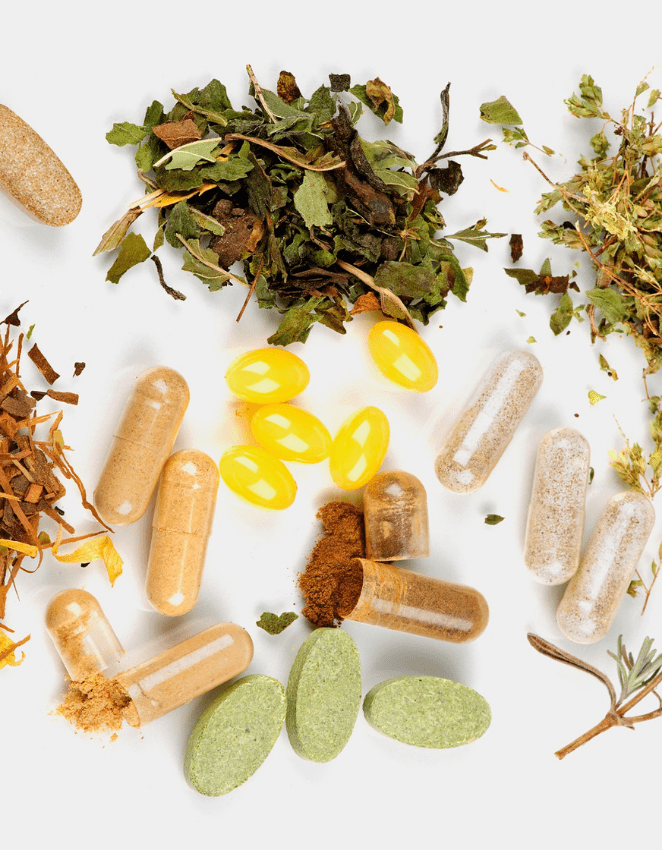
herbal support during dietary transitions can help bridge the gap between restriction and normal eating, providing anti-inflammatory compounds while your colon heals.
- Breakfast: Scrambled eggs with white toast (18g protein) + electrolyte drink
- Mid-morning: Applesauce (vitamin C) + protein shake (20g protein)
- Lunch: White rice with baked salmon (25g protein) + steamed carrots
- Afternoon: Banana (potassium) + collagen peptides in bone broth
- Dinner: Roasted chicken breast (30g protein) with peeled mashed potatoes
- Evening: Smooth nut butter on refined crackers + herbal tea
Why Dietary Restriction Alone Won’t Stop the Inflammation Cycle
Here’s the uncomfortable truth that many patients resist: changing your diet will not stop your immune system from attacking your colon. A low fiber diet for colitis manages symptoms. It does not address the root cause.
Inflammation in IBD is driven by immune cells releasing tumor necrosis factor-alpha (TNF-α) and other inflammatory cytokines. These compounds continue attacking your tissue regardless of what you eat. Fiber restriction simply removes the mechanical irritation that makes the attack feel worse.
This is why pharmaceutical biologic drugs target TNF-α directly. They interrupt the inflammatory cascade at its source. For patients seeking natural alternatives, certain plant compounds demonstrate similar mechanisms blocking inflammatory signaling without the side effect profile of immunosuppressant drugs.
integrative approaches to digestive health combine dietary management with anti-inflammatory interventions that address both the symptom and the cause. The goal isn’t choosing between diet and treatment it’s using both strategically.
| Symptom Management (Diet) | Inflammation Control (Treatment) |
|---|---|
| Reduces mechanical irritation | Interrupts immune attack on colon |
| Provides temporary relief during flares | Addresses root autoimmune dysfunction |
| Does not alter disease course | Can induce and maintain remission |
| Works within hours to days | Takes days to weeks for full effect |
| Requires constant vigilance | Provides lasting protection |
The Kronlitis Advantage: Faster Return to Normal Eating
Every day spent on a restricted diet is a day without the joy of normal eating. The goal isn’t managing symptoms indefinitely it’s healing quickly enough to return to the foods you love.
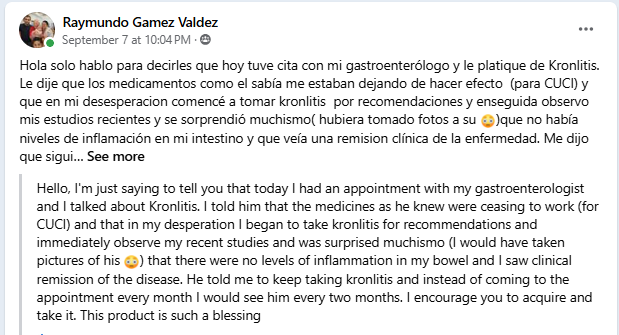
Kronlitis works because it targets colon inflammation through four specific herbs selected for their anti-inflammatory properties. Unlike single-ingredient supplements, this four-herb formula addresses multiple inflammatory pathways simultaneously. The result is faster reduction in swelling and irritation, which translates to shorter periods of dietary restriction.
When your colon lining begins to heal, you can progress through the fiber reintroduction phases more quickly. What might take months without intervention could take weeks when combined with proper anti-inflammatory support. Natural TNF-α blocking from herbal compounds provides the inflammation shutdown that diet alone cannot achieve.
start your remission journey by combining strategic dietary management with targeted herbal support that addresses the root cause of your symptoms.
- Patients report returning to solid food 40-60% faster than diet alone
- Reduced urgency within the first two weeks of combined protocol
- Earlier reintroduction of fiber-rich foods without symptom return
- Shorter overall flare duration when started at first signs
- Decreased reliance on emergency dietary restrictions over time
Key Takeaways: Timing Fiber Restriction for Maximum Healing
Success with a low fiber diet for colitis comes down to timing, execution, and combining dietary changes with inflammation control.
our approach to IBD management emphasizes that no single intervention works in isolation.
- Restrict fiber only during active bleeding and severe urgency phases
- Limit restriction to 7 days maximum unless medically supervised
- Start soluble fiber before attempting insoluble fiber reintroduction
- Combine dietary changes with anti-inflammatory support for faster healing
- Monitor symptoms daily to track when to transition between phases
- Work with your gastroenterologist to personalize timing for your disease severity
FAQ: Low Fiber Diet and Colitis Management
How long can I safely stay on a low fiber diet for colitis?
No more than 7 days without medical supervision. Extended fiber restriction depletes beneficial gut bacteria and may worsen long-term outcomes. Most gastroenterologists recommend beginning reintroduction as soon as acute symptoms subside.
What foods are absolutely forbidden during a colitis flare?
Raw vegetables, nuts, seeds, and whole grains. These foods provide insoluble fiber that creates mechanical irritation. Additionally, avoid high-residue foods like popcorn and dried fruit until the flare resolves completely.
Can I get enough nutrients while restricting fiber?
Yes, with intentional food choices. Focus on protein-rich foods like eggs, fish, and poultry along with refined grains that are often fortified. Consider a multivitamin during extended restriction periods.
Will a low residue diet put my colitis into remission?
No, it only manages symptoms. Remission requires controlling the underlying inflammation. Diet reduces mechanical irritation but cannot stop the immune attack on your colon that defines IBD.
How do I know when to start reintroducing fiber?
When bathroom frequency normalizes and bleeding stops. Wait for 48 hours without urgent symptoms before beginning Phase 2. Start with soluble fiber sources like oatmeal before attempting insoluble fiber.
Is soluble fiber safe during active colitis flares?
Small amounts can be soothing. Soluble fiber forms a gel that coats the colon lining. Begin with 5-10 grams from well-cooked sources and increase gradually as tolerated.
What if my symptoms worsen when reintroducing fiber?
Return to Phase 1 for 48 hours, then retry more slowly. Worsening symptoms suggest ongoing inflammation. This signals that you need additional anti-inflammatory support before your colon can handle normal fiber loads. more answers about colitis management can help you troubleshoot reintroduction setbacks.
@keyframes hoox-lf-in-hoox-f-97057cd3-834b-47c8-8137-c602e3-bottom {
from { opacity: 0; transform: translateY(8px); }
to { opacity: 1; transform: translateY(0); }
}
#hoox-f-97057cd3-834b-47c8-8137-c602e3-bottom {
width: 100%;
max-width: 100%;
box-sizing: border-box;
display: flex;
flex-direction: column;
gap: 20px;
margin: 48px 0;
padding: 32px 28px;
border-radius: 16px;
background: #ffffff;
color: #111111;
font-family: inherit;
border: 1px solid #E2E8F0;
animation: hoox-lf-in-hoox-f-97057cd3-834b-47c8-8137-c602e3-bottom 0.3s cubic-bezier(0.16, 1, 0.3, 1);
direction: inherit;
}
#hoox-f-97057cd3-834b-47c8-8137-c602e3-bottom .hoox-form-header {
display: flex;
flex-direction: column;
gap: 8px;
text-align: center;
}
#hoox-f-97057cd3-834b-47c8-8137-c602e3-bottom .hoox-form-header h2 {
margin: 0;
font-size: 1.5em;
font-weight: 700;
line-height: 1.3;
color: #111111;
border: none;
padding: 0;
}
#hoox-f-97057cd3-834b-47c8-8137-c602e3-bottom .hoox-form-header p {
margin: 0;
font-size: 1em;
line-height: 1.6;
color: #64748B;
}
#hoox-f-97057cd3-834b-47c8-8137-c602e3-bottom form[data-hx-form] {
margin: 0;
display: flex;
flex-direction: column;
gap: 14px;
}
#hoox-f-97057cd3-834b-47c8-8137-c602e3-bottom .hoox-field-wrap {
position: relative;
width: 100%;
box-sizing: border-box;
}
#hoox-f-97057cd3-834b-47c8-8137-c602e3-bottom .hoox-field-wrap input {
width: 100%;
box-sizing: border-box;
height: 44px;
padding-inline-start: 42px;
padding-inline-end: 14px;
border: 1px solid #E2E8F0;
border-radius: 10px;
font-size: 14px;
color: #111111;
font-family: inherit;
background-color: #F8FAFC;
transition: border-color 0.15s ease, box-shadow 0.15s ease, background-color 0.15s ease;
outline: none;
direction: inherit;
text-align: start;
}
#hoox-f-97057cd3-834b-47c8-8137-c602e3-bottom .hoox-field-wrap input::placeholder {
color: #94A3B8;
opacity: 1;
}
#hoox-f-97057cd3-834b-47c8-8137-c602e3-bottom .hoox-field-wrap input:focus {
background-color: #FFFFFF;
border-color: #0077B6,#00B4D8,#90E0EF;
box-shadow: 0 0 0 3px rgba(15, 23, 42, 0.08);
}
#hoox-f-97057cd3-834b-47c8-8137-c602e3-bottom .hoox-field-icon {
position: absolute;
top: 0;
bottom: 0;
inset-inline-start: 0;
width: 42px;
display: flex;
align-items: center;
justify-content: center;
pointer-events: none;
color: #94A3B8;
transition: color 0.15s ease;
}
#hoox-f-97057cd3-834b-47c8-8137-c602e3-bottom .hoox-field-wrap:focus-within .hoox-field-icon {
color: #0077B6,#00B4D8,#90E0EF;
}
#hoox-f-97057cd3-834b-47c8-8137-c602e3-bottom button[type=”submit”] {
width: 100%;
height: 44px;
margin-top: 4px;
border: none;
border-radius: 10px;
background: #0077B6,#00B4D8,#90E0EF;
color: #FFFFFF;
font-size: 14px;
font-weight: 600;
cursor: pointer;
transition: opacity 0.15s ease, transform 0.15s ease, box-shadow 0.15s ease;
box-shadow: 0 1px 2px 0 rgba(0, 0, 0, 0.05);
}
#hoox-f-97057cd3-834b-47c8-8137-c602e3-bottom button[type=”submit”]:hover {
opacity: 0.94;
}
#hoox-f-97057cd3-834b-47c8-8137-c602e3-bottom button[type=”submit”]:active {
transform: scale(0.99);
}
#hoox-f-97057cd3-834b-47c8-8137-c602e3-bottom button[type=”submit”]:disabled {
opacity: 0.6;
cursor: not-allowed;
}
#hoox-f-97057cd3-834b-47c8-8137-c602e3-bottom .hoox-disclaimer {
margin: 0;
text-align: center;
font-size: 12px;
line-height: 1.5;
color: #94A3B8;
}
#hoox-f-97057cd3-834b-47c8-8137-c602e3-bottom .hoox-disclaimer a {
color: inherit;
text-decoration: underline;
text-underline-offset: 2px;
}
#hoox-f-97057cd3-834b-47c8-8137-c602e3-bottom .hoox-disclaimer a:hover {
text-decoration: none;
}
#hoox-f-97057cd3-834b-47c8-8137-c602e3-bottom .hoox-success {
display: none;
flex-direction: column;
align-items: center;
gap: 14px;
padding: 12px 0;
position: relative;
}
#hoox-f-97057cd3-834b-47c8-8137-c602e3-bottom .hoox-confetti {
position: absolute;
inset: 0;
overflow: visible;
pointer-events: none;
}
#hoox-f-97057cd3-834b-47c8-8137-c602e3-bottom .hoox-confetti span {
position: absolute;
top: 50%;
left: 50%;
width: 7px;
height: 11px;
background: var(–hoox-c);
border-radius: 2px;
opacity: 0;
animation: hoox-confetti-burst 0.9s ease-out forwards;
animation-delay: var(–hoox-d, 0s);
}
@keyframes hoox-confetti-burst {
0% { opacity: 1; transform: translate(-50%, -50%) rotate(0deg) scale(1); }
100% { opacity: 0; transform: translate(calc(-50% + var(–hoox-tx)), calc(-50% + var(–hoox-ty))) rotate(var(–hoox-rz)) scale(0.5); }
}
#hoox-f-97057cd3-834b-47c8-8137-c602e3-bottom .hoox-success-icon {
width: 52px;
height: 52px;
border-radius: 50%;
background: #ECFDF5;
display: flex;
align-items: center;
justify-content: center;
font-size: 26px;
line-height: 1;
animation: hoox-success-pop 0.4s cubic-bezier(0.34, 1.56, 0.64, 1);
}
@keyframes hoox-success-pop {
from { opacity: 0; transform: scale(0.5); }
to { opacity: 1; transform: scale(1); }
}
#hoox-f-97057cd3-834b-47c8-8137-c602e3-bottom .hoox-success-text {
margin: 0;
text-align: center;
font-size: 15px;
font-weight: 600;
line-height: 1.5;
color: #111111;
}
#hoox-f-97057cd3-834b-47c8-8137-c602e3-bottom .hoox-disabled-state {
display: none;
flex-direction: column;
align-items: center;
gap: 14px;
padding: 12px 0;
text-align: center;
}
#hoox-f-97057cd3-834b-47c8-8137-c602e3-bottom .hoox-disabled-icon {
width: 52px;
height: 52px;
border-radius: 50%;
background: #F1F5F9;
display: flex;
align-items: center;
justify-content: center;
color: #64748B;
}
#hoox-f-97057cd3-834b-47c8-8137-c602e3-bottom .hoox-disabled-text {
margin: 0;
font-size: 14px;
line-height: 1.6;
color: #64748B;
}
#hoox-f-97057cd3-834b-47c8-8137-c602e3-bottom .hoox-disabled-text a {
color: inherit;
font-weight: 600;
text-decoration: underline;
text-underline-offset: 2px;
}
#hoox-f-97057cd3-834b-47c8-8137-c602e3-bottom .hoox-disabled-text a:hover {
text-decoration: none;
}
See What This Could Look Like For You
Takes 30 seconds
Thanks! We’ll be in touch.