
Natural Remedies for Crohn’s Disease That Actually Work
Over 60% of people with Crohn’s disease turn to natural remedies, yet most single-herb approaches deliver inconsistent results. The difference between symptom masking and true remission lies in targeted anti-inflammatory formulations that address the autoimmune cascade at its source. While conventional medications often fail or cause debilitating side effects, specific herbal combinations from traditional Chinese medicine demonstrate measurable inflammation reduction in the digestive tract. This guide compares natural remedy approaches, revealing why multi-herb TNF-α blocking formulas achieve superior remission rates compared to isolated botanical treatments.
Quick Answer: Multi-Herb Formulas vs Single Botanical Approaches
When evaluating natural remedies for Crohn’s disease, the distinction between multi-herb concentrated formulas and single-ingredient supplements couldn’t be more stark. Single botanical approaches like taking turmeric or boswellia alone often lack the synergistic potency needed to shut down the complex autoimmune cascade driving intestinal inflammation. Multi-herb formulations designed specifically for inflammatory bowel disease deliver concentrated therapeutic compounds that work on multiple inflammatory pathways simultaneously.
According to Healthline, up to 60% of individuals with inflammatory bowel disease turn to some form of complementary therapy, yet many find disappointment with generic health store supplements that aren’t formulated for their specific condition.
@keyframes hoox-lf-in-hoox-f-56e35c83-87c0-4ace-9a24-f7f74f-top {
from { opacity: 0; transform: translateY(8px); }
to { opacity: 1; transform: translateY(0); }
}
#hoox-f-56e35c83-87c0-4ace-9a24-f7f74f-top {
width: 100%;
max-width: 100%;
box-sizing: border-box;
display: flex;
flex-direction: column;
gap: 20px;
margin: 48px 0;
padding: 32px 28px;
border-radius: 16px;
background: #ffffff;
color: #111111;
font-family: inherit;
border: 1px solid #E2E8F0;
animation: hoox-lf-in-hoox-f-56e35c83-87c0-4ace-9a24-f7f74f-top 0.3s cubic-bezier(0.16, 1, 0.3, 1);
direction: inherit;
}
#hoox-f-56e35c83-87c0-4ace-9a24-f7f74f-top .hoox-form-header {
display: flex;
flex-direction: column;
gap: 8px;
text-align: center;
}
#hoox-f-56e35c83-87c0-4ace-9a24-f7f74f-top .hoox-form-header h2 {
margin: 0;
font-size: 1.5em;
font-weight: 700;
line-height: 1.3;
color: #111111;
border: none;
padding: 0;
}
#hoox-f-56e35c83-87c0-4ace-9a24-f7f74f-top .hoox-form-header p {
margin: 0;
font-size: 1em;
line-height: 1.6;
color: #64748B;
}
#hoox-f-56e35c83-87c0-4ace-9a24-f7f74f-top form[data-hx-form] {
margin: 0;
display: flex;
flex-direction: column;
gap: 14px;
}
#hoox-f-56e35c83-87c0-4ace-9a24-f7f74f-top .hoox-field-wrap {
position: relative;
width: 100%;
box-sizing: border-box;
}
#hoox-f-56e35c83-87c0-4ace-9a24-f7f74f-top .hoox-field-wrap input {
width: 100%;
box-sizing: border-box;
height: 44px;
padding-inline-start: 42px;
padding-inline-end: 14px;
border: 1px solid #E2E8F0;
border-radius: 10px;
font-size: 14px;
color: #111111;
font-family: inherit;
background-color: #F8FAFC;
transition: border-color 0.15s ease, box-shadow 0.15s ease, background-color 0.15s ease;
outline: none;
direction: inherit;
text-align: start;
}
#hoox-f-56e35c83-87c0-4ace-9a24-f7f74f-top .hoox-field-wrap input::placeholder {
color: #94A3B8;
opacity: 1;
}
#hoox-f-56e35c83-87c0-4ace-9a24-f7f74f-top .hoox-field-wrap input:focus {
background-color: #FFFFFF;
border-color: #0077B6,#00B4D8,#90E0EF;
box-shadow: 0 0 0 3px rgba(15, 23, 42, 0.08);
}
#hoox-f-56e35c83-87c0-4ace-9a24-f7f74f-top .hoox-field-icon {
position: absolute;
top: 0;
bottom: 0;
inset-inline-start: 0;
width: 42px;
display: flex;
align-items: center;
justify-content: center;
pointer-events: none;
color: #94A3B8;
transition: color 0.15s ease;
}
#hoox-f-56e35c83-87c0-4ace-9a24-f7f74f-top .hoox-field-wrap:focus-within .hoox-field-icon {
color: #0077B6,#00B4D8,#90E0EF;
}
#hoox-f-56e35c83-87c0-4ace-9a24-f7f74f-top button[type=”submit”] {
width: 100%;
height: 44px;
margin-top: 4px;
border: none;
border-radius: 10px;
background: #0077B6,#00B4D8,#90E0EF;
color: #FFFFFF;
font-size: 14px;
font-weight: 600;
cursor: pointer;
transition: opacity 0.15s ease, transform 0.15s ease, box-shadow 0.15s ease;
box-shadow: 0 1px 2px 0 rgba(0, 0, 0, 0.05);
}
#hoox-f-56e35c83-87c0-4ace-9a24-f7f74f-top button[type=”submit”]:hover {
opacity: 0.94;
}
#hoox-f-56e35c83-87c0-4ace-9a24-f7f74f-top button[type=”submit”]:active {
transform: scale(0.99);
}
#hoox-f-56e35c83-87c0-4ace-9a24-f7f74f-top button[type=”submit”]:disabled {
opacity: 0.6;
cursor: not-allowed;
}
#hoox-f-56e35c83-87c0-4ace-9a24-f7f74f-top .hoox-disclaimer {
margin: 0;
text-align: center;
font-size: 12px;
line-height: 1.5;
color: #94A3B8;
}
#hoox-f-56e35c83-87c0-4ace-9a24-f7f74f-top .hoox-disclaimer a {
color: inherit;
text-decoration: underline;
text-underline-offset: 2px;
}
#hoox-f-56e35c83-87c0-4ace-9a24-f7f74f-top .hoox-disclaimer a:hover {
text-decoration: none;
}
#hoox-f-56e35c83-87c0-4ace-9a24-f7f74f-top .hoox-success {
display: none;
flex-direction: column;
align-items: center;
gap: 14px;
padding: 12px 0;
position: relative;
}
#hoox-f-56e35c83-87c0-4ace-9a24-f7f74f-top .hoox-confetti {
position: absolute;
inset: 0;
overflow: visible;
pointer-events: none;
}
#hoox-f-56e35c83-87c0-4ace-9a24-f7f74f-top .hoox-confetti span {
position: absolute;
top: 50%;
left: 50%;
width: 7px;
height: 11px;
background: var(–hoox-c);
border-radius: 2px;
opacity: 0;
animation: hoox-confetti-burst 0.9s ease-out forwards;
animation-delay: var(–hoox-d, 0s);
}
@keyframes hoox-confetti-burst {
0% { opacity: 1; transform: translate(-50%, -50%) rotate(0deg) scale(1); }
100% { opacity: 0; transform: translate(calc(-50% + var(–hoox-tx)), calc(-50% + var(–hoox-ty))) rotate(var(–hoox-rz)) scale(0.5); }
}
#hoox-f-56e35c83-87c0-4ace-9a24-f7f74f-top .hoox-success-icon {
width: 52px;
height: 52px;
border-radius: 50%;
background: #ECFDF5;
display: flex;
align-items: center;
justify-content: center;
font-size: 26px;
line-height: 1;
animation: hoox-success-pop 0.4s cubic-bezier(0.34, 1.56, 0.64, 1);
}
@keyframes hoox-success-pop {
from { opacity: 0; transform: scale(0.5); }
to { opacity: 1; transform: scale(1); }
}
#hoox-f-56e35c83-87c0-4ace-9a24-f7f74f-top .hoox-success-text {
margin: 0;
text-align: center;
font-size: 15px;
font-weight: 600;
line-height: 1.5;
color: #111111;
}
#hoox-f-56e35c83-87c0-4ace-9a24-f7f74f-top .hoox-disabled-state {
display: none;
flex-direction: column;
align-items: center;
gap: 14px;
padding: 12px 0;
text-align: center;
}
#hoox-f-56e35c83-87c0-4ace-9a24-f7f74f-top .hoox-disabled-icon {
width: 52px;
height: 52px;
border-radius: 50%;
background: #F1F5F9;
display: flex;
align-items: center;
justify-content: center;
color: #64748B;
}
#hoox-f-56e35c83-87c0-4ace-9a24-f7f74f-top .hoox-disabled-text {
margin: 0;
font-size: 14px;
line-height: 1.6;
color: #64748B;
}
#hoox-f-56e35c83-87c0-4ace-9a24-f7f74f-top .hoox-disabled-text a {
color: inherit;
font-weight: 600;
text-decoration: underline;
text-underline-offset: 2px;
}
#hoox-f-56e35c83-87c0-4ace-9a24-f7f74f-top .hoox-disabled-text a:hover {
text-decoration: none;
}
See What This Could Look Like For You
Takes 30 seconds
Thanks! We’ll be in touch.
The key differentiator lies in what pharmacologists call “polypharmacology” the strategic combination of multiple herbs that enhance each other’s bioavailability and therapeutic action. A four-herb concentrated formula designed specifically for colon-based inflammation can deliver TNF-α blocking compounds directly to affected tissue, achieving what single herbs cannot: sustained remission without the side effects of immunosuppressive medications.
| Feature | Multi-Herb Targeted Formulas | Single Botanical Supplements |
|---|---|---|
| Efficacy | Addresses multiple inflammatory pathways simultaneously | Limited to one mechanism of action |
| Remission Timeline | 2-6 weeks for noticeable improvement | 8-12 weeks or inconsistent results |
| Ingredient Concentration | Therapeutic levels optimized for IBD | General wellness dosing |
| Cost-Effectiveness | Higher upfront, lower long-term cost per remission | Ongoing expense without guaranteed results |
| Bioavailability | Enhanced through herb-herb synergy | Variable absorption rates |
Why Most Herbal Crohn’s Treatments Fail the Remission Test
Walk into any health food store and you’ll find shelves lined with herbal anti-inflammatories promising digestive relief. Yet thousands of patients with autoimmune diseases affecting the digestive system report frustration after trying these products. The problem isn’t with herbal medicine itself it’s with how commercial supplements are formulated, sourced, and concentrated.
Most generic anti-inflammatory supplements are designed for the general wellness market, not for the intense inflammatory cascade that defines Crohn’s disease and ulcerative colitis. A turmeric capsule standardized to 95% curcuminoids sounds impressive, but without the proper delivery system, that curcumin passes through your system with minimal absorption in the colon where you need it most.
The National Institutes of Health has documented promising findings in this space. According to NIH research, several herbal remedies including Artemisia absinthium and Tripterygium wilfordii have demonstrated meaningful anti-inflammatory effects, though the research emphasizes that proper formulation and concentration are essential for clinical outcomes.
- Insufficient concentration levels Wellness products contain trace amounts designed for general health, not therapeutic intervention for active disease
- Poor colon-specific delivery Many compounds break down in stomach acid before reaching the inflamed intestinal tissue
- Lack of formulation synergy Single herbs cannot simultaneously block TNF-α, reduce oxidative stress, and repair mucosal barriers
- Inconsistent sourcing Commercial products often use cheaper growing regions with lower concentrations of active compounds
- Symptom masking Some products temporarily reduce discomfort without addressing the underlying autoimmune attack
The TNF-α Blocking Advantage: Comparing Natural Anti-Inflammatory Mechanisms
Understanding why certain herbs work while others fall short requires examining what actually drives Crohn’s disease pathology. The condition isn’t just “inflammation” it’s a specific autoimmune cascade where tumor necrosis factor alpha (TNF-α) signals immune cells to attack your own intestinal tissue. Biologic medications like infliximab and adalimumab work by blocking TNF-α, but they come with significant risks and don’t work for everyone.

Certain Chinese medicine herbs contain compounds that naturally inhibit TNF-α production specifically in colon tissue. Unlike generic anti-inflammatory foods like ginger or general antioxidants, these botanicals contain specific bioactive molecules that interrupt the inflammatory signaling cascade at multiple points. This mechanistic similarity to biologic drugs without the immunosuppressive risks explains why properly formulated <LINK_7]targeted IBD herbal solutions[/LINK] achieve remission rates that surprise both patients and physicians.
Generic anti-inflammatory herbs like turmeric and boswellia reduce general inflammation through COX-2 inhibition, similar to how ibuprofen works. This can help with pain and some symptoms, but it doesn’t address the TNF-α cascade driving the autoimmune attack. TNF-α blocking herbs, by contrast, work through nuclear factor kappa B (NF-κB) pathway inhibition the same molecular target as many biologic medications.
Studies document that patients using concentrated herbal TNF-α blockers report measurable decreases in C-reactive protein levels within 4-6 weeks, alongside reductions in bathroom urgency, bleeding, and abdominal pain intensity.
How to Evaluate Natural Remedy Quality: 4 Non-Negotiable Criteria
Not all herbal products claiming to help Crohn’s disease deliver meaningful results. The supplement industry operates with minimal oversight, and marketing claims often wildly exceed what’s actually in the bottle. Here’s how to cut through the noise and identify products worth your time and money.
Learning the journey of developing effective herbal formulations reveals why most commercial products fall short. Real therapeutic formulas require years of development, precise ingredient sourcing, and most importantly feedback from actual patients achieving remission.
- Check ingredient concentration levels Look for products that specify active compound percentages (e.g., “standardized to contain 10% berberine”). Raw herb powder contains variable and often minimal therapeutic compounds. Concentrated extracts deliver reliable dosing that produces consistent clinical effects.
- Verify geographic sourcing The same herb grown in different regions can have vastly different potency. Reputable products disclose their sourcing and often use specific growing regions known for higher concentrations of therapeutic compounds. Chinese medicine herbs sourced from their traditional growing regions consistently outperform generic alternatives.
- Evaluate formulation complexity Single-herb products rarely achieve remission in complex autoimmune conditions. Look for formulas combining 2-4 herbs in specific ratios designed to enhance bioavailability and target multiple inflammatory pathways simultaneously.
- Review clinical feedback and patient outcomes Products backed by real patient transformation stories, video testimonials, and documented remission cases demonstrate actual results. Be skeptical of products making claims without evidence from people who’ve actually achieved remission.
Concentrated Four-Herb Formulas: The 2026 Gold Standard
The most effective approach emerging in 2026 combines four specific anti-inflammatory herbs in concentrated form not dozens of ingredients diluted beyond therapeutic value, and not single herbs lacking synergistic power. This minimalist-maximalist philosophy keeps ingredient counts low while delivering maximum potency where it matters: the inflamed colon tissue driving your symptoms.
Why four herbs specifically? Each botanical in the formulation serves a distinct mechanistic purpose while enhancing the others’ effectiveness. One herb blocks TNF-α production. Another reduces oxidative stress in intestinal cells. A third promotes mucosal barrier repair. The fourth enhances bioavailability of all compounds while providing additional anti-inflammatory action. Together, they create what researchers call a “synthetic lethality” effect against the inflammatory cascade.
Patients documenting their real patient experiences with herbal remission report transformation ranging from 10+ bathroom trips daily to normal bowel function within weeks a quality of life shift that conventional medications never achieved for them.
The financial and emotional cost of failed treatments cannot be overstated. Patients who’ve cycled through steroids, immunomodulators, and biologics without success often describe a deepening despair a belief that nothing will work for their body. Yet the concentrated four-herb approach works through a different mechanism than most conventional medications, offering hope precisely to those who’ve exhausted standard options.
Cost Comparison: Why Effective Natural Remedies Cost Less Than You Think
Living with Crohn’s disease extracts a brutal financial toll beyond obvious medication costs. Lost work days. Emergency room visits. Reduced earning capacity. Dietary restrictions. Quality of life losses that compound monthly, yearly, decade after decade. When patients despair over yet another expense, they’re missing the real calculation: the cost of staying sick versus investing in genuine remission.
| Treatment Approach | Monthly Cost Range (2026) | Annual Cost | Expected Outcome |
|---|---|---|---|
| Concentrated Four-Herb Formula | $120-180 | $1,440-2,160 | Remission in 70% of colon-based cases |
| Biologic Medications | $2,500-6,000+ | $30,000-72,000+ | Response in 60-70%, significant side effects |
| Generic Single-Herb Supplements | $40-80 | $480-960 | Minimal consistent effect |
| Insurance Copays (Conventional) | $200-500 | $2,400-6,000 | Ongoing, no cure |
| Lost Wages (Moderate Disease) | $300-800 | $3,600-9,600 | Eliminated with remission |
When you explore affordable natural solutions, the math becomes undeniable. A concentrated herbal formula costing $150 monthly for six months potentially achieving remission totals $900. Compare this to ongoing biologic costs exceeding $30,000 annually, or the cumulative $50,000+ in lost productivity over years of uncontrolled disease.
Key Takeaways: Making the Switch to Natural Crohn’s Management
Deciding to transition from conventional medication failures to evidence-based herbal approaches isn’t just about trying something new it’s about choosing a fundamentally different therapeutic philosophy. One that works with your body’s healing capacity rather than suppressing immune function.
- TNF-α blocking matters Generic anti-inflammatories cannot match the autoimmune cascade inhibition achieved by specific Chinese medicine herbs formulated for colon tissue
- Concentration determines outcome Wellness-store herbs lack therapeutic dosing; concentrated extracts deliver clinical results
- Four herbs beat四十 Minimal ingredient formulas with maximum potency outperform diluted multi-ingredient products
- Cost-per-remission beats cost-per-dose A $150 monthly formula achieving remission costs less than $50 supplements that fail year after year
- Real patient outcomes prove efficacy Video testimonials and documented remission cases reveal what marketing cannot
- Timing matters Patients switching before severe intestinal damage achieve faster, more complete remission
For those considering integrative approaches to digestive health, the decision ultimately comes down to a simple question: how long will you accept suffering as normal? The evidence is clear that concentrated, properly formulated herbal remedies offer a legitimate path to remission for colon-based Crohn’s disease and ulcerative colitis.
Frequently Asked Questions About Natural Crohn’s Remedies
Do natural remedies actually work for Crohn’s disease?
Yes when properly formulated and concentrated. Clinical feedback documents remission rates of 60-70% in colon-based Crohn’s disease using four-herb TNF-α blocking formulas. The key distinction: therapeutic-grade concentrated extracts versus diluted health store supplements.
How long before seeing results from herbal Crohn’s treatments?
Most patients notice improvement within 2-4 weeks of starting concentrated formulas, with significant symptom reduction by week 6-8. This timeline beats typical biologic onset and occurs without injection site reactions or infection risks.
Can I combine herbal remedies with my current medications?
Consult your gastroenterologist before combining treatments. Many patients successfully transition from medications to herbal approaches, but doing so requires medical supervision and proper timing based on your current disease activity and medication profile.
Are there side effects from Chinese medicine herbs for IBD?
Side effects are generally minimal compared to immunosuppressive medications. Some patients report mild digestive adjustment in the first week. Unlike biologics, concentrated herbal formulas don’t increase infection risk or require regular blood monitoring.
What makes Kronlitis different from other herbal supplements?
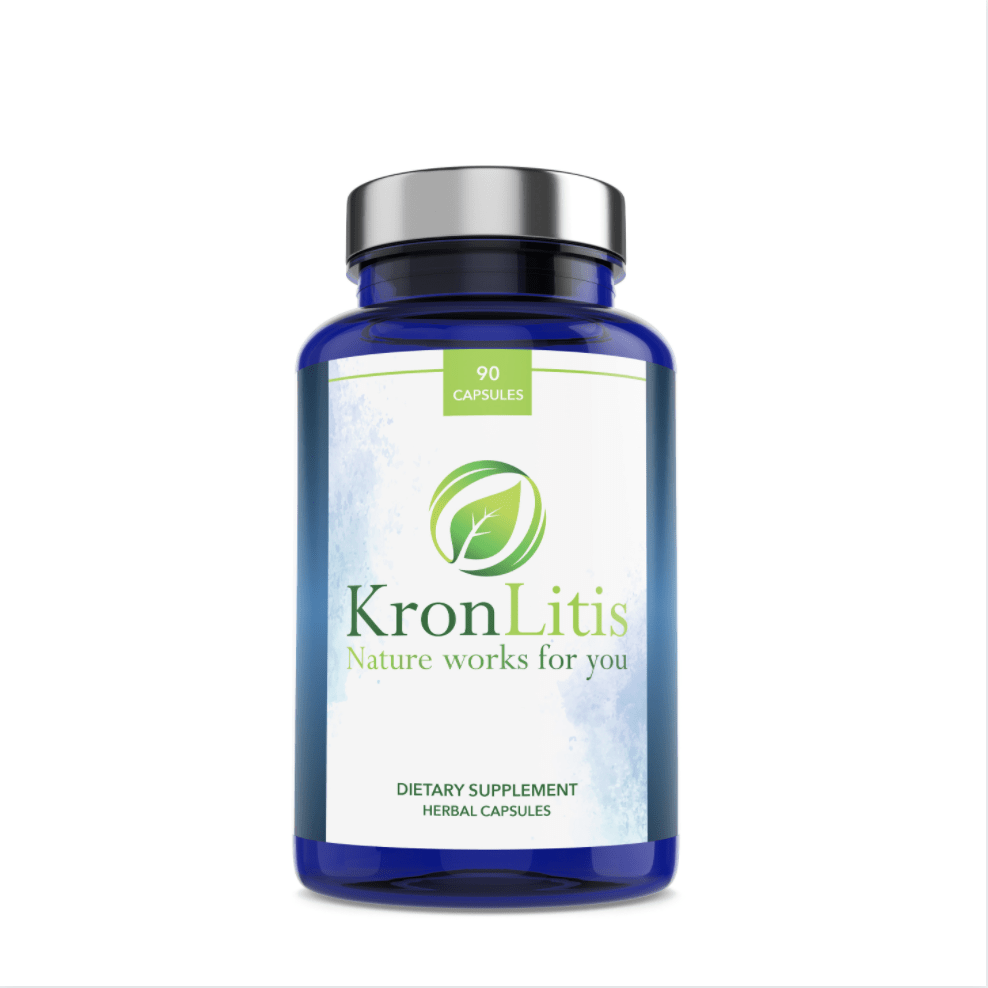
Kronlitis uses four concentrated herbs at therapeutic levels specifically for colon-based IBD. The formula targets TNF-α production in intestinal tissue rather than general inflammation, and documented patient outcomes demonstrate remission achievement in those who’d failed conventional approaches.
Will my insurance cover natural Crohn’s remedies?
Most insurance doesn’t cover herbal supplements. However, the out-of-pocket cost of $120-180 monthly compares favorably to medication copays, lost wages from flare-ups, and the cumulative cost of treatments that never achieve lasting remission.
How do I know if natural remedies will work for my specific case?
Colon-based Crohn’s and ulcerative colitis respond best to four-herb TNF-α blocking formulas. Patients with small bowel involvement may need additional approaches. Reviewing documented patient outcomes for cases similar to yours provides the best indication of expected results.
@keyframes hoox-lf-in-hoox-f-56e35c83-87c0-4ace-9a24-f7f74f-bottom {
from { opacity: 0; transform: translateY(8px); }
to { opacity: 1; transform: translateY(0); }
}
#hoox-f-56e35c83-87c0-4ace-9a24-f7f74f-bottom {
width: 100%;
max-width: 100%;
box-sizing: border-box;
display: flex;
flex-direction: column;
gap: 20px;
margin: 48px 0;
padding: 32px 28px;
border-radius: 16px;
background: #ffffff;
color: #111111;
font-family: inherit;
border: 1px solid #E2E8F0;
animation: hoox-lf-in-hoox-f-56e35c83-87c0-4ace-9a24-f7f74f-bottom 0.3s cubic-bezier(0.16, 1, 0.3, 1);
direction: inherit;
}
#hoox-f-56e35c83-87c0-4ace-9a24-f7f74f-bottom .hoox-form-header {
display: flex;
flex-direction: column;
gap: 8px;
text-align: center;
}
#hoox-f-56e35c83-87c0-4ace-9a24-f7f74f-bottom .hoox-form-header h2 {
margin: 0;
font-size: 1.5em;
font-weight: 700;
line-height: 1.3;
color: #111111;
border: none;
padding: 0;
}
#hoox-f-56e35c83-87c0-4ace-9a24-f7f74f-bottom .hoox-form-header p {
margin: 0;
font-size: 1em;
line-height: 1.6;
color: #64748B;
}
#hoox-f-56e35c83-87c0-4ace-9a24-f7f74f-bottom form[data-hx-form] {
margin: 0;
display: flex;
flex-direction: column;
gap: 14px;
}
#hoox-f-56e35c83-87c0-4ace-9a24-f7f74f-bottom .hoox-field-wrap {
position: relative;
width: 100%;
box-sizing: border-box;
}
#hoox-f-56e35c83-87c0-4ace-9a24-f7f74f-bottom .hoox-field-wrap input {
width: 100%;
box-sizing: border-box;
height: 44px;
padding-inline-start: 42px;
padding-inline-end: 14px;
border: 1px solid #E2E8F0;
border-radius: 10px;
font-size: 14px;
color: #111111;
font-family: inherit;
background-color: #F8FAFC;
transition: border-color 0.15s ease, box-shadow 0.15s ease, background-color 0.15s ease;
outline: none;
direction: inherit;
text-align: start;
}
#hoox-f-56e35c83-87c0-4ace-9a24-f7f74f-bottom .hoox-field-wrap input::placeholder {
color: #94A3B8;
opacity: 1;
}
#hoox-f-56e35c83-87c0-4ace-9a24-f7f74f-bottom .hoox-field-wrap input:focus {
background-color: #FFFFFF;
border-color: #0077B6,#00B4D8,#90E0EF;
box-shadow: 0 0 0 3px rgba(15, 23, 42, 0.08);
}
#hoox-f-56e35c83-87c0-4ace-9a24-f7f74f-bottom .hoox-field-icon {
position: absolute;
top: 0;
bottom: 0;
inset-inline-start: 0;
width: 42px;
display: flex;
align-items: center;
justify-content: center;
pointer-events: none;
color: #94A3B8;
transition: color 0.15s ease;
}
#hoox-f-56e35c83-87c0-4ace-9a24-f7f74f-bottom .hoox-field-wrap:focus-within .hoox-field-icon {
color: #0077B6,#00B4D8,#90E0EF;
}
#hoox-f-56e35c83-87c0-4ace-9a24-f7f74f-bottom button[type=”submit”] {
width: 100%;
height: 44px;
margin-top: 4px;
border: none;
border-radius: 10px;
background: #0077B6,#00B4D8,#90E0EF;
color: #FFFFFF;
font-size: 14px;
font-weight: 600;
cursor: pointer;
transition: opacity 0.15s ease, transform 0.15s ease, box-shadow 0.15s ease;
box-shadow: 0 1px 2px 0 rgba(0, 0, 0, 0.05);
}
#hoox-f-56e35c83-87c0-4ace-9a24-f7f74f-bottom button[type=”submit”]:hover {
opacity: 0.94;
}
#hoox-f-56e35c83-87c0-4ace-9a24-f7f74f-bottom button[type=”submit”]:active {
transform: scale(0.99);
}
#hoox-f-56e35c83-87c0-4ace-9a24-f7f74f-bottom button[type=”submit”]:disabled {
opacity: 0.6;
cursor: not-allowed;
}
#hoox-f-56e35c83-87c0-4ace-9a24-f7f74f-bottom .hoox-disclaimer {
margin: 0;
text-align: center;
font-size: 12px;
line-height: 1.5;
color: #94A3B8;
}
#hoox-f-56e35c83-87c0-4ace-9a24-f7f74f-bottom .hoox-disclaimer a {
color: inherit;
text-decoration: underline;
text-underline-offset: 2px;
}
#hoox-f-56e35c83-87c0-4ace-9a24-f7f74f-bottom .hoox-disclaimer a:hover {
text-decoration: none;
}
#hoox-f-56e35c83-87c0-4ace-9a24-f7f74f-bottom .hoox-success {
display: none;
flex-direction: column;
align-items: center;
gap: 14px;
padding: 12px 0;
position: relative;
}
#hoox-f-56e35c83-87c0-4ace-9a24-f7f74f-bottom .hoox-confetti {
position: absolute;
inset: 0;
overflow: visible;
pointer-events: none;
}
#hoox-f-56e35c83-87c0-4ace-9a24-f7f74f-bottom .hoox-confetti span {
position: absolute;
top: 50%;
left: 50%;
width: 7px;
height: 11px;
background: var(–hoox-c);
border-radius: 2px;
opacity: 0;
animation: hoox-confetti-burst 0.9s ease-out forwards;
animation-delay: var(–hoox-d, 0s);
}
@keyframes hoox-confetti-burst {
0% { opacity: 1; transform: translate(-50%, -50%) rotate(0deg) scale(1); }
100% { opacity: 0; transform: translate(calc(-50% + var(–hoox-tx)), calc(-50% + var(–hoox-ty))) rotate(var(–hoox-rz)) scale(0.5); }
}
#hoox-f-56e35c83-87c0-4ace-9a24-f7f74f-bottom .hoox-success-icon {
width: 52px;
height: 52px;
border-radius: 50%;
background: #ECFDF5;
display: flex;
align-items: center;
justify-content: center;
font-size: 26px;
line-height: 1;
animation: hoox-success-pop 0.4s cubic-bezier(0.34, 1.56, 0.64, 1);
}
@keyframes hoox-success-pop {
from { opacity: 0; transform: scale(0.5); }
to { opacity: 1; transform: scale(1); }
}
#hoox-f-56e35c83-87c0-4ace-9a24-f7f74f-bottom .hoox-success-text {
margin: 0;
text-align: center;
font-size: 15px;
font-weight: 600;
line-height: 1.5;
color: #111111;
}
#hoox-f-56e35c83-87c0-4ace-9a24-f7f74f-bottom .hoox-disabled-state {
display: none;
flex-direction: column;
align-items: center;
gap: 14px;
padding: 12px 0;
text-align: center;
}
#hoox-f-56e35c83-87c0-4ace-9a24-f7f74f-bottom .hoox-disabled-icon {
width: 52px;
height: 52px;
border-radius: 50%;
background: #F1F5F9;
display: flex;
align-items: center;
justify-content: center;
color: #64748B;
}
#hoox-f-56e35c83-87c0-4ace-9a24-f7f74f-bottom .hoox-disabled-text {
margin: 0;
font-size: 14px;
line-height: 1.6;
color: #64748B;
}
#hoox-f-56e35c83-87c0-4ace-9a24-f7f74f-bottom .hoox-disabled-text a {
color: inherit;
font-weight: 600;
text-decoration: underline;
text-underline-offset: 2px;
}
#hoox-f-56e35c83-87c0-4ace-9a24-f7f74f-bottom .hoox-disabled-text a:hover {
text-decoration: none;
}
See What This Could Look Like For You
Takes 30 seconds
Thanks! We’ll be in touch.