
Crohn’s vs Ulcerative Colitis: the Real Differences in 2026
If you’re struggling with inflammatory bowel disease, understanding whether you have Crohn’s or ulcerative colitis changes everything about your treatment path. While both conditions trap you in cycles of bathroom urgency, pain, and inflammation, they attack different parts of your digestive system and respond differently to therapy. The key distinction: ulcerative colitis targets only your colon’s outer layer, while Crohn’s can strike anywhere from mouth to anus. This fundamental difference determines which natural interventions like targeted herbal TNF-α blockers can bring you genuine remission.
Quick Answer: The Three Critical Differences That Matter for Your Treatment
When you’re living with inflammatory bowel disease, knowing the specific type you have isn’t just medical trivia it directly impacts which treatments will actually work. The crohn’s vs ulcerative colitis distinction comes down to three essential factors: location, depth, and pattern.
First, location matters because treatments that work in the colon may not reach the small intestine effectively. Second, tissue depth determines whether you’re dealing with surface-level irritation or deep tissue damage that can lead to complications. Third, the inflammation pattern affects how your condition progresses and whether surgery might become necessary.
@keyframes hoox-lf-in-hoox-f-aa795517-d299-434e-b02a-08212e-top {
from { opacity: 0; transform: translateY(8px); }
to { opacity: 1; transform: translateY(0); }
}
#hoox-f-aa795517-d299-434e-b02a-08212e-top {
width: 100%;
max-width: 100%;
box-sizing: border-box;
display: flex;
flex-direction: column;
gap: 20px;
margin: 48px 0;
padding: 32px 28px;
border-radius: 16px;
background: #ffffff;
color: #111111;
font-family: inherit;
border: 1px solid #E2E8F0;
animation: hoox-lf-in-hoox-f-aa795517-d299-434e-b02a-08212e-top 0.3s cubic-bezier(0.16, 1, 0.3, 1);
direction: inherit;
}
#hoox-f-aa795517-d299-434e-b02a-08212e-top .hoox-form-header {
display: flex;
flex-direction: column;
gap: 8px;
text-align: center;
}
#hoox-f-aa795517-d299-434e-b02a-08212e-top .hoox-form-header h2 {
margin: 0;
font-size: 1.5em;
font-weight: 700;
line-height: 1.3;
color: #111111;
border: none;
padding: 0;
}
#hoox-f-aa795517-d299-434e-b02a-08212e-top .hoox-form-header p {
margin: 0;
font-size: 1em;
line-height: 1.6;
color: #64748B;
}
#hoox-f-aa795517-d299-434e-b02a-08212e-top form[data-hx-form] {
margin: 0;
display: flex;
flex-direction: column;
gap: 14px;
}
#hoox-f-aa795517-d299-434e-b02a-08212e-top .hoox-field-wrap {
position: relative;
width: 100%;
box-sizing: border-box;
}
#hoox-f-aa795517-d299-434e-b02a-08212e-top .hoox-field-wrap input {
width: 100%;
box-sizing: border-box;
height: 44px;
padding-inline-start: 42px;
padding-inline-end: 14px;
border: 1px solid #E2E8F0;
border-radius: 10px;
font-size: 14px;
color: #111111;
font-family: inherit;
background-color: #F8FAFC;
transition: border-color 0.15s ease, box-shadow 0.15s ease, background-color 0.15s ease;
outline: none;
direction: inherit;
text-align: start;
}
#hoox-f-aa795517-d299-434e-b02a-08212e-top .hoox-field-wrap input::placeholder {
color: #94A3B8;
opacity: 1;
}
#hoox-f-aa795517-d299-434e-b02a-08212e-top .hoox-field-wrap input:focus {
background-color: #FFFFFF;
border-color: #0077B6,#00B4D8,#90E0EF;
box-shadow: 0 0 0 3px rgba(15, 23, 42, 0.08);
}
#hoox-f-aa795517-d299-434e-b02a-08212e-top .hoox-field-icon {
position: absolute;
top: 0;
bottom: 0;
inset-inline-start: 0;
width: 42px;
display: flex;
align-items: center;
justify-content: center;
pointer-events: none;
color: #94A3B8;
transition: color 0.15s ease;
}
#hoox-f-aa795517-d299-434e-b02a-08212e-top .hoox-field-wrap:focus-within .hoox-field-icon {
color: #0077B6,#00B4D8,#90E0EF;
}
#hoox-f-aa795517-d299-434e-b02a-08212e-top button[type=”submit”] {
width: 100%;
height: 44px;
margin-top: 4px;
border: none;
border-radius: 10px;
background: #0077B6,#00B4D8,#90E0EF;
color: #FFFFFF;
font-size: 14px;
font-weight: 600;
cursor: pointer;
transition: opacity 0.15s ease, transform 0.15s ease, box-shadow 0.15s ease;
box-shadow: 0 1px 2px 0 rgba(0, 0, 0, 0.05);
}
#hoox-f-aa795517-d299-434e-b02a-08212e-top button[type=”submit”]:hover {
opacity: 0.94;
}
#hoox-f-aa795517-d299-434e-b02a-08212e-top button[type=”submit”]:active {
transform: scale(0.99);
}
#hoox-f-aa795517-d299-434e-b02a-08212e-top button[type=”submit”]:disabled {
opacity: 0.6;
cursor: not-allowed;
}
#hoox-f-aa795517-d299-434e-b02a-08212e-top .hoox-disclaimer {
margin: 0;
text-align: center;
font-size: 12px;
line-height: 1.5;
color: #94A3B8;
}
#hoox-f-aa795517-d299-434e-b02a-08212e-top .hoox-disclaimer a {
color: inherit;
text-decoration: underline;
text-underline-offset: 2px;
}
#hoox-f-aa795517-d299-434e-b02a-08212e-top .hoox-disclaimer a:hover {
text-decoration: none;
}
#hoox-f-aa795517-d299-434e-b02a-08212e-top .hoox-success {
display: none;
flex-direction: column;
align-items: center;
gap: 14px;
padding: 12px 0;
position: relative;
}
#hoox-f-aa795517-d299-434e-b02a-08212e-top .hoox-confetti {
position: absolute;
inset: 0;
overflow: visible;
pointer-events: none;
}
#hoox-f-aa795517-d299-434e-b02a-08212e-top .hoox-confetti span {
position: absolute;
top: 50%;
left: 50%;
width: 7px;
height: 11px;
background: var(–hoox-c);
border-radius: 2px;
opacity: 0;
animation: hoox-confetti-burst 0.9s ease-out forwards;
animation-delay: var(–hoox-d, 0s);
}
@keyframes hoox-confetti-burst {
0% { opacity: 1; transform: translate(-50%, -50%) rotate(0deg) scale(1); }
100% { opacity: 0; transform: translate(calc(-50% + var(–hoox-tx)), calc(-50% + var(–hoox-ty))) rotate(var(–hoox-rz)) scale(0.5); }
}
#hoox-f-aa795517-d299-434e-b02a-08212e-top .hoox-success-icon {
width: 52px;
height: 52px;
border-radius: 50%;
background: #ECFDF5;
display: flex;
align-items: center;
justify-content: center;
font-size: 26px;
line-height: 1;
animation: hoox-success-pop 0.4s cubic-bezier(0.34, 1.56, 0.64, 1);
}
@keyframes hoox-success-pop {
from { opacity: 0; transform: scale(0.5); }
to { opacity: 1; transform: scale(1); }
}
#hoox-f-aa795517-d299-434e-b02a-08212e-top .hoox-success-text {
margin: 0;
text-align: center;
font-size: 15px;
font-weight: 600;
line-height: 1.5;
color: #111111;
}
#hoox-f-aa795517-d299-434e-b02a-08212e-top .hoox-disabled-state {
display: none;
flex-direction: column;
align-items: center;
gap: 14px;
padding: 12px 0;
text-align: center;
}
#hoox-f-aa795517-d299-434e-b02a-08212e-top .hoox-disabled-icon {
width: 52px;
height: 52px;
border-radius: 50%;
background: #F1F5F9;
display: flex;
align-items: center;
justify-content: center;
color: #64748B;
}
#hoox-f-aa795517-d299-434e-b02a-08212e-top .hoox-disabled-text {
margin: 0;
font-size: 14px;
line-height: 1.6;
color: #64748B;
}
#hoox-f-aa795517-d299-434e-b02a-08212e-top .hoox-disabled-text a {
color: inherit;
font-weight: 600;
text-decoration: underline;
text-underline-offset: 2px;
}
#hoox-f-aa795517-d299-434e-b02a-08212e-top .hoox-disabled-text a:hover {
text-decoration: none;
}
See What This Could Look Like For You
Takes 30 seconds
Thanks! We’ll be in touch.
Recent data reveals concerning trends for ulcerative colitis patients specifically. According to Nih, hospitalizations for ulcerative colitis increased significantly from 2008 to 2018, while Crohn’s disease hospitalization rates remained relatively stable during that same period. This suggests that current treatment approaches may not be keeping pace with UC progression.
| Factor | Ulcerative Colitis | Crohn’s Disease |
|---|---|---|
| Location | Colon and rectum only | Anywhere from mouth to anus |
| Tissue Depth | Mucosa (inner lining only) | Transmural (all layers) |
| Inflammation Pattern | Continuous, starts at rectum | Patchy “skip lesions” |
| Treatment Response | Better response to topical therapies | Requires systemic approaches |
Understanding these distinctions helps you and your healthcare team choose interventions with the highest probability of success. For a deeper dive into the mechanisms behind these conditions, understanding IBD fundamentals provides essential context.
Where Inflammation Strikes: Location Determines Your Daily Reality
The anatomical location of your inflammation dictates your daily symptoms, complications, and treatment options. This isn’t abstract medical theory it’s the difference between managing bathroom urgency that’s predictable versus dealing with pain that can strike anywhere along your digestive tract.
Ulcerative colitis confines itself strictly to the large intestine, starting at the rectum and potentially extending upward through the colon in a continuous pattern. This focused location means symptoms primarily involve lower abdominal cramping, bloody diarrhea, and that desperate urgency that keeps you close to bathrooms. The inflammation stays superficial, affecting only the mucosal lining.
Crohn’s disease operates differently. It can appear anywhere along the digestive tract the esophagus, stomach, small intestine, or colon. More importantly, it creates patchy areas of inflammation separated by healthy tissue, called “skip lesions.” This means you might have healthy sections of intestine adjacent to severely inflamed areas, creating unpredictable symptom patterns.
According to Medicaldaily, approximately 1.6% of U.S. adults were diagnosed with inflammatory bowel disease in 2023-2024, with both Crohn’s and ulcerative colitis contributing to this significant patient population seeking effective treatments.
- Rectal inflammation causes bleeding, mucus discharge, and constant urgency even when the bowel is empty
- Sigmoid colon involvement creates left-sided abdominal pain and frequent small-volume stools
- Ascending colon inflammation triggers right-sided pain often mistaken for appendicitis
- Small intestine Crohn’s causes malabsorption, nutritional deficiencies, and cramping after meals
- Extensive colitis affects the entire colon, causing more severe systemic symptoms and fatigue
These location-specific symptoms explain why natural approaches to digestive inflammation must be tailored to exactly where your inflammation lives.
Why Your Symptoms Feel Different: Tissue Depth and Inflammation Patterns
The depth of tissue involvement represents one of the most medically significant differences between these conditions. This isn’t just pathology textbook material understanding tissue depth helps explain why certain complications develop and why some treatments work better than others.
Ulcerative colitis remains superficial. The inflammation stays within the mucosal layer the innermost lining of your colon. Think of it as a skin-level burn rather than deep tissue damage. This confinement means the disease primarily causes surface-level symptoms: bloody stools, mucus production, and diarrhea. While still serious and debilitating, this superficial nature means UC rarely causes fistulas or deep abscesses.
Crohn’s disease penetrates all layers of the intestinal wall mucosa, submucosa, muscle layers, and even the outer serosa. This transmural inflammation explains why Crohn’s patients face complications that UC patients typically don’t experience. The deep tissue damage can tunnel through the intestinal wall, creating fistulas (abnormal connections between body parts), strictures (narrowing of the intestine), and abscesses that requir
e surgical intervention.
This deeper invasion also explains why Crohn’s symptoms often feel more complex. You’re not just dealing with surface irritation there’s deep tissue destruction that can cause:
- Fistulas connecting intestines to skin, bladder, or other organs
- Intestinal strictures causing blockages and severe cramping
- Abscesses requiring drainage and antibiotics
- Malnutrition from damaged absorption surfaces
- Perianal disease with fissures and skin tags
The pattern difference matters too. UC creates continuous inflammation starting from the rectum and moving upward. Crohn’s creates those characteristic skip lesions patchy areas of disease with healthy tissue in between. This patchy pattern can make diagnosis trickier, as symptoms may come from multiple distinct locations simultaneously.
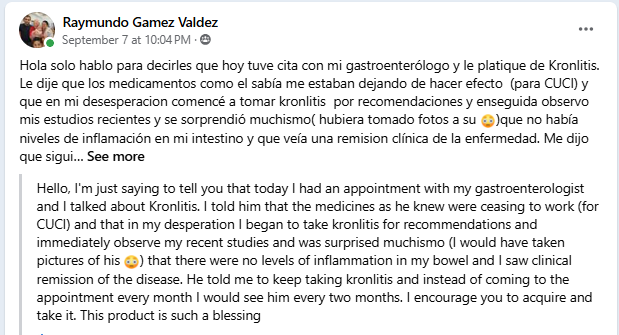
Real patient experiences with remission show that understanding your specific inflammation pattern helps predict which interventions will bring relief fastest.

The Treatment Gap: Why Conventional Medications Often Fail Both Conditions
Conventional IBD treatment follows a step-up approach: start with milder medications, then escalate to stronger drugs if symptoms persist. This progression typically moves from anti-inflammatories to corticosteroids to immunomodulators to biologics. While this approach helps many patients, a significant treatment gap exists.
First-line medications like mesalamine work well for mild to moderate ulcerative colitis but prove less effective for Crohn’s disease. Corticosteroids bring rapid relief but carry substantial side effects weight gain, mood changes, bone density loss and aren’t suitable for long-term maintenance. Stronger immunosuppressants and biologics introduce infection risks and don’t always maintain remission.
The frustration many patients express is understandable. You follow the protocol, take the medications, endure the side effects, yet still find yourself trapped in cycles of flare and partial remission. For those with colon-specific disease, there’s growing interest in whether targeted natural interventions might bridge this treatment gap.
Herbal approaches that block tumor necrosis factor-alpha (TNF-α) the same inflammatory cytokine targeted by biologic drugs offer a different avenue. Unlike synthetic biologics that require injection or infusion, certain herbal compounds can be taken orally and work directly within the digestive tract where inflammation lives.
This isn’t about abandoning conventional treatment it’s about expanding your options when standard approaches fall short. The four-herb formula for colon inflammation represents this bridge between pharmaceutical and natural approaches.
How Natural TNF-α Blockers Target Colon-Based IBD Differently
The mechanism behind natural TNF-α blockers parallels how biologic medications work, but with crucial differences in delivery and concentration. Rather than circulating systemically throughout your entire body, orally administered herbal compounds reach the digestive tract in therapeutic concentrations exactly where inflammation occurs.
For colon-based disease whether ulcerative colitis or Crohn’s limited to the colon this targeted delivery matters enormously. The herbs don’t have to survive a journey through your entire bloodstream to reach the inflammation. They arrive directly at the site, working locally to interrupt the inflammatory cascade.
The specific mechanism involves blocking TNF-α, a protein that drives intestinal inflammation. When TNF-α is overproduced in IBD, it triggers a cascade of immune responses that damage intestinal tissue. By inhibiting this protein’s activity, natural compounds help interrupt this destructive cycle.
- Direct mucosal contact allows therapeutic compounds to work at the inflammation site
- Reduced systemic exposure minimizes whole-body side effects
- Oral administration avoids injection-site reactions or infusion requirements
- Multiple anti-inflammatory compounds work synergistically rather than relying on single-molecule action
Clinical observations suggest that certain herbal combinations bring faster relief than single-agent approaches. The speed of response matters when you’re living in the bathroom and unable to work or socialize. Patients report noticeable improvement within weeks rather than the months sometimes required for full biologic efficacy.
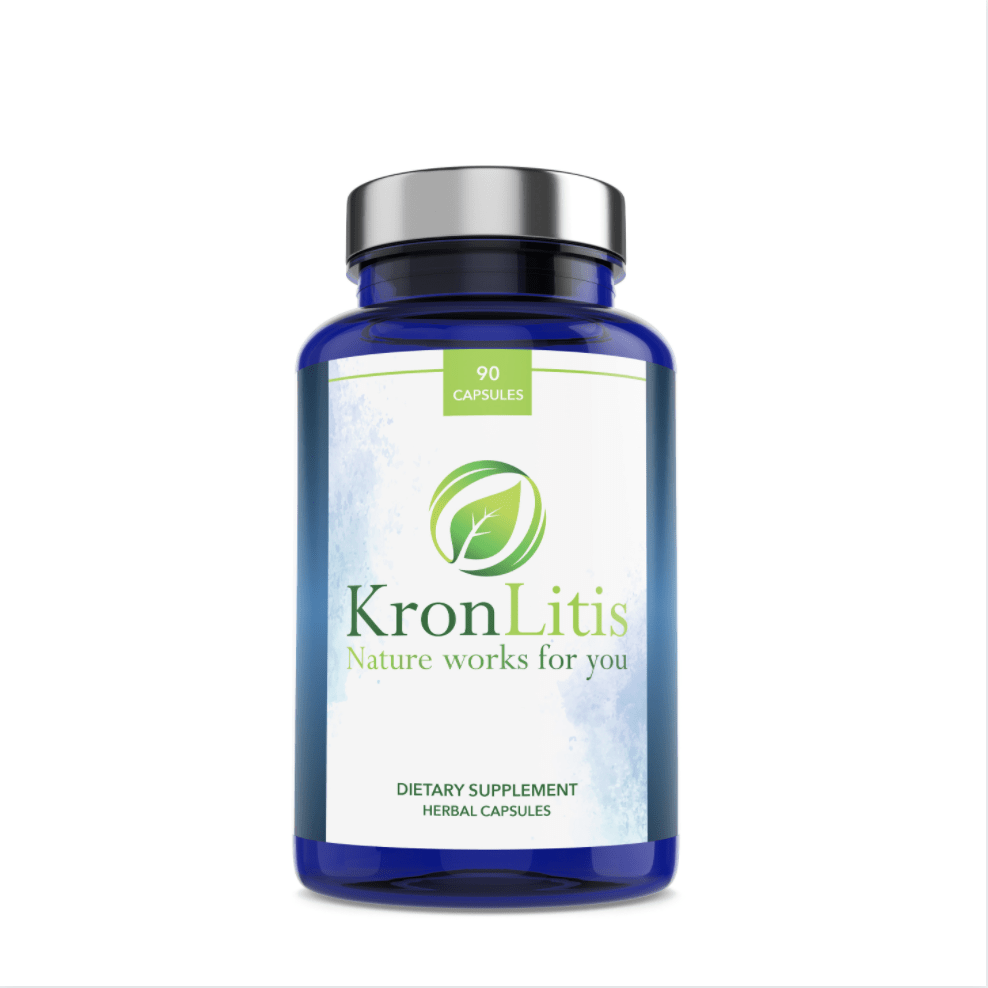
The IBD-specific herbal solutions available today draw from traditional Chinese medicine but are manufactured to modern pharmaceutical standards in Germany, combining ancient wisdom with contemporary quality control.
Real Remission: What Recovery Looks Like for Each Condition
Defining remission matters because “feeling better” isn’t the same as being in genuine remission. Medical remission means more than symptom improvement it requires evidence that inflammation has subsided and tissue healing has occurred.
For ulcerative colitis, remission criteria include normalized bowel habits (typically fewer than three stools daily), no rectal bleeding, and endoscopic evidence of mucosal healing. Crohn’s remission involves similar symptom resolution plus imaging evidence that inflammation has quieted throughout the digestive tract.
The challenge is maintaining remission once achieved. Conventional approaches require ongoing medication, sometimes at reduced dosages. Natural approaches can be integrated into maintenance protocols, potentially reducing reliance on medications with more significant side effect profiles.
| Remission Indicator | Ulcerative Colitis | Crohn’s Disease |
|---|---|---|
| Bowel Frequency | ≤3 formed stools daily | Established normal pattern |
| Blood in Stool | None for ≥4 weeks | None for ≥4 weeks |
| Endoscopic Finding | Mayo score 0-1 | SES-CD score <7 |
| Maintenance Approach | Continued anti-inflammatory therapy | Systemic immune modulation |
| Natural Integration | Highly compatible with colon-specific herbs | Depends on disease location |
Remission doesn’t mean your disease has been cured it means it’s under control. The goal shifts from crisis management to maintenance, preserving the quality of life you’ve regained. Reading verified recovery testimonials from patients who’ve achieved lasting remission provides realistic expectations for your own journey.
Key Takeaways: Choosing Your Path to Digestive Freedom
Making informed decisions about your IBD treatment requires understanding exactly what type of inflammatory bowel disease you have and how different interventions target specific aspects of your condition.
- Location defines treatment: colon-only disease responds differently than disease affecting multiple digestive regions
- Depth determines complications: superficial inflammation causes different problems than transmural tissue damage
- Pattern predicts progression: continuous UC patterns differ from skip-lesion Crohn’s progression
- Conventional medications have limits: significant percentages of patients don’t achieve full remission with standard approaches
- Natural TNF-α blockers offer targeted action: delivering anti-inflammatory compounds directly to colon tissue
- Remission is achievable: combining appropriate treatments increases your probability of lasting symptom control
Your next step toward digestive freedom starts with understanding your specific diagnosis and exploring all available treatment options. If you’re ready to investigate whether natural approaches fit your situation, start your natural treatment journey with resources designed specifically for IBD patients.
FAQ: Your Questions About Crohn’s vs Ulcerative Colitis Answered
Can I have both Crohn’s disease and ulcerative colitis simultaneously?
No. These are distinct diagnoses one patient has one or the other, not both. However, about 10% of IBD cases are classified as “indeterminate colitis” initially, where doctors cannot definitively distinguish between the two. Repeat testing over time usually clarifies the diagnosis.
Which condition has a better prognosis for long-term remission?
Both can achieve remission. Ulcerative colitis confined to the rectum or left colon typically has milder courses and better medication response. Crohn’s disease carries higher risks of complications requiring surgery. However, with appropriate treatment, both conditions can achieve sustained periods of remission.
Do natural remedies work as fast as conventional medications?
Response times vary. Corticosteroids work fastest, often within days, but aren’t suitable for long-term use. Herbal anti-inflammatories typically show initial improvement within 2-4 weeks and continue building effectiveness over several months. This compares favorably with biologics, which sometimes require 3-6 months for full effect.
Is surgery more common with Crohn’s or ulcerative colitis?
Crohn’s has higher surgical rates. About 70-80% of Crohn’s patients eventually require surgery, often for strictures or fistulas. UC surgery rates are lower, around 30%, but when needed, colectomy can effectively “cure” the disease by removing all affected tissue something not possible with Crohn’s scattered distribution.
Can diet alone control my inflammatory bowel disease?
Diet helps but rarely suffices. Dietary modifications reduce symptoms and support healing but typically cannot eliminate active inflammation alone. Diet works best as part of comprehensive treatment, not as a standalone approach. Specific diets like low-FODMAP or specific carbohydrate diet may significantly reduce symptom burden.
Will I need medication forever if I have IBD?
Most patients require ongoing treatment. IBD is chronic remission maintenance typically requires continued intervention, whether pharmaceutical, natural, or combined. Some patients successfully taper certain medications during long remission, but complete medication-free maintenance remains the exception rather than the rule.
For comprehensive IBD FAQ resource information covering additional questions about diagnosis, treatment timelines, and realistic expectations, detailed guides are available.
@keyframes hoox-lf-in-hoox-f-aa795517-d299-434e-b02a-08212e-bottom {
from { opacity: 0; transform: translateY(8px); }
to { opacity: 1; transform: translateY(0); }
}
#hoox-f-aa795517-d299-434e-b02a-08212e-bottom {
width: 100%;
max-width: 100%;
box-sizing: border-box;
display: flex;
flex-direction: column;
gap: 20px;
margin: 48px 0;
padding: 32px 28px;
border-radius: 16px;
background: #ffffff;
color: #111111;
font-family: inherit;
border: 1px solid #E2E8F0;
animation: hoox-lf-in-hoox-f-aa795517-d299-434e-b02a-08212e-bottom 0.3s cubic-bezier(0.16, 1, 0.3, 1);
direction: inherit;
}
#hoox-f-aa795517-d299-434e-b02a-08212e-bottom .hoox-form-header {
display: flex;
flex-direction: column;
gap: 8px;
text-align: center;
}
#hoox-f-aa795517-d299-434e-b02a-08212e-bottom .hoox-form-header h2 {
margin: 0;
font-size: 1.5em;
font-weight: 700;
line-height: 1.3;
color: #111111;
border: none;
padding: 0;
}
#hoox-f-aa795517-d299-434e-b02a-08212e-bottom .hoox-form-header p {
margin: 0;
font-size: 1em;
line-height: 1.6;
color: #64748B;
}
#hoox-f-aa795517-d299-434e-b02a-08212e-bottom form[data-hx-form] {
margin: 0;
display: flex;
flex-direction: column;
gap: 14px;
}
#hoox-f-aa795517-d299-434e-b02a-08212e-bottom .hoox-field-wrap {
position: relative;
width: 100%;
box-sizing: border-box;
}
#hoox-f-aa795517-d299-434e-b02a-08212e-bottom .hoox-field-wrap input {
width: 100%;
box-sizing: border-box;
height: 44px;
padding-inline-start: 42px;
padding-inline-end: 14px;
border: 1px solid #E2E8F0;
border-radius: 10px;
font-size: 14px;
color: #111111;
font-family: inherit;
background-color: #F8FAFC;
transition: border-color 0.15s ease, box-shadow 0.15s ease, background-color 0.15s ease;
outline: none;
direction: inherit;
text-align: start;
}
#hoox-f-aa795517-d299-434e-b02a-08212e-bottom .hoox-field-wrap input::placeholder {
color: #94A3B8;
opacity: 1;
}
#hoox-f-aa795517-d299-434e-b02a-08212e-bottom .hoox-field-wrap input:focus {
background-color: #FFFFFF;
border-color: #0077B6,#00B4D8,#90E0EF;
box-shadow: 0 0 0 3px rgba(15, 23, 42, 0.08);
}
#hoox-f-aa795517-d299-434e-b02a-08212e-bottom .hoox-field-icon {
position: absolute;
top: 0;
bottom: 0;
inset-inline-start: 0;
width: 42px;
display: flex;
align-items: center;
justify-content: center;
pointer-events: none;
color: #94A3B8;
transition: color 0.15s ease;
}
#hoox-f-aa795517-d299-434e-b02a-08212e-bottom .hoox-field-wrap:focus-within .hoox-field-icon {
color: #0077B6,#00B4D8,#90E0EF;
}
#hoox-f-aa795517-d299-434e-b02a-08212e-bottom button[type=”submit”] {
width: 100%;
height: 44px;
margin-top: 4px;
border: none;
border-radius: 10px;
background: #0077B6,#00B4D8,#90E0EF;
color: #FFFFFF;
font-size: 14px;
font-weight: 600;
cursor: pointer;
transition: opacity 0.15s ease, transform 0.15s ease, box-shadow 0.15s ease;
box-shadow: 0 1px 2px 0 rgba(0, 0, 0, 0.05);
}
#hoox-f-aa795517-d299-434e-b02a-08212e-bottom button[type=”submit”]:hover {
opacity: 0.94;
}
#hoox-f-aa795517-d299-434e-b02a-08212e-bottom button[type=”submit”]:active {
transform: scale(0.99);
}
#hoox-f-aa795517-d299-434e-b02a-08212e-bottom button[type=”submit”]:disabled {
opacity: 0.6;
cursor: not-allowed;
}
#hoox-f-aa795517-d299-434e-b02a-08212e-bottom .hoox-disclaimer {
margin: 0;
text-align: center;
font-size: 12px;
line-height: 1.5;
color: #94A3B8;
}
#hoox-f-aa795517-d299-434e-b02a-08212e-bottom .hoox-disclaimer a {
color: inherit;
text-decoration: underline;
text-underline-offset: 2px;
}
#hoox-f-aa795517-d299-434e-b02a-08212e-bottom .hoox-disclaimer a:hover {
text-decoration: none;
}
#hoox-f-aa795517-d299-434e-b02a-08212e-bottom .hoox-success {
display: none;
flex-direction: column;
align-items: center;
gap: 14px;
padding: 12px 0;
position: relative;
}
#hoox-f-aa795517-d299-434e-b02a-08212e-bottom .hoox-confetti {
position: absolute;
inset: 0;
overflow: visible;
pointer-events: none;
}
#hoox-f-aa795517-d299-434e-b02a-08212e-bottom .hoox-confetti span {
position: absolute;
top: 50%;
left: 50%;
width: 7px;
height: 11px;
background: var(–hoox-c);
border-radius: 2px;
opacity: 0;
animation: hoox-confetti-burst 0.9s ease-out forwards;
animation-delay: var(–hoox-d, 0s);
}
@keyframes hoox-confetti-burst {
0% { opacity: 1; transform: translate(-50%, -50%) rotate(0deg) scale(1); }
100% { opacity: 0; transform: translate(calc(-50% + var(–hoox-tx)), calc(-50% + var(–hoox-ty))) rotate(var(–hoox-rz)) scale(0.5); }
}
#hoox-f-aa795517-d299-434e-b02a-08212e-bottom .hoox-success-icon {
width: 52px;
height: 52px;
border-radius: 50%;
background: #ECFDF5;
display: flex;
align-items: center;
justify-content: center;
font-size: 26px;
line-height: 1;
animation: hoox-success-pop 0.4s cubic-bezier(0.34, 1.56, 0.64, 1);
}
@keyframes hoox-success-pop {
from { opacity: 0; transform: scale(0.5); }
to { opacity: 1; transform: scale(1); }
}
#hoox-f-aa795517-d299-434e-b02a-08212e-bottom .hoox-success-text {
margin: 0;
text-align: center;
font-size: 15px;
font-weight: 600;
line-height: 1.5;
color: #111111;
}
#hoox-f-aa795517-d299-434e-b02a-08212e-bottom .hoox-disabled-state {
display: none;
flex-direction: column;
align-items: center;
gap: 14px;
padding: 12px 0;
text-align: center;
}
#hoox-f-aa795517-d299-434e-b02a-08212e-bottom .hoox-disabled-icon {
width: 52px;
height: 52px;
border-radius: 50%;
background: #F1F5F9;
display: flex;
align-items: center;
justify-content: center;
color: #64748B;
}
#hoox-f-aa795517-d299-434e-b02a-08212e-bottom .hoox-disabled-text {
margin: 0;
font-size: 14px;
line-height: 1.6;
color: #64748B;
}
#hoox-f-aa795517-d299-434e-b02a-08212e-bottom .hoox-disabled-text a {
color: inherit;
font-weight: 600;
text-decoration: underline;
text-underline-offset: 2px;
}
#hoox-f-aa795517-d299-434e-b02a-08212e-bottom .hoox-disabled-text a:hover {
text-decoration: none;
}
See What This Could Look Like For You
Takes 30 seconds
Thanks! We’ll be in touch.