

Signs of Ulcerative Colitis
Ulcerative colitis announces itself through persistent bloody diarrhea, relentless urgency to use the bathroom, and debilitating abdominal cramping that disrupts every aspect of daily life. These signs aren’t just inconvenient they’re your body’s urgent signal that chronic inflammation is damaging your colon’s lining. Recognizing these symptoms early can prevent progression and help you reclaim control over your digestive health through targeted intervention.
The Seven Cardinal Warning Signs That Define Ulcerative Colitis
Ulcerative colitis symptoms follow recognizable patterns that distinguish this chronic condition from temporary stomach bugs or food poisoning. While everyone experiences occasional digestive upset, UC symptoms persist for weeks or months, often worsening without proper intervention. Understanding these ulcerative colitis symptoms helps you identify when something deeper is happening in your digestive system.
According to data from Amboss, approximately 1.2 million adults in the United States are affected by inflammatory bowel disease, with ulcerative colitis representing a significant portion of these cases. This prevalence underscores how common these warning signs truly are, yet many people delay seeking evaluation because they attribute their symptoms to stress or dietary indiscretion.
@keyframes hoox-lf-in-hoox-f-961a84e1-7b66-4555-b044-aa47d1-top {
from { opacity: 0; transform: translateY(8px); }
to { opacity: 1; transform: translateY(0); }
}
#hoox-f-961a84e1-7b66-4555-b044-aa47d1-top {
width: 100%;
max-width: 100%;
box-sizing: border-box;
display: flex;
flex-direction: column;
gap: 20px;
margin: 48px 0;
padding: 32px 28px;
border-radius: 16px;
background: #ffffff;
color: #111111;
font-family: inherit;
border: 1px solid #E2E8F0;
animation: hoox-lf-in-hoox-f-961a84e1-7b66-4555-b044-aa47d1-top 0.3s cubic-bezier(0.16, 1, 0.3, 1);
direction: inherit;
}
#hoox-f-961a84e1-7b66-4555-b044-aa47d1-top .hoox-form-header {
display: flex;
flex-direction: column;
gap: 8px;
text-align: center;
}
#hoox-f-961a84e1-7b66-4555-b044-aa47d1-top .hoox-form-header h2 {
margin: 0;
font-size: 1.5em;
font-weight: 700;
line-height: 1.3;
color: #111111;
border: none;
padding: 0;
}
#hoox-f-961a84e1-7b66-4555-b044-aa47d1-top .hoox-form-header p {
margin: 0;
font-size: 1em;
line-height: 1.6;
color: #64748B;
}
#hoox-f-961a84e1-7b66-4555-b044-aa47d1-top form[data-hx-form] {
margin: 0;
display: flex;
flex-direction: column;
gap: 14px;
}
#hoox-f-961a84e1-7b66-4555-b044-aa47d1-top .hoox-field-wrap {
position: relative;
width: 100%;
box-sizing: border-box;
}
#hoox-f-961a84e1-7b66-4555-b044-aa47d1-top .hoox-field-wrap input {
width: 100%;
box-sizing: border-box;
height: 44px;
padding-inline-start: 42px;
padding-inline-end: 14px;
border: 1px solid #E2E8F0;
border-radius: 10px;
font-size: 14px;
color: #111111;
font-family: inherit;
background-color: #F8FAFC;
transition: border-color 0.15s ease, box-shadow 0.15s ease, background-color 0.15s ease;
outline: none;
direction: inherit;
text-align: start;
}
#hoox-f-961a84e1-7b66-4555-b044-aa47d1-top .hoox-field-wrap input::placeholder {
color: #94A3B8;
opacity: 1;
}
#hoox-f-961a84e1-7b66-4555-b044-aa47d1-top .hoox-field-wrap input:focus {
background-color: #FFFFFF;
border-color: #0077B6,#00B4D8,#90E0EF;
box-shadow: 0 0 0 3px rgba(15, 23, 42, 0.08);
}
#hoox-f-961a84e1-7b66-4555-b044-aa47d1-top .hoox-field-icon {
position: absolute;
top: 0;
bottom: 0;
inset-inline-start: 0;
width: 42px;
display: flex;
align-items: center;
justify-content: center;
pointer-events: none;
color: #94A3B8;
transition: color 0.15s ease;
}
#hoox-f-961a84e1-7b66-4555-b044-aa47d1-top .hoox-field-wrap:focus-within .hoox-field-icon {
color: #0077B6,#00B4D8,#90E0EF;
}
#hoox-f-961a84e1-7b66-4555-b044-aa47d1-top button[type=”submit”] {
width: 100%;
height: 44px;
margin-top: 4px;
border: none;
border-radius: 10px;
background: #0077B6,#00B4D8,#90E0EF;
color: #FFFFFF;
font-size: 14px;
font-weight: 600;
cursor: pointer;
transition: opacity 0.15s ease, transform 0.15s ease, box-shadow 0.15s ease;
box-shadow: 0 1px 2px 0 rgba(0, 0, 0, 0.05);
}
#hoox-f-961a84e1-7b66-4555-b044-aa47d1-top button[type=”submit”]:hover {
opacity: 0.94;
}
#hoox-f-961a84e1-7b66-4555-b044-aa47d1-top button[type=”submit”]:active {
transform: scale(0.99);
}
#hoox-f-961a84e1-7b66-4555-b044-aa47d1-top button[type=”submit”]:disabled {
opacity: 0.6;
cursor: not-allowed;
}
#hoox-f-961a84e1-7b66-4555-b044-aa47d1-top .hoox-disclaimer {
margin: 0;
text-align: center;
font-size: 12px;
line-height: 1.5;
color: #94A3B8;
}
#hoox-f-961a84e1-7b66-4555-b044-aa47d1-top .hoox-disclaimer a {
color: inherit;
text-decoration: underline;
text-underline-offset: 2px;
}
#hoox-f-961a84e1-7b66-4555-b044-aa47d1-top .hoox-disclaimer a:hover {
text-decoration: none;
}
#hoox-f-961a84e1-7b66-4555-b044-aa47d1-top .hoox-success {
display: none;
flex-direction: column;
align-items: center;
gap: 14px;
padding: 12px 0;
position: relative;
}
#hoox-f-961a84e1-7b66-4555-b044-aa47d1-top .hoox-confetti {
position: absolute;
inset: 0;
overflow: visible;
pointer-events: none;
}
#hoox-f-961a84e1-7b66-4555-b044-aa47d1-top .hoox-confetti span {
position: absolute;
top: 50%;
left: 50%;
width: 7px;
height: 11px;
background: var(–hoox-c);
border-radius: 2px;
opacity: 0;
animation: hoox-confetti-burst 0.9s ease-out forwards;
animation-delay: var(–hoox-d, 0s);
}
@keyframes hoox-confetti-burst {
0% { opacity: 1; transform: translate(-50%, -50%) rotate(0deg) scale(1); }
100% { opacity: 0; transform: translate(calc(-50% + var(–hoox-tx)), calc(-50% + var(–hoox-ty))) rotate(var(–hoox-rz)) scale(0.5); }
}
#hoox-f-961a84e1-7b66-4555-b044-aa47d1-top .hoox-success-icon {
width: 52px;
height: 52px;
border-radius: 50%;
background: #ECFDF5;
display: flex;
align-items: center;
justify-content: center;
font-size: 26px;
line-height: 1;
animation: hoox-success-pop 0.4s cubic-bezier(0.34, 1.56, 0.64, 1);
}
@keyframes hoox-success-pop {
from { opacity: 0; transform: scale(0.5); }
to { opacity: 1; transform: scale(1); }
}
#hoox-f-961a84e1-7b66-4555-b044-aa47d1-top .hoox-success-text {
margin: 0;
text-align: center;
font-size: 15px;
font-weight: 600;
line-height: 1.5;
color: #111111;
}
#hoox-f-961a84e1-7b66-4555-b044-aa47d1-top .hoox-disabled-state {
display: none;
flex-direction: column;
align-items: center;
gap: 14px;
padding: 12px 0;
text-align: center;
}
#hoox-f-961a84e1-7b66-4555-b044-aa47d1-top .hoox-disabled-icon {
width: 52px;
height: 52px;
border-radius: 50%;
background: #F1F5F9;
display: flex;
align-items: center;
justify-content: center;
color: #64748B;
}
#hoox-f-961a84e1-7b66-4555-b044-aa47d1-top .hoox-disabled-text {
margin: 0;
font-size: 14px;
line-height: 1.6;
color: #64748B;
}
#hoox-f-961a84e1-7b66-4555-b044-aa47d1-top .hoox-disabled-text a {
color: inherit;
font-weight: 600;
text-decoration: underline;
text-underline-offset: 2px;
}
#hoox-f-961a84e1-7b66-4555-b044-aa47d1-top .hoox-disabled-text a:hover {
text-decoration: none;
}
See What This Could Look Like For You
Takes 30 seconds
Thanks! We’ll be in touch.
The seven primary UC warning signs include:
- Bloody diarrhea The hallmark symptom where blood mixes with loose stools, indicating active inflammation in the colon’s lining
- Urgency A sudden, intense need to defecate that makes waiting impossible, often leading to accidents
- Abdominal cramping Pain typically located in the lower left quadrant, worsening before bowel movements
- Tenesmus A persistent sensation of needing to pass stool even when the rectum is empty
- Fatigue Profound exhaustion from blood loss, inflammation, and disrupted sleep patterns
- Weight loss Unintentional loss from malabsorption and fear of eating due to symptom triggers
- Mucus in stool White or yellowish discharge indicating excessive mucus production by inflamed intestinal tissue

These inflammatory bowel disease indicators differ fundamentally from temporary digestive upset in both duration and intensity. A stomach virus might cause diarrhea for a few days, but UC symptoms persist for weeks, often cycling between flare-ups and periods of remission. When you notice these patterns, consider reviewing inflammatory bowel disease fundamentals to understand how chronic inflammation differs from acute infections.
What makes these symptoms particularly challenging is their cumulative effect. One symptom alone might seem manageable, but together they create a cascade that affects every aspect of your life your work, relationships, and sense of independence.
Why Blood and Mucus in Your Stool Signal Active Inflammation
Seeing blood in the toilet bowl triggers immediate alarm for most people, and rightfully so. In ulcerative colitis, rectal bleeding isn’t just a symptom it’s direct evidence that inflammation has eroded the colon’s protective mucosal layer. Unlike hemorrhoids that produce bright red blood on toilet paper, colon inflammation signs typically show blood mixed throughout the stool or coating its surface.
The pathophysiology is straightforward: chronic inflammation causes ulcers to form in the colon’s lining. These ulcers bleed, releasing blood that mixes with stool as it passes through. The more extensive the inflammation, the more bleeding you’ll notice. This is why tracking blood patterns matters enormously for diagnosis and monitoring treatment response.
[table]
[thead]
[tr][th]Characteristic[/th][th]Occasional Bleeding[/th][th]UC-Related Bleeding[/th][/tr]
[/thead]
[tbody]
[tr][td]Appearance[/td][td]Bright red, mostly on tissue[/td][td]Dark or bright red, mixed in stool[/td][/tr]
[tr][td]Duration[/td][td]Days, resolves spontaneously[/td][td]Weeks to months, recurring[/td][/tr]
[tr][td]Associated symptoms[/td][td]Minimal discomfort[/td][td]Cramping, urgency, diarrhea[/td][/tr]
[tr][td]Volume[/td][td]Small amounts on wiping[/td][td]Variable, sometimes significant[/td][/tr]
[tr][td]Pattern[/td][td]Isolated incidents[/td][td]Consistent with flare-ups[/td][/tr]
[/tbody]
[/table]
Mucus production serves a similar diagnostic purpose. Your intestines normally produce mucus to lubricate stool passage, but inflamed tissue produces excess amounts. This colitis flare symptoms indicator appears as white, yellowish, or clear stringy material mixed with stool. Unlike blood, which patients often notice immediately, mucus can be subtle until you know what to look for.
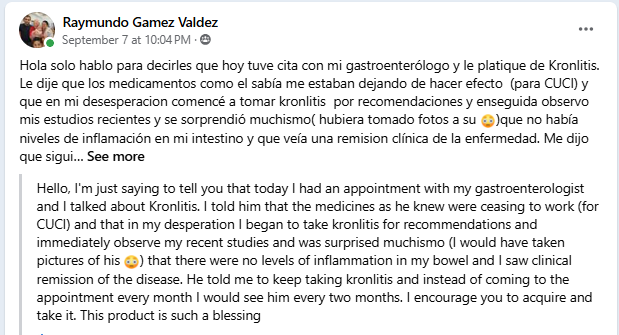
Understanding these distinctions helps you communicate effectively with healthcare providers. Simply reporting “blood” leaves room for misinterpretation, but describing blood mixed throughout liquid stool, accompanied by mucus, paints a clearer clinical picture. For those seeking to address the underlying inflammation driving these symptoms, natural anti-inflammatory support offers strategies that target the root cause rather than just masking symptoms.
How Bathroom Urgency and Frequency Destroy Your Daily Routine
The most devastating aspect of ulcerative colitis isn’t always the pain it’s the unpredictability. When you’re running to the bathroom ten, fifteen, or twenty times daily, normal life becomes impossible. Patients describe living their lives “between bathroom doors,” unable to commit to meetings, social events, or even short car rides without mapping every available restroom.
This frequency represents one of the most problematic IBD digestive symptoms because it directly impacts your ability to function. Consider what twenty daily bowel movements actually means: if each episode takes five minutes, that’s nearly two hours daily just in the bathroom. Add the physical exhaustion, the emotional stress of accidents, and the constant mental calculation about bathroom proximity, and you begin to understand why patients describe feeling trapped in their own bodies.
The emotional toll is real and often underestimated. Patients frequently report:
- Isolation from friends and family who don’t understand the condition
- Career limitations from inability to commit to meetings or travel
- Sleep deprivation from nighttime bathroom trips
- Anxiety about leaving home, leading to agoraphobic tendencies
- Relationship strain from cancelled plans and limited intimacy
This isn’t exaggeration it’s the daily reality for many managing UC symptom progression. The language patients use reflects this desperation: “I live in the bathroom. I can’t work. I can’t leave the house.” These aren’t complaints; they’re cries for help from people whose lives have been hijacked by their colons.
Unfortunately, conventional treatments don’t always provide adequate relief. Many patients cycle through medications that offer partial improvement or stop working over time, leaving them searching for alternatives. Reading stories from people who’ve found relief can provide hope when conventional approaches have fallen short.
The Abdominal Pain Pattern That Separates UC From IBS
Abdominal pain in ulcerative colitis follows a distinctive pattern that helps differentiate it from irritable bowel syndrome and other functional disorders. Understanding these distinctions matters because IBS and UC require fundamentally different treatment approaches misdiagnosis delays proper care and allows inflammation to progress unchecked.
UC pain typically localizes to the lower left abdomen, corresponding to the descending colon and sigmoid regions most commonly affected. The cramping often intensifies before bowel movements and temporarily resolves afterward. This pattern reflects the inflamed colon’s attempts to contract and move stool past ulcerated areas, causing pain that ranges from uncomfortable to debilitating.
Tenesmus deserves special attention here. This sensation of incomplete evacuation, feeling like you need to pass stool when nothing remains, represents a hallmark UC warning sign. Unlike IBS, where bloating and discomfort may improve with bowel movements, tenesmus persists despite having just used the bathroom. This reflects rectal inflammation specifically, separate from the cramping felt higher in the colon.

Research published in Frontiersin highlights that patients with ulcerative colitis face increased risks of complications beyond digestive symptoms alone. The relative risk of developing serious complications remains elevated, particularly for those with long-standing uncontrolled inflammation. This reality emphasizes why accurate diagnosis matters so significantly properly identifying UC versus IBS determines whether patients receive anti-inflammatory treatment or symptom management alone.
The comparison below clarifies key distinctions:
[table]
[thead]
[tr][th]Feature[/th][th]Ulcerative Colitis[/th][th]Irritable Bowel Syndrome[/th][/tr]
[/thead]
[tbody]
[tr][td]Pain location[/td][td]Lower left quadrant predominance[/td][td]Variable, often diffuse[/td][/tr]
[tr][td]Blood in stool[/td][td]Common during flares[/td][td]Rare without hemorrhoids[/td][/tr]
[tr][td]Night symptoms[/td][td]Frequently wakes from sleep[/td][td]Rarely disrupts sleep[/td][/tr]
[tr][td]Weight loss[/td][td]Common, sometimes significant[/td][td]Unusual without dietary changes[/td][/tr]
[tr][td]Fevers[/td][td]May occur during flares[/td][td]Not a feature[/td][/tr]
[/tbody]
[/table]
Systemic Symptoms: When Colitis Affects Your Entire Body
Ulcerative colitis doesn’t stay confined to your digestive tract. Chronic inflammation releases inflammatory mediators that circulate throughout your body, triggering symptoms far from the colon. Understanding these systemic manifestations helps explain why you feel exhausted, achy, and generally unwell even when your digestive symptoms temporarily improve.
Fatigue stands out as the most pervasive systemic symptom. This isn’t ordinary tiredness it’s bone-deep exhaustion that sleep doesn’t fix. Multiple factors contribute: anemia from chronic blood loss, inflammatory cytokines that directly cause fatigue, poor nutrient absorption, and disrupted sleep from nighttime bathroom trips. For many patients, fatigue impacts quality of life more than any other symptom.
Beyond fatigue, systemic symptoms of inflammatory bowel disease include:
- Unexplained fevers Low-grade temperatures during flares, indicating systemic inflammatory response
- Joint pain Arthritis-like symptoms affecting large joints, often mirroring intestinal inflammation
- Skin manifestations Painful nodules, ulcers, or rashes that correlate with disease activity
- Eye inflammation Redness, pain, and light sensitivity from uveitis or episcleritis
- Mouth sores Aphthous ulcers similar to canker sores, appearing during flares
These extraintestinal manifestations affect a significant portion of IBD patients and often parallel intestinal inflammation severity. When your colon improves, joint pain and skin lesions frequently improve too. This connection demonstrates why treating the whole person, not just digestive symptoms, matters for comprehensive care. comprehensive IBD solutions address this systemic nature rather than focusing solely on bowel symptoms.
How to Document Your Symptoms for Accurate Diagnosis
Accurate diagnosis hinges on detailed symptom documentation. Gastroenterologists depend on patient-reported information to guide testing and treatment decisions. Unfortunately, many people arrive at appointments unprepared, struggling to recall specifics about frequency, severity, and patterns. Systematic tracking transforms you from passive patient to informed partner in your own care.
Start by recording these elements daily:
[table]
[thead]
[tr][th]Category[/th][th]What to Track[/th][th]Why It Matters[/th][/tr]
[/thead]
[tbody]
[tr][td]Bowel movements[/td][td]Number, consistency, blood/mucus[/td][td]Establishes disease severity baseline[/td][/tr]
[tr][td]Urgency episodes[/td][td]Near-misses, accidents, warning time[/td][td]Quantifies functional impact[/td][/tr]
[tr][td]Pain[/td][td]Location, intensity (1-10), timing[/td][td]Identifies patterns and triggers[/td][/tr]
[tr][td]Food intake[/td][td]What you eat, symptoms after[/td][td]Reveals trigger foods[/td][/tr]
[tr][td]Sleep disruption[/td][td]Nighttime episodes, quality[/td][td]Assesses disease impact on rest[/td][/tr]
[/tbody]
[/table]
The Bristol Stool Chart provides a standardized way to communicate stool consistency. Types 5-7 indicate progressively looser stools typical during UC flares, while Types 1-2 suggest constipation that might indicate different problems or medication side effects. Your documentation should reference these types rather than vague descriptions.
Urgency scales similarly benefit from quantification. Rather than noting “urgency,” record how much warning time you have between the urge and the need to be in a bathroom. Zero warning represents the most severe end, while 5-10 minutes of warning suggests milder involvement. These specifics help physicians understand your functional limitations and measure treatment response.
- Keep a dedicated notebook or phone app for symptom logging
- Record every bowel movement immediately don’t rely on memory
- Note the Bristol type, blood presence, and mucus amount
- Rate pain during and between movements on a consistent scale
- Document sleep interruptions and their timing
- Track food intake and any symptom correlations within 2-4 hours
- Record medications taken and their timing relative to symptoms
begin your natural healing journey by establishing this documentation baseline. Clear records provide the foundation for any treatment approach, whether conventional, natural, or integrative. Without accurate tracking, you’re navigating in the dark, unable to identify what helps and what worsens your condition.
Natural Anti-Inflammatory Strategies That Address Root Inflammation
Conventional UC treatments often focus on suppressing immune response or reducing symptoms. While these approaches have their place, many patients find themselves cycling through medications that lose effectiveness or cause significant side effects. An alternative strategy addresses the underlying inflammatory cascade directly through botanical interventions that have supported digestive health for centuries.
Certain herbal compounds function as natural TNF-α inhibitors the same mechanism targeted by expensive biologic medications. These plant-based compounds work by interrupting the inflammatory signaling that drives tissue damage in the colon. Unlike synthetic alternatives, traditional herbal formulations often provide multiple anti-inflammatory pathways simultaneously, potentially offering broader effects than single-mechanism drugs.
Kronlitis has developed a four-herb formula specifically designed to address colon inflammation. Drawing from Chinese medicine traditions validated through modern application, this approach targets the ulcerative colitis symptoms that disrupt daily life bleeding, urgency, and cramping. The formulation’s success in helping patients achieve remission has generated numerous accounts from individuals who had previously lost hope after exhausting conventional options.
The four-herb combination offers distinct advantages:
- Multiple anti-inflammatory compounds working through different pathways
- Established safety profiles from centuries of traditional use
- Cost-effectiveness compared to biologic medications
- No immune suppression that increases infection risk
- Manufactured in Germany under strict quality standards
Understanding our development journey with Chinese herbal medicine provides context for how traditional wisdom combines with modern quality standards. This isn’t random supplementation it’s a targeted approach based on specific botanical actions on inflammatory processes in the colon.
Key Takeaways
Recognizing the signs of ulcerative colitis early provides the best opportunity for effective intervention and long-term remission. These essential points summarize what matters most:
- Seven cardinal signs define UC: bloody diarrhea, urgency, abdominal cramping, tenesmus, fatigue, weight loss, and mucus in stool
- Blood patterns matter: UC bleeding mixes with stool rather than appearing only on tissue, indicating colon rather than rectal origin
- Frequency destroys function: Ten-plus daily bowel movements make normal life impossible, affecting work, relationships, and independence
- Pain patterns differentiate: Lower left cramping with tenesmus suggests UC; diffuse discomfort without inflammation suggests IBS
- Symptoms extend beyond digestion: Joint pain, skin problems, eye inflammation, and fatigue reflect systemic inflammation
- Documentation drives diagnosis: Detailed tracking of frequency, blood, pain, and food correlations enables accurate medical assessment
These warning signs shouldn’t be ignored or minimized. If you recognize your experience in these descriptions, explore integrative digestive health approaches that address both symptom management and underlying inflammation. UC is a progressive condition early intervention offers the best chance for preserving colon health and reclaiming your quality of life.
Frequently Asked Questions About Ulcerative Colitis Symptoms
Can ulcerative colitis symptoms come and go?
Yes, UC follows a relapsing-remitting pattern. Most patients experience periods of symptom flare-ups followed by periods of remission that can last months or years. Approximately 50% of patients in remission will experience a relapse within any given year, making ongoing maintenance essential even when symptoms improve.
How many bowel movements are considered abnormal?
More than three daily bowel movements consistently may indicate problems. Normal frequency ranges from three times daily to three times weekly. During UC flares, patients often report ten to twenty daily movements, representing a dramatic departure from their baseline that signals active inflammation requiring intervention.
Is ulcerative colitis the same as Crohn’s disease?
No, while both are IBD, they affect different areas. UC is limited to the colon and rectum, affecting only the innermost lining, while Crohn’s can involve any part of the digestive tract from mouth to anus and penetrates deeper tissue layers. This distinction affects treatment approaches and prognosis significantly.
When should I seek emergency care for UC symptoms?
Seek immediate care for severe bleeding, high fever, or signs of perforation. If you’re passing large blood clots, experiencing intense abdominal rigidity, running a high fever with chills, or unable to keep any fluids down, these may indicate complications like toxic megacolon or perforation requiring emergency intervention.
Can stress cause ulcerative colitis symptoms to worsen?
Yes, stress is a recognized trigger for symptom flares. While stress doesn’t cause UC directly, the gut-brain connection means emotional stress can intensify existing inflammation and trigger symptom worsening. Stress management techniques often complement other treatments by reducing flare frequency and severity.
How long can ulcerative colitis go undiagnosed?
Diagnosis often takes years due to symptom overlap with other conditions. Many patients initially receive IBS diagnoses before inflammation is discovered. If your symptoms have persisted beyond six weeks, include blood in stool, or wake you from sleep, request evaluation for inflammatory bowel disease rather than assuming stress or diet alone.
@keyframes hoox-lf-in-hoox-f-961a84e1-7b66-4555-b044-aa47d1-bottom {
from { opacity: 0; transform: translateY(8px); }
to { opacity: 1; transform: translateY(0); }
}
#hoox-f-961a84e1-7b66-4555-b044-aa47d1-bottom {
width: 100%;
max-width: 100%;
box-sizing: border-box;
display: flex;
flex-direction: column;
gap: 20px;
margin: 48px 0;
padding: 32px 28px;
border-radius: 16px;
background: #ffffff;
color: #111111;
font-family: inherit;
border: 1px solid #E2E8F0;
animation: hoox-lf-in-hoox-f-961a84e1-7b66-4555-b044-aa47d1-bottom 0.3s cubic-bezier(0.16, 1, 0.3, 1);
direction: inherit;
}
#hoox-f-961a84e1-7b66-4555-b044-aa47d1-bottom .hoox-form-header {
display: flex;
flex-direction: column;
gap: 8px;
text-align: center;
}
#hoox-f-961a84e1-7b66-4555-b044-aa47d1-bottom .hoox-form-header h2 {
margin: 0;
font-size: 1.5em;
font-weight: 700;
line-height: 1.3;
color: #111111;
border: none;
padding: 0;
}
#hoox-f-961a84e1-7b66-4555-b044-aa47d1-bottom .hoox-form-header p {
margin: 0;
font-size: 1em;
line-height: 1.6;
color: #64748B;
}
#hoox-f-961a84e1-7b66-4555-b044-aa47d1-bottom form[data-hx-form] {
margin: 0;
display: flex;
flex-direction: column;
gap: 14px;
}
#hoox-f-961a84e1-7b66-4555-b044-aa47d1-bottom .hoox-field-wrap {
position: relative;
width: 100%;
box-sizing: border-box;
}
#hoox-f-961a84e1-7b66-4555-b044-aa47d1-bottom .hoox-field-wrap input {
width: 100%;
box-sizing: border-box;
height: 44px;
padding-inline-start: 42px;
padding-inline-end: 14px;
border: 1px solid #E2E8F0;
border-radius: 10px;
font-size: 14px;
color: #111111;
font-family: inherit;
background-color: #F8FAFC;
transition: border-color 0.15s ease, box-shadow 0.15s ease, background-color 0.15s ease;
outline: none;
direction: inherit;
text-align: start;
}
#hoox-f-961a84e1-7b66-4555-b044-aa47d1-bottom .hoox-field-wrap input::placeholder {
color: #94A3B8;
opacity: 1;
}
#hoox-f-961a84e1-7b66-4555-b044-aa47d1-bottom .hoox-field-wrap input:focus {
background-color: #FFFFFF;
border-color: #0077B6,#00B4D8,#90E0EF;
box-shadow: 0 0 0 3px rgba(15, 23, 42, 0.08);
}
#hoox-f-961a84e1-7b66-4555-b044-aa47d1-bottom .hoox-field-icon {
position: absolute;
top: 0;
bottom: 0;
inset-inline-start: 0;
width: 42px;
display: flex;
align-items: center;
justify-content: center;
pointer-events: none;
color: #94A3B8;
transition: color 0.15s ease;
}
#hoox-f-961a84e1-7b66-4555-b044-aa47d1-bottom .hoox-field-wrap:focus-within .hoox-field-icon {
color: #0077B6,#00B4D8,#90E0EF;
}
#hoox-f-961a84e1-7b66-4555-b044-aa47d1-bottom button[type=”submit”] {
width: 100%;
height: 44px;
margin-top: 4px;
border: none;
border-radius: 10px;
background: #0077B6,#00B4D8,#90E0EF;
color: #FFFFFF;
font-size: 14px;
font-weight: 600;
cursor: pointer;
transition: opacity 0.15s ease, transform 0.15s ease, box-shadow 0.15s ease;
box-shadow: 0 1px 2px 0 rgba(0, 0, 0, 0.05);
}
#hoox-f-961a84e1-7b66-4555-b044-aa47d1-bottom button[type=”submit”]:hover {
opacity: 0.94;
}
#hoox-f-961a84e1-7b66-4555-b044-aa47d1-bottom button[type=”submit”]:active {
transform: scale(0.99);
}
#hoox-f-961a84e1-7b66-4555-b044-aa47d1-bottom button[type=”submit”]:disabled {
opacity: 0.6;
cursor: not-allowed;
}
#hoox-f-961a84e1-7b66-4555-b044-aa47d1-bottom .hoox-disclaimer {
margin: 0;
text-align: center;
font-size: 12px;
line-height: 1.5;
color: #94A3B8;
}
#hoox-f-961a84e1-7b66-4555-b044-aa47d1-bottom .hoox-disclaimer a {
color: inherit;
text-decoration: underline;
text-underline-offset: 2px;
}
#hoox-f-961a84e1-7b66-4555-b044-aa47d1-bottom .hoox-disclaimer a:hover {
text-decoration: none;
}
#hoox-f-961a84e1-7b66-4555-b044-aa47d1-bottom .hoox-success {
display: none;
flex-direction: column;
align-items: center;
gap: 14px;
padding: 12px 0;
position: relative;
}
#hoox-f-961a84e1-7b66-4555-b044-aa47d1-bottom .hoox-confetti {
position: absolute;
inset: 0;
overflow: visible;
pointer-events: none;
}
#hoox-f-961a84e1-7b66-4555-b044-aa47d1-bottom .hoox-confetti span {
position: absolute;
top: 50%;
left: 50%;
width: 7px;
height: 11px;
background: var(–hoox-c);
border-radius: 2px;
opacity: 0;
animation: hoox-confetti-burst 0.9s ease-out forwards;
animation-delay: var(–hoox-d, 0s);
}
@keyframes hoox-confetti-burst {
0% { opacity: 1; transform: translate(-50%, -50%) rotate(0deg) scale(1); }
100% { opacity: 0; transform: translate(calc(-50% + var(–hoox-tx)), calc(-50% + var(–hoox-ty))) rotate(var(–hoox-rz)) scale(0.5); }
}
#hoox-f-961a84e1-7b66-4555-b044-aa47d1-bottom .hoox-success-icon {
width: 52px;
height: 52px;
border-radius: 50%;
background: #ECFDF5;
display: flex;
align-items: center;
justify-content: center;
font-size: 26px;
line-height: 1;
animation: hoox-success-pop 0.4s cubic-bezier(0.34, 1.56, 0.64, 1);
}
@keyframes hoox-success-pop {
from { opacity: 0; transform: scale(0.5); }
to { opacity: 1; transform: scale(1); }
}
#hoox-f-961a84e1-7b66-4555-b044-aa47d1-bottom .hoox-success-text {
margin: 0;
text-align: center;
font-size: 15px;
font-weight: 600;
line-height: 1.5;
color: #111111;
}
#hoox-f-961a84e1-7b66-4555-b044-aa47d1-bottom .hoox-disabled-state {
display: none;
flex-direction: column;
align-items: center;
gap: 14px;
padding: 12px 0;
text-align: center;
}
#hoox-f-961a84e1-7b66-4555-b044-aa47d1-bottom .hoox-disabled-icon {
width: 52px;
height: 52px;
border-radius: 50%;
background: #F1F5F9;
display: flex;
align-items: center;
justify-content: center;
color: #64748B;
}
#hoox-f-961a84e1-7b66-4555-b044-aa47d1-bottom .hoox-disabled-text {
margin: 0;
font-size: 14px;
line-height: 1.6;
color: #64748B;
}
#hoox-f-961a84e1-7b66-4555-b044-aa47d1-bottom .hoox-disabled-text a {
color: inherit;
font-weight: 600;
text-decoration: underline;
text-underline-offset: 2px;
}
#hoox-f-961a84e1-7b66-4555-b044-aa47d1-bottom .hoox-disabled-text a:hover {
text-decoration: none;
}
See What This Could Look Like For You
Takes 30 seconds
Thanks! We’ll be in touch.