

Ulcerative Colitis Flare Symptoms: What to Expect and When
Ulcerative colitis flares announce themselves through unmistakable intestinal distress bloody diarrhea, relentless bathroom urgency, and abdominal cramping that disrupts daily routines. Approximately 1.9 million Americans live with UC, and understanding the spectrum of flare symptoms from mucosal bleeding to joint pain and fatigue empowers patients to respond decisively. This guide dissects the clinical presentation, systemic manifestations, and evidence-based approaches to managing acute episodes in 2026.
Quick Answer: The Six Core Symptoms That Define a UC Flare
Recognizing ulcerative colitis flare symptoms early gives patients a critical advantage in managing their condition. The clinical presentation follows a recognizable pattern, though intensity varies significantly between individuals and episodes. According to Gastroenterologyadvisor, ulcerative colitis affects approximately 1.9 million people in the United States, with prevalence continuing to rise as diagnostic capabilities improve in 2026.

The six primary symptoms that characterize a UC flare include:
@keyframes hoox-lf-in-hoox-f-cf1efbe6-9867-4835-b93a-d86230-top {
from { opacity: 0; transform: translateY(8px); }
to { opacity: 1; transform: translateY(0); }
}
#hoox-f-cf1efbe6-9867-4835-b93a-d86230-top {
width: 100%;
max-width: 100%;
box-sizing: border-box;
display: flex;
flex-direction: column;
gap: 20px;
margin: 48px 0;
padding: 32px 28px;
border-radius: 16px;
background: #ffffff;
color: #111111;
font-family: inherit;
border: 1px solid #E2E8F0;
animation: hoox-lf-in-hoox-f-cf1efbe6-9867-4835-b93a-d86230-top 0.3s cubic-bezier(0.16, 1, 0.3, 1);
direction: inherit;
}
#hoox-f-cf1efbe6-9867-4835-b93a-d86230-top .hoox-form-header {
display: flex;
flex-direction: column;
gap: 8px;
text-align: center;
}
#hoox-f-cf1efbe6-9867-4835-b93a-d86230-top .hoox-form-header h2 {
margin: 0;
font-size: 1.5em;
font-weight: 700;
line-height: 1.3;
color: #111111;
border: none;
padding: 0;
}
#hoox-f-cf1efbe6-9867-4835-b93a-d86230-top .hoox-form-header p {
margin: 0;
font-size: 1em;
line-height: 1.6;
color: #64748B;
}
#hoox-f-cf1efbe6-9867-4835-b93a-d86230-top form[data-hx-form] {
margin: 0;
display: flex;
flex-direction: column;
gap: 14px;
}
#hoox-f-cf1efbe6-9867-4835-b93a-d86230-top .hoox-field-wrap {
position: relative;
width: 100%;
box-sizing: border-box;
}
#hoox-f-cf1efbe6-9867-4835-b93a-d86230-top .hoox-field-wrap input {
width: 100%;
box-sizing: border-box;
height: 44px;
padding-inline-start: 42px;
padding-inline-end: 14px;
border: 1px solid #E2E8F0;
border-radius: 10px;
font-size: 14px;
color: #111111;
font-family: inherit;
background-color: #F8FAFC;
transition: border-color 0.15s ease, box-shadow 0.15s ease, background-color 0.15s ease;
outline: none;
direction: inherit;
text-align: start;
}
#hoox-f-cf1efbe6-9867-4835-b93a-d86230-top .hoox-field-wrap input::placeholder {
color: #94A3B8;
opacity: 1;
}
#hoox-f-cf1efbe6-9867-4835-b93a-d86230-top .hoox-field-wrap input:focus {
background-color: #FFFFFF;
border-color: #0077B6,#00B4D8,#90E0EF;
box-shadow: 0 0 0 3px rgba(15, 23, 42, 0.08);
}
#hoox-f-cf1efbe6-9867-4835-b93a-d86230-top .hoox-field-icon {
position: absolute;
top: 0;
bottom: 0;
inset-inline-start: 0;
width: 42px;
display: flex;
align-items: center;
justify-content: center;
pointer-events: none;
color: #94A3B8;
transition: color 0.15s ease;
}
#hoox-f-cf1efbe6-9867-4835-b93a-d86230-top .hoox-field-wrap:focus-within .hoox-field-icon {
color: #0077B6,#00B4D8,#90E0EF;
}
#hoox-f-cf1efbe6-9867-4835-b93a-d86230-top button[type=”submit”] {
width: 100%;
height: 44px;
margin-top: 4px;
border: none;
border-radius: 10px;
background: #0077B6,#00B4D8,#90E0EF;
color: #FFFFFF;
font-size: 14px;
font-weight: 600;
cursor: pointer;
transition: opacity 0.15s ease, transform 0.15s ease, box-shadow 0.15s ease;
box-shadow: 0 1px 2px 0 rgba(0, 0, 0, 0.05);
}
#hoox-f-cf1efbe6-9867-4835-b93a-d86230-top button[type=”submit”]:hover {
opacity: 0.94;
}
#hoox-f-cf1efbe6-9867-4835-b93a-d86230-top button[type=”submit”]:active {
transform: scale(0.99);
}
#hoox-f-cf1efbe6-9867-4835-b93a-d86230-top button[type=”submit”]:disabled {
opacity: 0.6;
cursor: not-allowed;
}
#hoox-f-cf1efbe6-9867-4835-b93a-d86230-top .hoox-disclaimer {
margin: 0;
text-align: center;
font-size: 12px;
line-height: 1.5;
color: #94A3B8;
}
#hoox-f-cf1efbe6-9867-4835-b93a-d86230-top .hoox-disclaimer a {
color: inherit;
text-decoration: underline;
text-underline-offset: 2px;
}
#hoox-f-cf1efbe6-9867-4835-b93a-d86230-top .hoox-disclaimer a:hover {
text-decoration: none;
}
#hoox-f-cf1efbe6-9867-4835-b93a-d86230-top .hoox-success {
display: none;
flex-direction: column;
align-items: center;
gap: 14px;
padding: 12px 0;
position: relative;
}
#hoox-f-cf1efbe6-9867-4835-b93a-d86230-top .hoox-confetti {
position: absolute;
inset: 0;
overflow: visible;
pointer-events: none;
}
#hoox-f-cf1efbe6-9867-4835-b93a-d86230-top .hoox-confetti span {
position: absolute;
top: 50%;
left: 50%;
width: 7px;
height: 11px;
background: var(–hoox-c);
border-radius: 2px;
opacity: 0;
animation: hoox-confetti-burst 0.9s ease-out forwards;
animation-delay: var(–hoox-d, 0s);
}
@keyframes hoox-confetti-burst {
0% { opacity: 1; transform: translate(-50%, -50%) rotate(0deg) scale(1); }
100% { opacity: 0; transform: translate(calc(-50% + var(–hoox-tx)), calc(-50% + var(–hoox-ty))) rotate(var(–hoox-rz)) scale(0.5); }
}
#hoox-f-cf1efbe6-9867-4835-b93a-d86230-top .hoox-success-icon {
width: 52px;
height: 52px;
border-radius: 50%;
background: #ECFDF5;
display: flex;
align-items: center;
justify-content: center;
font-size: 26px;
line-height: 1;
animation: hoox-success-pop 0.4s cubic-bezier(0.34, 1.56, 0.64, 1);
}
@keyframes hoox-success-pop {
from { opacity: 0; transform: scale(0.5); }
to { opacity: 1; transform: scale(1); }
}
#hoox-f-cf1efbe6-9867-4835-b93a-d86230-top .hoox-success-text {
margin: 0;
text-align: center;
font-size: 15px;
font-weight: 600;
line-height: 1.5;
color: #111111;
}
#hoox-f-cf1efbe6-9867-4835-b93a-d86230-top .hoox-disabled-state {
display: none;
flex-direction: column;
align-items: center;
gap: 14px;
padding: 12px 0;
text-align: center;
}
#hoox-f-cf1efbe6-9867-4835-b93a-d86230-top .hoox-disabled-icon {
width: 52px;
height: 52px;
border-radius: 50%;
background: #F1F5F9;
display: flex;
align-items: center;
justify-content: center;
color: #64748B;
}
#hoox-f-cf1efbe6-9867-4835-b93a-d86230-top .hoox-disabled-text {
margin: 0;
font-size: 14px;
line-height: 1.6;
color: #64748B;
}
#hoox-f-cf1efbe6-9867-4835-b93a-d86230-top .hoox-disabled-text a {
color: inherit;
font-weight: 600;
text-decoration: underline;
text-underline-offset: 2px;
}
#hoox-f-cf1efbe6-9867-4835-b93a-d86230-top .hoox-disabled-text a:hover {
text-decoration: none;
}
See What This Could Look Like For You
Takes 30 seconds
Thanks! We’ll be in touch.
- Bloody diarrhea Passage of loose or watery stools containing bright red or dark blood, indicating active mucosal inflammation and ulceration in the colon.
- Rectal urgency Sudden, intense sensation of needing to defecate immediately, often with limited ability to delay bowel movements.
- Tenesmus Persistent feeling of incomplete evacuation even after passing stool, caused by rectal inflammation and spasms.
- Abdominal cramping Sharp or dull pain in the lower abdomen, typically worse before bowel movements and temporarily relieved after.
- Fatigue Profound tiredness resulting from inflammation, blood loss, anemia, and the body’s immune response.
- Weight loss Unintentional reduction in body weight due to decreased appetite, malabsorption, and metabolic demands of chronic inflammation.
Bloody Diarrhea and Rectal Urgency: The Hallmark Intestinal Signs
The most distinctive ulcerative colitis flare symptoms involve the direct effects of colonic inflammation. Bloody diarrhea represents the signature manifestation the blood appears because the inflamed mucosal lining bleeds easily when stool passes through the colon. The color and amount of blood often correlate with disease severity and location.
Patients describe the urgency as unlike anything they experienced before diagnosis. It’s not simply “needing to go” it’s an overwhelming sensation that demands immediate attention. Many patients report planning their entire day around bathroom access, a reality that profoundly impacts quality of life.
According to Medscape, the hallmark symptoms of a UC flare include bloody diarrhea, abdominal cramping, urgency to defecate, and tenesmus. These core intestinal signs differentiate UC flares from other digestive conditions and provide critical diagnostic information. The frequency of bowel movements during flares can range from four times daily in mild cases to more than ten in severe episodes, with patient experiences with symptom control varying widely based on individual factors.
| Symptom Characteristic | Mild Flare | Moderate Flare | Severe Flare |
|---|---|---|---|
| Bowel movement frequency | ≤4 per day | 4-6 per day | >6 per day (often >10) |
| Blood in stool | Small amounts, intermittent | Visible blood, most movements | Large amounts, copious bleeding |
| Urgency severity | Mild, manageable | Moderate, limits activities | Severe, immediate access required |
| Abdominal pain | Intermittent cramping | Frequent pain, affects sleep | Constant pain, severe intensity |
| Systemic symptoms | Absent | Mild fatigue possible | Fever, rapid weight loss, severe fatigue |
Beyond the Gut: Extra-Intestinal Manifestations During UC Flares
Ulcerative colitis operates as a systemic condition, and flare symptoms often extend far beyond the digestive tract. These colitis exacerbation symptoms affect approximately 20-40% of IBD patients at some point during their disease course. Understanding these manifestations helps patients connect seemingly unrelated symptoms to their underlying inflammatory condition.

According to Nih, during flares patients may also experience extra-intestinal symptoms such as musculoskeletal issues including arthritis, ocular inflammation like uveitis, and various skin conditions. The inflammatory cascade triggered during active UC affects multiple organ systems, creating what clinicians call extra-intestinal manifestations or EIMs. An integrative approach to systemic symptoms addresses these connected concerns comprehensively.
- Peripheral arthritis Joint pain and swelling affecting large joints (knees, ankles, wrists), often migrating between joints and correlating with intestinal disease activity.
- Uveitis and episcleritis Eye inflammation causing redness, pain, light sensitivity, and blurred vision; requires prompt ophthalmologic evaluation.
- Erythema nodosum Painful red nodules, typically on the shins, representing inflammation in fatty tissue beneath the skin.
- Pyoderma gangrenosum Rare but serious skin ulcers that begin as small bumps and progress to deep, painful wounds, often on the legs.
- Primary sclerosing cholangitis Inflammation and scarring of bile ducts, affecting liver function; occurs in approximately 2-5% of UC patients.
How to Distinguish UC Flares from Crohn’s Disease Activity
Patients sometimes confuse ulcerative colitis flare symptoms with Crohn’s disease activity, particularly when diagnostic clarity emerged years ago. While both conditions fall under the inflammatory bowel disease umbrella, distinct patterns separate them. Understanding these differences helps patients recognize what their symptoms indicate about their specific condition.

The location provides the clearest distinction. UC inflammation remains confined to the colon and rectum, starting from the rectum and extending upward in contiguous fashion. Crohn’s disease can affect any part of the digestive tract from mouth to anus, with patchy, skip-lesion distribution. This anatomical difference shapes symptom presentation significantly.
Bloody diarrhea appears more consistently prominent in UC flares, while Crohn’s patients often report abdominal pain, weight loss, and nutritional deficiencies even without obvious rectal bleeding. Perianal disease fistulas, abscesses, and fissures occurs far more frequently in Crohn’s, affecting up to one-third of patients. Solutions for both colitis and Crohn’s address the unique challenges each condition presents.
| Clinical Feature | Ulcerative Colitis | Crohn’s Disease |
|---|---|---|
| Disease location | Colon and rectum only | Any GI tract segment (mouth to anus) |
| Inflammation pattern | Continuous, starting at rectum | Patchy, skip lesions |
| Rectal bleeding | Very common, prominent symptom | Less common, varies by location |
| Abdominal pain | Lower cramping, relief after BM | Often right lower quadrant, persistent |
| Perianal disease | Uncommon | Common (fistulas, abscesses) |
| Strictures/obstruction | Rare | Common complication |
Severity Staging: When Symptoms Signal Moderate to Severe Disease
Clinicians use established scoring systems to classify UC disease activity markers and guide treatment intensity. The Mayo Clinic Score and Lichtiger Criteria evaluate stool frequency, bleeding, mucosal appearance, and physician global assessment. Patients benefit from understanding how their symptoms translate into these clinical classifications.
Mild disease involves fewer than four bowel movements daily with minimal or no blood, no systemic symptoms, and normal inflammatory markers. Moderate disease increases urgency, bleeding becomes more regular, and mild systemic symptoms like fatigue emerge. Severe disease the category demanding immediate medical intervention involves frequent bloody diarrhea, prominent systemic symptoms, and significant impact on daily functioning. Common questions about symptom severity frequently focus on these distinctions and what they mean for treatment escalation.
- More than six bloody bowel movements daily Indicates severe mucosal inflammation requiring aggressive treatment.
- Fevers exceeding 100.4°F (38°C) Suggests systemic involvement and possible infection.
- Heart rate above 100 beats per minute May indicate dehydration, anemia, or systemic inflammation.
- Significant abdominal tenderness or distension Could signal toxic megacolon, a surgical emergency.
- Rapid unintended weight loss exceeding 10% Reflects severe inflammatory burden and nutritional compromise.
- Severe anemia requiring transfusion Demonstrates significant blood loss exceeding marrow compensation.
- Inability to maintain hydration orally Necessitates intravenous fluid support.
Four-Herb Protocol: Natural Support During Symptom Flares [2026 Data]
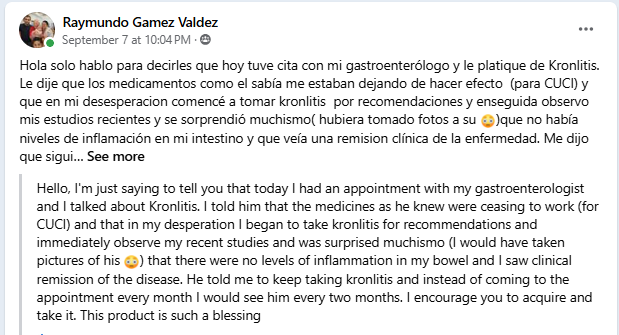
Conventional treatments for IBD symptom triggers often fail to provide complete relief, leaving patients searching for complementary options. The Kronlitis formulation draws from traditional Chinese medicine principles, combining four specific herbs that target inflammatory pathways in the colon. This approach addresses the underlying inflammatory cascade rather than merely suppressing symptoms, four-herb traditional Chinese medicine formula offers a natural alternative for patients seeking additional support.
Customer feedback collected through 2026 reveals consistent patterns in symptom response. Most users report noticing initial changes within the first week, with meaningful improvement emerging by week two. The timeline varies based on individual factors including disease severity, concurrent medications, and adherence to the recommended protocol.
| Timeline | Typical Symptom Changes | Customer Reported Improvements |
|---|---|---|
| 3 days | Blood amount begins decreasing | “Less red in the bowl” |
| 2 weeks | Bowel frequency decreases, urgency softens | “Down from 8 to 4 trips daily” |
| 1 month | Significant symptom reduction, energy improving | “Blood nearly gone, feeling normal again” |
| 3 months | Stable remission in many users | “Lab results improved dramatically” |
The formulation contains four herbs with two primary active ingredients, creating a targeted anti-inflammatory effect on colonic mucosa. Many patients who previously tried multiple conventional medications without success have found meaningful improvement with this approach, noting both the speed of response and the intensity of remission achieved.
How to Track Symptoms for Treatment Optimization
Accurate symptom documentation transforms vague impressions into actionable data. Patients who track their colitis attack symptoms systematically provide valuable information for treatment decisions. The process need not be complicated simple daily logging reveals patterns that memory alone cannot capture.
Consistent tracking allows correlation between symptoms, diet, stress, medication timing, and other variables. This information helps identify individual IBD symptom triggers and measure response to interventions. Get started with natural symptom management by establishing a baseline tracking routine.
- Bowel movement frequency Count and record each movement, noting time of day.
- Blood characteristics Note amount (none/streaks/visible/copious) and color (bright red/darker).
- Consistency and urgency Rate stool consistency and urgency severity on 1-10 scale.
- Pain levels Document abdominal pain intensity and location throughout the day.
- Dietary intake Briefly note foods eaten, especially those that seem to affect symptoms.
- Sleep quality and stress levels Rate each 1-10; both influence flare patterns.
Key Takeaways: Acting on Flare Symptoms in 2026
Understanding ulcerative colitis relapse indicators empowers patients to respond appropriately when symptoms change. Recognition, documentation, and timely intervention create the foundation for effective flare management. The landscape of treatment options in 2026 includes both conventional and natural approaches, giving patients more choices than ever before.
- Recognize the six core symptoms Bloody diarrhea, urgency, tenesmus, cramping, fatigue, and weight loss define UC flares.
- Document systematically Daily tracking transforms subjective impressions into actionable treatment data.
- Identify severity escalation Know which symptoms demand immediate medical evaluation versus home management.
- Consider integrative approaches Natural options like the four-herb formulation complement conventional treatments for comprehensive care.
- Act early in flares Prompt intervention typically yields better outcomes than waiting for spontaneous improvement.
Integrative digestive health solutions offer patients additional tools for managing the complex reality of inflammatory bowel disease. The combination of medical supervision, lifestyle optimization, and targeted natural support creates a comprehensive approach to flare prevention and management.
FAQ: Understanding UC Flare Symptoms
How long does a typical ulcerative colitis flare last?
Flares vary widely in duration depending on severity and treatment response. Without treatment, moderate flares can persist for weeks or months. With appropriate intervention, including integrative approaches, many patients report significant improvement within two to four weeks. The timeline depends on individual factors including disease extent, treatment chosen, and how quickly intervention begins after symptom onset.
Can stress trigger ulcerative colitis flare symptoms?
Yes, stress is recognized as a significant factor in flare occurrence. Research demonstrates that psychological stress activates inflammatory pathways that can precipitate IBD flares. Many patients report clear connections between stressful periods and symptom worsening. Stress management techniques including mindfulness, adequate sleep, and regular gentle exercise serve as important components of comprehensive flare prevention.
What foods should I avoid during a UC flare?
Individual trigger foods vary, but certain patterns emerge consistently. High-fiber foods, raw vegetables, spicy dishes, dairy products, and alcohol commonly worsen symptoms during active disease. During flares, most patients tolerate low-fiber, easily digestible foods better. Keeping a food diary helps identify personal triggers that may not follow typical patterns.
When should I seek emergency care for ulcerative colitis symptoms?
Seek immediate care for high fever, severe abdominal pain, or inability to stay hydrated. These UC disease activity markers suggest complications like toxic megacolon, serious infection, or severe dehydration requiring hospitalization. Persistent heavy bleeding causing lightheadedness, fainting, or rapid heart rate also warrants emergency evaluation. Better to be evaluated and sent home than to delay during a true emergency.
Can ulcerative colitis flares resolve without medication?
Some mild flares may improve spontaneously, but relying on this risks progression. Untreated inflammation often worsens, increasing the risk of complications and making future treatment more difficult. Most gastroenterologists recommend proactive treatment at the first sign of symptoms rather than waiting to see if improvement occurs independently.
Are natural approaches effective for managing UC flare symptoms?
Evidence supports certain natural interventions as complementary approaches. The four-herb formulation from traditional Chinese medicine has helped many patients achieve remission when conventional treatments provided insufficient relief. Natural approaches work best as part of comprehensive care managed in consultation with healthcare providers familiar with integrative strategies for inflammatory bowel disease.
@keyframes hoox-lf-in-hoox-f-cf1efbe6-9867-4835-b93a-d86230-bottom {
from { opacity: 0; transform: translateY(8px); }
to { opacity: 1; transform: translateY(0); }
}
#hoox-f-cf1efbe6-9867-4835-b93a-d86230-bottom {
width: 100%;
max-width: 100%;
box-sizing: border-box;
display: flex;
flex-direction: column;
gap: 20px;
margin: 48px 0;
padding: 32px 28px;
border-radius: 16px;
background: #ffffff;
color: #111111;
font-family: inherit;
border: 1px solid #E2E8F0;
animation: hoox-lf-in-hoox-f-cf1efbe6-9867-4835-b93a-d86230-bottom 0.3s cubic-bezier(0.16, 1, 0.3, 1);
direction: inherit;
}
#hoox-f-cf1efbe6-9867-4835-b93a-d86230-bottom .hoox-form-header {
display: flex;
flex-direction: column;
gap: 8px;
text-align: center;
}
#hoox-f-cf1efbe6-9867-4835-b93a-d86230-bottom .hoox-form-header h2 {
margin: 0;
font-size: 1.5em;
font-weight: 700;
line-height: 1.3;
color: #111111;
border: none;
padding: 0;
}
#hoox-f-cf1efbe6-9867-4835-b93a-d86230-bottom .hoox-form-header p {
margin: 0;
font-size: 1em;
line-height: 1.6;
color: #64748B;
}
#hoox-f-cf1efbe6-9867-4835-b93a-d86230-bottom form[data-hx-form] {
margin: 0;
display: flex;
flex-direction: column;
gap: 14px;
}
#hoox-f-cf1efbe6-9867-4835-b93a-d86230-bottom .hoox-field-wrap {
position: relative;
width: 100%;
box-sizing: border-box;
}
#hoox-f-cf1efbe6-9867-4835-b93a-d86230-bottom .hoox-field-wrap input {
width: 100%;
box-sizing: border-box;
height: 44px;
padding-inline-start: 42px;
padding-inline-end: 14px;
border: 1px solid #E2E8F0;
border-radius: 10px;
font-size: 14px;
color: #111111;
font-family: inherit;
background-color: #F8FAFC;
transition: border-color 0.15s ease, box-shadow 0.15s ease, background-color 0.15s ease;
outline: none;
direction: inherit;
text-align: start;
}
#hoox-f-cf1efbe6-9867-4835-b93a-d86230-bottom .hoox-field-wrap input::placeholder {
color: #94A3B8;
opacity: 1;
}
#hoox-f-cf1efbe6-9867-4835-b93a-d86230-bottom .hoox-field-wrap input:focus {
background-color: #FFFFFF;
border-color: #0077B6,#00B4D8,#90E0EF;
box-shadow: 0 0 0 3px rgba(15, 23, 42, 0.08);
}
#hoox-f-cf1efbe6-9867-4835-b93a-d86230-bottom .hoox-field-icon {
position: absolute;
top: 0;
bottom: 0;
inset-inline-start: 0;
width: 42px;
display: flex;
align-items: center;
justify-content: center;
pointer-events: none;
color: #94A3B8;
transition: color 0.15s ease;
}
#hoox-f-cf1efbe6-9867-4835-b93a-d86230-bottom .hoox-field-wrap:focus-within .hoox-field-icon {
color: #0077B6,#00B4D8,#90E0EF;
}
#hoox-f-cf1efbe6-9867-4835-b93a-d86230-bottom button[type=”submit”] {
width: 100%;
height: 44px;
margin-top: 4px;
border: none;
border-radius: 10px;
background: #0077B6,#00B4D8,#90E0EF;
color: #FFFFFF;
font-size: 14px;
font-weight: 600;
cursor: pointer;
transition: opacity 0.15s ease, transform 0.15s ease, box-shadow 0.15s ease;
box-shadow: 0 1px 2px 0 rgba(0, 0, 0, 0.05);
}
#hoox-f-cf1efbe6-9867-4835-b93a-d86230-bottom button[type=”submit”]:hover {
opacity: 0.94;
}
#hoox-f-cf1efbe6-9867-4835-b93a-d86230-bottom button[type=”submit”]:active {
transform: scale(0.99);
}
#hoox-f-cf1efbe6-9867-4835-b93a-d86230-bottom button[type=”submit”]:disabled {
opacity: 0.6;
cursor: not-allowed;
}
#hoox-f-cf1efbe6-9867-4835-b93a-d86230-bottom .hoox-disclaimer {
margin: 0;
text-align: center;
font-size: 12px;
line-height: 1.5;
color: #94A3B8;
}
#hoox-f-cf1efbe6-9867-4835-b93a-d86230-bottom .hoox-disclaimer a {
color: inherit;
text-decoration: underline;
text-underline-offset: 2px;
}
#hoox-f-cf1efbe6-9867-4835-b93a-d86230-bottom .hoox-disclaimer a:hover {
text-decoration: none;
}
#hoox-f-cf1efbe6-9867-4835-b93a-d86230-bottom .hoox-success {
display: none;
flex-direction: column;
align-items: center;
gap: 14px;
padding: 12px 0;
position: relative;
}
#hoox-f-cf1efbe6-9867-4835-b93a-d86230-bottom .hoox-confetti {
position: absolute;
inset: 0;
overflow: visible;
pointer-events: none;
}
#hoox-f-cf1efbe6-9867-4835-b93a-d86230-bottom .hoox-confetti span {
position: absolute;
top: 50%;
left: 50%;
width: 7px;
height: 11px;
background: var(–hoox-c);
border-radius: 2px;
opacity: 0;
animation: hoox-confetti-burst 0.9s ease-out forwards;
animation-delay: var(–hoox-d, 0s);
}
@keyframes hoox-confetti-burst {
0% { opacity: 1; transform: translate(-50%, -50%) rotate(0deg) scale(1); }
100% { opacity: 0; transform: translate(calc(-50% + var(–hoox-tx)), calc(-50% + var(–hoox-ty))) rotate(var(–hoox-rz)) scale(0.5); }
}
#hoox-f-cf1efbe6-9867-4835-b93a-d86230-bottom .hoox-success-icon {
width: 52px;
height: 52px;
border-radius: 50%;
background: #ECFDF5;
display: flex;
align-items: center;
justify-content: center;
font-size: 26px;
line-height: 1;
animation: hoox-success-pop 0.4s cubic-bezier(0.34, 1.56, 0.64, 1);
}
@keyframes hoox-success-pop {
from { opacity: 0; transform: scale(0.5); }
to { opacity: 1; transform: scale(1); }
}
#hoox-f-cf1efbe6-9867-4835-b93a-d86230-bottom .hoox-success-text {
margin: 0;
text-align: center;
font-size: 15px;
font-weight: 600;
line-height: 1.5;
color: #111111;
}
#hoox-f-cf1efbe6-9867-4835-b93a-d86230-bottom .hoox-disabled-state {
display: none;
flex-direction: column;
align-items: center;
gap: 14px;
padding: 12px 0;
text-align: center;
}
#hoox-f-cf1efbe6-9867-4835-b93a-d86230-bottom .hoox-disabled-icon {
width: 52px;
height: 52px;
border-radius: 50%;
background: #F1F5F9;
display: flex;
align-items: center;
justify-content: center;
color: #64748B;
}
#hoox-f-cf1efbe6-9867-4835-b93a-d86230-bottom .hoox-disabled-text {
margin: 0;
font-size: 14px;
line-height: 1.6;
color: #64748B;
}
#hoox-f-cf1efbe6-9867-4835-b93a-d86230-bottom .hoox-disabled-text a {
color: inherit;
font-weight: 600;
text-decoration: underline;
text-underline-offset: 2px;
}
#hoox-f-cf1efbe6-9867-4835-b93a-d86230-bottom .hoox-disabled-text a:hover {
text-decoration: none;
}
See What This Could Look Like For You
Takes 30 seconds
Thanks! We’ll be in touch.