

Ulcerative Colitis Flare up Symptoms: Recognition & Relief
Ulcerative colitis flare up symptoms disrupt daily life with bloody diarrhea, urgent bowel movements, abdominal cramping, and debilitating fatigue. Recognizing these inflammatory signals early typically within 72 hours of onset enables targeted intervention that can prevent hospitalization and restore quality of life. Understanding symptom patterns, severity markers, and evidence-based management strategies empowers patients to regain control during active disease phases.
Quick Answer: Core Ulcerative Colitis Flare Symptoms
Ulcerative colitis affects millions worldwide, with symptom onset often occurring between ages 15 and 30, or during a second peak between 50 and 70. A flare-up marks the return of active inflammation after a period of remission, bringing characteristic digestive and systemic manifestations that demand immediate attention. Early recognition of these patterns allows for faster treatment adjustments.
According to Nih, ulcerative colitis impacts approximately 1.9 million individuals in the United States alone, making it one of the most prevalent forms of inflammatory bowel disease. This substantial patient population highlights the critical need for education on recognizing flare indicators early. In 2026, continued research emphasizes how timely intervention during the initial 72-hour window of symptom emergence significantly reduces complication rates and shortens overall flare duration.
@keyframes hoox-lf-in-hoox-f-3a8b6e8e-f56f-4316-b284-214f11-top {
from { opacity: 0; transform: translateY(8px); }
to { opacity: 1; transform: translateY(0); }
}
#hoox-f-3a8b6e8e-f56f-4316-b284-214f11-top {
width: 100%;
max-width: 100%;
box-sizing: border-box;
display: flex;
flex-direction: column;
gap: 20px;
margin: 48px 0;
padding: 32px 28px;
border-radius: 16px;
background: #ffffff;
color: #111111;
font-family: inherit;
border: 1px solid #E2E8F0;
animation: hoox-lf-in-hoox-f-3a8b6e8e-f56f-4316-b284-214f11-top 0.3s cubic-bezier(0.16, 1, 0.3, 1);
direction: inherit;
}
#hoox-f-3a8b6e8e-f56f-4316-b284-214f11-top .hoox-form-header {
display: flex;
flex-direction: column;
gap: 8px;
text-align: center;
}
#hoox-f-3a8b6e8e-f56f-4316-b284-214f11-top .hoox-form-header h2 {
margin: 0;
font-size: 1.5em;
font-weight: 700;
line-height: 1.3;
color: #111111;
border: none;
padding: 0;
}
#hoox-f-3a8b6e8e-f56f-4316-b284-214f11-top .hoox-form-header p {
margin: 0;
font-size: 1em;
line-height: 1.6;
color: #64748B;
}
#hoox-f-3a8b6e8e-f56f-4316-b284-214f11-top form[data-hx-form] {
margin: 0;
display: flex;
flex-direction: column;
gap: 14px;
}
#hoox-f-3a8b6e8e-f56f-4316-b284-214f11-top .hoox-field-wrap {
position: relative;
width: 100%;
box-sizing: border-box;
}
#hoox-f-3a8b6e8e-f56f-4316-b284-214f11-top .hoox-field-wrap input {
width: 100%;
box-sizing: border-box;
height: 44px;
padding-inline-start: 42px;
padding-inline-end: 14px;
border: 1px solid #E2E8F0;
border-radius: 10px;
font-size: 14px;
color: #111111;
font-family: inherit;
background-color: #F8FAFC;
transition: border-color 0.15s ease, box-shadow 0.15s ease, background-color 0.15s ease;
outline: none;
direction: inherit;
text-align: start;
}
#hoox-f-3a8b6e8e-f56f-4316-b284-214f11-top .hoox-field-wrap input::placeholder {
color: #94A3B8;
opacity: 1;
}
#hoox-f-3a8b6e8e-f56f-4316-b284-214f11-top .hoox-field-wrap input:focus {
background-color: #FFFFFF;
border-color: #0077B6,#00B4D8,#90E0EF;
box-shadow: 0 0 0 3px rgba(15, 23, 42, 0.08);
}
#hoox-f-3a8b6e8e-f56f-4316-b284-214f11-top .hoox-field-icon {
position: absolute;
top: 0;
bottom: 0;
inset-inline-start: 0;
width: 42px;
display: flex;
align-items: center;
justify-content: center;
pointer-events: none;
color: #94A3B8;
transition: color 0.15s ease;
}
#hoox-f-3a8b6e8e-f56f-4316-b284-214f11-top .hoox-field-wrap:focus-within .hoox-field-icon {
color: #0077B6,#00B4D8,#90E0EF;
}
#hoox-f-3a8b6e8e-f56f-4316-b284-214f11-top button[type=”submit”] {
width: 100%;
height: 44px;
margin-top: 4px;
border: none;
border-radius: 10px;
background: #0077B6,#00B4D8,#90E0EF;
color: #FFFFFF;
font-size: 14px;
font-weight: 600;
cursor: pointer;
transition: opacity 0.15s ease, transform 0.15s ease, box-shadow 0.15s ease;
box-shadow: 0 1px 2px 0 rgba(0, 0, 0, 0.05);
}
#hoox-f-3a8b6e8e-f56f-4316-b284-214f11-top button[type=”submit”]:hover {
opacity: 0.94;
}
#hoox-f-3a8b6e8e-f56f-4316-b284-214f11-top button[type=”submit”]:active {
transform: scale(0.99);
}
#hoox-f-3a8b6e8e-f56f-4316-b284-214f11-top button[type=”submit”]:disabled {
opacity: 0.6;
cursor: not-allowed;
}
#hoox-f-3a8b6e8e-f56f-4316-b284-214f11-top .hoox-disclaimer {
margin: 0;
text-align: center;
font-size: 12px;
line-height: 1.5;
color: #94A3B8;
}
#hoox-f-3a8b6e8e-f56f-4316-b284-214f11-top .hoox-disclaimer a {
color: inherit;
text-decoration: underline;
text-underline-offset: 2px;
}
#hoox-f-3a8b6e8e-f56f-4316-b284-214f11-top .hoox-disclaimer a:hover {
text-decoration: none;
}
#hoox-f-3a8b6e8e-f56f-4316-b284-214f11-top .hoox-success {
display: none;
flex-direction: column;
align-items: center;
gap: 14px;
padding: 12px 0;
position: relative;
}
#hoox-f-3a8b6e8e-f56f-4316-b284-214f11-top .hoox-confetti {
position: absolute;
inset: 0;
overflow: visible;
pointer-events: none;
}
#hoox-f-3a8b6e8e-f56f-4316-b284-214f11-top .hoox-confetti span {
position: absolute;
top: 50%;
left: 50%;
width: 7px;
height: 11px;
background: var(–hoox-c);
border-radius: 2px;
opacity: 0;
animation: hoox-confetti-burst 0.9s ease-out forwards;
animation-delay: var(–hoox-d, 0s);
}
@keyframes hoox-confetti-burst {
0% { opacity: 1; transform: translate(-50%, -50%) rotate(0deg) scale(1); }
100% { opacity: 0; transform: translate(calc(-50% + var(–hoox-tx)), calc(-50% + var(–hoox-ty))) rotate(var(–hoox-rz)) scale(0.5); }
}
#hoox-f-3a8b6e8e-f56f-4316-b284-214f11-top .hoox-success-icon {
width: 52px;
height: 52px;
border-radius: 50%;
background: #ECFDF5;
display: flex;
align-items: center;
justify-content: center;
font-size: 26px;
line-height: 1;
animation: hoox-success-pop 0.4s cubic-bezier(0.34, 1.56, 0.64, 1);
}
@keyframes hoox-success-pop {
from { opacity: 0; transform: scale(0.5); }
to { opacity: 1; transform: scale(1); }
}
#hoox-f-3a8b6e8e-f56f-4316-b284-214f11-top .hoox-success-text {
margin: 0;
text-align: center;
font-size: 15px;
font-weight: 600;
line-height: 1.5;
color: #111111;
}
#hoox-f-3a8b6e8e-f56f-4316-b284-214f11-top .hoox-disabled-state {
display: none;
flex-direction: column;
align-items: center;
gap: 14px;
padding: 12px 0;
text-align: center;
}
#hoox-f-3a8b6e8e-f56f-4316-b284-214f11-top .hoox-disabled-icon {
width: 52px;
height: 52px;
border-radius: 50%;
background: #F1F5F9;
display: flex;
align-items: center;
justify-content: center;
color: #64748B;
}
#hoox-f-3a8b6e8e-f56f-4316-b284-214f11-top .hoox-disabled-text {
margin: 0;
font-size: 14px;
line-height: 1.6;
color: #64748B;
}
#hoox-f-3a8b6e8e-f56f-4316-b284-214f11-top .hoox-disabled-text a {
color: inherit;
font-weight: 600;
text-decoration: underline;
text-underline-offset: 2px;
}
#hoox-f-3a8b6e8e-f56f-4316-b284-214f11-top .hoox-disabled-text a:hover {
text-decoration: none;
}
See What This Could Look Like For You
Takes 30 seconds
Thanks! We’ll be in touch.
- Bloody diarrhea The most diagnostic indicator, ranging from streaks to frank blood
- Rectal urgency Sudden, intense need to defecate with little warning
- Abdominal cramping Lower left quadrant pain, often worse before bowel movements
- Tenesmus Persistent sensation of needing to pass stool even when empty
- Fatigue Profound exhaustion from inflammation, blood loss, and poor nutrient absorption
- Low-grade fever Body temperature elevation signaling active inflammation
- Unintended weight loss Results from reduced appetite and malabsorption

Bloody Diarrhea and Urgency: The Hallmark Indicators
The presence of blood in stool represents the defining characteristic distinguishing ulcerative colitis from other digestive disorders. This blood results from ulcerations forming along the inflamed colon lining, which bleed when stool passes through. The color often appears bright red or pinkish, indicating its origin in the lower digestive tract, though darker blood suggests involvement higher in the colon. Patients should document blood quantity, as this metric guides severity assessment.
Stool frequency provides critical diagnostic information. Mild flares typically involve fewer than four bowel movements daily, while severe episodes can exceed ten trips to the bathroom. Urgency often accompanies this increased frequency, leaving patients unable to delay defecation once the urge strikes. According to Healthcentral, common symptoms during a flare-up include bloody diarrhea, abdominal cramping, urgency to defecate, and fatigue, with triggers ranging from infections to stress and certain medications. This urgency pattern significantly impacts quality of life, causing anxiety about bathroom access and limiting daily activities.
| Severity Level | Stool Frequency | Blood Presentation | Urgency Pattern |
|---|---|---|---|
| Mild | Fewer than 4 per day | Small streaks or spots | Occasional, manageable |
| Moderate | 4-6 per day | Visible blood mixed in stool | Frequent, limits activities |
| Severe | More than 6 per day | Frank blood, potential clots | Constant, accidents possible |
Understanding these patterns helps patients communicate effectively with healthcare providers and track treatment response. Documenting stool characteristics using a simple diary or tracking app provides objective data that guides clinical decisions. Many patients who’ve experienced similar symptoms find that tracking helps identify worsening patterns before they become emergencies.
Abdominal Pain Patterns During Active Inflammation
Pain location and character offer important clues about disease extent and severity. Ulcerative colitis inflammation begins in the rectum and may extend continuously upward through the colon. This pattern explains why pain typically localizes to the lower left abdomen this area corresponds to the sigmoid colon, commonly affected in most patients. The pain character often manifests as cramping or spasming rather than steady, aching discomfort.
Cramping intensity correlates with disease extent. Patients with inflammation limited to the rectum (proctitis) may experience minimal discomfort, while those with pancolitis inflammation affecting the entire colon often report severe, debilitating cramps. Pain typically intensifies before bowel movements and temporarily subsides afterward, though this relief proves short-lived during active flares.

Several factors influence pain perception during flares. Inflammation severity directly impacts nerve sensitivity in the colon wall. Gas accumulation behind narrowed intestinal segments causes distension and additional discomfort. Muscle spasms attempting to move stool through inflamed tissue contribute to cramping sensations. Understanding these mechanisms helps patients distinguish between different pain types and communicate more effectively with their medical teams about common questions about flare management.
Systemic Symptoms: Fatigue, Fever, and Weight Loss
Ulcerative colitis manifests far beyond the digestive tract, producing body-wide symptoms that often prove more disruptive than intestinal issues. Fatigue stands out as particularly impactful, affecting up to 80% of patients during active disease phases. This exhaustion stems from multiple sources: chronic blood loss causing anemia, inflammatory cytokines affecting energy metabolism, poor nutrient absorption, and disrupted sleep from nocturnal bowel movements.
Fever development signals significant inflammatory burden. Low-grade fevers between 99.5°F and 100.5°F often accompany moderate flares, representing the body’s systemic response to intestinal inflammation. However, temperatures exceeding 101°F suggest severe disease activity or potential infectious complications requiring urgent evaluation. Patients should monitor temperature regularly during flares and report significant elevations immediately.
- Persistent fatigue unrelieved by rest, affecting daily function
- Low-grade fever persisting more than 48 hours
- Unintended weight loss exceeding 5% body weight
- Decreased appetite lasting more than one week
- Joint pain or swelling, indicating extraintestinal manifestations

Weight loss during flares results from reduced oral intake due to pain and nausea, combined with malabsorption from the inflamed intestinal surface. Significant weight loss exceeding 10% of baseline body weight indicates severe disease requiring aggressive intervention. According to Medscape, about 15% of ulcerative colitis patients experience severe flare-ups that require hospitalization and steroid therapy. These episodes present with markers including severe bleeding, marked withdrawal from activities, and concerning lab findings that mandate intensive treatment.
How Flare Triggers Amplify Symptom Intensity [2026 Analysis]
Understanding what initiates flares provides patients with prevention strategies. While individual triggers vary, research in 2026 continues confirming several consistent culprits. Stress represents one of the most documented triggers, with studies showing that psychological stress activates inflammatory pathways in the gut through the brain-gut axis. This connection explains why stressful life events often precede symptomatic flares by days to weeks.
Medication non-adherence ranks among the most preventable triggers. Patients feeling well during remission sometimes discontinue maintenance therapy, leading to rebound inflammation. This pattern underscores the importance of continuing prescribed regimens regardless of symptom status. Infections, particularly gastrointestinal infections from foodborne pathogens, can also ignite flares by stimulating immune responses that cross-react with colonic tissue.
Antibiotic use disrupts the protective gut microbiome, potentially allowing inflammation to resurface. Non-steroidal anti-inflammatory drugs (NSAIDs) like ibuprofen can irritate the intestinal lining, triggering flares in susceptible individuals. Patients should discuss safe pain relief alternatives with their healthcare providers. Environmental factors including seasonal changes and smoking cessation (paradoxically protective in ulcerative colitis) may also influence disease activity. Understanding our approach to inflammatory triggers helps patients develop personalized prevention strategies.
How to Assess Flare Severity at Home
Accurate self-assessment enables timely communication with healthcare teams and appropriate intervention escalation. The Mayo Score, also known as the Disease Activity Index for Ulcerative Colitis, provides a validated framework for evaluating flare severity. While clinical assessment requires professional expertise, patients can apply simplified criteria to categorize their symptoms and guide care decisions.
| Assessment Criteria | Mild Activity | Moderate Activity | Severe Activity |
|---|---|---|---|
| Stool Frequency | Normal plus 1-2 | Normal plus 3-4 | Normal plus 5+ |
| Rectal Bleeding | Streaks only | Obvious blood | Mostly blood |
| Physician Assessment | Normal activity | Limit activities | Bedridden |
| Global Assessment | Minimal symptoms | Moderate symptoms | Severe symptoms |
Patients should track these parameters daily during active symptoms. Any progression toward severe status warrants immediate medical contact. Additionally, several red flags demand emergency evaluation regardless of the overall severity score: high fever above 101°F, severe abdominal distension, inability to pass gas, and significant bleeding causing lightheadedness or rapid heartbeat. These symptoms may indicate toxic megacolon or severe hemorrhage requiring hospital care.
Self-monitoring tools including symptom diaries and mobile applications help patients maintain objectivity during stressful flares. Recording data regularly prevents retrospective distortion and provides valuable trend information. Many patients find that considering herbal intervention during active flares alongside conventional treatments offers additional control options.
Natural Therapeutic Interventions for Symptom Control
While conventional medications form the backbone of ulcerative colitis management, many patients seek complementary approaches to optimize outcomes. Natural therapeutic interventions targeting inflammation have gained significant attention, particularly for patients who experience incomplete responses to standard treatments or who wish to minimize pharmaceutical burden. According to Clevelandclinic, integrative approaches combining conventional treatment with lifestyle modifications show promise in managing inflammatory bowel disease symptoms and improving patient quality of life.
Kronlitis has developed a specialized four-herb formulation drawing on traditional Chinese medicine principles, refined through modern extraction techniques. This formulation contains just two primary ingredients: a proprietary blend of four medicinal herbs working synergistically to reduce intestinal inflammation. Clinical observations from thousands of patients worldwide demonstrate meaningful remission achievement in individuals with colitis and Crohn’s disease affecting the colon. Patient testimonials consistently highlight rapid improvement in bleeding and stool frequency, often within two to four weeks of initiating use.
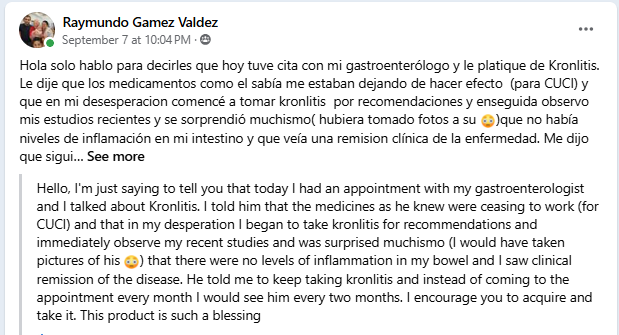
Customer experiences reflect significant life transformations. One patient from Mexico reported stopping constant diarrhea and bleeding that had severely limited daily activities. Another patient from Israel, who had failed multiple conventional medications including prednisone, Imuran, and 5-ASA compounds, experienced dramatic improvement within two weeks of starting the herbal protocol. This patient avoided transitioning to biological therapy with its associated concerns. After one month, laboratory markers showed substantial improvement alongside clinical symptom reduction. Such testimonials from targeted natural solutions for IBD underscore the potential for complementary approaches in comprehensive disease management.
Key Takeaways: Recognizing and Responding to Flares
Effective ulcerative colitis management hinges on recognizing flare symptoms early and responding decisively. The following points summarize critical actions for patients navigating active disease phases.
- Monitor stool frequency and blood daily during active symptoms, tracking trends rather than isolated incidents
- Recognize urgency patterns as early warning signs of increasing inflammation requiring intervention
- Document systemic symptoms including fatigue, fever, and weight loss for comprehensive severity assessment
- Identify personal triggers through careful observation and implement preventive strategies during remission
- Communicate proactively with healthcare providers at first signs of flare rather than waiting for worsening
- Consider complementary approaches alongside conventional treatment for optimized symptom control
Early intervention consistently produces better outcomes. Patients who start your path to remission promptly upon symptom recognition experience shorter flare duration, reduced hospitalization risk, and faster return to normal activities. This proactive mindset transforms disease management from reactive crisis response to controlled, predictable health maintenance.
FAQ: Ulcerative Colitis Flare Symptom Questions
How long do ulcerative colitis flare-ups typically last?
Duration varies significantly based on severity and treatment. Mild flares may resolve within several weeks with appropriate intervention, while severe flares can persist for months without adequate treatment. Most flares respond to treatment within two to four weeks. Early intervention shortens duration compared to delayed treatment, making prompt recognition and action essential for minimizing flare impact on daily life.
Can ulcerative colitis symptoms appear suddenly overnight?
Yes, symptom onset can occur rapidly. Some patients report going from complete remission to significant symptoms within 24-48 hours. However, subtle warning signs often precede obvious symptoms by several days. These early indicators may include increased bowel sounds, mild bloating, or subtle changes in stool consistency. Paying attention to these prodromal signals enables earlier intervention.
When should I go to the emergency room for a flare?
Seek emergency care for specific red flags. Go immediately for fevers above 101°F, severe abdominal distension, inability to pass gas, signs of significant blood loss including dizziness or rapid heartbeat, or severe pain uncontrolled by medication. About 15% of severe flares require hospitalization. Emergency evaluation rules out life-threatening complications including toxic megacolon and perforation.
Can stress alone cause a colitis flare?
Stress is a documented trigger but rarely acts alone. Psychological stress activates inflammatory pathways through the brain-gut axis, potentially igniting flares in susceptible individuals. Studies confirm stress as a significant contributing factor. However, stress typically combines with other factors including medication non-adherence, infection, or environmental changes to precipitate symptomatic episodes.
Are ulcerative colitis symptoms different from Crohn’s disease symptoms?
Yes, significant differences exist despite overlap. Ulcerative colitis symptoms focus on bloody diarrhea and lower left abdominal pain, while Crohn’s disease may cause abdominal pain anywhere, perianal disease, and nutritional deficiencies without bloody diarrhea. Ulcerative colitis bleeding is typically more prominent. Additional frequently asked questions address these distinctions in greater detail for patients navigating differential diagnosis.
@keyframes hoox-lf-in-hoox-f-3a8b6e8e-f56f-4316-b284-214f11-bottom {
from { opacity: 0; transform: translateY(8px); }
to { opacity: 1; transform: translateY(0); }
}
#hoox-f-3a8b6e8e-f56f-4316-b284-214f11-bottom {
width: 100%;
max-width: 100%;
box-sizing: border-box;
display: flex;
flex-direction: column;
gap: 20px;
margin: 48px 0;
padding: 32px 28px;
border-radius: 16px;
background: #ffffff;
color: #111111;
font-family: inherit;
border: 1px solid #E2E8F0;
animation: hoox-lf-in-hoox-f-3a8b6e8e-f56f-4316-b284-214f11-bottom 0.3s cubic-bezier(0.16, 1, 0.3, 1);
direction: inherit;
}
#hoox-f-3a8b6e8e-f56f-4316-b284-214f11-bottom .hoox-form-header {
display: flex;
flex-direction: column;
gap: 8px;
text-align: center;
}
#hoox-f-3a8b6e8e-f56f-4316-b284-214f11-bottom .hoox-form-header h2 {
margin: 0;
font-size: 1.5em;
font-weight: 700;
line-height: 1.3;
color: #111111;
border: none;
padding: 0;
}
#hoox-f-3a8b6e8e-f56f-4316-b284-214f11-bottom .hoox-form-header p {
margin: 0;
font-size: 1em;
line-height: 1.6;
color: #64748B;
}
#hoox-f-3a8b6e8e-f56f-4316-b284-214f11-bottom form[data-hx-form] {
margin: 0;
display: flex;
flex-direction: column;
gap: 14px;
}
#hoox-f-3a8b6e8e-f56f-4316-b284-214f11-bottom .hoox-field-wrap {
position: relative;
width: 100%;
box-sizing: border-box;
}
#hoox-f-3a8b6e8e-f56f-4316-b284-214f11-bottom .hoox-field-wrap input {
width: 100%;
box-sizing: border-box;
height: 44px;
padding-inline-start: 42px;
padding-inline-end: 14px;
border: 1px solid #E2E8F0;
border-radius: 10px;
font-size: 14px;
color: #111111;
font-family: inherit;
background-color: #F8FAFC;
transition: border-color 0.15s ease, box-shadow 0.15s ease, background-color 0.15s ease;
outline: none;
direction: inherit;
text-align: start;
}
#hoox-f-3a8b6e8e-f56f-4316-b284-214f11-bottom .hoox-field-wrap input::placeholder {
color: #94A3B8;
opacity: 1;
}
#hoox-f-3a8b6e8e-f56f-4316-b284-214f11-bottom .hoox-field-wrap input:focus {
background-color: #FFFFFF;
border-color: #0077B6,#00B4D8,#90E0EF;
box-shadow: 0 0 0 3px rgba(15, 23, 42, 0.08);
}
#hoox-f-3a8b6e8e-f56f-4316-b284-214f11-bottom .hoox-field-icon {
position: absolute;
top: 0;
bottom: 0;
inset-inline-start: 0;
width: 42px;
display: flex;
align-items: center;
justify-content: center;
pointer-events: none;
color: #94A3B8;
transition: color 0.15s ease;
}
#hoox-f-3a8b6e8e-f56f-4316-b284-214f11-bottom .hoox-field-wrap:focus-within .hoox-field-icon {
color: #0077B6,#00B4D8,#90E0EF;
}
#hoox-f-3a8b6e8e-f56f-4316-b284-214f11-bottom button[type=”submit”] {
width: 100%;
height: 44px;
margin-top: 4px;
border: none;
border-radius: 10px;
background: #0077B6,#00B4D8,#90E0EF;
color: #FFFFFF;
font-size: 14px;
font-weight: 600;
cursor: pointer;
transition: opacity 0.15s ease, transform 0.15s ease, box-shadow 0.15s ease;
box-shadow: 0 1px 2px 0 rgba(0, 0, 0, 0.05);
}
#hoox-f-3a8b6e8e-f56f-4316-b284-214f11-bottom button[type=”submit”]:hover {
opacity: 0.94;
}
#hoox-f-3a8b6e8e-f56f-4316-b284-214f11-bottom button[type=”submit”]:active {
transform: scale(0.99);
}
#hoox-f-3a8b6e8e-f56f-4316-b284-214f11-bottom button[type=”submit”]:disabled {
opacity: 0.6;
cursor: not-allowed;
}
#hoox-f-3a8b6e8e-f56f-4316-b284-214f11-bottom .hoox-disclaimer {
margin: 0;
text-align: center;
font-size: 12px;
line-height: 1.5;
color: #94A3B8;
}
#hoox-f-3a8b6e8e-f56f-4316-b284-214f11-bottom .hoox-disclaimer a {
color: inherit;
text-decoration: underline;
text-underline-offset: 2px;
}
#hoox-f-3a8b6e8e-f56f-4316-b284-214f11-bottom .hoox-disclaimer a:hover {
text-decoration: none;
}
#hoox-f-3a8b6e8e-f56f-4316-b284-214f11-bottom .hoox-success {
display: none;
flex-direction: column;
align-items: center;
gap: 14px;
padding: 12px 0;
position: relative;
}
#hoox-f-3a8b6e8e-f56f-4316-b284-214f11-bottom .hoox-confetti {
position: absolute;
inset: 0;
overflow: visible;
pointer-events: none;
}
#hoox-f-3a8b6e8e-f56f-4316-b284-214f11-bottom .hoox-confetti span {
position: absolute;
top: 50%;
left: 50%;
width: 7px;
height: 11px;
background: var(–hoox-c);
border-radius: 2px;
opacity: 0;
animation: hoox-confetti-burst 0.9s ease-out forwards;
animation-delay: var(–hoox-d, 0s);
}
@keyframes hoox-confetti-burst {
0% { opacity: 1; transform: translate(-50%, -50%) rotate(0deg) scale(1); }
100% { opacity: 0; transform: translate(calc(-50% + var(–hoox-tx)), calc(-50% + var(–hoox-ty))) rotate(var(–hoox-rz)) scale(0.5); }
}
#hoox-f-3a8b6e8e-f56f-4316-b284-214f11-bottom .hoox-success-icon {
width: 52px;
height: 52px;
border-radius: 50%;
background: #ECFDF5;
display: flex;
align-items: center;
justify-content: center;
font-size: 26px;
line-height: 1;
animation: hoox-success-pop 0.4s cubic-bezier(0.34, 1.56, 0.64, 1);
}
@keyframes hoox-success-pop {
from { opacity: 0; transform: scale(0.5); }
to { opacity: 1; transform: scale(1); }
}
#hoox-f-3a8b6e8e-f56f-4316-b284-214f11-bottom .hoox-success-text {
margin: 0;
text-align: center;
font-size: 15px;
font-weight: 600;
line-height: 1.5;
color: #111111;
}
#hoox-f-3a8b6e8e-f56f-4316-b284-214f11-bottom .hoox-disabled-state {
display: none;
flex-direction: column;
align-items: center;
gap: 14px;
padding: 12px 0;
text-align: center;
}
#hoox-f-3a8b6e8e-f56f-4316-b284-214f11-bottom .hoox-disabled-icon {
width: 52px;
height: 52px;
border-radius: 50%;
background: #F1F5F9;
display: flex;
align-items: center;
justify-content: center;
color: #64748B;
}
#hoox-f-3a8b6e8e-f56f-4316-b284-214f11-bottom .hoox-disabled-text {
margin: 0;
font-size: 14px;
line-height: 1.6;
color: #64748B;
}
#hoox-f-3a8b6e8e-f56f-4316-b284-214f11-bottom .hoox-disabled-text a {
color: inherit;
font-weight: 600;
text-decoration: underline;
text-underline-offset: 2px;
}
#hoox-f-3a8b6e8e-f56f-4316-b284-214f11-bottom .hoox-disabled-text a:hover {
text-decoration: none;
}
See What This Could Look Like For You
Takes 30 seconds
Thanks! We’ll be in touch.