

Ulcerative Colitis Symptoms in Women: What Research Shows
Women with ulcerative colitis face a distinct disease profile that extends beyond the classic digestive symptoms. Recent epidemiological data reveals that women experience higher incidence rates, more pronounced psychosocial complications, and unique hormonal interactions that shape disease activity. Understanding these gender-specific patterns is critical for women navigating diagnosis, treatment decisions, and long-term management strategies that conventional protocols often overlook.
Quick Answer: Core Symptoms Women Experience Differently
When examining ulcerative colitis symptoms in women, clinical evidence points to several key differences in how the disease manifests compared to male patients. Women often report more severe extraintestinal symptoms and face unique challenges that complicate both diagnosis and daily management. According to Cdc, women are more likely than men to have ulcerative colitis, with prevalence rates showing a measurable gender skew in recent epidemiological tracking.
Current 2026 clinical data highlights six primary areas where women experience divergent symptom profiles:
@keyframes hoox-lf-in-hoox-f-e3bc79ff-fb1d-4fd5-b3d6-60bf73-top {
from { opacity: 0; transform: translateY(8px); }
to { opacity: 1; transform: translateY(0); }
}
#hoox-f-e3bc79ff-fb1d-4fd5-b3d6-60bf73-top {
width: 100%;
max-width: 100%;
box-sizing: border-box;
display: flex;
flex-direction: column;
gap: 20px;
margin: 48px 0;
padding: 32px 28px;
border-radius: 16px;
background: #ffffff;
color: #111111;
font-family: inherit;
border: 1px solid #E2E8F0;
animation: hoox-lf-in-hoox-f-e3bc79ff-fb1d-4fd5-b3d6-60bf73-top 0.3s cubic-bezier(0.16, 1, 0.3, 1);
direction: inherit;
}
#hoox-f-e3bc79ff-fb1d-4fd5-b3d6-60bf73-top .hoox-form-header {
display: flex;
flex-direction: column;
gap: 8px;
text-align: center;
}
#hoox-f-e3bc79ff-fb1d-4fd5-b3d6-60bf73-top .hoox-form-header h2 {
margin: 0;
font-size: 1.5em;
font-weight: 700;
line-height: 1.3;
color: #111111;
border: none;
padding: 0;
}
#hoox-f-e3bc79ff-fb1d-4fd5-b3d6-60bf73-top .hoox-form-header p {
margin: 0;
font-size: 1em;
line-height: 1.6;
color: #64748B;
}
#hoox-f-e3bc79ff-fb1d-4fd5-b3d6-60bf73-top form[data-hx-form] {
margin: 0;
display: flex;
flex-direction: column;
gap: 14px;
}
#hoox-f-e3bc79ff-fb1d-4fd5-b3d6-60bf73-top .hoox-field-wrap {
position: relative;
width: 100%;
box-sizing: border-box;
}
#hoox-f-e3bc79ff-fb1d-4fd5-b3d6-60bf73-top .hoox-field-wrap input {
width: 100%;
box-sizing: border-box;
height: 44px;
padding-inline-start: 42px;
padding-inline-end: 14px;
border: 1px solid #E2E8F0;
border-radius: 10px;
font-size: 14px;
color: #111111;
font-family: inherit;
background-color: #F8FAFC;
transition: border-color 0.15s ease, box-shadow 0.15s ease, background-color 0.15s ease;
outline: none;
direction: inherit;
text-align: start;
}
#hoox-f-e3bc79ff-fb1d-4fd5-b3d6-60bf73-top .hoox-field-wrap input::placeholder {
color: #94A3B8;
opacity: 1;
}
#hoox-f-e3bc79ff-fb1d-4fd5-b3d6-60bf73-top .hoox-field-wrap input:focus {
background-color: #FFFFFF;
border-color: #0077B6,#00B4D8,#90E0EF;
box-shadow: 0 0 0 3px rgba(15, 23, 42, 0.08);
}
#hoox-f-e3bc79ff-fb1d-4fd5-b3d6-60bf73-top .hoox-field-icon {
position: absolute;
top: 0;
bottom: 0;
inset-inline-start: 0;
width: 42px;
display: flex;
align-items: center;
justify-content: center;
pointer-events: none;
color: #94A3B8;
transition: color 0.15s ease;
}
#hoox-f-e3bc79ff-fb1d-4fd5-b3d6-60bf73-top .hoox-field-wrap:focus-within .hoox-field-icon {
color: #0077B6,#00B4D8,#90E0EF;
}
#hoox-f-e3bc79ff-fb1d-4fd5-b3d6-60bf73-top button[type=”submit”] {
width: 100%;
height: 44px;
margin-top: 4px;
border: none;
border-radius: 10px;
background: #0077B6,#00B4D8,#90E0EF;
color: #FFFFFF;
font-size: 14px;
font-weight: 600;
cursor: pointer;
transition: opacity 0.15s ease, transform 0.15s ease, box-shadow 0.15s ease;
box-shadow: 0 1px 2px 0 rgba(0, 0, 0, 0.05);
}
#hoox-f-e3bc79ff-fb1d-4fd5-b3d6-60bf73-top button[type=”submit”]:hover {
opacity: 0.94;
}
#hoox-f-e3bc79ff-fb1d-4fd5-b3d6-60bf73-top button[type=”submit”]:active {
transform: scale(0.99);
}
#hoox-f-e3bc79ff-fb1d-4fd5-b3d6-60bf73-top button[type=”submit”]:disabled {
opacity: 0.6;
cursor: not-allowed;
}
#hoox-f-e3bc79ff-fb1d-4fd5-b3d6-60bf73-top .hoox-disclaimer {
margin: 0;
text-align: center;
font-size: 12px;
line-height: 1.5;
color: #94A3B8;
}
#hoox-f-e3bc79ff-fb1d-4fd5-b3d6-60bf73-top .hoox-disclaimer a {
color: inherit;
text-decoration: underline;
text-underline-offset: 2px;
}
#hoox-f-e3bc79ff-fb1d-4fd5-b3d6-60bf73-top .hoox-disclaimer a:hover {
text-decoration: none;
}
#hoox-f-e3bc79ff-fb1d-4fd5-b3d6-60bf73-top .hoox-success {
display: none;
flex-direction: column;
align-items: center;
gap: 14px;
padding: 12px 0;
position: relative;
}
#hoox-f-e3bc79ff-fb1d-4fd5-b3d6-60bf73-top .hoox-confetti {
position: absolute;
inset: 0;
overflow: visible;
pointer-events: none;
}
#hoox-f-e3bc79ff-fb1d-4fd5-b3d6-60bf73-top .hoox-confetti span {
position: absolute;
top: 50%;
left: 50%;
width: 7px;
height: 11px;
background: var(–hoox-c);
border-radius: 2px;
opacity: 0;
animation: hoox-confetti-burst 0.9s ease-out forwards;
animation-delay: var(–hoox-d, 0s);
}
@keyframes hoox-confetti-burst {
0% { opacity: 1; transform: translate(-50%, -50%) rotate(0deg) scale(1); }
100% { opacity: 0; transform: translate(calc(-50% + var(–hoox-tx)), calc(-50% + var(–hoox-ty))) rotate(var(–hoox-rz)) scale(0.5); }
}
#hoox-f-e3bc79ff-fb1d-4fd5-b3d6-60bf73-top .hoox-success-icon {
width: 52px;
height: 52px;
border-radius: 50%;
background: #ECFDF5;
display: flex;
align-items: center;
justify-content: center;
font-size: 26px;
line-height: 1;
animation: hoox-success-pop 0.4s cubic-bezier(0.34, 1.56, 0.64, 1);
}
@keyframes hoox-success-pop {
from { opacity: 0; transform: scale(0.5); }
to { opacity: 1; transform: scale(1); }
}
#hoox-f-e3bc79ff-fb1d-4fd5-b3d6-60bf73-top .hoox-success-text {
margin: 0;
text-align: center;
font-size: 15px;
font-weight: 600;
line-height: 1.5;
color: #111111;
}
#hoox-f-e3bc79ff-fb1d-4fd5-b3d6-60bf73-top .hoox-disabled-state {
display: none;
flex-direction: column;
align-items: center;
gap: 14px;
padding: 12px 0;
text-align: center;
}
#hoox-f-e3bc79ff-fb1d-4fd5-b3d6-60bf73-top .hoox-disabled-icon {
width: 52px;
height: 52px;
border-radius: 50%;
background: #F1F5F9;
display: flex;
align-items: center;
justify-content: center;
color: #64748B;
}
#hoox-f-e3bc79ff-fb1d-4fd5-b3d6-60bf73-top .hoox-disabled-text {
margin: 0;
font-size: 14px;
line-height: 1.6;
color: #64748B;
}
#hoox-f-e3bc79ff-fb1d-4fd5-b3d6-60bf73-top .hoox-disabled-text a {
color: inherit;
font-weight: 600;
text-decoration: underline;
text-underline-offset: 2px;
}
#hoox-f-e3bc79ff-fb1d-4fd5-b3d6-60bf73-top .hoox-disabled-text a:hover {
text-decoration: none;
}
See What This Could Look Like For You
Takes 30 seconds
Thanks! We’ll be in touch.
- Abdominal pain patterns Women frequently report cyclical pain intensity that correlates with menstrual cycle phases, making baseline symptom assessment more complex.
- Bowel urgency frequency Higher rates of urgency episodes, particularly during premenstrual and menstruating phases when prostaglandin levels peak.
- Fatigue severity Women with UC experience more debilitating fatigue that often persists even during disease remission periods.
- Iron deficiency anemia Menstrual blood loss combined with UC-related bleeding creates compounded anemia risk requiring more aggressive monitoring.
- Psychological symptom overlap Depression and anxiety manifest at higher rates in female patients, often preceding disease flare identification.
- Extraintestinal manifestations Joint pain, skin lesions, and eye inflammation appear more frequently in women with active colitis.

Why Women’s Immune Response Intensifies Colitis Flares
The interplay between female hormones and immune function creates a unique inflammatory landscape for women with ulcerative colitis. Estrogen, in particular, plays a dual role in immune modulation that can either protect against or promote inflammatory responses depending on its concentration and receptor activity.
During reproductive years, estrogen fluctuations create predictable windows of heightened inflammatory vulnerability. The hormone influences T-cell regulation and cytokine production, which directly impacts intestinal barrier integrity. When estrogen levels drop rapidly, as they do before menstruation, many women experience consequent immune activation that triggers colitis flares.
Research tracking these patterns over decades provides compelling evidence. A nationwide cohort study showed that the incidence of ulcerative colitis was higher in female patients than male patients according to Nih, with significant increases observed over a 30-year monitoring period independent of sex-based healthcare access differences.
| Hormonal Phase | Estrogen Level | Symptom Intensity | Inflammatory Markers |
|---|---|---|---|
| Follicular Phase (Days 1-14) | Rising | Moderate | CRP often stable |
| Ovulation (Day 14) | Peak | Variable | Transient immune modulation |
| Luteal Phase (Days 15-28) | Declining | Increasing | CRP and calprotectin rising |
| Premenstrual (Days 24-28) | Low | Peak flare risk | Maximum inflammatory response |
| Menstruation | Lowest | High | Prostaglandin-driven inflammation |
The Hidden Psychological Burden: Depression and Anxiety in Female UC Patients
Beyond the physical manifestations, women with ulcerative colitis carry a disproportionate psychological burden that frequently goes unrecognized in standard treatment protocols. The connection between gut inflammation and mental health creates a bidirectional relationship where each worsens the other in a self-perpetuating cycle.
Women with ulcerative colitis are more likely to experience psychosocial issues such as depression, fatigue, anxiety disorders, eating disorders, and sexual dysfunction compared to men with the same diagnosis according to Frontiersin. This finding underscores the need for integrated mental health screening as part of routine UC management for female patients.
The psychological impact manifests in several distinct patterns:
- Body image concerns related to weight fluctuations from steroid use and disease activity
- Social isolation from unpredictable bowel symptoms and bathroom urgency anxiety
- Career disruption fears stemming from workplace accommodation challenges
- Relationship strain from intimacy difficulties and communication barriers
- Trauma responses from medical procedures and hospitalization experiences
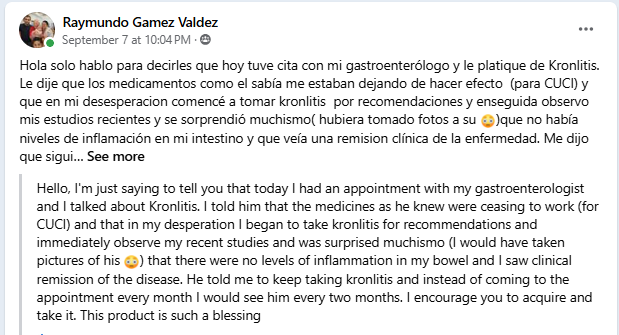
Understanding these challenges helps women realize they are not alone in their experience. Many real women describe their transformation after finding effective management approaches that address both physical and psychological symptoms.
How Menstrual Cycles Trigger Symptom Escalation
The relationship between menstrual cycles and ulcerative colitis activity represents one of the most predictable yet frequently overlooked patterns in women’s digestive health. Prostaglandins, hormone-like compounds that trigger uterine contractions during menstruation, also increase intestinal motility and inflammation throughout the colon.
For women with UC, this prostaglandin surge translates to increased diarrhea, cramping, and bleeding during the days surrounding menstruation. Many women describe “living in the bathroom” during their period, with some experiencing 10-15 bowel movements daily during flare peaks. Recognizing this pattern allows for proactive management rather than reactive suffering.
Effective tracking strategies can help women anticipate and mitigate cyclical flares:
- Symptom-mood-cycle journaling Track bowel movements, pain scores, and emotional symptoms alongside cycle dates to identify personal patterns.
- Preemptive medication timing Work with providers to adjust medication dosing 3-5 days before expected symptom escalation.
- Dietary modification Reduce fiber intake and eliminate known triggers during high-risk cycle days.
- Stress reduction protocols Implement additional stress management techniques during luteal phase decline.
- Iron supplementation timing Coordinate iron supplementation around menstrual bleeding to address compounded anemia risk.

Understanding these patterns empowers women to seek answers to treatment timing questions that account for their unique hormonal reality rather than following generic protocols designed for male patients.
Sexual Dysfunction and Intimacy Challenges Women Don’t Discuss
Sexual health impacts remain among the most underreported yet significantly disruptive aspects of ulcerative colitis for women. The physical symptoms of active disease bleeding, urgency, pain, and fatigue directly interfere with intimate relationships, yet few patients receive adequate counseling about these challenges.
Women with active colitis frequently report dyspareunia (painful intercourse), decreased libido from fatigue and body image concerns, and fear of fecal incontinence during intimacy. These issues compound relationship stress during periods when emotional support matters most.
Open communication with partners about flare timing, positioning modifications, and symptom management before intimacy can significantly reduce anxiety. Many couples find that scheduling intimate activities during symptom remission phases reduces performance pressure and improves relationship quality overall.
Healthcare providers increasingly recognize that addressing sexual function belongs in comprehensive UC care. Patients should feel empowered to raise these concerns during appointments rather than suffering in silence. our approach to whole-person healing acknowledges these intimate impacts as legitimate treatment priorities.
Fertility Concerns and Pregnancy Outcomes With Active UC
For women of reproductive age, ulcerative colitis raises legitimate questions about conception, pregnancy safety, and disease heritability. The encouraging news is that with proper disease management, most women with UC can conceive and carry healthy pregnancies to term. However, achieving and maintaining remission before conception significantly improves outcomes.
Active disease during conception increases risks for miscarriage, preterm delivery, and low birth weight. Women with well-controlled UC have fertility rates comparable to the general population, while those experiencing active flares may face temporary reductions in fertility related to nutritional deficiencies and inflammatory stress.
Medication considerations require careful navigation:
| Medication Category | Pregnancy Safety | Considerations |
|---|---|---|
| 5-ASA compounds (mesalamine) | Generally safe | Continue during pregnancy; minimal fetal risk |
| Corticosteroids | Caution advised | Use lowest effective dose; monitor glucose |
| Immunomodulators (azathioprine) | Individual assessment | Risk-benefit analysis required |
| Biologics | Often compatible | Timing of last dose before delivery matters |
| Herbal formulations | Consult provider | Natural options may offer alternatives |
Many women seeking conception while managing UC explore integrative approaches including herbal formulation designed for sustained remission that may offer pregnancy-compatible options with fewer side effects than conventional immunosuppressants.
How to Manage Symptoms When Conventional Medications Fail
A significant subset of women with ulcerative colitis find that conventional medications steroids, immunomodulators, and biologics either fail to induce remission or produce intolerable side effects. For these patients, integrative approaches that combine conventional monitoring with natural therapeutic options offer renewed hope.
Customer reports from Kronlitis users document cases where individuals who failed multiple conventional treatments experienced significant improvement with a four-herb formulation rooted in Chinese medicine principles. These accounts describe reduced bleeding, decreased bathroom urgency, and return to normal daily activities within weeks.
Complementary management strategies include:
- Targeted herbal supplementation Anti-inflammatory herbs specifically formulated for colonic inflammation may support mucosal healing.
- Dietary pattern modification Elimination protocols that identify individual trigger foods while maintaining adequate nutrition.
- Stress-response training Mindfulness, meditation, and breathing techniques that reduce cortisol-driven inflammation.
- Sleep optimization Prioritizing sleep hygiene to support immune regulation and tissue repair.
- Microbiome support Targeted probiotics and prebiotics that support beneficial gut bacteria populations.
Women interested in moving beyond medication-only approaches can explore natural therapeutic options that have helped others achieve sustained remission when conventional treatments fell short.
Key Takeaways: Women-Specific UC Management Strategies
Understanding how ulcerative colitis uniquely affects women enables more effective, targeted management approaches. Rather than following generic treatment protocols, women benefit from strategies that account for hormonal cycles, psychological vulnerability, and reproductive considerations.
- Track symptom-cycle correlations Identifying personal hormonal patterns enables proactive flare prevention.
- Address psychological symptoms early Depression and anxiety screening should accompany routine disease monitoring.
- Plan pregnancy during remission Conceiving when disease is well-controlled dramatically improves outcomes.
- Consider integrative approaches Natural therapeutic options may succeed where conventional medications fail.
- Advocate for comprehensive care Sexual health, fertility concerns, and psychological impacts deserve clinical attention.
Women ready to take control of their UC management can begin your path to remission with approaches designed specifically for their unique physiological needs.
Frequently Asked Questions About UC Symptoms in Women
Do women experience worse ulcerative colitis symptoms than men?
Yes. Research indicates women face higher incidence rates, more pronounced psychological symptoms, and unique hormonal interactions that can intensify disease activity. While disease severity varies individually, women consistently report higher rates of depression, fatigue, and sexual dysfunction related to their UC diagnosis.
Can menstrual cycles trigger ulcerative colitis flares?
Yes. Prostaglandins released during menstruation increase intestinal inflammation and motility. Many women experience predictable symptom escalation 3-5 days before menstruation and during active bleeding, making cycle-aware symptom management essential for female patients.
Does ulcerative colitis affect fertility in women?
Generally no when well-controlled. Women in remission have fertility rates comparable to the general population. However, active disease and certain medications may temporarily impact fertility, making pre-conception disease management crucial for women planning pregnancy.
Are herbal treatments safe alongside conventional UC medications?
Often yes, with provider oversight. Many integrative approaches complement conventional treatment rather than replacing it. Women should consult healthcare providers about potential interactions, though natural formulations have helped patients reduce dependency on medications with significant side effect profiles.
How quickly can natural approaches improve UC symptoms?
Varies by individual. Some patients report improvement within 2-4 weeks of starting herbal formulations, while others require longer periods. Factors include disease duration, severity, and individual inflammatory response patterns. Consistent use and proper dosing influence outcome timelines.
Should women with UC avoid pregnancy?
No. With proper pre-conception planning and disease management, most women with UC carry healthy pregnancies to term. Active disease poses more risk than well-managed UC, making remission achievement before conception the optimal approach for maternal and fetal health.
Women seeking comprehensive support for their ulcerative colitis journey can discover comprehensive digestive wellness support designed with their specific needs in mind.
@keyframes hoox-lf-in-hoox-f-e3bc79ff-fb1d-4fd5-b3d6-60bf73-bottom {
from { opacity: 0; transform: translateY(8px); }
to { opacity: 1; transform: translateY(0); }
}
#hoox-f-e3bc79ff-fb1d-4fd5-b3d6-60bf73-bottom {
width: 100%;
max-width: 100%;
box-sizing: border-box;
display: flex;
flex-direction: column;
gap: 20px;
margin: 48px 0;
padding: 32px 28px;
border-radius: 16px;
background: #ffffff;
color: #111111;
font-family: inherit;
border: 1px solid #E2E8F0;
animation: hoox-lf-in-hoox-f-e3bc79ff-fb1d-4fd5-b3d6-60bf73-bottom 0.3s cubic-bezier(0.16, 1, 0.3, 1);
direction: inherit;
}
#hoox-f-e3bc79ff-fb1d-4fd5-b3d6-60bf73-bottom .hoox-form-header {
display: flex;
flex-direction: column;
gap: 8px;
text-align: center;
}
#hoox-f-e3bc79ff-fb1d-4fd5-b3d6-60bf73-bottom .hoox-form-header h2 {
margin: 0;
font-size: 1.5em;
font-weight: 700;
line-height: 1.3;
color: #111111;
border: none;
padding: 0;
}
#hoox-f-e3bc79ff-fb1d-4fd5-b3d6-60bf73-bottom .hoox-form-header p {
margin: 0;
font-size: 1em;
line-height: 1.6;
color: #64748B;
}
#hoox-f-e3bc79ff-fb1d-4fd5-b3d6-60bf73-bottom form[data-hx-form] {
margin: 0;
display: flex;
flex-direction: column;
gap: 14px;
}
#hoox-f-e3bc79ff-fb1d-4fd5-b3d6-60bf73-bottom .hoox-field-wrap {
position: relative;
width: 100%;
box-sizing: border-box;
}
#hoox-f-e3bc79ff-fb1d-4fd5-b3d6-60bf73-bottom .hoox-field-wrap input {
width: 100%;
box-sizing: border-box;
height: 44px;
padding-inline-start: 42px;
padding-inline-end: 14px;
border: 1px solid #E2E8F0;
border-radius: 10px;
font-size: 14px;
color: #111111;
font-family: inherit;
background-color: #F8FAFC;
transition: border-color 0.15s ease, box-shadow 0.15s ease, background-color 0.15s ease;
outline: none;
direction: inherit;
text-align: start;
}
#hoox-f-e3bc79ff-fb1d-4fd5-b3d6-60bf73-bottom .hoox-field-wrap input::placeholder {
color: #94A3B8;
opacity: 1;
}
#hoox-f-e3bc79ff-fb1d-4fd5-b3d6-60bf73-bottom .hoox-field-wrap input:focus {
background-color: #FFFFFF;
border-color: #0077B6,#00B4D8,#90E0EF;
box-shadow: 0 0 0 3px rgba(15, 23, 42, 0.08);
}
#hoox-f-e3bc79ff-fb1d-4fd5-b3d6-60bf73-bottom .hoox-field-icon {
position: absolute;
top: 0;
bottom: 0;
inset-inline-start: 0;
width: 42px;
display: flex;
align-items: center;
justify-content: center;
pointer-events: none;
color: #94A3B8;
transition: color 0.15s ease;
}
#hoox-f-e3bc79ff-fb1d-4fd5-b3d6-60bf73-bottom .hoox-field-wrap:focus-within .hoox-field-icon {
color: #0077B6,#00B4D8,#90E0EF;
}
#hoox-f-e3bc79ff-fb1d-4fd5-b3d6-60bf73-bottom button[type=”submit”] {
width: 100%;
height: 44px;
margin-top: 4px;
border: none;
border-radius: 10px;
background: #0077B6,#00B4D8,#90E0EF;
color: #FFFFFF;
font-size: 14px;
font-weight: 600;
cursor: pointer;
transition: opacity 0.15s ease, transform 0.15s ease, box-shadow 0.15s ease;
box-shadow: 0 1px 2px 0 rgba(0, 0, 0, 0.05);
}
#hoox-f-e3bc79ff-fb1d-4fd5-b3d6-60bf73-bottom button[type=”submit”]:hover {
opacity: 0.94;
}
#hoox-f-e3bc79ff-fb1d-4fd5-b3d6-60bf73-bottom button[type=”submit”]:active {
transform: scale(0.99);
}
#hoox-f-e3bc79ff-fb1d-4fd5-b3d6-60bf73-bottom button[type=”submit”]:disabled {
opacity: 0.6;
cursor: not-allowed;
}
#hoox-f-e3bc79ff-fb1d-4fd5-b3d6-60bf73-bottom .hoox-disclaimer {
margin: 0;
text-align: center;
font-size: 12px;
line-height: 1.5;
color: #94A3B8;
}
#hoox-f-e3bc79ff-fb1d-4fd5-b3d6-60bf73-bottom .hoox-disclaimer a {
color: inherit;
text-decoration: underline;
text-underline-offset: 2px;
}
#hoox-f-e3bc79ff-fb1d-4fd5-b3d6-60bf73-bottom .hoox-disclaimer a:hover {
text-decoration: none;
}
#hoox-f-e3bc79ff-fb1d-4fd5-b3d6-60bf73-bottom .hoox-success {
display: none;
flex-direction: column;
align-items: center;
gap: 14px;
padding: 12px 0;
position: relative;
}
#hoox-f-e3bc79ff-fb1d-4fd5-b3d6-60bf73-bottom .hoox-confetti {
position: absolute;
inset: 0;
overflow: visible;
pointer-events: none;
}
#hoox-f-e3bc79ff-fb1d-4fd5-b3d6-60bf73-bottom .hoox-confetti span {
position: absolute;
top: 50%;
left: 50%;
width: 7px;
height: 11px;
background: var(–hoox-c);
border-radius: 2px;
opacity: 0;
animation: hoox-confetti-burst 0.9s ease-out forwards;
animation-delay: var(–hoox-d, 0s);
}
@keyframes hoox-confetti-burst {
0% { opacity: 1; transform: translate(-50%, -50%) rotate(0deg) scale(1); }
100% { opacity: 0; transform: translate(calc(-50% + var(–hoox-tx)), calc(-50% + var(–hoox-ty))) rotate(var(–hoox-rz)) scale(0.5); }
}
#hoox-f-e3bc79ff-fb1d-4fd5-b3d6-60bf73-bottom .hoox-success-icon {
width: 52px;
height: 52px;
border-radius: 50%;
background: #ECFDF5;
display: flex;
align-items: center;
justify-content: center;
font-size: 26px;
line-height: 1;
animation: hoox-success-pop 0.4s cubic-bezier(0.34, 1.56, 0.64, 1);
}
@keyframes hoox-success-pop {
from { opacity: 0; transform: scale(0.5); }
to { opacity: 1; transform: scale(1); }
}
#hoox-f-e3bc79ff-fb1d-4fd5-b3d6-60bf73-bottom .hoox-success-text {
margin: 0;
text-align: center;
font-size: 15px;
font-weight: 600;
line-height: 1.5;
color: #111111;
}
#hoox-f-e3bc79ff-fb1d-4fd5-b3d6-60bf73-bottom .hoox-disabled-state {
display: none;
flex-direction: column;
align-items: center;
gap: 14px;
padding: 12px 0;
text-align: center;
}
#hoox-f-e3bc79ff-fb1d-4fd5-b3d6-60bf73-bottom .hoox-disabled-icon {
width: 52px;
height: 52px;
border-radius: 50%;
background: #F1F5F9;
display: flex;
align-items: center;
justify-content: center;
color: #64748B;
}
#hoox-f-e3bc79ff-fb1d-4fd5-b3d6-60bf73-bottom .hoox-disabled-text {
margin: 0;
font-size: 14px;
line-height: 1.6;
color: #64748B;
}
#hoox-f-e3bc79ff-fb1d-4fd5-b3d6-60bf73-bottom .hoox-disabled-text a {
color: inherit;
font-weight: 600;
text-decoration: underline;
text-underline-offset: 2px;
}
#hoox-f-e3bc79ff-fb1d-4fd5-b3d6-60bf73-bottom .hoox-disabled-text a:hover {
text-decoration: none;
}
See What This Could Look Like For You
Takes 30 seconds
Thanks! We’ll be in touch.