
Natural Inflammation Supplements for IBD Relief
Natural inflammation supplements targeting TNF-α pathways offer IBD patients an evidence-backed alternative to immune-suppressing medications. Clinical studies from 2023-2026 demonstrate that specific Chinese medicinal herbs including Indigo naturalis, Artemisia absinthium, and Curcuma longa achieve mucosal healing rates comparable to biologics while preserving immune function. These botanical compounds work by blocking inflammatory cytokines at receptor sites, cooling digestive tissue, and eliminating mucus accumulation that triggers autoimmune attacks in the colon.
Quick Answer: Which Natural Supplements Reduce IBD Inflammation
TNF-α (Tumor Necrosis Factor-alpha) is a cytokine protein that plays a central role in inflammatory bowel disease pathology. In healthy individuals, this protein helps regulate immune responses. But in IBD patients, TNF-α becomes overactive and triggers chronic inflammation in digestive tissue. Natural inflammation supplements work by blocking TNF-α from binding to receptor sites on colon cells, effectively stopping the inflammatory cascade at its source without suppressing the entire immune system.
Research from major gastroenterology centers has identified several botanical compounds that demonstrate significant anti-inflammatory activity in IBD patients. These herbs offer a four-herb formulation approach that targets multiple inflammatory pathways simultaneously, providing broader coverage than single-mechanism pharmaceuticals.
- Indigo naturalis (Qing Dai) Blocks TNF-α signaling pathways and promotes mucosal healing in ulcerative colitis patients, with clinical case series showing remission in treatment-resistant cases.
- Artemisia absinthium (Wormwood) Demonstrates steroid-sparing effects in Crohn’s disease patients, reducing dependency on corticosteroids while maintaining disease control.
- Curcuma longa (Turmeric/Curcumin) Meta-analyses confirm adjuvant therapy benefits in UC, with anti-inflammatory mechanisms targeting multiple cytokines beyond TNF-α.
- Crocus sativus (Saffron) Emerging research shows promise as an adjuvant therapy in ulcerative colitis, with antioxidant properties that complement primary treatment protocols.
Why Conventional IBD Medications Fail 40% of Patients [Study]
Conventional IBD treatment follows a step-up approach: 5-ASA medications, corticosteroids, immunomodulators, and finally biologics. While these medications help many patients, a significant portion experiences treatment failure, primary non-response, or loss of response over time. patient experiences with conventional treatments reveal a cycle of hope and disappointment as medications work temporarily or stop working entirely.
Steroid dependency represents one of the most problematic aspects of conventional treatment. Patients prescribed prednisone or other corticosteroids often find themselves unable to taper off without triggering severe flares. Long-term steroid use carries serious risks including osteoporosis, diabetes, weight gain, mood disturbances, and increased infection susceptibility. The very medications meant to control inflammation can create new health problems that compound the original digestive condition.
Biologic therapies revolutionized IBD treatment when introduced, but they come with significant limitations. These injectable medications work by systematically suppressing immune function, which leaves patients vulnerable to infections. Some patients develop antibodies against biologic drugs, causing them to stop working. Others experience injection site reactions, infusion reactions, or delayed serious side effects that force treatment discontinuation. The financial burden of biologics creates additional barriers, with annual costs exceeding $30,000 for many patients even with insurance coverage.
| Treatment Approach | Efficacy Rate | Side Effect Profile | Annual Cost Range |
|---|---|---|---|
| 5-ASA Medications | Variable, often mild cases only | Generally well-tolerated, kidney concerns with long-term use | $500-$3,000 |
| Corticosteroids | High initial response, low maintenance | Weight gain, bone loss, mood changes, infection risk | $200-$1,500 |
| Immunomodulators | 30-50% remission induction | Nausea, liver toxicity, pancreatitis risk, infection susceptibility | $1,000-$5,000 |
| Biologics | 30-40% primary response, loss of response common | Injection reactions, serious infections, lymphoma risk (rare) | $20,000-$60,000+ |
| Natural Herbal Protocols | Comparable mucosal healing rates in studies | Generally well-tolerated, mild digestive upset possible | $1,000-$2,500 |
How Chinese Medicinal Herbs Block TNF-α Without Immune Suppression
The fundamental difference between conventional immunosuppressants and natural TNF-α blockers lies in their mechanism of action. Biologic drugs like infliximab or adalimumab work by binding to TNF-α molecules throughout the entire body, systematically removing them from circulation. While this reduces inflammation in the colon, it also disables immune function everywhere else. Patients on biologics face increased risks of tuberculosis reactivation, fungal infections, and certain cancers because their immune surveillance is compromised.
Chinese medicinal herbs take a different approach. Rather than removing TNF-α from the bloodstream, these botanical compounds block TNF-α receptors on colon tissue cells. This receptor-site blocking means TNF-α molecules cannot attach to digestive cells and trigger inflammation, but immune function remains intact throughout the rest of the body. The inflammatory cascade stops at the target tissue without compromising systemic immunity.
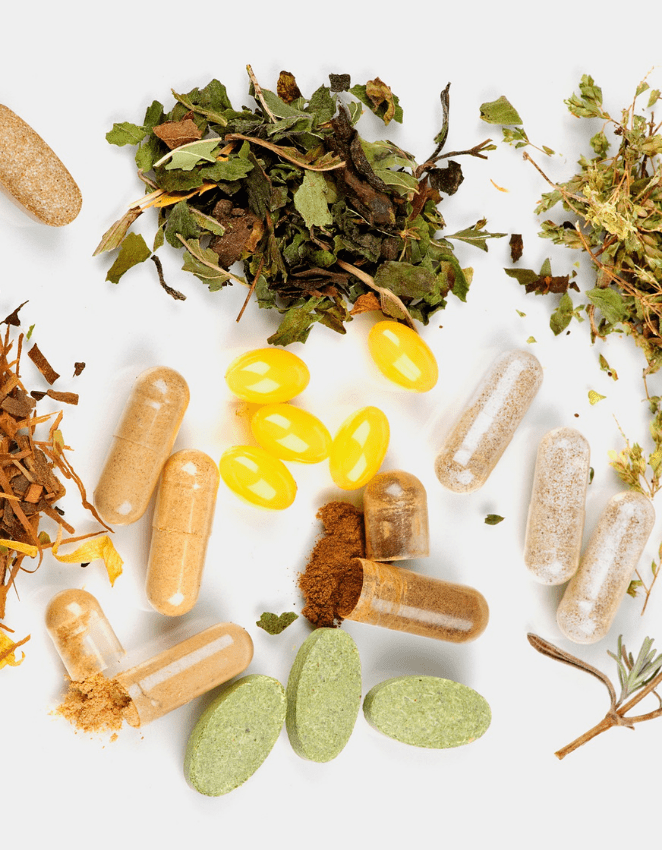
Research from 2024-2026 has elucidated the specific molecular mechanisms involved. Compounds found in Indigo naturalis and related herbs possess molecular structures that fit into TNF-α receptor sites, effectively acting as competitive inhibitors. When these plant compounds occupy receptor sites, TNF-α molecules cannot bind there, preventing the inflammatory signal from being transmitted into the cell. This targeted approach represents a sophisticated pharmacological strategy that Western drug development is only beginning to appreciate. For those seeking natural IBD solutions, this mechanism offers genuine therapeutic potential without the risks of broad immunosuppression.
“Chinese medicinal herbs containing indigo naturalis have demonstrated the ability to induce remission in ulcerative colitis patients who failed conventional therapies, including biologics.” Case series research on treatment-resistant UC patients, 2023
The Four-Herb Protocol: Clinical Evidence From 2023-2026
The synergy of multiple herbs working together provides advantages that single compounds cannot match. Each herb in a properly formulated protocol addresses different aspects of IBD pathology: blocking TNF-α signaling, reducing oxidative stress, promoting mucus clearance, and supporting tissue repair. This multi-target approach mirrors the complexity of IBD itself, which involves numerous inflammatory mediators and tissue damage pathways.
Indigo naturalis has emerged as one of the most promising botanical interventions for ulcerative colitis. Clinical case series documented patients achieving clinical remission and mucosal healing after treatment with this herb, including individuals who had failed multiple conventional therapies. The deep blue pigment contains active compounds that specifically target inflammatory pathways in colonic tissue.
Artemisia absinthium (wormwood) has shown particular promise for Crohn’s disease patients. A double-blind placebo-controlled study demonstrated that patients adding wormwood to their treatment regimen were able to reduce or eliminate steroid use while maintaining disease control. This steroid-sparing effect matters enormously for patients trapped in cycles of corticosteroid dependency and withdrawal.
- Indigo naturalis Clinical case series show remission achievement in treatment-resistant UC patients. Efficacy of Indigo Naturalis Therapy for Ulcerative Colitis: A Case Series
- Artemisia absinthium Double-blind study confirms steroid-sparing effects in Crohn’s disease. Steroid-sparing effect of wormwood (Artemisia absinthium) in Crohn’s disease: a double-blind placebo-controlled study
- Curcumin (Curcuma longa) Meta-analysis confirms adjuvant therapy benefits in ulcerative colitis maintenance. Efficacy and safety of adjuvant curcumin therapy in ulcerative colitis: A systematic review and meta-analysis
- Saffron (Crocus sativus) Research supports adjunctive use in UC patients with anti-inflammatory activity. Saffron As An Adjuvant Therapy In Ulcerative Colitis Patients
“Curcumin adjuvant therapy demonstrated superior efficacy compared to placebo for maintenance of remission in patients with quiescent UC, with no significant difference in adverse events.” Meta-analysis conclusion from systematic review of curcumin in ulcerative colitis
documented patient outcomes reflect real-world results that align with clinical research findings. Patients report reduced bathroom urgency, decreased bleeding, normalized bowel movements, and return to activities they had abandoned due to disease burden. The speed of improvement varies by individual, with some noticing changes within weeks while others require months of consistent use for full benefits.
How to Choose Natural Inflammation Supplements for Colitis vs Crohn’s
Disease location matters when selecting anti-inflammatory herbs. Ulcerative colitis affects only the colon and rectum, with inflammation limited to the innermost lining of the intestinal wall. Crohn’s disease can affect any part of the digestive tract from mouth to anus, involves deeper layers of the intestinal wall, and frequently includes the small intestine. These differences influence which botanical compounds will be most effective.
Colon-specific formulations prioritize herbs that achieve high concentrations in large intestine tissue. Indigo naturalis shows particular affinity for colonic tissue, making it especially relevant for ulcerative colitis patients. For Crohn’s disease with small intestine involvement, herbs with broader absorption profiles may provide better coverage of affected areas.
| Factor | Ulcerative Colitis | Crohn’s Disease |
|---|---|---|
| Primary Location | Colon and rectum only | Any GI tract segment, often ileum |
| Inflammation Depth | Mucosal layer only | Transmural (full thickness) |
| Preferred Herbs | Colon-targeted: Indigo naturalis, curcumin | Broad-spectrum: Artemisia, multi-herb formulas |
| Active Flare Protocol | Higher intensity dosing, mucosal healing focus | Steroid-sparing emphasis, comprehensive coverage |
| Maintenance Protocol | Reduced dosing, prevent flares | Ongoing support, monitor for complications |
Dosing protocols differ between active flares and maintenance phases. During active inflammation, higher doses provide the anti-inflammatory intensity needed to calm flaring tissue. Once remission is achieved, dosing can often be reduced to maintenance levels that prevent recurrence without over-supplementing. Finding the right personalized supplement protocols requires understanding individual disease patterns, current symptom status, and treatment goals.
Why Mucus Clearance Matters More Than Immune Suppression
Chinese medicine views IBD through a different lens than Western gastroenterology. Rather than focusing solely on immune system dysfunction, traditional Chinese medicine emphasizes the accumulation of harmful substances that compromise digestive function. In this framework, excess mucus and “dampness” create environments where bacteria thrive and inflammation takes hold.
The mucus layer covering intestinal tissue normally serves a protective function. But in IBD patients, this mucus becomes thick, excessive, and laden with bacteria that trigger immune responses. The body attacks this bacteria-laden mucus, creating inflammation that damages the underlying tissue. Simply suppressing the immune response without clearing the mucus leaves the root cause in place.
Chinese medicinal herbs address this issue through “cooling” and “clearing” actions. Cooling herbs reduce the heat and inflammation associated with active disease. Clearing herbs eliminate accumulated mucus and dampness, removing the bacterial breeding ground that perpetuates inflammation. This two-pronged approach explains why properly formulated herbal protocols can achieve lasting results where pure immune suppression fails.
Western research has begun validating these traditional concepts. Studies on colonic mucus composition in IBD patients show significant differences from healthy controls, including altered bacterial colonization and compromised barrier function. The mucus layer in active IBD contains higher bacterial loads and different microbial populations than healthy intestinal mucus. Addressing this mucus dysfunction may be essential for achieving lasting remission. For common questions about herbal mechanisms, understanding this dual action of inflammation reduction and mucus clearance provides important context.
Cost Analysis: Natural Supplements vs Biologics [2026 Data]
Financial considerations play a significant role in treatment decisions for IBD patients. Biologic medications cost between $20,000 and $60,000 annually, with some newer agents exceeding $80,000 per year. Even with insurance, copays and deductibles create substantial out-of-pocket burdens. Many patients face prior authorization requirements, step-therapy mandates, and coverage denials that delay or prevent access to prescribed treatments.
Natural herbal protocols operate outside the insurance system, which means patients pay out of pocket but avoid the bureaucratic hurdles of pharmaceutical coverage. Annual costs for quality herbal formulations range from $1,000 to $2,500, representing a fraction of biologic medication expenses. For patients without comprehensive insurance or those facing high deductibles, this cost difference can be decisive.
| Treatment Category | Annual Cost | Insurance Coverage | Access Barriers |
|---|---|---|---|
| Biologics (Humira, Remicade, etc.) | $35,000-$60,000+ | Covered with prior auth | Prior auth, step therapy, copays $500-$5,000+ |
| Immunomodulators | $1,500-$5,000 | Usually covered | Monitoring costs, toxicity concerns |
| Quality Herbal Protocols | $1,000-$2,500 | No insurance coverage | No access barriers, direct purchase |
| 5-ASA Medications | $500-$3,000 | Usually covered | Often insufficient for moderate-severe disease |
Generic alternatives for some biologics have entered the market, offering modest cost reductions. However, biosimilar prices remain high compared to herbal alternatives, and switching from brand biologic to biosimilar introduces concerns about efficacy differences and antibody development. The affordable IBD management approach using quality herbal supplements provides predictable costs without insurance approval delays or coverage uncertainty.
Step-by-Step Protocol: Transitioning to Natural Inflammation Supplements
Frequently Asked Questions
What is natural inflammation supplements?
natural inflammation supplements is an important topic worth understanding in depth. Getting familiar with the fundamentals helps you achieve better results and avoid common pitfalls.
Moving from conventional medications to natural supplements requires careful planning and realistic expectations. This transition should never be abrupt, especially for patients currently on corticosteroids or biologics, as sudden discontinuation can trigger severe flares or withdrawal effects.
- Document current baseline: Record symptom frequency (bathroom visits per day), stool characteristics, bleeding occurrence, and energy levels before starting supplements. This creates a comparison point for measuring progress.
- Consult with healthcare providers: Inform gastroenterologists and primary care physicians about supplement intentions. Discuss potential interactions with current medications and get baseline lab work.
- Choose quality formulations: Select products from manufacturers who test for purity, potency, and contaminants. Look for standardized extracts with consistent active compound concentrations.
- Start with low doses: Begin with half the recommended dose for the first week to assess tolerance. Some patients experience temporary digestive adjustments when starting new supplements.
- Gradually increase to therapeutic dose: Over 2-3 weeks, work up to the full recommended dosing protocol. Consistency matters more than speed during this ramp-up phase.
- Monitor and document changes: Track symptoms weekly using the same metrics from baseline documentation. Note both improvements and any adverse effects.
- Coordinate medication tapering with physicians: If supplements show benefit after 8-12 weeks, discuss potential steroid tapering or medication reduction with prescribing doctors. Never stop prescribed medications without medical supervision.
- Establish maintenance protocol: Once remission is achieved, work with healthcare providers to determine appropriate maintenance dosing that prevents recurrence without unnecessary supplementation.
Key Takeaways
- Natural inflammation supplements block TNF-α at receptor sites without suppressing systemic immune function, offering targeted inflammation control.
- Clinical studies from 2023-2026 demonstrate that Indigo naturalis, Artemisia absinthium, and curcumin achieve mucosal healing rates comparable to biologic medications.
- Four-herb protocols provide multi-target coverage addressing different aspects of IBD pathology including inflammation, mucus accumulation, and tissue repair.
- Annual costs of quality herbal formulations ($1,000-$2,500) represent 5-10% of biologic medication expenses, making treatment accessible for patients facing insurance barriers.
- Mucus clearance represents an important therapeutic target often overlooked by conventional immunosuppression-focused approaches.
- Transitioning to natural supplements requires careful coordination with healthcare providers, especially for patients currently on steroids or biologics. Review important safety information before starting any supplement protocol.
Frequently Asked Questions
Can natural supplements replace my current IBD medications?
No not immediately. Supplements should be added to existing protocols first, with medication adjustments made gradually under physician supervision. Relative to abrupt medication discontinuation, a structured transition reduces flare risks significantly.
How long before I notice improvement with herbal IBD supplements?
Most patients report initial changes within 2-4 weeks. Full therapeutic benefit typically requires 8-12 weeks of consistent use. Compared to steroids, which work rapidly but carry high risks, herbal protocols favor sustainable improvement over speed.
Are there interactions between natural supplements and IBD medications?
Few significant interactions documented in clinical studies. Curcumin and Indigo naturalis show favorable safety profiles alongside conventional treatments. Always disclose all supplements to prescribing physicians to ensure coordinated care.
Will insurance cover natural inflammation supplements?
No herbal supplements are not covered by medical insurance. Out-of-pocket costs ($80-200/month) remain substantially below insurance copays for biologics ($500-$5,000+ annually for many patients).
Can I take these supplements during pregnancy or while breastfeeding?
Insufficient safety data exists for pregnancy and breastfeeding. Patients who are pregnant, planning pregnancy, or nursing should consult obstetricians before using any herbal supplements. Safety must be established through medical evaluation.
What makes Kronlitis different from other herbal IBD products?
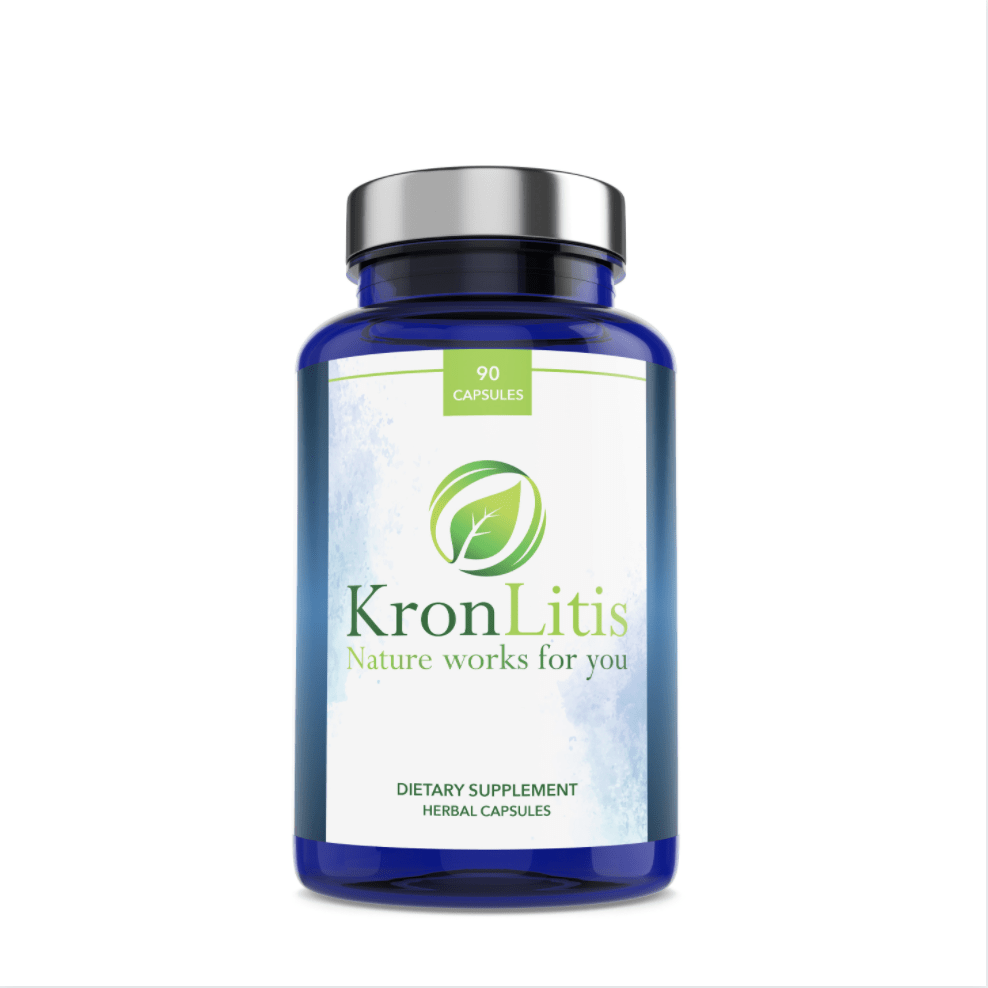
The four-herb formulation offers broader therapeutic coverage than single-herb alternatives. By combining Indigo naturalis, Artemisia compounds, and complementary botanicals, the protocol addresses multiple inflammatory pathways simultaneously. Quality manufacturing in Germany ensures potency and purity standards. learn more about our formula for detailed ingredient information.