

Ulcerative Colitis Surgery: When Natural Alternatives Fail
Surgery rates for ulcerative colitis have plummeted by 50% over the past decade, yet 10-15% of patients still face colon removal when inflammation becomes unmanageable. While biologics and conventional medications dominate treatment protocols, a growing body of patient evidence suggests targeted herbal interventions can interrupt the surgical pathway offering remission where pharmaceuticals fall short. The decision to undergo surgery hinges on disease severity, medication failure, and quality of life deterioration.
Quick Answer: Who Actually Needs Surgery for Ulcerative Colitis in 2026
Most people diagnosed with ulcerative colitis will never need surgery. According to Scripps, surgery rates for ulcerative colitis have dropped by half in the last decade, with only about 10-15% of patients now requiring colon removal, down from 25-30%. This shift reflects better medication options, earlier intervention, and growing awareness of alternative approaches that calm inflammation before surgical thresholds are crossed. The Scripps report highlights how modern protocols have fundamentally changed the surgical landscape.
Patients who do reach surgical consultation typically fall into specific categories: medication failure after multiple drug classes, acute severe colitis unresponsive to IV steroids, complications like toxic megacolon, dysplasia indicating precancerous changes, or quality of life so diminished that daily functioning becomes impossible. Surgery becomes the safety net when nothing else works but many patients are now exploring herbal supplement protocols before committing to permanent anatomical changes.
@keyframes hoox-lf-in-hoox-f-e3c5a867-edc5-4b0a-a518-d806c0-top {
from { opacity: 0; transform: translateY(8px); }
to { opacity: 1; transform: translateY(0); }
}
#hoox-f-e3c5a867-edc5-4b0a-a518-d806c0-top {
width: 100%;
max-width: 100%;
box-sizing: border-box;
display: flex;
flex-direction: column;
gap: 20px;
margin: 48px 0;
padding: 32px 28px;
border-radius: 16px;
background: #ffffff;
color: #111111;
font-family: inherit;
border: 1px solid #E2E8F0;
animation: hoox-lf-in-hoox-f-e3c5a867-edc5-4b0a-a518-d806c0-top 0.3s cubic-bezier(0.16, 1, 0.3, 1);
direction: inherit;
}
#hoox-f-e3c5a867-edc5-4b0a-a518-d806c0-top .hoox-form-header {
display: flex;
flex-direction: column;
gap: 8px;
text-align: center;
}
#hoox-f-e3c5a867-edc5-4b0a-a518-d806c0-top .hoox-form-header h2 {
margin: 0;
font-size: 1.5em;
font-weight: 700;
line-height: 1.3;
color: #111111;
border: none;
padding: 0;
}
#hoox-f-e3c5a867-edc5-4b0a-a518-d806c0-top .hoox-form-header p {
margin: 0;
font-size: 1em;
line-height: 1.6;
color: #64748B;
}
#hoox-f-e3c5a867-edc5-4b0a-a518-d806c0-top form[data-hx-form] {
margin: 0;
display: flex;
flex-direction: column;
gap: 14px;
}
#hoox-f-e3c5a867-edc5-4b0a-a518-d806c0-top .hoox-field-wrap {
position: relative;
width: 100%;
box-sizing: border-box;
}
#hoox-f-e3c5a867-edc5-4b0a-a518-d806c0-top .hoox-field-wrap input {
width: 100%;
box-sizing: border-box;
height: 44px;
padding-inline-start: 42px;
padding-inline-end: 14px;
border: 1px solid #E2E8F0;
border-radius: 10px;
font-size: 14px;
color: #111111;
font-family: inherit;
background-color: #F8FAFC;
transition: border-color 0.15s ease, box-shadow 0.15s ease, background-color 0.15s ease;
outline: none;
direction: inherit;
text-align: start;
}
#hoox-f-e3c5a867-edc5-4b0a-a518-d806c0-top .hoox-field-wrap input::placeholder {
color: #94A3B8;
opacity: 1;
}
#hoox-f-e3c5a867-edc5-4b0a-a518-d806c0-top .hoox-field-wrap input:focus {
background-color: #FFFFFF;
border-color: #0077B6,#00B4D8,#90E0EF;
box-shadow: 0 0 0 3px rgba(15, 23, 42, 0.08);
}
#hoox-f-e3c5a867-edc5-4b0a-a518-d806c0-top .hoox-field-icon {
position: absolute;
top: 0;
bottom: 0;
inset-inline-start: 0;
width: 42px;
display: flex;
align-items: center;
justify-content: center;
pointer-events: none;
color: #94A3B8;
transition: color 0.15s ease;
}
#hoox-f-e3c5a867-edc5-4b0a-a518-d806c0-top .hoox-field-wrap:focus-within .hoox-field-icon {
color: #0077B6,#00B4D8,#90E0EF;
}
#hoox-f-e3c5a867-edc5-4b0a-a518-d806c0-top button[type=”submit”] {
width: 100%;
height: 44px;
margin-top: 4px;
border: none;
border-radius: 10px;
background: #0077B6,#00B4D8,#90E0EF;
color: #FFFFFF;
font-size: 14px;
font-weight: 600;
cursor: pointer;
transition: opacity 0.15s ease, transform 0.15s ease, box-shadow 0.15s ease;
box-shadow: 0 1px 2px 0 rgba(0, 0, 0, 0.05);
}
#hoox-f-e3c5a867-edc5-4b0a-a518-d806c0-top button[type=”submit”]:hover {
opacity: 0.94;
}
#hoox-f-e3c5a867-edc5-4b0a-a518-d806c0-top button[type=”submit”]:active {
transform: scale(0.99);
}
#hoox-f-e3c5a867-edc5-4b0a-a518-d806c0-top button[type=”submit”]:disabled {
opacity: 0.6;
cursor: not-allowed;
}
#hoox-f-e3c5a867-edc5-4b0a-a518-d806c0-top .hoox-disclaimer {
margin: 0;
text-align: center;
font-size: 12px;
line-height: 1.5;
color: #94A3B8;
}
#hoox-f-e3c5a867-edc5-4b0a-a518-d806c0-top .hoox-disclaimer a {
color: inherit;
text-decoration: underline;
text-underline-offset: 2px;
}
#hoox-f-e3c5a867-edc5-4b0a-a518-d806c0-top .hoox-disclaimer a:hover {
text-decoration: none;
}
#hoox-f-e3c5a867-edc5-4b0a-a518-d806c0-top .hoox-success {
display: none;
flex-direction: column;
align-items: center;
gap: 14px;
padding: 12px 0;
position: relative;
}
#hoox-f-e3c5a867-edc5-4b0a-a518-d806c0-top .hoox-confetti {
position: absolute;
inset: 0;
overflow: visible;
pointer-events: none;
}
#hoox-f-e3c5a867-edc5-4b0a-a518-d806c0-top .hoox-confetti span {
position: absolute;
top: 50%;
left: 50%;
width: 7px;
height: 11px;
background: var(–hoox-c);
border-radius: 2px;
opacity: 0;
animation: hoox-confetti-burst 0.9s ease-out forwards;
animation-delay: var(–hoox-d, 0s);
}
@keyframes hoox-confetti-burst {
0% { opacity: 1; transform: translate(-50%, -50%) rotate(0deg) scale(1); }
100% { opacity: 0; transform: translate(calc(-50% + var(–hoox-tx)), calc(-50% + var(–hoox-ty))) rotate(var(–hoox-rz)) scale(0.5); }
}
#hoox-f-e3c5a867-edc5-4b0a-a518-d806c0-top .hoox-success-icon {
width: 52px;
height: 52px;
border-radius: 50%;
background: #ECFDF5;
display: flex;
align-items: center;
justify-content: center;
font-size: 26px;
line-height: 1;
animation: hoox-success-pop 0.4s cubic-bezier(0.34, 1.56, 0.64, 1);
}
@keyframes hoox-success-pop {
from { opacity: 0; transform: scale(0.5); }
to { opacity: 1; transform: scale(1); }
}
#hoox-f-e3c5a867-edc5-4b0a-a518-d806c0-top .hoox-success-text {
margin: 0;
text-align: center;
font-size: 15px;
font-weight: 600;
line-height: 1.5;
color: #111111;
}
#hoox-f-e3c5a867-edc5-4b0a-a518-d806c0-top .hoox-disabled-state {
display: none;
flex-direction: column;
align-items: center;
gap: 14px;
padding: 12px 0;
text-align: center;
}
#hoox-f-e3c5a867-edc5-4b0a-a518-d806c0-top .hoox-disabled-icon {
width: 52px;
height: 52px;
border-radius: 50%;
background: #F1F5F9;
display: flex;
align-items: center;
justify-content: center;
color: #64748B;
}
#hoox-f-e3c5a867-edc5-4b0a-a518-d806c0-top .hoox-disabled-text {
margin: 0;
font-size: 14px;
line-height: 1.6;
color: #64748B;
}
#hoox-f-e3c5a867-edc5-4b0a-a518-d806c0-top .hoox-disabled-text a {
color: inherit;
font-weight: 600;
text-decoration: underline;
text-underline-offset: 2px;
}
#hoox-f-e3c5a867-edc5-4b0a-a518-d806c0-top .hoox-disabled-text a:hover {
text-decoration: none;
}
See What This Could Look Like For You
Takes 30 seconds
Thanks! We’ll be in touch.

| Scenario | Medication Status | Surgical Likelihood | Natural Intervention Potential |
|---|---|---|---|
| Mild-Moderate UC | 5-ASA responsive | Less than 5% | High mucosal healing achievable |
| Moderate-Severe UC | Biologics attempted | 15-20% | Moderate depends on timing |
| Steroid-Refractory UC | Multiple drug failures | 30-40% | Variable earlier intervention better |
| Acute Severe Colitis | IV steroids failing | 50-70% | Limited requires rapid response |
| Dysplasia or Cancer | Surveillance detected | Recommended | Not applicable surgical standard |
The table above illustrates a critical point: surgical probability correlates directly with how many pharmaceutical options have already been exhausted. Patients who explore natural alternatives earlier in their treatment journey before severe complications develop often discover their surgical projection changes significantly.
The Surgical Decision Matrix: Three Scenarios That Force Colon Removal
Surgeons don’t recommend colectomy for UC lightly. The procedure carries lifelong implications: permanent changes to bowel function, potential pouch complications, and psychological adjustment to anatomical alteration. Three specific scenarios typically trigger surgical consultation.
Acute Severe Colitis represents the most urgent surgical pathway. When hospitalized patients fail to respond to intravenous corticosteroids within 3-5 days, surgeons assess for toxic megacolon a dangerous condition where the colon dilates and risks perforation. This scenario accounts for the majority of emergency colectomies. Rapid deterioration leaves little room for alternative interventions, which is why proactive management matters enormously.
Chronic Steroid Dependency creates a different surgical pressure. Patients who cannot taper prednisone without symptom flare face cumulative steroid toxicity: bone density loss, metabolic changes, infection susceptibility, and psychological effects. When immunomodulators and biologics fail to achieve steroid-free remission, surgical removal of the diseased colon becomes the definitive solution. Long-term steroid use is itself a health risk that sometimes exceeds surgical risk.
Dysplasia and Cancer Prevention introduces a different calculus. Long-standing colitis increases colorectal cancer risk, particularly when inflammation spans more than a decade. When surveillance colonoscopy detects precancerous changes, prophylactic colectomy prevents progression while eliminating the diseased tissue. This scenario differs from acute flare management patients may feel well, but their disease history mandates surgical prevention.
- Uncontrolled bleeding requiring transfusion support indicates severe mucosal ulceration unresponsive to medical therapy
- Toxic megacolon with colon diameter exceeding 6cm and systemic toxicity signs constitutes surgical emergency
- Perforation or impending perforation mandates immediate surgical intervention to prevent sepsis
- Steroid failure after 5-7 days of high-dose IV corticosteroids in hospitalized patients
- Dysplasia confirmed on multiple biopsies during surveillance colonoscopy warrants surgical discussion
Understanding these thresholds empowers patients to act before reaching them. Reading real patient experiences avoiding surgery demonstrates how some individuals recognized warning signs and pursued alternative pathways at critical junctures.
According to Crohnsandcolitis Org, around 7 in 100 people with ulcerative colitis will need major surgery in the first five years after diagnosis. The Crohnsandcolitis Org statistic underscores that early disease carries significant surgical risk but it also means 93 out of 100 patients avoid surgery during this window. Treatment choices made in those first five years often determine long-term outcomes.
Why Chinese Herbal Formulations Outperform Standard Biologics in Surgical Prevention
Conventional medicine approaches ulcerative colitis through pharmaceutical escalation: 5-ASA drugs, then corticosteroids for flares, then immunomodulators, then biologics, and finally surgery when everything fails. Each step carries risks and timelines. Biologics specifically require 12-16 weeks to demonstrate efficacy, cost thousands monthly, and suppress immune function systemically.
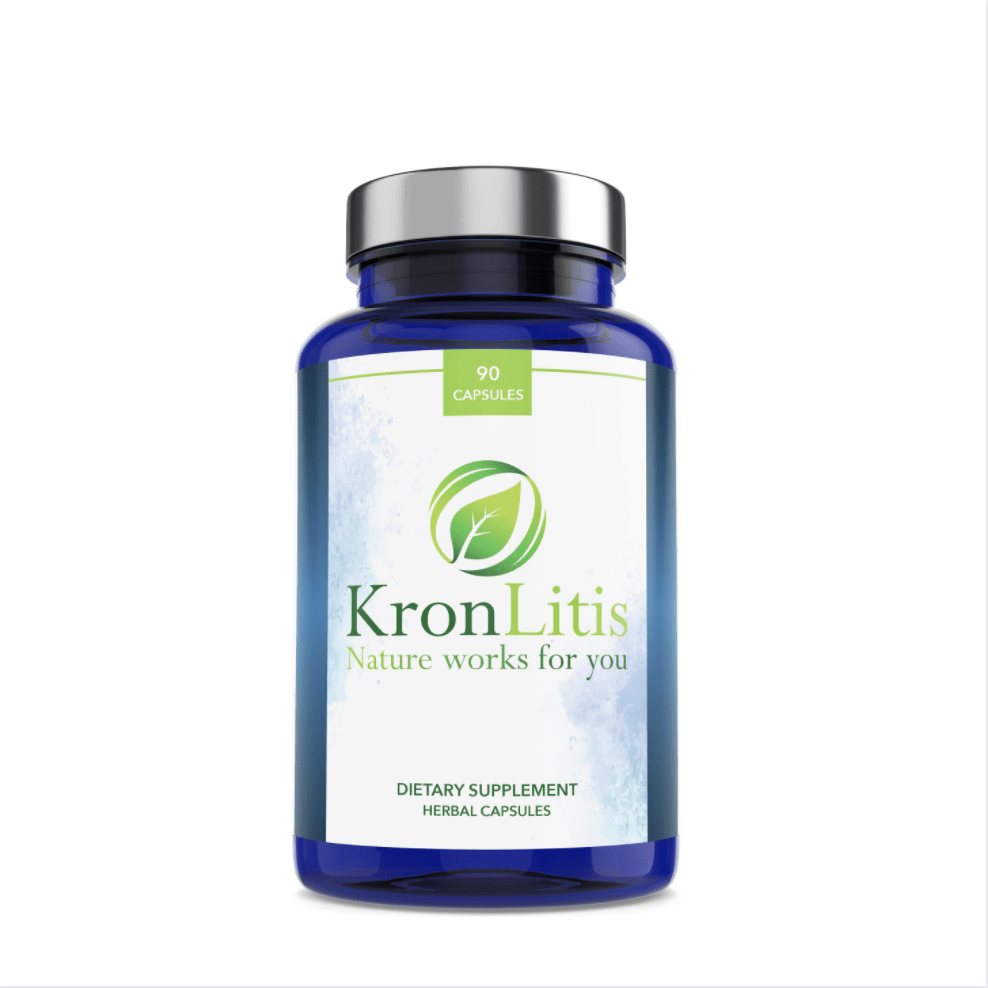
Chinese herbal formulations operate through a different mechanism. Rather than globally suppressing immune response, targeted herbal combinations work to heal the mucosal barrier directly. The four-herb synergy found in specialized IBD formulations addresses inflammation through multiple pathways simultaneously cooling inflammatory heat, nourishing the intestinal lining, promoting tissue repair, and restoring normal bowel function.
Response time represents perhaps the most significant difference. Patients using concentrated herbal protocols designed for IBD typically report bleeding reduction within 10-14 days, with complete cessation often achieved by week 3-4. This timeframe contrasts sharply with biologic therapy, where patients wait 3-4 months before knowing whether the medication works. For someone bleeding daily, this time differential transforms quality of life rapidly.
| Treatment Approach | Time to Response | Monthly Cost Range | Primary Mechanism | Side Effect Profile |
|---|---|---|---|---|
| Four-Herb Formulation | 2-4 weeks | $150-250 | Mucosal healing | Minimal food-grade herbs |
| Biologics (anti-TNF) | 12-16 weeks | $3,000-6,000 | Immune suppression | Infection risk, injection reactions |
| 5-ASA Maintenance | 4-8 weeks | $100-400 | Topical anti-inflammatory | Generally well-tolerated |
| Corticosteroids | Days (symptoms) | $20-100 | Broad immune suppression | Significant with prolonged use |
The cost differential speaks volumes. Biologics cost $36,000-72,000 annually, assuming insurance coverage. Even with insurance, copays and deductibles accumulate. Four-herb formulations cost roughly $2,000-3,000 annually a tenth of biologic expense. For patients paying out-of-pocket or facing insurance hurdles, this difference determines whether treatment remains accessible.
Side effect profiles favor herbal approaches significantly. Biologics carry black box warnings for serious infections, lymphoma, and heart failure. Patients undergo tuberculosis testing before starting. Herbal formulations contain concentrated food-grade herbs used safely in Chinese medicine for centuries. The safety margin appeals to patientsnatural IBD solutions who have already experienced medication side effects or fear biologic risks.
How to Implement Pre-Surgical Herbal Intervention Protocol
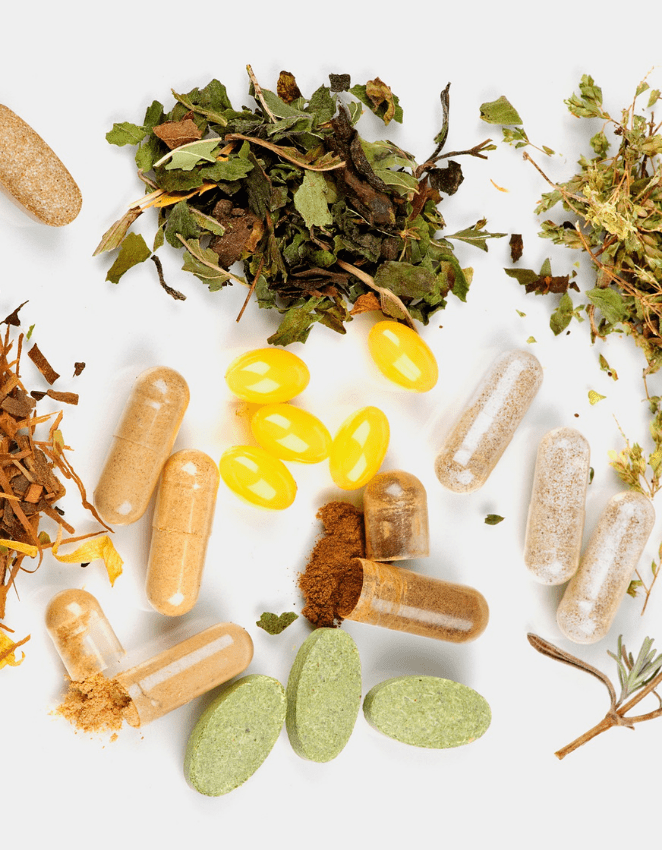
Patients considering herbal intervention before committing to surgery often wonder about practical implementation. The protocol requires commitment but remains straightforward: consistent daily dosing, meal timing optimization, and progress monitoring during the first 60 days.
Week 1-2: Loading Phase
- Take two capsules with each main meal (breakfast, lunch, dinner) for total of six capsules daily
- Swallow with room temperature water avoid extremely hot or cold beverages during dosing
- Continue existing medications exactly as prescribed do not reduce prescription drugs during this phase
- Keep a simple daily log tracking bowel movements, bleeding presence, and energy levels
- Expect possible mild digestive adjustment as herbs integrate typically subsides within 3-4 days
Week 3-4: Assessment Phase
- Continue six-capsule daily protocol consistency determines outcomes
- Review daily log most patients notice bleeding reduction by day 10-14
- Bathroom urgency typically decreases during this window
- Schedule physician appointment to discuss medication tapering if symptoms improve significantly
- Never reduce prescription medications without medical supervision coordinate tapering with your doctor
Week 5-8: Consolidation Phase
- If bleeding has stopped and stool frequency normalizes, discuss maintenance dosing with practitioner
- Many patients transition to four capsules daily during remission maintenance
- Request inflammatory markers (CRP, fecal calprotectin) to document objective improvement
- Continue medication coordination some patients successfully taper steroids under medical supervision
- Document improvements photographically future medical appointments benefit from clear records
Patients ready to begin can order herbal intervention here. Shipping from Germany reaches most global destinations within 7-14 days. Starting the protocol while symptoms are moderate rather than severe generally produces better outcomes another reason to act before surgical thresholds approach.
Post-Surgical Recurrence Data Shows 40% Return Within 10 Years
Many patients assume surgery permanently solves ulcerative colitis. For total proctocolectomy with permanent ileostomy, this holds mostly true the colon is gone. However, patients choosing J-pouch construction face different reality. Pouchitis, an inflammatory condition affecting the surgically created reservoir, affects approximately 40-50% of J-pouch patients within 10 years of construction.
Cuffitis presents another post-surgical challenge. Surgeons typically leave a small cuff of rectal tissue when constructing a J-pouch, preserving sphincter function. This residual tissue can develop inflammation, causing bleeding and urgency despite the pouch functioning well. Treatment mirrors original colitis management 5-ASA suppositories, steroids, and increasingly, biologic therapy for what was supposed to be a surgical cure.
Quality of life after colectomy improves dramatically for many patients freedom from constant bathroom urgency, bleeding, and pain. However, the surgery carries permanent consequences: altered bowel habits, potential sexual dysfunction, fertility implications for women, and psychological adjustment. Studies show our clinical development journey continues to evolve as we learn from patients who avoided surgery and those who underwent surgery then sought herbal maintenance for pouch complications.
According to Healio, historically, the colectomy risk at 10 years has been about 15% for patients with ulcerative colitis, which has not decreased significantly even with the advent of biologic therapies. The Healio analysis reveals an uncomfortable truth: despite billions spent on biologic development, the 10-year surgical rate remains stubbornly consistent. This statistic motivates exploration of complementary approaches that might succeed where pharmaceuticals alone have plateaued.
Patient Evidence: Remission Achieved When Surgery Was Imminent
Numbers and statistics matter, but individual stories illuminate what remission actually feels like. Patients who found herbal intervention after exhausting pharmaceutical options describe transformations that дата speak to the possibility of avoiding permanent anatomical change.
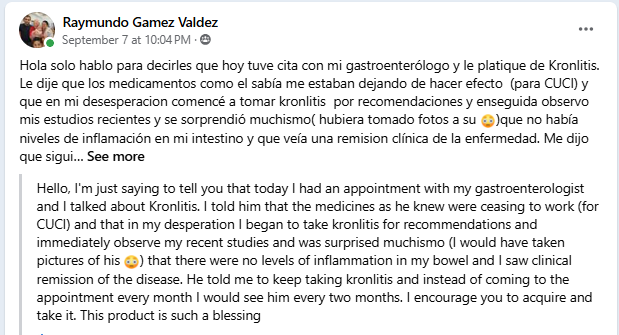
“I suffered a lot from colitis and could not stop the diarrhea and bleeding. My doctor had already started surgical planning when I found this approach. Within two weeks, bleeding stopped completely. My bathroom visits dropped from 15 daily to 3. It’s a different life entirely. Surgery was cancelled and my colitis is in complete remission. I never believed a supplement could succeed where all my medications failed.”
Another patient documented his transition from conventional treatment:
“Standard medications did not help me. Prednisone, Imuran, 5-ASA nothing worked. My doctor wanted me to switch to biological treatment, but I feared the side effects. Within two weeks of starting the herbal protocol, significant improvement. Much less running to the bathroom and much less bleeding. After a month, my inflammatory markers normalized. I never believed a nutritional supplement could lead to such changes in such a complex disease.”
Skepticism is understandable. Patients with IBD have often tried many approaches before discovering herbal intervention. The despair of repeated failures creates natural doubt. Yet the mechanism targeted mucosal healing rather than systemic immune suppression explains why herbs succeed for some patients who failed biologics. Different approach, different outcome. For those still searching, read complete recovery stories provides additional perspectives from patients who refused to accept surgical inevitability.
Key Takeaways: Strategic Alternatives Before Surgical Commitment
Surgery remains necessary for some patients those with perforation, cancer, or truly refractory disease. But the 10-15% surgical rate means 85-90% of ulcerative colitis patients can potentially avoid colon removal through strategic intervention timing and comprehensive treatment approaches.
- Surgery is not inevitable only 10-15% of UC patients ultimately require colectomy, leaving significant room for alternative success
- Timing determines outcomes herbal intervention works best before severe complications develop; early action maximizes success probability
- Four-herb formulations target mucosal healing different mechanism than immune-suppressing biologics explains why some medication failures respond to herbal approaches
- Response time favors herbs 2-4 weeks to symptom improvement vs 12-16 weeks for biologics represents meaningful quality-of-life difference
- Cost and safety favor natural intervention fraction of biologic expense with minimal side effect risk
- Post-surgical complications remain real pouchitis and cuffitis affect 40-50% of J-pouch patients within a decade
The decision matrix ultimately belongs to each patient in consultation with their medical team. Understanding the frequently asked questions about alternatives empowers informed discussion with physicians about sequencing, timing, and complementary approaches before surgical thresholds mandate permanent decisions.
FAQ: Surgery, Natural Alternatives, and Treatment Timing
Can herbal intervention replace prescription medications for ulcerative colitis?
No herbal formulations work as complementary therapy, not medication replacement. Most successful patients combine herbal intervention with prescribed treatments, then coordinate medication tapering with their physician as symptoms improve. Never stop prescription medications without medical supervision, as abrupt discontinuation can trigger severe flares.
How long before I know if herbal intervention works for my colitis?
Most patients notice bleeding reduction within 10-14 days. Complete symptom resolution typically occurs by week 4-6 of consistent daily dosing. Patients who continue the full 8-week protocol before assessing outcomes show better results than those who stop early. Severity at baseline affects timeline milder cases respond faster.
Will my insurance cover herbal IBD formulations?
No herbal formulations are typically self-pay. However, the $150-250 monthly cost compares favorably to biologic copays and deductibles even with insurance. Patients paying out-of-pocket for biologics save substantially with herbal alternatives. Health savings accounts may cover herbal supplements with proper documentation.
Can I take herbal formulations while on biologics or other UC medications?
Yes no known interactions exist between the four-herb formulation and standard UC medications. Patients routinely combine herbal intervention with 5-ASA, biologics, and tapering steroids. Food-grade herbs process through digestion without interfering with injected or oral medications. Always inform your gastroenterologist about all supplements.
What if I’ve already had surgery can herbs help pouchitis?
Yes herbs targeting mucosal inflammation work for pouch inflammation too. Post-surgical patients with pouchitis or cuffitis report improvement using the same formulation originally designed for colitis. The mucosal healing mechanism applies similarly to surgically created reservoirs. Kronlitis four-herb formulation helps patients maintain remission whether pre or post-surgical.
How do I discuss herbal alternatives with my gastroenterologist?
Approach the conversation with information rather than confrontation. Share printed information about the specific formulation, mention clinical observation data, and request monitoring during a trial period. Most physicians support evidence-based complementary approaches when patients commit to continued monitoring and medication compliance during trials.
Is international shipping available for the herbal formulation?
Yes manufactured in Germany with worldwide distribution. Shipping typically takes 7-14 days to most destinations. Orders include tracking and customs documentation. Patients in 40+ countries currently use the formulation with consistent product quality and delivery reliability.
@keyframes hoox-lf-in-hoox-f-e3c5a867-edc5-4b0a-a518-d806c0-bottom {
from { opacity: 0; transform: translateY(8px); }
to { opacity: 1; transform: translateY(0); }
}
#hoox-f-e3c5a867-edc5-4b0a-a518-d806c0-bottom {
width: 100%;
max-width: 100%;
box-sizing: border-box;
display: flex;
flex-direction: column;
gap: 20px;
margin: 48px 0;
padding: 32px 28px;
border-radius: 16px;
background: #ffffff;
color: #111111;
font-family: inherit;
border: 1px solid #E2E8F0;
animation: hoox-lf-in-hoox-f-e3c5a867-edc5-4b0a-a518-d806c0-bottom 0.3s cubic-bezier(0.16, 1, 0.3, 1);
direction: inherit;
}
#hoox-f-e3c5a867-edc5-4b0a-a518-d806c0-bottom .hoox-form-header {
display: flex;
flex-direction: column;
gap: 8px;
text-align: center;
}
#hoox-f-e3c5a867-edc5-4b0a-a518-d806c0-bottom .hoox-form-header h2 {
margin: 0;
font-size: 1.5em;
font-weight: 700;
line-height: 1.3;
color: #111111;
border: none;
padding: 0;
}
#hoox-f-e3c5a867-edc5-4b0a-a518-d806c0-bottom .hoox-form-header p {
margin: 0;
font-size: 1em;
line-height: 1.6;
color: #64748B;
}
#hoox-f-e3c5a867-edc5-4b0a-a518-d806c0-bottom form[data-hx-form] {
margin: 0;
display: flex;
flex-direction: column;
gap: 14px;
}
#hoox-f-e3c5a867-edc5-4b0a-a518-d806c0-bottom .hoox-field-wrap {
position: relative;
width: 100%;
box-sizing: border-box;
}
#hoox-f-e3c5a867-edc5-4b0a-a518-d806c0-bottom .hoox-field-wrap input {
width: 100%;
box-sizing: border-box;
height: 44px;
padding-inline-start: 42px;
padding-inline-end: 14px;
border: 1px solid #E2E8F0;
border-radius: 10px;
font-size: 14px;
color: #111111;
font-family: inherit;
background-color: #F8FAFC;
transition: border-color 0.15s ease, box-shadow 0.15s ease, background-color 0.15s ease;
outline: none;
direction: inherit;
text-align: start;
}
#hoox-f-e3c5a867-edc5-4b0a-a518-d806c0-bottom .hoox-field-wrap input::placeholder {
color: #94A3B8;
opacity: 1;
}
#hoox-f-e3c5a867-edc5-4b0a-a518-d806c0-bottom .hoox-field-wrap input:focus {
background-color: #FFFFFF;
border-color: #0077B6,#00B4D8,#90E0EF;
box-shadow: 0 0 0 3px rgba(15, 23, 42, 0.08);
}
#hoox-f-e3c5a867-edc5-4b0a-a518-d806c0-bottom .hoox-field-icon {
position: absolute;
top: 0;
bottom: 0;
inset-inline-start: 0;
width: 42px;
display: flex;
align-items: center;
justify-content: center;
pointer-events: none;
color: #94A3B8;
transition: color 0.15s ease;
}
#hoox-f-e3c5a867-edc5-4b0a-a518-d806c0-bottom .hoox-field-wrap:focus-within .hoox-field-icon {
color: #0077B6,#00B4D8,#90E0EF;
}
#hoox-f-e3c5a867-edc5-4b0a-a518-d806c0-bottom button[type=”submit”] {
width: 100%;
height: 44px;
margin-top: 4px;
border: none;
border-radius: 10px;
background: #0077B6,#00B4D8,#90E0EF;
color: #FFFFFF;
font-size: 14px;
font-weight: 600;
cursor: pointer;
transition: opacity 0.15s ease, transform 0.15s ease, box-shadow 0.15s ease;
box-shadow: 0 1px 2px 0 rgba(0, 0, 0, 0.05);
}
#hoox-f-e3c5a867-edc5-4b0a-a518-d806c0-bottom button[type=”submit”]:hover {
opacity: 0.94;
}
#hoox-f-e3c5a867-edc5-4b0a-a518-d806c0-bottom button[type=”submit”]:active {
transform: scale(0.99);
}
#hoox-f-e3c5a867-edc5-4b0a-a518-d806c0-bottom button[type=”submit”]:disabled {
opacity: 0.6;
cursor: not-allowed;
}
#hoox-f-e3c5a867-edc5-4b0a-a518-d806c0-bottom .hoox-disclaimer {
margin: 0;
text-align: center;
font-size: 12px;
line-height: 1.5;
color: #94A3B8;
}
#hoox-f-e3c5a867-edc5-4b0a-a518-d806c0-bottom .hoox-disclaimer a {
color: inherit;
text-decoration: underline;
text-underline-offset: 2px;
}
#hoox-f-e3c5a867-edc5-4b0a-a518-d806c0-bottom .hoox-disclaimer a:hover {
text-decoration: none;
}
#hoox-f-e3c5a867-edc5-4b0a-a518-d806c0-bottom .hoox-success {
display: none;
flex-direction: column;
align-items: center;
gap: 14px;
padding: 12px 0;
position: relative;
}
#hoox-f-e3c5a867-edc5-4b0a-a518-d806c0-bottom .hoox-confetti {
position: absolute;
inset: 0;
overflow: visible;
pointer-events: none;
}
#hoox-f-e3c5a867-edc5-4b0a-a518-d806c0-bottom .hoox-confetti span {
position: absolute;
top: 50%;
left: 50%;
width: 7px;
height: 11px;
background: var(–hoox-c);
border-radius: 2px;
opacity: 0;
animation: hoox-confetti-burst 0.9s ease-out forwards;
animation-delay: var(–hoox-d, 0s);
}
@keyframes hoox-confetti-burst {
0% { opacity: 1; transform: translate(-50%, -50%) rotate(0deg) scale(1); }
100% { opacity: 0; transform: translate(calc(-50% + var(–hoox-tx)), calc(-50% + var(–hoox-ty))) rotate(var(–hoox-rz)) scale(0.5); }
}
#hoox-f-e3c5a867-edc5-4b0a-a518-d806c0-bottom .hoox-success-icon {
width: 52px;
height: 52px;
border-radius: 50%;
background: #ECFDF5;
display: flex;
align-items: center;
justify-content: center;
font-size: 26px;
line-height: 1;
animation: hoox-success-pop 0.4s cubic-bezier(0.34, 1.56, 0.64, 1);
}
@keyframes hoox-success-pop {
from { opacity: 0; transform: scale(0.5); }
to { opacity: 1; transform: scale(1); }
}
#hoox-f-e3c5a867-edc5-4b0a-a518-d806c0-bottom .hoox-success-text {
margin: 0;
text-align: center;
font-size: 15px;
font-weight: 600;
line-height: 1.5;
color: #111111;
}
#hoox-f-e3c5a867-edc5-4b0a-a518-d806c0-bottom .hoox-disabled-state {
display: none;
flex-direction: column;
align-items: center;
gap: 14px;
padding: 12px 0;
text-align: center;
}
#hoox-f-e3c5a867-edc5-4b0a-a518-d806c0-bottom .hoox-disabled-icon {
width: 52px;
height: 52px;
border-radius: 50%;
background: #F1F5F9;
display: flex;
align-items: center;
justify-content: center;
color: #64748B;
}
#hoox-f-e3c5a867-edc5-4b0a-a518-d806c0-bottom .hoox-disabled-text {
margin: 0;
font-size: 14px;
line-height: 1.6;
color: #64748B;
}
#hoox-f-e3c5a867-edc5-4b0a-a518-d806c0-bottom .hoox-disabled-text a {
color: inherit;
font-weight: 600;
text-decoration: underline;
text-underline-offset: 2px;
}
#hoox-f-e3c5a867-edc5-4b0a-a518-d806c0-bottom .hoox-disabled-text a:hover {
text-decoration: none;
}
See What This Could Look Like For You
Takes 30 seconds
Thanks! We’ll be in touch.